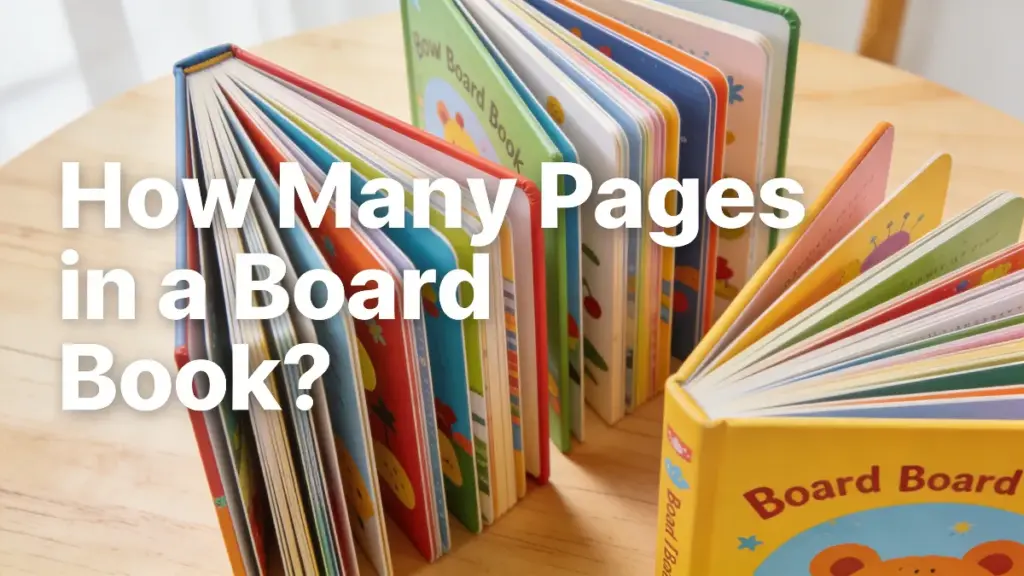


Pour les éditeurs, marques, et créateurs indépendants, la question "Combien coûte l'impression de livres?» vient généralement avec une vraie pression derrière cela. Vous prévoyez peut-être un premier tirage, comparer les fournisseurs, ou décider d'imprimer localement ou à l'étranger. Le défi est que les prix semblent souvent flous, incompatible, ou plein de compromis cachés. Et Xini, nous travaillons quotidiennement avec ces préoccupations et comprenons à quel point les décisions en matière de coûts peuvent être déroutantes sans conseils clairs.
En général, les coûts d'impression de livres varient généralement de $2– 5 $ par exemplaire pour les livres de poche en noir et blanc en vrac, alors que les livres en couleur ou à couverture rigide vont souvent de $6 à $15+ par copie, en fonction du nombre de pages, matériels, et la quantité. Les petits tirages et les options d'impression à la demande entraînent généralement des coûts unitaires plus élevés..
Les sections ci-dessous détaillent ce qui détermine réellement ces coûts, comment estimer votre budget avec précision, et comment les fabricants professionnels abordent le contrôle des coûts dans la production réelle.
Qu'est-ce qui détermine le coût d'impression d'un livre?
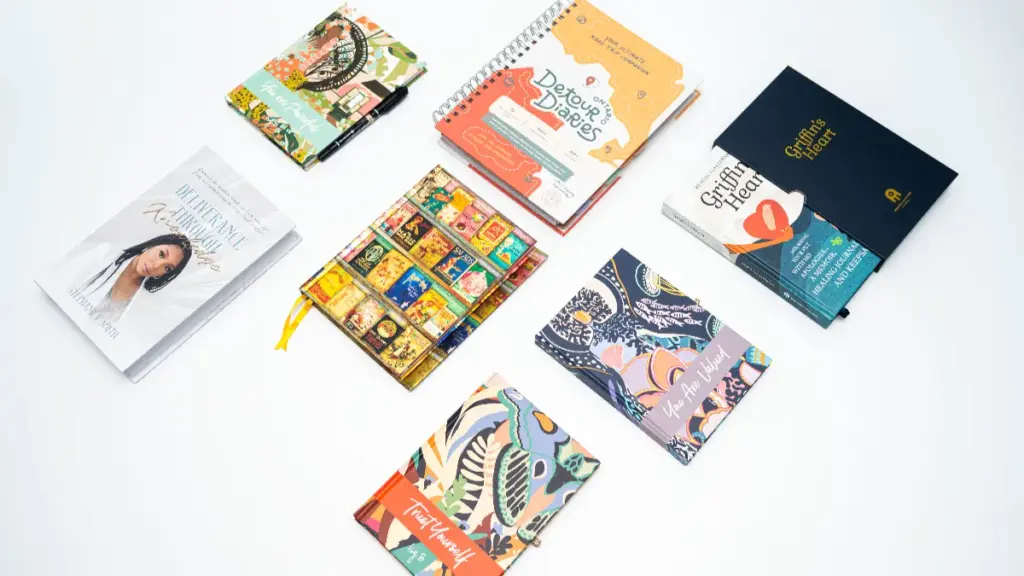
Les principaux facteurs déterminants des coûts d’impression de livres sont simples: quantité, nombre de pages, taille de coupe, obligatoire, papier, et si l'intérieur est en noir et blanc ou en couleur. Une fois ceux-ci définis, les différences de coûts restantes proviennent généralement de la méthode d'impression (offset vs numérique), finition de la couverture, et expédition.
Quantité (Tirage d'impression / MOQ)
Des quantités plus élevées réduisent votre coût unitaire car les coûts d'installation (prépresse, plaques pour offset, préparation) sont répartis sur plusieurs exemplaires. Impression 1,000 les copies coûtent rarement 10 × impression 100 copies.
Taille et format de coupe
Tailles courantes (comme 5.5″×8,5″, 6″×9″, A5) sont généralement plus rentables que les formats personnalisés. Les pages plus grandes augmentent également la consommation de papier et peuvent affecter l'efficacité de la presse..
Nombre de pages
Plus de pages signifie plus de papier, plus d'encre, et temps de pression plus long. Cela peut également déclencher des modifications contraignantes (Par exemple, les livres très épais peuvent nécessiter une construction de dos différente).
Couleur intérieure
- Intérieurs en noir et blanc (romans, beaucoup manuels) sont généralement beaucoup moins chers que la couleur.
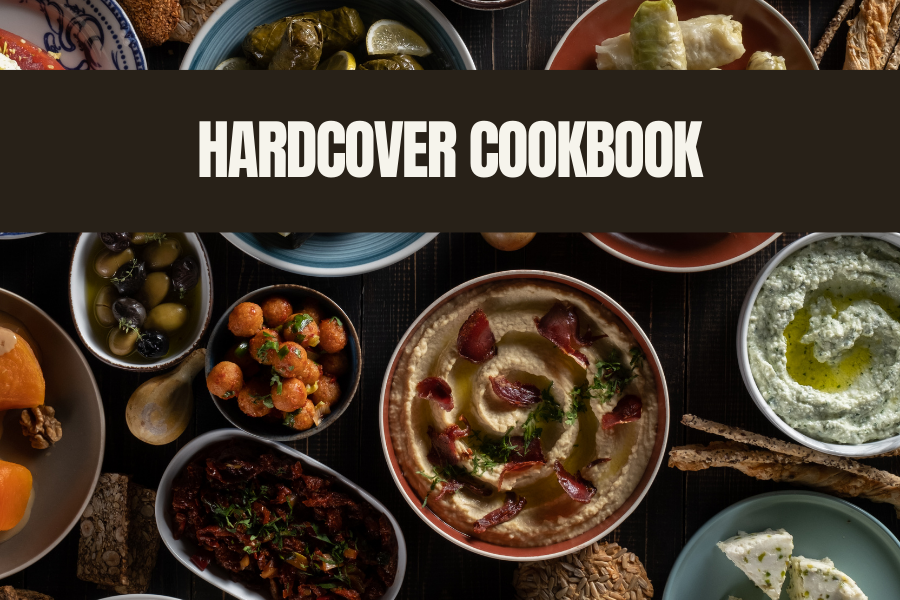
- Intérieurs en couleur (enfants et livres pour enfants, livres d'art, livres de cuisine) augmenter la consommation d'encre, exigences en matière de papier, et contrôle qualité.
Type de papier et poids (Papier)
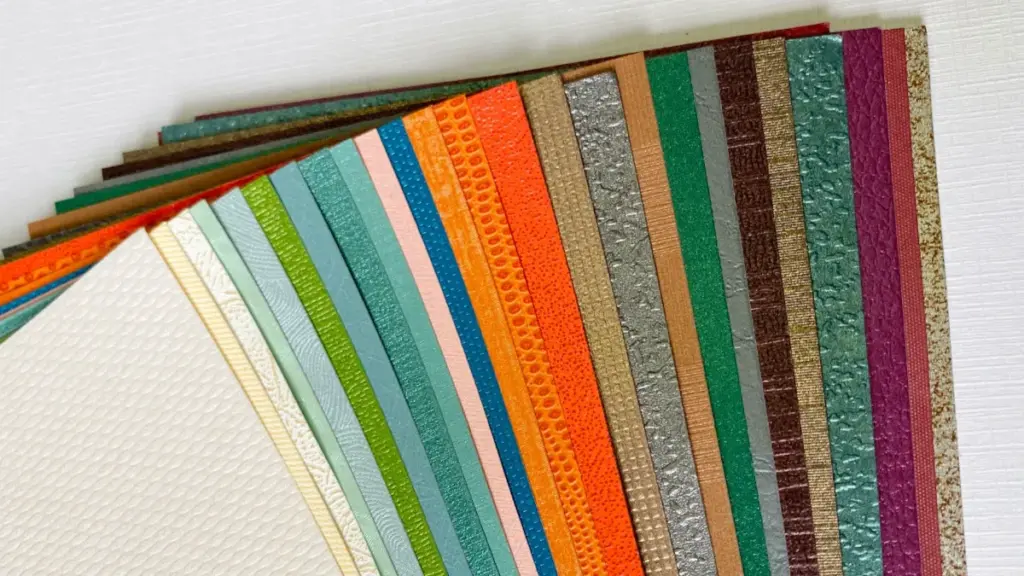
Papier non couché ou couché, crème contre blanc, papier plus épais, et les papiers spéciaux peuvent modifier considérablement leurs coûts. Le papier couché est courant pour les livres contenant beaucoup de photos; non couché est courant pour les romans et les journaux.
Type de reliure
- Reliure parfaite (livre de poche) est généralement le plus économique pour les livres commerciaux standard.
- Cousu Smyth ajoute de la durabilité et une sensation haut de gamme (idéal pour les manuels et les titres à longue durée de vie).
- Affaire liée (couverture rigide) coûte plus cher en raison des matériaux du panneau et des étapes supplémentaires.
- Point sellier fonctionne pour les livrets de faible page.
- Spirale / fil-o est populaire pour les manuels et les planificateurs mais modifie l'économie de l'unité et l'expédition.
Spécifications de la couverture et finition
Laminage (mat/brillant), tache UV, estampage à chaud, gaufrage/débossage, fenêtres découpées, et les textures spéciales peuvent ajouter un coût notable, mais également augmenter la valeur perçue.
Méthode d'impression (Offset vs numérique)
- Impression numérique est solide pour les courses courtes, délai d'exécution rapide, et des révisions fréquentes.
- Impression offset est généralement idéal pour l'impression de livres en masse et pour des couleurs homogènes sur de grands tirages.
Coûts moyens d’impression de livres par type et quantité de livre

Parce que les spécifications varient, la tarification « moyenne » n’a de sens que lorsque l’on définit un scénario commun. Vous trouverez ci-dessous des fourchettes illustratives que de nombreux acheteurs utilisent comme point de départ., en supposant des tailles de garniture standard, choix de papier typiques, et emballage standard. Considérez-les comme des chiffres de planification et non comme des devis finaux..
Fourchettes de coûts unitaires typiques (illustratif)
| Type de livre (exemple de spécification) | 100 copies | 500 copies | 1,000 copies | 5,000 copies |
|---|---|---|---|---|
| Livre de poche, ~200pages, B&W | $3.50–7,00$ | $2.00–4,50$ | $1.40–3,50$ | $0.90–2,20$ |
| Couverture rigide, ~200pages, B&W | $7.00–15,00$ | $5.00–10,00$ | $4.00–8,50$ | $3.00–6,50$ |
| Livre pour enfants en couleur, ~32 à 48 pages | $4.50–10,00$ | $2.80–6,50$ | $2.20–5,00$ | $1.40–3,20$ |
| Art/livre de cuisine en couleur, ~120pages | $10.00–25,00$ | $6.50–16,00$ | $5.00–12,00$ | $3.50–9,00$ |
Pourquoi les gammes sont larges:
- UN 6″×9″ un livre de poche avec du papier fin non couché peut être considérablement moins cher qu'un livre de plus grand format avec un papier plus épais, papier de qualité supérieure.
- Les livres en couleur nécessitent souvent du papier couché et un contrôle des couleurs plus strict, ce qui peut augmenter les coûts même lorsque le nombre de pages est faible.
- Les livres reliés varient beaucoup selon que vous choisissez ou non des jaquettes, tissu, enveloppes de caisse imprimées, bandeaux, marqueurs de ruban, et reliure cousue.
Une façon utile de penser à la « moyenne » est de séparer:
- Coût de fabrication unitaire (imprimer + lier + paquet)
- Coût au débarquement (coût de fabrication unitaire + expédition + droits/taxes d'importation + livraison locale)
Si le livre sera expédié à l’international, le coût au débarquement est le chiffre qui compte pour votre prix de détail et votre marge.
Comparaison entre impression à la demande et impression en masse
De nombreux acheteurs comparent impression à la demande (COSSE) avec impression en masse lors de l'évaluation des coûts d'impression de livres.
| Aspect | COSSE (Impression à la demande) | Impression en masse (Compenser / Court terme + Réimpression) |
|---|---|---|
| Meilleurs cas d'utilisation | Tester de nouveaux titres, demande incertaine, commandes petites ou occasionnelles | Demande prévisible, grosses commandes, écoles, organisations, distribution au détail et à l'exportation |
| Inventaire & accomplissement | Pas d'inventaire; imprimé par commande avec traitement mondial intégré | Nécessite une gestion des stocks et une exécution séparée ou 3PL |
| Coût initial | Coût initial très faible | Investissement initial plus élevé pour des tirages plus importants |
| Coût unitaire | Coût plus élevé par livre, spécialement pour les couvertures couleur et premium | Coût unitaire inférieur pour les quantités moyennes à grandes |
| Caractéristiques & choix | Papier limité, formats, obligatoire, et choix de finition | Large gamme de formats, papiers, reliures, et finitions haut de gamme (déjouer, gaufrer, cousu, etc.) |
| Contrôle des couleurs & cohérence | Moins de contrôle sur les lots | Contrôle et cohérence plus forts tout au long de l'exécution |
| Flexibilité pour les mises à jour | Mise à jour facile des fichiers et des éditions à tout moment | Les modifications après l'impression nécessitent un nouveau tirage |
| Stratégie hybride (usage courant) | Commencez par POD ou une petite exécution numérique pour valider la demande | Passer à l'impression en masse une fois les ventes réalisées, avis, ou des ordres institutionnels sont établis |
L'impression à la demande est conçue pour la flexibilité. Les livres sont imprimés un exemplaire à la fois, utilisant généralement l'impression numérique. Le POD élimine le risque d’inventaire et l’investissement initial, le rendre populaire auprès des auteurs auto-publiés et tester de nouveaux titres. Cependant, le coût unitaire reste relativement élevé et ne diminue pas significativement avec le volume.
L'impression en masse fait référence à la production de plus grandes quantités en une seule fois.. Dans la plupart des cas, l'impression de livres en vrac utilise l'impression offset, ce qui devient plus rentable à mesure que la quantité augmente. L'impression offset offre une meilleure cohérence des couleurs, options de papier plus larges, et des coûts unitaires réduits à grande échelle.
Du point de vue des coûts:
- Le POD convient aux très petites quantités ou aux demandes imprévisibles.
- L'impression en masse est plus économique pour une demande stable, distribution au détail, ou marchés d'exportation.
Pour les éditeurs et marques professionnels, l'impression en masse offre souvent une meilleure valeur à long terme, surtout quand la qualité, cohérence, et la maîtrise des coûts sont des priorités.
Coûts cachés et souvent négligés dans l’impression de livres

De nombreux primo-accédants se concentrent uniquement sur le prix d'impression par exemplaire et négligent les coûts supplémentaires qui affectent le budget total..
Vérification et échantillonnage les coûts sont souvent nécessaires avant la production de masse. Les preuves physiques aident à éviter des erreurs coûteuses mais augmentent les dépenses initiales.
Expédition et logistique peut avoir un impact significatif sur le coût total, spécialement pour l'impression de livres à l'étranger. Mode de transport, destination, et les normes d’emballage comptent.
Exigences d’emballage et d’exportation sont essentiels pour les commandes internationales. Des cartons appropriés, palettisation, et la protection contre l'humidité sont essentielles pour éviter les dommages pendant le transport.
Finitions post-presse, comme l'estampage à chaud, tache UV, gaufrage, ou des jaquettes, ajouter de la valeur visuelle mais augmenter les coûts.
Contrôle qualité et taux de détérioration sont rarement discutés mais importants. Les fabricants professionnels prennent en compte les contrôles de qualité pour garantir un résultat cohérent, qui protège l'acheteur des pertes inattendues.
Comprendre ces coûts cachés conduit à une budgétisation plus précise et à moins de surprises.
Comment estimer le coût d'impression de votre livre, étape par étape

Une estimation claire commence avec les mêmes données dont une usine a besoin pour établir un devis précis. Utilisez cette méthode étape par étape pour obtenir rapidement un budget réaliste, et un devis précis une fois les dossiers prêts.
- Définir les bases du livre
- Taille de coupe (Par exemple, 6″×9″, A5)
- Nombre de pages terminées
- Intérieur: noir et blanc ou couleur
- Obligatoire: livre de poche / couverture rigide / cousu / etc..
- Choisissez les spécifications du papier et de la couverture
- Type de papier intérieur (non couché/enduit) et le poids (g/m² ou lb)
- Stock de couverture (pour les livres de poche) ou matériel de cas (pour les couvertures rigides)
- Finition: mat, brillant, laminage doux au toucher, etc..
- Choisissez votre quantité et votre calendrier
- Quantité cible (et si vous pourriez réimprimer bientôt)
- Date de livraison requise et préférence de méthode d'expédition (océan contre air)
- Décidez de votre niveau de qualité
- Qualité commerciale standard par rapport aux travaux haut de gamme critiques pour les couleurs
- Toute exigence de conformité (surtout pour les livres pour enfants)
- Estimer le coût unitaire et ajouter la logistique
- Demandez EXW / GOUSSET / CIF / Options DDP si vous comparez l'impression à l'étranger.
- Convertir en coût au débarquement: fabrication + fret + frais de destination.
- Valider avec une preuve
- Si la couleur, sensation de papier, et la durabilité des liaisons est importante, prévoir une épreuve imprimée ou un échantillon avant la production en série.
- Verrouiller les spécifications avant la production en série
- Petits changements (grammage du papier, type de stratification, mise à niveau contraignante) peut modifier la largeur du dos et affecter les fichiers, finalisez donc les spécifications avant le début des plaques d'impression ou du début de la production à grande échelle.
Si vous pouvez fournir une facture antérieure, un devis concurrent, ou une fiche technique de type nomenclature, les fabricants peuvent souvent s'adapter à la structure et vous aider à identifier les économies sans diminuer la qualité. Prince Xinyi peut examiner vos fichiers et vos cibles, puis suggérez des options permettant de réduire les coûts et envoyez-vous un message clair, devis gratuit : contactez simplement notre équipe avec les spécifications et la quantité de votre livre.
Conseils d'optimisation des coûts d'un fabricant professionnel d'impression de livres
L'optimisation des coûts fonctionne mieux lorsqu'elle améliore l'efficacité sans nuire à l'expérience du lecteur.. Ce sont des pratiques, leviers testés par le fabricant qui font généralement une différence significative.
- Standardiser les tailles et les matériaux des garnitures: Le choix de formats courants et de stocks de papier largement disponibles réduit souvent les déchets et améliore la vitesse de production..
- Optimiser le nombre de pages: De petites modifications peuvent réduire les signatures (sections d'impression), ce qui peut réduire la consommation de papier et la complexité de la reliure.
- Utilisez la bonne méthode d’impression: Pour les courses courtes, l'impression numérique peut être rentable et rapide; pour les grandes séries, L'offset offre généralement le meilleur coût unitaire et une qualité stable.
- Sélectionnez les finitions de manière stratégique: Au lieu de « tout est premium »," Choisissez un élément de héros (Par exemple, pelliculage mat plus spot UV sur le titre) et garde le reste standard.
- Envisagez les mises à niveau contraignantes uniquement là où elles sont importantes: Le cousu Smyth a du sens pour les manuels scolaires, livres de référence, et titres à forte utilisation, alors que pour un roman standard, une reliure parfaite est souvent suffisante si les choix de papier et de colle sont appropriés.
- Planifiez l’expédition tôt: Le poids du livre augmente rapidement, alors ajustez le grammage du papier, nombre d'emballages en carton, et palettisation pour réduire les coûts de transport sans augmenter le risque de dommages.
- Imprimez une quantité réaliste: La surimpression bloque la trésorerie et le stockage, tandis que la sous-impression impose des réapprovisionnements fréquents à un coût unitaire plus élevé.; si la demande est incertaine, envisagez d'abord 500 à 1 500 exemplaires, puis réimprimez rapidement une fois que les données de ventes sont réelles.
- Demandez une ingénierie de valeur: Un bon fabricant peut proposer des alternatives (papier, épaisseur du panneau de couverture, méthode de finition) qui conservent l’aspect général tout en réduisant considérablement les coûts.
L’impression de livres à l’étranger est-elle plus rentable pour les marchés d’exportation?
L'impression de livres à l'étranger est de plus en plus courante pour les éditeurs desservant les marchés mondiaux.
Fabricants en Asie, notamment en Chine, offrent de solides avantages dans impression de livres en vrac, y compris des prix compétitifs, chaînes d'approvisionnement matures, et des capacités de production avancées.
Lorsqu’il est géré correctement, l'impression à l'étranger peut générer des économies substantielles, même en tenant compte des frais d'expédition.. Il est particulièrement efficace pour les grandes quantités et les projets axés sur l'exportation.
Cependant, le succès de l’impression à l’étranger dépend d’une communication claire, normes de qualité, et le respect des certifications internationales.
Avec des décennies d'expérience à l'exportation et un système de certification complet, Prince Xinyi soutient les clients internationaux en combinant la rentabilité avec une qualité constante et une logistique fiable.
Obtenir un devis précis pour l'impression de livres pour votre projet
Si tu veux, partagez votre taille de coupe, nombre de pages, type de liaison, quantité, et si l'intérieur est B&W ou couleur : une liste de contrôle des spécifications prête à être rédigée peut être rédigée pour votre projet..
Pensées finales
Les coûts d’impression de livres dépendent de nombreuses variables, mais ils sont gérables avec les connaissances et les partenaires appropriés. Que vous imprimiez un petit lot ou que vous planifiiez une commande groupée à grande échelle, comprendre la structure des coûts conduit à de meilleures décisions.
En tant que fabricant d'impression complet spécialisé dans les livres, boîtes d'emballage, et jeux de cartes, Prince Xinyi aide les clients internationaux à transformer des projets d'impression complexes en projets prévisibles, des résultats de haute qualité.