

Al crear un libro personalizado, Los detalles importan, especialmente la columna vertebral.. Si bien la forma de la columna puede parecer una decisión pequeña, puede influir en la durabilidad, estética, comodidad de lectura, e incluso ciertos efectos de impresión. En el mundo de la encuadernación profesional, dominan dos tipos de columna: el lomo redondeado y el lomo cuadrado.
Ambos tienen diferentes propósitos., y comprender sus puntos fuertes le ayudará a elegir el estilo adecuado para su proyecto.
¿Qué es una columna cuadrada??
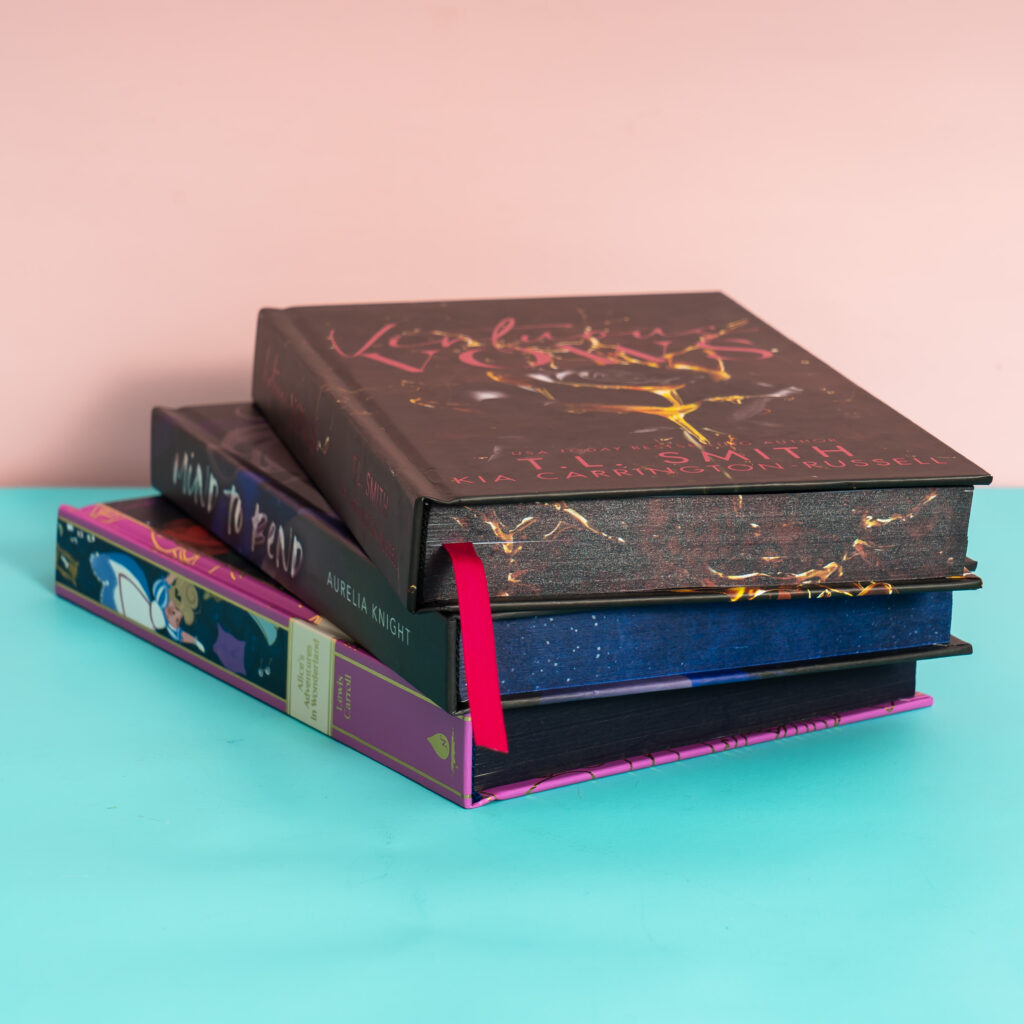
Un lomo cuadrado con características afiladas., limpio, 90-bordes de grado, dándole al libro un toque moderno, perfil rectangular. Es la opción estándar para la mayoría de los libros de bolsillo y muchos libros de tapa dura contemporáneos..
Sus principales beneficios incluyen:
- Limpio, Estética moderna: Ofrece un estilo minimalista., Aspecto nítido que se alinea con las identidades de marca contemporáneas..
- Amplia compatibilidad: Funciona perfectamente con ambos libros de bolsillo. (encuadernado perfecto) y tapa dura (encuadernado en estuche) formatos.
- Ideal para imprimir & Embellecimiento: Proporciona una consistencia, superficie plana para texto en el lomo, estampado, grabado, o aplicación de logotipo, asegurando nitidez, resultados claros.
Los lomos cuadrados están reforzados con tablero gris rígido del mismo espesor que las tapas., manteniendo una robusta, «cuadrado,» y forma dimensional.
¿Qué es una columna redondeada??
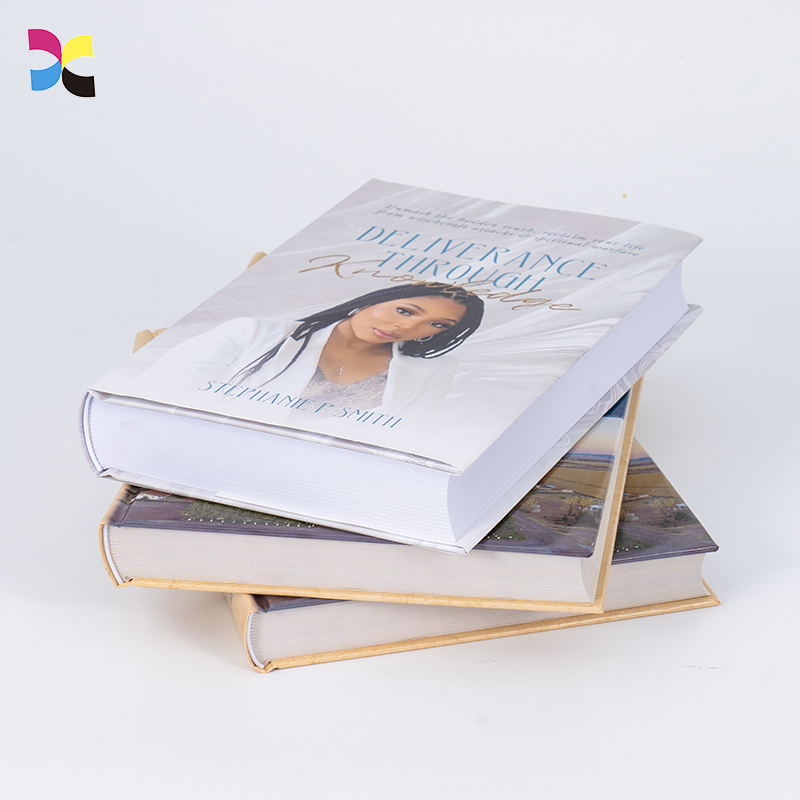
Una columna redondeada se crea moldeando la columna en una forma suave., arco curvo durante el proceso de encuadernación. Esta suave curva ofrece varias ventajas clave:
- Comodidad de lectura mejorada: La forma redondeada permite que el libro se abra más fácilmente y quede más plano., reduciendo la tensión y «presión del pulgar» al mantener las páginas abiertas.
- Superior para gruesos, Libros con muchas páginas: El arco distribuye la tensión de manera más uniforme., agregando integridad estructural y durabilidad a largo plazo a libros pesados.
- Clásico, Sensación premium: A menudo asociado con tapas duras de alta calidad., transmite una tradicional, archivo, y estética lujosa, perfecta para novelas, libros de arte, o ediciones especiales.
Para lograr esta curva flexible, un lomo redondeado utiliza un papel de revestimiento flexible en lugar de un tablero rígido, Permitir que el bloque del libro se mueva y se expanda naturalmente cuando se abre..
Consideraciones clave de diseño al elegir el lomo del libro
1. Pintura de bordes (Bordes rociados)
Si su proyecto incluye bordes pintados, La elección de la columna vertebral es fundamental..
- Lomo cuadrado:Los bordes de la página forman un perfecto, rectángulo plano. Esta geometría permite una suave, continuo, y capa uniforme de color.
- Lomo redondeado:Los bordes de la página siguen una línea cóncava., Forma curva. Esto a menudo hace que la pintura parezca desigual., roto, o con espacios visibles cerca de la bisagra.
2. Estética & Estilo
- Elija un lomo redondeado para un clásico, lujoso, y sensación duradera. Eleva las novelas, libros de arte, o cualquier tapa dura destinada a ser un regalo o recuerdo.
- Elija un lomo cuadrado para una limpieza, moderno, y declaración minimalista. Es excelente para revistas., catálogos, manuales profesionales, o trabajos con una sensibilidad de diseño contemporáneo.
3. Comodidad & Durabilidad
- Los lomos redondeados generalmente ofrecen mayor comodidad para sesiones de lectura prolongadas., ya que permiten que el libro quede más plano. La forma también reduce la tensión en la encuadernación de libros gruesos..
- Los lomos cuadrados son robustos y proporcionan una excelente protección para el bloque del libro.. Son perfectamente cómodos para la lectura estándar y ofrecen una experiencia satisfactoria., sensación sólida.
Cómo elegir tu libro
si decide? Esta tabla de referencia rápida resume las consideraciones clave para ayudarle a adaptar el tipo de lomo a las necesidades de su proyecto..
| Consideración | Lomo redondeado | Lomo cuadrado |
| Recuento de páginas & Espesor | Alto número de páginas (a menudo 150+ páginas), grueso, o pesado. | Recuento de páginas bajo a medio. |
| Formato & Vinculante | una tapa dura (encuadernado en estuche) edición. | un libro de bolsillo (encuadernado perfecto) o una tapa dura. |
| Objetivo estético | Clásico, lujoso, tradicional, o archivo. | Moderno, minimalista, crujiente, o corporativo. |
| Experiencia de lectura | Diseñado para uso prolongado, lectura cómoda donde se valora estar tumbado. | Para lectura estándar, referencia, o mostrar. |
| Refinamiento | Centrado en un color sólido o una textura simple.. | Requiere texto impreso, estampado, grabado, o un logo en el lomo. |
| Efectos especiales | No planea incluir pintura de bordes. | Planeando incluir pintura de bordes. |
Al finalizar tu proyecto personalizado, Analice estas opciones con su impresor o encuadernadora.. Pueden brindarle asesoramiento experto adaptado a sus especificaciones y stock de papel exactos..
Tu historia merece la encuadernación perfecta.. Esperamos que esta guía le ayude a tomar una decisión segura y a crear un libro personalizado que impresione desde el lomo hasta la última página..