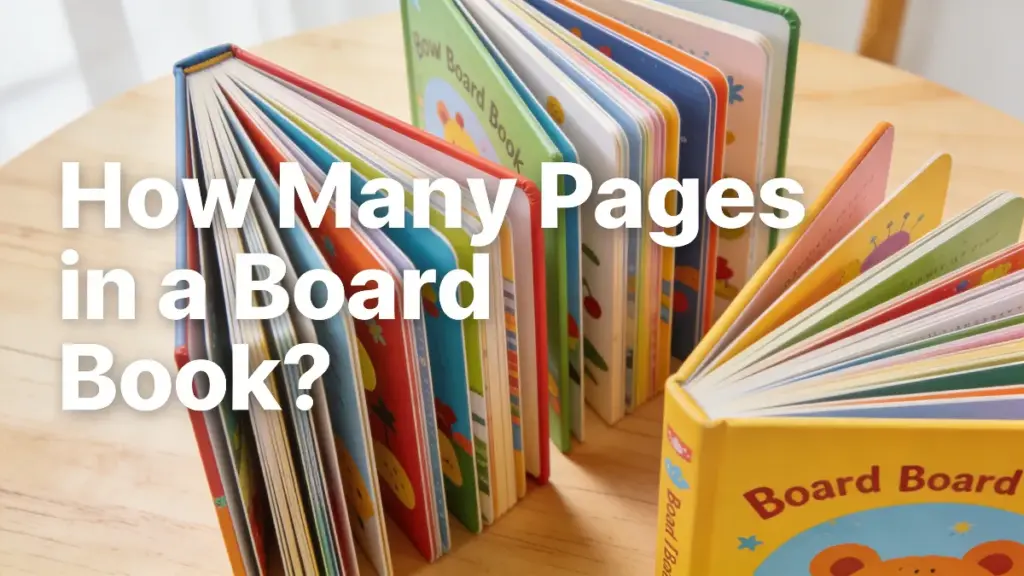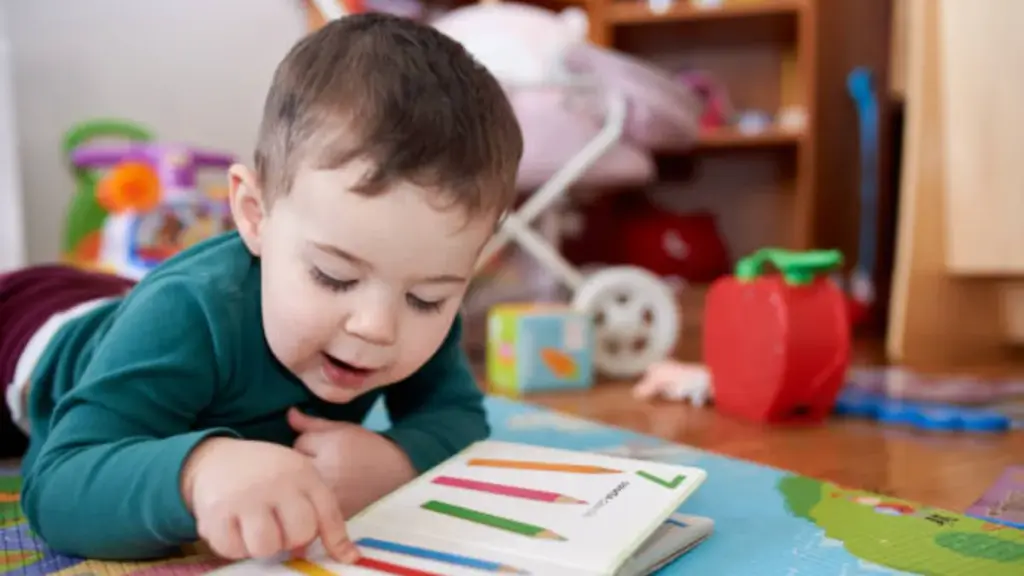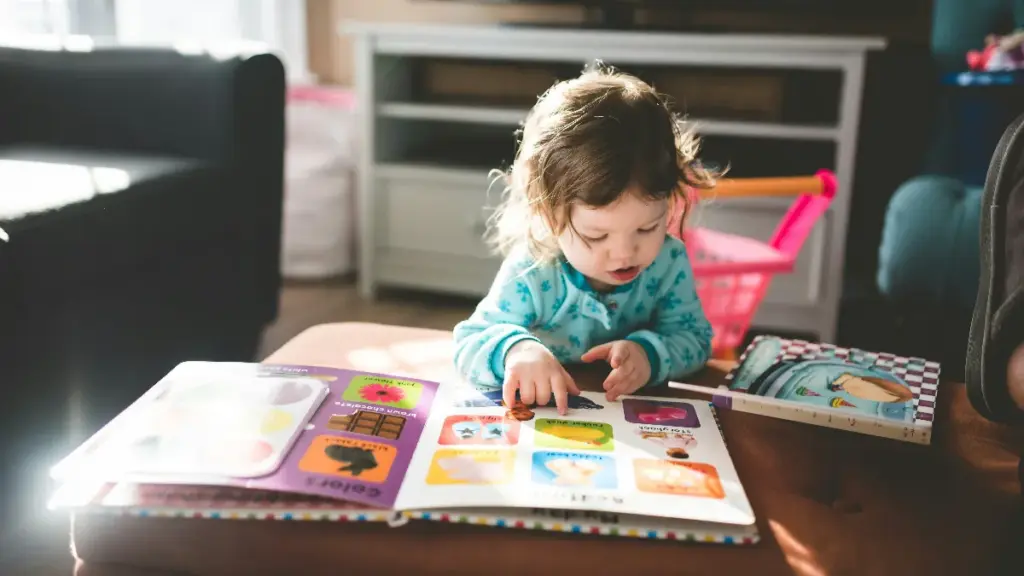


Os livros de tabuleiro costumam ser a primeira introdução da criança à leitura. Espesso, durável, e projetado para mãos pequenas, eles desempenham um papel crítico no desenvolvimento da primeira infância, ao mesmo tempo que resistem ao manuseio brusco de bebês e crianças pequenas. Como fabricante profissional de impressão de livros com décadas de experiência, A Xinyi Printing trabalha em estreita colaboração com os editores, marcas, e educadores para produzir livros de alta qualidade que sejam seguros, duradouro, e visualmente envolvente.
Neste guia, vamos explicar exatamente o que é um livro de tabuleiro, como ele difere de outros tipos de livros, por que isso é importante para o desenvolvimento inicial, e o que considerar se você estiver pensando em criar seu próprio livro de tabuleiro.
O que é um livro de tabuleiro?
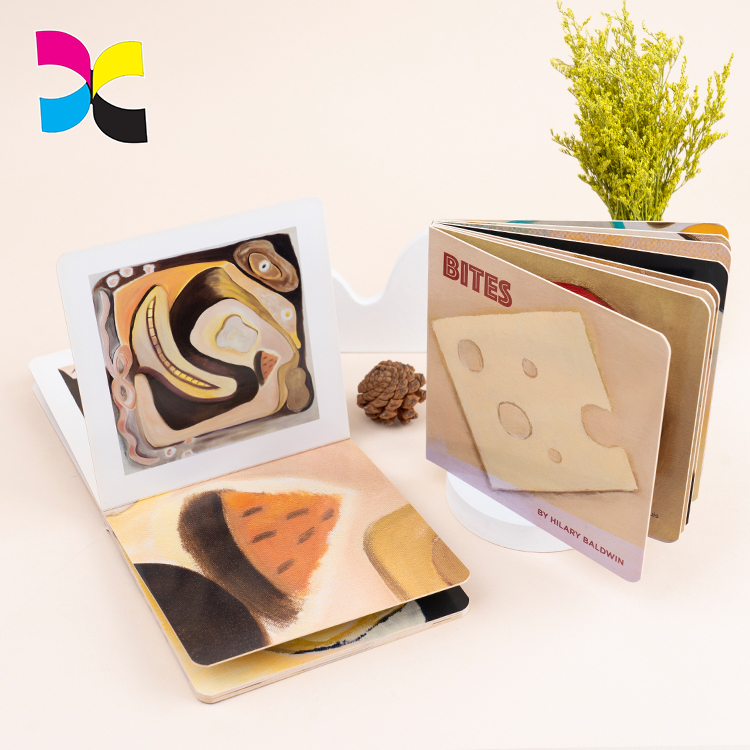
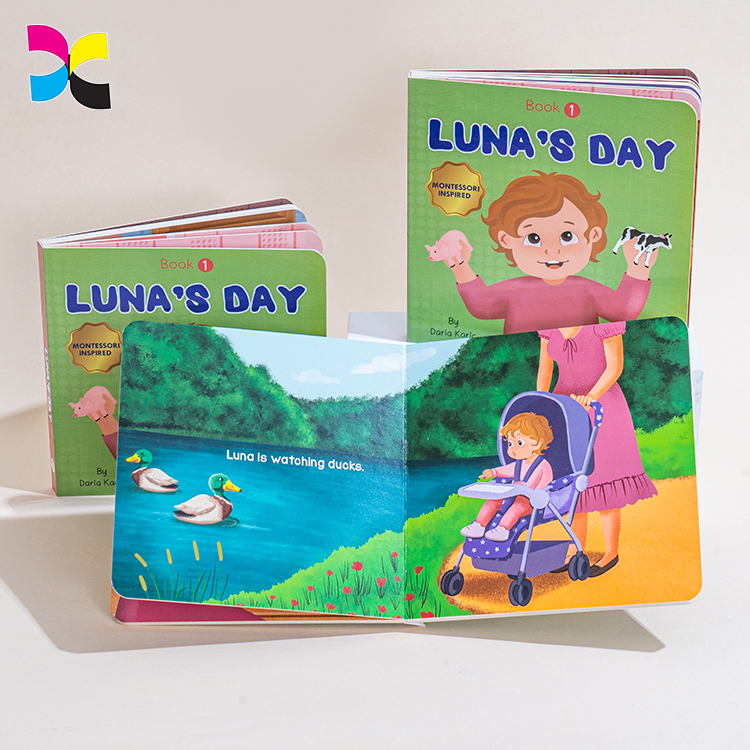
Um livro de papelão é um tipo de livro feito de papelão grosso em vez de papel fino tradicional. Cada página é rígida, frequentemente em torno de 1,5–3 mm de espessura, permitindo que o livro mantenha sua forma mesmo quando dobrado, derrubado, ou mastigado. Os livros de tabuleiro são projetados principalmente para bebês e crianças pequenas, normalmente de 0 para 3 anos.
Ao contrário dos livros de bolso ou de capa dura, livros de tabuleiro não usam páginas soltas. As páginas geralmente são impressas, laminado, e montado em quadro cinza ou quadro branco, em seguida, unidos com cantos arredondados para segurança. Esta construção torna os livros de tabuleiro ideais para a aprendizagem precoce, exploração sensorial, e leitura interativa.
Principais características dos livros de tabuleiro
Os livros de tabuleiro se destacam de outros livros infantis devido à sua estrutura e finalidade únicas. Algumas características principais incluem:
- Páginas de papelão grosso
Cada página é feita de papelão sólido (frequentemente com 1,5–2,5 mm de espessura), não separar folhas de papel coladas em um quadro. Isso dá ao livro uma aparência robusta, Sensação de “bloco” que é fácil para os dedos pequenos agarrarem. - Cantos arredondados e design seguro para crianças
A maioria dos livros de papelão tem cantos arredondados e bordas lisas para reduzir o risco de arranhões ou arranhões. Tintas e revestimentos seguros para crianças também são importantes, já que os bebês frequentemente colocam o livro na boca. - Curto, conteúdo simples com ilustrações ousadas
Os livros de tabuleiro geralmente têm menos páginas, texto muito curto, e layouts altamente visuais. Eles se concentram em conceitos básicos (cores, animais, primeiras palavras, números) em vez de histórias complexas, tornando-os perfeitos para aprendizagem precoce e leitura interativa. - Encadernação durável e superfícies limpas
A encadernação foi projetada para suportar aberturas e fechamentos frequentes, e muitos livros de papelão usam laminação brilhante ou outros revestimentos para que os pais possam limpar facilmente a sujeira e respingos.
No Impressão Xinyi, Livros do conselho são uma das principais categorias de produtos em nosso portfólio de encadernação personalizada, e oferecemos uma variedade de espessuras de placas, Revestimentos, e opções vinculativas para atender diferentes faixas etárias e necessidades de marca.
Qual é o tamanho comum dos livros de tabuleiro?
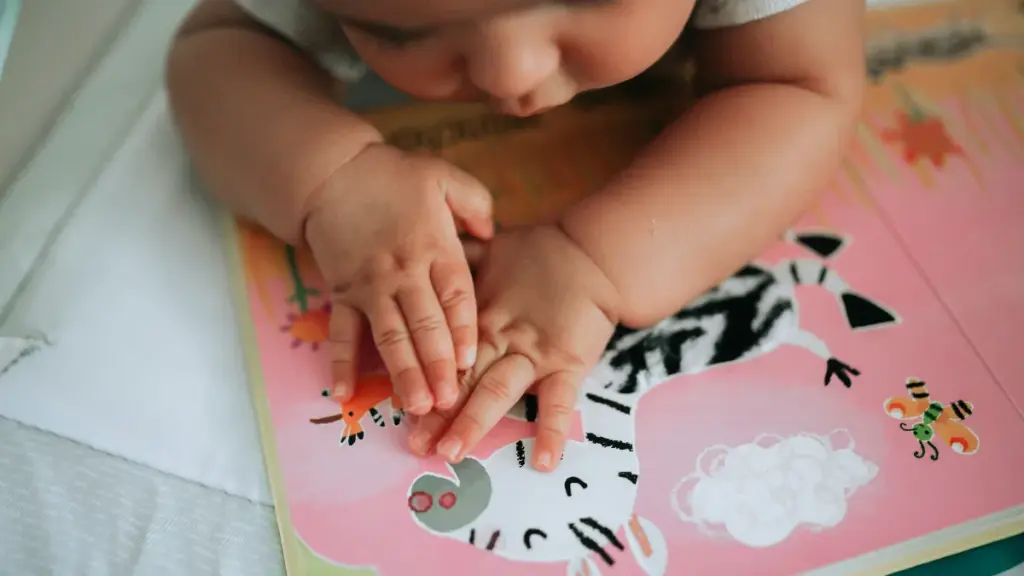
Não existe um tamanho “padrão” único para livros de papelão, mas vários formatos são amplamente utilizados no mercado. Os tamanhos comuns de livros de tabuleiro incluem:
Os tamanhos comuns de livros de tabuleiro incluem:
- Livros pequenos de tabuleiro quadrado
Tamanhos populares como 5 x 5 em, 5.5 x 5.5 em, ou 6 x 6 são ideais para mãos de bebês e fáceis de colocar em uma bolsa de fraldas. Estes são frequentemente usados para as primeiras palavras, conceitos simples, ou minissérie. - Formatos médios quadrados e retangulares
Tamanhos como 7 x 7 em, 7 x 7.5 em, ou 8 x 8 em dar mais espaço para ilustrações e texto um pouco mais longo. Eles funcionam bem para crianças que estão prontas para mais detalhes, mas ainda precisam de um formato robusto. - Formatos interativos maiores
Alguns livros de tabuleiro com abas, cortes, ou elementos pop-up simples usam formatos maiores, como 8 x 10 layouts em ou paisagem para permitir espaço para interatividade. Eles são frequentemente usados em séries educacionais e projetos de marca.
Ao escolher um tamanho, os editores geralmente consideram a faixa etária, densidade de conteúdo, exibição de prateleira, e eficiência de envio. Como fabricante de impressão de livros personalizados, Xinyi oferece suporte padrão e totalmente tamanhos personalizados de livros de tabuleiro.
Livro de tabuleiro vs. Capa dura: Principais diferenças que você deve saber
Embora ambos sejam formatos robustos, livros de papelão e livros de capa dura servem a propósitos diferentes.
| Recurso | Livro de tabuleiro | Livro de capa dura |
|---|---|---|
| Páginas | Páginas grossas de papelão sólido. | Páginas de papel fino e capa dura. |
| Idade desejada | Bebês e crianças pequenas (aprox.. 0–3 anos). | Crianças mais velhas, pré-escolares, e acima. |
| Durabilidade | Muito alto, projetado para mastigação e uso pesado. | Capa durável, mas as páginas internas podem rasgar facilmente. |
| Complexidade do conteúdo | Palavras simples, frases curtas, conceitos básicos. | Histórias mais longas e linguagem mais complexa. |
| Contagem típica de páginas | Menor contagem de páginas (Por exemplo, 10–24 páginas). | Gama mais ampla, de 24 páginas até 100+. |
| Custo de impressão | Maior custo de material por página; menos páginas. | Mais flexibilidade na contagem de páginas e acabamentos. |
Resumidamente, livros de tabuleiro são sobre interação e exploração, enquanto os livros de capa dura tratam de contar histórias e progredir na leitura. Se você quiser uma comparação mais profunda de como os livros de papelão diferem dos formatos de capa dura e brochura em termos de durabilidade, custo, e faixas etárias ideais, você pode explorar nosso guia detalhado sobre livro de tabuleiro vs. capa dura vs.. brochura para fazer uma escolha mais informada.
Benefícios de desenvolvimento de livros de tabuleiro para bebês
Os livros de tabuleiro apoiam vários aspectos do desenvolvimento da primeira infância:
- Alfabetização precoce e habilidades linguísticas
Palavras simples, frases repetitivas, e imagens nítidas ajudam os bebês a conectar sons, palavras, e significados. Leituras repetidas do mesmo livro de tabuleiro constroem vocabulário e compreensão ao longo do tempo. - Habilidades motoras finas e coordenação olho-mão
Páginas grossas são mais fáceis para os dedos pequenos agarrarem e virarem, ajudando as crianças a praticar a preensão, beliscar, e virando as páginas de forma independente. - Capacidade de atenção e desenvolvimento cognitivo
Curto, conteúdo envolvente com forte contraste visual ajuda os bebês a se concentrarem por mais tempo, siga sequências simples, e começar a reconhecer padrões. - Vínculo e segurança emocional
Rotinas regulares de leitura de livros de tabuleiro com cuidadores apoiam o apego emocional e uma associação positiva com livros e histórias.
Padrões de segurança: O que procurar antes de comprar
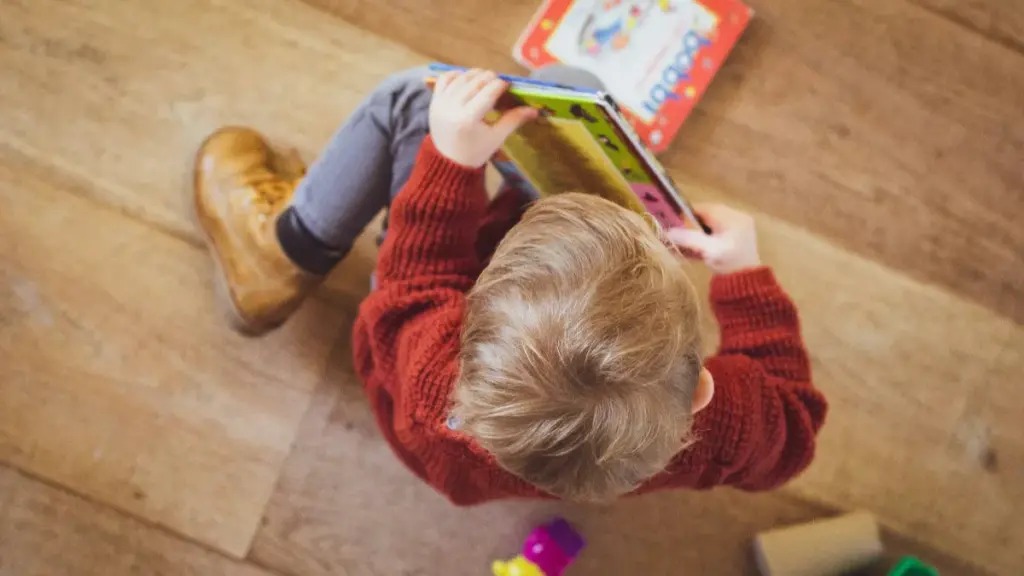
Porque os bebês costumam mastigar e mastigar o livro de tabuleiro, os padrões de segurança são uma prioridade máxima a ser considerada ao escolhê-los ou produzi-los. Os principais fatores de segurança a serem verificados incluem:
- Tintas e revestimentos não tóxicos
Certifique-se de que a impressora utilize, tintas e revestimentos não tóxicos que atendem aos padrões de segurança relevantes em seu mercado. Em Xinyi, trabalhamos com materiais ecologicamente corretos e podemos oferecer suporte a papéis certificados pelo FSC e tintas à base de soja quando solicitado. - Forte encadernação de livro e construção segura
Um livro de papelão bem feito não deve soltar facilmente pequenas partes ou camadas quando mastigado ou dobrado. As juntas da lombada e das páginas devem ser apertadas o suficiente para que as crianças não consigam separá-las. - Suave, bordas arredondadas
Os cantos devem ser arredondados e as bordas lisas, sem pontas afiadas ou cortes ásperos que possam arranhar a pele delicada. - Design adequado à idade
Para bebês menores de um ano, evite furos cortados muito pequenos ou peças destacáveis que possam representar risco de asfixia - Certificações
Para livros infantis, muitos mercados usam regulamentações de segurança como CPSIA nos EUA e EN 71 na Europa, que limitam substâncias nocivas e pequenas peças.
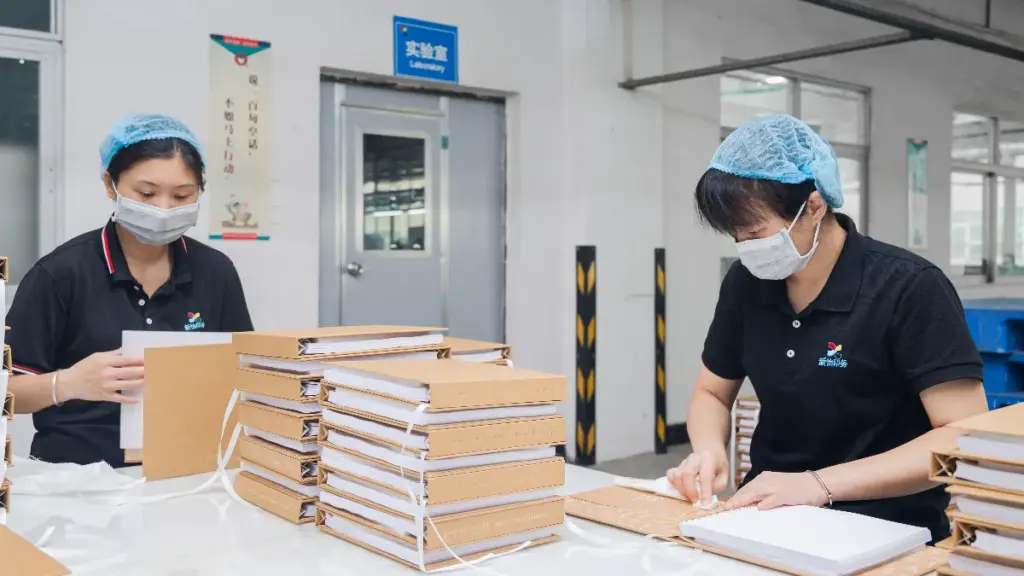
As linhas de fabricação da Xinyi são configuradas para atender às rigorosas expectativas de qualidade e segurança, com processos controlados desde a laminação da placa até o corte e arredondamento de cantos, para que marcas e editores possam confiar o produto final nas mãos das crianças.
Como limpar e higienizar livros de tabuleiro com segurança
Os livros de tabuleiro são projetados para serem fáceis de limpar, que é essencial para bebês e crianças pequenas. Dicas de limpeza segura incluem:
- Limpe com um pano levemente úmido
- Usar sabonete neutro se necessário
- Evite molhar ou submergir em água
- Deixe secar completamente antes de reutilizar
Livros de cartão laminado oferecem melhor resistência à umidade e manchas, é por isso que a escolha da laminação é uma decisão importante durante o processo de impressão.
Como fazer a transição de livros de tabuleiro para livros ilustrados em papel
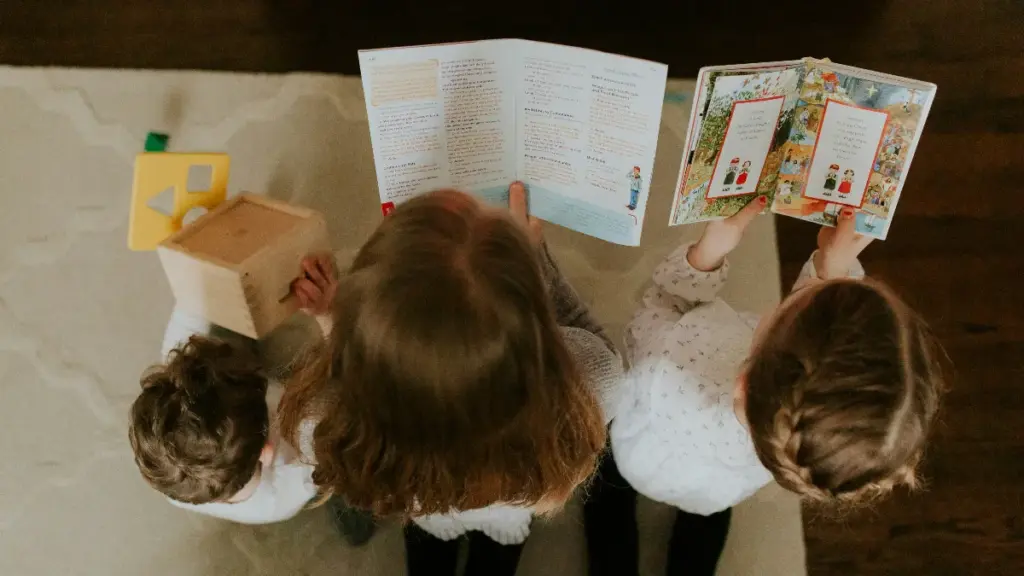
Em algum momento, todos os pais se perguntam quando mudar de livros de papelão resistentes para livros ilustrados de papel. Não há idade fixa, mas existem sinais claros de prontidão e estratégias suaves que tornam a transição mais suave.
Pais e educadores podem:
- Fique atento aos sinais de prontidão, não apenas a idade
Muitas crianças começam a usar mais livros ilustrados em papel entre 2 e 3 anos, mas alguns estão prontos mais cedo e outros mais tarde. Os sinais de prontidão incluem virar as páginas com mais cuidado, mostrando interesse em histórias mais longas, e ser capaz de sentar e se concentrar por vários minutos de cada vez. - Introduza livros de papel gradualmente
Comece com curto, livros ilustrados de papel resistente, mantendo muitos livros de papelão na mistura. Você pode guardar livros de papel para leitura supervisionada no sofá ou na hora de dormir, e deixar livros de tabuleiro acessíveis para jogo independente. - Escolha histórias conhecidas em um novo formato
Usar edições em papel de histórias que seu filho já adora em forma de livro de tabuleiro pode fazer com que o novo formato pareça seguro e emocionante, em vez de intimidante. - Ensine “mãos gentis” explicitamente
Mostre ao seu filho como virar uma página de cada vez e diga frases simples como “mãos gentis” ou “viradas lentas de página” enquanto vocês lêem juntos. Praticar esta habilidade com a sua ajuda reduz o risco de páginas rasgadas.
Esta transição gradual ajuda as crianças a passar da aprendizagem tátil para a compreensão narrativa.
Guia Idade por Idade: Escolhendo o livro de tabuleiro certo
- 0–6 meses: Imagens de alto contraste, rostos, formas simples
- 6–12 meses: Elementos de textura, objetos familiares, palavras únicas
- 1–2 anos: Cores, animais, rotinas diárias
- 2–3 anos: Histórias simples, contando, conceitos de alfabeto
Combinar o conteúdo e a construção com a idade é essencial para a segurança e o envolvimento.
Pensando em criar seu próprio livro de tabuleiro?
Se você está pensando em produzir um livro de quadro personalizado, seja para publicação, educação, ou promoção da marca - trabalhando com um experiente fabricante de impressão de livros faz uma diferença significativa.
No Impressão Xinyi, nós oferecemos:
- Tamanhos personalizados e formas cortadas
- Gerenciamento profissional de cores para ilustrações infantis
- Materiais seguros que atendem aos padrões globais
- MOQs flexíveis e suporte completo de OEM/ODM
- Serviços completos, desde a pré-impressão até a embalagem
Com mais 28 anos de experiência em impressão de livros infantis, ajudamos os clientes a transformar ideias em alta qualidade, livros de tabuleiro prontos para o mercado que os pais confiam e as crianças adoram.
Pronto para dar vida ao seu projeto de livro de tabuleiro?
Visita https://xinyiprint.com/ para explorar nossas soluções de impressão de livros em cartão ou entre em contato com nossa equipe para obter orientação especializada.