

出版社向け, ブランド, および独立したクリエイター, 質問 「本を印刷するといくらかかりますか?」?」 通常、その背後には本当のプレッシャーが伴います. 最初の印刷部数の予算を立てている可能性があります, サプライヤーを比較する, または国内で印刷するか海外で印刷するかを決定する. 課題は、価格設定が不明確に感じられることが多いことです, 一貫性のない, または隠れたトレードオフが満載. とXini, 私たちはこれらの懸念事項に日々取り組んでおり、明確なガイダンスがなければコストの決定がいかに混乱する可能性があるかを理解しています。.
一般的に, 書籍の印刷コストは通常、次のとおりです。 $2–白黒のペーパーバックを大量に購入する場合は 1 部あたり 5 ドル, その間 フルカラーまたはハードカバーの本は、多くの場合、次のような範囲にあります。 $6 に $15+ コピーごとに, ページ数に応じて, 材料, そして量. 印刷部数が少なく、オンデマンド印刷のオプションを使用すると、通常、単位あたりのコストが高くなります。.
以下のセクションでは、実際にこれらのコストが発生する原因を詳しく説明します。, 予算を正確に見積もる方法, 専門メーカーが実際の生産においてコスト管理にどのように取り組むか.
本の印刷コストを決めるもの?
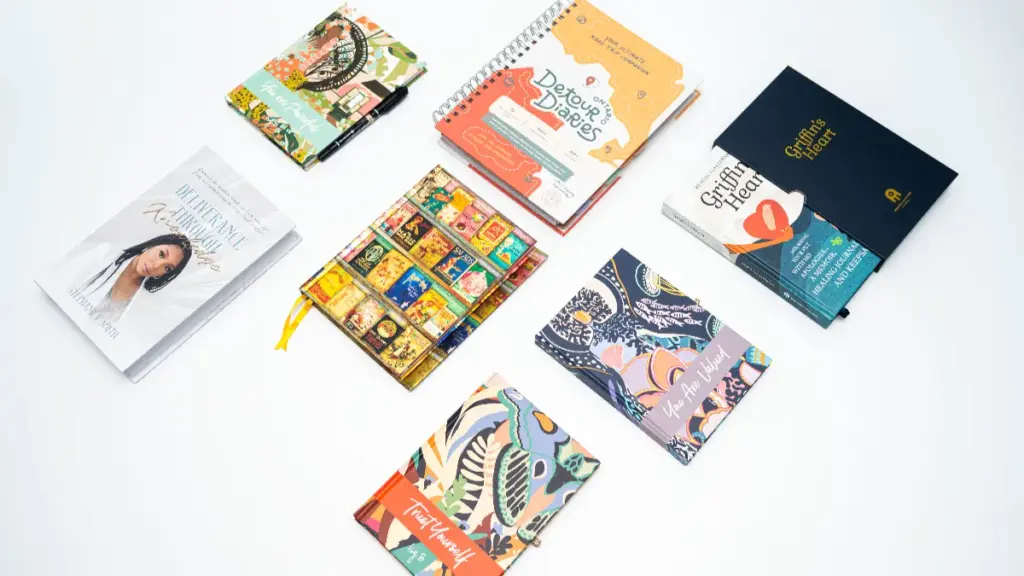
書籍の印刷コストの最大の要因は単純です: 量, ページ数, トリムサイズ, バインディング, 紙, 内装が白黒かフルカラーか. これらを設定したら, 残りのコスト差は通常、印刷方法に起因します (オフセットとデジタル), カバー仕上げ, そして発送.
量 (印刷実行 / MOQ)
数量が増えるとセットアップにコストがかかるため、単価が下がります (プリプレス, オフセット用プレート, 準備完了) より多くのコピーに分散されている. 印刷 1,000 コピーの印刷コストが 10 倍になることはほとんどありません 100 コピー.
トリミングサイズとフォーマット
一般的なサイズ (5.5のような″×8.5″, 6″×9″, A5) 通常、カスタム サイズよりもコスト効率が高くなります. ページが大きいと用紙の消費量も増加し、印刷効率に影響を与える可能性があります。.
ページ数
ページが増えると紙の量も増える, インクをもっと増やす, プレス時間も長くなります. バインディングの変更をトリガーすることもできます (例えば, 非常に厚い本には異なる背表紙の構造が必要になる場合があります).
インテリアカラー
- 白黒のインテリア (小説, 多くの 教科書) 通常、カラーよりもはるかに安価です.
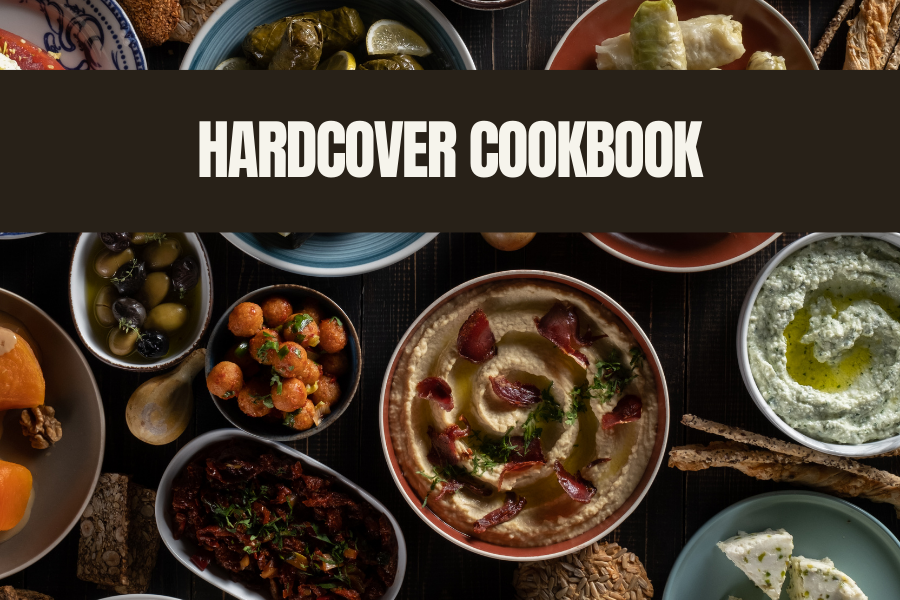
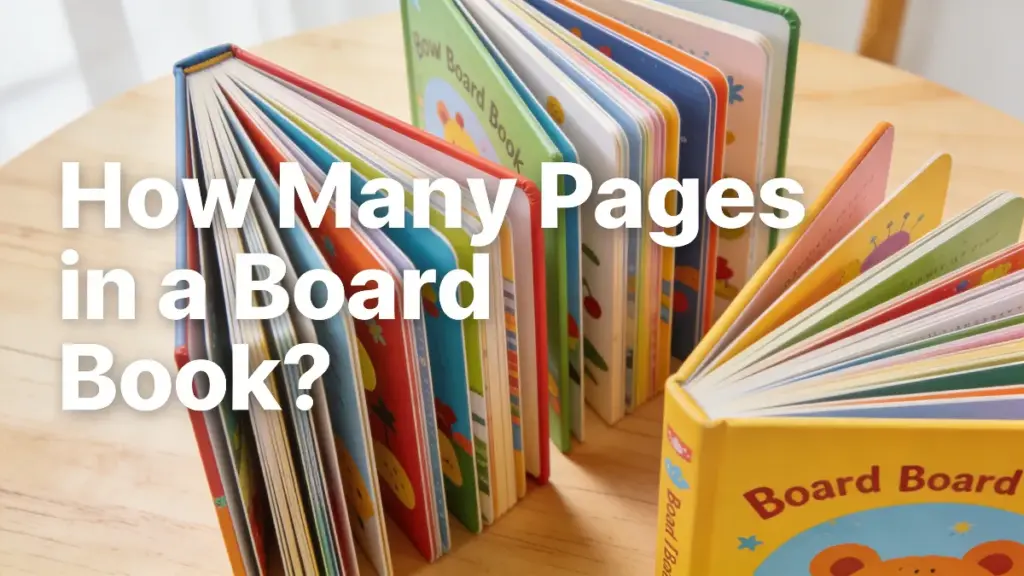
- フルカラーのインテリア (子供と児童書, アートブック, 料理本) インクの使用量を増やす, 用紙要件, と品質管理.
用紙の種類 と重量 (紙のストック)
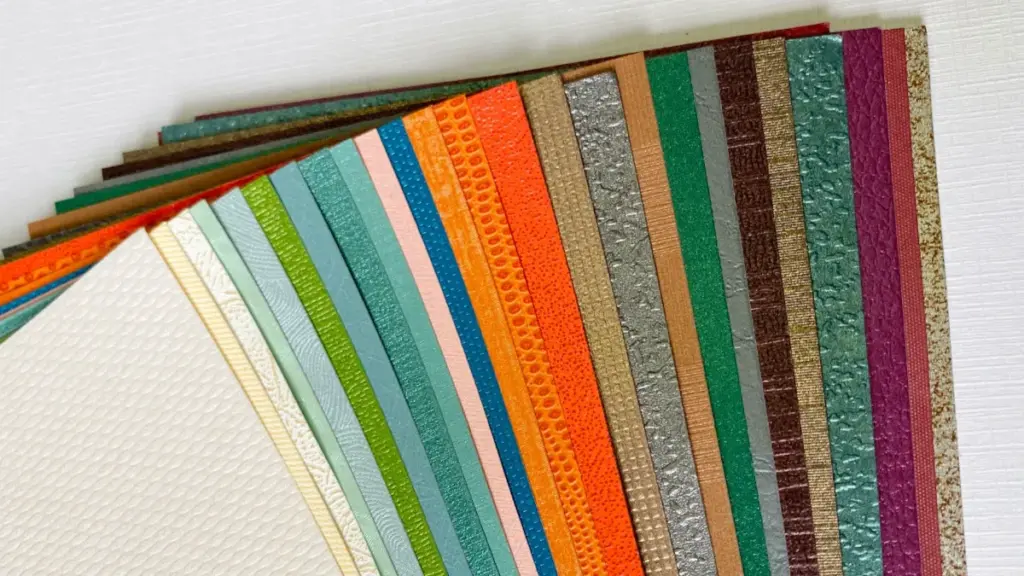
非コート紙とコート紙の比較, クリームvsホワイト, 厚い紙, 特殊紙はコストを大幅に変える可能性があります. 写真の多い本ではコート紙が一般的です; 小説や日記ではコーティングされていないのが一般的です.
バインディングタイプ
- 無線綴じ (ペーパーバック) 通常、標準的なトレードブックでは最も経済的です.
- スミス縫製 耐久性と高級感を追加 (教科書や長く使えるタイトルに最適).
- ケース綴じ (ハードカバー) ボードの材料と追加の手順によりコストが高くなります.
- サドルステッチ ページ数の少ない冊子に適しています.
- スパイラル / ワイヤーオー マニュアルやプランナーに人気があるが、ユニットエコノミクスと送料が変わる.
カバーの仕様と仕上げ
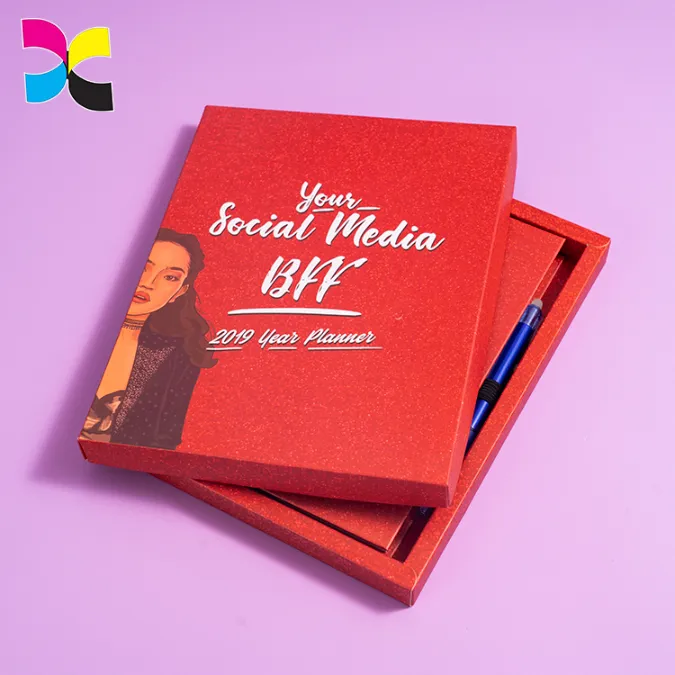
ラミネーション (マット/グロス), スポットUV, 箔押し, エンボス/デボス加工, 型抜き窓, 特殊なテクスチャはコストが大幅に増加する可能性がありますが、知覚される価値も増加します.
印刷方法 (オフセットとデジタル)
書籍の種類と数量別の平均書籍印刷コスト

スペックが違うから, 「平均的な」価格設定は、一般的なシナリオを定義する場合にのみ意味を持ちます。. 以下は、多くの購入者が開始点として使用する例示的な範囲です。, 標準トリムサイズを想定, 典型的な紙の選択, そして標準的なパッケージング. これらは最終的な見積もりではなく、計画数値として扱います。.
一般的な単価の範囲 (実例的な)
| 本の種類 (仕様例) | 100 コピー | 500 コピー | 1,000 コピー | 5,000 コピー |
|---|---|---|---|---|
| ペーパーバック, ~200ページ, B&W | $3.50–$7.00 | $2.00–$4.50 | $1.40–$3.50 | $0.90–$2.20 |
| ハードカバー, ~200ページ, B&W | $7.00–$15.00 | $5.00–$10.00 | $4.00–$8.50 | $3.00–$6.50 |
| フルカラーの児童書, 約 32 ~ 48 ページ | $4.50–$10.00 | $2.80–$6.50 | $2.20–$5.00 | $1.40–$3.20 |
| フルカラーのアート/料理本, ~120ページ | $10.00–$25.00 | $6.50–$16.00 | $5.00–$12.00 | $3.50–$9.00 |
なぜ範囲が広いのか:
- A6″×9″ コーティングされていない薄い紙を使用したペーパーバックは、厚い紙を使用した大判の本よりも大幅に安くなる可能性があります。, プレミアムペーパー.
- フルカラーの本では、多くの場合、コート紙とより厳密な色管理が必要になります。, ページ数が少ない場合でもコストが高くなる可能性があります.
- ハードカバーはダストジャケットを選択するかどうかによって大きく異なります, 布, プリントケースラップ, ヘッドバンド, リボンマーカー, そして縫い付けられたバインディング.
「平均」について考えるのに役立つ方法は、次のように分けて考えることです。:
- 製造単価 (印刷する + バインド + パック)
- 陸揚げ費用 (製造単価 + 配送 + 輸入関税/税金 + 地方発送)
本を海外に発送する場合, 陸揚げコストは、小売価格とマージンにとって重要な数値です.
プリントオンデマンドと一括印刷の比較
多くの購入者が比較します オンデマンド印刷 (ポッド) と 一括印刷 書籍の印刷コストを評価するとき.
| 側面 | ポッド (オンデマンド印刷) | 一括印刷 (オフセット / 短期運用 + 再版) |
|---|---|---|
| 最適な使用例 | 新しいタイトルのテスト, 不確実な需要, 少量または不定期の注文 | 予測可能な需要, 大量注文, 学校, 組織, 小売および輸出流通 |
| 在庫 & 充実感 | 在庫がありません; 組み込みのグローバルフルフィルメントにより注文ごとに印刷 | 在庫管理と個別または 3PL のフルフィルメントが必要 |
| 初期費用 | 非常に低い初期費用 | 印刷部数が増えると先行投資が高額になる |
| 単価 | 1冊あたりの単価が高い, 特にカラーカバーやプレミアムカバーの場合 | 中量から大量の場合は単価が安くなります |
| 仕様 & オプション | 限定ペーパー, フォーマット, バインディング, そして最後の選択 | 幅広いフォーマット, 論文, バインディング, プレミアム仕上げ (ホイル, エンボス, 縫った, 等) |
| カラーコントロール & 一貫性 | バッチ間の制御が低下する | 実行全体にわたるより強力な制御と一貫性 |
| アップデートに対する柔軟性 | ファイルとエディションをいつでも簡単に更新できます | 印刷後の変更には新たな実行が必要です |
| ハイブリッド戦略 (一般的な用途) | POD または小規模なデジタル実行から始めて需要を検証する | 販売後に一括印刷に切り替える, レビュー, または組織的な命令が確立される |
オンデマンド印刷は柔軟性を考慮して設計されています. 本は一度に 1 部ずつ印刷されます, 通常はデジタル印刷を使用します. POD により在庫リスクと先行投資が不要になります, 自費出版作家や新しいタイトルのテストに人気を集めています. しかし, ユニットあたりのコストは比較的高いままであり、量が増えても大幅には減少しません。.
大量印刷とは、1 回の生産工程で大量に生産することを指します。. ほとんどの場合, 大量の本の印刷にはオフセット印刷が使用されます, 量が増えるほど費用対効果が高くなります. オフセット印刷により色の一貫性が向上, より幅広い用紙オプション, 大規模な場合の単価の削減.
コストの観点から見ると:
- POD は、非常に少量の場合や予測不可能な需要に適しています.
- 安定した需要には大量印刷の方が経済的です, 小売流通, または輸出市場.
プロの出版社やブランド向け, 大量印刷の方が長期的にはより優れた価値を提供することがよくあります, 特に品質の場合, 一貫性, とコスト管理が優先事項です.
書籍印刷の隠れた見落とされがちなコスト

初めて購入する人の多くは、部数あたりの印刷価格のみに注目し、総予算に影響を与える追加費用を見落としています。.
校正とサンプリング 量産前にコストがかかることが多い. 物理的な証拠は、費用のかかる間違いを防ぐのに役立ちますが、初期費用が追加されます.
配送と物流 総コストに大きな影響を与える可能性がある, 特に海外書籍印刷の場合. 運送方法, 行き先, 梱包基準もすべて重要.
梱包と輸出の要件 国際注文にとって重要です. 適切なカートン, パレット化, 輸送中の損傷を避けるために、湿気からの保護が不可欠です.
ポストプレス仕上げ, 箔押しなど, スポットUV, エンボス加工, またはダストジャケット, 視覚的な価値を追加しますが、コストも増加します.
品質管理と腐敗率 めったに議論されないが重要. 専門メーカーは一貫した生産を保証するために品質チェックを考慮します, 予期せぬ損失から購入者を保護します.
これらの隠れたコストを理解することで、より正確な予算編成が可能になり、予期せぬ事態が少なくなります。.
書籍の印刷コストを段階的に見積もる方法

正確な見積もりは、工場が正確に見積もるのに必要なデータと同じデータから始まります。. この段階的な方法を使用して、早期に現実的な予算を立ててください。, ファイルの準備ができたら正確な見積もりを作成します.
- 本の基本を定義する
- トリムサイズ (例えば, 6″×9″, A5)
- 完成ページ数
- インテリア: 白黒またはフルカラー
- バインディング: ペーパーバック / ハードカバー / 縫った / 等.
- 用紙と表紙の仕様を選択してください
- 中紙タイプ (コーティングなし/コーティング済み) そして体重 (gsmまたはポンド)
- カバーストック (文庫本用) またはケース素材 (ハードカバー用)
- 仕上げる: マット, 光沢, ソフトタッチラミネート加工, 等.
- 数量と納期を選択してください
- 目標数量 (そしてすぐに再版する可能性があるかどうか)
- ご希望のお届け日と配送方法のご希望 (海対空)
- 品質レベルを決定する
- 標準的な商用品質とカラー重視のプレミアムな作業
- あらゆるコンプライアンス要件 (特に児童書に関しては)
- 単価を見積もり、物流を追加する
- EXW を要求する / FOB / CIF / 海外印刷を比較するならDDPオプション.
- 陸揚げコストに換算する: 製造業 + 貨物 + 目的地料金.
- 証拠を使って検証する
- 色の場合, 紙の感触, そしてバインディングの耐久性も重要, 量産前に印刷プルーフまたはサンプルを計画する.
- 量産前にスペックを固定する
- 小さな変更 (紙重量, ラミネートタイプ, バインディングのアップグレード) 背表紙の幅が変更され、ファイルに影響を与える可能性があります, そのため、印刷版や大規模な生産を開始する前に仕様を最終決定します。.
以前の請求書を提供していただける場合, 競合他社の見積もり, または BOM スタイルの仕様書, メーカーは多くの場合、構造を一致させ、品質を低下させることなく節約を特定できるように支援します。. Xinyi印刷 ファイルとターゲットを確認できます, 次に、コスト削減のオプションを提案し、明確な内容を送信します。, 無料見積もり — 書籍の仕様と数量を当社チームにご連絡ください。.
専門の書籍印刷メーカーが教えるコスト最適化のヒント
コストの最適化は、読者エクスペリエンスを損なうことなく効率を向上させる場合に最も効果的です。. これらは実用的です, メーカーがテストしたレバーは通常意味のある違いをもたらします.
- トリムサイズと素材を標準化する: 一般的なフォーマットと広く入手可能な用紙を選択すると、多くの場合、無駄が削減され、生産速度が向上します。.
- ページ数を最適化する: 小さな編集で署名を減らすことができる (印刷セクション), 紙の使用量と製本の複雑さを軽減できる.
- 適切な印刷方法を使用する: 短距離走行用, デジタル印刷はコスト効率が高く、迅速に行うことができます; 大規模な実行用, 通常、オフセットは最高の単価と安定した品質を実現します。.
- 戦略的にフィニッシュを選択する: 「すべてがプレミアム」ではなく、,” ヒーロー要素を 1 つ選択してください (例えば, タイトルにマットラミネート+スポットUVをプラス) そして残りを標準に保ちます.
- 重要な場合にのみアップグレードをバインドすることを検討してください: スミス縫製は教科書に適しています, 参考書, 使用頻度の高いタイトル, 一方、標準的な小説の場合, 紙と糊の選択が適切であれば、無線綴じで十分な場合が多い.
- 早めの発送を計画する: 本の重量はすぐに増えます, なので紙の重さを調整してください, カートン梱包数, 損傷のリスクを高めることなく輸送コストを削減するためのパレット化.
- 現実的な量を印刷する: 過剰印刷により現金とストレージが圧迫される, 一方、下刷りを行うと、単価が高くなって頻繁に再注文が必要になります; 需要が不確実な場合, 最初に 500 ~ 1,500 部を検討してください, 販売データが本物になったらすぐに再印刷します.
- バリューエンジニアリングを依頼する: 優れたメーカーは代替品を提案してくれる (紙, カバーボードの厚さ, 仕上げ方法) 全体的な外観を維持しながらコストを大幅に削減します.
海外での書籍印刷は輸出市場にとってよりコスト効率が高いのか?
世界市場にサービスを提供する出版社にとって、海外での書籍印刷はますます一般的になってきています.
アジアのメーカー, 特に中国では, ~において強力な利点を提供する 大量の本の印刷, 競争力のある価格設定を含む, 成熟したサプライチェーン, 高度な生産能力.
適切に管理されている場合, 海外印刷は送料を考慮しても大幅なコスト削減が可能. 大量のプロジェクトや輸出を中心としたプロジェクトに特に効果的です.
しかし, 海外印刷の成功は明確なコミュニケーションにかかっています, 品質基準, および国際認証への準拠.
数十年の輸出経験と完全な認証システムを備えています, Xinyi印刷 コスト効率と一貫した品質および信頼性の高い物流を組み合わせることで、海外の顧客をサポートします.
プロジェクトの正確な書籍印刷見積もりを取得する
よろしければ, トリムサイズを共有する, ページ数, バインディングタイプ, 量, そして内装がBかどうか&W または色 — プロジェクト用に見積書として使用できる仕様チェックリストの草案を作成できます.
最終的な考え
書籍の印刷コストは多くの変数によって決まります, しかし、適切な知識とパートナーがあれば対処可能です。. 少量の印刷を行う場合でも、大規模な大量注文を計画している場合でも, コスト構造を理解することがより良い意思決定につながる.
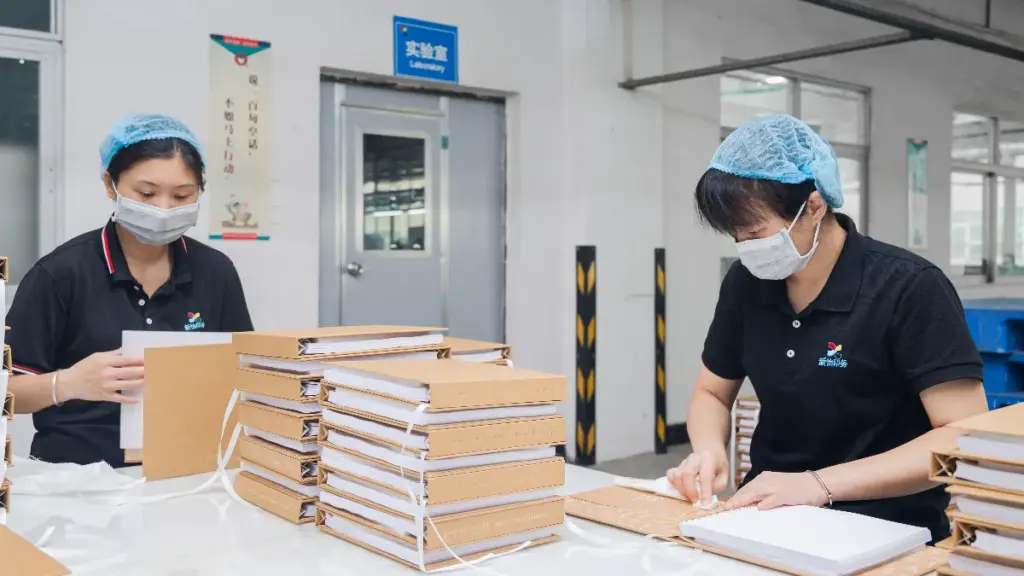
書籍に特化した総合印刷メーカーとして, 梱包箱, そしてカードセット, Xinyi印刷 世界中のクライアントが複雑な印刷プロジェクトを予測可能なものに変えるのを支援します, 高品質の結果.