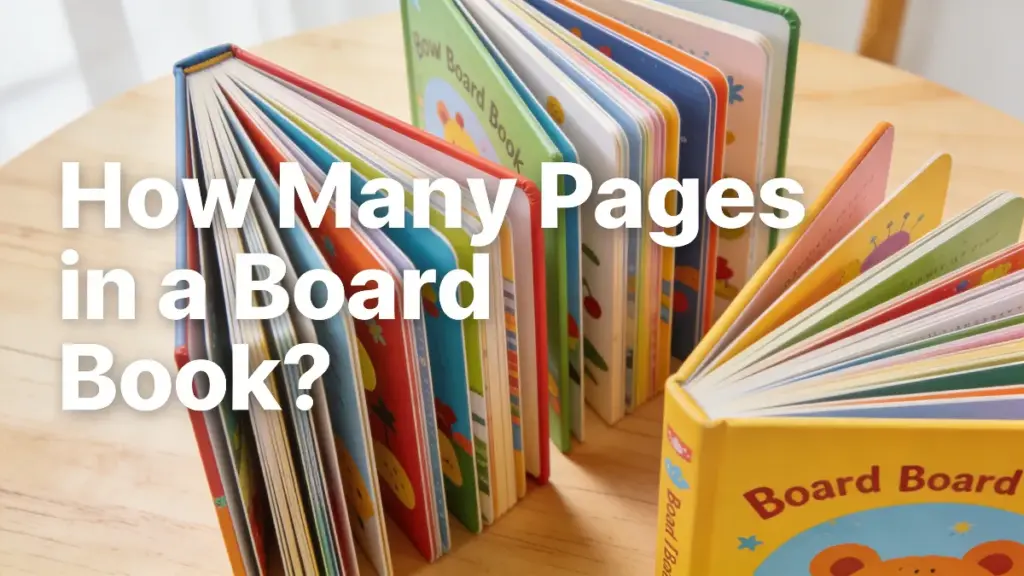


Board books are a staple in early childhood education and play an essential role in developing literacy, cognition, and motor skills among young children. Unlike standard paper books or hardcover editions, board books are specially designed to withstand rough handling and repeated use by toddlers and infants. But one common question publishers, 教育者, and parents often ask is: “How many pages should a board book have?」
The answer depends on multiple factors, including story complexity, age group, production costs, and interactive design elements. この記事では, we will explore these considerations in detail, helping both publishers and parents understand the nuances of board book page planning.
What Are Board Books Made of?

Board books are made from thick paperboard (often called greyboard or chipboard) rather than thin printing paper. Each page is typically constructed by mounting printed sheets onto rigid board layers, then pressing and trimming them to create smooth, 丸いエッジ. The thickness usually ranges from 250gsm to over 400gsm per layer, and in many cases, two printed sheets are laminated together to achieve the final stiffness required for durability.
Beyond materials, the structure of a board book is equally important. Unlike hardcover books that use sewn or glued signatures, board books are commonly assembled using one of the following binding structures:
- Self-cover construction: The cover is made from the same thick board as the inner pages, creating a uniform feel throughout the book.
- Separate case cover: A slightly thicker outer cover is wrapped and attached to the internal board pages for added strength.
- Lay-flat binding: Pages are glued back-to-back with a hinge gap between spreads, allowing the book to open flat without stressing the spine.
Most board books use rounded corners for safety and apply protective finishes such as matte lamination, gloss lamination, or UV coating to resist moisture and wear. Together, the materials and structural design ensure the book is safe, chew-resistant, tear-proof, and easy for small hands to turn independently.
Standard Board Book Page Counts Explained
Board books generally follow standardized page counts, which facilitate cost-efficient printing and proper binding. Common options include:
| ページ数 | Typical Use Case | 注意事項 |
|---|---|---|
| 8 ページ | Simple first words, 形, or color recognition | Ideal for infants; very short concepts |
| 12 ページ | Slightly more content or simple nursery rhymes | Maintains attention span for 6–12 months |
| 16 ページ | Story sequencing begins, インタラクティブフラップ | Suitable for toddlers 1–2 years |
| 20–24 pages | More detailed narratives, counting, or educational elements | Engages children aged 2–3 years |
| 28–32 pages | Full storylines, multiple interactive features | For preschoolers 3–5 years |
Why Are Board Book Page Counts Always Even?
Board book page counts are almost always even numbers because of the way they are physically constructed. Unlike standard paperback books that are printed in large folded signatures (のような 8, 16, または 32 pages per sheet), board books are typically printed as individual spreads that are then mounted onto thick paperboard and glued back-to-back. Each finished “leaf” consists of two printed sides—one on the front and one on the back—making it structurally impossible to produce an odd number of pages.
加えて, the binding process requires balanced page pairs to maintain spine stability and proper alignment. Creating a non-standard or odd page count would disrupt structural integrity and significantly increase manufacturing complexity and cost.
How Story Length Determines Page Count
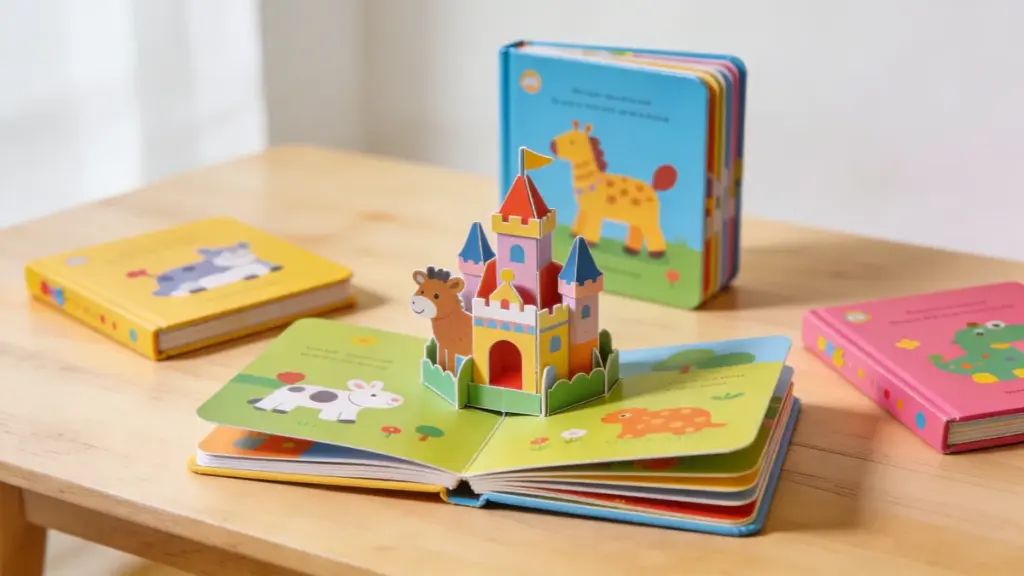
In board book publishing, page count should grow naturally from the story itself. Unlike general production planning considerations (such as budget or target market), this stage focuses purely on content structure. A board book works best when each spread delivers one complete idea, action, or learning moment. Because pages are thick and limited in number, every turn must feel purposeful.
If a manuscript contains 8–10 clear story beats, it will typically require 16–20 pages. If the narrative includes repetition, 対話型プロンプト, or emotional transitions, additional spreads may be necessary to preserve pacing. 要するに, the more distinct moments your story needs to breathe, the more pages your board book should have.
Below are three core content-design principles that directly influence page count decisions.
Designing Story Structure for Young Readers
Board book storytelling must be concise but intentional. Young children process information in small, predictable units, so story structure should emphasize clarity and rhythm.
Effective structure often includes:
- One key action per spread to avoid cognitive overload
- Repetition or patterned phrasing to reinforce memory
- Clear cause-and-effect sequencing
- Strong page-turn moments that create anticipation
例えば, a counting book from one to ten naturally requires at least ten spreads if each number is introduced clearly. Similarly, a bedtime routine story may allocate one spread per step. When mapping a manuscript, publishers should outline all essential beats first—this outline usually reveals the minimum page requirement.
Planning Text and Illustration Layout
In board books, visuals carry as much—if not more—importance than text. Because the target audience is pre-literate or early-literate, illustrations must be bold, 単純, and emotionally expressive.
Page count is influenced by:
- Text length per spread (often 5–25 words)
- Font size and readability needs
- White space for visual clarity
- Image dominance over background detail
If text becomes too dense or illustrations feel cramped, the solution is often to expand the page count rather than compress content. Proper visual breathing room ensures the book remains engaging and easy for caregivers to read aloud smoothly.
Integrating Tactile and Interactive Elements
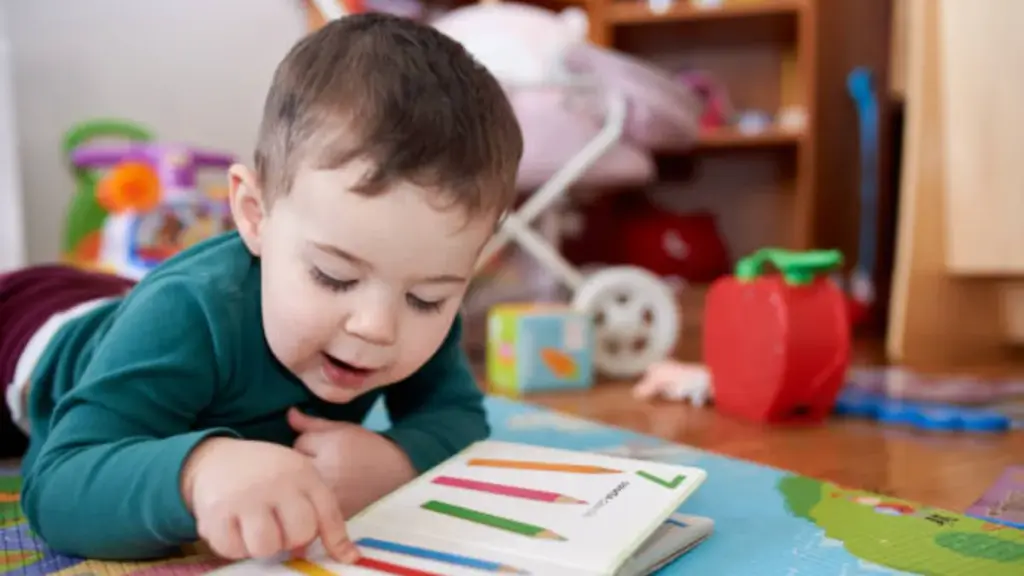
Tactile and interactive elements are especially important in board books because young children learn through sensory exploration and physical engagement. At the infant and toddler stage, reading is not only a visual or linguistic experience—it is also a motor and cognitive activity. When children lift, slide, touch, or manipulate parts of a book, they strengthen fine motor skills, improve hand–eye coordination, and deepen memory retention. Interaction transforms passive listening into active participation, which significantly increases attention span and emotional connection to the story.
From a developmental perspective, sensory features also support early learning by reinforcing concepts through multiple channels. 例えば, feeling a “soft” texture while hearing the word soft creates stronger neural associations than text alone.
Common tactile and interactive options in board books include:
- Lift-the-flap mechanisms that encourage curiosity and prediction
- Touch-and-feel textures (fur, スムーズ, rough, bumpy surfaces)
- Die-cut windows that create visual layering and anticipation
- Sliding tabs or pull mechanisms for cause-and-effect learning
- 単純 飛び出す本 elements, where dimensional paper structures rise when the page opens
While pop-up features must be engineered carefully for durability in board formats, even simplified dimensional elements can dramatically enhance engagement. Thoughtfully integrating these features may require additional spreads, but they elevate the reading experience from a simple story to a multi-sensory learning tool.
Board Book vs Hardcover Book: Key Differences
Many publishers may wonder why board books exist when hardcover books are available. Here’s how the two formats differ:
| 特徴 | ボードブック | ハードカバーの本 |
|---|---|---|
| 材料 | Thick cardboard pages | Thin paper with hard cover |
| 耐久性 | Highly resistant to tearing | 耐久性が低い, more delicate |
| Page Count Limitations | Typically 8–32 pages | Can exceed 48 ページ |
| Target Age | 0–5 years | Older children or adults |
| Interactive Features | Common (フラップ, テクスチャ) | Rare |
These differences illustrate why board books are particularly suited for early learners—they prioritize safety, 耐久性, and tactile engagement. Understanding this distinction helps publishers choose the right format for their content.
How Page Count Affects Printing Cost
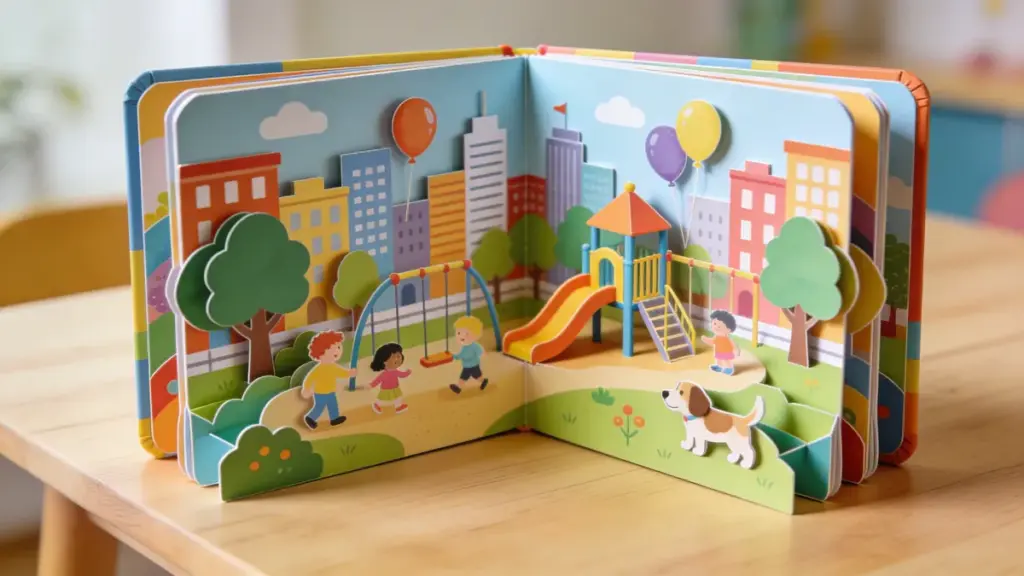
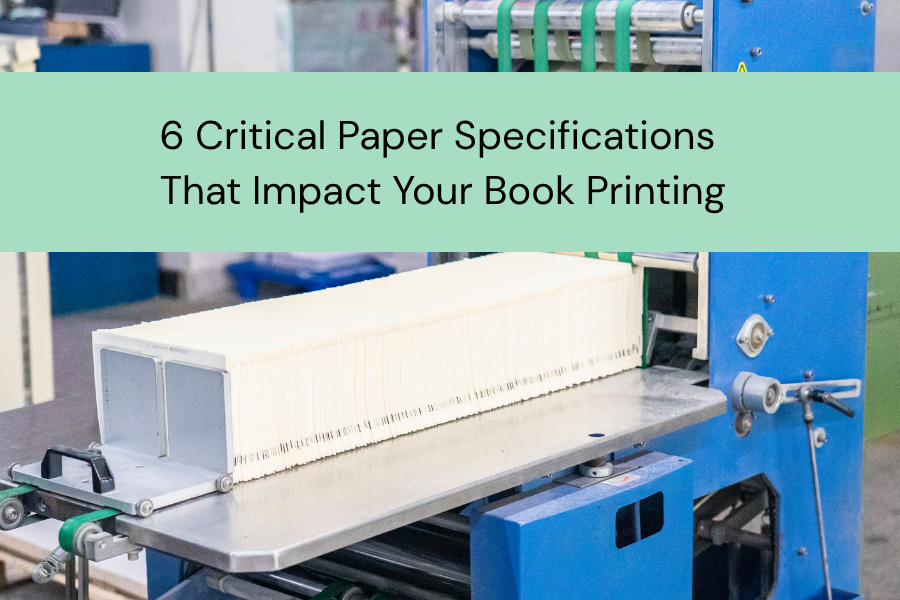
In board book production, page count directly determines manufacturing structure and unit economics. Because board books are constructed from thick laminated board rather than thin paper, each additional spread increases not only material usage but also printing time, assembly complexity, and shipping weight.
Below is a breakdown of how page count influences key cost components in professional board book printing.
Material Usage and Paperboard Consumption
In board book manufacturing, material cost is the most direct expense affected by page count. Unlike standard books that use thin interior paper, board books rely on thick greyboard or duplex board laminated together to form rigid pages. Each additional spread requires more board sheets, printed cover stock, adhesive layers, and protective lamination.
As page count increases, the total book thickness grows, which may require heavier board grades to maintain spine stability. This compounds raw material consumption. Even a 4-page increase can significantly affect overall board usage, especially in large print runs. Because board material represents a major percentage of unit cost, page count must be carefully aligned with budget targets.
Ink Coverage and Printing Press Time
Every additional page adds another surface to print, directly increasing ink usage and press time. Board books typically feature full-color illustrations with heavy ink coverage, especially in children’s titles that use vibrant backgrounds and full-bleed designs.
Higher page counts require more printing plates (in offset production), longer machine setup time, and extended press operation. Dense color blocks or dark backgrounds increase ink consumption further. Longer press runs also raise electricity usage and quality control time. From a production standpoint, page expansion does not increase cost linearly—it can amplify overall printing expenses depending on artwork complexity.
バインディング, Gluing, and Assembly Labor
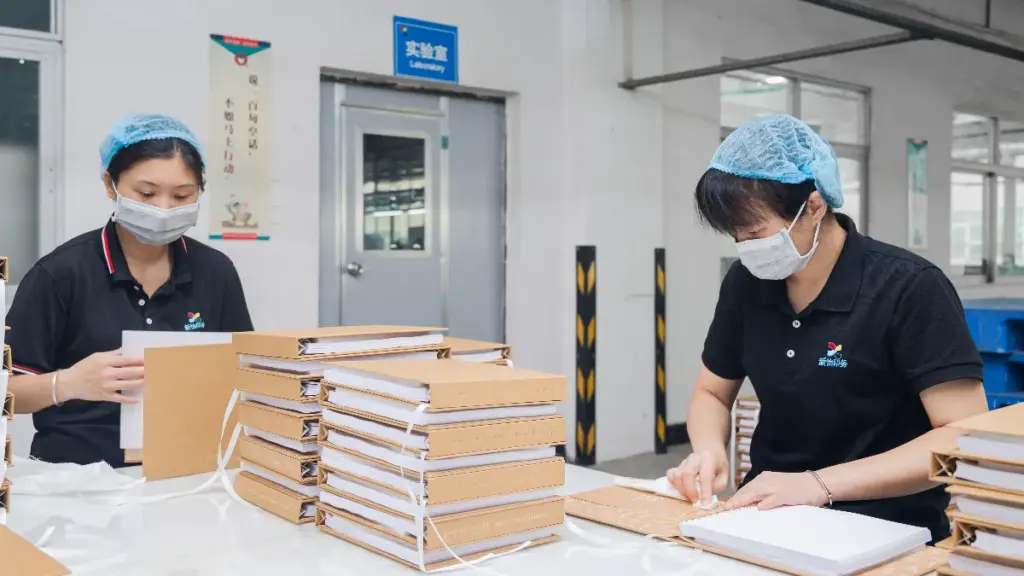
Board books are assembled by mounting printed sheets onto board and gluing them back-to-back to create thick, durable pages. As page count rises, so does the number of gluing cycles and alignment steps required during assembly.
Thicker books require stronger spine reinforcement and more precise trimming to maintain square edges. Increased bulk can also slow down production speed on automated lines. If the design includes die-cuts, フラップ, or textured inserts, additional manual processes may be required for each affected spread. Labor and assembly costs therefore scale upward with page count, especially for interactive formats.
Key Considerations When Choosing the Right Page Count for Your Project
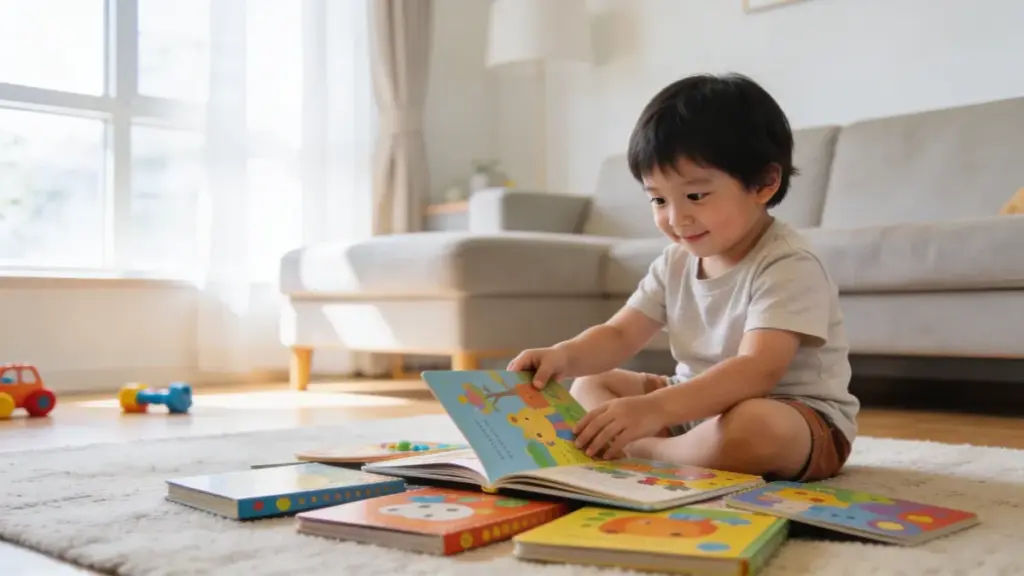
While story length determines the minimum number of pages required, selecting the ideal page count involves broader strategic considerations. From our experience producing custom board books, the right decision balances theme, 観客, 機能性, and market positioning.
Book Theme and Content Type
Different themes naturally require different page ranges:
- Concept books (色, 形, first words): 8–12 pages
- Counting or alphabet books: Often 16–24 pages to allow clear progression
- Routine-based stories (bedtime, daily habits): 16–20 pages
- Emotional or character-driven stories: 20–32 pages for narrative development
Matching page count to content type ensures pacing feels natural rather than compressed or artificially extended.
Target Age and Developmental Stage
Age determines attention span and physical usability.
- 0–1 years: Fewer pages, larger visuals
- 1–3年: Moderate page count with repetition
- 3–5 years: Longer narrative capacity
Older toddlers can manage thicker books, while infants benefit from lighter formats.
Market Positioning and Budget Strategy
Page count also influences retail pricing. A 24-page board book carries higher perceived value than a 12-page one but also increases unit cost. Publishers must balance:
- Production budget
- Target retail price
- Distribution channel (小売り, 教育的, promotional)
Choosing the right page count is therefore both a creative and commercial decision. When these factors are evaluated holistically, publishers can achieve a board book that is developmentally appropriate, structurally sound, and economically viable.
Custom Board Book Page Options for Publishers
While standard page counts are cost-effective, publishers may sometimes require custom page counts to match unique storylines or interactive features. Customization options include:
- Tailored Story Length: Aligns pages precisely with the narrative and early learning content.
- Interactive Spread Planning: Allows for textures, pop-ups, or flaps without overcrowding pages.
- Branding Opportunities: Extra pages can feature promotional content, educational exercises, or activities.
Working closely with experienced printers ensures that custom designs remain structurally sound and cost-efficient, without sacrificing quality or safety.
Ready to Print Your Custom Board Book?
Printing a board book requires careful planning and collaboration. Steps to ensure a successful project include:
- Selecting age-appropriate page ranges.
- Aligning story length with early learning rhythm and interactivity.
- Optimizing costs through standard or custom page counts.
- Reviewing material selection and printing specifications.
で Xinyi印刷, we specialize in producing high-quality custom board books with professional guidance on page planning, material selection, and cost optimization. Whether you are a small publisher or an educational organization, we can help create a durable, engaging, and professionally printed board book that meets your story and learning objectives.