

Die Kontrolle Ihrer Druckkosten für Malbücher entscheidet darüber, ob Ihr Verlagsprojekt einen skalierbaren Gewinn erwirtschaftet oder ob durch falsch abgestimmte Materialspezifikationen Kapital verloren geht. Käufer, denen es nicht gelingt, die Seitenanzahl gegen die Papierdichte abzuwägen, müssen schnell zusehen, wie hohe internationale Versandkosten und unflexible Mindestbestellmengen ihre Einzelhandelsmarge schmälern.
Diese Analyse schlüsselt die genauen Fertigungsvariablen auf, die Ihre Produktionsrechnung beeinflussen. Wir bewerten Standard 70 Verwendung von lb ungestrichenem Textmaterial, die Lautstärkeschwellen zwischen Digital- und Offsetläufen, und versteckte Exportverpackungsgebühren, die Ihnen dabei helfen, einen äußerst wettbewerbsfähigen Stückpreis zu erzielen.
Welche Faktoren beeinflussen die Druckkosten für Malbücher??
Seitenanzahl, Papiergewicht, und die Wahl zwischen Offset- und Digitaldruck bestimmen Ihre Stückkosten und die endgültige Gewinnspanne.
| Kostenfaktor | Auswirkungsstufe | Strategische Anwendung |
|---|---|---|
| Seitenzahl & Dicke | Hoch | Schneiden Sie nicht unbedingt benötigte Seiten ab, um die Ränder zu schützen. |
| Papiertyp & GSM | Mittelhoch | Passen Sie das Gewicht an die Malwerkzeuge an (Buntstifte vs. Markierungen). |
| Druckmethode | Variable (Volumen) | Digital zum Testen; Offset für die Skalierung oben 1,000 Einheiten. |
Seitenanzahl und Rückenstärke
Höhere Seitenzahlen erhöhen den Rohstoffverbrauch (Papier und Tinte) Gleichzeitig verlängern sich die Press- und Bindezeiten. Entscheidend, Ein dickerer Buchblock erzwingt den Übergang zu teureren Bindungsstilen und führt zu einem direkten Gewichtsnachteil bei der internationalen Versandfracht.
- Margenstrategie: Beseitigen Sie leere Übungsblätter, nicht unbedingt erforderliche Füllseiten, oder überflüssige Designmotive, um Ihre Wirbelsäule schlank zu halten.
Papierdichte (GSM-Auswahl)
Für Malbücher ist ungestrichenes Papier zwingend erforderlich, da seine poröse Textur die Pigmente von Bleistiften gut aufnimmt, Buntstifte, und Markierungen. Schwereres Papier kostet mehr, weil es mehr Zellstoff verbraucht, aber es verhindert das Durchscheinen, das die Rückseitengrafik ruiniert.
- Budgetfreundlich: 60# Text (~90 GSM) für preiswerte Buntstiftbücher.
- Mittelklasse-Einzelhandel: 70# Text (~105 GSM) Industriestandard für Bleistifte/Gelschreiber.
- Premium-Editionen: 80# Zu 100# Text (120–150 GSM) für schwere Markerkunst.
Druckmethode: Offset vs. Digital
Die Produktionstechnologie definiert Ihre Kostenarchitektur neu, basierend ausschließlich auf Ihrem Auftragsvolumen.
- Offsetdruck: Hohe feste Plattenherstellungs- und Druckvorstufen-Einrichtungsgebühren, Ihr individueller Stückpreis sinkt jedoch exponentiell, wenn Ihre Auflage größer wird 500 Zu 1,000 Einheiten.
- Digitaldruck: Niedrige Einrichtungsgebühren im Voraus. Ideal für schnelles 3-Tage-Prototyping, kleine Testchargen, oder Print-on-Demand (POD) um das Risiko des Vorabbestands zu umgehen.
Wie MOQ den Stückpreis beeinflusst
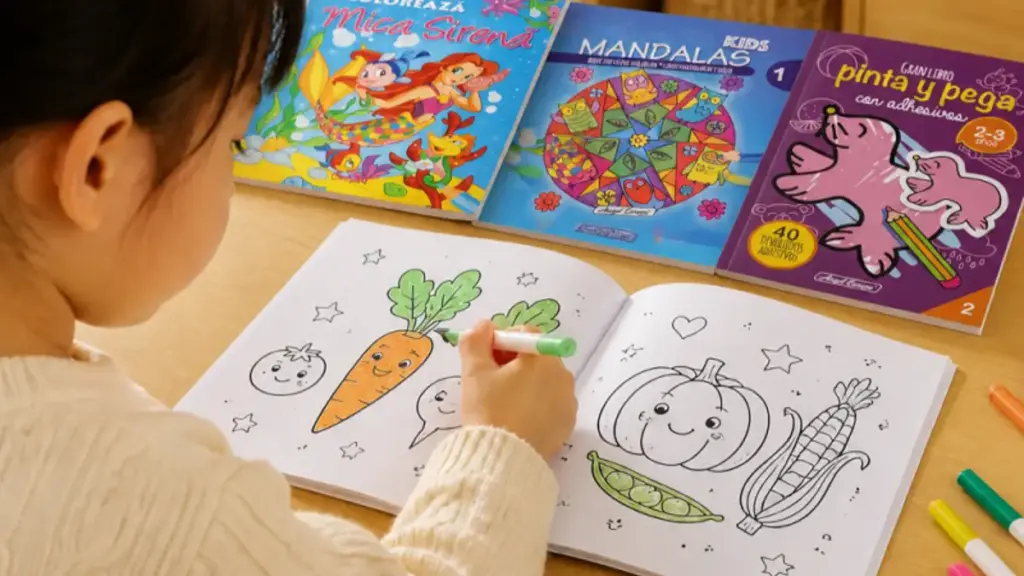
Mindestbestellmengen bestimmen Ihren Preis pro Buch. Durch die Skalierung Ihrer Druckauflage werden die festen Einrichtungskosten auf mehrere Einheiten verteilt, Dies führte dazu, dass die Stückpreise stark sanken, bevor sie ein Plateau erreichten.
Verteilung der festen Einrichtungskosten auf das Volumen
Den Druckern entstehen hohe Fixkosten, bevor sie ein einziges Malbuch durch die Druckmaschine laufen lassen. Diese anfänglichen Gebühren werden vollständig von Ihnen übernommen, Das erklärt, warum bei kleinen Auflagen so hohe Buchpreise anfallen.
Die Produktionskosten lassen sich in zwei verschiedene Kategorien einteilen:
- Feste Einrichtungskosten: Dateiverarbeitung in der Druckvorstufe, Herstellung von Metallplatten, und maschinelle Farbkalibrierung.
- Variable Ausgaben: Papiermaterial, Tinte, und binden Sie den Arbeitsmaßstab direkt an Ihre Bestellgröße an.
Variable Ausgaben ändern nichts an den grundlegenden Einrichtungsanforderungen. Wenn Sie Ihre Gesamtbestellmenge erhöhen, werden diese festen Gebühren auf einen viel größeren Einheitenpool verteilt. Diese Verwässerung führt bei steigendem Volumen zu einem starken Rückgang Ihrer individuellen Buchquote.
Kostenschwellenwerte und Volumen-Sweetspots
Wenn Sie Ihre Bestellgröße an die richtige Drucktechnologie anpassen, erzielen Sie die besten Margen. Die steilste Einsparungsklippe bei der kundenspezifischen Buchproduktion entsteht, wenn Sie von digitalen Kleinauflagen zur vollständigen Offsetproduktion übergehen.
- Unter 500 Kopien: Durch den Digitaldruck entfallen teure Platteneinstellungen, Dies macht es zum praktischen Weg für Kleinauflagen und Markttests.
- 500 Zu 1,000 Kopien: Der Offsetdruck erfordert eine höhere Mindestbestellmenge, bietet jedoch enorme Preisvorteile, da die Fixkosten gering sind.
- 100 Zu 1,000 Einheiten: Dieses Fenster stellt den dramatischsten Rückgang der Stückpreise dar.
- Über 5,000 Kopien: Kostensenkungen pro Einheit verlangsamen sich deutlich. Rohmaterial und Bindungsarbeit bestimmen den endgültigen Grundpreis.
Wenn Sie die 1.000-Exemplar-Grenze erreichen, maximieren Sie in der Regel die Wirtschaftlichkeit Ihrer Einheit, ohne dass Sie dazu gezwungen werden, ein übermäßiges Bestandsrisiko einzugehen.
Benutzerdefinierter Malbuchdruck mit hohen Gewinnspannen
Papierwahl und ihr Einfluss auf die Druckkosten
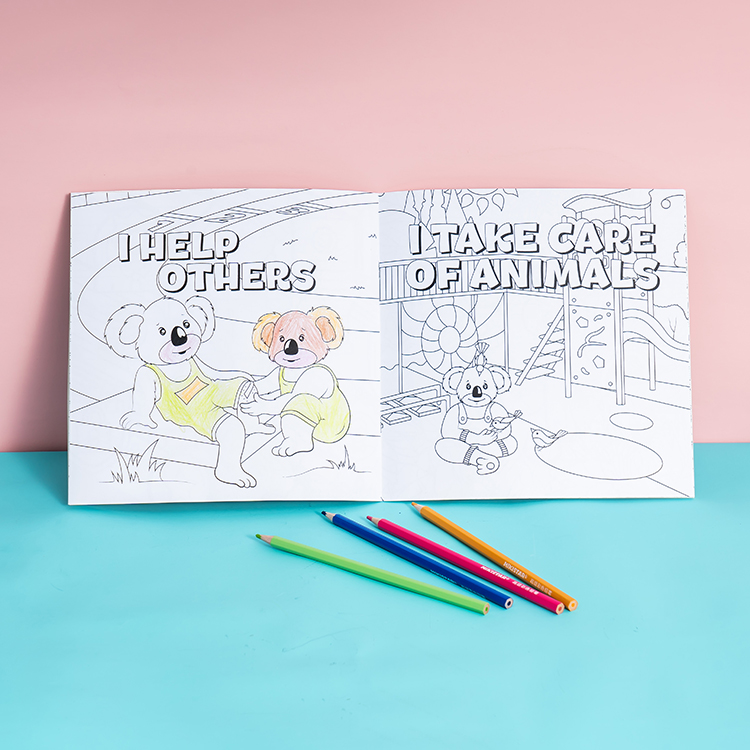
Das Flächengewicht des Papiers ist eine der wichtigsten Variablen zur Steuerung Ihres Produktionsbudgets. Um Ihnen den Übergang zwischen nordamerikanischen Papiergewichten und internationalen metrischen Standards zu erleichtern, Nutzen Sie die folgende technische Aufschlüsselung, um Ihren Zielmarkt an den genauen Werksspezifikationen auszurichten.
| Basisgewicht (UNS) | GSM-Äquivalent | Kostenfaktor | Beste Zielmedien (Anwendung) |
|---|---|---|---|
| 60# Text | ~90 GSM | Grundlinie | Budgetfreundlich / Grundlegende Malbücher für Kinder (am besten für Buntstifte und Ölpastelle). |
| 70# Text (Industriestandard) | ~105 GSM | + 15% Kosten | Standard-Einzelhandel / Malbücher für Erwachsene (Ideal für Buntstifte und Gelstifte). |
| 80# Text (Prämie) | ~120 GSM | + 35% Kosten | Unabhängige Künstlerportfolios und einseitige Drucke (Geeignet für helle Aquarellfarben und Marker). |
| 100# Text (Meistergrad) | ~150 GSM | + 60% Kosten | Deluxe-Sammlereditionen und doppelseitige Premium-Bücher (maximale Auslauffestigkeit bei schweren Markern). |
Durch die Aufrüstung Ihres Papierbestands ändert sich mehr als nur die Rohstoffrechnung. Die Auswahl eines höheren GSM-Werts oder eines schwereren Flächengewichts führt zu steigenden Kostenvariablen, die von Verlagen häufig übersehen werden:
- Bindungsstrategiewechsel: Dickere Papierblöcke vergrößern die Buchrückendicke. Umzug von 70# Zu 80# oder 100# Text erzwingt oft den Übergang von der kostengünstigen Sattelheftung zur Premium-Klebebindung, um ein Ausbeulen des Buchrückens zu verhindern.
- Inflation der Gesamtkosten: Papier mit höherer Dichte führt zu einem direkten Gewichtsnachteil zu Ihrer Gesamtsendung. In der internationalen Logistik, Dies kann Ihre Netto-Einzelhandelsmargen drastisch reduzieren, wenn Sie statt auf Seefracht auf Luftfracht oder Ferntransport per LKW angewiesen sind.
Bindungsmethoden und ihre Kostenunterschiede
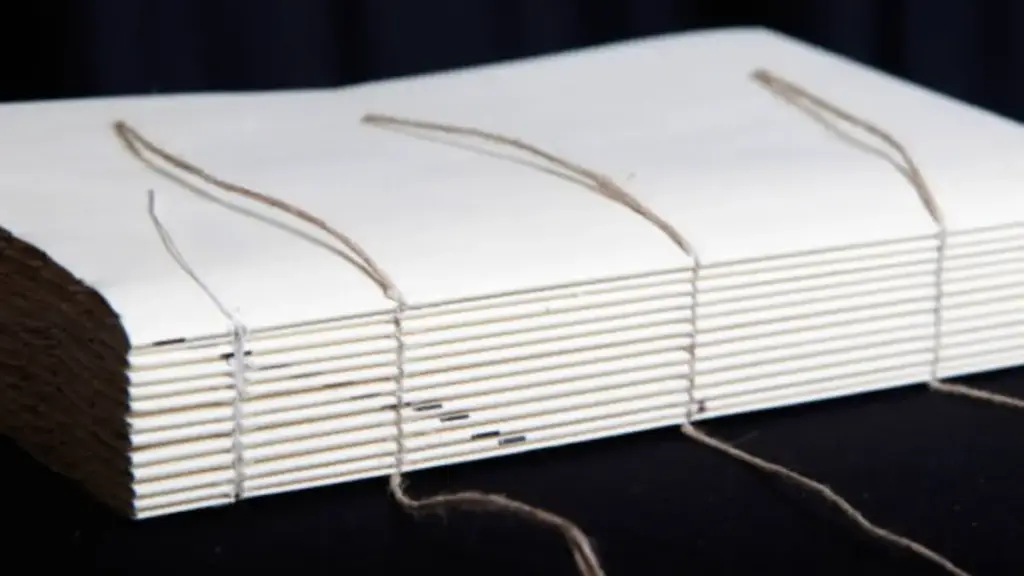
Dein verbindliche Wahl bestimmt die Attraktivität des Einzelhandels, Benutzerfreundlichkeit, und Produktionskosten pro Einheit. Sattelheftung minimiert den Aufwand, Klebebindung erobert die Verkaufsregale, und die Spiralbindung maximiert das Benutzererlebnis.
Sattelheftung (Kostengünstigste Option)
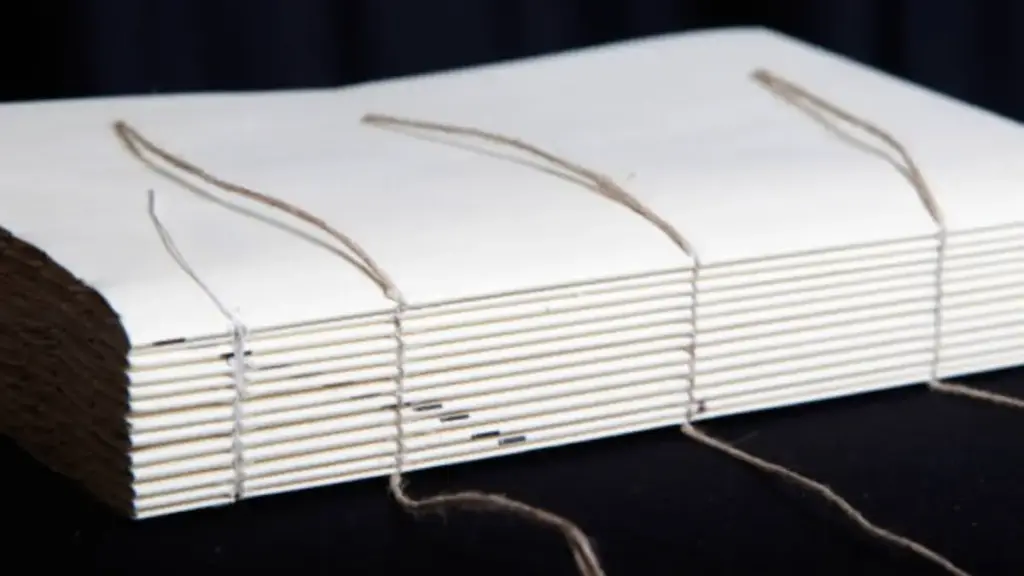
Drucker falten die Seiten in der Mitte und heften Heftklammern entlang des Buchrückens, um den Buchblock zu sichern. Durch diesen einfachen mechanischen Vorgang entsteht ein Kurzschluss, Schlanke Malbücher mit minimalem Aufwand.
- Kostenfaktor: Hält die Stückpreise niedrig, da weniger Rohstoffe verwendet werden und die langsamen Aushärtungsprozesse umgangen werden, die bei Klebe- oder Spulenverfahren erforderlich sind.
- Beste Anwendungen: Klein, kostensensible Auflagen oder Bücher mit Werbeaktivitäten.
- Einschränkungen: Erfordert eine strikt niedrige Seitenzahl. Eine Überschreitung des Fassungsvermögens führt dazu, dass sich der Buchrücken ausbeult und das Buch aufspringt.
Perfekte Bindung (Mittelklassepreis)
Im Gegensatz zum Sattelstich, Beim Klebebindeverfahren werden die Innenseiten direkt am Buchrücken verklebt und mit einem schwereren Softcover umhüllt. Dadurch entsteht eine Wohnung, Quadratischer Buchrücken im Stil einer Buchhandlung.
- Kostenfaktor: Gegenüber der Sammelheftung steigen die Preise, da die Buchbinderei Klebstoff auftragen muss, Warten Sie auf die Aushärtungszeit, und drucken Sie einen individuellen Rundum-Einband.
- Beste Anwendungen: Einzelhandelsprodukte, die ein starkes Erscheinungsbild im Regal und ein sichtbares Branding auf dem Rücken erfordern.
- Einschränkungen: Die verleimte Rückenspannung verhindert, dass das Buch beim aktiven Ausmalen komplett flach auf dem Tisch liegt.
Spiralbindung (Höhere Flexibilität, Höhere Kosten)
Hersteller stanzen eine Reihe von Löchern in den linken Rand der Seiten und fügen eine Kunststoff- oder Metallspule ein. Dadurch lässt sich das Malbuch völlig flach öffnen und drehen 360 Grad.
- Kostenfaktor: Aufgrund der zusätzlichen Endbearbeitungsschritte sind die Produktionskosten am höchsten, inklusive Locher-Setup, Kosten für Rohcoilmaterial, und erhöhte manuelle Handhabung.
- Beste Anwendungen: Spezialisierte Premium-Aktivitätsbücher für ernsthafte Bastler.
- Benutzervorteil: Bietet ein optimales Benutzererlebnis für häufiges Umblättern und flache Benutzerfreundlichkeit, Rechtfertigung des Premium-Verkaufspreises.
Behandeln Sie Veredelungsoptionen und Auswirkungen auf die Preisgestaltung
Dein Cover-Finish legt die Einzelhandelspositionierung Ihres Buches fest und wirkt sich direkt auf die endgültige Produktionsrechnung aus. Durch die Aufrüstung vom Basisschutz auf erstklassige taktile Effekte verändert sich Ihre Kostenstruktur durch spezielle Werkzeuge und Einrichtungsarbeit.
Standardlaminierung (Niedrige Kosten, Hohe Effizienz)
Die Kunststofflaminierung sorgt für wesentliche Feuchtigkeits- und Abriebfestigkeit bei minimaler Belastung des Budgets.
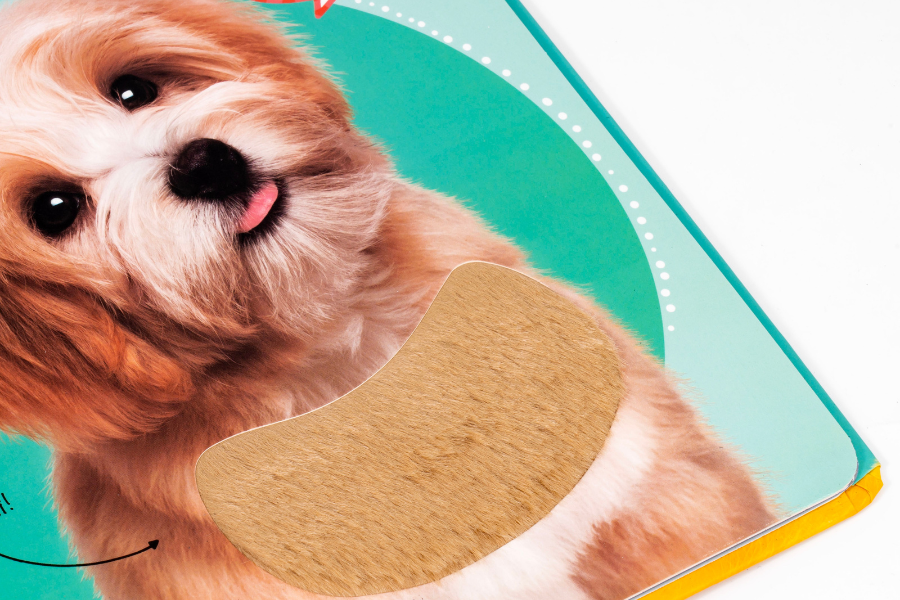
- Glanzlaminierung: Die kostengünstigste Option. Es erhöht die Farbsättigung, Damit ist es perfekt für den Haushalt geeignet, kontrastreiche Kinderbücher.
- Matte Laminierung: Hat einen vernachlässigbaren Preisaufschlag gegenüber Glanz. Es liefert ein weiches, Blendfreie Oberfläche, die den wahrgenommenen Wert von im Einzelhandel erhältlichen Malbüchern für Erwachsene erhöht.
Premium-Oberflächen (Hohes Setup, Hohe Margen)
Für spezielle Endbearbeitungen fallen zusätzliche Kosten für die physische Bearbeitung an, getrennte Druckläufe, und verlängerte Lieferzeiten. Verlage sollten diese Upgrades für Sondereditionen reservieren, bei denen der Einzelhandelspreis den Mehraufwand ausgleichen kann:
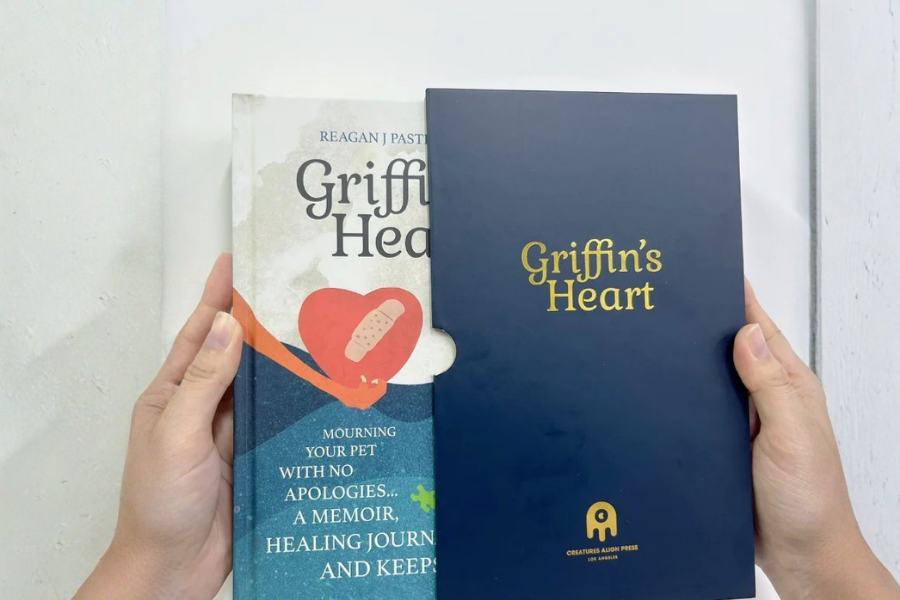
- Folienprägung: Verleiht Titeln oder Logos metallische Akzente, Hinzufügen einer festen Einrichtungsgebühr für kundenspezifische Kupferplatten.
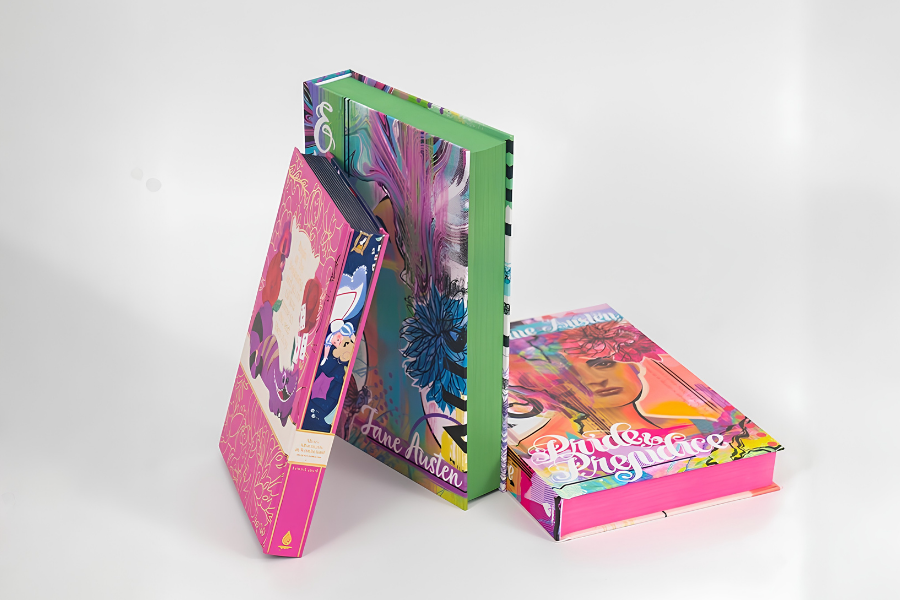
- Spot-UV: Wendet eine Erhöhung an, glänzende Textur auf gezielte Fokuspunkte, um einen scharfen visuellen Kontrast zu schaffen.
- Prägung: Verwendet maßgeschneiderte männliche/weibliche Matrizen, um das Papier physisch anzuheben, verleiht den Verkaufsregalen einen besonderen haptischen Reiz.
Versteckte Kosten beim Drucken von Malbüchern
Um Ihre Veröffentlichungsmargen zu maximieren, Sie müssen mit den drei versteckten Herstellungskosten rechnen, die ein grundlegendes Druckangebot regelmäßig in die Höhe treiben.
- Anpassungen vor dem Druck: Drucker kostenpflichtig $10 Zu $50 für Margenkorrekturen und $20 Zu $100 pro Stunde für die manuelle Leitungsreinigung. Um diese Gebühren zu eliminieren, Reichen Sie Ihre Druckvorlagen strikt nach den Layoutvorlagen der Fabrik ein und konvertieren Sie die Cover vorher von RGB in CMYK.
- Probenahme und Prüfung: Während digitale PDFs kostenlos sind, Sie können die Papierstruktur oder das Durchscheinen des Markers nicht testen. Physische Druckexemplare und internationale Expressversandkosten $50 Zu $200 pro Runde. Konsolidieren Sie Ihre Überarbeitungen in einem einzigen physischen Proofing-Zyklus, um Ihr Budget zu schonen.
- Exportverpackung und Logistik: Standardangebote decken selten den internationalen Transit ab. Upgrade auf hochbelastbare doppelwandige Kartons, individuelle Schrumpffolie ($0.05 Zu $1.00 pro Einheit), und konformes ISPM 15 Palettenbegasung sind von entscheidender Bedeutung. Diese Schutzmaßnahmen, zusammen mit Zollabfertigungsgebühren, Kann hinzufügen 10% Zu 30% zu Ihrem Grundpreis ab Werk.
Für Trinkgeld: Es ist immer günstiger, im Voraus in robuste Kartonaufrüstungen zu investieren, als für Kundenretouren aufgrund eingedrückter Ecken und beschädigter Bestände zu zahlen.
Überlegungen zu Versand- und Logistikkosten
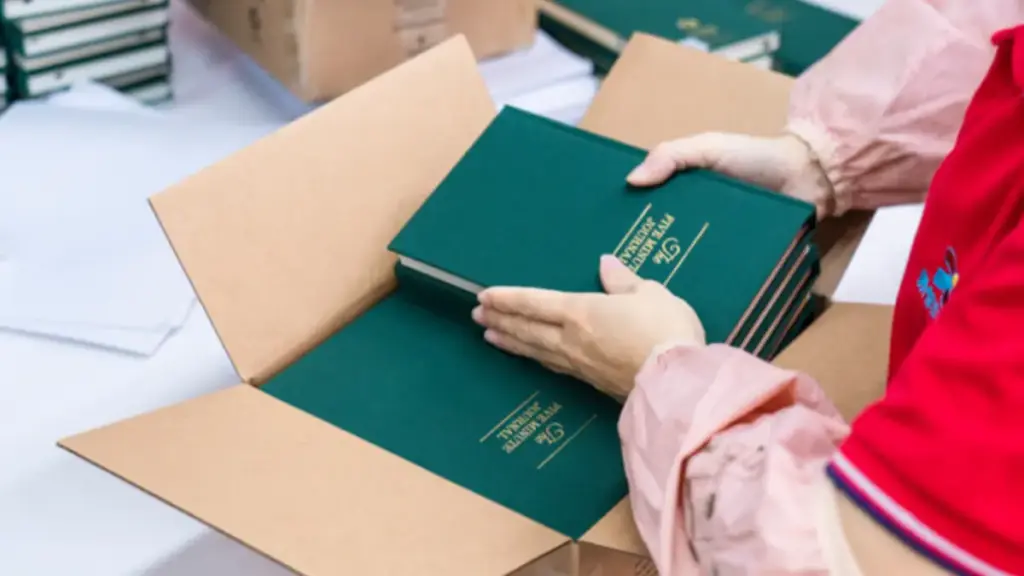
Internationale Fracht- und Zollgebühren bestimmen direkt Ihre endgültigen Einzelhandelsmargen. Eine frühzeitige Planung Ihrer logistischen Stellfläche verhindert unerwartete Spitzen bei Ihren Gesamtkosten.
Gewicht vs. Band zur Güterverkehrswirtschaft
Malbücher bestehen aus dichtem Papiermaterial, Das bedeutet, dass das tatsächliche physische Gewicht – nicht die Volumengröße – Ihre Versandkosten bestimmt. Ein Standardwert von 8,5″ x 11″, 50-Die Seite des Softcover-Buches wiegt ungefähr 6 Zu 10 Unzen, sich schnell auf die Ladegrenzen für Paletten auswirken.
- Seefracht: Bietet die niedrigsten Stückkosten; obligatorisch für die Skalierung von Massen-Offset-Läufen 1,000 Einheiten.
- Luftexpress: Lädt sich stark durch das Körpergewicht auf; Ausschließlich für dringende Proofs oder Chargen darunter reserviert 500 Kopien.
Zölle und Zielgebühren
Für gedruckte Standardbücher gelten weltweit häufig keine oder ermäßigte Zollsätze, Sie müssen ein genaues Harmonisiertes System sicherstellen (HS) Codes, um Fehlklassifizierungsstrafen zu vermeiden.
Außerdem, Hafenseitige Gebühren unter FOB- oder CIF-Bedingungen – beispielsweise für die Terminalabfertigung, Zollabfertigung, und lokaler Inlandstransport – routinemäßig hinzufügen 10% Zu 30% auf Ihre Basis-Werksrechnung. Durch die Konsolidierung mehrerer Titel in einer einzigen Sendung werden diese festen Zielgebühren auf mehrere Einheiten verteilt, um die Gewinnspanne zu wahren.
So senken Sie die Druckkosten für Malbücher
Die Kontrolle der Malbuchkosten hängt von zwei Hebeln ab: Trimmen Sie Materialspezifikationen, ohne das Benutzererlebnis zu beeinträchtigen, und passen Sie Ihre Druckauflagengröße an die richtige Produktionsmethode an.
Optimieren Sie Formatierungs- und Materialspezifikationen
Jede physische Entscheidung, die Sie in der Designphase treffen, vervielfacht sich auf Ihre gesamte Druckauflage. Überfordern Sie Ihr Buch, und Ihre Ränder verschwinden, bevor die Druckmaschine überhaupt beginnt. Das Ziel besteht darin, das Farberlebnis des Endbenutzers mit strenger Fertigungseffizienz in Einklang zu bringen.
- Innendruck: Halten Sie Innenräume ausschließlich in Schwarzweiß, um den hohen Kostenmultiplikator des Vollfarbdrucks zu vermeiden.
- Seitenlayout: Begrenzen Sie die Seitenzahl, indem Sie Designs konsolidieren oder verwenden doppelseitiger Druck für Buntstift- und Buntstifteditionen.
- Papiergewicht: Wählen Sie zwischen ungestrichenem Papier 50 Pfund und 70 lb, um Budget und Benutzerfreundlichkeit der Farbgebung in Einklang zu bringen, ohne das hinzuzufügen 30% Gewichtsnachteil von beschichtetem Material.
- Abmessungen: Halten Sie sich an Standardgrößen wie 8,5″ x 11″ oder 8″ x 10″ um individuelle Einrichtungsgebühren und Materialverschwendung zu vermeiden.
Wählen Sie kostengünstige Produktionsmethoden
Wie Sie drucken, bestimmt die Entwicklung Ihrer Stückkosten. Kleinere digitale Auflagen und große Offsetaufträge basieren auf völlig unterschiedlichen Wirtschaftsmodellen. Richten Sie Ihre Produktionsstrategie an Ihrem tatsächlichen Verkaufsvolumen aus, um die Stückkosten niedrig zu halten und Ihren Cashflow zu schützen.
- Validierungstests: Testen Sie neue Konzepte mit Print-on-Demand (POD) um das Bestandsrisiko im Voraus zu eliminieren, Dann wechseln Sie zum Offsetdruck, um Masseneinsparungen zu erzielen.
- Volumenskalierung: Nutzen Sie die Skaleneffekte im Offsetdruck, um die Stückkosten zu senken $1 Zu $3 Reichweite bei Läufen über 1,000 Kopien.
- Bindungsauswahl: Wählen Sie unten die Rückenheftung für Bücher aus 64 Seiten, um die Montagekosten im Vergleich zur Klebebindung mit quadratischem Rücken zu senken.
- Anbietervergleich: Fordern Sie detaillierte Angebote von mehreren spezialisierten Buchdruckereien an, um die Grundpreise pro Einheit zu vergleichen, Versandkosten für Paletten, und Gesamteinstandskosten.
Letzte Gedanken
Budget-Druckoptionen bieten hingegen geringere Vorabkosten, Geben Sie Ihr genaues Papiergewicht ein, Bindung, Nur durch eine Volumenstrategie können Sie Ihre Margen vor versteckten Logistikkosten schützen. Um eine erfolgreiche Marke für Malbücher zu skalieren, müssen Sie Ihre physischen Herstellungsspezifikationen an Ihre tatsächliche Entwicklung im Einzelhandel anpassen. Das Ignorieren dieser Produktionsvariablen führt zu einem schnellen Margenverfall und unverkäuflichen Lagerbeständen.
Hören Sie auf, über die Wirtschaftlichkeit Ihrer Einheit zu spekulieren, und überprüfen Sie im Voraus Ihre tatsächlichen Gesamtkosten. Wir empfehlen, eine individuelle anzufordern, Kostenvoranschlag direkt ab Werk, um Ihr spezifisches Papier genau abzubilden, Druckvorstufe, und Frachtanforderungen. Kontaktieren Sie noch heute unser Produktionsteam um physische Proben zu überprüfen und eine profitable Großhandelsstrategie festzulegen.
Häufig gestellte Fragen
Wie viel kostet es, ein Malbuch zu drucken??
Eine Standardausgabe mit 48 Seiten, 8.5Ein ×11-Zoll-Buch mit Sattelheftung kostet normalerweise $2 Zu $4 pro Einheit für eine Auflage von 500 Exemplaren. Durch die Erhöhung des Produktionsvolumens oder die Wahl des Massenoffsetdrucks sinkt der Einzelpreis pro Einheit erheblich.
Was ist die Standard-Mindestbestellmenge für den Großhandel mit Malbuchdrucken??
Offset-Großhandelsfabriken verlangen im Allgemeinen eine Mindestbestellmenge (Mindestbestellmenge) von 500 Kopien zur Verdünnung fester Plattenherstellungsaufbauten. Digitaldrucker verarbeiten kleine Testchargen 25 Zu 100 Kopien, haben aber viel höhere Stückpreise.
Warum sind Hardcover-Malbücher so teuer??
Für Hardcover sind stabile Platten erforderlich, Spezialeinheit für die Buchbinderei, und hochwertiges, strapazierfähiges Papier, um ein Auslaufen des Markers zu verhindern. Ihr erhöhtes physisches Gewicht erhöht auch die internationalen Versandkosten, Logistiklager, und Grundkosten für die Materialherstellung.
Wie kann ich die Stückkosten meines Malbuchs senken??
Halten Sie sich an die Standardabmessungen von 8,5 x 11 Zoll, Halten Sie Innenräume ausschließlich in Schwarzweiß 70# unbeschichtetes Material, und wählen Sie die Bindung mit Sattelheftung. Am wichtigsten, Skalieren Sie Ihre Bestellgröße 1,000 Einheiten für den Übergang vom Digital- zum Massenoffsetdruck.
Hat die Anzahl der Seiten einen wesentlichen Einfluss auf den Druckpreis??
Ja. Hinzugefügte Seiten erhöhen direkt den Papier- und Tintenverbrauch. Ein dickerer Rücken erhöht auch das Gesamtgewicht der Fracht und erzwingt schließlich eine Kostensteigerung von der erschwinglichen Sattelheftung zur teureren Softcover-Klebebindung.
Wie viel kostet der internationale Versand für Buchgroßbestellungen??
Der Massentransport auf dem Seeweg liegt in der Regel im Durchschnitt $1.50 Zu $7+ pro Buch je nach Gesamtgewicht und Zielhafen. Zum Schutz der Margen, Vermeiden Sie teure Luftexpresssendungen für schwere Papiersendungen und gruppieren Sie mehrere Titel in einheitlichen Seefrachtsendungen.