>

Blogs & Case Studies

>

塗り絵の印刷にはいくらかかりますか?

塗り絵の印刷にはいくらかかりますか?

共有:

目次

Controlling your coloring book printing cost dictates whether your publishing project generates scalable profit or bleeds capital on misaligned material specs. Buyers who fail to balance page counts against paper density quickly watch heavy international shipping fees and inflexible minimum order quantities erase their retail margins.

This analysis breaks down the exact manufacturing variables driving your production invoice. We evaluate standard 70 lb uncoated text stock usage, the volume thresholds between digital and offset runs, and hidden export packaging fees to help you build a highly competitive unit price.

What Factors Affect Coloring Book Printing Cost?

ページ数, 紙重量, and the choice between offset and digital printing dictate your unit cost and ultimate profit margins.

Cost Factor Impact Level Strategic Application
ページ数 & 厚さ 高い Trim non-essential pages to protect margins.
用紙の種類 & GSM Medium-High Match weight to coloring tools (crayons vs. markers).
印刷方法 Variable (Volume) Digital for testing; offset for scaling above 1,000 単位.

Page Count and Spine Thickness

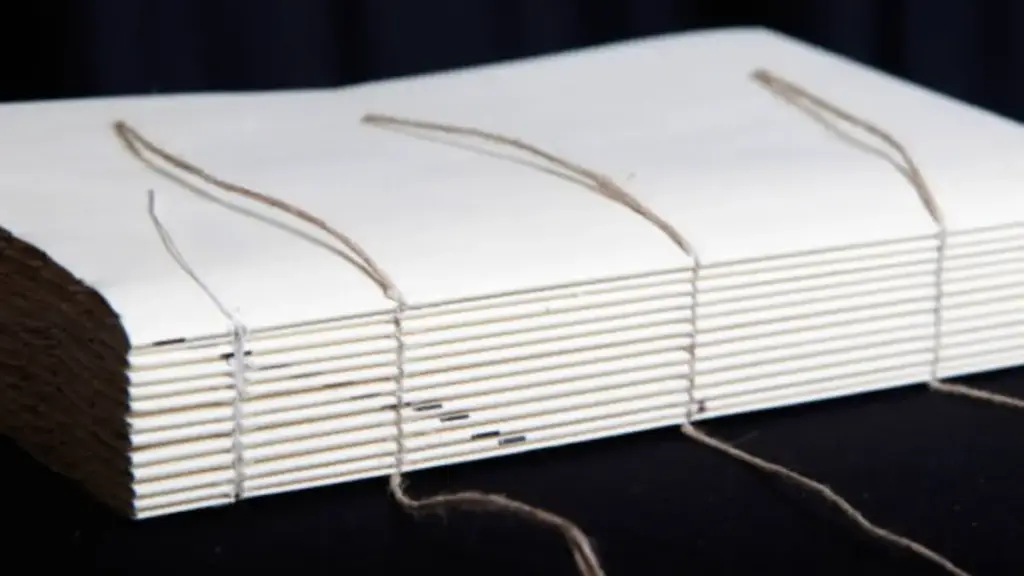
Higher page counts increase raw material consumption (paper and ink) while lengthening press and binding times. Crucially, a thicker book block forces a transition to more expensive binding styles and adds a direct weight penalty to international shipping freight.

  • Margin Strategy: Eliminate blank practice sheets, non-essential filler pages, or redundant design motifs to keep your spine lean.

Paper Density (GSM Selection)

Uncoated paper is mandatory for coloring books because its porous texture properly absorbs pigments from pencils, クレヨン, and markers. Heavier paper costs more because it uses more wood pulp, but it prevents the bleed-through that ruins reverse-side artwork.

  • Budget-Friendly: 60# 文章 (~90 GSM) for low-cost crayon books.
  • Mid-Range Retail: 70# 文章 (~105 GSM) industry standard for pencils/gel pens.
  • Premium Editions: 80# に 100# 文章 (120–150GSM) for heavy marker art.

印刷方法: Offset vs. Digital

Production technology redefines your cost architecture based purely on your order volume.

  • オフセット印刷: High fixed plate-making and prepress setup fees, but drops your individual unit price exponentially as your print run scales past 500 に 1,000 単位.
  • Digital Printing: Low upfront setup fees. Ideal for rapid 3-day prototyping, small test batches, or print-on-demand (ポッド) to bypass upfront inventory risk.

How MOQ Impacts Unit Price

How MOQ Impacts Unit Price custom kid coloring book

Minimum order quantities dictate your per-book cost. Scaling your print run spreads fixed setup expenses across more units, causing unit prices to drop sharply before hitting a plateau.

Spreading Fixed Setup Costs Over Volume

Printers incur heavy fixed expenses before running a single coloring book through the press. You absorb these initial fees entirely, which explains why small print runs carry such high per-book prices.

Production costs break down into two distinct categories:

  • Fixed setup expenses: Prepress file processing, metal plate making, and machine color calibration.
  • Variable expenses: Paper stock, インク, and binding labor scale directly with your order size.

Variable expenses do not change the baseline setup requirements. Increasing your overall order quantity dilutes those fixed fees across a much larger pool of units. This dilution triggers a sharp decline in your individual book rate as volume scales.

Cost Thresholds and Volume Sweet Spots

Matching your order size to the right printing technology unlocks the best margins. The steepest savings cliff in custom book production occurs as you move from digital short runs into full offset production.

  • Under 500 コピー: Digital printing eliminates expensive plate setups, making it the practical route for short runs and market testing.
  • 500 に 1,000 コピー: Offset printing demands a higher minimum order but delivers massive pricing advantages as fixed costs spread thin.
  • 100 に 1,000 単位: This window represents the most dramatic drop in unit pricing.
  • Over 5,000 コピー: Per-unit cost reductions slow down significantly. Raw material and binding labor dictate the final baseline price.

Hitting that 1,000-copy threshold usually maximizes your unit economics without forcing you to carry excessive inventory risk.

High-Margin Custom Coloring Book Printing

Partner with our ISO-certified factory for child-safe, FSC-compliant materials and durable bindings that elevate your brand. 柔軟なMOQのメリット, rapid 3-day sampling, and rigorous quality control to maximize your publishing ROI.

Get Your Wholesale Quote →

CTA画像

Paper Choice and Its Impact on Printing Cost

Paper basis weight is one of the most critical variables controlling your production budget. To help you navigate the transition between North American paper weights and international metric standards, use the following technical breakdown to align your target market with exact factory specifications.

Basis Weight (US) GSM Equivalent Cost Factor Best Target Media (Application)
60# Text ~90 GSM Baseline Budget-friendly / Children’s basic coloring books (best for crayons and oil pastels).
70# Text (Industry Standard) ~105 GSM + 15% 料金 Standard retail / 大人の塗り絵 (ideal for colored pencils and gel pens).
80# Text (プレミアム) ~120 GSM + 35% 料金 Independent artist portfolios and single-sided prints (suitable for light watercolors and markers).
100# Text (Master Grade) ~150 GSM + 60% 料金 Deluxe collector editions and double-sided premium books (maximum bleed resistance for heavy markers).

Upgrading your paper stock changes more than just the raw material invoice. Selecting a higher GSM or heavier basis weight triggers compounding cost variables that publishers often overlook:

  • Binding Strategy Shift: Thicker paper blocks expand the book’s spine thickness. Moving from 70# に 80# または 100# text often forces a transition from cost-effective saddle-stitching to premium perfect binding to prevent spine bulging.
  • Landed Cost Inflation: Higher density paper adds a direct weight penalty to your total shipment. In international logistics, this can drastically reduce your net retail margins if you rely on air freight or long-distance trucking rather than sea freight.

Binding Methods and Their Cost Differences

Binding Methods and Their Cost Differences

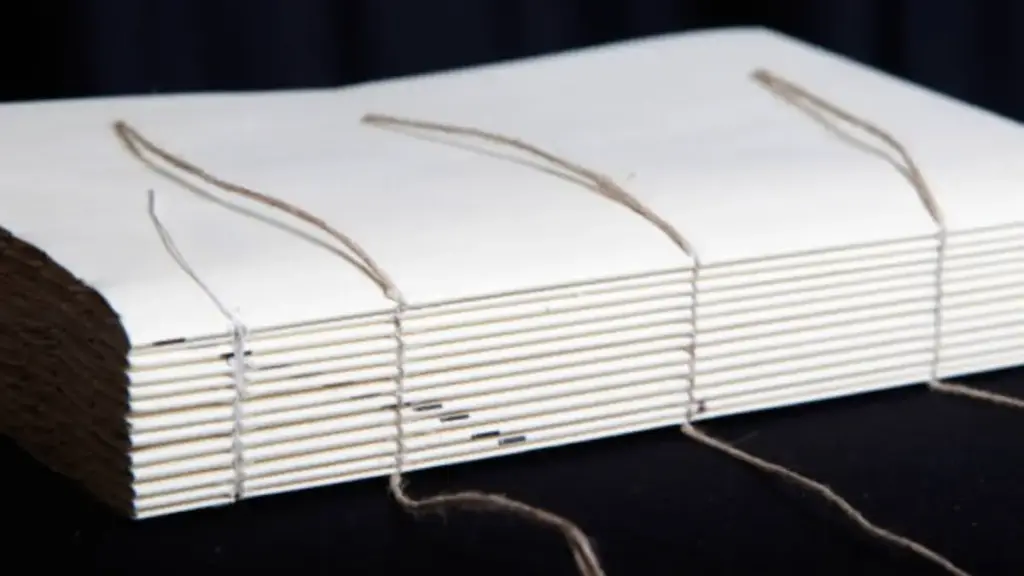
あなたの binding choice dictates retail appeal, 使いやすさ, and per-unit production cost. Saddle stitch minimizes spend, perfect binding wins retail shelves, and spiral binding maximizes user experience.

サドルステッチ (Most Cost-Effective Option)

Printers fold the pages in half and drive staples along the spine to secure the book block. This simple mechanical process creates short, slim coloring books with minimal overhead.

  • Cost Factor: Keeps unit pricing low by using fewer raw materials and bypassing the slow curing processes required by glued or coil methods.
  • ベストアプリケーション: Small, cost-sensitive print runs or promotional activity books.
  • 制限事項: Requires a strict low page count. Exceeding capacity causes the spine to bulge and the book to pop open.

完全なバインディング (Mid-Range Cost)

Unlike saddle stitch, the perfect binding process glues the interior pages directly at the spine and wraps them in a heavier soft cover. This results in a flat, bookstore-style square spine.

  • Cost Factor: Prices increase over saddle stitching because the bindery must apply adhesive, wait for curing times, and print a custom wraparound cover.
  • ベストアプリケーション: Retail products that demand strong shelf appearance and visible spine branding.
  • 制限事項: The glued spine tension prevents the book from laying completely flat on a table during active coloring.

スパイラルバインディング (Higher Flexibility, Higher Cost)

Manufacturers punch a series of holes down the left margin of the pages and insert a plastic or metal coil. This allows the coloring book to open completely flat and rotate 360 degrees.

  • Cost Factor: Carries the highest production cost due to extra finishing steps, including hole punch setup, raw coil material expenses, and increased manual handling.
  • ベストアプリケーション: Specialized premium activity books designed for serious hobbyists.
  • User Advantage: Delivers an optimal user experience for frequent page-turning and flat-lay usability, justifying the premium retail price.

Cover Finishing Options and Pricing Impact

あなたの カバー仕上げ establishes your book’s retail positioning and directly impacts the final production invoice. Upgrading from basic protection to premium tactile effects changes your cost structure through specialized tooling and setup labor.

Standard Lamination (Low Cost, High Efficiency)

Plastic lamination provides essential moisture and scuff resistance with minimal budget impact.

  • グロスラミネート: The most cost-effective option. It increases color saturation, making it perfect for budget-friendly, high-contrast children’s books.
  • マットラミネート加工: Carries a negligible price premium over gloss. It delivers a soft, glare-free finish that elevates perceived value for retail adult coloring books.

Premium Finishes (High Setup, High Margins)

Specialized finishes add physical tooling fees, separate press runs, and extended lead times. Publishers should reserve these upgrades for special editions where the retail price can absorb the overhead:

  • 箔押し: Applies metallic accents to titles or logos, adding a fixed setup fee for custom copper plates.
  • スポットUV: Applies a raised, glossy texture to targeted focal points to create sharp visual contrast.
  • エンボス加工: Uses custom male/female dies to physically raise the paper, adding distinct tactile appeal to retail shelves.

Hidden Costs in Coloring Book Printing

To maximize your publishing margins, you must anticipate the three hidden manufacturing expenses that routinely inflate a baseline printing quote.

  • Pre-Press Adjustments: Printers charge $10 に $50 for margin corrections and $20 に $100 per hour for manual line cleanup. To eliminate these fees, submit artwork strictly to the factory’s layout templates and convert covers from RGB to CMYK beforehand.
  • Sampling and Proofing: While digital PDFs are free, they cannot test paper texture or marker bleed-through. Physical hard-copy proofs and international express shipping cost $50 に $200 per round. Consolidate your revisions into a single physical proofing cycle to protect your budget.
  • Export Packaging and Logistics: Standard quotes rarely cover international transit. Upgrading to heavy-duty double-wall cartons, individual shrink-wrapping ($0.05 に $1.00 ユニットあたり), and compliant ISPM 15 pallet fumigation are vital. These safeguards, along with customs brokerage fees, can add 10% に 30% to your base factory price.

チップ用: Investing in robust carton upgrades upfront is always cheaper than paying for customer returns due to crushed corners and damaged inventory.

Shipping and Logistics Cost Considerations

Shipping and Logistics Cost Considerations

International freight and customs fees directly dictate your final retail margins. Planning your logistical footprint early prevents unexpected spikes in your landed unit cost.

Weight vs. Volume in Freight Economics

Coloring books are made of dense paper materials, meaning actual physical weight—not volumetric size—drives your shipping costs. A standard 8.5″ ×11″, 50-page softcover book weighs roughly 6 に 10 ounces, quickly impacting pallet load limits.

  • Ocean Freight: Offers the lowest per-unit cost; mandatory for scaling bulk offset runs over 1,000 単位.
  • Air Express: Charges heavily by physical weight; reserved strictly for urgent proofing or batches under 500 コピー.

Customs Duties and Destination Fees

While standard printed books often qualify for zero or reduced duty rates globally, you must secure accurate Harmonized System (HS) codes to avoid misclassification penalties.

Furthermore, port-side fees under FOB or CIF terms—such as terminal handling, customs brokerage, and local inland trucking—routinely add 10% に 30% to your base factory invoice. Consolidating multiple titles into a single shipment spreads these fixed destination fees across more units to preserve profit margins.

How to Reduce Coloring Book Printing Costs

Controlling coloring book costs comes down to two levers: trimming material specifications without killing the user experience and matching your print run size to the right production method.

Optimize Formatting and Material Specifications

Every physical choice you make in the design phase multiplies across your entire print run. Over-spec your book, and your margins disappear before the press even starts. The goal is to balance the end-user coloring experience with strict manufacturing efficiency.

  • Interior printing: Keep interiors strictly black and white to avoid the heavy cost multiplier of full-color printing.
  • Page layout: Limit page counts by consolidating designs or using double-sided printing for crayon and colored pencil editions.
  • 紙重量: Select uncoated paper between 50 lb and 70 lb to balance budget and coloring usability without adding the 30% weight penalty of coated stock.
  • 寸法: Stick to standard trim sizes like 8.5″ ×11″ または8″ ×10″ to bypass custom setup fees and material waste.

Select Cost-Effective Production Methods

How you print dictates your unit cost trajectory. Short digital runs and massive offset orders operate on completely different economic models. Align your production strategy with your actual sales volume to keep per-unit costs low and protect your cash flow.

  • Validation testing: Test new concepts with Print-on-Demand (ポッド) to eliminate upfront inventory risk, then transition to offset printing for bulk savings.
  • Volume scaling: Leverage offset printing economies of scale to drop unit costs into the $1 に $3 range on runs exceeding 1,000 コピー.
  • Binding selection: Choose saddle-stitch binding for books under 64 pages to lower assembly expenses compared to square-spine perfect binding.
  • Vendor comparison: Request detailed quotes from multiple specialized book printers to compare base unit prices, pallet shipping rates, and total landed costs.

最終的な考え

While budget printing options offer lower upfront costs, dialing in your exact paper weight, バインディング, and volume strategy is the only way to safeguard your margins against hidden logistics fees. Scaling a successful coloring book brand requires you to align your physical manufacturing specs with your actual retail trajectory. Ignoring these production variables guarantees rapid margin erosion and unsellable inventory.

Stop guessing on your unit economics and verify your true landed costs upfront. We recommend requesting a customized, factory-direct quote to accurately map out your specific paper, プリプレス, and freight requirements. 今すぐ当社の制作チームにお問い合わせください to review physical samples and lock in a profitable wholesale strategy.

よくある質問

How much does it cost to print a coloring book?

A standard 48-page, 8.5×11-inch saddle-stitched book typically costs $2 に $4 per unit for a 500-copy run. Increasing production volume or choosing bulk offset printing drops the individual per-unit price significantly.

What is the standard MOQ for wholesale coloring book printing?

Wholesale offset factories generally require a Minimum Order Quantity (MOQ) の 500 copies to dilute fixed plate-making setups. Digital printers handle small test batches of 25 に 100 copies but carry much higher unit rates.

Why are hardcover coloring books so expensive?

Hardcovers require rigid boards, specialized case-binding assembly, and premium heavy-duty paper to prevent marker bleed. Their increased physical weight also compounds international shipping fees, logistics storage, and baseline material manufacturing overhead.

How can I reduce the per-unit cost of my coloring book?

Stick to standard 8.5×11-inch dimensions, keep interiors strictly black-and-white on 70# uncoated stock, and choose saddle-stitch binding. Most importantly, scale your order size over 1,000 units to transition from digital to bulk offset printing.

Does the number of pages affect the printing price significantly?

はい. Added pages directly increase paper consumption and ink usage. A thicker spine also increases overall freight weight and eventually forces a cost upgrade from affordable saddle-stitching to more expensive softcover perfect binding.

How much is international shipping for bulk book orders?

Bulk ocean freight typically averages $1.50 に $7+ per book depending on total weight and destination port. To protect margins, avoid expensive air express for heavy paper shipments and group multiple titles into unified sea freight shipments.

レオ

創設者 & CEO of Xinyi Printing As the Founder and CEO of Xinyi Printing, 企業がアイデアを実用的な高品質の印刷物に変えるお手伝いをします。, 生産主導のソリューション. 私はアリババ認定スター講師および印刷産業協会の副会長も務めています。, 最新の印刷と製造に関する実践的な洞察を共有する. とXini, 実際の生産条件に基づいてカスタマイズされた印刷ソリューションを開発し、クライアントが適切な材料を選択できるように支援します。, 構造物, コストバランスを考慮したスペックと, 耐久性, そして見た目のインパクトも. 新しいプロジェクトを立ち上げる場合, 私のチームは生産プロセス全体を通して指導とサポートを提供します.

連絡してください

受信トレイで製品カタログを入手してください

カスタムブック印刷ソリューションの全範囲をご覧ください, 紙の種類, およびバインディングオプション. 以下のフォームに記入すると、最新の製品カタログをメールに直接送信します.

お問い合わせ

印刷品質を高めます.

今日私たちと一緒にプロジェクトを始めましょう!

お問い合わせ

書籍の印刷をご希望の場合 ガイド?

*私たちはあなたの機密性を尊重し、すべての情報が保護されています.