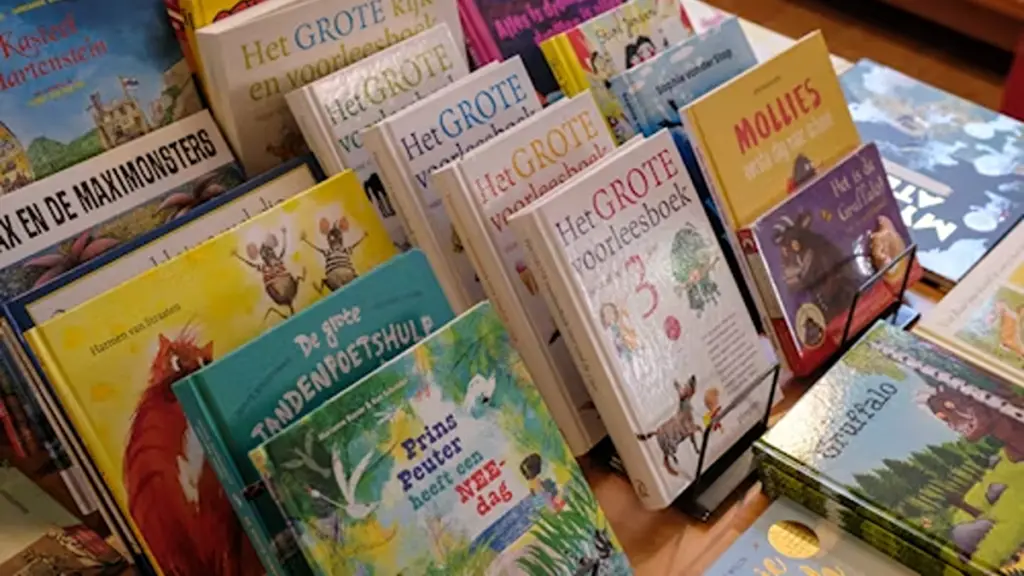


Creating a baby board book involves more than printing colorful pages. Brands need to consider child safety, material durability, design usability, and production quality to create products that parents trust and children can enjoy.
A reliable custom baby board books printing partner helps transform creative ideas into durable early learning products. From selecting safe materials to optimizing book structures and finishing options, professional production support reduces risks and improves the final product experience.
What Are Custom Baby Board Books?
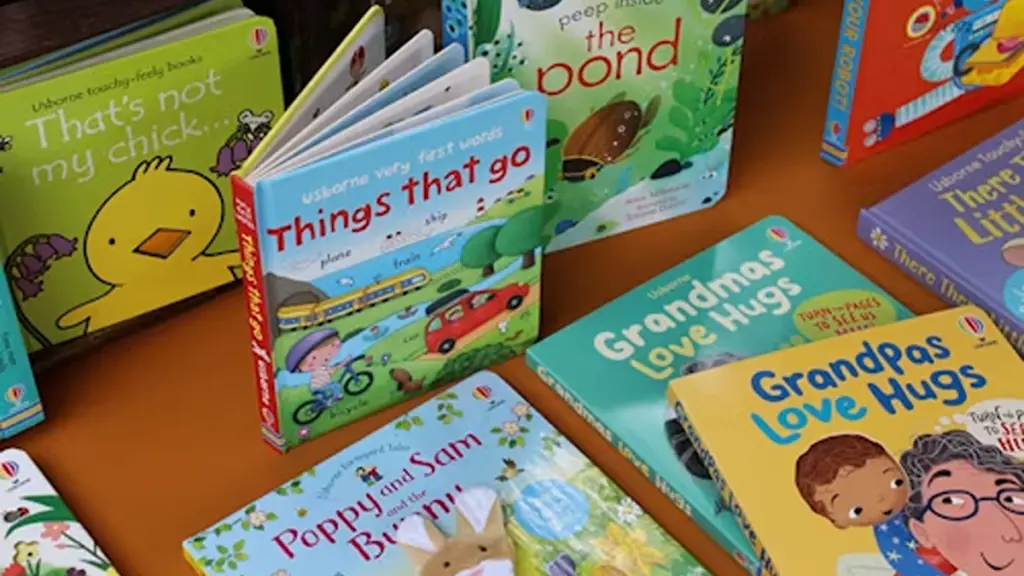
Custom baby board books are specially designed children’s books made for infants and toddlers, combining personalized content with a durable board book structure.
Unlike regular children’s books, board books use thick pages that are easier for young children to hold, 振り向く, and explore. Their sturdy construction makes them suitable for early reading experiences where books may be handled frequently.
These books are commonly created for children aged 0–3 and are used by publishers, 教育ブランド, baby product companies, and gift businesses. Brands can customize various elements, including the story content, イラスト, book size, カバーデザイン, と包装.
Common features of custom baby board books include:
- Thick board pages: Provide a strong structure that supports repeated use.
- Compact formats: Make the books easier for small hands to hold and interact with.
- Custom designs: Allow brands to create unique educational themes or personalized products.
- Durable construction: Helps the book maintain its appearance through daily handling.
Custom baby board books combine storytelling and product design, making them a popular format for early learning products and children’s collections.
Why Brands Choose Board Books for Early Learning Products
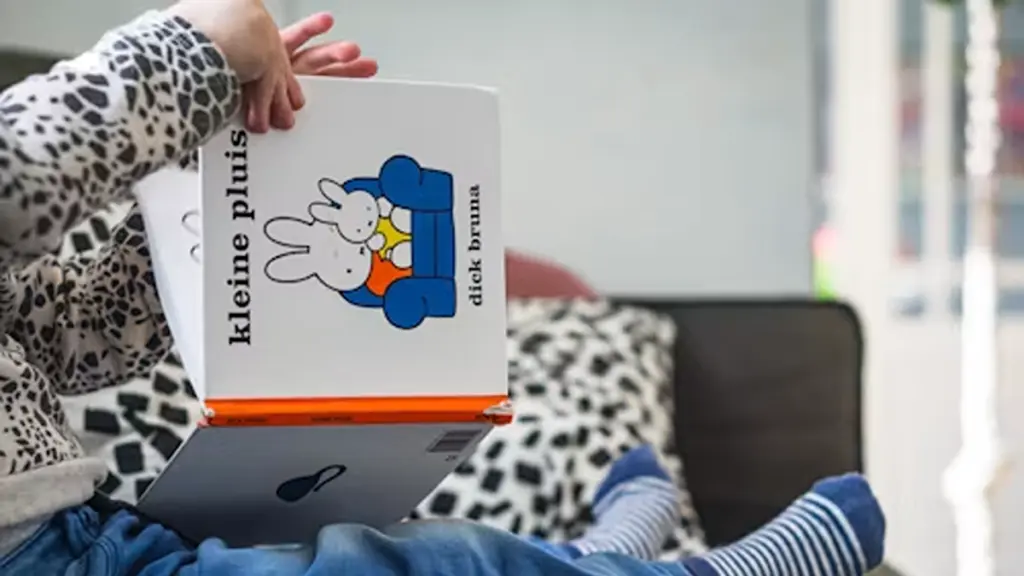
Board books are widely used in early learning products because they support children’s developmental needs while providing brands with a durable and flexible product format.
Young children interact with books differently from older readers. They learn through touching, holding, turning pages, and repeated exploration. Compared with traditional paper books, board books are designed to better handle these early reading behaviors.
For children’s brands, board books offer several advantages:
- Durable for daily use: Thick pages help products maintain their condition after repeated reading, making them suitable for homes, 学校, and educational settings.
- Support early learning: Simple layouts, clear illustrations, and interactive elements help introduce basic concepts such as colors, 数字, 動物, and vocabulary.
- Create higher product value: Premium materials and professional finishing improve the overall feel, making board books suitable for retail products, ギフトセット, and branded collections.
- Strengthen brand identity: Custom stories, キャラクター, and educational themes help companies develop unique product lines.
Board books also give brands opportunities to expand their product range. A single concept can be developed into themed collections for different age groups, learning goals, or seasonal campaigns.
Common applications include:
| 応用 | How Brands Use Board Books |
|---|---|
| Educational Products | Create early learning materials focused on language, 数字, 形, and cognitive development. |
| Baby Product Brands | Add branded books to gift sets, newborn collections, or parenting products. |
| Publishers And IP Brands | Develop licensed characters, storytelling series, and collectible book ranges. |
High-Quality Custom Printing at Industrial Scale
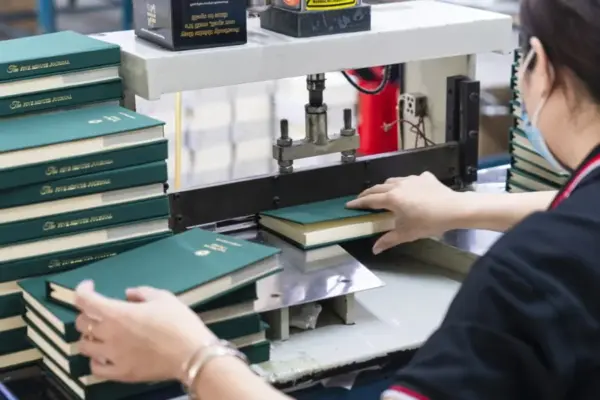
Material Requirements for Safe Baby Board Books
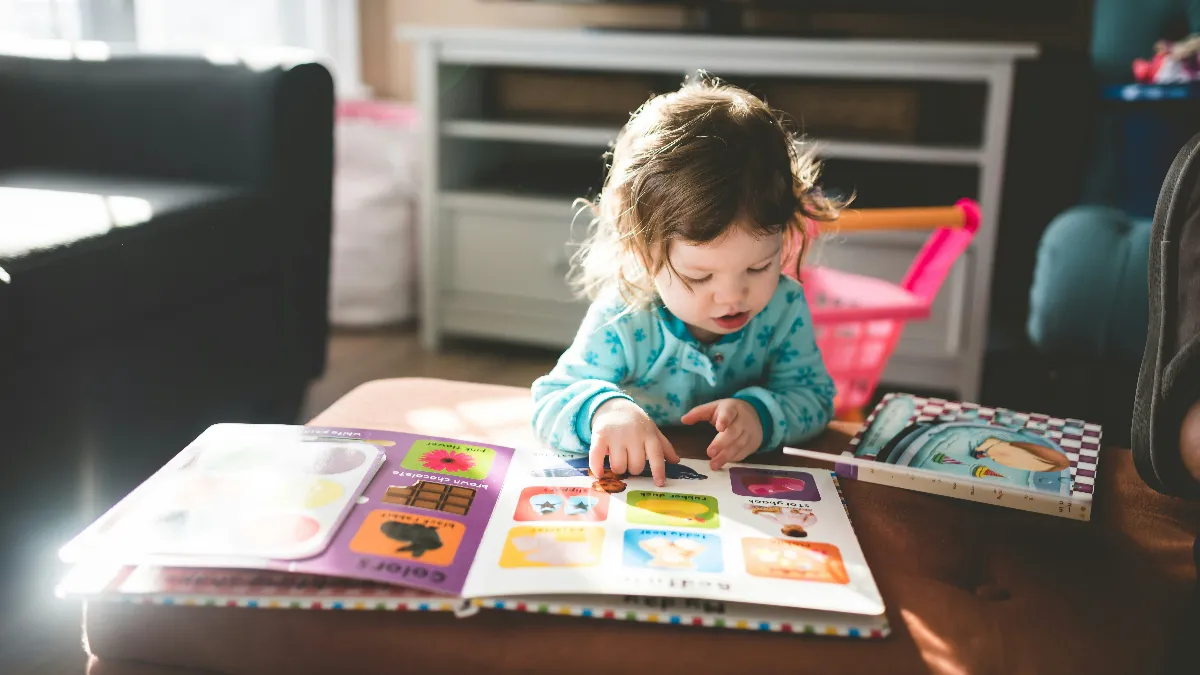
Safe materials are the foundation of baby board book production. Every component, from paperboard to printing finishes, must support durability while meeting child safety expectations.
The materials used in a baby board book directly affect how the product performs during daily use. Since infants and toddlers often touch books with their hands and mouths, manufacturers must carefully evaluate material quality, surface treatment, and production safety.
Paperboard Selection
The core material of a board book is thick paperboard, which provides the rigid structure needed for young children. The board should maintain its strength without cracking, bending easily, or separating after repeated use.
Important considerations include:
| Material Factor | Importance |
|---|---|
| 板厚 | Determines page strength, handling comfort, and overall durability. |
| Surface Smoothness | Provides better printing results and prevents rough textures. |
| Edge Quality | Ensures clean cutting and safer handling for children. |
Printing Materials And Safety Considerations
Printing quality is important, but safety must always come first for baby products. Manufacturers should use suitable inks, 接着剤, and coatings that are designed for children’s products.
Key material requirements include:
- Non-toxic inks: Help maintain safe printing surfaces while delivering clear colors.
- Child-safe adhesives: Support strong assembly without using unsuitable bonding materials.
- Protective coatings: Improve resistance against moisture, 傷, and frequent handling.
Different markets may have different safety requirements. Brands selling internationally should confirm that their printing partner understands standards such as CPSIA, ASTM F963, and EN 71 when developing children’s products.
Design Considerations for Baby Book Printing
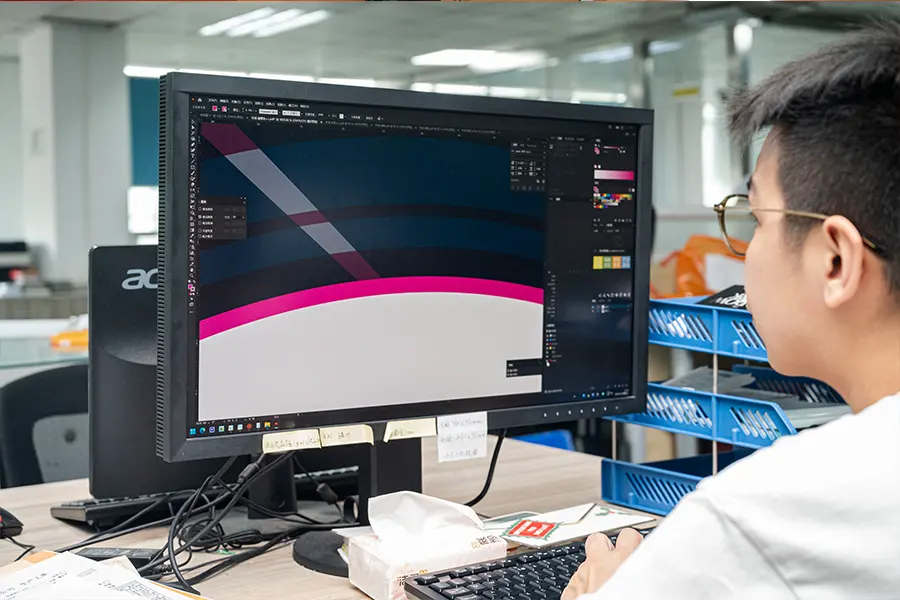
Design decisions directly affect how a baby board book looks, 感じる, and performs after production. Brands need to balance creative ideas with printing requirements to create products that are attractive, 実用的, and manufacturing-friendly.
Book Size And Structure
The physical format of a baby board book affects both children’s interaction and the efficiency of the printing process. A suitable structure helps the book remain comfortable to use while supporting stable production.
Key factors to consider include:
- Book size: Compact square formats are commonly used because they provide balanced layouts and are easier for young children to hold.
- ページ数: Shorter page counts are usually more suitable for infants and toddlers, allowing content to remain simple and focused.
- ページレイアウト: Designers should consider the connection between facing pages and avoid placing important images or text near the binding area.
A well-planned structure also helps manufacturers optimize cutting, 取り付け, and assembly processes, reducing potential production issues.
Visual Design And File Preparation
Visual elements play an important role in attracting children’s attention and delivering clear learning content. 同時に, artwork must meet professional printing requirements to ensure accurate results.
Recommended practices include:
- Illustration style: Use clear shapes, simple images, and balanced layouts that match early learning needs.
- タイポグラフィ: Select large, easy-to-read fonts with strong contrast between text and background.
- Color preparation: Create files in CMYK color mode with high-resolution images to achieve consistent printing results.
- Print setup: Include proper bleed and safe margins to prevent important content from being cut during trimming.
Carefully prepared artwork allows manufacturers to reproduce the original design more accurately and helps brands maintain consistent quality across production batches.
Manufacturing Process and Quality Control
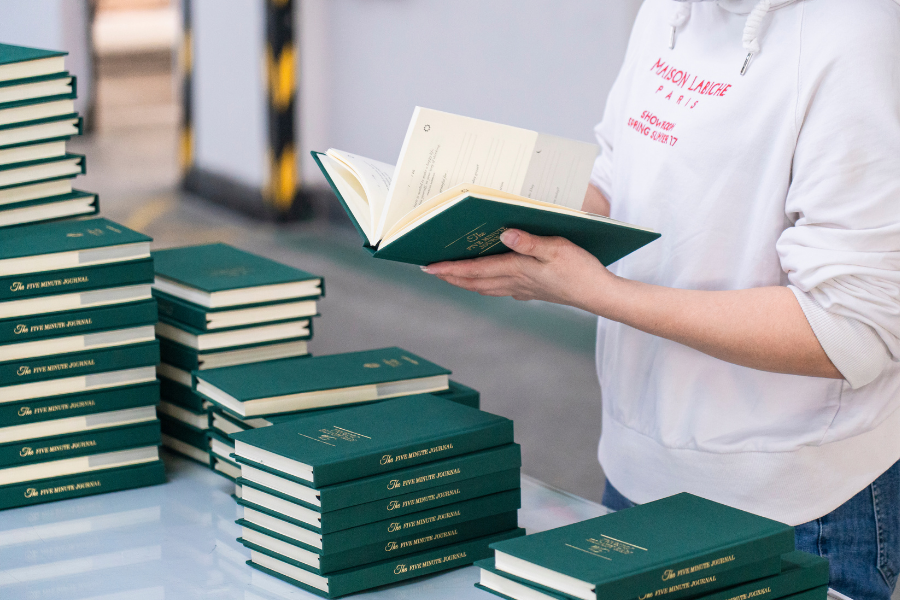
A stable manufacturing process helps brands achieve consistent board book quality from the first sample to large-scale production. Each production step requires accurate control to avoid errors and maintain product standards.
Production Workflow
Unlike standard book printing, board book manufacturing involves additional steps such as mounting, cutting, and assembly. A reliable workflow ensures the final product meets design requirements and maintains structural quality.
| Production Step | Main Purpose |
|---|---|
| Prepress | Checks artwork files, color settings, and layout details before production. |
| 印刷 & ラミネーション | Creates high-quality graphics and protects printed surfaces. |
| Board Mounting | Combines printed sheets with rigid boards to form durable pages. |
| ダイカット & バインディング | Creates the final shape, 丸い角, and complete book structure. |
品質管理
Quality checks should run throughout the production process rather than only after completion. Manufacturers typically monitor printing accuracy, page assembly, finishing quality, and packaging condition to maintain consistent results.
A complete quality control system helps brands reduce production risks, avoid repeated defects, and ensure every batch meets expected standards.
To better understand the full system, see our breakdown of ボードブックはどのように作られるのか.
Popular Finishing for Baby Board Books
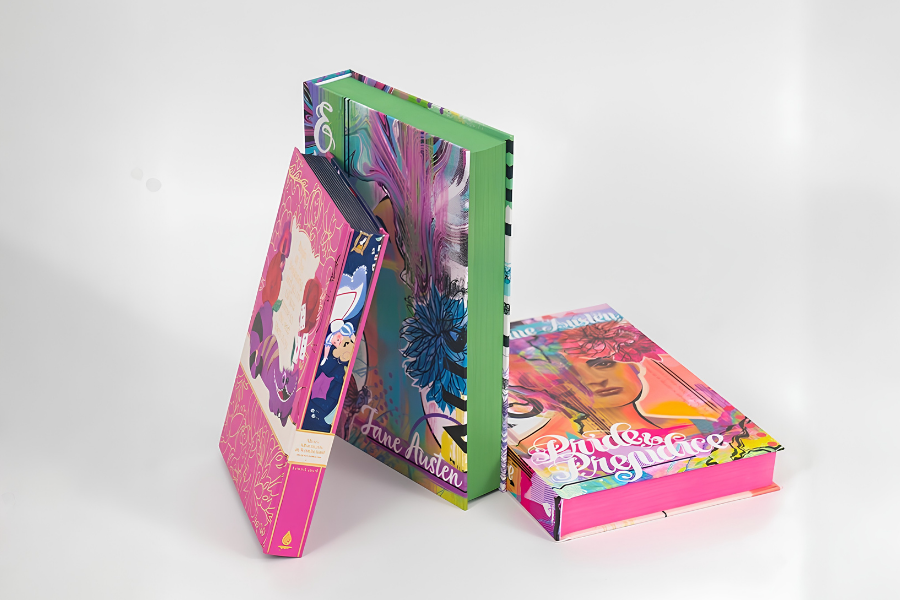
Finishing options improve the appearance, 耐久性, and interactive experience of baby board books. The right finishing choice depends on the product concept, ターゲット市場, and desired brand positioning.
Beyond basic printing, brands can use different finishing techniques to create more attractive and engaging products. しかし, every additional feature should also consider safety, 耐久性, and production feasibility.
Protective Surface Finishes
Surface finishes are commonly used to protect printed pages and improve the overall user experience.
Popular options include:
| Finishing Type | Benefits |
|---|---|
| マットラミネート加工 | Creates a smooth surface with reduced reflection and a premium feel. |
| グロスラミネート | Enhances color brightness and provides strong surface protection. |
| スポットUV | Highlights specific areas such as logos, キャラクター, or design details. |
Interactive And Decorative Features
For brands looking to create more engaging learning products, additional features can improve interaction and product differentiation.
一般的なオプションには以下が含まれます:
- Die-cut shapes: Create unique page designs or special visual effects.
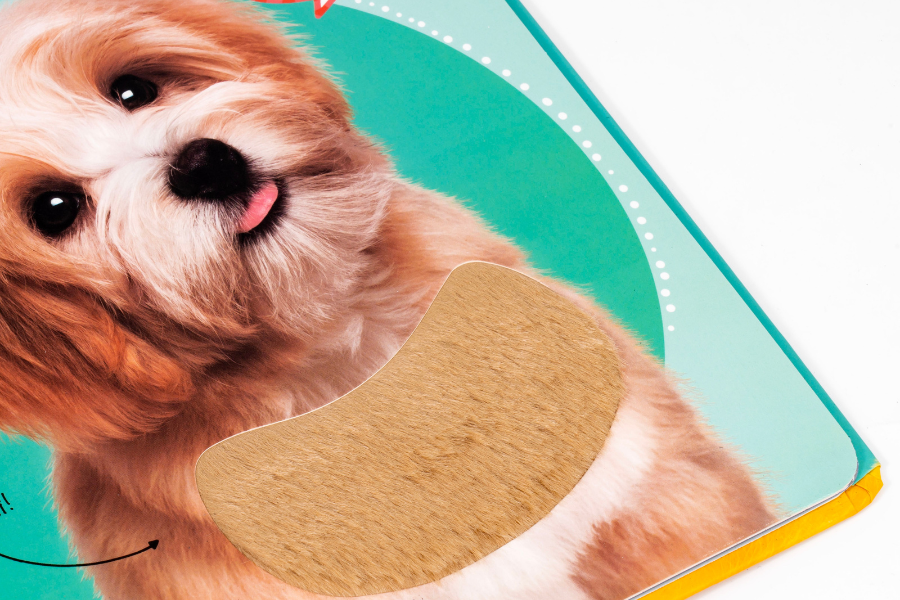
- Lift-the-flap elements: Encourage exploration and interactive learning.
- エンボス加工: Adds a raised texture to selected areas for a premium appearance.
- Special packaging: Builds stronger retail presentation through custom boxes or gift sets.
When adding interactive features, brands should consider safety requirements and ensure every component remains securely attached during use.
Choosing a Reliable Board Book Printing Partner
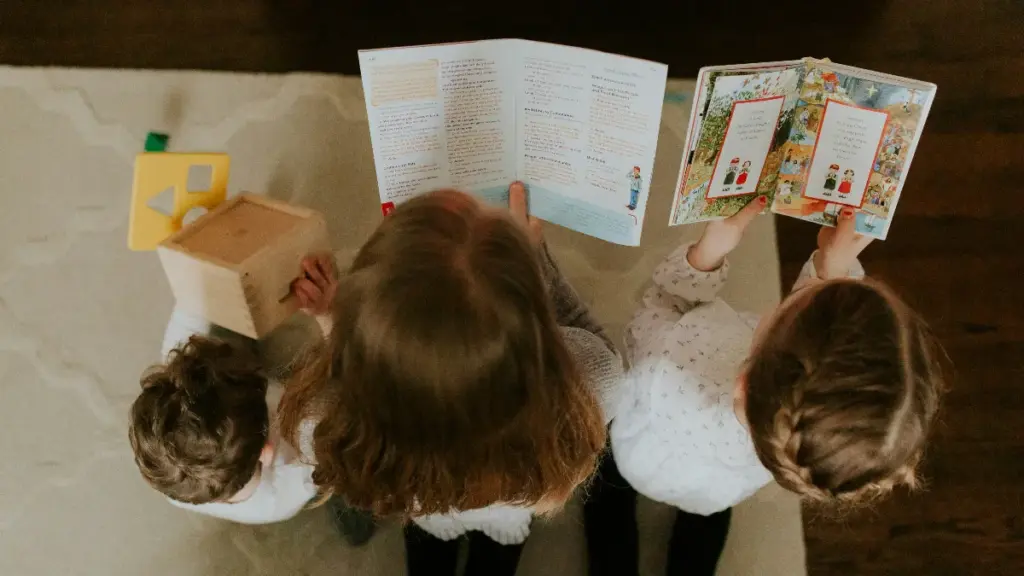
A suitable printing partner helps brands reduce production uncertainty and create board books that meet quality expectations, market requirements, and long-term business goals.
Evaluate Supplier Experience And Capability
A board book printing supplier should understand the specific requirements of children’s products, including production accuracy, 品質管理, and project management. Brands should review the supplier’s previous work and production experience before starting cooperation.
Important evaluation points include:
- Relevant experience: Check whether the supplier has produced board books or similar children’s products with comparable structures and requirements.
- Production support: Confirm whether the supplier can provide technical guidance during design preparation and manufacturing.
- Order reliability: Review whether the manufacturer can maintain stable quality for repeat production and growing order volumes.
Review Samples Before Production
Physical samples provide a practical way to evaluate whether a supplier can deliver the expected product quality. Before placing a large order, brands should carefully check:
- Book structure: Page thickness, rigidity, 結合強度, and overall construction.
- Print quality: Color accuracy, image clarity, and consistency between pages.
- Finishing details: 角の平滑度, cutting precision, lamination quality, and surface condition.
- Packaging condition: Protection level during storage and transportation.
Sample evaluation helps brands identify potential issues early and avoid quality problems after mass production begins.
Build Long-Term Cooperation
For international brands, effective communication and continuous support are important factors in maintaining stable production. A responsive supplier can provide timely updates, solve technical questions, and support future product development.
A trusted board book printing partner can help brands expand product lines, manage repeat orders, and create consistent children’s products over time.
If you are evaluating suppliers, you may also find our article on トップ 10 Board Book Manufacturers Worldwide useful.
最終的な考え
Creating custom baby board books requires careful attention to design, 材料, printing processes, and finishing details. Each element affects the product’s durability, 安全性, ユーザーエクスペリエンスと, making professional baby board book printing support essential for children’s brands.
何を印刷するか helps brands develop reliable board books with customized solutions, stable production quality, and technical support throughout the project. Contact Xinyi Print to discuss your custom baby board book ideas and create high-quality children’s products designed for long-term market value.
よくある質問
What are baby board books made of?
Baby board books are constructed from thick paperboard pages, not flexible paper. Printed art paper is mounted onto the paperboard core and then laminated. すべての材料, including the board, 紙, インク, and adhesives, are selected to be non-toxic and durable enough for babies and toddlers.
ボードブックは赤ちゃんにとって安全ですか?
はい, board books are safe for babies when manufactured according to children’s product safety standards like CPSIA and EN 71. Reputable printers use non-toxic materials, rounded corners to prevent pokes, and strong, laminated construction that resists tearing and keeps small pieces from becoming a choking hazard.
How many pages should a baby board book have?
Most baby board books contain 8 に 24 ページ, including the front and back covers. Books for newborns are often shorter, around 8–12 pages, while books for toddlers might extend to 24 ページ. The total page count is always an even number to accommodate the binding process.
ボードブックの対象年齢は何歳ですか?
Board books are primarily designed for children from birth to age 3. Their sturdy construction and simple content are ideal for infants and toddlers who are still developing fine motor skills and tend to explore objects by mouth. While their main use is for this age group, some children enjoy them up to age 4 または 5.