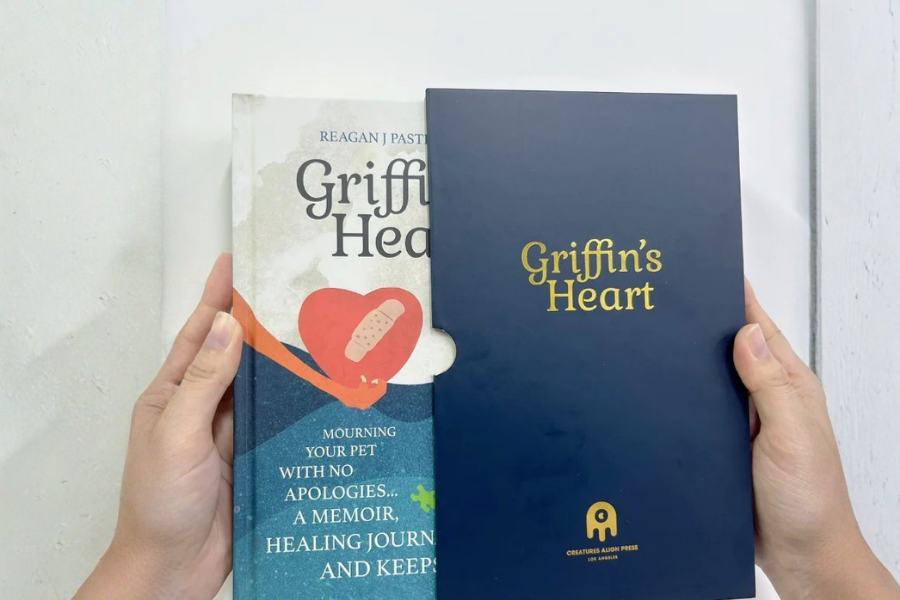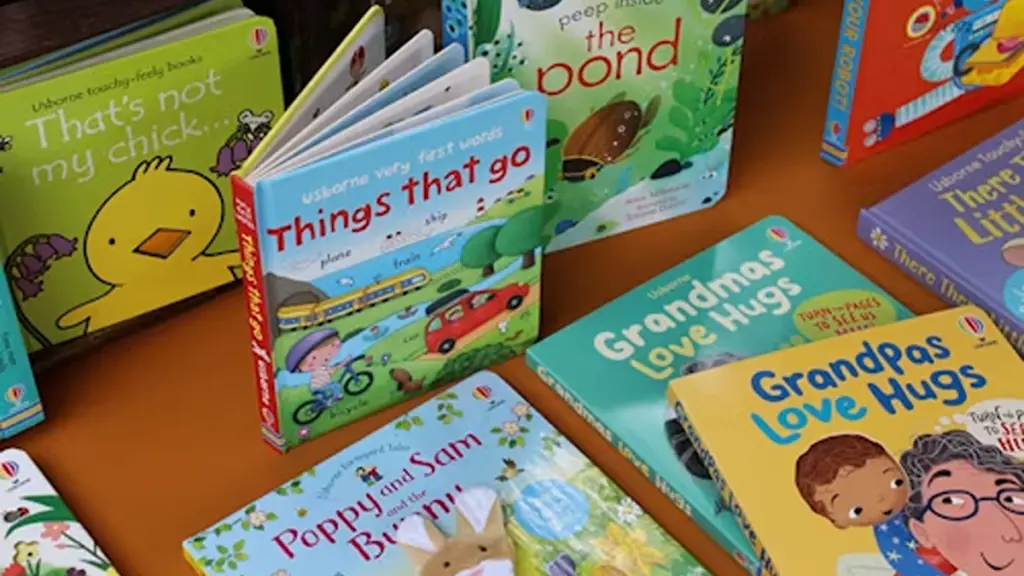


„Ich habe mir ein Buch gekauft, das meinem ähnelte – demselben Genre, ähnliche Seitenzahl, gleiches Regal bei Barnes & Edel. Aber Seite an Seite, irgendetwas fühlte sich komisch an. Meins sah fast selbstgemacht aus.“ Warum tritt dieses Phänomen auf?? Das Problem war nicht die Geschichte oder das Hardcover-Design. Es war die Dimension des Hardcover-Buches.
Bei Platzierung neben traditionell veröffentlichten Hardcover-Büchern, Viele Indie-Bücher sahen sofort anders aus. Die Proportionen fühlten sich seltsam an. Die Wirbelsäule saß nicht richtig. Einige gebrauchte Beschnittgrößen, die in Buchhandlungen selten zu finden sind, Dadurch wird das Buch falsch hervorgehoben.
Und das ist die Realität des Hardcover-Verlags: Leser beurteilen das Buch, bevor sie es lesen.
Die Dimension, Dicke, und die Proportionen eines Hardcover wirken sich sofort darauf aus, wie professionell es im Regal aussieht. Selbst ein schön gestaltetes Buch kann sich fehl am Platz anfühlen, wenn die Abmessungen falsch sind.
In diesem Leitfaden, Wir schlüsseln alles auf, was Sie wissen müssen Hardcover-Buch Abmessungen, Von Standard-Hardcovergrößen bis hin zu einer Schritt-für-Schritt-Formel zur Einbandberechnung, Plus eine zuverlässige Methode zur Schätzung der Rückendicke vor dem Drucken.
Kurzreferenztabelle: Standard-Hardcover-Formate
Nachfolgend finden Sie die gängigsten Beschnittgrößen (die fertige Buchblockgröße). Diese Abmessungen helfen Ihnen, klar mit jedem professionellen Drucker zu kommunizieren.
| Hardcover-Buchtyp | Beschnittgröße (Zoll) | Beschnittgröße (mm) | Typische Anwendungsfälle |
| Handelsgebundenes Hardcover | 6″ × 9″ | 152 × 229 | Romane, Erinnerungen, Wirtschaftsbücher |
| Kompakt / Digest-Hardcover | 5.5″ × 8,5″ | 140 × 216 | Geschenkbücher im Taschenformat, Poesie, und kleine Andachtsbücher |
| US-Brief-Hardcover | 8.5″ × 11″ | 216 × 280 | Lehrbücher, Handbücher, Berichte |
| A5 Hardcover | 5.8″ × 8,3″ | 148 × 210 | Zeitschriften, Planer, Notizbücher |
| B5 Hardcover | 6.9″ × 9,8″ | 176 × 250 | Lehrbücher, technische Leitfäden |
| Comic-Hardcover | 6.625″ × 10,25″ | 168 × 260 | Graphic Novels, Comics |
| Taschenbuch im Taschenformat | 4.25″ × 6,87″ | 108 × 175 | Taschenromane, Reisebücher |
| Königliches Hardcover | 6.14″ × 9,21″ | 156 × 234 | Wissenschaftliche und Sachbücher |
| Quadratisches Kinderbuch | 8″ × 8″ | 203 × 203 | Bilderbücher für Kinder |
| Landschafts-Hardcover | 10″ × 8″ | 254 × 203 | Fotografie- und Kunstbücher |
Wenn Sie auf den US-Markt abzielen, 6„×9“ ist mit Abstand die beliebteste Wahl für Belletristik und allgemeine Sachliteratur. Für den britischen und europäischen Markt, Royal und Demy bleiben starke Konkurrenten.
So werden die Abmessungen von Hardcover-Büchern berechnet
Beim Drucken eines Hardcover-Buches, Die Beschnittgröße allein reicht nicht aus, um das endgültige Cover-Layout zu erstellen. Es muss berechnet werden: Rückenbreite, Schnittgröße, Überhang, und Gehäusegröße. Diese Messungen wirken zusammen, um die vollständigen Abmessungen der Hardcover-Hülle zu bestimmen.
| Dimension | Beschreibung | Beispiel (6″×9″ Besatz, 0.7" Wirbelsäule) |
| Beschnittgröße(Buchblock) | Die Breite und Höhe der Seiten nach dem Binden und Zuschneiden. Das sieht der Leser, wenn das Buch geschlossen wird, ohne die Abdeckung. | 6″ × 9″ |
| Größe der Gehäuseabdeckung | Die Außenmaße der starren Hardcover-Hülle (Planke + Abdeckmaterial). Zum Schutz der Seiten ist es immer größer als das Beschnittformat. | ≈ 6,25″ × 9,25″ |
| Überhang | Der Betrag, um den die Hardcover-Hülle auf jeder Seite über die beschnittenen Seiten hinausragt. | ≈ 0,125″ pro Seite |
| Rückenbreite | Die Dicke des Buchrückens, wird durch die Seitenzahl und die Papierstärke bestimmt. | ≈ 6,25″ × 9,25″ |
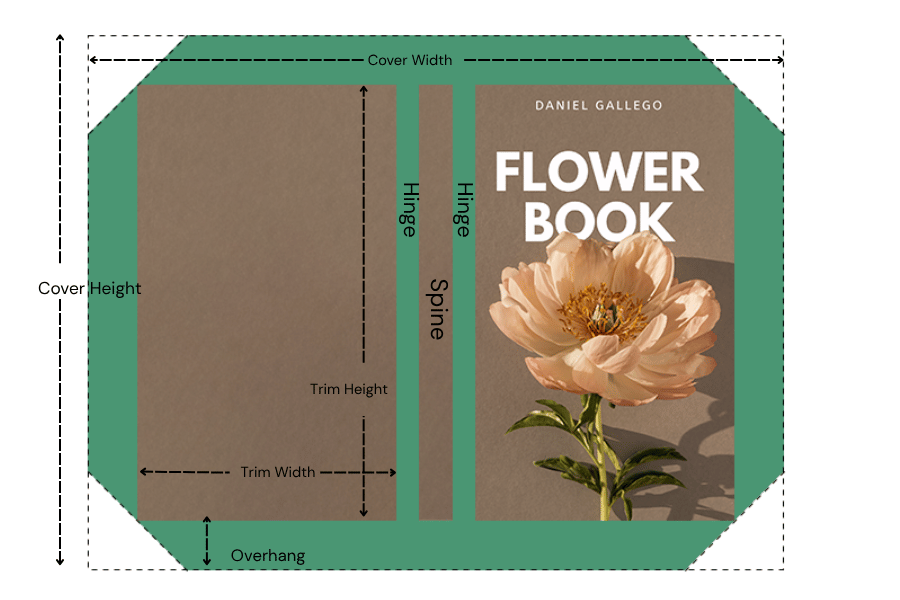
Abmessungen des Hardcover-Buchs vs. Beschnittgröße
Bevor Sie Ihr Hardcover-Kunstwerk entwerfen, Es ist wichtig, die Abmessungen der gesamten Kofferabdeckung richtig zu berechnen. Dies sichert die Wirbelsäule, wickeln, und Einbandelemente werden beim Drucken und Binden richtig ausgerichtet. Nachfolgend finden Sie die Standardformeln, die Drucker zur Bestimmung der endgültigen Maße des Hardcover-Einbands verwenden.
- Breite der Gehäuseabdeckung = (Beschnittbreite × 2) + Rückenbreite + (Linker Überhang + Rechter Überhang)
- Gehäusedeckelhöhe = Beschnitthöhe + (Oberer Überhang + Unterer Überhang)
Der Überhang nimmt normalerweise zu, wenn das Buch dicker wird. Größere Hardcover-Bücher erfordern eine breitere Buchdeckelverlängerung, um die Innenseiten besser zu schützen und ausgewogene Proportionen im Regal beizubehalten.
Als allgemeine Richtlinie:
- Hardcover-Bücher unten 400 Seiten verwenden normalerweise einen Überhang von etwa 0,125 Zoll (3 mm) auf jeder offenen Seite.
- Bücher dazwischen 400 Und 800 Seiten erfordern oft einen etwas größeren Überhang von etwa 0,1875 Zoll (4.5 mm).
- Sehr dicke Hardcover 800 Seiten dürfen einen Überhang von 0,25 Zoll haben (6 mm) oder mehr, abhängig von Bindungsaufbau und Plattenstärke.
Weil Wirbelsäulenkonstruktion, Papiertyp, und Bindungsstil können sich alle auf die endgültigen Gehäuseabmessungen auswirken, Es wird immer empfohlen, die genauen Überhangspezifikationen vor Produktionsbeginn mit Ihrem Drucker zu bestätigen.
Beispiel (US-Handel 6″×9″, 300 Seiten)
Nehmen wir an:
- Schnittgröße: 6″ breit × 9″ hoch
- Rückenbreite (geschätzt): 0.7″ (siehe Abschnitt 4 zur Berechnung)
- Überhang: 0.125″ auf jeder Seite
Breite der Gehäuseabdeckung
= (6″ × 2) + 0.7″ + 0.125″ + 0.125″
= 12″ + 0.7″ + 0.25″
= 12,95″
Höhe der Gehäuseabdeckung
= 9″ + 0.125″ + 0.125″
= 9,25″
Ihre endgültige Größe der Gehäuseabdeckung beträgt also 12,95″ breit × 9,25″ hoch.
Dies ist das Maß, das Sie für die Beschnittgröße Ihres Cover-Artworks verwenden sollten(bevor Sie Beschnitt hinzufügen).
Empfehlungen zum Hardcover-Überhang
Der Überhang des Hardcovers nimmt normalerweise zu, wenn das Buch dicker wird. Größere und schwerere Bücher erfordern oft eine etwas breitere Buchdeckelverlängerung, um die Haltbarkeit zu verbessern, Seitenkanten schützen, und achten Sie auf ausgewogene Proportionen.
Als allgemeine Produktionsrichtlinie:
| Buchdicke (Seiten) | Empfohlener Überhang |
| Bis zu 400 Seiten | Ungefähr 0,125″ (3 mm) |
| 400–800 Seiten | Ungefähr 0,1875″ (4.5 mm) |
| Über 800 Seiten | Etwa 0,25″ (6 mm), Abhängig von der Bindungsstruktur |
Die tatsächlichen Überhangmaße können je nach Hardcover-Bindungsstil variieren, Plattenstärke, und Druckerproduktionsstandards.
Wie sich die Rückenbreite auf die Abmessungen des Hardcovers auswirkt
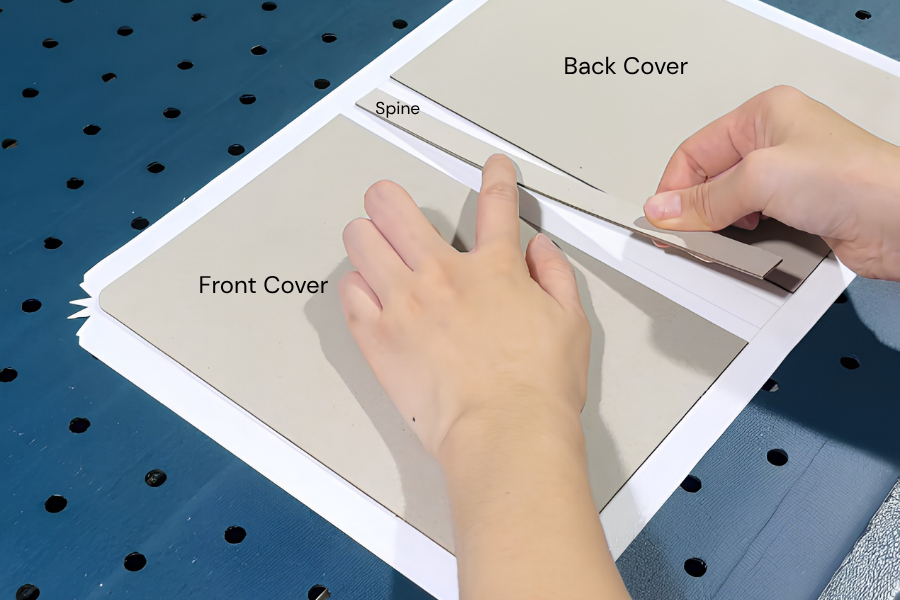
Schätzen Dicke der Wirbelsäule Bei der Größe des Hardcovers ist die Genauigkeit von entscheidender Bedeutung – insbesondere, wenn der Buchrücken Text oder eine Grafik enthält. Denn bevor der Einband gestaltet ist, haben Sie keinen gedruckten Buchblock, Verwenden Sie die folgende Methode.
- Rückenstärke (mm) = (Gesamtseiten ÷ 2) × Papierstärke (mm pro Blatt)
Referenztabelle zur Papierstärke
| Papiertyp | GSM | Dicke pro Blatt (mm) | Dicke pro Blatt (Zoll) |
| Beschichtetes Matt-/Glanzpapier | 80 | 0.10 | 0.0040 |
| Ungestrichener Offsetdruck (Prämie) Papier | 100 | 0.12 | 0.0047 |
| Beschichtetes Matt-/Glanzpapier | 128 | 0.11 | 0.0043 |
| Beschichtetes Matt-/Glanzpapier | 157 | 0.14 | 0.0055 |
| Beschichtetes Matt-/Glanzpapier | 200 | 0.18 | 0.0071 |
Beispielrechnung
Szenario:
- 300 Seiten
- 80 Ungestrichenes GSM-Papier (0.10 mm pro Blatt)
Rückenstärke = (300 ÷ 2) × 0.10 mm = 150 × 0.10 = 15,0 mm(ca. 0.59″)
Wie sich Bindungsstile auf das Hardcover-Format auswirken?
Verschiedene Hardcover-Bindungsarten können die endgültigen Abmessungen des Einbands leicht verändern.
- Hardcover mit quadratischer Rückseite verwenden direkt die Standardberechnungsformel.
- Hardcover mit abgerundetem Rücken erfordern in der Regel eine etwas größere Rückenzugabe, um der geschwungenen Form Rechnung zu tragen.
- Schutzumschläge sind etwas größer gedruckt als die Hardcover-Hülle, damit sie um die Tafeln gewickelt und gefaltet werden können.
Denn die Bindungsstruktur beeinflusst die endgültigen Maße, Es ist immer am besten, die genaue Cover-Vorlage mit Ihrem Drucker zu bestätigen, bevor Sie das Bildmaterial fertigstellen.
Echte Hardcover-Bücher, die wir gedruckt haben
Nicht nur Berechnungen – echte Bücher, reale Dimensionen, echte Ergebnisse. Nachfolgend finden Sie einige Hardcover-Titel, die wir für Verlage hergestellt haben, unabhängige Autoren, und Marken in ganz Nordamerika und Europa.
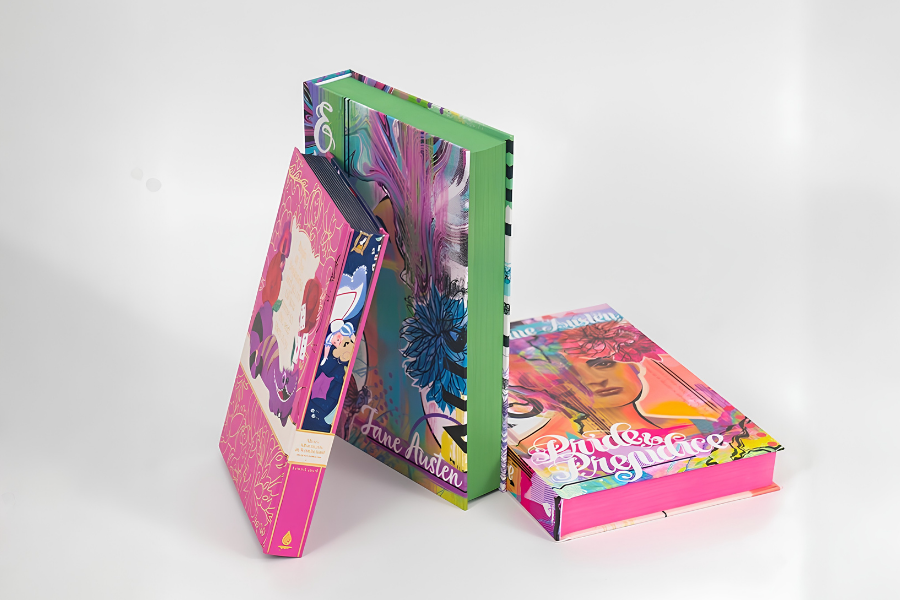
Alices Abenteuer im Wunderland
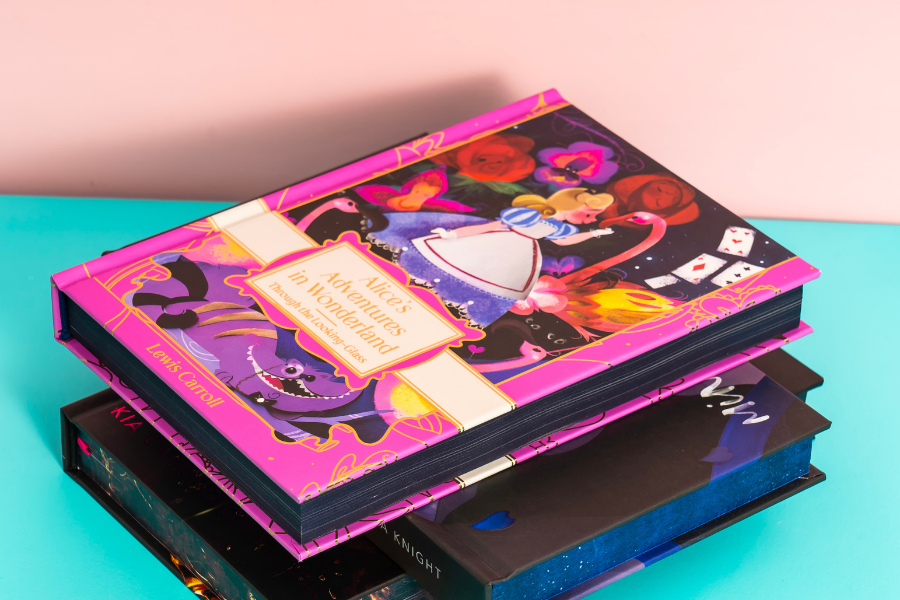
Das obige Beispiel zeigt ein großformatiges Hardcover-Buch, das für eine hochwertige visuelle Präsentation konzipiert ist. Basierend auf den Kundenanforderungen, Die Spezifikationen dieser Version lauten wie folgt:
- Fertige Größe: 8 Zoll × 10 Zoll
- Bindung: Hardcover (quadratischer Rücken)
- Geschätzte Rückenbreite: 20 mm
- Cover-Stil: Einband aus grauem Karton mit bedruckter Papierauflage
- Oberflächenbeschaffung: Matte Laminierung, Sonderfarbendruck
- Innenseitenstil: Schwarzer Randdruck/dunkle Seitenränder
Diese Größe von Hardcover-Büchern wird üblicherweise für verwendet:
- Bilderbücher für Kinder
- Sammlereditionen
- Premium-Geschenkbücher
- Kunst- und Fantasy-Publikationen
Das größere Format von Hardcover-Büchern macht sie im Bücherregal optisch auffälliger, die Aufmerksamkeit der Kinder erregen, während der dicke, quadratische Rücken dem Buch ein gehobeneres Aussehen verleiht, traditionelles Verlagsgefühl, Erhöhen Sie den Präsentationswert auf Bücherregalen oder Verkaufstheken.
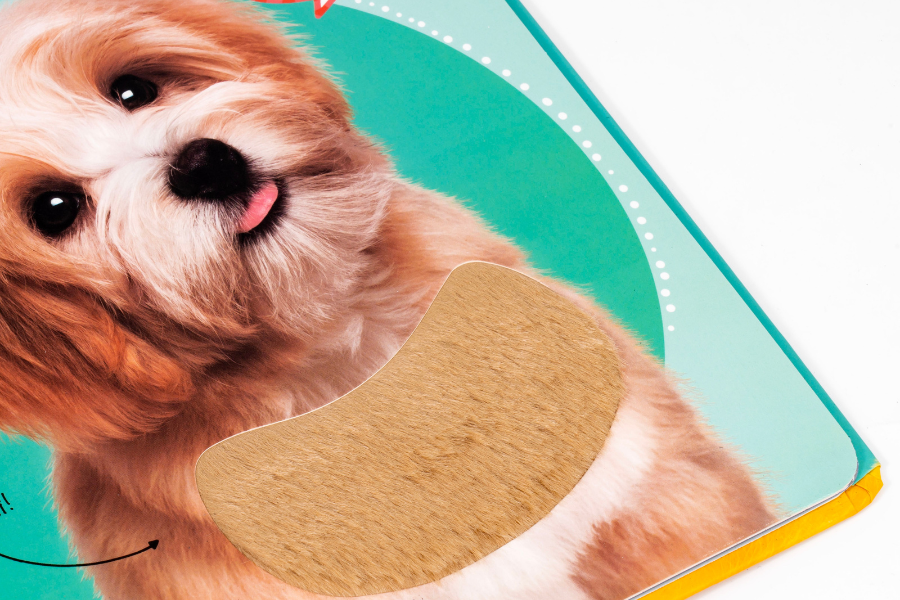
Lernen Sie meine Körperteile mit Gygy
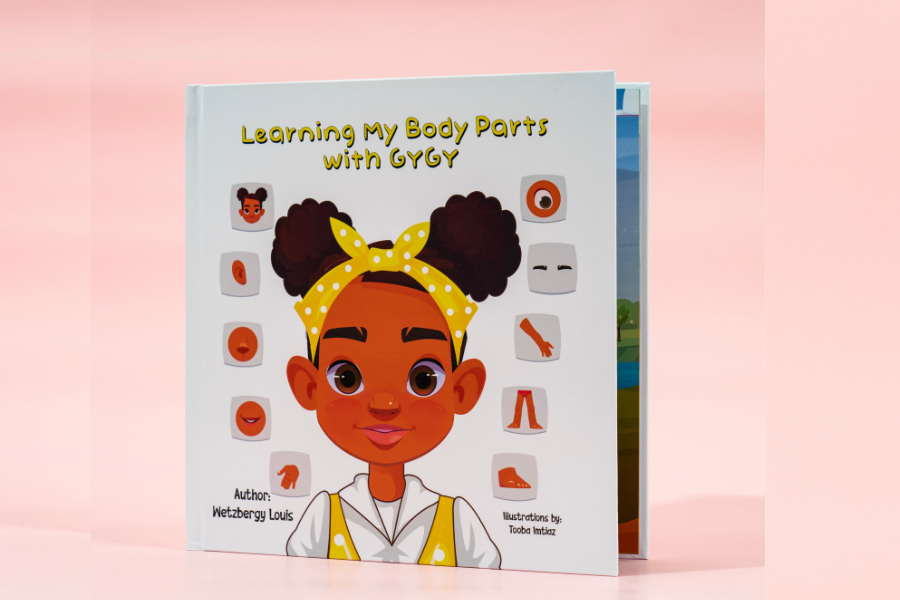
Basierend auf den Proportionen, Dieses Buch verwendet ein vertikales Kinderformat. Die Spezifikationen dieses Hardcover-Buches lauten wie folgt:
- Beschnittgröße: 8.5″ × 11″
- Bindungstyp: Gebundenes Hardcover mit quadratischem Rücken
- Abdeckmaterial: Gedrucktes Kunstdruckpapier auf Graupappe montiert
- Abschluss: Matte Laminierung für ein weiches Gefühl, strapazierfähige Oberfläche
- Plattenstärke: Mittelschwerer Hardcover-Karton für kindgerechte Haltbarkeit
Diese Größe wird häufig für pädagogische Kinderbücher verwendet, da sie ein besseres Gleichgewicht zwischen Lesbarkeit und Lesbarkeit schafft, Illustrationsraum, und Seiteninteraktion. Für Kinder-Hardcover-Bücher, Eine größere Beschnittgröße ermöglicht:
- Größere Illustrationen und klarere Typografie
- Komfortablere Seitenlayouts für junge Leser
- Bessere Sichtbarkeit beim Lesen im Klassenzimmer oder beim Eltern-Kind-Lesen
- Stärkere Regalattraktivität in Buchhandlungen und Bildungsmärkten
Auffallend sind auch die relativ breiten Proportionen des Vorderdeckels und die dicken Hardcover-Einbände, Dadurch fühlt sich das Buch langlebig und hochwertig an und schützt gleichzeitig die Innenseiten vor Verbiegen oder Beschädigungen. Aus diesem Grund verwenden Verlage in der Regel größere Hardcover-Beschnittformate für Bilderbücher, Lehrbücher, und interaktive Lerntitel wie dieser.
Letzte Gedanken
Denn jedes Projekt ist anders, Wir empfehlen Benutzern, die Größe des Hardcover-Buchs anhand der Seitenzahl zu berechnen, Papierstärke, Bindungsmethode, und beabsichtigte Marktverwendung vor Beginn der Produktion.
Wenn Sie ein individuelles Hardcover-Projekt planen und Hilfe bei der Bestimmung der richtigen Beschnittgröße benötigen, Rückenbreite, oder Cover-Layout, Unser Team kann Ihnen dabei helfen, Produktionsempfehlungen und druckfertige Hardcover-Vorlagen für Ihr Projekt bereitzustellen.