

Paper is one of the first decisions in any custom book project, and one of the most important. It shapes how thick the book looks, how heavy it feels, how well text and images print, which binding works best, and how much the finished books cost to pack and ship.
For text-heavy books, publishers usually narrow the choice down to two uncoated options: bulky paper and offset paper. Both are widely used in book manufacturing, but they behave very differently on press, in binding, and in the reader’s hands.
This guide compares bulky paper and offset paper side by side, explains where each one fits, and gives practical recommendations by book type.
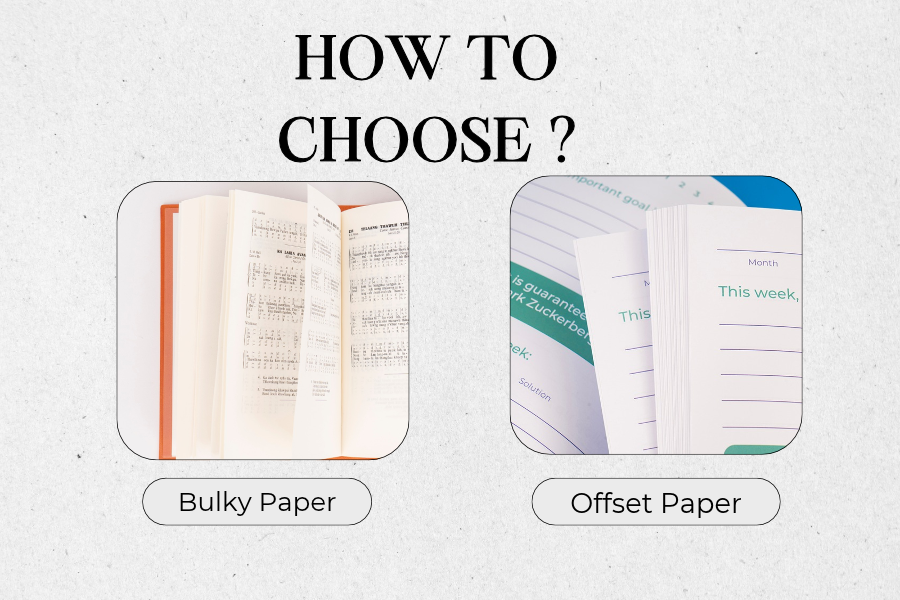
Key Differences Between Bulky Paper and Offset Paper At a Glance
Use this comparison to understand how paper choice affects book thickness, Gewicht, print appearance, and everyday use.
| Comparison | High-Bulk Paper | Standard Offset Paper |
| Paper Structure | Looser fibre structure with higher bulk | More compact fibre structure |
| Thickness at the Same GSM | Thicker | Generally thinner |
| Book Weight | Can reduce book weight at the same page count and spine thickness | May require higher GSM to achieve the same spine thickness |
| Hand Feel | Soft, lightweight and slightly textured | Generally firmer with a smoother feel |
| Surface | Typically uncoated with a natural, low-glare finish | Typically uncoated, with smoothness varying by grade |
| Common Shades | Natural, Creme, ivory and white | Bright white and natural white |
| Textdruck | Good opacity and comfortable readability for text-heavy books | Sharp, clear text reproduction |
| Image & Colour Printing | Suitable for text, line art and light illustrations | Suitable for text, diagrams and general colour printing |
| Writing Performance | Depends on surface treatment, sizing and pen type | Depends on surface treatment, sizing and pen type |
Quick takeaway:
- High-bulk paper is a good choice for novels, paperback books and text-heavy publications where a thicker spine, lighter weight and natural reading feel are preferred.
- Standard offset paper is suitable for notebooks, Arbeitsbücher, manuals and general-purpose books that require consistent text reproduction and a smooth writing surface.
The best choice depends on your book’s page count, desired thickness, printing requirements and intended use. Kontaktieren Sie Xinyi Printing for paper recommendations based on your project specifications.
What Is Bulky Paper?
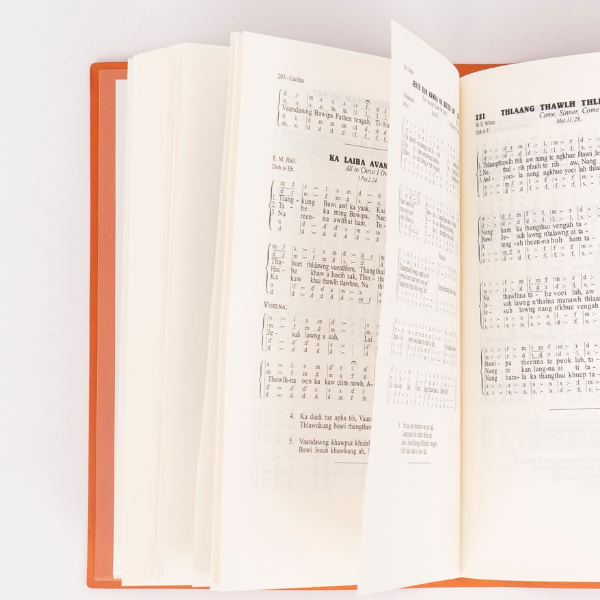
Bulky paper, also called high-bulk paper or bulky book paper, is a lightweight uncoated paper made to be thicker than standard paper at the same weight (GSM).
GSM tells you how heavy a sheet is, not how thick it is. Bulky paper has a looser, airier fibre structure, so a sheet is thicker for its weight. In a finished book, that means:
- A thicker spine without adding pages
- A lighter book compared with denser paper at the same thickness
- A softer, more comfortable reading experience with very little glare
This is why bulky paper is common for trade paperbacks, literary fiction and long novels in Western markets. Readers expect a good-sized book that’s still comfortable to hold for hours.
What Is Offsetpapier?
Offset paper is a standard uncoated paper used across book printing. The name comes from offset lithography, the printing process it’s commonly used with. It’s also known as uncoated offset paper, woodfree paper or book paper, depending on the market.
Compared with bulky paper, offset paper has a denser structure and a smoother, firmer surface. That gives it:
- Sharp, clean text and line work
- Good writing performance, with less feathering and bleed-through
- Stabil, consistent results for large print runs
- A more compact book, which is useful when shelf space, mailing size or packaging dimensions are limited
Offset paper is a reliable choice for textbooks, Arbeitsbücher, Handbücher, Zeitschriften, planners and instruction guides, where the page must be clear, durable and easy to write on.
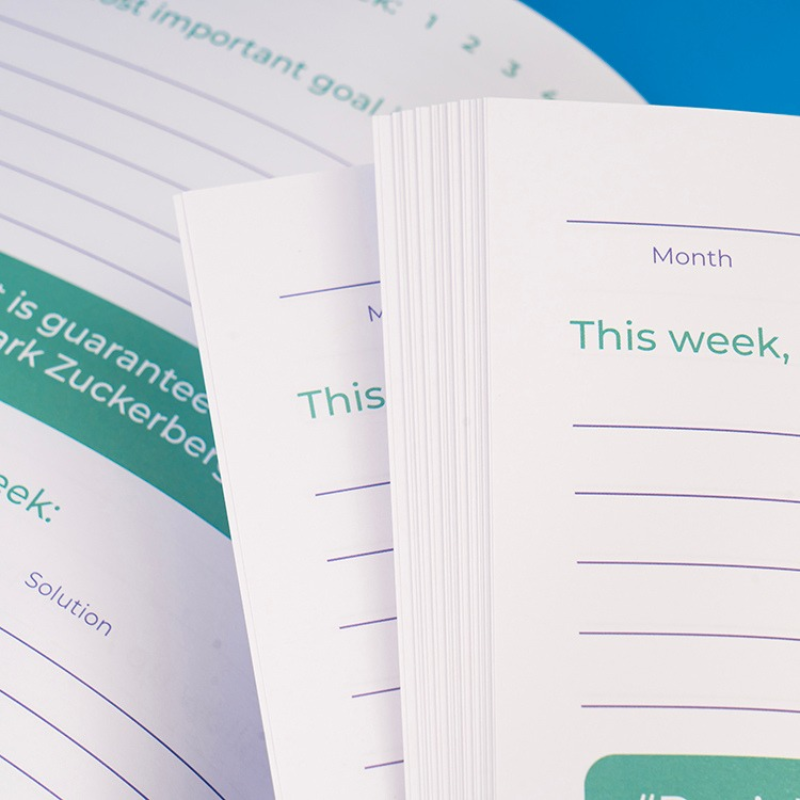
Recommended Paper Choices by Book Type
No single paper is right for every project. The table below is a starting point for B2B buyers, publishers and brands planning custom books.
| Buchtyp | Empfohlenes Papier | Warum es funktioniert |
| Romane & Fiktion | Bulky paper | Light, dick, comfortable for long reading |
| Memoirs & biographies | Bulky paper | Gives a premium feel with less weight |
| Gedichtbände | Bulky paper | Soft feel and a fuller spine for thin page counts |
| Children’s chapter books | Bulky paper | Light enough for young readers, good for text and line art |
| Lehrbücher | Offsetpapier | Clear text, diagrams and durability |
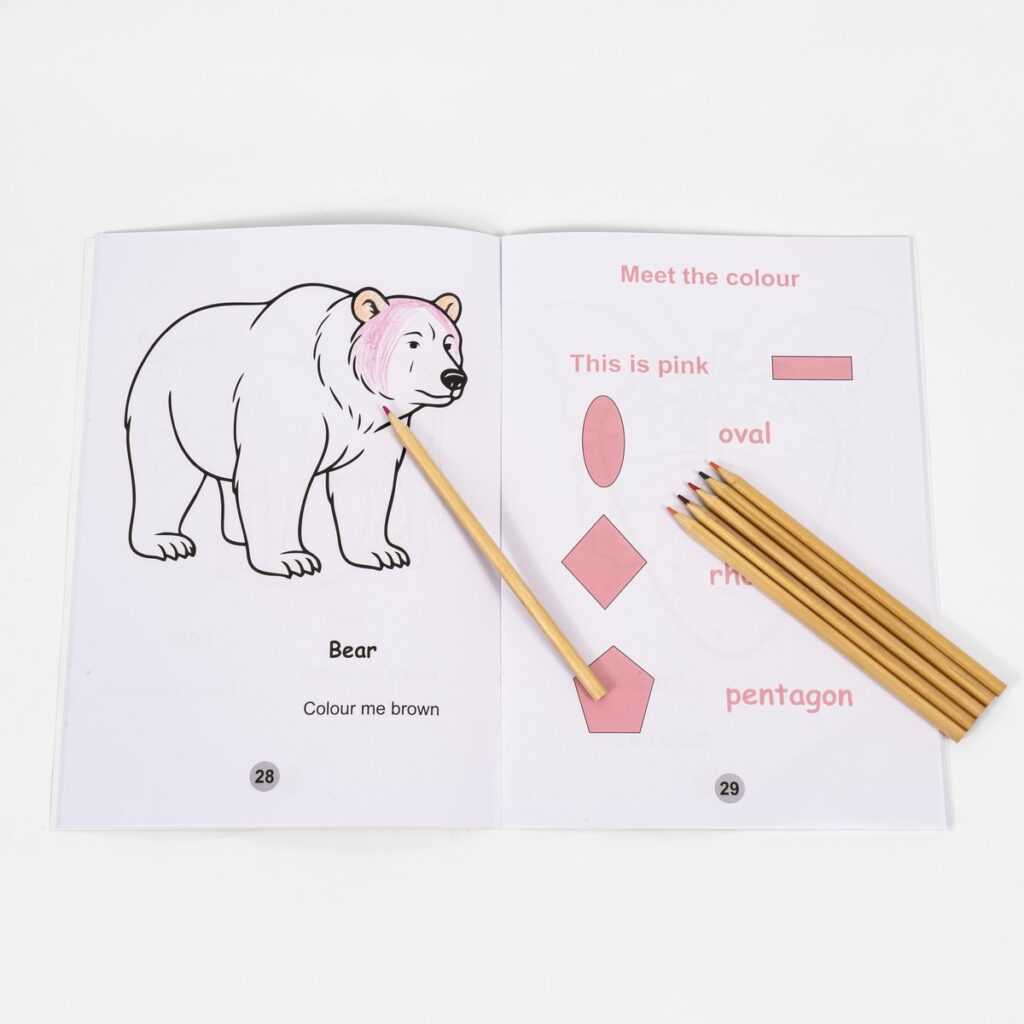
| Arbeitsbücher & Aktivitätsbücher | Offsetpapier | Better for writing, erasing and repeated use |
| Zeitschriften & Planer | Offsetpapier | Smooth writing surface, less bleed-through |
| Handbücher & instruction guides | Offsetpapier | Sauber, compact and cost-effective |
| Photo-heavy cookbooks | Matte coated paper | Better colour and image detail |
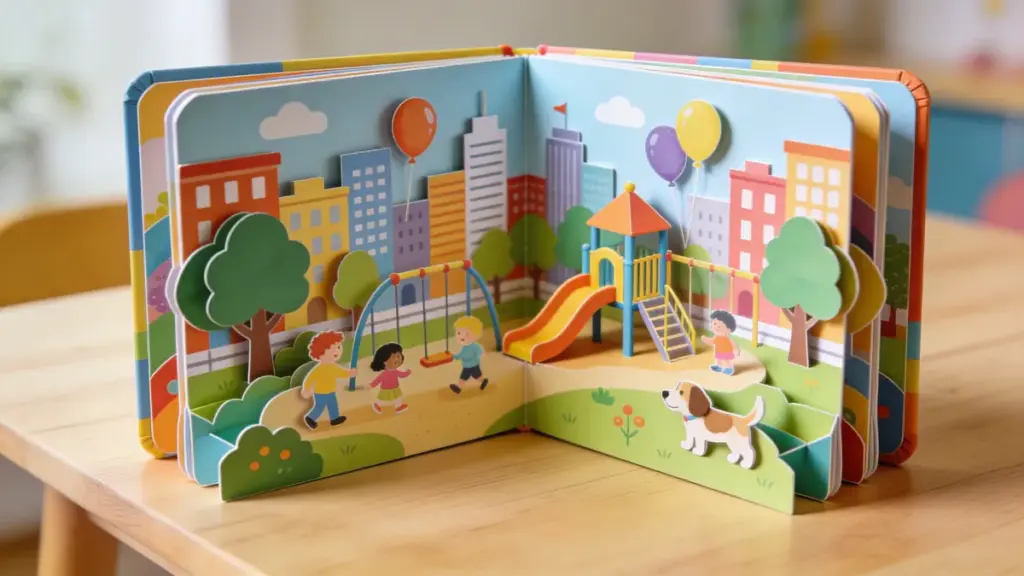
| Bilderbücher für Kinder | Coated or matte art paper | Vibrant colour for full-page illustrations |
| Kunstbücher & Kataloge | Beschichtetes Papier | High-definition image reproduction |
If your book mixes long text with a few images, bulky paper for the text block plus a coated colour insert can be a practical solution.
How Paper Choice Affects Binding?
Paper choice doesn’t stop at printing. It directly affects how the book is bound, how it opens and how long it lasts. These are the main binding factors B2B buyers should check.
1. Spine Width and Cover Artwork
Bulky paper increases spine width with the same page count. Your cover file has to match the final spine measurement, so confirm the paper before finalising cover artwork. Changing paper after cover design often means resizing the spine and re-approving the files.
2. Perfekte Bindung (Taschenbuch)
Both bulky paper and offset paper work well with perfect binding. Bulky paper is a popular choice for trade paperbacks because it makes a sturdy-looking spine that displays well on shelves. For very thick books, ask the Buchhersteller about the glue type and spine reinforcement.
3. Genähte Bindung (Abschnitt genäht)
For long-lasting books such as literary editions, religious books and premium paperbacks, sewn binding works well with bulky paper. The pages lie flatter, and the book holds up better under repeated use.
4. Hardcover-Bindung
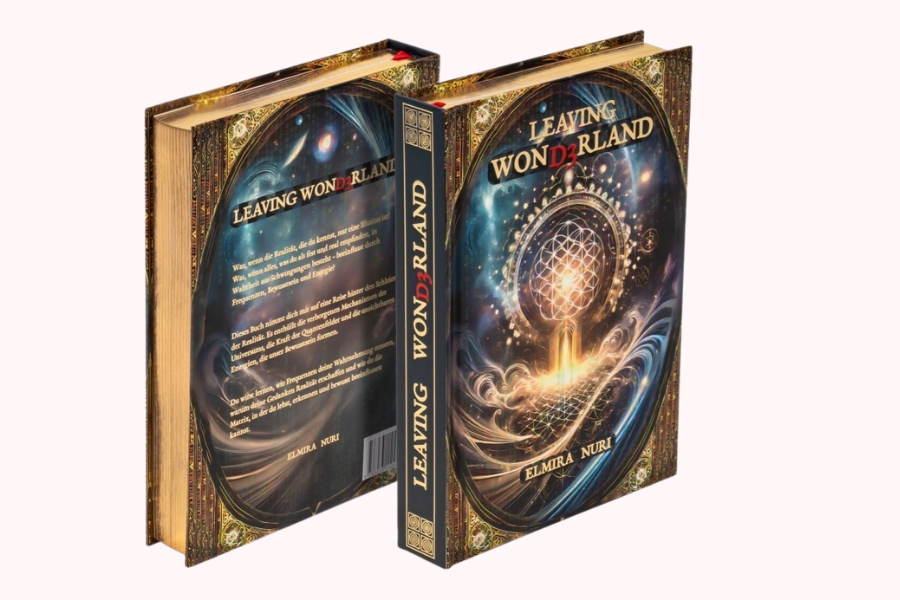
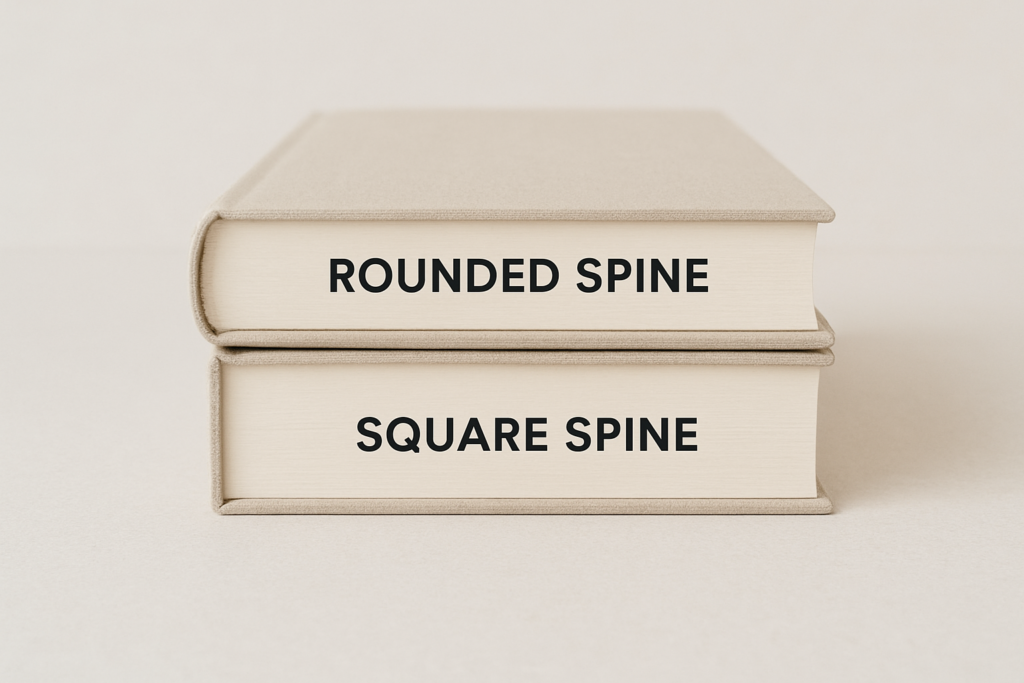
With hardcover books, paper thickness determines the book block size, which in turn sets the board size and spine design. Bulky paper creates a fuller hardcover book. Offset paper gives a slimmer, more compact block.
5. Saddle Stitch and Spiral Binding
For thin booklets, Handbücher, workbooks and planners, offset paper is usually the better match. It folds cleanly, stays firm and works well with saddle stitching, wire-o and spiral binding.
Abschluss: Bulky Paper or Offset Paper?
Choose bulky paper if your custom book is text-heavy and should look substantial while staying light. It suits novels, Erinnerungen, Poesie, religious books and chapter books.
Choose offset paper if your book needs a smooth, firm and writable page, or a more compact format. It suits textbooks, Arbeitsbücher, Handbücher, journals and planners.
The best results come from matching the paper to the book type, Inhalt, binding method and target market, then confirming with a dummy or proof before production.
Planning a custom book project? Send us your book size, Seitenzahl, printing colours, binding method and quantity. Our team will recommend suitable paper options — bulky paper, offset paper or coated paper — and prepare a detailed quotation for your project.