

Board books are widely used in early childhood publishing, yet many people are not familiar with how they are actually produced. Compared with standard books, their structure, materials, and manufacturing process are more complex and require tighter quality control. Each step, from printing to mounting and finishing, directly affects durability, safety, and user experience. This article explains the full production process of board books and highlights the key factors that publishers, authors, and brands should understand before starting a project.
What Exactly Is a Board Book?
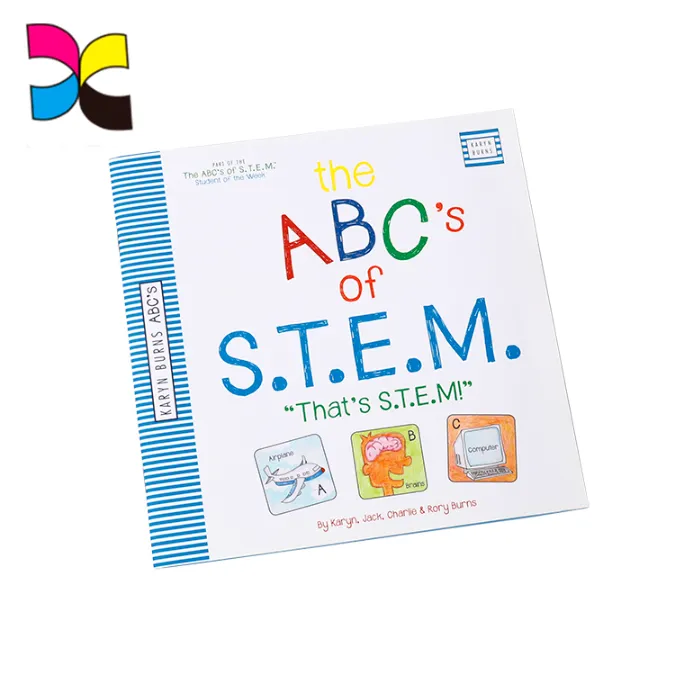
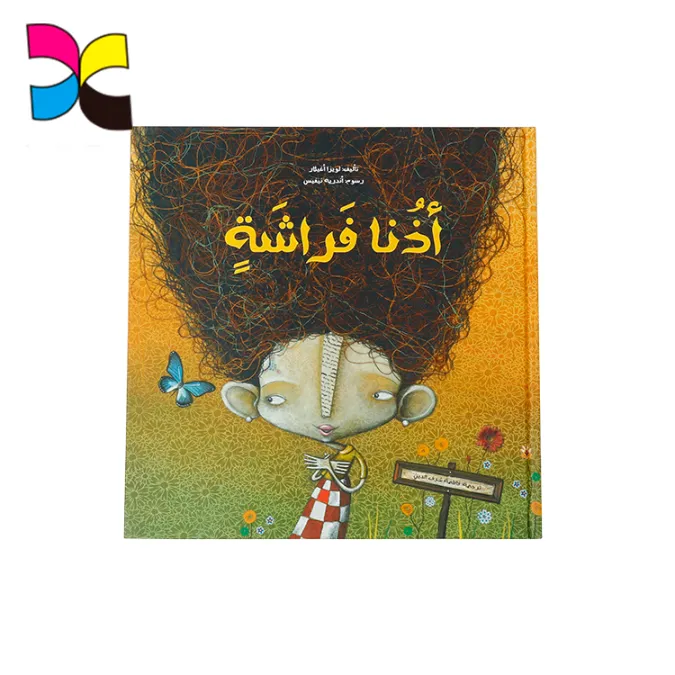
A board book is a type of children’s book produced with thick, rigid pages instead of standard paper. Each page is typically made by mounting printed paper onto paperboard, resulting in a final thickness that often ranges from 1.5 mm to 3 mm per spread, depending on the construction method and target market. It is commonly used for babies and toddlers because the format is easier for small hands to hold, harder to tear, and more suitable for repeated handling.
Read More: What Is a Board Book? A Complete Guide
What Age Are Board Books For
Board books are primarily designed for infants and toddlers. However, usage varies depending on developmental stage rather than strict age boundaries. The table below provides a clearer breakdown based on industry practice and user behavior.
| Age Range | Development Stage | Recommended Board Book Features | Usage Focus |
|---|---|---|---|
| 0–6 months | Sensory development | High-contrast images, simple shapes, minimal text | Visual stimulation and early recognition |
| 6–12 months | Motor skill development | Thick pages, interactive elements like textures or flaps | Grasping, touching, and exploring |
| 1–2 years | Language development | Basic words, object identification, repetition | Vocabulary building and parent-child reading |
| 2–3 years | Cognitive development | Simple stories, sequences, familiar themes | Understanding narratives and independent page turning |
| 3+ years | Transition stage | More detailed illustrations, slightly longer text | Gradual shift to picture books |
Why Board Books Are Different from Regular Books
The difference starts with structure. A typical paperback uses 128 gsm to 200 gsm paper for inner pages, bound together with glue or thread. A board book, by contrast, uses multiple layers bonded together to create stiffness.
Durability is another key factor. Board books are expected to last through repeated use by very young children. That means resistance to tearing, bending, and surface wear. Lamination plays a major role here, usually in the form of matte or gloss film around 25 to 32 microns thick.
Safety requirements are also stricter. For products sold in the United States, compliance with CPSIA is essential. In Europe, EN71 standards apply. These regulations affect ink selection, adhesive composition, and even edge finishing.
Related Reading: Difference Between Board Book vs Hardcover vs Paperback
How Are Board Books Made
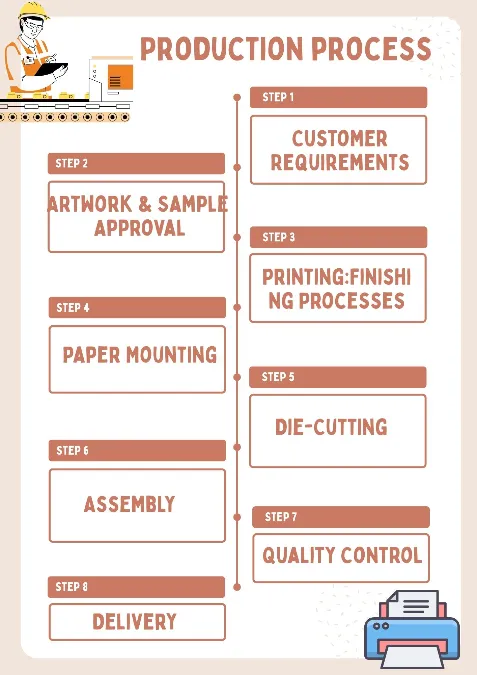
Below is the typical industrial workflow for manufacturing board books.
Step One: File Preparation and Prepress
Board book production begins with file preparation. Designers must account for bleed, usually 3 mm on all sides, and ensure that critical content stays within the safe zone. This is especially important in board books because the final product goes through lamination, mounting, trimming, and often round cornering.
Key prepress checks usually include:
- Trim size and page dimensions
- Bleed and safety margins
- Image resolution
- CMYK color setup
- Font embedding
- Die line or special finish layers where needed
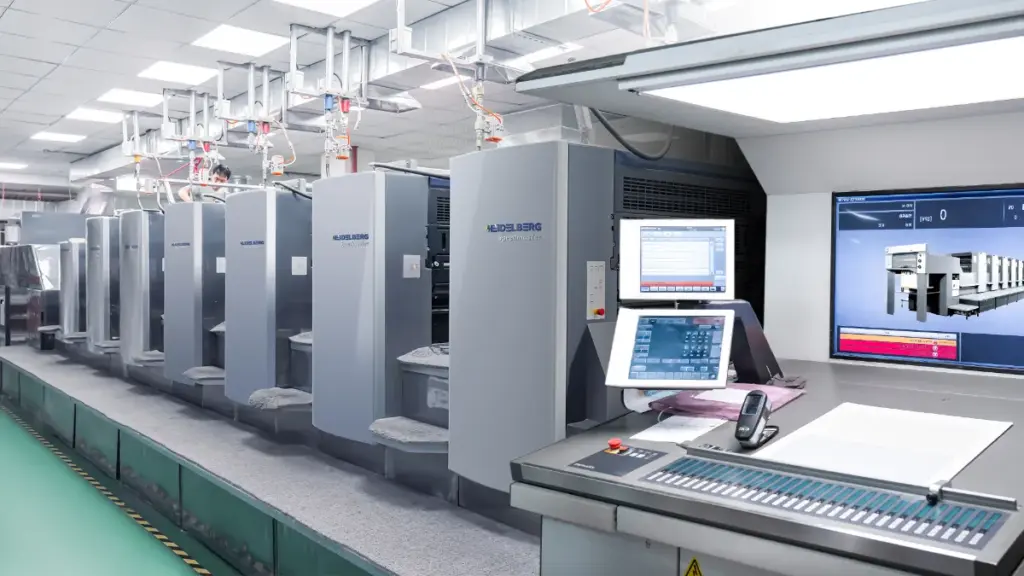
For offset production, files are typically converted through CTP plate making before printing. A well prepared file set reduces delays, limits waste, and prevents avoidable issues later in the process.
Step Two: Printing on Paper Sheets
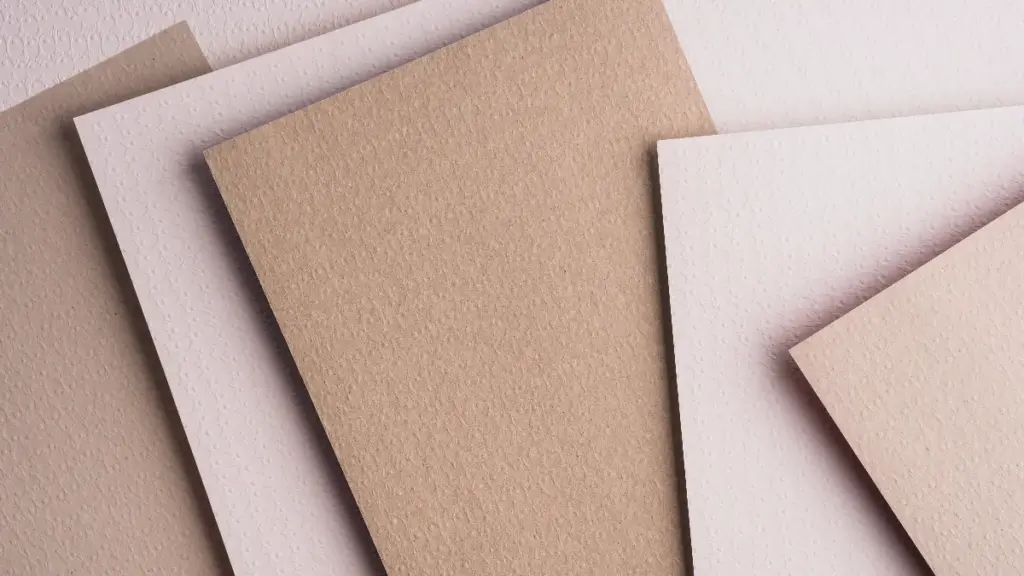
Board books are typically printed on coated art paper, commonly 157 gsm or 200 gsm. The choice depends on the desired stiffness and final thickness.
Offset printing is the preferred method for large runs due to its color consistency and cost efficiency. For smaller quantities, digital printing can be used, though it requires careful testing to ensure compatibility with lamination and adhesives.
In high-quality production, printers will run color proofs and sometimes press checks to ensure accuracy. This is especially important for brands with strict color guidelines.
Step Three: Lamination for Surface Protection
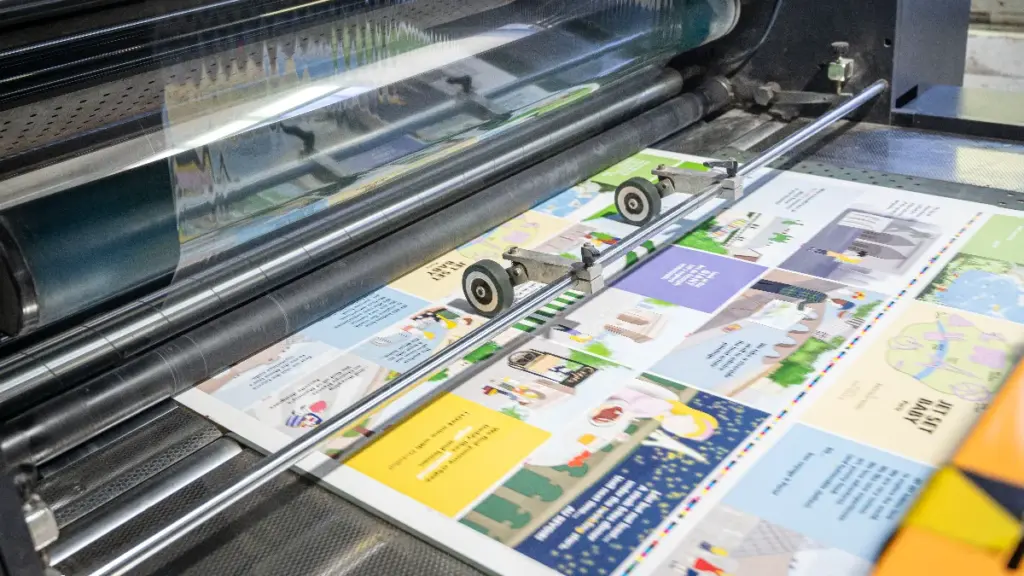
After printing, each sheet is laminated. This step is essential. Without lamination, the ink layer would be vulnerable to scratching and moisture.
Two main finishes are used:
- Gloss lamination enhances color vibrancy and is often chosen for visually rich illustrations
- Matte lamination provides a softer, more refined look and reduces glare
In children’s products, matte lamination is often preferred for readability and tactile comfort.
The film thickness usually ranges between 25 and 32 microns. Thicker films increase durability but also add cost and slightly reduce flexibility during mounting.
Step Four: Mounting onto Paperboard
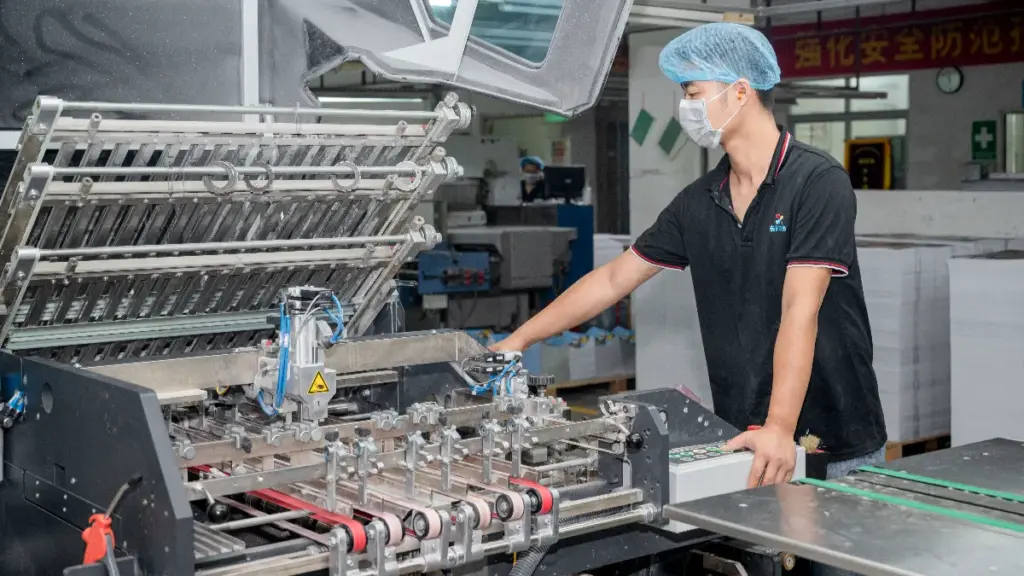
This is the defining step in board book production. Printed and laminated sheets are glued onto paperboard, typically greyboard with thicknesses ranging from 1.0 mm to 2.5 mm.
The mounting process requires precision. Adhesive must be applied evenly to avoid bubbles or warping. Industrial mounting machines press the layers together under controlled pressure.
Inconsistent bonding is one of the most common defects in low-quality production. It leads to delamination over time, especially in humid environments. Experienced manufacturers pay close attention to adhesive formulation and curing conditions.
Step Five: Die Cutting and Creasing
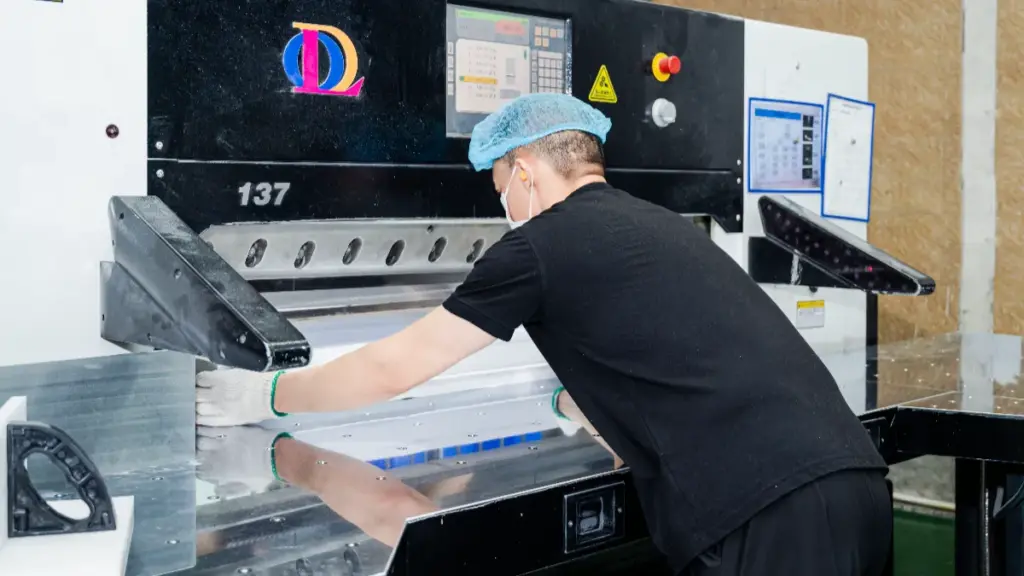
Once the sheets are mounted, they are die cut into individual pages. Steel rule dies are used to achieve consistent shapes and dimensions.
Creasing is introduced at the spine area to allow pages to open smoothly. The depth and position of the crease must be carefully controlled. If it is too deep, the board may crack. If it is too shallow, the book will not open properly.
This step also determines the final alignment of spreads. Even a deviation of 0.5 mm can be noticeable in a finished board book.
Step Six: Trimming, Rounding Corners and Shaping
After die cutting, edges are trimmed to achieve clean lines. Corners are then rounded, usually with a radius between 5 mm and 10 mm. Rounded corners are especially common in board books because they improve safety and reduce edge wear in daily use.
At this stage, the tactile quality of the book becomes evident. A well-produced board book feels smooth, balanced, and solid in hand.
Step Seven: Adding the Cover: Self-Cover vs. Hardcover
Board books are generally produced in one of two common structures.
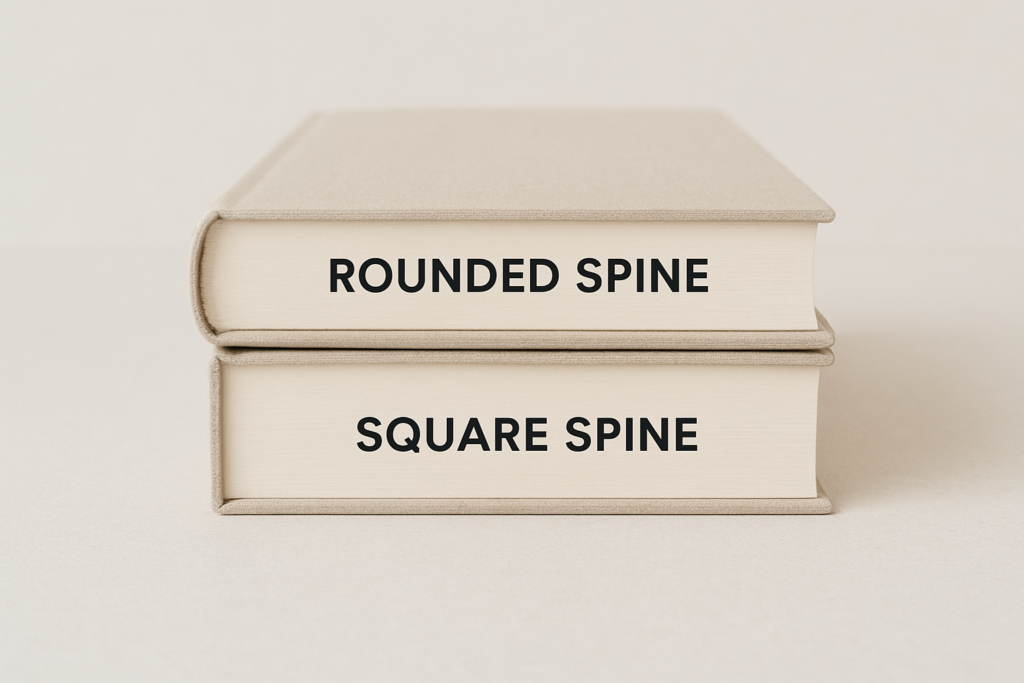
- Hardcover board books, where a separate hard case creates a more premium outer construction
- Self cover board books, where the cover is built in a similar board based structure to the inner pages
Self cover formats are widely used for standard retail board books because they are durable and cost efficient. Hardcover board books are often selected for gift titles, premium editions, or projects where presentation carries more weight. The right choice depends on positioning, budget, target market, and the intended shelf presence of the final product.
Step Eight: Quality Control at Every Stage
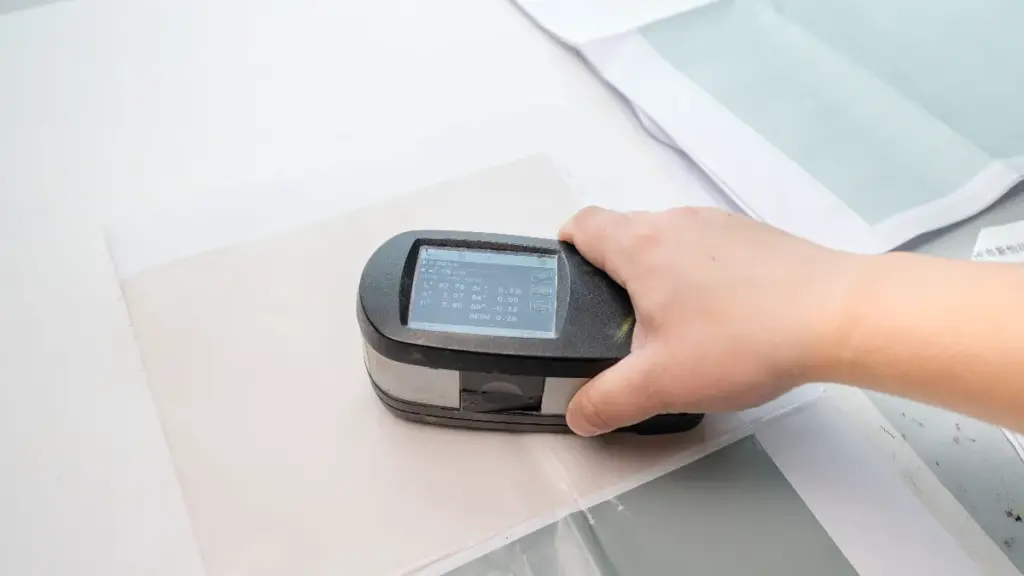
Quality control is not a single step. It runs throughout the entire process.
Key checkpoints include:
- Color consistency
- Registration and image alignment
- Lamination quality
- Bonding strength
- Clean trimming
- Corner smoothness
- Page opening performance
Professional board book manufacturers also perform physical tests, such as page pull tests and drop tests, to ensure durability.
Step Nine: Packing and Global Shipping
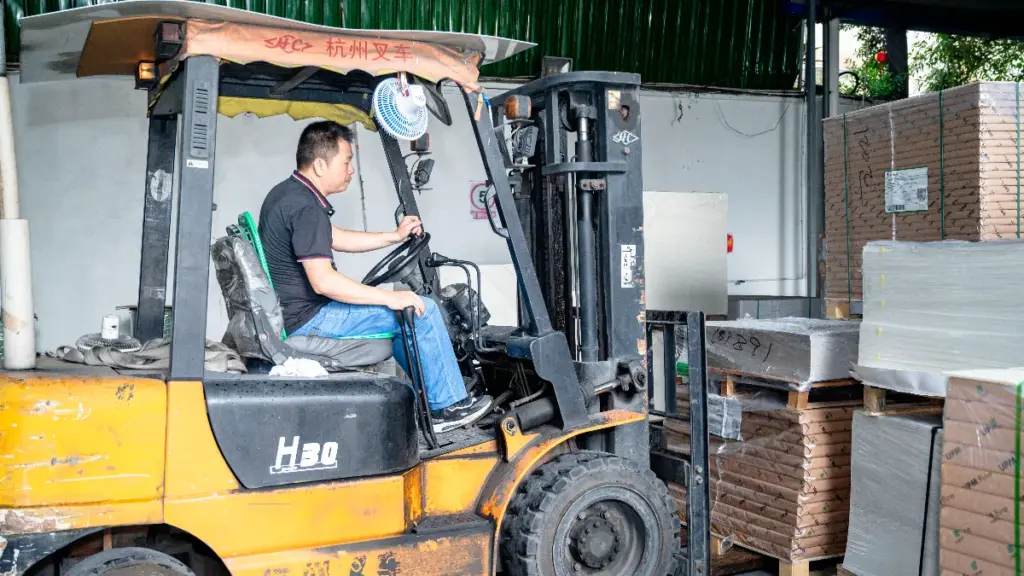
Finished books are packed in cartons with protective layers to prevent edge damage. Moisture control is also important, especially for sea freight.
Carton weight is usually kept within 15 to 20 kg to balance handling efficiency and shipping cost. Palletization is often used for large orders to improve stability during transport.
For international shipments, compliance with packaging standards such as ISPM 15 for wooden pallets may be required.
What Materials Are Used in Board Book Printing
Material selection has a direct impact on quality and cost.
- Paper: 157 gsm to 200 gsm coated art paper is standard
- Board: Greyboard ranging from 1.0 mm to 2.5 mm thickness
- Lamination film: 25 to 32 microns PET or BOPP
- Ink: Soy-based or low-migration inks for safety compliance
- Adhesive: Water-based glue with strong bonding properties
What Thickness Should a Board Book Be
Thickness depends on the target age group and usage scenario.
For books aimed at infants, thicker pages around 2.0 mm to 2.5 mm per spread are preferred. They are easier to grasp and more resistant to bending.
For slightly older children, thinner constructions around 1.5 mm may be sufficient, allowing for lighter weight and lower cost.
There is no universal standard, but consistency within a single book is critical. Uneven thickness can affect both appearance and usability.
Safety Standards for Children’s Board Books
Safety is non-negotiable in this category.
In the United States, CPSIA regulates lead content and chemical safety. In Europe, EN71 covers mechanical and chemical requirements for toys, which often apply to board books as well.
Key considerations include:
- Non-toxic inks and coatings
- Secure bonding to prevent small parts from detaching
- Smooth edges and rounded corners
- Resistance to saliva and sweat
Manufacturers usually provide test reports from third-party laboratories such as SGS or Intertek to verify compliance.
What Authors and Brands Should Consider Before Printing
Before starting production, several factors should be evaluated carefully.
Page count is important because board books are typically printed in multiples of two spreads. Common formats include 8, 10, 12, or 16 pages.
Size affects both usability and cost. Smaller formats are easier for children to handle, while larger formats allow for more detailed illustrations.
Finishing options such as spot UV, embossing, or die-cut windows can enhance visual appeal but also increase complexity.
Budget planning is essential. Board books involve more materials and processing steps than standard books, so costs are higher.
From my perspective, early collaboration with the printer can prevent many issues. Adjusting the design to match production capabilities often leads to better results.
Custom Board Book Printing with XinYi Printing
XinYi Printing is a custom book printing manufacturer based in Guangzhou, China, serving global clients across publishing, education, branded print, and commercial printing projects. Our product range includes board books, hardcover books, paperbacks, pop up books, children’s books, catalogues, and custom notebooks.
We support flexible MOQ to meet both small brand launches and large-volume orders. Customization options include size, page count, board thickness, lamination, and special finishes. Our team also provides practical guidance during file preparation and material selection.
If you are looking for a reliable manufacturing partner for board books, XinYi Printing welcomes inquiries from publishers, authors, brands, and sourcing teams ready to develop custom projects together.
FAQs About Board Book Printing
What age are board books for?
Board books are generally designed for children aged 0 to 3 years. Their structure and materials are tailored to early development stages.
How thick is a board book page?
A single page spread typically ranges from 1.5 mm to 3 mm in thickness, depending on the construction.
Are board books safe for babies?
Yes, when produced according to CPSIA or EN71 standards, board books are safe for infants and toddlers.
Why are board books so durable?
Their durability comes from the combination of laminated surfaces and rigid board cores, which resist tearing and bending.
How much does it cost to make board books?
Board book costs typically range from $0.80 to $3.50 per unit, depending on quantity, size, and specifications. Larger orders above 5,000 copies achieve better pricing, while small runs are significantly more expensive due to setup and material costs.