


The standard magazine size is 8.5 × 11 inches (216 × 279 mm). This format is used by many popular magazines because it offers an excellent balance of readability, visual appeal, advertising space, and cost efficiency.
However, standard size isn’t always the best choice. Smaller digest formats can reduce production costs, while larger formats can create a premium look and showcase photography more effectively.
In this guide, we’ll compare the sizes used by well-known magazines and explain how different magazine dimensions can affect your printing budget.
Which Magazine Size Fits Your Business Needs?
Many successful publications follow standard magazine sizes that have proven effective for their audiences. The appropriate size depends entirely on the type of industry and the target audience:
Standard Magazine Size (8.5″ × 11″/216 × 279 mm)
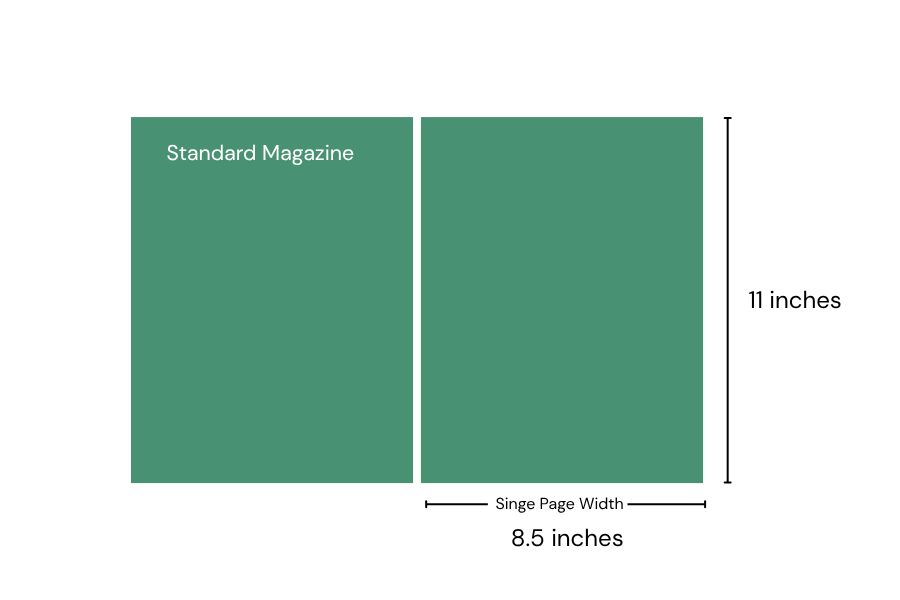
This is roughly the same size as a standard sheet of office paper in the United States. If you’ve ever held a school workbook, company report, or marketing brochure, you’re already familiar with this format. This size is widely used because it provides a balance between readability, image quality, and cost efficiency.
Popular examples include:
- Lifestyle magazines
- Educational publications
- Corporate magazines
- Industry journals
Advantages
- Familiar format for readers
- Cost-effective printing
- Easy to mail and distribute
- Suitable for advertisements and large images
Digest Magazine Size (5.5″ × 8.5″/140 × 216 mm)
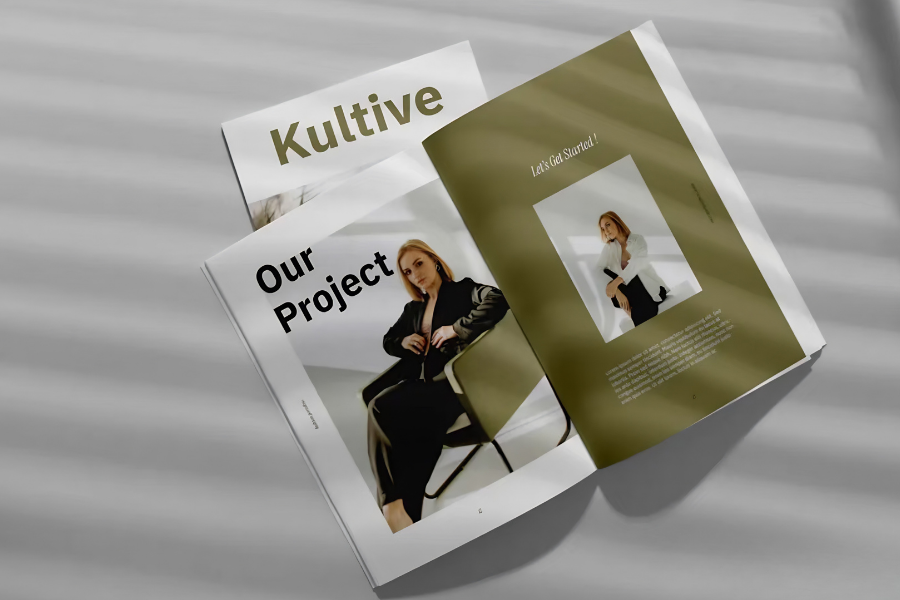
Imagine a magazine that can easily slip into a handbag, backpack, or even the pocket of a large coat. Its compact size and comfortable one-handed grip make it ideal for reading anytime, anywhere. The smaller page area may limit image size and advertising space.
This compact format is commonly used for:
- Membership magazines
- Travel publications
- Educational materials
- Pocket guides
Advantages
- Lower paper consumption
- Easier to carry
- Reduced shipping costs
Square Magazine Size (8″ × 8″ or 210 × 210 mm)
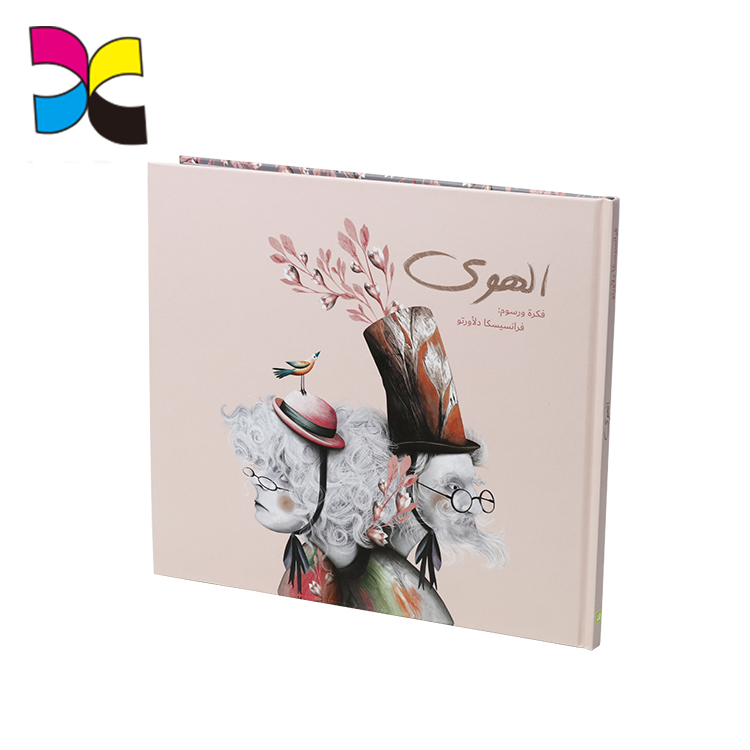
A square magazine immediately stands out from traditional publications. It feels modern, creative, and highly visual. When placed next to standard magazines on a table or display shelf, its unique shape naturally attracts attention.
Many brands choose square formats because they work exceptionally well for photography, product showcases, and social media-inspired layouts. The balanced page proportions also make it easier to create image-heavy designs without excessive white space. Square magazines often require custom trimming and may not fit standard mailing envelopes, which can slightly increase production and shipping costs.
Popular examples include:
- Brand magazines
- Luxury product catalogs
- Interior design publications
- Fashion lookbooks
- Art and photography magazines
- Corporate marketing magazines
Advantages
- Distinctive and premium appearance
- Excellent for product photography
- Strong shelf appeal
- Modern, brand-focused aesthetic
Large Format Magazine Size(9″ × 12″/229 × 305 mm)
Luxury, fashion, and photography magazines often choose larger formats to maximize visual impact.
Examples include premium fashion and design publications. Larger pages require more paper and can significantly increase printing and mailing expenses.
Advantages
- Outstanding visual presentation
- More room for high-resolution photography
- Premium brand perception
Famous Magazine Size Examples
Many of the world’s most successful magazines use formats close to 8.5″ × 11″ (US Letter) or A4 (210 × 297 mm) because these sizes offer an ideal balance between readability, advertising space, printing efficiency, and mailing costs. Fashion and luxury publications often choose larger formats such as 9″ × 12″ to maximize visual impact.
| Magazine | Size | Category |
| Vogue | 8.5″ × 11″(216 × 279 mm) | Fashion |
| TIME | 8.5″ × 11″(216 × 279 mm) | News & Current Affairs |
| National Geographic | 8.5″ × 11″(216 × 279 mm) | Science & Travel |
| People | 8.5″ × 11″(216 × 279 mm) | Entertainment |
| Cosmopolitan | 8.5″ × 11″(216 × 279 mm) | Lifestyle |
| Reader’s Digest | 5.5″ × 8.5″(140 × 216 mm) | Digest Format |
| W Magazine | 9″ × 12″(229 × 305 mm) | Luxury Fashion |
| The Economist | 8.27″ × 10.63″(210 × 270 mm) | Business |
| Monocle | Approx. A4(210 × 297 mm) | Business & Lifestyle |
| Wallpaper | Approx. A4(210 × 297 mm) | Design & Architecture |
How Does Size Affect the Price?
Many buyers focus on page count when calculating magazine printing costs, but magazine size can have an equally significant impact.
| Magazine Size | Cost Efficiency | Reader Comfort | Portability | Visual Impact |
| Digest (5.5″ × 8.5″) | ★★★★★ | ★★★★☆ | ★★★★★ | ★★☆☆☆ |
| US Letter (8.5″ × 11″) | ★★★★☆ | ★★★★★ | ★★★☆☆ | ★★★★☆ |
| A4 (8.27″ × 11.69″) | ★★★☆☆ | ★★★★★ | ★★☆☆☆ | ★★★★★ |
After comparing production costs, portability, mailing efficiency, and visual impact, several clear trends emerge.
- Standard magazine sizes (8.5″ × 11″ and A4) remain the most popular choices because they provide the best balance between professional appearance, reader comfort, and printing efficiency.
- Smaller digest-size magazines are often preferred for niche publications, membership magazines, travel guides, and educational materials. Publishers frequently cite lower mailing costs and easier handling as major advantages.
- Larger magazine formats create a stronger visual impact on shelves and displays, making them a common choice for fashion, luxury, architecture, and lifestyle publications where photography plays a key role.
- Readers generally prioritize readability over size. Feedback from magazine publishers suggests that clear typography, quality paper, and effective layout have a greater influence on reader satisfaction than the exact trim size.
- Choosing a standard size can reduce production complexity. Standard dimensions often fit existing printing and finishing workflows more efficiently, helping publishers avoid unnecessary setup costs and material waste.
Searching for a Reliable Magazine Printing Partner?
Whether you’re printing a corporate magazine, lifestyle publication, educational journal, or brand catalog, choosing the right printing partner makes all the difference. At Xinyi Printing, we provide custom magazine printing solutions with flexible sizes, premium paper options, and worldwide shipping to help bring your publication to life.
Contact us today for a free quote and expert advice on your next magazine project.
FAQ
8.5 × 11 inches (216 × 279 mm)
A4 (210 × 297 mm)
8.5 × 11 inches or A4
Letter Size (8.5 × 11″) or A4