

Gilded edges are one of the fastest ways to make a book read as a special edition. A mirror-bright edge catches light on a shelf and photographs well. It signals a gift before anyone opens the cover. That is why this request appears often in quote forms for anniversary novels, premium journals, boxed sets, and keepsake editions.
A purchase order line that says gilded edges can mean two different processes. One applies metallic foil to the trimmed edge. The other lays genuine gold leaf by hand. They differ in look, durability, and cost.
This guide covers what you order, how each route is built, the defects checked at goods-out, and the levers that move price. The sprayed-versus-gilded comparison lives in a separate Sprayed Edges vs Gilded Edges article and is not restated here.

What Gilded Edges Actually Are
Gilding is a finishing process applied to the trimmed edge of the text block. It is not printed on the pages or the cover. The work happens on the compacted edge of the bound block, where a thin metallic layer is bonded and polished to a shine. Because it sits on the block edge, it interacts closely with the binding structure and spine you choose.
Buyers reach for this finish when the product is meant to be seen closed. Gift editions, collectors’ sets, leather-style journals, and retail hardcovers compete on shelf presence. The edge is the part a closed book shows. Xinyi lists edge gilding as a foil finish in gold, silver, or rainbow holographic tones on the finishing options page.
Foil Gilding Versus Loose Leaf
There are two mainstream routes to a metallic edge. Foil gilding presses a thin metallic transfer foil onto a sized edge, with heat and pressure or with pressure alone on a tacky coating. This is the route production printers supply, including the edge gilding on this site. It uses the same material family as hot foil stamping on covers.
Loose-leaf gilding is the traditional fine-bindery method. A slow-tack adhesive called size is painted on the edge, genuine gold leaf is laid sheet by sheet, and the dried surface is burnished with a polished tool. Encyclopedic references describe this craft and the gold purity it uses; see the general Wikipedia article on gilding. That source is background on the craft, not a Xinyi service line.
In bulk custom printing, foil is the default for a simple reason. Real loose-leaf gilding is slow, labor-intensive, and priced per leaf, so it appears in fine-press and limited editions rather than in runs of thousands. The table below contrasts the two routes.
| Aspect | Foil gilding | Loose-leaf (real) gilding |
|---|---|---|
| Material | Metallic transfer foil in gold, silver, or holographic pigments | Genuine gold leaf laid over slow-tack size |
| Application | Heat-and-pressure or pressure-sensitive application onto a sized edge | Leaf laid by hand onto tacky size, then burnished |
| Appearance | Very uniform, high mirror shine, consistent across a run | Warmer, slightly deeper tone with subtle hand-to-hand variation |
| Bulk availability | The practical choice for custom runs at quantity | A niche, edition-level craft option |
How A Gilded Edge Is Built
Gilding starts after the block is bound and trimmed, not before. The steps below describe the foil route used in bulk runs. The case study later in this guide shows the same sequence on a real order.
Edge Preparation After Trimming
Gathered text blocks are clamped between boards or plates so the edges sit perfectly flush. The clamped edge is then trimmed clean and sanded. Any squareness error at the trim shows up doubled at the gilding stage. An edge that is not flush will take foil unevenly, and later skill cannot fix geometry.

Sizing The Compressed Edge
A liquid size is brushed or rolled onto the compressed edge. This base coat fills the fiber pores of the paper so the metallic layer sits on a smooth skin rather than raw stock. It also provides the tack the foil bonds to. Even timing matters, because a size coat that dries unevenly produces the patchy coverage buyers most often complain about.
Foil Application And Burnishing
The sized edge is pressed against metallic transfer foil under firm contact, then the carrier film is peeled away and leaves the metal layer behind. A second size-and-foil pass, followed by a deeper burnish, is what separates a flat grey result from the true liquid-gold look most buyers picture. Burnishing polishes the set metal with a hard tool to develop the mirror shine.
Sequencing And Final Trim
The block returns under the clamp for a final kiss-trim to remove any burr of foil that curled onto the outermost leaf faces. In the case study below, edge gilding is sequenced after three-knife trimming and fine pneumatic sanding, then dust is cleared before the foil is applied. Blocks rest before inspection, because a fresh edge that has not fully set is where corner damage in shipping usually starts.
Which Edges Get Gilded
Three sides of a closed book are exposed: the head at the top, the foot at the bottom, and the fore-edge opposite the spine. Gilding the fore-edge only is one sized surface and one pass setup. Gilding all three edges means three sized surfaces, and each edge adds its own sizing, application, and burnishing work. Three-edge work sits in a clearly higher band than single-edge work at the same quantity.

Fore-edge-only gilding gives the closed-book shine at the lowest setup, since the fore-edge is the face a shelved book shows. Head-and-fore gilding adds a second pass for books that are handled and stacked often. Three-edge gilding is reserved for collector sets and boxed editions, where the book is turned and photographed from every angle. The decorated-edge work on custom hardcover books with finished edges follows the same clamping and sizing workflow on any edge count.
Papers That Take Gilding Best
Edge gilding is applied to the trimmed paper block, so the text stock drives how bright and even the finish reads. The finishing options page rates foil edge gilding at five stars on coated laminated stock and four stars on uncoated or kraft stock. Cover materials such as linen bookcloth and PU leather are marked not applicable, because the gilded surface is the paper edge, not the cover.
| Stock or surface | Foil edge gilding fit | Note |
|---|---|---|
| Coated paper, laminated | Excellent (5 of 5) | Takes a smooth, mirror-bright rim |
| Uncoated or kraft | Good (4 of 5) | More absorbent, so sizing matters more |
| Linen bookcloth cover | Not applicable | The edge is paper, not the cloth cover |
| PU leather cover | Not applicable | The edge is paper, not the leather cover |
One practical note on color. Gilded no longer has to mean yellow gold. Silver, copper, rose, and holographic pigments run through the same sizing and burnishing steps. The preparation is what makes any of these look premium, and the foil color is the easier choice.
Quality Checks And Common Defects
Edge gilding is judged at goods-in, and most disputes come down to four defects. The checklist below mirrors how a receiving team can verify each one on arrival.
| Defect | What you see | Usual root cause | Check on arrival |
|---|---|---|---|
| Coverage streaks | Dull patches or stripes along the fore-edge | Uneven size coat, or edge sanded too little | View a sample under a moving light; gloss should read continuous |
| Size overflow | Hardened droplets bonding page edges, stained first pages | Size applied past the edge boundary | Fan random copies and inspect the inner head and foot corners |
| Foil chipping | Metal flaking near corners or the spine edge | Thin first pass, or a carton fit too tight at the edge | Rub test a sacrificial copy; count chipped copies against the agreed level |
| Stuck page edges | Leaves tear when opened near the gilded edge | Trim pass left uncut sheets before gilding | Open-and-fan the fore-edge on sampled copies, especially near the head |
Two ordering habits prevent most of these arguments. First, approve a gilded pre-production sample from the actual paper stock and the actual foil roll, not a generic display piece, because edge feel varies with stock caliper and coating. Second, agree the defect definitions in writing before bulk production, since slight corner wear in transit and true foil peeling are handled differently at the packing stage.
Holographic Edge Gilding Case Study
A documented Xinyi project shows how a non-traditional foil choice behaves in production. The build was 500 copies of a purple casebound journal, split into 400 lined and 100 blank copies, on a 260-page, 120 gsm text block. The full specification, including the foil codes and the finish sequence, is published on the holographic gilded edges case study.
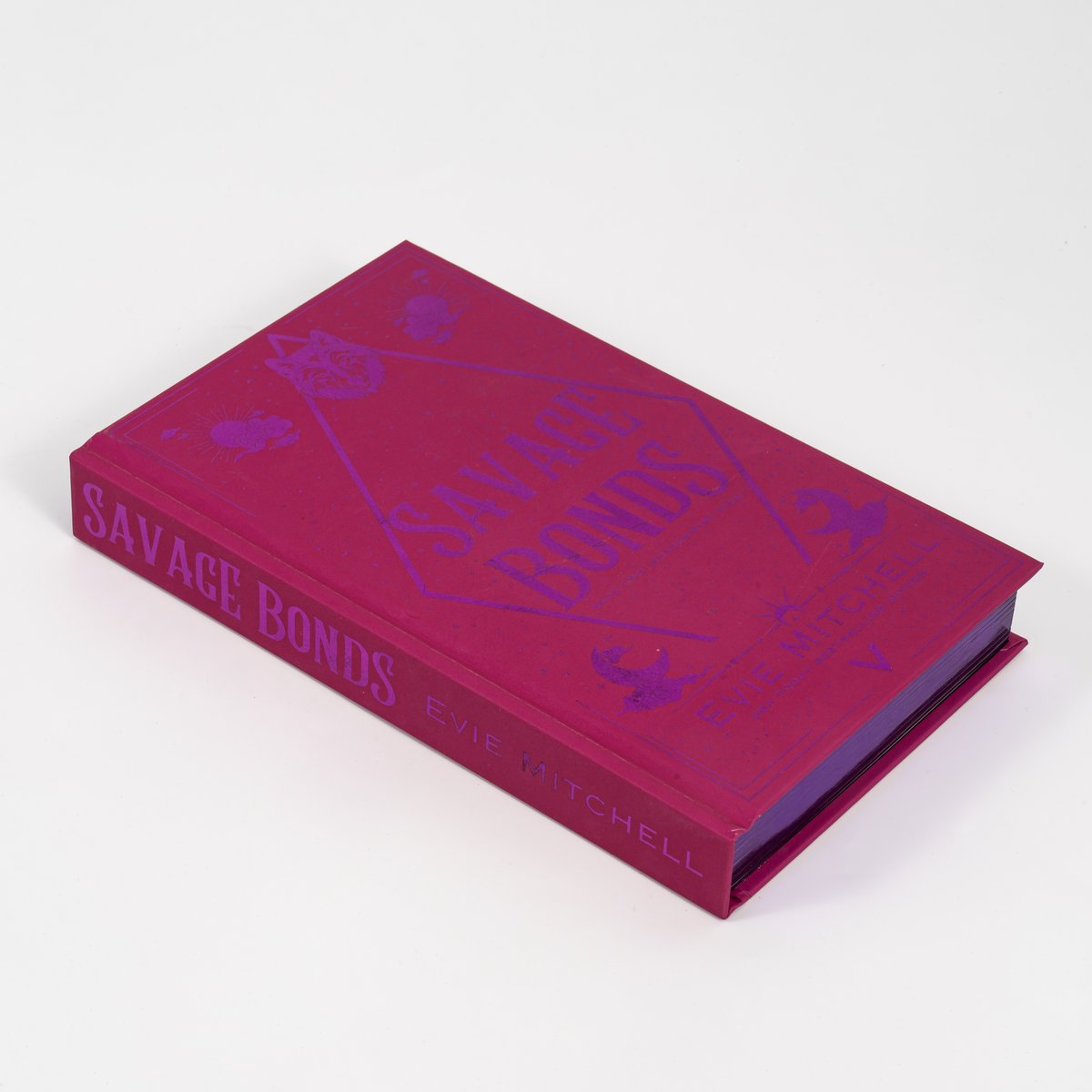
Instead of classic gold, the run used a rainbow holographic foil on all three edges, so the shine shifts color as the book turns in the light. The case study reports three lessons. Holographic pigment amplifies any surface unevenness, so the edge must be sanded finer than for plain gold foil. The block is trimmed and sanded before gilding, then dust is cleared in a controlled environment before the foil is applied. And every copy is inspected under standardized daylight lamps to catch foil flaking and stuck pages before packing.
The registration lesson generalizes beyond this one job. The build combined edge gilding with cover foil and debossing. The case study notes that a drift above 0.2 mm throws the foil out of alignment with the debossed contours. So edge gilding is sequenced and checked as its own step, not folded into cover stamping. For the wider production context, our book printing cost guide explains how finishing sits inside the total.
Cost Drivers And Order Planning
Setup at the gilding bench is per configuration rather than per copy, so price moves in bands. The honest way to plan is to understand the levers before asking for a number. Three structural levers drive the band.
| Lever | Effect on cost band | Planning note |
|---|---|---|
| Block height (page count) | Taller blocks need more clamping, sanding, and registration care | A 400-page block carries more edge-handling time than a 120-page journal block |
| Number of edges | Each added edge is its own sizing and burnishing pass | Three-edge work sits clearly above fore-edge-only at the same quantity |
| Quantity tier | Setup is amortized across more copies as volume rises | Cost per copy is highest at the smallest tier |
Two spec choices shift the band further. Genuine loose-leaf gold is a step change rather than an increment, given the hand-laying and material cost, and it is not a bulk-run option. A sealing step for long storage or hot-climate shipping adds its own pass.
Treat the following as a conditional planning relationship, not a quote. A fore-edge-only journal at a given tier sits at the low end. The same journal gilded on three edges moves up, because of the extra passes. A tall three-edge novel block exceeds both.
Edge gilding rides on the bound-copy run, so the practical floor is the order minimum rather than the gilding step itself. On this site that minimum is 200 copies, and the quantity tiers used on the quote form are 200, 500, 1,000, and over 1,000 copies. Below a few hundred copies, bench setup occupies a large share of the per-copy edge cost, which is why short runs are quoted differently from bulk.
Gilded Edges Versus Painted Edges
Gilding and edge painting are often weighed against each other, and the full comparison lives in our Sprayed Edges vs Gilded Edges guide. In short, a gilded edge reads as metal and reflects light. A painted edge reads as flat color or artwork. This section only notes where the two meet in planning, so the decision is not repeated here.
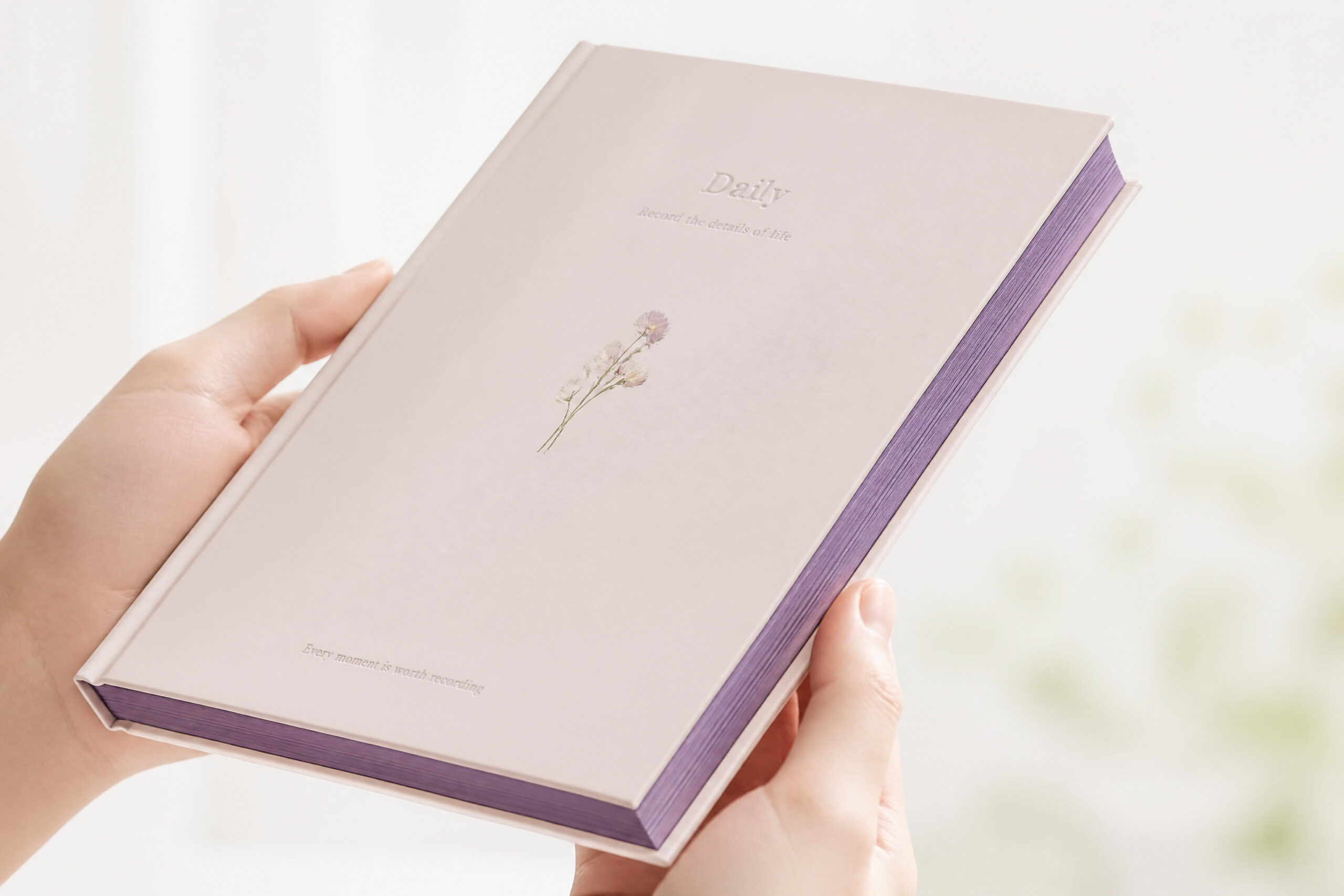
They can coexist across a product line, with some titles gilded and some painted, since the setup differs by finish rather than by title. A single project rarely combines both on the same three edges, because the masking and pass order conflict. Where a run mixes the two, plan them as separate line items on the same purchase order.
Gilded Edges Quoted On Your Specs
Final Thoughts
Gilded edges reward a buyer who plans the finish as a process, not a checkbox. Foil gilding is the practical route for bulk runs, and it comes in gold, silver, and holographic tones. The look depends on a flush trim, an even size coat, and a real burnish more than on the foil color. Lock the paper stock, the edge count, and a pre-production sample, and the shelf result follows.
Decide the finish against your use case before you price it. A gift edition that competes on shelf presence justifies three-edge gilding. A journal line that ships in volume may reach the same look on the fore-edge alone at a lower tier. When you are weighing the metallic edge against a painted one, the comparison guide linked above settles that choice, and this guide covers the gilding bench.
Frequently Asked Questions
Does gilded edge foil peel off over time?
A correctly sized and burnished foil edge should hold its shine through normal shelf life and handling. The realistic wear points are the corners and the head area during transit, where a tight carton fit can chip the metal layer. Edge protectors in the pack-out reduce that risk. Heavy display handling will still dull any metallic edge over time.
Is three-edge gilding much costlier than one edge?
Three edges mean three sized surfaces and three sets of sizing, application, and burnishing work. So it lands in a higher band than a single-edge run at the same quantity and page count. The gap is largest on short runs, where setup repeats. Ask for both options quoted side by side before you decide.
Can any paper take a gilded edge?
Coated laminated stock takes the brightest, most even rim, rated highest on the finishing options page. Uncoated and kraft papers still gild well, but their absorbency makes the size coat more important. The gilded surface is always the trimmed paper edge, so a cloth or leather cover does not change that.
What is the minimum order for gilded edges?
Edge gilding rides on the bound-copy run, so the practical floor is the binding quantity, not the gilding step. On this site that minimum is 200 copies. Very short runs are workable, but bench setup occupies a large share of the per-copy cost, so they are quoted differently from bulk.
Can I approve a gilded sample before bulk?
Yes, and it is the recommended step. Approve a gilded pre-production copy made from your actual paper stock and the actual foil roll, not a generic display piece. Edge feel and coverage shift with stock caliper and coating, so a sample locks the expectation before bulk sizing starts.