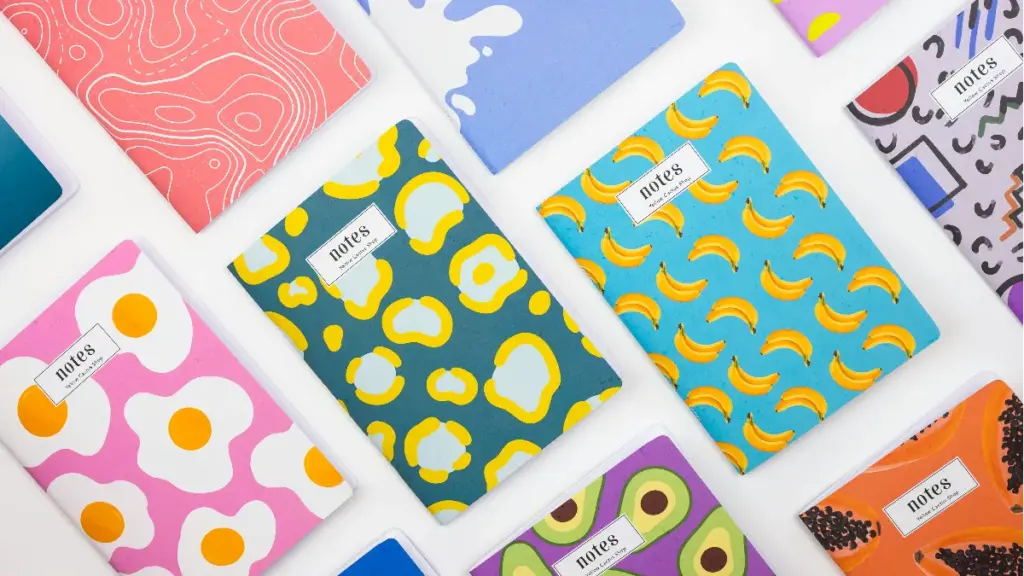


In an era dominated by digital devices, the tactile experience of putting pen to paper has seen a remarkable resurgence. Recent retail data confirms this “reading renaissance,” with searches for stationery and leather journals surging by over 100% as consumers seek products that offer a meaningful connection in a mass-produced world. For businesses looking to capitalize on this trend, whether for corporate gifts, retail lines, or promotional merchandise, choosing the right material for custom notebooks is a critical decision that impacts brand perception, 予算, and customer satisfaction.
The debate often comes down to two primary contenders: Real Leather and PU (Polyurethane) Leather. Both have their place in the market, but they serve vastly different purposes. This guide provides a comprehensive, data-backed comparison to help you make an informed choice for your next line of custom leather journals.
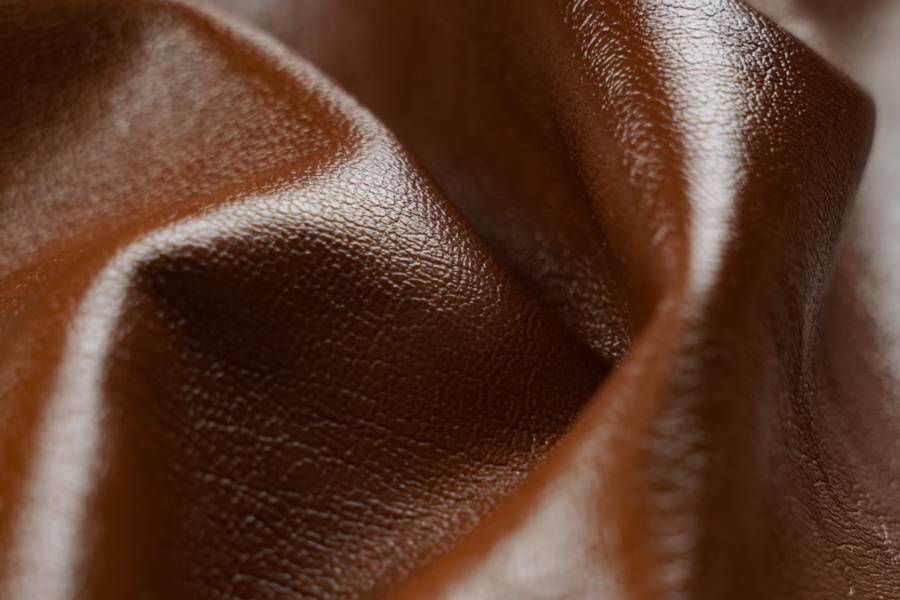
Real vs PU leather for custom journals
Before diving into the nuances, here is a technical snapshot of how these materials stack up against each other in the key areas that matter to notebook buyers.
| 特徴 | 本革 (Full-Grain/Top-Grain) | PU Leather (Synthetic) |
|---|---|---|
| Material Source | Animal hides (byproduct of meat industry) | Petrochemicals + Polyester fabric backing |
| 耐久性 | Very High (10+ years with proper care) | 適度 (3–5 years before cracking/peeling) |
| Aesthetic Evolution | Develops a unique patina over time, becoming richer | Remains static or may fade; does not develop patina |
| Water Resistance | 適度 (requires conditioning to maintain) | 高い (synthetic surface repels water initially) |
| Eco-Footprint | 高い (water, land use, tanning chemicals) but biodegradable | Moderate to High (fossil fuel reliance, microplastics) |
| Customization Cost | より高い (premium material cost + debossing/foiling) | より低い (easier to emboss and color-match) |
| Tactile Feel | Warm, soft, and varies with each hide | Plastic-like, uniform, and consistent |
| Price Point | プレミアム | Budget to Mid-Range |
What is a Real Leather Journal?
A real leather journal is bound in genuine animal hide, most commonly sourced as a byproduct of the cattle industry. In the world of premium custom notebooks, two types dominate:
- Full-Grain Leather: This is the highest quality available. The hide is left unaltered, preserving the natural grain, scars, and markings. This means every journal is unique. It offers the highest durability and develops the most beautiful patina over time. It is the preferred choice for executive gifts meant to last a lifetime.
- Top-Grain Leather: The surface is sanded and refinished to remove blemishes, resulting in a more uniform look. While still durable, it lacks the natural character of full-grain but comes at a slightly lower cost point.
The Manufacturing Process: Creating a real leather journal is labor-intensive. It begins with hide inspection, followed by precision die-cutting. Craftsmen then skive the edges to ensure they fold neatly around rigid boards. The pages—often acid-free paper folded into “signatures”—are Smyth-sewn for durability, allowing the journal to lay flat. The cover is then wrapped and bound to the text block, a process that prioritizes longevity.
What is a PU Leather Journal?
PU (Polyurethane) Leather is a synthetic material designed to mimic the look of real leather without using animal products. It consists of a fabric backing (usually polyester) coated with a layer of polyurethane plastic. In the stationery world, it is often marketed as a type of “vegan leather.”
Characteristics and Ethics:
While PU leather avoids the ethical concerns surrounding animal welfare, its environmental profile is complex. It is a plastic-based product derived from fossil fuels. Unlike real hide, a PU leather journal is not biodegradable and will eventually crack and peel after a few years of use, contributing to plastic pollution. しかし, from a manufacturing standpoint, PU is highly versatile. It takes color evenly, is easy to clean, and allows for very precise embossing or foiling at a lower cost than real leather.
How to Choose the Right Material for Your Custom Journals
The decision between real and PU leather hinges on three primary factors: your brand identity, your budget, and your end-user’s values.
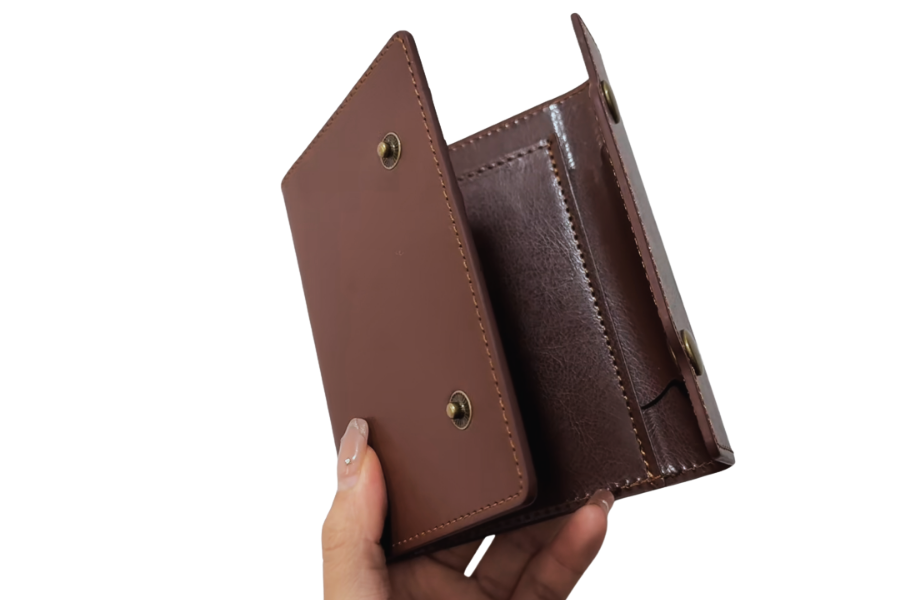
Assess Your Brand Positioning
Luxury/Heritage Brand: If your brand is built on craftsmanship, 伝統, そしてプレミアム品質, full-grain or top-grain leather is non-negotiable. The authentic smell, 感じる, and aging process of real leather communicate a level of quality that synthetics cannot replicate.
Trend-Driven/Fashion Brand: If you need to match specific Pantone colors quickly and launch products in line with fast-moving trends (like the resurgence of maximalism or bold patterns), PU leather offers greater color consistency and flexibility.
Analyze the Use Case
Corporate Gifting: A real leather journal with a debossed company logo is a timeless token of appreciation that reinforces client relationships. It signals that you value the relationship.
Promotional Giveaways: For high-volume, cost-sensitive giveaways where the primary goal is brand exposure, a well-made PU journal can be an effective and affordable option.
Consider the End-User
For the “Buy It For Life” consumer who values longevity and natural materials, real leather is the only choice.
For the vegan or eco-conscious consumer, it’s more complex. While PU is vegan, it is plastic-based. A better alternative might be innovative plant-based leathers (like cactus or pineapple) or recycled materials, though these come at a premium
Eco-Friendly Leather Journal Options
持続可能性 is no longer a niche concern. For buyers looking to balance quality with responsibility, there are viable paths forward.
- Leather Working Group (LWG) Certification: This is a crucial certification for real leather. It ensures that the leather manufacturing facility meets strict environmental protocols regarding water usage, energy consumption, and waste management. Sourcing hides from LWG-certified tanneries is a significant step toward responsible sourcing.
- Vegetable-Tanned Leather: Unlike the more common and polluting chrome-tanning process, vegetable tanning uses natural tannins found in tree bark and other plants. While it is a slower, more expensive process, it results in a biodegradable product that is much less harmful to the environment.
- The Truth About “Vegan Leather”: It is vital to look beyond the “vegan” label. Most vegan leather is PU or PVC, which are plastics. While they are spared from animals, they persist in landfills for centuries. If your brand’s ethos centers on “planet over profit,” plant-based leathers (Piñatex, Desserto) are emerging as the more ethical, albeit costlier, alternative.
Custom Leather Journal Options
The true value of a custom journal lies in its details. Once you’ve selected your material, the customization options are where your brand identity comes to life.
Branding Techniques:
- デボス: A refined, recessed imprint of your logo, perfect for a subtle, エレガントな外観.
- Foil Stamping: Adds a metallic shine (gold, 銀, copper) that catches the light and screams luxury. Expect to add approx. +$1.00/unit.
- エンボス加工: A raised, 3D effect that is highly tactile.
Functional Add-Ons:
- Closure Types: Elastic bands, magnetic snaps, or traditional leather straps.
- Interior Features: Pen loops, inner pockets for business cards, and colored ribbon markers (satin or grosgrain) add functionality and a pop of brand color.
- Paper Quality: Never overlook the paper. 100 gsm dot-grid for bullet journalists or 120 gsm blank for artists will define the user’s experience. Acid-free, FSC-certified paper is the standard for premium products.
Why Choose Our Leather Journal Factory?
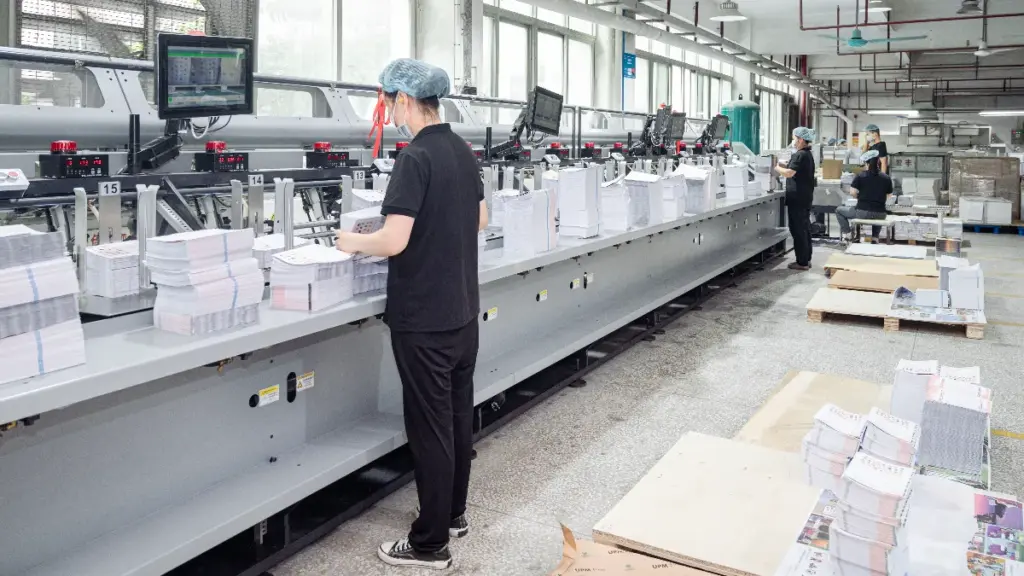
In a market where 68% of younger consumers prefer non-animal materials for accessories, but where demand for heritage craftsmanship remains strong, having a partner who can offer both premium real leather and innovative sustainable alternatives is essential.
- Partners You Can Trust: A reliable factory doesn’t just produce — it advises. From selecting full-grain vs. top-grain leather to understanding the impact of different tanning processes, an experienced partner helps you make informed decisions. We can also guide you to products that meet both quality and sustainability standards.
- Scalable Production with Consistent Quality: Whether you need 200 units for an exclusive event or 10,000 for a global product launch, a factory with in-house tanning, embossing studios, and binding workshops can guarantee consistency across your entire order.
Our MOQ is 200 個 to ensure consistent quality and competitive pricing.
サンプル: 5–7 working days
Bulk orders: 15–30 working days, depending on quantity and customization.
We support デボス, エンボス加工, 箔押し, and printing, based on your design and material.
はい. Samples are available, and the cost is usually refundable after confirming a bulk order
We offer express, air, and sea shipping, and will recommend the best option based on your budget and deadline.