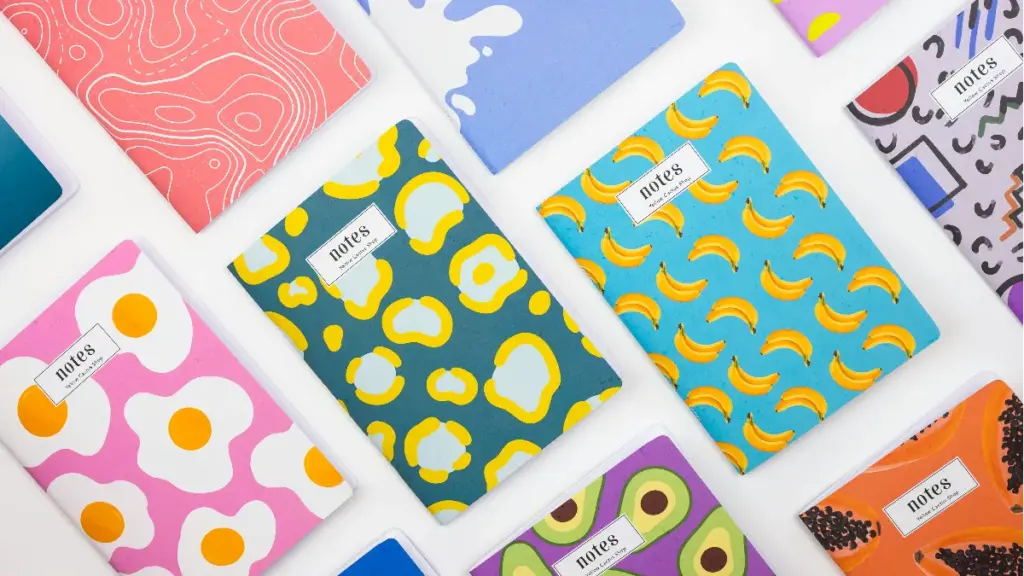


Cuando estás planificando un nuevo proyecto de cuaderno, elegir entre un cuaderno de espiral y un cuaderno de composición es una de las primeras decisiones estratégicas que debes tomar. Ambos formatos tienen estructuras distintas., costos, y experiencias del usuario final, Por lo tanto, la elección correcta depende de cómo y dónde se utilizará su computadora portátil..
¿Qué es un cuaderno de espiral??
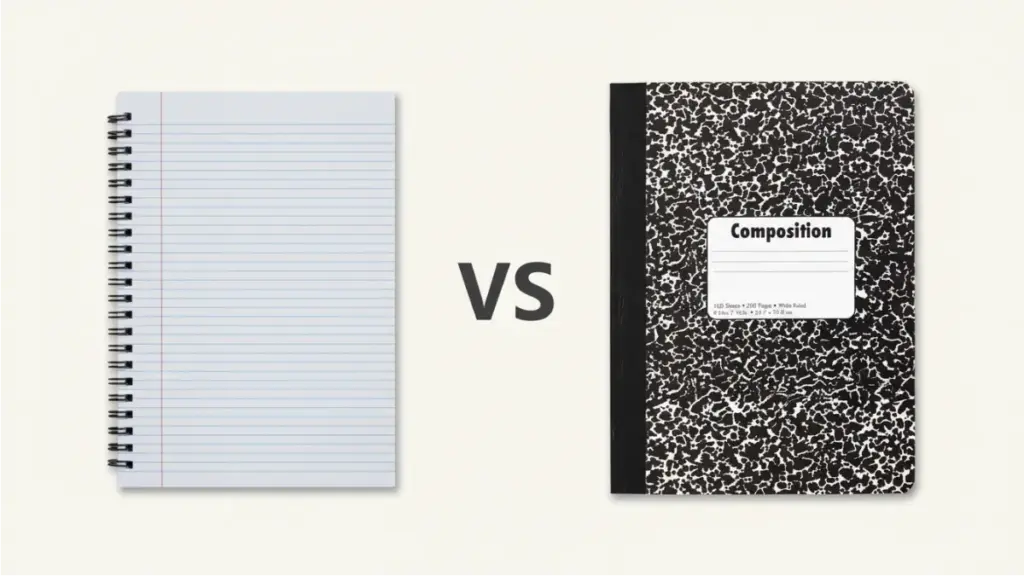
A cuaderno de espiral Por lo general, se fabrica con hojas individuales de papel perforadas a lo largo de un borde y unidas con una bobina de metal o plástico.. Esta encuadernación permite que el cuaderno se abra completamente plano e incluso se pliegue sobre sí mismo., que es una de las razones principales por las que es tan popular para tomar notas todos los días..
Los cuadernos de espiral se fabrican en una amplia gama de tamaños. (desde bolsillo hasta A4/Carta), recuentos de páginas, y tipos de papel, y puede ser de encuadernación lateral o superior según el caso de uso.. Debido a esta flexibilidad, Se utilizan ampliamente en artículos de papelería para el regreso a clases., materiales de formación corporativa, obsequios de marca, y revistas creativas.
¿Qué es un libro de composición??
A libro de composición Suele ser un cuaderno de encuadernación lateral con un lomo rígido y un bloque de texto cosido o pegado., más comúnmente reconocido por su cubierta de mármol blanco y negro. A diferencia de los cuadernos de espiral, Las páginas no están perforadas individualmente y no hay bobina expuesta.; la encuadernación está encerrada dentro de un lomo sólido, lo que le da un perfil más limpio y una sensación más parecida a la de un libro.
Porque las páginas no están diseñadas para arrancarse fácilmente., Los libros de composición se utilizan a menudo cuando el contenido debe permanecer intacto con el tiempo., como notas de estudio, diario, o registros del proyecto. El lomo sólido y la cubierta resistente también hacen que se apilen perfectamente en estantes o cajas de almacenamiento., Lo cual resulta atractivo para los usuarios que archivan cuadernos como parte de su flujo de trabajo..
Cuaderno de espiral vs libro de composición: Diferencias clave de un vistazo
En un alto nivel, Las principales diferencias entre los cuadernos de espiral y los de composición se pueden agrupar en encuadernación., durabilidad, flexibilidad, y manejo de páginas.
| Característica / Aspecto | Cuaderno de espiral | Libro de composición |
|---|---|---|
| Estructura vinculante | Hojas individuales perforadas y encuadernadas con una bobina de metal o plástico.; lado- o en la parte superior. | El bloque de texto está cosido o pegado y unido a un lomo sólido.; sin bobina expuesta. |
| Rendimiento plano | Se abre completamente y se puede plegar hacia atrás 360°., fácil de usar en escritorios pequeños o mientras viaja. | Se abre sólo parcialmente plano; lomo resiste el plegado total, más como un libro tradicional. |
| Eliminación de página | A menudo incluye hojas perforadas para limpiar, fácil de arrancar cuando las páginas se entregan o comparten. | Las páginas no están diseñadas para ser eliminadas.; arrancar las páginas puede dañar el lomo o aflojar secciones. |
| Durabilidad de la unión | La bobina puede doblarse, ser aplastado, o engancharse en bolsas; Las páginas individuales pueden romperse en el borde perforado.. | La columna vertebral es generalmente robusta y protegida.; Las páginas permanecen juntas como un solo bloque con el tiempo.. |
| Seguridad de bordes y hardware | La bobina expuesta puede engancharse en las telas., cremalleras, u otros artículos; Los extremos de los cables necesitan un acabado cuidadoso.. | Liso, lomo cerrado sin herrajes expuestos; más seguro alrededor de la ropa y otros artículos. |
| Almacenamiento y apilamiento | La bobina añade volumen e irregularidad.; las pilas pueden ser desiguales y ocupar más espacio lateral. | El lomo plano se apila perfectamente en estantes o en cajas.; fácil de etiquetar y archivar como libros. |
| Comodidad al escribir | Excelente para piso, escritura abierta; El lado de la bobina puede interferir ligeramente al escribir cerca de la encuadernación.. | Base más estable tipo libro; cierta resistencia al mantener las páginas abiertas, especialmente cerca de la columna. |
| Flexibilidad de uso | Fácil de pasar páginas, doblar hacia atrás a una página, y trabajar en espacios reducidos; bueno para tomar notas activas. | Mejor para lineal, mantenimiento continuo de notas donde el contenido se agrega en secuencia y se mantiene intacto. |
| Casos de uso típicos | notas de clase, cuadernos de proyectos, cuadernos de entrenamiento, notas de la conferencia, uso diario en la oficina o en el hogar. | Revistas de estudio, tareas de composición, diarios, cuadernos de bitácora, y registros destinados a ser almacenados juntos. |
| Potencial de personalización | muy alto: muchos tamaños, orientaciones, colores de la bobina, formas de cubierta, divisores de pestañas, y bolsillos. | Moderado: principalmente a través del diseño de la portada, impresión del lomo, elección de papel, y diseño interno. |
| estilo visual | Puede parecer casual, moderno, vistoso, o de marca destacada según el diseño de la cubierta y la bobina. | Más uniforme y clásico.; a menudo asociado con tareas escolares o cuadernos de archivo. |
| Rango de tamaño y formato | Común en una amplia gama de formatos, desde bolsillo hasta tamaño de escritorio grande.; dimensiones fáciles de personalizar. | A menudo se produce en unos pocos tamaños de estudio estándar., aunque los formatos personalizados son posibles para las marcas. |
| Consideraciones de costos | La encuadernación es eficiente y económica.; El costo varía según el material de la bobina., tamaño, y complementos. | Costo de encuadernación ligeramente mayor con especificaciones similares, pero fuerte valor percibido como un “libro real”. |
| Archivo y longevidad | Ideal para proyectos activos; La eliminación frecuente de páginas puede hacer que los volúmenes parezcan más temporales.. | Ideal cuando quieres un establo., Registro a largo plazo con todas las páginas mantenidas juntas.. |
| Percepción de marca | Comunica practicidad, flexibilidad, y usabilidad diaria. | Comunica estructura, gravedad, y una sensación más “de biblioteca” o clásica. |
¿Qué portátil ofrece una mejor experiencia diaria??

La “mejor” experiencia cotidiana depende menos de las preferencias personales y más de cómo se utiliza el cuaderno a diario. Las diferencias a continuación reflejan comentarios comunes de los estudiantes., educadores, y compradores a largo plazo, así como observaciones de la producción de portátiles a gran escala..
Conclusión clave
Para Toma de notas activa y uso flexible., Los cuadernos de espiral suelen sentirse mejor día a día..
Para estable, registros de archivo y estantes ordenados, Los libros de composición brindan una experiencia más confiable..
Comodidad de escritura y manejo de páginas
- Cuadernos de espiral permitir que las páginas se doblen completamente hacia atrás, facilitando la escritura en una sola página en entornos reducidos o móviles. Esta característica es especialmente práctica para tomar notas rápidamente durante las clases., reuniones, o trabajo de campo. Muchos usuarios zurdos también encuentran más cómodos los formatos en espiral cuando la bobina no interfiere con la mano que escribe..
- Libros de composición mantener las páginas fijas a lo largo del lomo, que fomenta la escritura en secuencia desde la primera página hasta la última. Aunque escribir cerca de la columna vertebral puede resultar más restringido, Esta estructura ayuda a mantener un flujo de escritura constante y evita daños o pérdidas accidentales de páginas..
Eliminación y organización de páginas
- Cuadernos de espiral A menudo incluyen páginas perforadas., permitiendo a los usuarios eliminar notas limpiamente. Esto es útil cuando es necesario compartir páginas., archivado, o reorganizado.
- Libros de composición están diseñados para mantener las páginas intactas. La imposibilidad de eliminar páginas fácilmente es intencional y se valora en entornos donde los registros deben permanecer completos..
¿Qué portátil se adapta mejor a diferentes usuarios y escenarios??
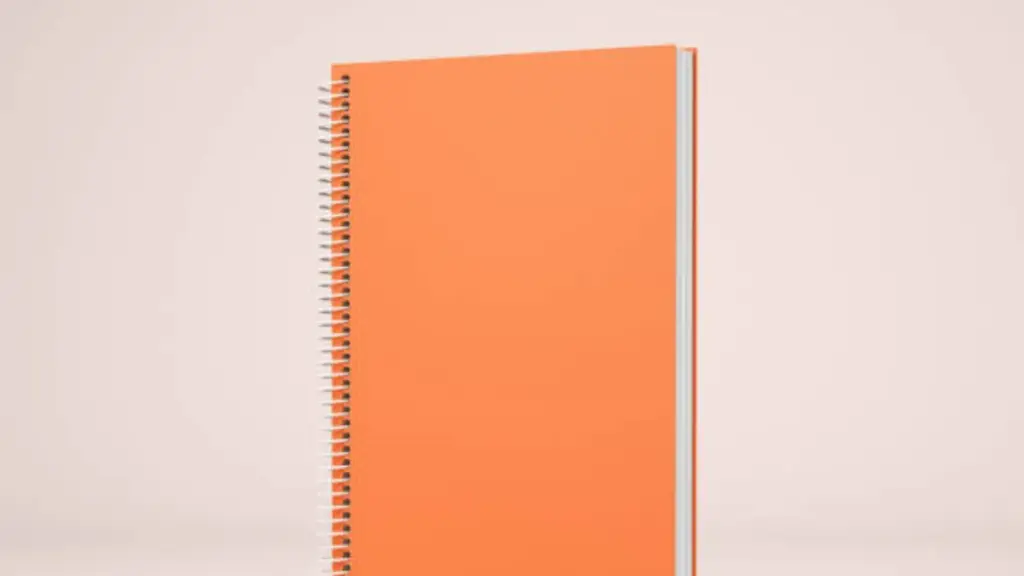
En lugar de preguntar qué cuaderno es “mejor,"La mayoría de los compradores logran mejores resultados al hacer coincidir el formato con el grupo de usuarios y escenario de uso.
Educación y uso del aula
- Libros de composición Son ampliamente preferidos en la educación primaria y secundaria.. Su encuadernación fija ayuda a los profesores a recopilar, almacenar, y revisar el trabajo de los estudiantes sin perder páginas. Muchas escuelas y juntas examinadoras solicitan específicamente cuadernos de composición para tareas y exámenes..
Educación superior y entornos profesionales
- Cuadernos de espiral Son comúnmente utilizados por estudiantes universitarios y profesionales que necesitan flexibilidad.. Apoyan la lluvia de ideas, proyectos a corto plazo, y toma de notas donde las páginas se pueden reorganizar o eliminar.
Trabajo creativo y colaborativo
- Diseñadores, participantes del taller, y los equipos creativos suelen preferir los cuadernos de espiral porque permiten pasar rápidamente las páginas., plegable, y compartir hojas individuales durante sesiones colaborativas.
Proyectos de cuadernos comerciales y de marca
- Para cuadernos de marca promocionales o informales, Los formatos en espiral combinan bien con los prácticos., uso diario.
- Para académico, corporativo, o marcas inspiradas en el patrimonio, Los libros de composición comunican la estructura., durabilidad, y valor a largo plazo.
Desde el punto de vista de la producción, Los fabricantes de impresión experimentados suelen ver que los proyectos de portátiles más exitosos son aquellos en los que el formato, elección de papel, y el estilo de encuadernación se seleccionan juntos, basado en el uso en el mundo real en lugar de solo en la apariencia.
Guía de tablas de tamaños de cuadernos comunes

En muchos mercados de exportación, Los tamaños comunes incluyen A4., A5, y B5, mientras que el mercado estadounidense suele favorecer el tamaño carta y las dimensiones de composición estándar. Los cuadernos de espiral están disponibles en una gama más amplia de tamaños., incluidos formatos compactos para portabilidad y formatos de gran tamaño para presentaciones o materiales de capacitación.
Siga nuestra tabla completa de tamaños de cuadernos para comprobar qué tamaño de cuaderno es el adecuado para usted.:
| Tipo de cuaderno | Tamaño típico (Pulgadas) | Nombre común / Formato | Usos comunes |
|---|---|---|---|
| Cuaderno de bolsillo | 3.5 × 5.5 pulgadas | Bolsillo / Caso A6 | llevar notas todos los días, listas rápidas, apuntes de viaje, notas de campo. |
| Cuaderno de espiral pequeño | 4 × 6 pulgadas | Índice / Tamaño de la nota | Recordatorios sobre la marcha, notas de recetas, listas de tareas de bolsillo, uso en viajes. |
| Cuaderno A6 | 4.1 × 5.8 pulgadas | A6 | Diario compacto, rastreadores de hábitos, registros de viaje, planificadores mínimos. |
| Cuaderno clásico A5 | 5.8 × 8.3 pulgadas | A5 | Tomar notas todos los días, diarios de bala, planificadores personales, diarios de trabajo. |
| Cuaderno de espiral mediano | 5 × 8.25 pulgadas | "Grande" (clase A5) | Notas de reuniones profesionales, cuadernos de proyectos, obsequios de marca. |
| Cuaderno B5 | 6.9 × 9.8 pulgadas | B5 | Notas de estudio más grandes, escritura creativa, cuadernos de bocetos, cuadernos estilo composición. |
| Cuaderno de composición estándar | 7.5 × 9.75 pulgadas | B5 / Tamaño de la composición | Libros de composición escolar., diarios de estudio, notas de clase, registros a largo plazo. |
| Escuela estándar Cuaderno de espiral | 8 × 10.5 pulgadas | escuela estadounidense / clase de letra | Cuadernos de espiral de una o varias materias para la escuela y la universidad. |
| Cuaderno A4 | 8.3 × 11.7 pulgadas | A4 | Cuadernos de oficina, almohadillas de proyecto, notas de estudio detalladas, diseño y trabajo técnico. |
| Cuaderno de espiral tamaño carta | 8.5 × 11 pulgadas | Carta de EE. UU. | Cuadernos de formación corporativa., oficina cuadernos de espiral, presentaciones encuadernadas. |
Como fabricante de impresión, Xinyi admite tamaños convencionales y formatos totalmente personalizados, asesorar a los clientes sobre la imposición, utilización del papel, y eficiencia de envío para que las dimensiones elegidas sean rentables y fáciles de usar.
Comparación de diferentes tipos de portátiles
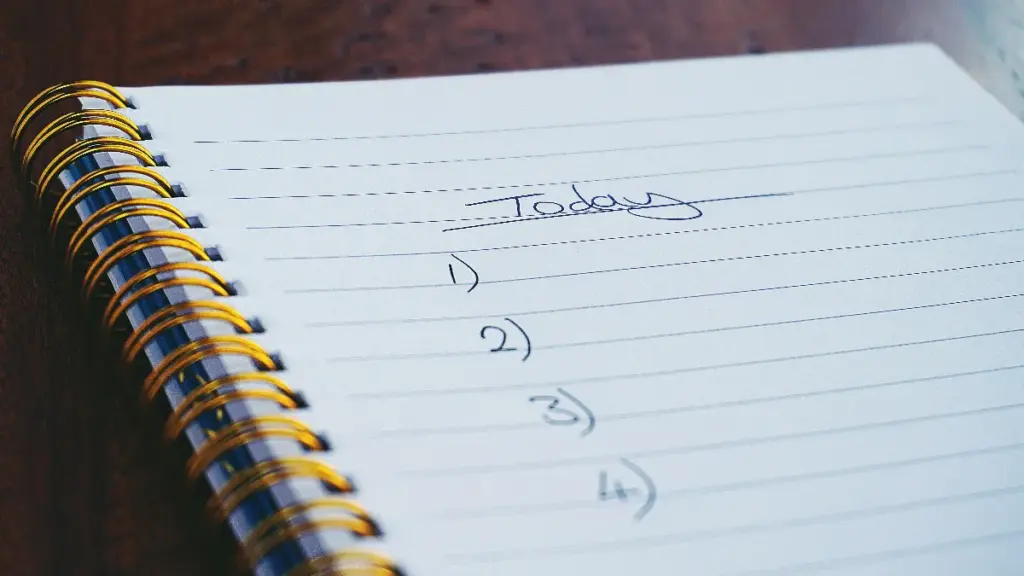
Más allá de los formatos de espiral y composición, Los compradores también pueden considerar otras estructuras de portátiles según los requisitos de durabilidad., presentación visual, y presupuesto. Los siguientes tipos de cuadernos se utilizan comúnmente en educación., corporativo, y proyectos de papelería de marca.
Cuadernos encuadernados con Wire-O
Los cuadernos Wire-O utilizan una encuadernación metálica de doble bucle en lugar de una sola espiral. Esta estructura permite que las páginas se abran planas mientras las mantiene alineadas de manera más uniforme con el tiempo.. En comparación con la encuadernación en espiral estándar., Wire-O ofrece una apariencia más limpia y mayor estabilidad, especialmente para cuadernos con mayor número de páginas. Los formatos Wire-O se eligen a menudo para materiales de formación profesional., presentaciones, y cuadernos de marca donde tanto la usabilidad como la coherencia visual son importantes.
Cuadernos encuadernados perfectamente
Los cuadernos encuadernados perfectamente se ensamblan mediante encuadernación adhesiva a lo largo del lomo., similar a los libros de bolsillo. Proporcionan una suave, lomo imprimible que funciona bien para diseños minimalistas o centrados en la marca. Sin embargo, Los cuadernos de encuadernación perfecta no quedan planos de forma natural y son más adecuados para un menor número de páginas.. Este formato se utiliza comúnmente para manuales de corta duración., libro de trabajo, y publicaciones promocionales en lugar de tomar notas cotidianas.
Cuadernos encuadernados en estuche
Los cuadernos encuadernados en estuche cuentan con una cubierta rígida y encuadernación cosida o reforzada., ofreciendo el más alto nivel de durabilidad. Están diseñados para uso a largo plazo y con fines de archivo., haciéndolos adecuados para revistas premium, regalos corporativos, o materiales de referencia. Debido a su compleja estructura y materiales., Los cuadernos encuadernados con estuche suelen implicar mayores costes de producción y plazos de entrega más largos..
Qué opciones personalizadas están disponibles y cuáles se adaptan a su marca?
La personalización juega un papel fundamental en cuadernos personalizados proyectos, pero la personalización efectiva comienza con la comprensión qué elementos se pueden ajustar y cómo esas opciones afectan la usabilidad, costo, y percepción de marca. Tanto los cuadernos de espiral como los de composición admiten personalización., aunque de diferentes maneras.
Elementos clave personalizables en la producción de portátiles
Encuadernación y estructura
Los cuadernos de espiral permiten variaciones en el material de la bobina., color, diámetro, y opciones de perforación. Los libros de composición se centran más en la fuerza de unión., usando cosido, pegado, o estructuras híbridas diseñadas para brindar durabilidad y seguridad de la página.
Materiales de portada e impresión
Las opciones comunes incluyen cartón recubierto, papel kraft, cubiertas laminadas, papel con textura de tela, o tablero rígido. Impresión offset a todo color, impresión de colores directos, laminación mate o brillante, y los acabados suaves al tacto se utilizan ampliamente para mejorar el impacto visual y la durabilidad..
Papel interior y diseño
Peso del papel, opacidad, y la suavidad de la superficie se puede ajustar para que coincida con las herramientas de escritura y la intensidad de uso.. Los diseños interiores pueden incluir reglas., red, blanco, o páginas impresas totalmente personalizadas con marca, contenido educativo, o numeración de páginas.
Acabados y Detalles Funcionales
Opciones adicionales como esquinas redondeadas, espinas reforzadas, bandas elásticas, marcadores de cinta, o guardas personalizadas pueden definir aún más el posicionamiento del producto, especialmente para líneas de portátiles premium o profesionales.
Adaptación de la personalización al posicionamiento de la marca
- Proyectos educativos e institucionales Por lo general, se prioriza la durabilidad de las fijaciones., calidad de papel constante, y diseños interiores claros sobre acabados decorativos.
- Marcas promocionales y minoristas. a menudo se benefician de formatos en espiral flexibles combinados con diseños de portada atrevidos y características funcionales como páginas perforadas.
- Marcas profesionales o inspiradas en el patrimonio. Generalmente prefieren formatos de composición o encuadernados con diseño sobrio., materiales táctiles, y usabilidad a largo plazo en mente.
Como fabricante de impresión con amplia experiencia en la producción de portátiles., Xinyi Printing apoya a los clientes alineándose opciones de personalización con uso en el mundo real y eficiencia de producción, Ayudar a las marcas a desarrollar portátiles que funcionen de forma fiable más allá de su apariencia inicial..
Cuaderno de espiral o libro de composición: ¿Cuál debería elegir para su próximo proyecto??
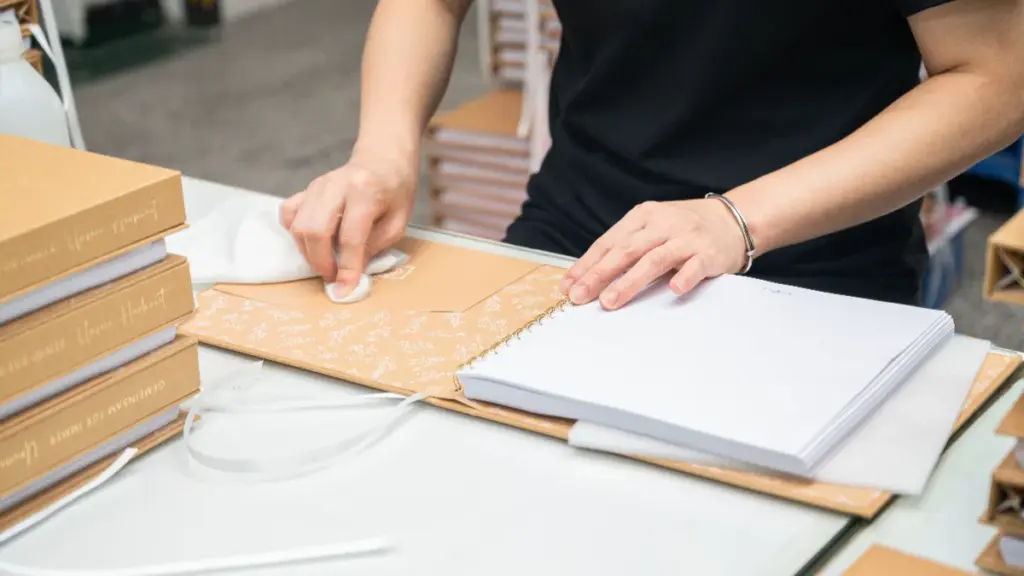
A la hora de decidir entre un cuaderno de espiral y un cuaderno de composición, ayuda a considerar cuatro factores clave: presupuesto, posicionamiento de marca, necesidades del usuario final, y requisitos de personalización.
1. Presupuesto y volumen de producción
- Cuadernos de espiral generalmente ofrecen flexibilidad para una variedad de tamaños y recuentos de páginas, haciéndolos adecuados tanto para pedidos pequeños como grandes.
- Libros de composición A menudo tienen una estructura más uniforme y un costo unitario ligeramente menor en grandes volúmenes., especialmente para pedidos escolares o institucionales estandarizados.
2. Posicionamiento y Diseño de Marca
- Los cuadernos de espiral son ideales para actividades informales., promocional, o productos centrados en el comercio minorista donde la variedad visual y las características funcionales son importantes.
- Los libros de composición son más adecuados para profesionales., académico, o proyectos premium que enfatizan la durabilidad y la presentación cohesiva.
3. Experiencia del usuario final
- Elija cuadernos de espiral para usuarios que necesitan la función de plegado, eliminación de página, o toma de notas colaborativa.
- Elija libros de composición para escritura secuencial., mantenimiento de registros, y usabilidad a largo plazo.
4. Requisitos de personalización
- Los cuadernos de espiral admiten una amplia gama de portadas, acabados, y diseños interiores, permitiendo la máxima flexibilidad.
- Los libros de composición ofrecen menos variaciones estructurales pero permiten una marca consistente, espinas reforzadas, y páginas con calidad de archivo.
Próximos pasos
Considere sus prioridades en función de estos cuatro factores para seleccionar el formato que mejor se adapte a su proyecto.. Para orientación profesional sobre diseño., materiales, y fabricación a medida, póngase en contacto con Xinyi Impresión para explorar cómo podemos darle vida a su concepto de portátil de manera eficiente y confiable.
Preguntas frecuentes
¿Cuál es la diferencia entre un cuaderno de espiral y un cuaderno de composición??
Los cuadernos de espiral están encuadernados con una bobina de metal o plástico que permite que las páginas queden planas y se doblen hacia atrás., mientras que los cuadernos de composición tienen páginas cosidas o pegadas en un lomo fijo que no queda plano. Estas diferencias estructurales influyen en la portabilidad., experiencia de escritura, y flexibilidad.
¿En qué cuaderno es más fácil escribir a diario??
Los cuadernos de espiral generalmente ofrecen una escritura más fácil en el día a día porque son planos y permiten que las páginas se doblen por completo, lo que resulta beneficioso para tomar notas., reuniones, y uso móvil. Los cuadernos de composición proporcionan una estructura más rígida que algunos usuarios encuentran más estable para la escritura secuencial..
¿Los cuadernos de composición son más duraderos que los cuadernos de espiral??
Los cuadernos de composición tienden a ser más duraderos para un uso prolongado porque sus páginas están cosidas o pegadas en el lomo., reducir el riesgo de que las páginas se caigan. Los cuadernos de espiral son flexibles y prácticos, pero es posible que las páginas se doblen o se rompan si no se fabrican bien..
¿Puedo eliminar páginas de un cuaderno de composición o de un cuaderno de espiral??
Los cuadernos de espiral suelen incluir páginas perforadas que facilitan la extracción de las hojas de forma limpia.. Los cuadernos de composición están diseñados para mantener las páginas intactas, por lo que no se recomienda eliminar páginas y es intencional para fines de mantenimiento de registros o archivo.
¿Qué tipo de cuaderno es mejor para escuelas y entornos educativos??
Muchos educadores prefieren cuadernos de composición para las tareas del aula., exámenes, y mantenimiento de registros porque están estructurados y es menos probable que pierdan páginas. Los cuadernos de espiral también se utilizan ampliamente cuando es necesario compartir o reorganizar notas..
¿Los cuadernos de composición y los cuadernos de espiral vienen en diferentes tipos de páginas??
Sí, ambos formatos se pueden producir con una variedad de diseños de página., incluyendo gobernado, de reglas amplias, gobernado por la universidad, blanco, punteado, y formatos de gráfico/cuadrícula, haciéndolos adaptables para los estudiantes, artistas, o profesionales.
¿Son los cuadernos de espiral o los cuadernos de composición más personalizables para la marca??
Los cuadernos de espiral suelen ofrecer más opciones de personalización, incluyendo materiales de cubierta, bandera, perforación, y diseños interiores mixtos. Los libros de composición también se pueden personalizar con portadas de la marca e impresión interior., pero las variaciones estructurales son más limitadas.
¿La calidad del papel diferirá significativamente entre los cuadernos de espiral y los de composición??
La calidad del papel puede variar en ambos formatos.. Los cuadernos de composición suelen utilizar papel de gramaje medio para reducir el sangrado.. Los cuadernos de espiral se pueden producir con una gama más amplia de gramajes de papel., desde opciones económicas hasta opciones premium, dependiendo de las especificaciones de producción y las necesidades del caso de uso.
¿Se pueden utilizar cuadernos de espiral y de composición para proyectos profesionales o corporativos??
Sí. Los cuadernos de espiral son adecuados para uso informal., funcional, o materiales promocionales, mientras que los cuadernos de composición son mejores para eventos formales., académico, o documentación profesional debido a su diseño estructurado y durabilidad.