

عندما تقوم بشحن كتب مخصصة أو أي منتجات مطبوعة عبر الحدود, إن سحبك للتفتيش الجمركي يمثل صداعًا لا تريده أي شركة - ولكن غالبًا ما يكون لا مفر منه. أحد الأسباب الأكثر شيوعًا للتأخير أو الاحتجاز هو عدم وجود علامة أصل واضحة, وهو مطلب صعب في العديد من البلدان. إذا تم فحص شحنتك بشكل عشوائي وتم العثور عليها بدون وضع علامة الأصل المناسبة, قد تواجه عواقب مكلفة مثل رسوم إعادة التسمية, إرجاع الشحنة, أو تأخير غير متوقع.
يعمل العديد من المشترين مع وكلاء الشحن الخاصين بهم, ومع ذلك، فإن معظم شركات الشحن لا توفر التحقق من علامات المنشأ كجزء من خدماتها. للمساعدة في تقليل المخاطر التي يمكن تجنبها, توضح هذه المقالة كيفية قيام البلدان المختلفة بفرض علامات المنشأ على المنتجات المطبوعة وخاصة الكتب المخصصة حتى تتمكن من منع الخسائر الناجمة عن عمليات المراقبة البسيطة والحرجة.
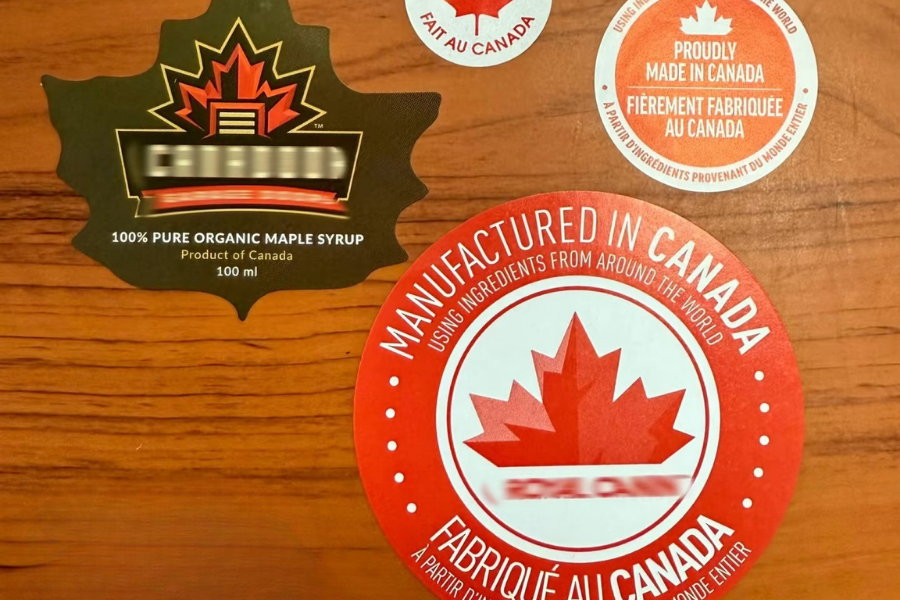
متطلبات وضع علامة المنشأ في الدول المستوردة الرئيسية
| دولة | متطلبات محددة | العقوبات المحتملة & عواقب | مستوى التفتيش |
| الولايات المتحدة | علامة المنشأ الإلزامية, والتي يجب أن تكون دائمة وسهلة التعرف عليها. وفقا لقوانين سلامة المنتجات الاستهلاكية (CPSIA), تتطلب بعض المنتجات أيضًا أرقام الدُفعات وتفاصيل التصنيع المحددة. | لم يتم تنظيمها بشكل صريح بعد. | عمليات تفتيش صارمة. |
| الاتحاد الأوروبي | عادةً ما يتطلب المنتج أو عبوته أن يتضمن علامة المنشأ. على سبيل المثال, غالبًا ما تتم إزالة البضائع التي تدخل ألمانيا بسلاسة من خلال عبارة "صنع في الصين".,"حتى لو لم تكن جميع فئات المنتجات إلزامية قانونًا. | قد يتم احتجاز الشحنات; قد تكون هناك حاجة إلى إعادة التسمية في الموقع; قد تتحمل رسوم مستودع إضافية. | ليست إلزامية لجميع فئات المنتجات, ولكن من المتوقع على نطاق واسع. |
| المملكة العربية السعودية | علامة المنشأ الإلزامية, ويجب أن تكون غير قابلة للإزالة. الملصقات التي يمكن إزالتها غير مقبولة. | العقوبات على أساس قيمة البضائع. | المتطلبات الصارمة التمثيلية داخل منطقة الشرق الأوسط. |
| بعض دول الشرق الأوسط (على سبيل المثال., الإمارات العربية المتحدة, قطر, البحرين) | وضع علامة إلزامية على كل من الفواتير والتغليف في نفس الوقت; الكتابة اليدوية غير مسموح بها. | غير محددة بوضوح. | تتطلب جمارك دولة الإمارات العربية المتحدة طباعة علامة المنشأ بشكل واضح وواضح على الجزء الأمامي من العبوة. |
| اليابان | يتطلب وضع علامة المنشأ باللغة اليابانية (على سبيل المثال., "صنع في الصين" مكتوب باليابانية). | في الحالات الشديدة, قد يتم رفض الشحنات. | ترتبط لوائح وضع العلامات بشهادة PSE (إن أمكن). |
| فيتنام | وضع علامة إلزامية على كل من الفواتير والتغليف في نفس الوقت | عقوبات أكثر صرامة على ادعاءات الأصل المضللة. | تولي الجمارك والمستوردون في فيتنام المزيد من الاهتمام لوضع علامات المنشأ. |
| شيلي | لم يتم تنظيمها بشكل صريح بعد. | غرامات تصل إلى دولار أمريكي 4,000 قد تنطبق | حالة نموذجية في أمريكا الجنوبية. |
طرق تحديد الأصل الموصى بها للكتب المخصصة
هناك عدة طرق فعالة لتطبيق علامة الأصل على الكتب المخصصة, اعتمادا على بنية الكتاب, التعبئة والتغليف, ومتطلبات التصميم.
الطباعة المباشرة هي الحل الأكثر دواما وفعالية من حيث التكلفة. يمكن طباعة علامة الأصل على صفحة حقوق النشر, الغطاء الخلفي, أو التغليف الخارجي, التأكد من أنها تظل دائمة ومتوافقة طوال فترة النقل, تخزين, وعرض التجزئة.
عندما تكون الطباعة المباشرة غير ممكنة, جودة عالية, تعتبر الملصقات المتينة بديلاً مقبولاً. يجب أن تكون هذه الملصقات مقاومة للتآكل, مقاومة للمذيبات, ولها قوة لاصقة قوية لمنع التقشير, الشباك, أو السقوط أثناء الشحن والتعامل مع الرف.
للكتب ذات التغليف المتقلص أو التغليف الخاص, يمكن أيضًا وضع العلامات المعلقة أو الملصقات المنسوجة في الاعتبار. تعتبر هذه الطرق مناسبة بشكل خاص للكتب المميزة أو الكتب ذات نمط الهدايا حيث يجب أن يظل العرض الخارجي سليمًا.
الرؤية أمر بالغ الأهمية. يجب وضع علامة المنشأ في مكان يمكن للمستهلك النهائي رؤيته بسهولة دون بذل جهد - ولا ينبغي أبدًا إخفاؤها أو حجبها.
العديد من البلدان, بما في ذلك تلك الموجودة في الاتحاد الأوروبي, تتطلب ظهور علامة المنشأ على المنتج نفسه وعلى أصغر عبوات البيع بالتجزئة. للكتب المطبوعة, تعتبر صفحة حقوق الطبع والنشر والغلاف الخلفي مواقع مقبولة على نطاق واسع وشائعة الاستخدام وتلبي متطلبات الامتثال مع الحفاظ على التصميم العام.
كيفية منع التأخير الجمركي الناجم عن فقدان علامة المنشأ
لتقليل مخاطر الحجز الجمركي عند تصدير الكتب الجمركية, من الضروري تطبيق علامة المنشأ بشكل متسق والتحقق من الامتثال قبل الشحن.
أولاً, ضع علامة على كل من المنتج والكرتون الخارجي. عند الشحن إلى الأسواق الرئيسية مثل الولايات المتحدة والاتحاد الأوروبي, يجب أن يعرض كل كتاب على حدة وعلب الشحن الخارجية الخاصة به بوضوح وأمان علامة المنشأ الإنجليزية التي تحمل علامة "Made in Origin". يؤدي هذا النهج المزدوج لوضع العلامات إلى تقليل مخاطر مشكلات التفتيش الجمركي بشكل كبير.
ثانية, فهم لوائح بلد الوجهة مقدمًا. تختلف متطلبات وضع علامة المنشأ حسب البلد. على سبيل المثال, يتطلب الاتحاد الأوروبي أن تكون العلامات واضحة للعيان; إذا كان المنتج نفسه صغيرًا جدًا بحيث لا يمكن وضع علامة عليه مباشرة, يجب أن يظهر الأصل على العبوة أو الوثائق المصاحبة. قم دائمًا بمراجعة اللوائح المحددة للسوق الوجهة قبل الشحن.
ثالث, تحقق من جميع مستندات الشحن للتأكد من اتساقها. معلومات المنشأ على قوائم التعبئة, الفواتير التجارية, ويجب أن تتطابق المستندات الجمركية الأخرى مع العلامات الموجودة على المنتجات المادية. قد يؤدي أي تناقض إلى رفع أعلام حمراء أثناء التفتيش الجمركي.
أخيراً, إنشاء عملية فحص ذاتي بسيطة قبل الشحن. قائمة مراجعة داخلية سريعة — لتأكيد علامات المنشأ, اتساق الوثيقة, وتصنيف المنتج الصحيح - يمكن أن يساعد في القضاء على المخاطر التي يمكن تجنبها قبل مغادرة البضائع للمصنع.
الفكر النهائي
قد تبدو علامة الأصل وكأنها تفاصيل صغيرة, ولكن في التجارة الدولية, يمكنه تحديد ما إذا كانت كتبك المخصصة تقوم بتخليص الجمارك بسلاسة أو تواجه تأخيرات مكلفة. مع اختلاف اللوائح بين البلدان ووكلاء الشحن ليسوا مسؤولين عادة عن التحقق من علامات المنتج, وتقع المسؤولية في النهاية على عاتق البائع والشركة المصنعة.
هذا هو السبب في العمل مع مصنع الطباعة من ذوي الخبرة يهم. من خلال معالجة علامات المنشأ في مرحلة الإنتاج – من خلال التنسيب المناسب, أساليب دائمة, واتساق المستندات - يمكنك تقليل المخاطر الجمركية بشكل كبير قبل مغادرة شحنتك للمصنع. إن النهج الاستباقي لا يحمي جدولك الزمني وميزانيتك فحسب، بل يضمن أيضًا سلاسة الأمر, تجربة استيراد أكثر موثوقية لعملك.