

Когда вы отправляете нестандартные книги или любую печатную продукцию через границу., быть вызванным на таможенный досмотр — это головная боль, которую не хочет ни один бизнес, но зачастую она неизбежна.. Одной из наиболее частых причин задержек или задержаний является отсутствие четкой маркировки происхождения., что является жестким требованием во многих странах. Если ваш груз был случайно проверен и обнаружен без надлежащей маркировки происхождения, вы можете столкнуться с дорогостоящими последствиями, такими как плата за смену маркировки, возврат груза, или неожиданные задержки.
Многие покупатели работают со своими экспедиторами., тем не менее, большинство грузовых компаний не предоставляют проверку маркировки происхождения в рамках своих услуг.. Чтобы помочь снизить риски, которых можно избежать., В этой статье рассказывается, как в разных странах обеспечивается соблюдение маркировки происхождения печатной продукции, особенно заказных книг, чтобы вы могли предотвратить потери, вызванные простыми, но важными оплошностями..
Требования к маркировке происхождения в основных странах-импортерах
| Страна | Особые требования | Возможные штрафы & Последствия | Уровень проверки |
| Соединенные Штаты | Обязательная маркировка происхождения, которые должны быть постоянными и легко идентифицироваться. В соответствии с законами о безопасности потребительских товаров (Cpsia), для некоторых продуктов также требуются номера партий и конкретные сведения о производстве.. | Пока четко не регламентировано. | Строгие проверки. |
| Евросоюз | Обычно требует, чтобы на продукте или его упаковке была маркировка происхождения.. Например, товары, поступающие в Германию, часто проходят гладкую таможенную очистку с надписью «Сделано в Китае».,” даже если не все категории продуктов являются обязательными по закону. | Посылки могут быть задержаны; может потребоваться смена маркировки на месте; могут взиматься дополнительные складские сборы. | Не является обязательным для всех категорий товаров., но широко ожидаемый. |
| Саудовская Аравия | Обязательная маркировка происхождения, и он должен быть несъемным. Наклейки, которые можно удалить, не принимаются.. | Штрафы в зависимости от стоимости груза. | Репрезентативные строгие требования на Ближнем Востоке. |
| Некоторые страны Ближнего Востока (НАПРИМЕР., ОАЭ, Катар, Бахрейн) | Обязательная маркировка одновременно на счетах и упаковке; почерк не допускается. | Не четко определено. | Таможня ОАЭ требует, чтобы маркировка происхождения была четко и заметно напечатана на лицевой стороне упаковки.. |
| Япония | Требуется маркировка происхождения на японском языке. (НАПРИМЕР., «Сделано в Китае» написано на японском языке.). | В тяжелых случаях, посылки могут быть отклонены. | Правила маркировки связаны с сертификацией PSE. (если применимо). |
| Вьетнам | Обязательная маркировка одновременно на счетах и упаковке | Более строгие наказания за вводящие в заблуждение заявления о происхождении. | Вьетнамская таможня и импортеры уделяют больше внимания маркировке происхождения. |
| Чили | Пока четко не регламентировано. | Штрафы до долларов США 4,000 может применяться | Типичный случай в Южной Америке. |
Рекомендуемые методы маркировки происхождения нестандартных книг
Существует несколько эффективных способов нанесения маркировки происхождения на заказные книги., в зависимости от структуры книги, упаковка, и требования к дизайну.
Прямая печать — самое долговечное и экономичное решение.. Маркировку происхождения можно распечатать на странице авторских прав., задняя обложка, или внешняя упаковка, обеспечение его постоянства и соответствия требованиям на протяжении всей транспортировки, хранилище, и розничная витрина.
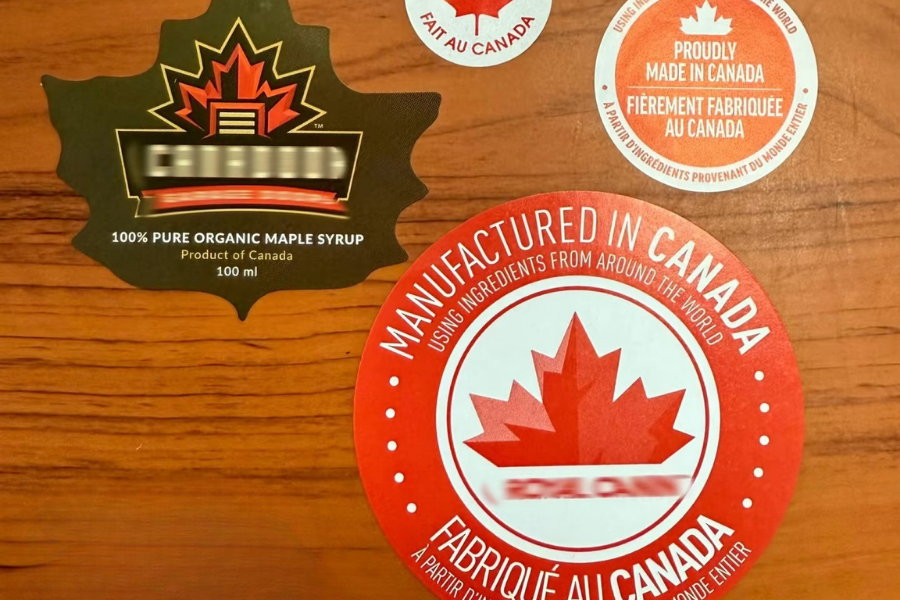
Когда прямая печать невозможна, высокое качество, прочные наклейки являются приемлемой альтернативой. Эти наклейки должны быть устойчивыми к истиранию., устойчивый к растворителям, и имеют сильную адгезионную прочность для предотвращения отслаивания, вьющийся, или падение во время транспортировки и перемещения по полке.
Для книг в термоусадочной или специальной упаковке., Также можно рассмотреть подвесные бирки или тканые этикетки.. Эти методы особенно подходят для книг премиум-класса или подарочного формата, внешняя презентация которых должна оставаться неповрежденной..
Видимость имеет решающее значение. Маркировка происхождения должна быть размещена там, где конечный потребитель может легко ее увидеть без каких-либо усилий — ее ни в коем случае нельзя прятать или затемнять..
Многие страны, в том числе в Евросоюзе, требовать наличия маркировки происхождения как на самом продукте, так и на его самой маленькой розничной упаковке.. Для печатных книг, страница об авторских правах и задняя обложка являются общепринятыми и часто используемыми местами, которые соответствуют требованиям соответствия, сохраняя при этом общий дизайн..
Как предотвратить таможенные задержки, вызванные отсутствием маркировки происхождения
Снизить риск задержания таможней при вывозе таможенных книг., важно последовательно наносить маркировку происхождения и проверять соответствие перед отправкой..
Первый, промаркируйте как продукт, так и внешнюю коробку. При доставке на основные рынки, такие как США и Европейский Союз., На каждой отдельной книге и ее внешних упаковочных коробках должна быть четко и надежно нанесена маркировка английского происхождения «Сделано в оригинале». Такой подход двойной маркировки значительно снижает риск проблем с таможенным досмотром..
Второй, заранее ознакомьтесь с правилами страны назначения. Требования к маркировке происхождения различаются в зависимости от страны.. Например, Европейский Союз требует, чтобы маркировка была четко видна; если сам продукт слишком мал для непосредственной маркировки, происхождение должно быть указано на упаковке или сопроводительной документации. Перед отправкой всегда проверяйте конкретные правила рынка назначения..
Третий, проверьте все товаросопроводительные документы на соответствие. Информация о происхождении в упаковочных листах, коммерческие счета, и другие таможенные документы должны соответствовать маркировке на физических продуктах.. Любое несоответствие может вызвать тревогу во время таможенного досмотра..
Окончательно, внедрить простой процесс самопроверки перед отправкой. Краткий внутренний контрольный список — подтверждение маркировки происхождения, согласованность документов, и правильная классификация продукции — могут помочь устранить риски, которых можно избежать, еще до того, как товары покинут завод..
Последняя мысль
Маркировка происхождения может показаться маленькой деталью., но в международной торговле, он может определить, проходят ли ваши таможенные книги гладко или сталкиваются с дорогостоящими задержками.. Поскольку правила различаются в разных странах, и экспедиторы обычно не несут ответственности за проверку маркировки продукции., ответственность в конечном итоге ложится на продавца и производителя.
Вот почему работа с опытная полиграфическая фабрика имеет значение. Путем обеспечения маркировки происхождения на этапе производства — путем правильного размещения, надежные методы, и согласованность документации — вы можете значительно снизить таможенные риски еще до того, как ваш груз покинет завод.. Проактивный подход не только бережет ваши сроки и бюджет, но и обеспечивает более бесперебойную работу., более надежный опыт импорта для вашего бизнеса.