

Paper changes how a magazine feels in the hand more than any other spec. Two issues with the same layout, 손질, and page count can read as different products once one runs on 157 gsm gloss and the other on 80 gsm uncoated. Buyers who negotiate only on price per copy often learn, after the first run, that paper was the decision worth more time.
This guide is written from the factory side. It separates the two paper choices every magazine order makes, the interior text stock and the cover stock. It compares coated and uncoated papers in reading terms, matches weights to content and binding, and ends with a GSM chart that carries the caliper values we publish.

The Two Paper Decisions Behind Every Magazine
Every magazine specification splits paper into two independent conversations. The text stock is the interior pages, sometimes called the body or book stock. The cover stock is the front and back wrappers. Each is quoted and sourced on its own, with its own coating choice and weight choice. The pairing matters more than maxing out either side alone.
The text stock drives reading comfort and block thickness. 에이 64 page issue in 80 gsm coated paper makes a slim, flexible block. The same issue in 157 gsm gloss roughly doubles the sheet caliper, ~에서 65 에게 133 microns on our published coated tables. That change decides which bindings stay realistic and how the issue sits on a shelf.
The cover stock drives first impression and protection. It carries the title, the photography, and the finish, whether gloss, 매트, soft touch, 아니면 스팟 UV. It must stay stiff enough for the trim without cracking on the spine. The two choices meet in three places: total block thickness, per copy paper cost, 및 배송 중량. A working rule from the floor: pick the text stock for the content and the cover one step heavier than feels obvious, then check the pair against the binding.
Coated vs Uncoated Paper
How Coated Paper Behaves
Coated paper carries a clay based layer pressed smooth, so ink sits on top instead of soaking in. The result is sharp dot reproduction, high color density, and strong contrast. That is why coated stock is the default for fashion, 라이프 스타일, product photography, and interior design titles. 그만큼 Wikipedia article on coated paper describes the same coating chemistry and its long use in magazines. Our own rundown of grades and finishes sits on the coated paper support page.
How Uncoated Paper Behaves
Uncoated paper, in magazine work called offset or woodfree, has no coating. The sheet absorbs more ink, so a printed image reads softer and flatter with muted saturation. In the right context that is a feature, not a defect, and text led journals and subscription titles gain from low glare and a warm hand feel. Weight for weight, uncoated sheets carry more bulk, so an 80 gsm offset feels thicker than an 80 gsm coated sheet. The mechanism is covered in our paper thickness guide.
Ink hold is the second real gap. Coated stock lets you push heavier coverage while keeping detail, but it needs drying time on fast presses. Uncoated stock drinks ink, so dense photography on light uncoated paper loses highlight detail and can shadow the reverse side. For the wider book paper vocabulary behind these terms, our book paper for printing guide is the definitional reference. 그만큼 offset paper support page lists the uncoated grades we keep in stock.
A simple framing for the buyer: if readers will judge the issue on images, run coated. If they will judge it on reading comfort and a tactile, understated feel, run uncoated or a matte coated middle option, and reserve gloss for the feature pages.
Matching Interior Paper To Your Content
Once coated or uncoated is settled, weight selection should follow what actually sits on the pages. The table below gives the interior bands we run most for magazines, tied to content type and binding fit. Trim size is a separate decision, covered in our magazine size guide, so this table assumes a fixed format.
| Content in the issue | Interior band | Typical choice | Binding note |
|---|---|---|---|
| Text led journal, essays, 인터뷰 | 70 에게 100 GSM | 코팅되지 않은 오프셋, white or cream | Comfortable at 60 에게 100 페이지. Sewn or perfect binding suits thicker text issues better than staples |
| Mixed editorial, 라이프 스타일, 사업, brand mag | 105 에게 128 GSM | Matte or gloss coated | The default band. Saddle stitch stays practical for shorter issues, perfect binding for longer ones |
| Photography heavy, lookbook sections | 128 에게 157 GSM | Gloss coated, occasionally matte | Block bulk rises fast. At these weights perfect or sewn binding is usually the realistic route |
| Feature pages and special inserts | 200 GSM, or translucent stock | Heavier coated breaks or vellum inserts | Inserts change local thickness at the fold. Flag them to the binder before imposition |
Two cautions when you read across the rows. These bands pair with a binding only at a given page count. 에이 157 gsm gloss at 24 pages can still take saddle stitch, while the same stock at 64 pages pushes the staples. Mixing two interior weights in one issue is possible, but it raises both material and assembly cost. It earns its place only when the editorial structure rewards the contrast, as in the custom fashion magazine builds we quote.
For quarterly and annual brand titles, a common starting point is 105 또는 128 gsm matte coated inside. It carries enough body to feel intentional, keeps per copy paper cost and shipping weight reasonable, and works with both staple and glue routes depending on page count.

Cover Stock Weight And Finish
Cover stock for magazines usually lands between 200 gsm and 250 GSM. The right spot depends on trim size, positioning, and whether the cover will be laminated. Small format indie titles sometimes run 157 에게 200 gsm coated without lamination to keep cost lean and the feel casual. Standard newsstand formats start at 200 gsm gloss or matte coated. Premium or gift titles move to 250 GSM, often with a soft touch or anti scratch film on top.
Decide the lamination question early, not on the proof. A laminated cover gains scuff resistance, richer matte depth, and a softer hand. An unlaminated gloss cover is cheaper and reads brighter, but the trade off on heavy covers is curl and cracking. An unlaminated 250 gsm sheet folded on the spine cracks more easily than the same sheet with a film on both sides. Scoring, grain direction, and two sided films are press side variables, and the full workflow is in our magazine printing process guide.
Finish options on top of the base paper include gloss and matte lamination, soft touch film, 스팟 UV, and foil. Our breakdown of paperback cover finishes covers the same vocabulary. Jewelry and luxury titles, like the builds on our custom jewelry magazine page, often pair a 250 gsm matte laminated cover with spot UV on the logo.
On front versus back, both covers run on the same stock in nearly every program. A heavier front with a lighter back invites uneven curl in the same humidity. The exception is a gatefold or tip on treatment, which is a bespoke spec and priced separately.
Magazine Paper GSM And Caliper Chart
This chart is the deliverable we hand buyers on inquiry calls. It lists the magazine paper choices we stock in gsm, with the caliper in microns from our published paper materials tables, 마무리, and the usual role. Print it, mark it up, and send it back to your printer as a starting point.
| Stock | 무게 (GSM) | 캘리퍼스 (micron) | Where it fits in a magazine |
|---|---|---|---|
| Gloss coated | 80 | 65 | Slim, high page count interiors and mailers |
| Gloss coated | 105 | 84 | Standard magazine interior and trade brochures |
| Gloss coated | 128 | 102 | Brand lookbooks and art book text pages |
| Gloss coated | 157 | 133 | Premium illustrated interiors and feature sections |
| Gloss coated | 200 | 171 | Self covers and heavyweight plate pages |
| Matte coated | 105 | 93 | Non glare corporate periodicals |
| Matte coated | 128 | 116 | Annual reports and non glare art interiors |
| Matte coated | 157 | 152 | High end photography interiors |
| Matte coated | 250 | 265 | Premium and presentation covers |
| 코팅되지 않은 오프셋 | 80 | 95 | Text led journals and essay issues |
| 코팅되지 않은 오프셋 | 100 | 115 | High opacity non fiction text pages |
| 코팅되지 않은 오프셋 | 120 | 140 | Illustrated journals and workbooks |
Read the caliper column as the bridge to binding. Pages times per sheet caliper set the spine, and the spine decides whether a binding is possible. The gsm to thickness conversion belongs to our paper thickness guide. Every step up in interior gsm pushes a page count toward glue routes and away from staples. Every step up in cover gsm needs scoring and lamination choices to keep the wrapper flat.
Page budget planning belongs alongside this chart, and signatures are covered in our page budget guide for magazine issues. 그만큼 magazine printing category page lists the builds we quote most often if you want a physical reference point.
Common Paper Problems And Their Fixes
Most magazine paper complaints trace to a mismatch between weight, 코팅, and ink load, not to a defect in the sheet. Here are the four we see most, with the paper side fix for each.
Show through. The reverse side of a page shows through the paper, so the first lever is opacity, not just weight. 다음에서 이동 80 GSM 으로 105 gsm coated usually clears it on text pages. On uncoated stock a higher opacity grade at the same gsm can fix it without adding bulk. Heavy coverage on feature pages makes it worse, so avoid full bleed dark images facing light text pages.
Bleed through and ghosting. Ink migrates to the other side on light coated stock under heavy coverage. The fix pairs paper and process. Raise the interior weight one step, and keep total ink coverage inside what the chosen stock can hold. Let the press handle the rest with the drying and powder settings in the magazine printing process guide.
Curling. Curl is a moisture and stress imbalance, and paper choices aggravate or calm it. A single sided laminate on a heavy cover pulls toward the film, and a 157 gsm and up cover benefits from scoring. Interior sheets stored unwrapped in a humid container can wave at the trim. Request two sided films on heavy covers, and set grain direction with the binder.
Flat or muddy color. Undercolor on coated stock is usually an ink absorption story, because uncoated and low grade matte sheets absorb more and read softer. If a proof looks dull against your screen, check that the quote assumed the right grade. 에이 105 gsm matte coated rarely matches the density of a 128 gsm gloss at the same ink settings. Titles where color fidelity is the product, like the runs on our custom lifestyle magazine line, justify a printed dummy over a digital proof.
None of these are reasons to fear a paper choice. They are reasons to confirm the combination of stock, 무게, 마치다, and binding on a physical sample before the bulk run.
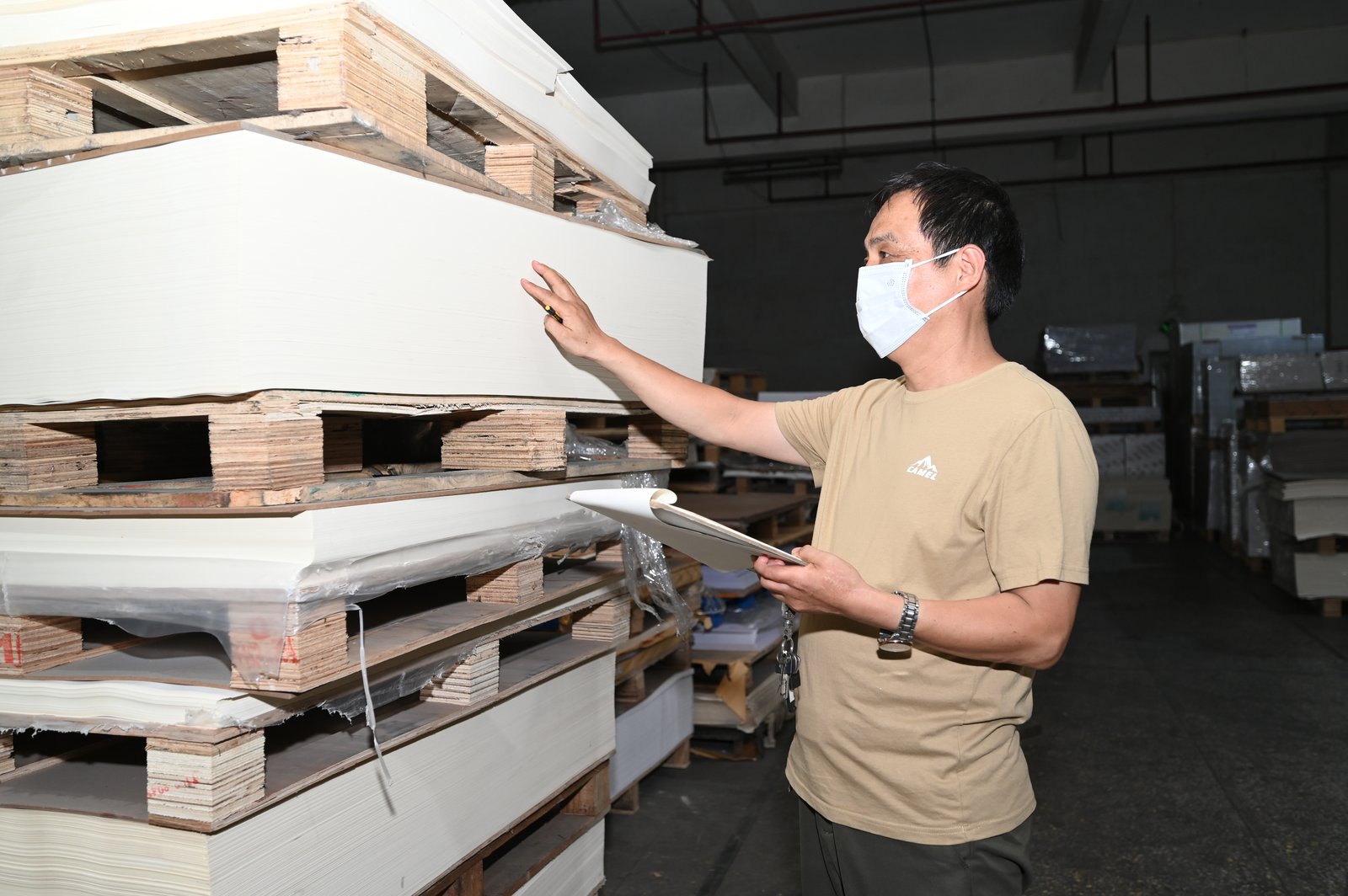
Magazine Paper Specs And A Sample Pack Quote
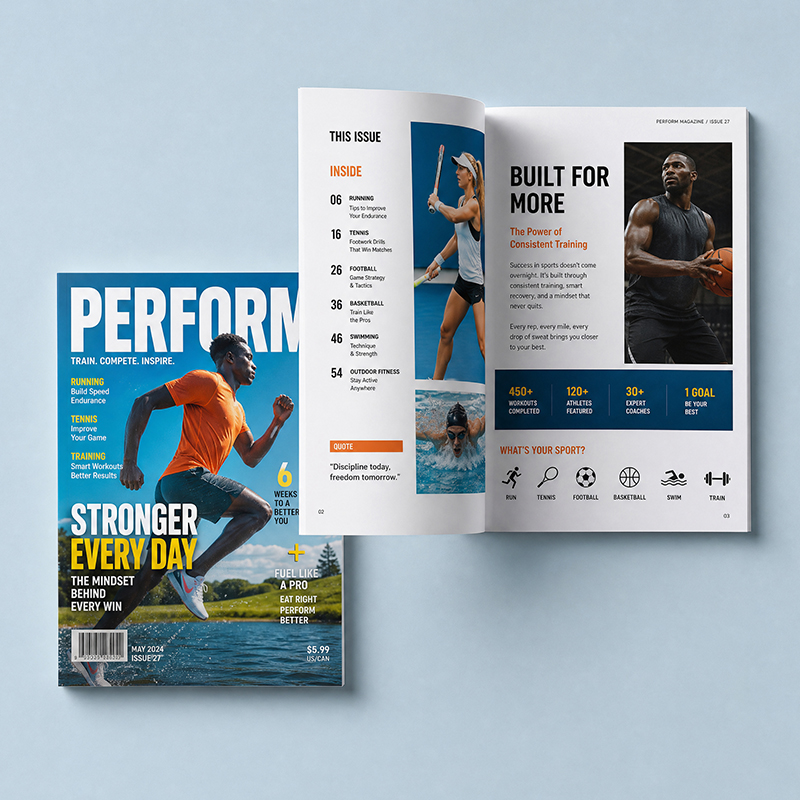
최종 생각
Paper is the spec readers touch first and judge longest. Fix the text stock to the content, size the cover one step past the obvious, and check both against the binding before you commit. Then confirm the whole combination on a printed sample rather than a screen.
Keep the thickness math, the page budget, and the press workflow on the pages that own them, and keep this one on choosing the paper. That separation is what makes a first print run predictable.
자주 묻는 질문
What paper should a magazine use?
For a first issue mixing text and photography, 105 또는 128 gsm coated inside with a 200 에게 250 gsm laminated cover is a safe pairing. It reads well in both modes, supports staple or perfect binding by page count, and keeps per copy cost manageable. A text first title can drop the interior to 80 gsm uncoated and let the cover carry the polish.
Is coated or uncoated better?
Match it to how readers consume the issue. Gloss coated maximizes contrast and punch for fashion, product, and interior photography, and it flatters color heavy newsstand display. Matte and uncoated read calmer and suit essay led or subscription titles. Many publishers split the difference with a matte body and gloss feature pages.
What weight should a cover be?
Most magazine covers run 200 에게 250 gsm coated. Small or casual formats can sit at 157 에게 200 gsm without lamination, while premium and gift editions move to 250 gsm with a soft touch or anti scratch film. Heavier than that needs scoring and a two sided film to keep the wrapper flat.
How do I stop show through?
Raise opacity before you raise weight. 다음에서 이동 80 에게 105 gsm coated usually clears visible show through on text pages, and a higher opacity uncoated grade can do the same without adding bulk. On feature pages, avoid placing full bleed dark images directly opposite light text.
Can I order paper samples first?
예, and choosing from physical swatches beats choosing from numbers on a spec sheet. A sample pack with common interior and cover stocks, coated and uncoated, can be arranged through the contact page. Send your trim size and page count so the band we mail matches the band we would quote.