

Textbooks serve a different reader than most books. A classroom set passes through thirty or more hands, rides in a bag daily, and stays on shelves for several terms. That usage changes what a procurement team should ask a printer. The question is not how the book looks. It is what survives a school year, and whether a reprint can match the first run.
This guide covers the spec decisions behind custom textbook printing. It separates format and grade band, binding durability, paper and color, workbook pairings, and the ordering cadence that tender purchases require. A textbook is, by definition, a standard instructional volume for a course of study, as the Wikipedia article on textbooks describes. 제본, 종이, and cost mechanics sit elsewhere on this site, so general printing topics link out instead of repeating.
What Makes Textbook Printing Different
Compared with trade books or marketing print, textbook programs face three pressures in every specification conversation.
Handling intensity. A primary-school reader lives in a backpack for months. Corners dog-ear, spines crease, and covers get wet. The structural choices come before the aesthetic ones. They decide whether the text block stays attached, whether the cover is laminated, and how heavy the interior stock runs.
Curriculum conformance. Textbooks print against a syllabus, not a style guide. Chapter order, page references, and exercise numbering must match what the adopting board approved. We print to the curriculum documents and local standards you supply, and we flag layout risk during imposition proofing. We do not certify compliance with any national curriculum; that verification belongs to the adopting authority and to your sample-approval round.
Batch consistency. School sets are rarely bought in one moment. An initial order ships for term one, and replenishment orders follow for later terms, sometimes from revised artwork. Ink density, 손질, and pagination must stay recognizable across those lots, which argues for keeping approved physical samples on file. Our custom textbook printing line is built around this first-run-plus-follow-on pattern.
손질, 체재, and Grade Bands
Format decisions in education follow the classroom, not the coffee table. What matters is how the book sits on a desk, how it fits a standard bag, and whether two students can share an open page.
Within the syllabus contexts we print most, some patterns recur. Lower-primary readers and activity titles tend toward A4 or a near-square trim, because large images and wide exercises read better at that shape. Core primary and secondary text-heavy books often land on A4 or B5 portrait, which balances line length against shelf and bag dimensions. Reference and atlas sets go larger and fully four-color, like our custom geography textbook run. None of this is a rule; the deciding inputs are the board’s format requirement, desk size, and whether the book must match an existing set.
The other format decision is the split. Many curricula work better as a thin core textbook plus a consumable workbook than as one thick all-in-one volume. The textbook must survive years of circulation, while the workbook is written in and discarded. When specifying a two-part set, decide early whether both parts share one binding grade. That choice drives cost more than most paper upgrades.

Binding Durability by Use Case
Binding choice for textbooks is a durability question. Three variables answer it: the age of the users, how many hands the book passes through, and how long the copy should live. The general mechanics of each method are in our book binding types guide. Here is the education-specific reading.
Light-Use Readers and Workbooks
Short readers, test booklets, and write-in workbooks are commonly saddle-stitched. Two to four staples through the fold keep thin blocks flat and cheap to produce. Saddle stitch runs to about 64 pages and needs a count in multiples of four, as our perfect binding vs saddle stitch reference sets out. In textbook programs this grade usually covers consumable material, the parts not built to survive the year.
Core Texts in Glued or Sewn Softcover
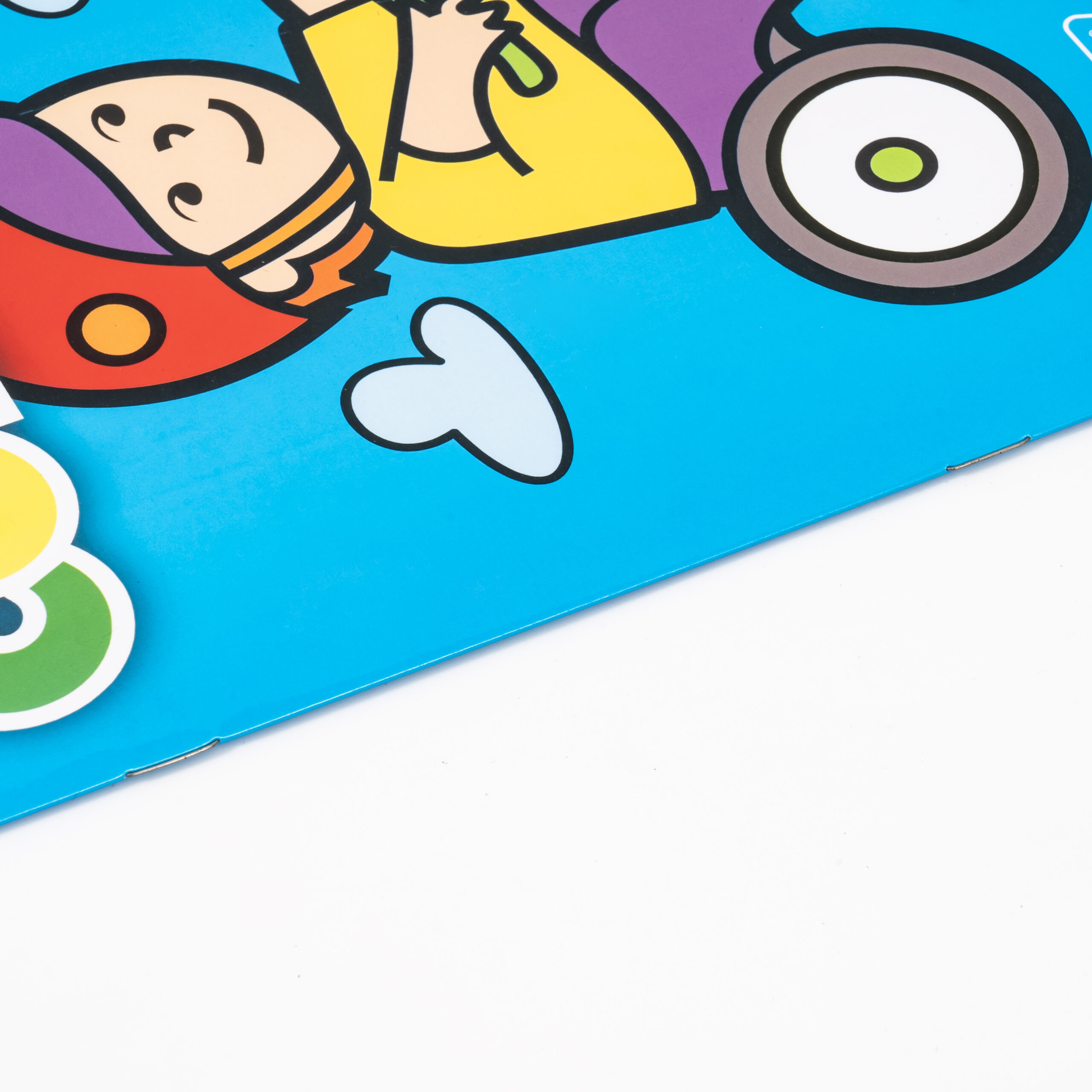
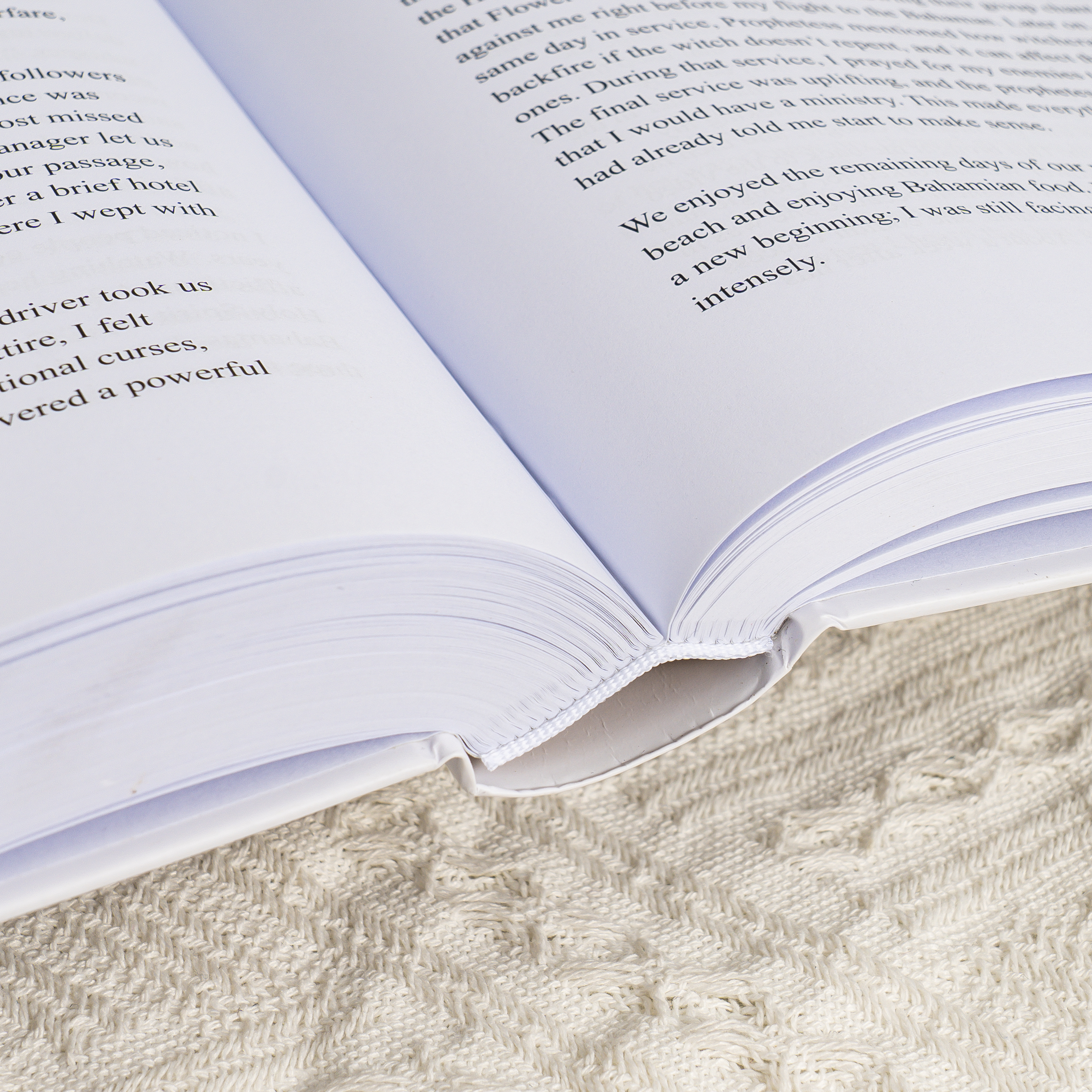
The mainstay of most curriculum sets is a softcover core text in the 96 에게 200 page band. 완벽한 바인딩, and increasingly PUR binding, handles this range well at classroom quantities. 봉제, or Smyth-sewn, softcover adds opening behavior and pull resistance when a book is re-read rather than re-bought. Where an open-flat promise matters for a workbook, the structural options are set out in our binding types guide.
High-Circulation and Young-Reader Titles
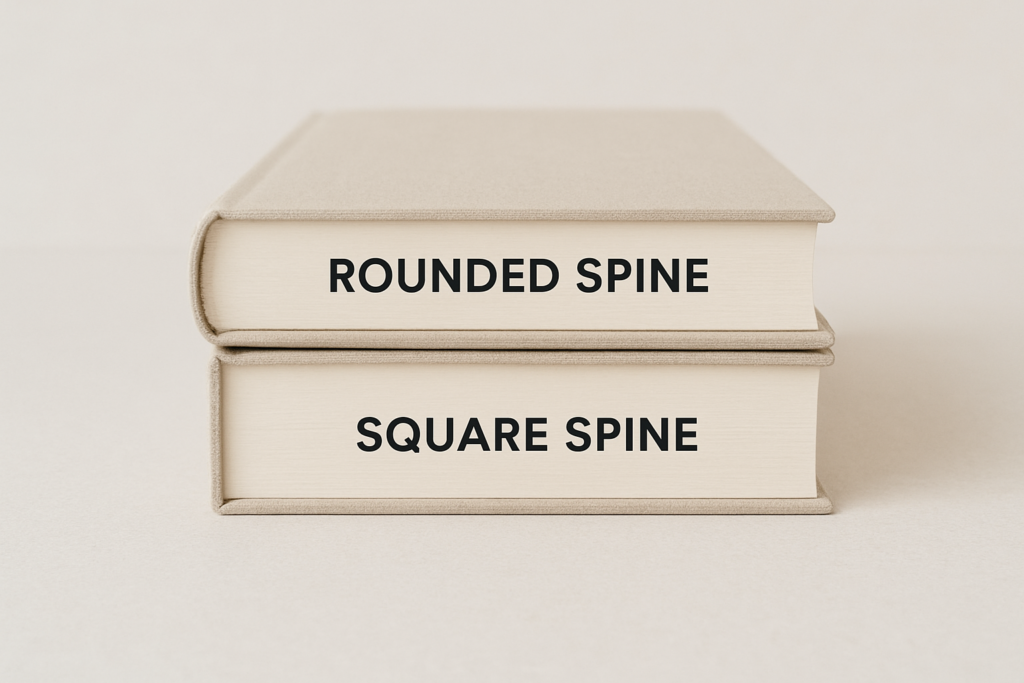
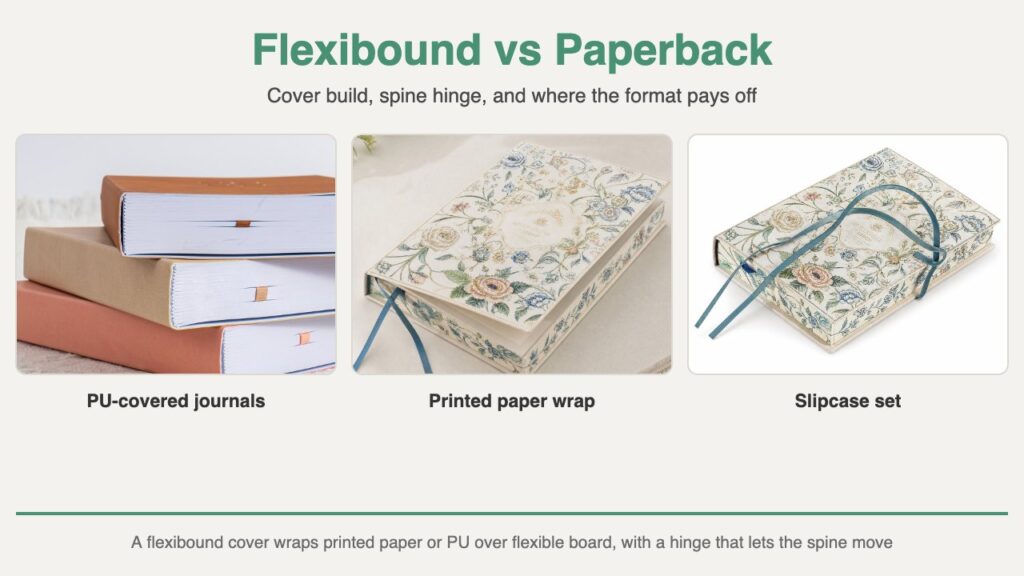
Books that go out daily to the youngest readers, or that a library circulates for years, are where casebound hardcover earns its unit price. A rigid cover protects corners through bag life. The text block attaches by sewing or board-locked methods rather than a glued spine alone. Our hardcover textbook line, including the custom hardcover language textbook, is where most of these requests start.

The table below summarizes the mapping we use in spec discussions. Treat every cell as a starting band, conditioned on materials and volumes confirmed at quote stage.
| Grade band | Daily handling | Typical structure | Cover guidance |
|---|---|---|---|
| Pre-primary / early primary | 매우 높음: daily bag travel, shared copies, 유출 | Casebound hardcover or thick board-style reader | |
| Primary core texts | 높은: multi-term circulation | Sewn softcover or PUR perfect binding, 96 에게 200 PP | |
| Lower secondary | 보통의: mostly shelf and desk use | Perfect or PUR softcover; saddle only for workbooks | |
| Workbooks and consumables | Write-in, fold-flat desk use | Saddle stitch or thin glued block | |
| Reference / atlas sets | Moderate but heavy books | Casebound hardcover, sewn block; gloss lam for map saturation |
Paper and Print Choices
Interior paper in textbooks balances opacity, weight in the bag, and writeability. For text-dominant interiors, uncoated woodfree in the 68 에게 80 gsm band is what we see most in curriculum runs. It is light enough for a 200-page book to stay carryable, with acceptable show-through for two-sided text.
Coated stock enters when the syllabus demands photographic or map fidelity. Full-color science and geography interiors typically move to 105 에게 157 gsm coated, which changes the weight profile and the block maths. The coatings and grain behavior behind these choices are explained once in our book paper guide.
Color strategy is the second decision, and it is per-book rather than per-program. Single-color or duotone interiors stay common for language and drill texts, where cost per copy across a cohort dominates. Four-color suits maps, 다이어그램, and early-literacy spreads. For the coated and uncoated weight logic applied page by page, our magazine paper guide carries the same GSM and caliper reasoning.
Covers carry the abrasion, so they are a structure-and-finish decision. 에이 250 gsm C1S cover laminated on the print side is the everyday pattern for circulating titles, and board-backed covers step up for hardcover. The finish itself, whether matte, 광택, 소프트 터치, or partial UV, is chosen for classroom visibility as much as looks. Each finish and how it wears is cataloged in our cover finishes article.
통합 문서, Insets, and Kit Pairings
Textbook orders rarely stay single-title. A typical curriculum kit pairs the core text with one or more companion pieces, and each companion pulls the spec in a different direction.
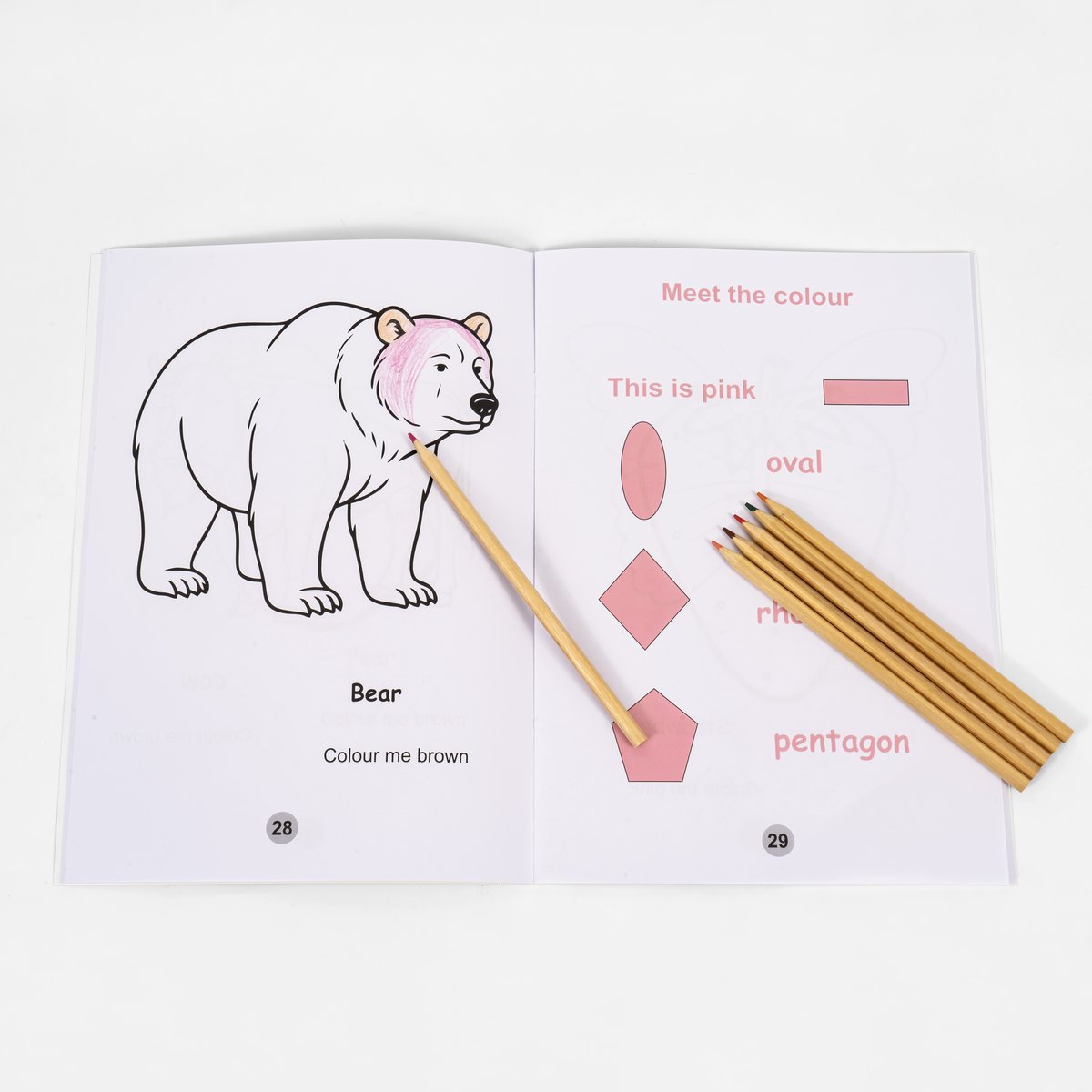
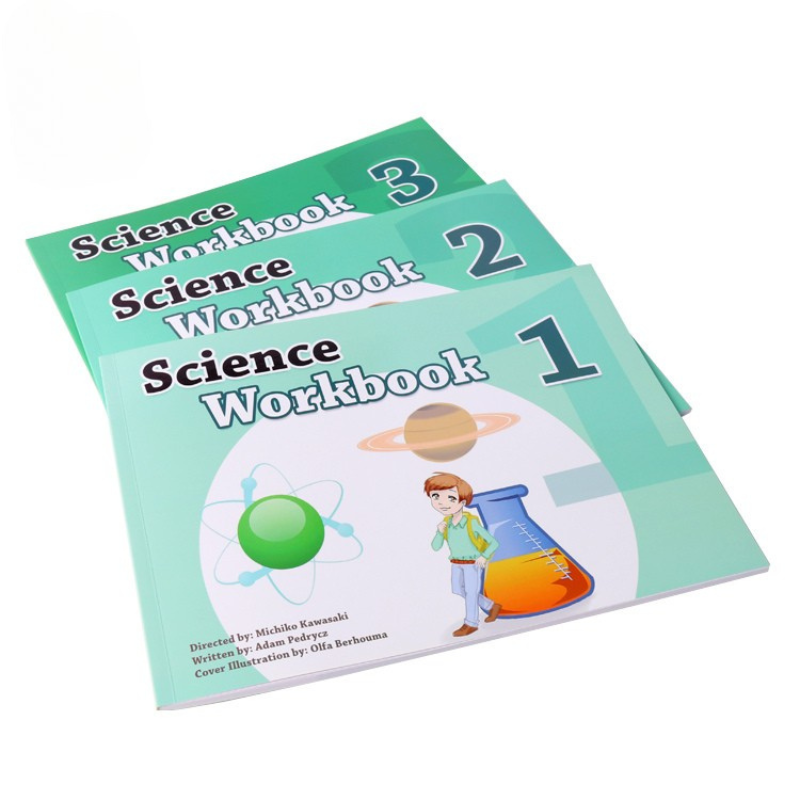
Write-in workbooks need paper that takes a pencil without bleedthrough, which is why they are specified apart from the reader they accompany. Our learn-to-write number textbooks list perforation and punching among their finishing options for exactly this reason. Tear-out or detachable practice pages add a perforation or scoring step. Flag them at artwork stage, because perforation placement interacts with imposition and with which margin stays usable after tearing.
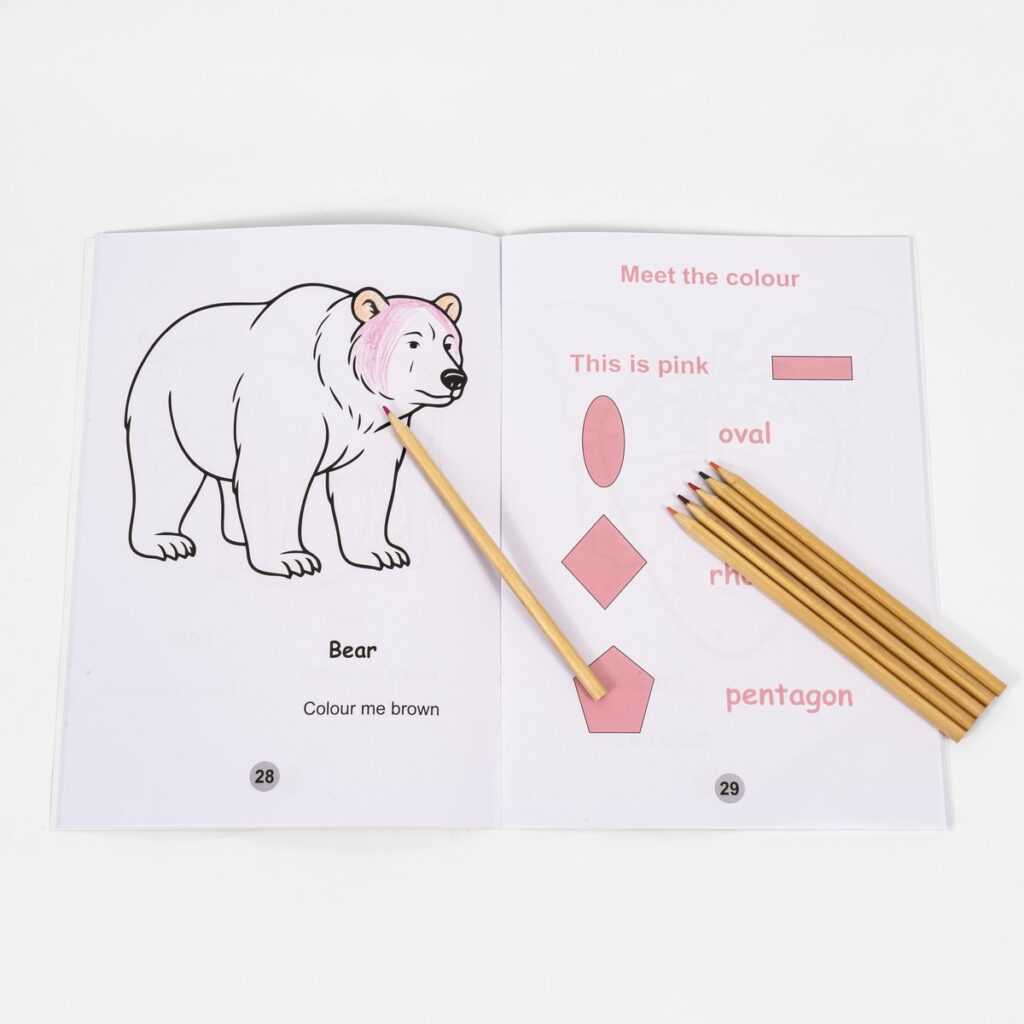
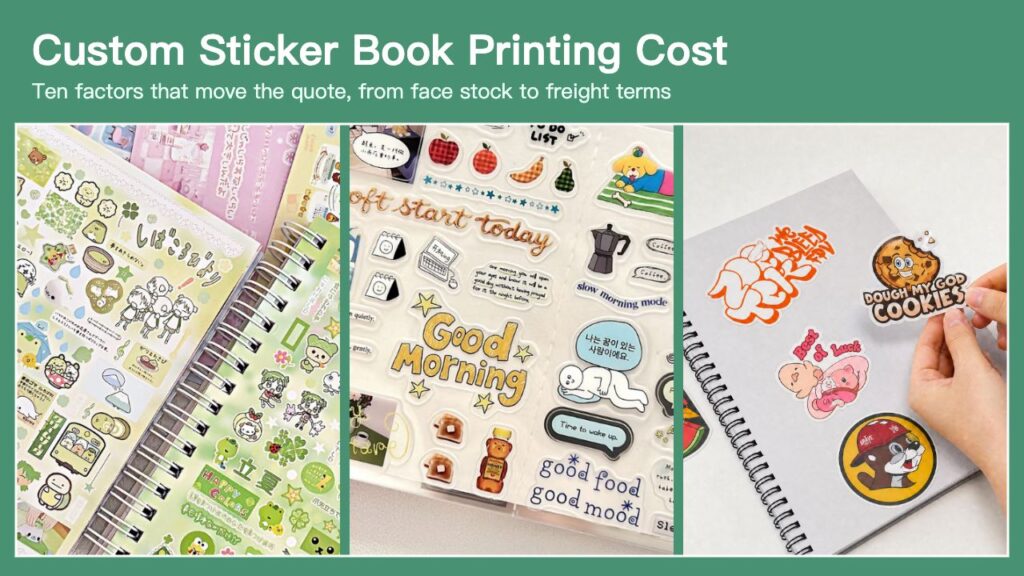
Activity components, such as sticker pages and cut-outs, are effectively their own product inside a kit. Where those pages stand alone in a school set, gather samples for them as a separate line. The activity-led profile sits in our activity book range, and the coloring-heavy case in our coloring book line.
The same logic applies to subject kits with hardware or card inserts. Our code and robotics course textbooks are one part of a delivered set. The packing plan must keep components together across split shipments.
Procurement Cadence and Tender Specs
Education purchasing runs on the school calendar, and the calendar punishes late decisions. For a term-start delivery the practical sequence is: artwork and pagination lock, then a physical sample or first-copy approval round, then bulk production, then shipment. Tender-driven government and board orders add evaluation time at both ends. Sample review by the curriculum authority comes before the award, and sign-off against the approved sample comes after production. Build the calendar backwards from those two checkpoints, not from the printing date alone.
Reprint discipline protects a multi-year series. Keep the approved physical sample and the paper lot references. A year later, matching the original color and cover hand is more reliable against a retained sample than against archived digital files. Where a tender needs components in tranches, books now and workbooks next term, say so early, because MOQ, stock reservation, and packing all behave differently for split fulfillment. Our shipping and delivery reference covers the consignment and port-side realities.
A worked example from our own production makes the pattern concrete. A Lagos publisher won a curriculum tender for twelve subjects and ordered 10,000 copies of each, 120,000 volumes in total. Each title ran A4, 210 by 297 mm, 와 68 gsm high-bulk uncoated interior, 에이 250 gsm C1S gloss-laminated cover, and long-edge dual-wire saddle stitching. The full spec and timeline are in the Nigeria curriculum textbook case study.
Textbook Specs And A Sample Pack Quote
최종 생각
Textbook printing rewards the buyer who specifies for service life rather than for maximum durability at every cost. Fix the binding to circulation, size the interior stock to the content, and lock the format to the desk and the bag. Then confirm the whole combination on a retained physical sample before the first bulk run.
Keep the reprint references, the page budget, and the term calendar on the same page. That discipline is what makes a multi-year series match itself, lot after lot.
자주 묻는 질문
Should a textbook be hardcover or softcover?
Decide from circulation, not preference. If the copy passes through many hands and lives multiple terms, such as early-primary titles, library stock, or language books reused yearly, a casebound hardcover is usually the cheaper outcome per year of service. If each cohort keeps a per-student core text only briefly, sewn or PUR softcover protects the budget, and saddle stitch covers consumable depths. Read the binding choice against the handling row in the durability table above.
What drives textbook printing cost?
용량, page count and block thickness, interior color strategy, cover structure and finish, and any added operations such as perforation or lamination. Those factors interact, so per-copy pricing only becomes meaningful once a spec and quantity band are fixed. We deliberately do not publish fixed prices here, because a price that ignores your paper choice and quantity would mislead a tender.
Can you print to a revised curriculum edition?
예, on the production side. We print against the curriculum documents, standards references, and pagination requirements the purchasing party provides, including revised editions of previously printed titles. Conformance to a specific national standard or board certification is verified by your authority during the sample-approval round, so write that division of responsibility into the tender.
How many copies does a textbook run need?
The order floor is 200 제목당 사본. Curriculum tenders usually run far higher, in the thousands per subject across a full set, because per-copy cost falls with volume. Where a tender needs tranches, say books now and workbooks next term, raise it early, since stock reservation and packing differ for split fulfillment.
Can orders carry origin or anti-counterfeit marks?
Traceability and customs requirements, such as origin marking on cartons or labelling that must clear import inspection, are production-side details with their own rules. Raise them at the quote stage rather than at packing, so the printing and finishing plan can build them in.