

Sportprogramme spielen bei jeder Sportveranstaltung eine wichtige Rolle. Von lokalen Schulwettbewerben bis hin zu globalen Turnieren wie dem FIFA-Weltmeisterschaft und die Olympischen Spiele, Sie versorgen die Fans mit wichtigen Informationen über die Teams, Spieler, Veranstaltungsort, und das Spiel selbst. Nicht nur das, aber sie dienen als Andenken, um die Erinnerung an das Ereignis noch viele Jahre lang zu bewahren.
Ob Sie ein Eventveranstalter sind, Trainer, oder Sportdirektor, Es ist wichtig zu verstehen, wie man ein professionelles Sportprogramm erstellt, Zumal die Erwartungen an Qualität und Markenbildung in der heutigen Leistungssportbranche immer weiter steigen.
In diesem Leitfaden, Wir werden die Kernkomponenten von a durchgehen Sportprogramm, Verfügbare Bindungs- und Papieroptionen, und praktische Drucktipps, die Ihnen helfen, pünktlich und innerhalb des Budgets ein perfektes Ergebnis zu erzielen.
Was ist ein Sportprogramm??
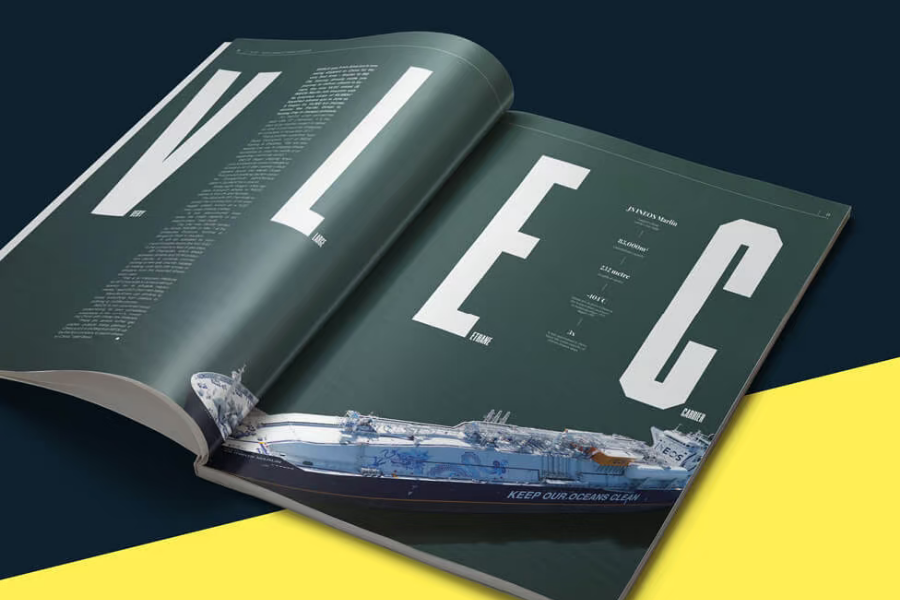
Ein Sportprogramm ist eine gedruckte Broschüre, die bei Live-Sportveranstaltungen verteilt wird, Die Bandbreite reicht von Jugendfußballturnieren über High-School-Meisterschaften bis hin zu Minor-League-Spielen. Mit dem anhaltenden Wachstum des Frauensports in Nordamerika und Europa, Die Teilnahme an professionellen Ligen und NCAA-Turnieren hat Rekordwerte erreicht. Dieser Anstieg führt zu einer erhöhten Nachfrage nach gedruckten Programmen bei diesen Veranstaltungen. Immer mehr Veranstalter erkennen, dass Fans greifbare Andenken wünschen – nicht nur digitale Inhalte.
Im Kern, Ein gut produziertes Sportprogramm beantwortet drei Schlüsselfragen für den Teilnehmer:
- Wer spielt?? (Dienstpläne, Spieler-BIOS, Trainerstab)
- Was passiert? (Zeitpläne, Rangliste, Veranstaltungslayout)
- Wer unterstützt die Veranstaltung?? (Anerkennung als Sponsor)
Über diese praktischen Funktionen hinaus, Ein hochwertiges Programm dient auch als Erinnerung. Es fängt einen bestimmten Moment in der Zeit ein – eine Jahreszeit, eine Meisterschaft, oder ein denkwürdiges Matchup, das es den Fans ermöglicht, es Jahre später noch einmal zu erleben.
Was Sie in ein Sportprogramm einbeziehen sollten?
Ein komplettes Sportprogramm sollte eine Balance zwischen wichtigen Informationen und ansprechenden Inhalten bieten. Das Fehlen wichtiger Abschnitte kann dazu führen, dass das Programm unvollständig oder unprofessionell wirkt.
Kernabschnitte
| Abschnitt | Zweck |
| Willkommensnachricht | Eine Notiz des Ligapräsidenten, Turnierdirektor, oder Cheftrainer |
| Veranstaltungsplan | Übersichtliche Auflistung der Spielzeiten, Standorte, und Abteilungen |
| Mannschaftsaufstellungen | Spielernamen, Trikotnummern, und Positionen |
| Trainerstab | Kurzbiografien oder Anerkennung von Trainern und Betreuern |
| Sponsorenverzeichnis | Bezahlte Werbung und Spenderanerkennung |
| Karte des Veranstaltungsortes | Zugeständnisse, Toiletten, Erste Hilfe, und Warenstandorte |
| Ligaplatzierung | Relevant für Playoffs, Turniere, oder Veranstaltungen zum Saisonende |
Optionale Inhaltsideen für Sportprogramme
Das Einbinden zusätzlicher Inhalte kann den Wert und das Engagement Ihres Sportprogramms erheblich steigern:
- Spieler im Rampenlicht – Die Präsentation eines oder mehrerer Athleten trägt dazu bei, eine stärkere emotionale Bindung zu den Fans aufzubauen, Familien, und Unterstützer.
- Saisonstatistiken – Ideal für Wettkampfligen, dem Programm Tiefe und Glaubwürdigkeit verleihen.
- Fotocollage – Eine kostengünstige Möglichkeit, die emotionale Wirkung zu steigern, insbesondere für Saisonabschluss- oder Gedenkausgaben.
- Notizenseite – Eine einfache leere Seite ermöglicht es den Fans, Spielstände aufzuzeichnen, Schlüsselmomente, oder persönliche Highlights während der Veranstaltung.
Tipp: Fügen Sie hinten immer eine Seite mit Notizen hinzu. Es verwandelt das Programm von einem passiven Lesestück in ein interaktives Tool, das Fans aktiv nutzen und behalten.
Arten von Sportprogrammbroschüren
Nicht jede Veranstaltung erfordert das gleiche Format. Die Art des von Ihnen gewählten Sportprogramms sollte die Skala widerspiegeln, Budget, und Gesamtpositionierung Ihrer Veranstaltung.
Für kleinere oder routinemäßige Spiele, Einfache Broschüren mit Sattelheftung sind oft die praktischste und kostengünstigste Option. Jedoch, wenn die Veranstaltung an Größe und Ansehen zunimmt, Auch die Erwartungen an die Präsentation steigen.
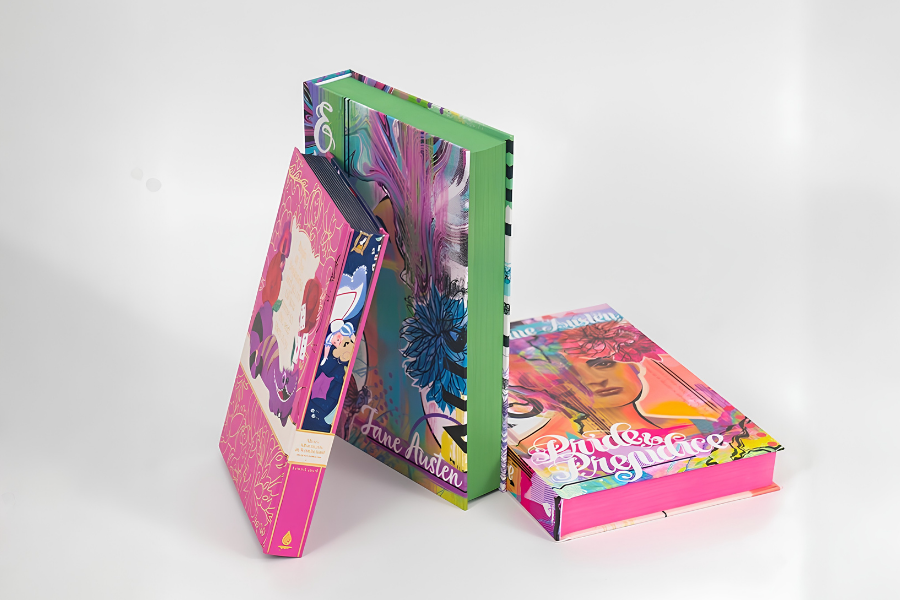
Für Veranstaltungen auf Meisterschaftsniveau, Viele Veranstalter tendieren zu klebegebundenen Programmen mit glänzendem Einband. Dieses Format bietet nicht nur Platz für mehr Inhalte, sondern sorgt auch für ein hochwertigeres Erscheinungsbild. Das Ergebnis ähnelt eher einem Gedenkbuch als einem Standardheft. Aufgrund dieses Mehrwerts, Teams und Organisatoren bestellen häufig zusätzliche Exemplare, um sie an Sponsoren zu verteilen, Partner, und VIP-Gäste als hochwertige Andenken oder Dankeschön-Geschenke.
| Format | Bestens geeignet für | Seitenbereich |
| Einzelblatt (gefaltet) | Freizeitspiele, Versuche, kleine lokale Veranstaltungen | 1–2 Seiten |
| Geheftetes Heft | Wöchentliche Ligaspiele, Schulspiele, Vereinsveranstaltungen | 8–20 Seiten |
| Broschüre mit Klebebindung | Meisterschaften, All-Star-Spiele, Gedenkturniere | 40–100+ Seiten |
| Broschüre mit Spiralbindung | Mehrtägige Veranstaltungen, Stat-lastige Programme (Schiene, Baden, Golf) | 24–80 Seiten |
Bindungsmöglichkeiten für Sportprogramme
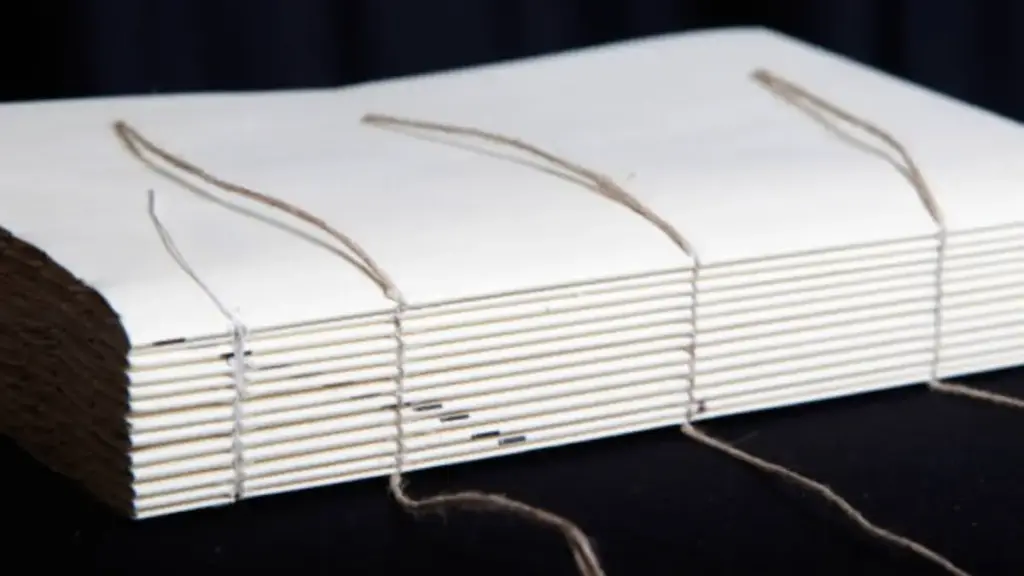
Die Bindung spielt eine entscheidende Rolle für die Gesamtqualität und Benutzerfreundlichkeit eines Sportprogramms. Es wirkt sich nicht nur direkt auf die Kosten aus, sondern auch die Haltbarkeit, Seitenkapazität, und wie das Programm von den Fans während der Veranstaltung gehandhabt wird.
Für unterschiedliche Arten von Veranstaltungen eignen sich unterschiedliche Bindungsmethoden. Zum Beispiel, Leichte Formate sind ideal für den kurzfristigen Einsatz und knappe Budgets, Während robustere Optionen besser für hochkarätige Veranstaltungen geeignet sind, bei denen Präsentation und Langlebigkeit wichtig sind.
Sattelgenähte (entlang der Wirbelsäule geheftet)
- Kosten: Niedrig
- Am besten für: 8–48 Seiten
- Vorteile: Schnelle Abwicklung, wirtschaftlich, liegt einigermaßen flach
- Einschränkungen: Weniger haltbar bei starker Beanspruchung; Seiten können mit der Zeit ausreißen
- Urteil: Eine zuverlässige Wahl für wöchentliche oder monatliche Programme
Perfekte Bindung (geklebter Rücken)
- Kosten: Mäßig bis hoch
- Am besten für: 50–150+ Seiten
- Vorteile: Professioneller Auftritt, dauerhaft, Der Rücken kann den Titel oder das Sponsorenlogo anzeigen
- Einschränkungen: Liegt nicht flach; längere Produktionszeit
- Urteil: Ideal für Meisterschaftsprogramme oder Andenken zum Saisonende
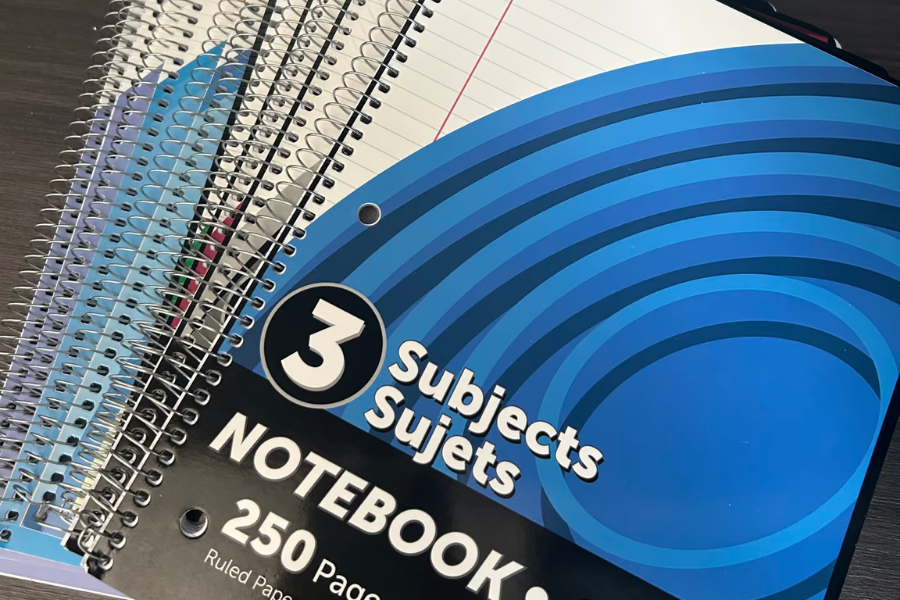
Spiral- oder Wire-O-Bindung
- Kosten: Mäßig
- Am besten für: 24–80 Seiten, vor allem dort, wo Fans häufig schreiben oder umblättern müssen
- Vorteile: Liegt völlig flach, ermöglicht das Zurückklappen, in wetterbeständiger Ausführung erhältlich
- Einschränkungen: Spulen können sich beim Transport oder in Beuteln verbiegen
- Urteil: Gut geeignet für mehrtägige Turniere
Spulenbindung aus Kunststoff
- Kosten: Mäßig
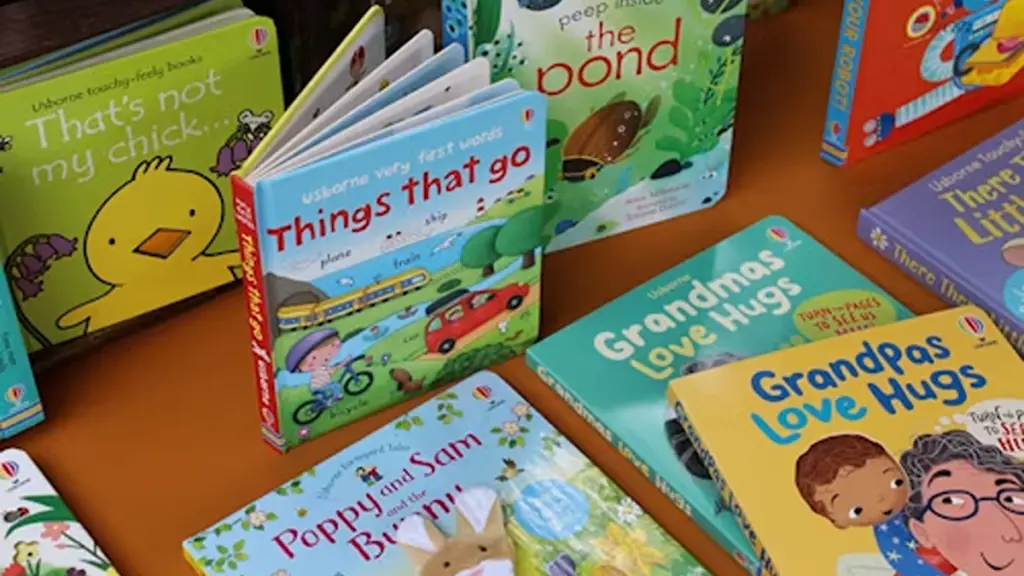
- Am besten für: Jugendsportprogramme
- Vorteile: Flexibel, dauerhaft, in mehreren Farben erhältlich
- Einschränkungen: Sperriger zum Stapeln und Lagern
- Urteil: Eine unterschätzte Option für Programme für Kinder und Familien
Papier- und Druckoptionen für Sportprogramme
Die Papierauswahl hat einen direkten Einfluss darauf, wie Ihr Programm wahrgenommen wird – sowohl von Fans als auch von Sponsoren. In vielen Fällen, Das Cover ist das erste, was den Leuten auffällt, Daher ist die Wahl des richtigen Materials genauso wichtig wie das Design selbst.
Optionen für Deckblattpapier
- 80# Glanzabdeckung – Dies ist eine der am häufigsten verwendeten Optionen für Sportprogramme. Das Glatte, Die glänzende Oberfläche lässt die Farben lebendiger wirken, Dies ist besonders wichtig für Sponsorenlogos und Werbung. Wenn Ihr Programm viele Anzeigen enthält, Dies ist normalerweise die sicherste Wahl.
- 100# unbeschichteter Einband – Im Vergleich zu Glanz, Ungestrichenes Papier fühlt sich natürlicher und weicher an, mattes Aussehen. Wir haben gesehen, dass viele Kunden dies für Premium-Events gewählt haben, bei denen sie einen raffinierteren Look wünschen, oder wenn sie ein umweltfreundlicheres Image anstreben.
- Synthetik / Tyvek® – Das ist eine ganz andere Kategorie. Es ist wasserbeständig, reißfest, und viel haltbarer als Standardpapier. Für Outdoor-Events, Dies ist häufig die Option, zu der Kunden wechseln, nachdem sie in der Vergangenheit Probleme mit Normalpapier hatten.
Optionen für Innenpapier
Innenpapier spielt sowohl für die Lesbarkeit als auch für das allgemeine Benutzererlebnis eine Schlüsselrolle. Die richtige Wahl hängt davon ab, wie Ihr Programm verwendet wird, ob es auf das Budget ausgerichtet ist, Platz zum Schreiben, oder visuelle Wirkung.
- 50# ungestrichener Offsetdruck – Eine praktische Wahl für preisbewusste Programme, vor allem, wenn die Seitenzahl hoch ist. Es hält die Druckkosten unter Kontrolle und bietet dennoch eine akzeptable Lesbarkeit für textlastige Inhalte.
- 70# ungestrichener Text – Eine ausgewogene Option, für die sich viele Kunden letztendlich entscheiden. Es bietet ein besseres Handgefühl als leichtere Schäfte, reduziert die Blendung unter der Stadionbeleuchtung, und eignet sich gut, wenn Sie erwarten, dass die Fans während des Spiels Notizen oder Spielstände schreiben.
- 80# Glanztext – Am besten geeignet für fotolastige Programme. Die beschichtete Oberfläche verstärkt Farbe und Kontrast, Dadurch wirken Actionaufnahmen und Sponsorenseiten lebendiger. Dies wird häufig bei Programmen bevorzugt, bei denen die visuelle Darstellung wichtiger ist als die Schreibfunktionalität.
Digital vs. Offsetdruck
Die Wahl zwischen Digital- und Offsetdruck hängt maßgeblich von Ihrer Stückzahl ab, Zeitleiste, und Budget. Jede Methode hat ihre eigenen Stärken, Und die Auswahl des richtigen Anbieters kann Ihnen helfen, unnötige Kosten oder Verzögerungen zu vermeiden.
- Digitaldruck – Bestens geeignet für kurze Läufe, typischerweise zwischen 200 Und 500 Kopien. Es bietet eine schnelle Abwicklung, in der Regel innerhalb von 7–10 Werktagen, Dies macht es zu einer guten Option für Last-Minute-Events oder kleinere Programme. Da keine Einrichtungskosten anfallen, es ist flexibler für geringe Mengen, obwohl der Stückpreis tendenziell höher ist.
- Offsetdruck – Kostengünstiger bei größeren Mengen, normalerweise ab 500 Kopien und höher. Während die Produktionszeit länger ist (ca. 10–15 Werktage), Mit steigendem Volumen sinken die Stückkosten deutlich. Für die Ersteinrichtung fallen Kosten an, aber für Großveranstaltungen, Dies wird schnell durch die Ersparnis bei jedem Exemplar ausgeglichen.
Unserer Erfahrung nach, Viele Kunden beginnen mit dem Digitaldruck für kleinere oder Probeveranstaltungen, Wechseln Sie dann zum Offsetdruck, wenn Ihr Programm wächst. Wenn Ihre Veranstaltung bestätigt ist und die Mengen stabil sind, Der Offsetdruck ist in der Regel die wirtschaftlichere Wahl. Auf der anderen Seite, wenn Sie mit engen Fristen oder unsicheren Mengen arbeiten, Der Digitaldruck bietet Ihnen mehr Flexibilität.
Tipps zum Drucken von Sportprogrammen
Dies sind einige der häufigsten Probleme, die wir während der Produktion sehen. Wenn Sie sie frühzeitig ansprechen, können Sie Zeit sparen, Kosten senken, und vermeiden Sie Last-Minute-Stress vor Ihrer Veranstaltung.
1. Beachten Sie die endgültige Einreichungsfrist
Das Timing ist oft enger als erwartet. Wenn Ihre Veranstaltung an einem Samstag stattfindet, Am besten reichen Sie Ihr endgültiges druckfertiges PDF bis spätestens Dienstag ein. In Wirklichkeit, Dateien erfordern oft kleine Korrekturen – fehlende Schriftarten, Probleme mit der Bildauflösung, oder Layoutanpassungen. Druckpläne werden auch in Warteschlangen ausgeführt, nicht sofort. Aus unserer Erfahrung, Der Einbau eines Puffers von mindestens zwei Tagen kann einen großen Unterschied machen und unnötige Eilgebühren oder Verzögerungen verhindern.
2. Bestellen Sie zusätzliche Exemplare
Es kommt häufig vor, dass Kunden die Anzahl der tatsächlich benötigten Kopien unterschätzen. Sponsoren können zusätzliche Exemplare anfordern, und Teammitglieder oder Mitarbeiter verlieren ihre während der Veranstaltung oft.
Eine einfache Lösung besteht darin, 10–15 % zu Ihrer geplanten Menge hinzuzufügen. Der Kostenanstieg ist relativ gering, Aber es kann unangenehme Situationen verhindern und sicherstellen, dass jeder, der eine Kopie benötigt, eine bekommt.
3. Design mit Beschnittzugabe und Sicherheitsabständen
Druckdateien müssen etwas größer als die Endgröße vorbereitet werden, um saubere Kanten nach dem Zuschneiden zu gewährleisten.
- Beschnittzugabe – Hintergrundelemente sollten etwa über eine Länge reichen 0.125 Zentimeter über die Trimmlinie hinaus. Dies verhindert unerwünschte weiße Ränder nach dem Schneiden.
- Sicherheitsspielraum – Behalten Sie mindestens alle wichtigen Texte und Logos bei 0.25 Zoll innerhalb der Trimmlinie, um ein versehentliches Trimmen zu vermeiden.
Wir haben viele Projekte gesehen, bei denen fehlender Anschnitt zu dünnen weißen Linien an den Rändern jeder Seite führte. Es ist ein kleines Detail, aber es kann dazu führen, dass das gesamte Programm unprofessionell aussieht.
Dies ist ein klarer Rahmen für ein Sportprogramm. Der nächste Schritt besteht darin, es in Produktion zu bringen und sicherzustellen, dass von der Datei bis zur Lieferung alles reibungslos läuft.
Und Xini, wir haben über produziert 1,200 Sportprogramme in der Vergangenheit 18 Monate, Unterstützung von Kunden in ganz Nordamerika und Europa – von Jugendligen und Schulmeisterschaften bis hin zu großen regionalen Turnieren. Diese praktische Erfahrung ermöglicht es uns, häufige Herausforderungen vorherzusehen und unseren Kunden dabei zu helfen, Verzögerungen zu vermeiden, Nachdrucke, oder unnötige Kosten.
FAQ zum Drucken von Sportprogrammen
Ja. Dies wird als Versionierung bezeichnet. Wir machen das regelmäßig bei Turnieren, bei denen Day 1 und Tag 2 haben unterschiedliche Matchups. Es fällt eine zusätzliche Einrichtungsgebühr an, Das Ergebnis ist jedoch ein maßgeschneidertes Programm für jede Sitzung.
Fordern Sie Vektordateien an (KI, EPS, oder PDF) von Ihren Sponsoren. Von Websites abgerufene JPEGs mit niedriger Auflösung werden verschwommen gedruckt. Die Zufriedenheit der Sponsoren hängt von der Sauberkeit ab, Scharfe Logos.
Unser MOQ ist 200 Stk, Dies ermöglicht es uns, die Qualität hoch und den Preis wettbewerbsfähig und für die Massenproduktion geeignet zu halten.
Ja, Sportprogramme sind vollständig anpassbar. Sie können aus verschiedenen Papiersorten wählen, Bindungsstile, und endet je nach Ihren Veranstaltungsanforderungen und Ihrem Budget. Zum Beispiel, Der Sattelstich wird häufig für Standardspiele verwendet, Für Meisterschafts- oder Gedenkveranstaltungen werden häufig Klebebindungen oder Hardcover-Optionen gewählt.
Die Bearbeitungszeit hängt von der Druckmethode und der Bestellmenge ab. Der Digitaldruck dauert in der Regel etwa 7–10 Werktage, während der Offsetdruck etwa 10–15 Werktage dauert.