


Although the terms brochure and booklet are often used interchangeably in everyday conversation, they serve very different purposes in the worlds of marketing and design. If you’re considering creating promotional materials for your products or services, understanding these differences is essential. In this article, we’ll break down the distinctions and provide examples to help you decide whether a brochure or a booklet is the right fit for your specific goals.
What is a Booklet?
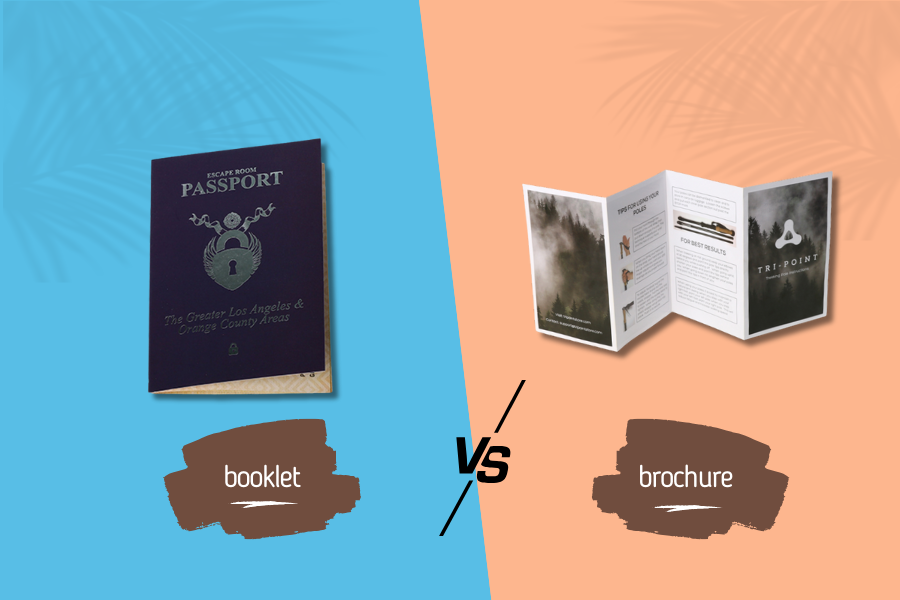
A booklet is a small multi-page publication, most commonly bound with saddle stitching. Unlike a single-page flyer or folded brochure, a booklet provides more space to organize and present detailed information. You’ll often see booklets included in electronic product packaging as user manuals, distributed in schools as study materials, or handed out at business events as informational guides. Because of its multi-page format, a booklet allows you to cover topics in greater depth, making it an ideal choice when your goal is to explain instructions, showcase a product line, or communicate complex information in a clear and structured way.
What is a brochure?
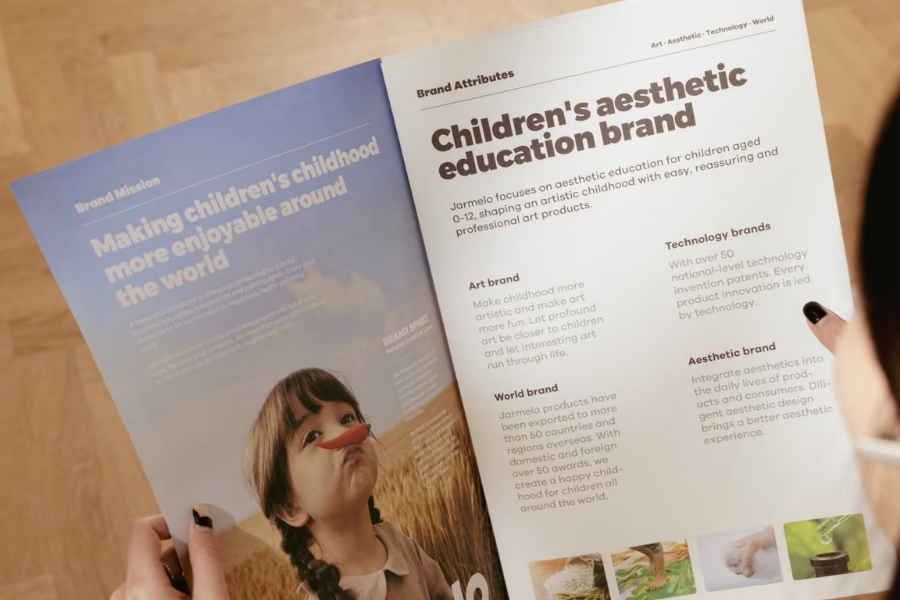
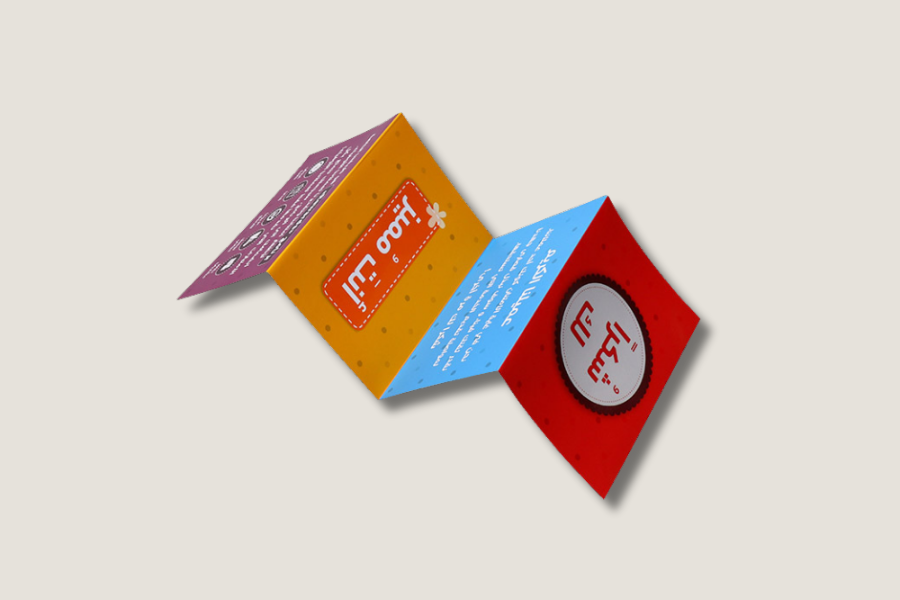
A brochure is typically a single sheet of paper that is folded into sections, such as bi-folds, tri-folds, or Z-folds, to present information in a compact and eye-catching way. Unlike a booklet, a brochure is designed to be quick to read and easy to distribute, making it perfect for marketing campaigns, product introductions, or event promotions. You’ll often find brochures used by restaurants to showcase menus, by travel agencies to highlight destinations, or by businesses to promote services at trade shows. Because they are lightweight and cost-effective, brochures are best suited for situations where you want to make a strong first impression and communicate key highlights without overwhelming the reader.
Key Differences Between Booklets and Brochures
| Feature | Booklet | Brochure |
|---|---|---|
| Format | Multi-page, usually saddle-stitched or perfect bound | Single sheet, folded into bi-fold, tri-fold, or Z-fold |
| Content Depth | Suitable for detailed information, instructions, product catalogs | Focused on highlights, promotions, and quick overviews |
| Common Uses | User manuals, school materials, business event handouts, annual guides | Menus, travel guides, marketing campaigns, service introductions |
| Durability | More durable, designed to be kept and referenced over time | Lightweight, often short-term use |
| Page Count | Typically 8+ pages | Usually 1–2 folded sheets |
| Cost | Higher printing cost due to multiple pages and binding | More economical for mass distribution |
| Best For | Explaining detailed information, showcasing product lines | Making a strong first impression, promoting key offers |
How to Choose Printing and Customization Options?
When it comes to printing, both booklets and brochures can be customized to match your brand identity, but the process and paper choices are slightly different.
Booklets
- Paper Choice: Because booklets are multi-page, the most common option is a heavier cover stock (e.g., 200–300gsm) combined with lighter inner pages (e.g., 80–120gsm). This creates durability while keeping the booklet easy to flip through.
- Printing Process: Booklets are usually printed in full color (CMYK) on offset or digital presses. After printing, the pages are collated and bound using methods like saddle stitching (for shorter booklets) or perfect binding (for thicker, more premium editions).
- Finishing Options: Matte or gloss lamination, spot UV, or embossing can be added to the cover for a more professional look.
Brochures
- Paper Choice: Since brochures are single-sheet and folded, they are typically printed on thicker, high-quality stock (e.g., 130–200gsm) to prevent tearing or creasing. Gloss-coated or matte-coated papers are popular to enhance visual impact.
- Printing Process: Brochures are usually printed in one run, then folded into formats such as bi-fold, tri-fold, or Z-fold. Digital printing works well for small batches, while offset printing is more economical for bulk orders.
- Finishing Options: UV coating, aqueous coating, or spot finishes can be applied to make colors more vibrant and protect against smudges.
Conclusion
Brochures and booklets may look similar at first glance. But their roles in marketing and communication are quite different. Brochures are often found in high-traffic places such as trade shows, sales counters, hotels, or tourist centers, where people can pick them up freely—or they may be mailed directly to targeted potential customers. Booklets, on the other hand, are usually distributed in more specific settings like schools, churches, or clinics. They can also be requested (such as annual reports) or included with products as user manuals.
If you’re still unsure which format best suits your project, contact us. As a professional printing partner, we can guide you through the options and help you create materials that perfectly match your goals.