

The global book printing market continues to demonstrate remarkable resilience. In an era dominated by digital media, printed books remain a thriving industry. The global consumer book publishing market is anticipated to grow at a CAGR of 3.8% during 2026–2034, with print books representing the largest share of the market by format in 2025. Meanwhile, the global books market reached approximately USD 138.08 миллиард в 2025, and the book publishing market size was estimated at USD 85.35 миллиард в 2025, expected to reach USD 127.16 миллиард на 2032 at a CAGR of 5.86%.
For B2B buyers — publishers, book manufacturers, brand owners, and corporate procurement teams — every book printing project is a balancing act between quality, расходы, and production efficiency. Among all variables, paper selection is arguably the most consequential decision you will make. This guide breaks down six critical paper specifications that directly influence your book‘s final cost, качество печати, and long-term durability.
Paper Base Material
The raw material composition of your paper determines everything from print quality to archival lifespan. While traditional wood pulp remains the dominant choice, alternative fibers are gaining traction in specialty applications.
Wood Pulp – The Industry Standard
Wood-based pulp dominates the pulp and paper market due to high-quality fiber availability and strong industrial demand. The global base paper market is anticipated to expand from USD 4.5 миллиард в 2024 to USD 7.8 миллиард на 2034, growing at a CAGR of approximately 5.7%, with printing paper accounting for 30% of this market. For most commercial book printing projects, wood pulp offers an optimal balance of cost, непрозрачность, and printability.
Cotton and Alternative Fibers – Premium Applications
For high-value books requiring archival quality or a distinctive tactile experience, cotton-based papers offer exceptional durability. Cotton paper resists yellowing and degradation over time, making it ideal for high-value prints, official documents, and artistic works. Legal documents typically contain 25% cotton, while fine art papers may use 50% или 100% cotton. Papers made from cotton, hemp, бамбук, or sugarcane fiber can create unique textures and improve durability, but they come at a premium cost.
For standard trade books, Учебники, and mass-market publications, 100% wood pulp paper offers the most cost-effective solution. For luxury art books, corporate annual reports, or limited editions where longevity and tactile quality matter, consider cotton-blend or specialty fiber papers. The key is matching material investment to the book‘s market positioning.
Sheet Size
Paper sheet size is one of the most overlooked yet powerful levers for cost control in book printing. The relationship between sheet dimensions, размер обрезки, and waste is direct and measurable.
Standard Sheet Sizes in the Industry
Artistic and specialty papers for book printing are typically manufactured in fixed widths: 787mm × 1092mm (regular size) and 889mm × 1194mm (large size). These base sizes dominate industrial-scale production due to their compatibility with automated cutting systems. Unlike commodity offset papers that offer more flexible sizing, these fixed dimensions require careful layout planning.
The Cost Impact of Sheet Optimization
Choosing the right trim size relative to your paper‘s parent sheet can dramatically reduce waste and production costs. The most cost-efficient trim sizes include 5.5″ × 8.5″, 8.5″ × 11″, 148 × 210 мм (A5), 210 × 297 мм (A4), 130 × 185 мм, и 185 × 260 мм. By optimizing your book trim size to fit these standard sheets, you can minimize waste — and waste reduction translates directly to lower material costs.
Real-World Example:
Using 787 × 1092 mm paper, you can usually fit 6 book covers on one sheet. If you switch to 889 × 1194 mm paper, you can fit 8 covers per sheet instead. That means more output per sheet, fewer plates needed, and lower printing costs—often saving hundreds or even thousands of dollars per print run.
Always consult with your printer about sheet optimization before finalizing trim dimensions. Even a 1-inch reduction in trim size can significantly improve sheet utilization and lower per-unit costs.
Color Matching
For branded publications, multi-volume series, or books requiring reprints, batch-to-batch color consistency is non-negotiable. Color variation between print runs damages brand integrity and creates customer dissatisfaction.
Understanding Delta E (ΔE)
Delta E (ΔE) is the industry-standard metric for measuring color difference between two samples. It quantifies the visual difference in terms of lightness (L), red-green axis (а), and yellow-blue axis (b*). The lower the ΔE value, the less perceptible the color difference.
Industry Benchmarks:
- ΔE < 1.0: Virtually imperceptible difference — exceptional color consistency
- ΔE 1.0–2.0: Perceptible only under controlled lighting by trained observers
- ΔE 2.0–3.0: Noticeable difference to most viewers
- ΔE > 3.0: Clearly visible color mismatch
Many premium brands use ΔE00 of 2.0 as their color tolerance threshold, while precision color management can deliver ΔE of less than 1.0. For high-end book projects, look for paper suppliers that guarantee batch-to-batch color consistency with ΔE < 1.5. Premium book papers maintain a color difference of Delta E < 1.0–1.5 between batches.
For single-run books, color matching between sheets within the same batch is typically adequate. For series publications, branded books, or any project requiring future reprints, specify a maximum ΔE tolerance in your purchase agreement. Work with suppliers who provide color consistency data and maintain master color standards.
Texture & Grain
Paper texture shapes how readers feel about your product and brand. But the way paper fibers of grain direction are aligned is just as important, because it affects the strength and durability of the final product.
The Tactile Dimension
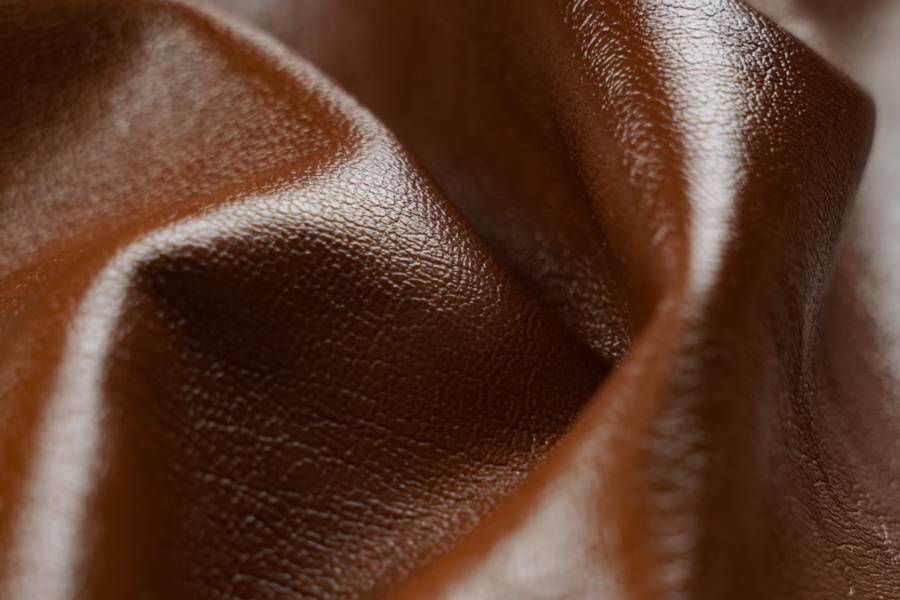
Paper texture (гладкий, linen, laid, чувствовал себя, or custom-embossed) directly affects how a book feels in hand. Гладкий, coated surfaces convey modernity and precision, while textured, uncoated surfaces evoke warmth and authenticity. The uncoated offset paper segment is the largest in the book paper market, with a share of approximately 70%. Coated papers, meanwhile, account for approximately 44% of the broader printing paper market, favored for their superior print clarity, smoothness, и долговечность.
Why Grain Direction Matters for Books
Grain direction is determined during the papermaking process when fibers align predominantly in one direction. In bookbinding, the general rule is that grain direction should run parallel to the book‘s spine. Here‘s why this matters:
- Folding parallel to the grain is easier and produces cleaner folds; the paper is less likely to crack
- Folding against the grain can cause cracking, wrinkling, and premature spine failure
- When all materials have grain running parallel to the spine, they expand and contract uniformly when exposed to humidity and adhesives
- Wrong grain direction can result in poor page-turn characteristics, spine cracking, and significantly reduced book durability
Specify grain direction with your printer at the quoting stage. For perfect-bound or case-bound books, confirm that text pages, endpapers, and cover boards all have grain running parallel to the spine. This simple specification prevents premature binding failure and ensures your books lie flat when opened.
Paper Grammage (GSM)
Grammage (GSM) tells you how heavy the paper is. A higher GSM means the paper is thicker, stronger, and more durable.
| Component | Recommended GSM | Application Notes |
| Standard text pages | 70–90 GSM | Sufficient opacity for double-sided text printing; minimizes book weight and shipping costs |
| Novels and general trade books | 80–90 GSM | Standard choice balancing readability, масса, and cost |
| High-quality color pages | 100–120 GSM | Better opacity for color reproduction; reduces show-through |
| Art and photography books | 128–200 GSM | 128–157 GSM for magazines/brochures; 170–200 GSM is the «sweet spot» for luxury photography books |
| Soft covers | 128–200 GSM | Must withstand repeated flexing and handling |
| Форзацы | 120–150 GSM | Balanced strength for hinge function |
Соображения стоимости:
Higher GSM directly increases both paper cost and shipping weight. A book printed on 120 GSM paper will weigh approximately 30–40% more than the same book on 80 GSM paper, with corresponding increases in freight and warehousing costs. For large-volume orders, every gram of paper weight multiplies across thousands of copies — making GSM a significant cost driver.
Select the lowest GSM that meets your functional requirements. For text-heavy books with minimal color, 70–80 GSM is often sufficient. For coffee table books where tactile thickness communicates luxury, invest in higher GSM for the pages that matter most — and consider using lighter paper for introductory or appendix sections.
Поверхностная отделка
The finish applied to your paper affects everything from ink absorption to scuff resistance to reader perception.
Coated vs. без покрытия
Coated papers have a surface coating that minimizes ink absorption, resulting in sharper images, higher color saturation, and better detail reproduction. They are preferred for photography books, Каталоги, and any project where image quality is paramount.
Uncoated papers absorb ink more readily, producing a softer, more natural appearance. They are preferred for novels, literary fiction, записные книжки, and projects where a tactile, «organic» feel aligns with brand values.
In the US market, uncoated freesheet paper accounts for approximately 4.6 million metric tons of consumption, while coated paper contributes 3.2 million metric tons. More than 68% of US printing paper consumption falls into the uncoated category.
Protective Coatings for Book Covers:
For book covers, additional coatings protect against handling, перевозки, and shelf wear:
- Aqueous coating: Water-based, экологически чистый, resists cracking when folded, cost-effective at approximately USD 0.0125–0.015 per cover. Less glossy than UV but more flexible.
- УФ-покрытие: Harder, higher-gloss finish offering excellent durability. More expensive than aqueous and may crack when scored or folded due to coating hardness.
- Мягкий натурал (velvet) покрытие: Provides a luxurious, suede-like feel, increasingly popular for premium book covers.
For interior pages, the coated/uncoated decision should be driven by image content. Для обложек, aqueous coating offers the best balance of protection, гибкость, and cost for most trade books. Reserve UV coating for covers without heavy folding requirements. Consider soft-touch coatings for luxury or gift book projects.
Paper Environmental Certification
Sustainability is no longer a differentiator. It is a baseline expectation in the US and European markets. Corporate buyers, retailers, and institutional clients increasingly require certified sustainable paper.
The Certification Landscape:
- Фс (Лесной попечительский совет): The most widely recognized certification for responsibly managed forests. The market for FSC-certified wood products — including paper and pulp — is estimated at approximately USD 30 billion annually, with paper and pulp accounting for about USD 10 billion. FSC-certified printing papers are particularly in high demand across European export markets.
- GRS (Global Recycled Standard): Certifies recycled content and responsible production. GRS-certified products must contain at least 20% recycled material.
- PEFC (Programme for the Endorsement of Forest Certification): The global PEFC-certified packaging market was valued at USD 6.2 миллиард в 2024 and is forecast to reach USD 12.9 миллиард на 2033, growing at a robust CAGR of 8.3%.
Significantly, FSC-certified printing papers command a premium: exports of FSC-certified paper from Germany to certain markets have grown by 58% year-over-year, with carbon-neutral papers containing 100% recycled fiber priced 45% higher than conventional alternatives — yet still preferred under corporate ESG procurement policies.
In Europe, the EU Deforestation Regulation (EUDR) initially threatened to impose strict deforestation-free sourcing requirements on printed products. Однако, following intensive industry advocacy, books and other printed products have been officially excluded from the EUDR‘s scope — a landmark victory for the European publishing sector. Nevertheless, corporate sustainability reporting directives continue to drive demand for certified materials.
If you are selling books into European markets or to US corporate clients with ESG commitments, FSC or PEFC certification is increasingly mandatory. GRS certification is particularly valuable for projects targeting eco-conscious brands. While certified papers carry a premium of 10–45% depending on specifications, this cost is often passed through to clients who require sustainability credentials — and failing to offer certified options may disqualify you from major contracts entirely.
Заключение
Paper selection is not merely a production detail. It is a strategic decision that affects your book‘s cost, качество, долговечность, and marketability. The six specifications covered in this guide provide a framework for making informed choices:
As the global specialty paper market grows from 28.2 million tonnes in 2025 к 31.3 million tonnes by 2030 at a CAGR of 2.1%, and as 70% of print customers now expect eco-friendly, produced products, the message is clear: paper intelligence is competitive intelligence.
For B2B book buyers, mastering these six specifications will reduce costs, improve quality, and position your products for success in increasingly discerning US and European markets.