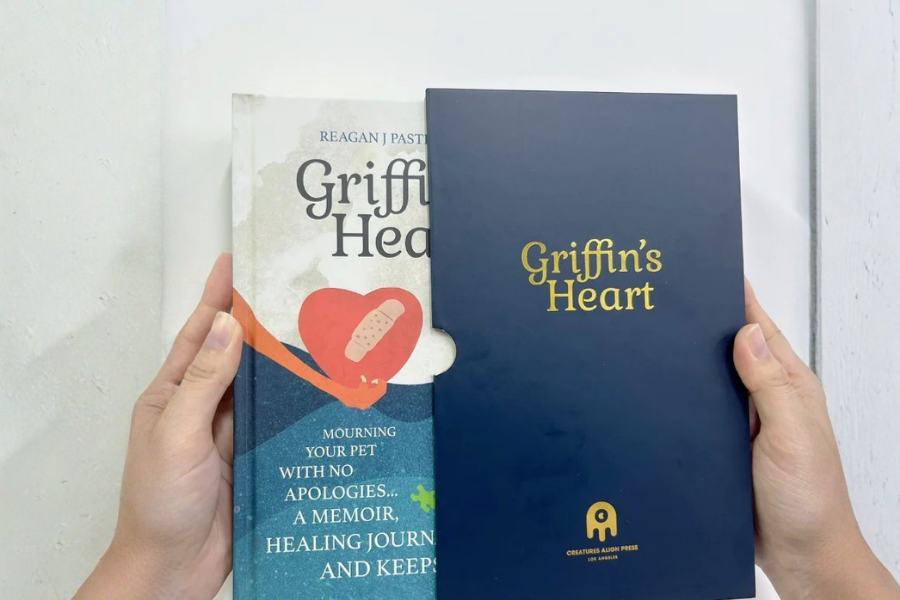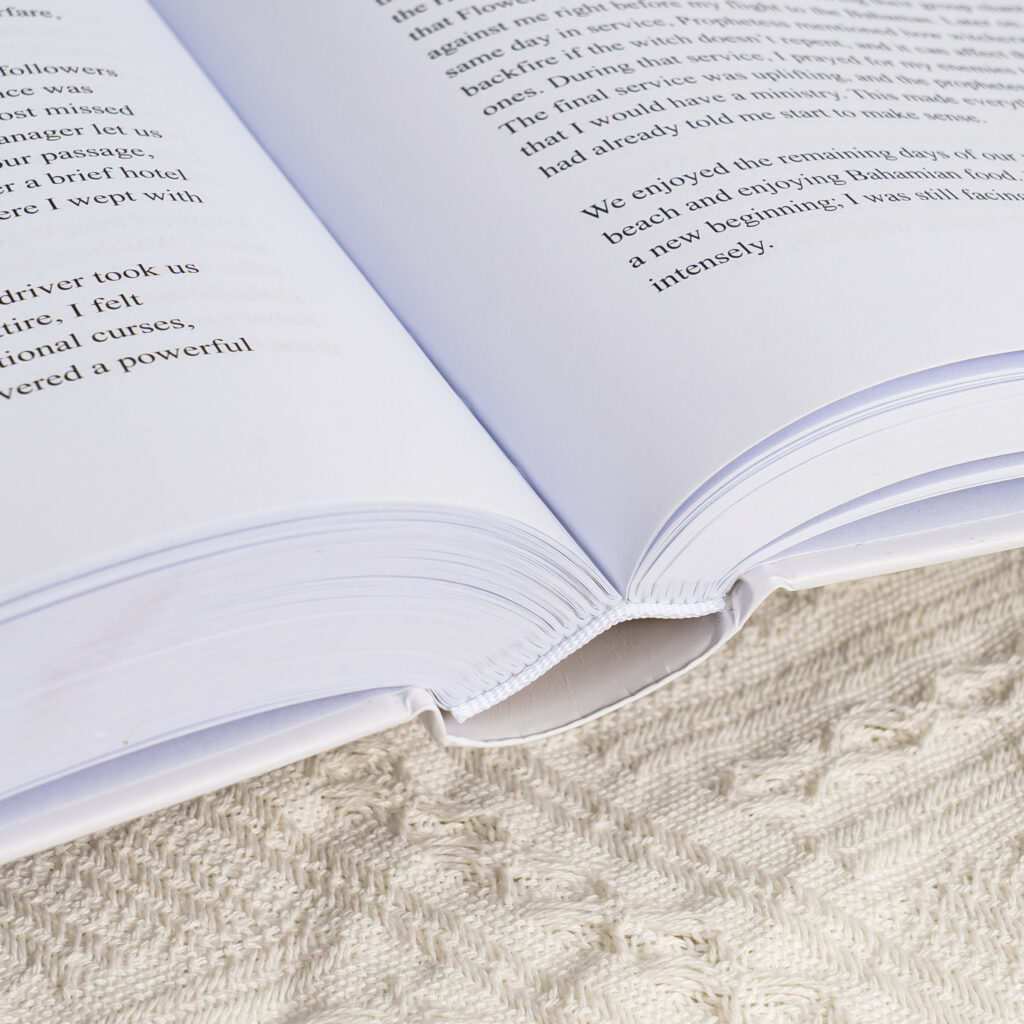
Livros pesados de capa dura são projetados para projetos que exigem durabilidade, apresentação premium, e valor a longo prazo. Suas estruturas de cobertura mais espessas, opções de papel mais pesado, e métodos de encadernação mais fortes criam uma sensação mais substancial em comparação com formatos de livro padrão.
Para editores e marcas, entender como os materiais e a espessura afetam um livro de capa dura é essencial antes da produção. Placas de cobertura, peso de papel, contagem de páginas, e as escolhas de acabamento influenciam a qualidade final, custo, e experiência do usuário do livro finalizado.
O que torna os livros de capa dura pesados premium e duráveis
Livros pesados de capa dura se destacam por sua estrutura, materiais, e o peso criam uma sensação mais forte de qualidade.
O que é um livro de capa dura e como ele está estruturado
UM livro de capa dura é um formato de livro que utiliza capa rígida para proteger as páginas impressas e proporcionar maior durabilidade, aparência premium. Comparado com formatos de bolso, livros de capa dura têm uma estrutura externa mais forte, tornando-os adequados para publicações que requerem uso a longo prazo e maior valor percebido.
Um típico livro de capa dura consiste em vários componentes básicos:
| Componente | Função |
|---|---|
| Placa de cobertura | Cria uma capa externa firme e protege as páginas internas. |
| Material de cobertura | Fornece a aparência do livro, textura, e proteção adicional. |
| Bloco de livro | Contém as páginas impressas e determina grande parte da espessura do livro. |
| Coluna | Conecta a estrutura da tampa e suporta uma abertura confortável. |
Embora todos os livros de capa dura compartilhem esta construção básica, livros pesados de capa dura geralmente usam placas mais grossas, papel mais pesado, e especificações de produção mais fortes para criar uma sensação mais substancial. Essas diferenças os tornam a escolha preferida para edições premium, Livros de fotos, publicações infantis, e livros colecionáveis.
Por que livros pesados de capa dura parecem mais premium e valiosos
O peso de um livro influencia a forma como os leitores percebem sua qualidade. UM livro de capa dura pesado cria uma impressão premium mais forte através de sua estrutura sólida, materiais duráveis, e aparência refinada. A sensação geralmente vem de uma combinação de placas de cobertura mais grossas, papel mais pesado, encadernação confiável, e acabamento de qualidade. No entanto, adicionar peso por si só não garante melhor qualidade. A impressão de livros de capa dura de alta qualidade requer o equilíbrio certo entre materiais, usabilidade, custo de produção, e o objetivo da publicação.
Usos comuns de formatos pesados de livros de capa dura
Livros pesados de capa dura são comumente escolhidos para publicações que exigem durabilidade, apresentação premium, e valor a longo prazo. A sua construção mais robusta torna-os adequados para projetos onde a aparência e a vida útil são igualmente importantes.
Aplicações comuns incluem:
- Livros infantis de capa dura: As capas duráveis ajudam a resistir ao manuseio frequente, proporcionando uma experiência de leitura premium.
- Álbuns de fotos: Papel mais grosso e capas rígidas melhoram a apresentação da imagem e criam uma lembrança de alto valor.
- Livros de arte e edições de colecionador: Estruturas premium protegem conteúdo valioso enquanto melhoram o apelo nas prateleiras e a possibilidade de cobrança.
- Publicações corporativas: Os formatos de capa dura ajudam as empresas a apresentar histórias de marcas, relatórios anuais, e materiais promocionais profissionalmente.
- Livros de presente e edições especiais: Uma estrutura mais pesada aumenta o valor percebido e torna o produto adequado para presentes premium.
Para editores e marcas, escolher um formato de capa dura pesado não é apenas uma decisão de design. Também ajuda a fortalecer o posicionamento do produto e a criar livros com maior valor percebido no mercado.

Materiais de livros de capa dura que tornam os livros mais pesados e resistentes
Os materiais de um livro de capa dura determinam sua resistência, peso, e sensação geral. As escolhas certas ajudam a criar livros de capa dura pesados, duráveis e premium.
Placas de capa e materiais de capa dura que aumentam a durabilidade
A estrutura da capa desempenha um papel importante na determinação da resistência e do peso dos livros de capa dura.. A placa dentro da tampa proporciona rigidez, protege as páginas, e cria a sensação sólida que os leitores esperam de um livro premium.
Diferentes placas de cobertura oferecem diferentes níveis de resistência e flexibilidade:
| Material | Características | Aplicações adequadas |
|---|---|---|
| Quadro cinza | Forte, estável, e amplamente utilizado para estruturas de capa dura confiáveis. | Livros gerais de capa dura e publicações comerciais. |
| Cartão grosso | Fornece boa flexibilidade com um peso geral mais leve. | Livros e projetos do dia a dia que exigem manuseio mais fácil. |
| Placa premium | Oferece maior resistência e espessura para uma sensação mais substancial. | Edições de luxo, livros de colecionador, e projetos premium. |
O material da capa externa também afeta a aparência e a experiência tátil do livro. As opções comuns incluem:
- Papel impresso com laminação: Fornece uma superfície personalizável com proteção aprimorada contra arranhões e desgaste diário.
- Cobertura de tecido: Cria uma textura refinada e é frequentemente usada em edições premium ou colecionáveis.
- Cobertura de couro sintético: Adiciona uma aparência luxuosa enquanto mantém a durabilidade.
- Materiais texturizados especiais: Ajude a criar designs exclusivos para marcas e publicações de edição limitada.
Para livros pesados de capa dura, placas de cobertura mais espessas são frequentemente combinadas com materiais de cobertura premium para criar uma estrutura mais forte e melhorar o valor percebido. A seleção final depende do propósito do livro, público-alvo, e uso esperado.
Peso do papel e contagem de páginas que tornam os livros de capa dura mais pesados
A seleção do papel afeta diretamente a espessura, peso, e sensação geral dos livros de capa dura. Mesmo livros com o mesmo número de páginas podem ter gramaturas diferentes porque a espessura e a densidade do papel variam.
Papel GSM refere-se ao peso do papel por metro quadrado. Papel GSM mais alto geralmente cria páginas mais grossas e uma experiência de leitura mais substancial, tornando-o popular para álbuns de fotos, Livros de arte, e edições premium. O papel GSM mais baixo é frequentemente usado para publicações com foco em texto, onde é preferível uma gramatura mais leve.
A contagem de páginas também afeta o tamanho e peso final de um livro. Mais páginas geralmente criam uma lombada mais espessa e requerem suporte estrutural mais forte. No entanto, a contagem de páginas deve sempre ser considerada em conjunto com a seleção do papel, já que menos páginas com papel mais pesado ainda podem criar um livro de capa dura pesado.
Durante impressão de livro de capa dura, fabricantes balançam tipo de papel, contagem de páginas, e requisitos vinculativos para alcançar a qualidade e usabilidade desejadas.
Métodos de encadernação para livros de capa dura fortes e pesados
A encadernação desempenha um papel importante na manutenção da durabilidade e do desempenho de livros pesados de capa dura.. Uma estrutura de livro mais espessa requer um método de encadernação confiável para manter as páginas seguras e permitir uma abertura confortável.
As opções comuns de encadernação de capa dura incluem:
- Encadernação de caso: O método padrão de capa dura que conecta o bloco de livro a uma capa rígida para proteção forte.
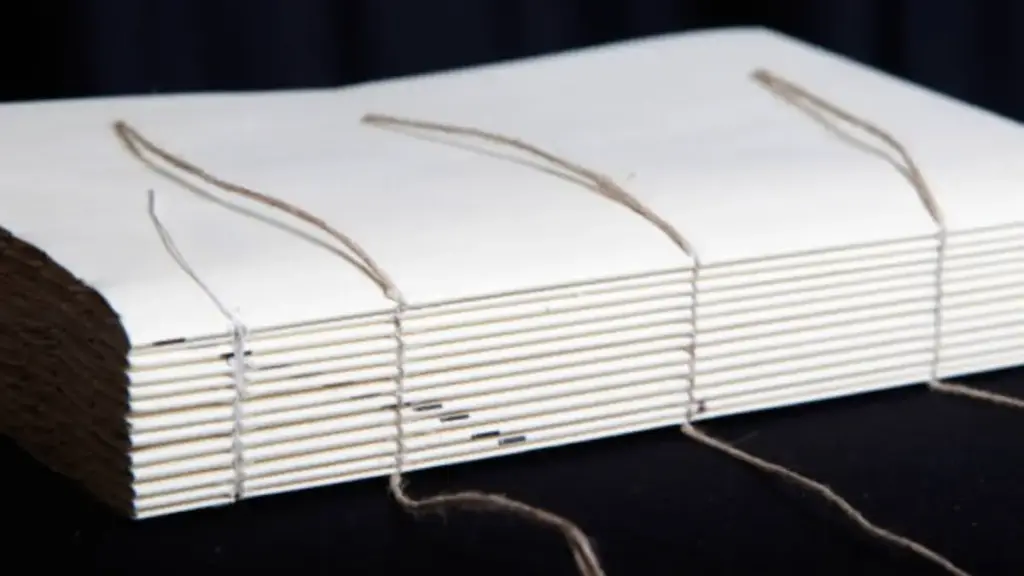
- Encadernação costurada: Usa thread para conectar seções da página, proporcionando excelente durabilidade e abertura suave para publicações premium.
- Encadernação com cola: Oferece produção eficiente para alguns projetos, mas pode não fornecer a mesma resistência a longo prazo que a encadernação costurada para livros muito grossos.
O método de encadernação correto ajuda a garantir que livros pesados de capa dura permaneçam duráveis e funcionais durante toda a vida útil esperada.
Livros de capa dura premium, Fabricado em escala

Como as especificações do livro de capa dura afetam o peso e a qualidade final
As especificações do livro influenciam mais do que a aparência. Tamanho, estrutura da coluna, e as opções de acabamento trabalham juntas para determinar a usabilidade, durabilidade, e qualidade geral de um livro de capa dura.
Tamanhos e dimensões padrão de livros de capa dura para diferentes projetos
O tamanho do livro afeta a proporção geral, experiência de leitura, e requisitos de produção de um projeto de capa dura. Embora muitos editores usem formatos comuns, dimensões personalizadas permitem que as marcas criem livros com uma aparência mais distinta.
Os tamanhos comuns de livros de capa dura incluem:
| Tamanho | Aplicativos comuns |
|---|---|
| 6 × 9 polegadas | Romances, livros de negócios, e publicações gerais. |
| 8.5 × 11 polegadas | Livros educativos, catálogos, e publicações corporativas. |
| 10 × 10 polegadas ou maior | Álbuns de fotos, Livros de arte, e livros infantis premium. |
O tamanho padrão correto do livro de capa dura depende do propósito da publicação. Formatos maiores geralmente requerem mais papel e materiais de capa, o que aumenta o peso final e os requisitos de produção.
Para projetos personalizados de impressão de livros de capa dura, a seleção do tamanho também deve considerar o armazenamento, envio, embalagem, e conforto do leitor para alcançar um produto final prático.
Como a largura da lombada muda com especificações de livros de capa dura pesada
A lombada é uma parte importante do design de livros de capa dura porque afeta tanto a aparência do livro nas prateleiras quanto seu desempenho estrutural.. Um livro mais grosso requer um cálculo de lombada mais preciso para garantir uma impressão adequada, vinculativo, e alinhamento da tampa.
A largura da lombada depende principalmente de várias especificações:
| Fator | Impacto na largura da lombada |
|---|---|
| Contagem de páginas | Mais páginas criam um bloco de livro mais grosso e uma lombada mais larga. |
| Espessura do papel e GSM | Papel mais pesado ou mais grosso aumenta a espessura geral do livro. |
| Método de ligação | Diferentes estruturas de ligação afetam as dimensões finais e a flexibilidade. |
| Espessura da placa de cobertura | Uma capa mais espessa aumenta a estrutura geral da capa dura. |
Para livros pesados de capa dura, o planejamento preciso da lombada torna-se especialmente importante porque dimensões maiores podem afetar o design da capa, apresentação de prateleira, e eficiência de embalagem.
Opções de impressão e acabamento para livros premium de capa dura pesada
As opções de acabamento acrescentam apelo visual e melhoram a percepção geral de um livro de capa dura. Para projetos premium, a combinação certa de acabamento pode fortalecer a identidade da marca e tornar o livro mais valioso.
As opções de acabamento comuns incluem:
- Laminação fosca: Cria uma superfície lisa e fornece proteção adicional contra o desgaste.
- Laminação brilhante: Melhora o brilho da cor e cria uma aparência mais atraente.
- Estampagem de folha: Adiciona um efeito de luxo para logotipos, títulos, e elementos de design especiais.
- Gravação e gravação em relevo: Cria uma textura tridimensional que melhora a experiência tátil.
- UV localizado: Destaca áreas específicas do design da capa com efeito de contraste.
- Marcadores da faixa de opções: Adiciona funcionalidade e detalhes premium para edições especiais.
As melhores opções de acabamento devem corresponder ao propósito do livro e ao mercado-alvo. Durante impressão de livro de capa dura, os editores precisam equilibrar o impacto visual, durabilidade, e custo de produção para criar um produto acabado que atenda às metas comerciais e de design.

Livros pesados de capa dura versus livros de brochura e de papelão
A escolha entre livros pesados de capa dura, livros de brochura, e livros de bordo dependem da durabilidade, orçamento, leitores-alvo, e posicionamento do produto.
Livros pesados de capa dura versus livros de bolso: Comparação de Qualidade e Custo
Livros de capa dura e brochura diferem principalmente na estrutura, durabilidade, e custo de produção. Livros pesados de capa dura oferecem proteção mais forte e uma aparência mais premium, enquanto os livros de bolso se concentram na acessibilidade e na fácil distribuição.
As principais diferenças incluem:
- Durabilidade: Livros pesados de capa dura usam capas rígidas que protegem melhor as páginas e resistem ao uso repetido, tornando-os adequados para publicações de longa duração.
- Peso e manuseio: Os formatos de capa dura criam uma experiência de leitura mais substancial, enquanto os livros de bolso são mais leves e fáceis de transportar.
- Custo de produção: Os livros de bolso requerem menos materiais e são mais econômicos para impressão de grandes volumes. Livros de capa dura envolvem custos de produção mais elevados, mas oferecem maior valor percebido.
- Posicionamento de mercado: Livros de capa dura são comumente usados para edições premium, Livros de presentes, e publicações profissionais, enquanto os livros de bolso são frequentemente selecionados para distribuição no mercado de massa.
Para editores, livros pesados de capa dura são uma escolha melhor quando a durabilidade e a qualidade da apresentação são importantes. Os livros de bolso continuam práticos para projetos onde o preço e a eficiência do transporte são as principais prioridades.
Livros pesados de capa dura versus livros de tabuleiro para publicações infantis
A escolha entre livros de tabuleiro e livros de capa dura depende da idade da criança, hábitos de leitura, e durabilidade esperada.
Os livros de papelão usam páginas grossas de papelão projetadas para crianças pequenas e alunos precoces. Oferecem excelente resistência ao rasgo e ao manuseio frequente.
Livros infantis de capa dura pesada são mais adequados para:
- Livros ilustrados: Forneça uma apresentação premium com capas mais resistentes e opções de design flexíveis.
- Edições infantis premium: Crie produtos de maior valor para presentes e coleções especiais.
- Livros educativos: Oferece durabilidade para crianças mais velhas que precisam de um formato de leitura tradicional.
A decisão entre livro de tabuleiro vs capa dura deve corresponder ao público-alvo, tipo de conteúdo, e vida útil esperada do produto.
Escolhendo o formato de capa dura certo para diferentes objetivos de publicação
Os editores devem selecionar o formato com base nas metas do produto:
- Livros pesados de capa dura: Melhor para publicações premium, edições de colecionador, livros corporativos, e uso a longo prazo.
- Livros de brochura: Adequado para produtos acessíveis, vendas em grande volume, e distribuição leve.
- Livros de tabuleiro: Ideal para crianças pequenas e produtos de aprendizagem precoce que exigem durabilidade máxima.
Escolher o formato certo ajuda os editores a equilibrar a qualidade, custos de produção, e expectativas do mercado antes do início da impressão.
Você pode aprender mais sobre detalhes neste artigo: Livro de tabuleiro vs capa dura vs brochura
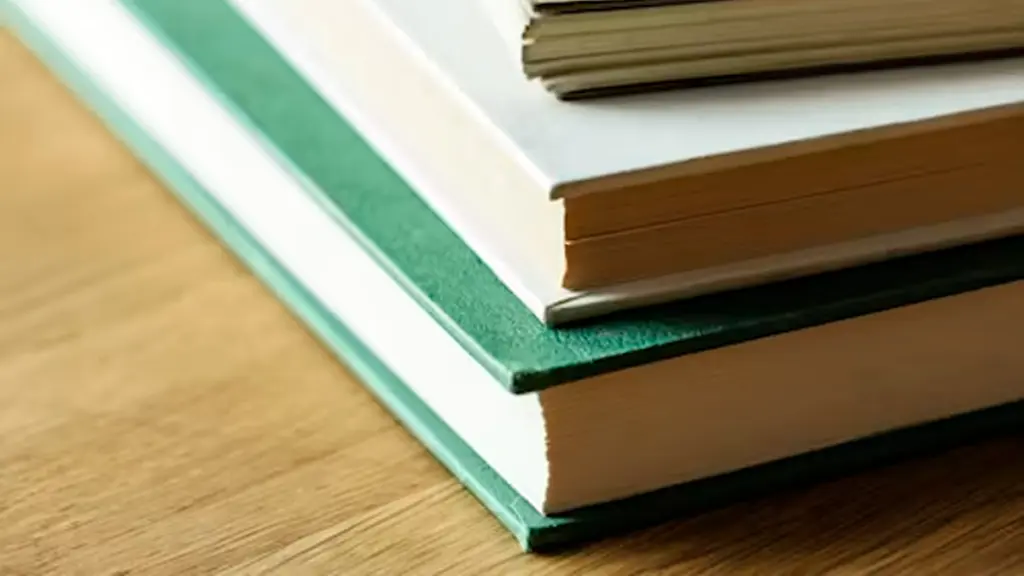
Como escolher as melhores especificações de livros de capa dura pesada
As especificações corretas ajudam a criar livros pesados de capa dura que atendem à qualidade, usabilidade, e exigências do mercado.
Selecione a espessura com base na finalidade e no público do livro
A espessura do livro deve suportar a experiência de leitura pretendida, requisitos de durabilidade, e posicionamento de mercado. Diferentes tipos de publicações exigem abordagens diferentes:
- Livros infantis: Precisa de estruturas duráveis que possam suportar manuseio frequente e, ao mesmo tempo, permanecer confortáveis para jovens leitores.
- Álbuns de fotos: Beneficie-se de papel mais espesso e estruturas premium que melhoram a qualidade da imagem e o impacto visual.
- Livros corporativos: Muitas vezes exigem uma aparência refinada e uma apresentação forte para apoiar a comunicação da marca.
- Romances: Precisa de uma estrutura equilibrada que proporcione durabilidade sem dificultar o transporte do livro.
A espessura ideal cria um livro de capa dura que parece premium, ao mesmo tempo que permanece prático para o público-alvo.
Equilibre a qualidade premium, Peso, e Orçamento de Produção
Um livro mais pesado nem sempre oferece melhor valor. Os editores precisam considerar a relação entre as escolhas de materiais, usabilidade, custos de produção, e expectativas do mercado.
Fatores importantes incluem:
- Público-alvo: Determina o nível esperado de durabilidade, aparência, e experiência de leitura.
- Método de distribuição: Influencia o peso aceitável, requisitos de embalagem, e custos de envio.
- Volume do pedido: Afeta a eficiência da produção e o custo geral por unidade.
- Posicionamento de mercado: Define se o livro deve focar na acessibilidade, valor premium, ou cobrabilidade.
Equilibrando a qualidade, peso, e orçamento, os editores podem criar livros pesados de capa dura que proporcionam uma forte experiência ao leitor, mantendo ao mesmo tempo os requisitos práticos de produção.
Se você quiser um livro de capa dura personalizado para venda, você pode ler este artigo: O guia completo para livros de capa dura personalizados
Trabalhe com um fabricante experiente de impressão de livros de capa dura
Um parceiro de impressão confiável ajuda a transformar as especificações certas em livros de capa dura de alta qualidade. Experiência em seleção de materiais, planejamento estrutural, impressão, e acabamento garante melhor consistência em todo o processo de produção.
Para editoras e marcas que buscam impressão personalizada de livros de capa dura, Impressão Xinyi fornece fabricação sob medida soluções para diferentes projetos de livros e necessidades do mercado. Desde o planejamento da especificação inicial até a produção final, ajudamos a criar durabilidade, livros de capa dura premium com qualidade confiável e valor a longo prazo.
Perguntas frequentes
Por que alguns livros de capa dura são pesados?
Alguns livros de capa dura são pesados porque usam materiais como papel mais grosso, placas de cobertura rígidas, e estruturas de ligação mais fortes. A combinação de alta contagem de páginas, grandes dimensões, e papel denso para ilustrações – comum em livros técnicos ou de arte – também adiciona peso significativo em comparação com um romance padrão.
Quanto pesa um livro de capa dura?
Um livro de capa dura padrão normalmente pesa entre 1 para 3 libras (sobre 0.45 para 1.36 kg). Volumes maiores, como livros didáticos ou livros de mesa de centro, muitas vezes pesa mais, às vezes variando de 2 para 6 libras ou até mais, dependendo da contagem de páginas e da densidade do papel.
Qual a espessura da placa de capa dura?
A placa usada para livros de capa dura normalmente varia de 2.0 mm para 3.5 mm de espessura. Um padrão comum para muitas capas duras é entre 2.5 milímetros e 3.0 mm, enquanto livros técnicos mais pesados ou de grandes dimensões podem usar pranchas de até 3.5 mm para maior rigidez e durabilidade.
O que torna um livro de capa dura durável?
A durabilidade de uma capa dura vem de suas placas de capa rígidas que resistem a dobras, uma encadernação reforçada como a construção costurada por Smyth que evita que as páginas caiam, e materiais de cobertura duráveis que protegem contra o desgaste. O uso de papel sem ácido também garante que as páginas não fiquem quebradiças com o tempo.
Qual a espessura de um livro de capa dura?
Embora não exista um máximo estrito, a espessura prática de um livro de capa dura é limitada pela tecnologia de encadernação e pelo manuseio do material. A maioria das capas duras comerciais tem uma espessura de lombada entre 0.5 e 2 polegadas. Livros excepcionalmente grossos com mais 800 páginas são possíveis, mas requerem consideração especial quanto à resistência da encadernação e construção da capa.
Livros pesados são de melhor qualidade?
Embora um livro pesado geralmente indique o uso de materiais de maior qualidade, como papel mais denso e capas mais grossas, o peso por si só não garante qualidade. A melhor medida de qualidade é o método de construção, como se o livro tem uma encadernação durável costurada por Smyth e usa, papel sem ácido.