Heavy hardcover books are designed for projects that require durability, presentazione premium, e valore a lungo termine. Le loro strutture di copertura più spesse, opzioni per carta più pesante, and stronger binding methods create a more substantial feel compared with standard book formats.
Per editori e brand, understanding how materials and thickness affect a hardcover book is essential before production. Cover boards, peso della carta, conteggio delle pagine, and finishing choices all influence the final quality, costo, and user experience of the finished book.
What Makes Heavy Hardcover Books Premium and Durable
Heavy hardcover books stand out because their structure, materiali, and weight create a stronger sense of quality.
What Is a Hardcover Book and How Is It Structured
UN libro con copertina rigida is a book format that uses a rigid cover to protect the printed pages and provide a more durable, premium appearance. Compared with paperback formats, hardcover books have a stronger outer structure, making them suitable for publications that require long-term use and higher perceived value.
A typical hardcover book consists of several basic components:
| Componente | Funzione |
|---|---|
| Cover board | Creates a firm outer cover and protects the pages inside. |
| Materiale di copertura | Provides the book’s appearance, struttura, and additional protection. |
| Book block | Contains the printed pages and determines much of the book’s thickness. |
| Colonna vertebrale | Connects the cover structure and supports comfortable opening. |
While all hardcover books share this basic construction, heavy hardcover books usually use thicker boards, heavier paper, and stronger production specifications to create a more substantial feel. These differences make them a preferred choice for premium editions, libri fotografici, children’s publications, and collectible books.
Why Heavy Hardcover Books Feel More Premium and Valuable
The weight of a book influences how readers perceive its quality. UN heavy hardcover book creates a stronger premium impression through its solid structure, materiali durevoli, and refined appearance. The feeling usually comes from a combination of thicker cover boards, heavier paper, reliable binding, and quality finishing. Tuttavia, adding weight alone does not guarantee better quality. High-quality hardcover book printing requires the right balance between materials, usabilità, production cost, and the purpose of the publication.
Common Uses of Heavy Hardcover Book Formats
Heavy hardcover books are commonly chosen for publications that require durability, presentazione premium, e valore a lungo termine. Their stronger construction makes them suitable for projects where appearance and lifespan are equally important.
Le applicazioni comuni includono:
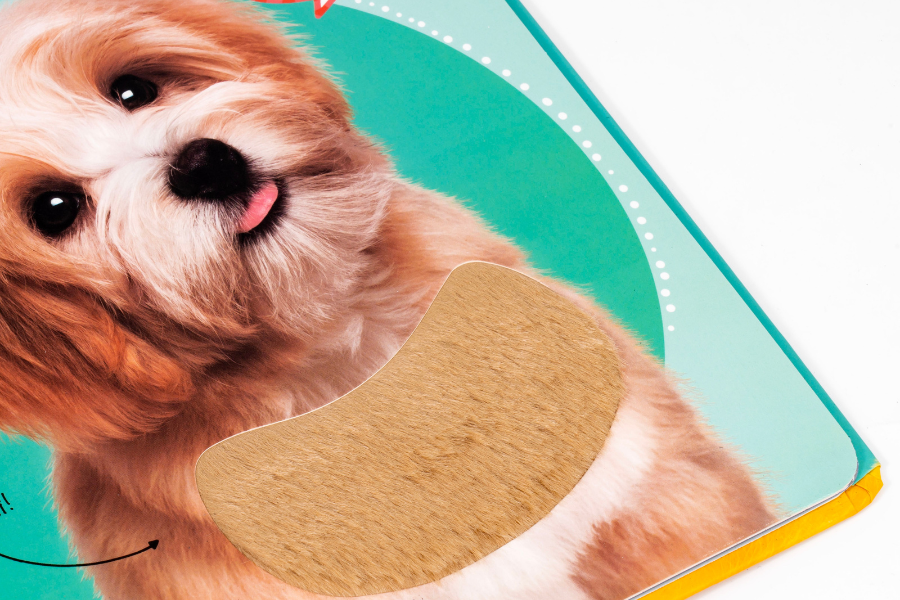
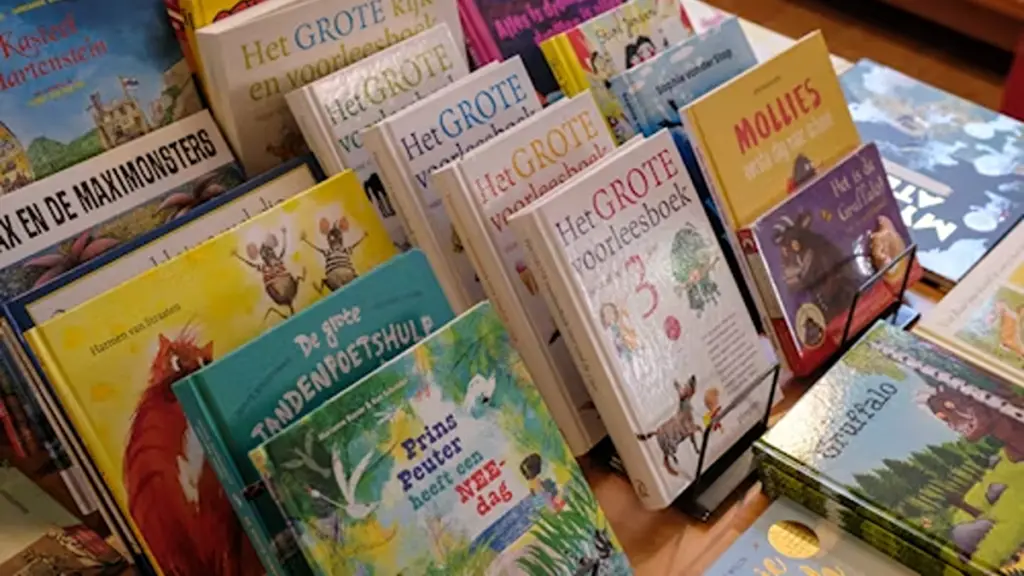
- Children’s hardcover books: Durable covers help withstand frequent handling while providing a premium reading experience.
- Libri fotografici: Thicker paper and rigid covers improve image presentation and create a high-value keepsake.
- Art books and collector editions: Premium structures protect valuable content while improving shelf appeal and collectability.
- Corporate publications: Hardcover formats help companies present brand stories, annual reports, and promotional materials professionally.
- Gift books and special editions: A heavier structure increases perceived value and makes the product suitable for premium gifting.
Per editori e brand, choosing a heavy hardcover format is not only a design decision. It also helps strengthen product positioning and create books with higher perceived value in the market.

Hardcover Book Materials That Make Books Heavier and Stronger
The materials of a hardcover book determine its strength, peso, and overall feel. The right choices help create durable and premium heavy hardcover books.
Cover Boards and Hardcover Materials That Increase Durability
The cover structure plays an important role in determining the strength and weight of hardcover books. The board inside the cover provides rigidity, protects the pages, and creates the solid feeling that readers expect from a premium book.
Different cover boards offer different levels of strength and flexibility:
| Materiale | Caratteristiche | Suitable Applications |
|---|---|---|
| Grey board | Forte, stabile, and widely used for reliable hardcover structures. | General hardcover books and commercial publications. |
| Thick paperboard | Provides good flexibility with a lighter overall weight. | Everyday books and projects requiring easier handling. |
| Premium board | Offers higher strength and thickness for a more substantial feel. | Edizioni di lusso, collector books, and premium projects. |
The outer cover material also affects the appearance and tactile experience of the book. Le opzioni comuni includono:
- Printed paper with lamination: Provides a customizable surface with improved protection against scratches and daily wear.
- Fabric covering: Creates a refined texture and is often used for premium or collectible editions.
- Leatherette covering: Adds a luxury appearance while maintaining durability.
- Specialty textured materials: Help create unique designs for brands and limited-edition publications.
Per heavy hardcover books, thicker cover boards are often combined with premium cover materials to create a stronger structure and improve perceived value. The final selection depends on the book’s purpose, pubblico di destinazione, and expected usage.
Paper Weight and Page Count That Make Hardcover Books Heavier
Paper selection directly affects the thickness, peso, and overall feel of hardcover books. Even books with the same page count can have different weights because paper thickness and density vary.
Paper GSM refers to the weight of paper per square meter. Higher GSM paper usually creates thicker pages and a more substantial reading experience, making it popular for photo books, libri d'arte, and premium editions. Lower GSM paper is often used for text-focused publications where lighter weight is preferred.
Page count also affects the final size and weight of a book. More pages usually create a thicker spine and require stronger structural support. Tuttavia, page count should always be considered together with paper selection, as fewer pages with heavier paper can still create a heavy hardcover book.
During hardcover book printing, manufacturers balance paper type, conteggio delle pagine, and binding requirements to achieve the desired quality and usability.
Binding Methods for Strong Heavy Hardcover Books
Binding plays an important role in maintaining the durability and performance of heavy hardcover books. A thicker book structure requires a reliable binding method to keep pages secure and allow comfortable opening.
Common hardcover binding options include:
- Rilegatura di casi: The standard hardcover method that connects the book block with a rigid cover case for strong protection.
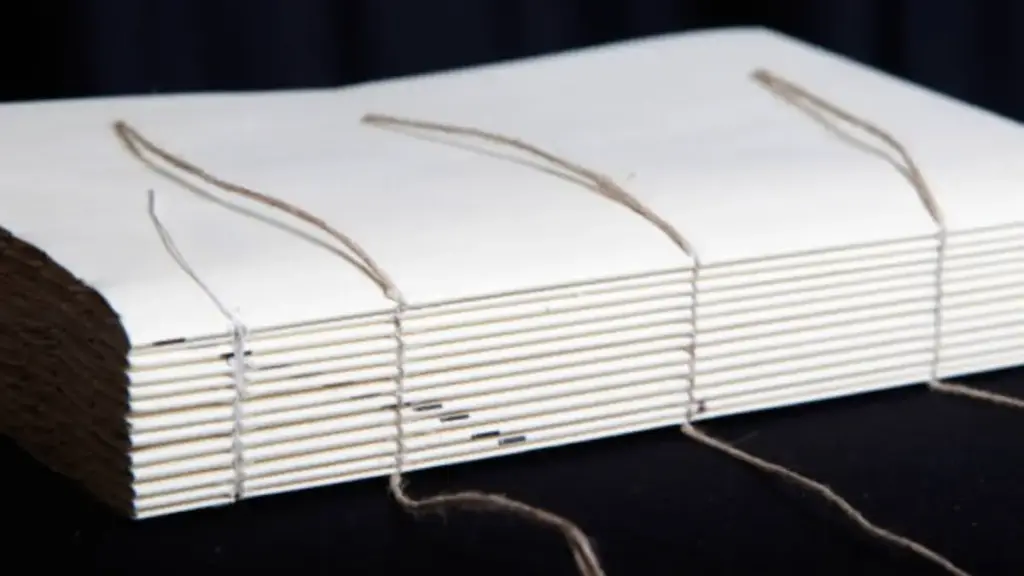
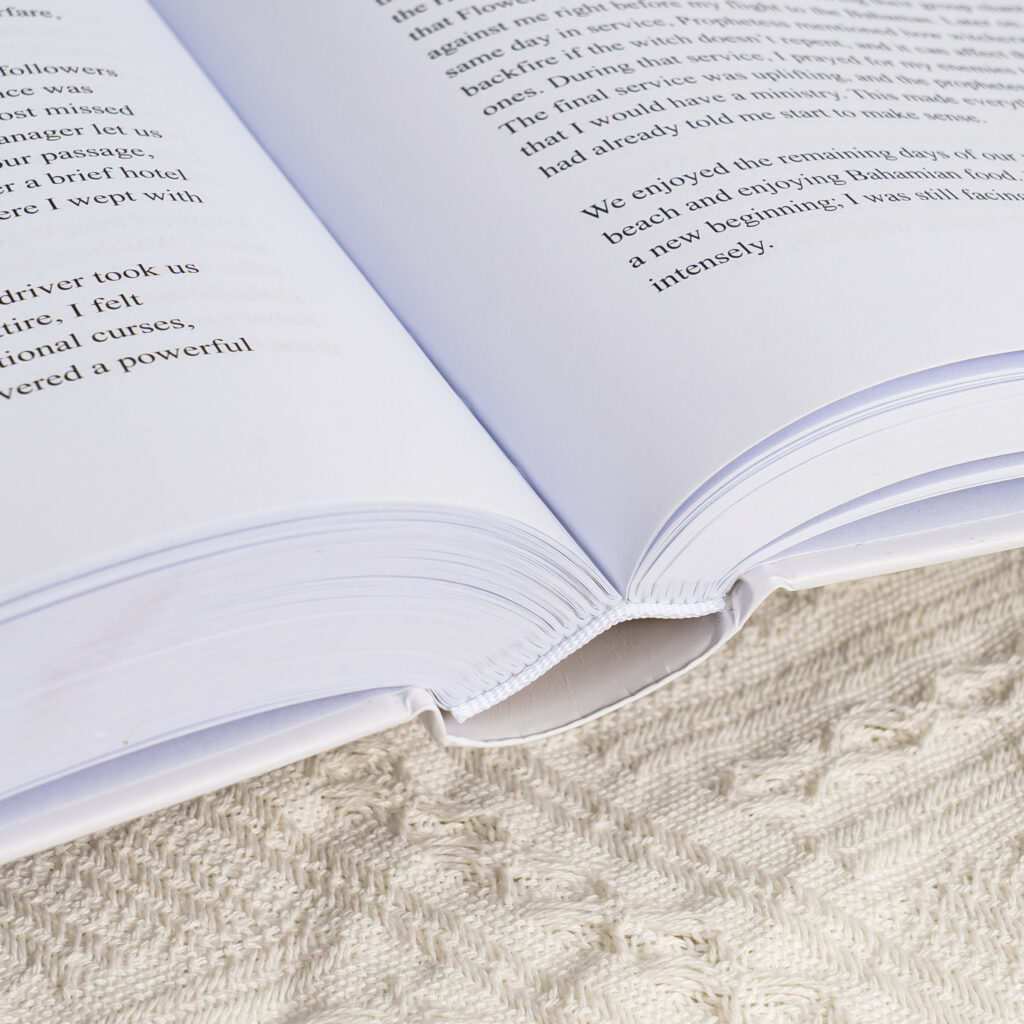
- Rilegatura cucita: Uses thread to connect page sections, providing excellent durability and smooth opening for premium publications.
- Rilegatura con colla: Offers efficient production for some projects but may not provide the same long-term strength as sewn binding for very thick books.
The right binding method helps ensure that heavy hardcover books remain durable and functional throughout their expected lifespan.
Premium Hardcover Books, Manufactured at Scale

How Hardcover Book Specifications Affect Weight and Final Quality
Book specifications influence more than appearance. Misurare, spine structure, and finishing choices work together to determine the usability, durabilità, and overall quality of a hardcover book.
Standard Hardcover Book Sizes and Dimensions for Different Projects
Book size affects the overall proportion, esperienza di lettura, and production requirements of a hardcover project. While many publishers use common formats, custom dimensions allow brands to create books with a more distinctive appearance.
Common hardcover book sizes include:
| Misurare | Applicazioni comuni |
|---|---|
| 6 × 9 pollici | Romanzi, libri d'affari, and general publications. |
| 8.5 × 11 pollici | Educational books, cataloghi, e pubblicazioni aziendali. |
| 10 × 10 inches or larger | Libri fotografici, libri d'arte, and premium children’s books. |
The right standard hardcover book size depends on the purpose of the publication. Larger formats usually require more paper and cover materials, which increases the final weight and production requirements.
For custom hardcover book printing projects, size selection should also consider storage, spedizione, confezione, and reader comfort to achieve a practical final product.
How Spine Width Changes with Heavy Hardcover Book Specifications
The spine is an important part of hardcover book design because it affects both the book’s appearance on shelves and its structural performance. A thicker book requires more accurate spine calculation to ensure proper printing, legame, and cover alignment.
Spine width mainly depends on several specifications:
| Factor | Impact on Spine Width |
|---|---|
| Conteggio delle pagine | More pages create a thicker book block and a wider spine. |
| Paper thickness and GSM | Heavier or thicker paper increases the overall thickness of the book. |
| Metodo vincolante | Different binding structures affect the final dimensions and flexibility. |
| Cover board thickness | A thicker cover increases the overall hardcover structure. |
Per heavy hardcover books, accurate spine planning becomes especially important because larger dimensions can affect cover design, shelf presentation, and packaging efficiency.
Printing and Finishing Options for Premium Heavy Hardcover Books
Finishing options add visual appeal and improve the overall perception of a hardcover book. For premium projects, the right finishing combination can strengthen brand identity and make the book feel more valuable.
Common finishing options include:
- Laminazione opaca: Creates a smooth surface and provides additional protection against wear.
- Laminazione lucida: Enhances color brightness and creates a more eye-catching appearance.
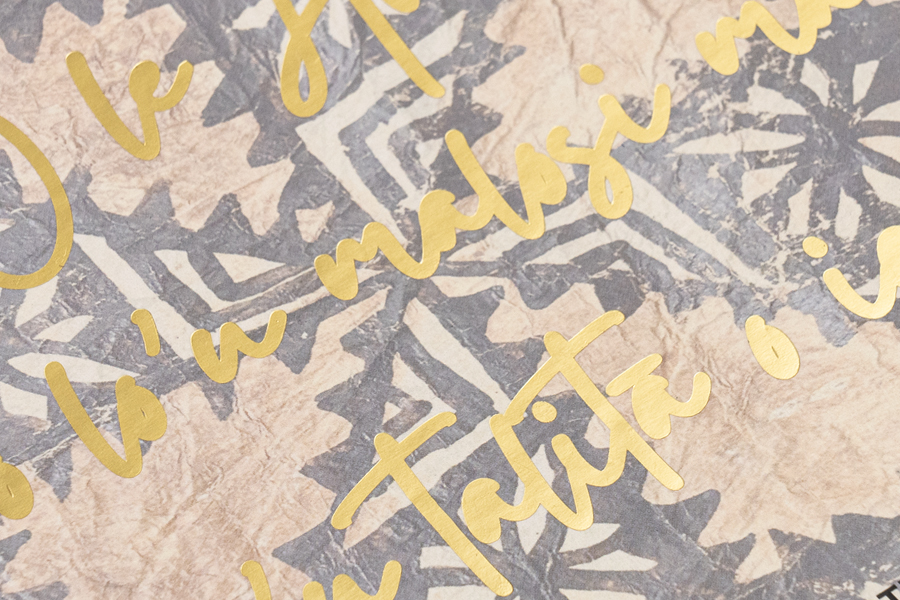
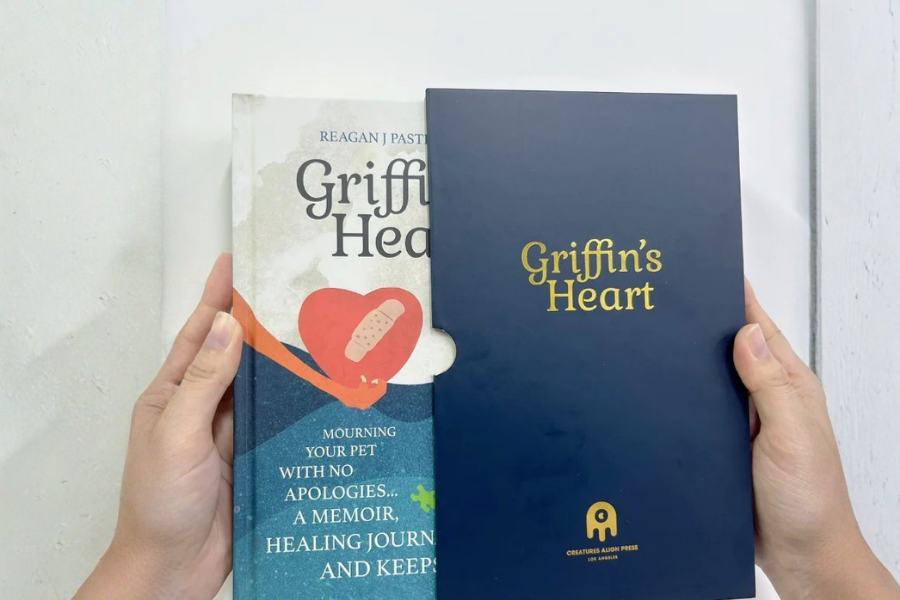
- Stampa a caldo: Adds a luxury effect for logos, titoli, and special design elements.
- Goffratura e debossing: Creates a three-dimensional texture that improves the tactile experience.
- Spot UV: Highlights specific areas of the cover design with a contrast effect.
- Segnalibri a nastro: Adds functionality and a premium detail for special editions.
The best finishing choices should match the book’s purpose and target market. During hardcover book printing, publishers need to balance visual impact, durabilità, and production cost to create a finished product that meets both design and commercial goals.

Heavy Hardcover Books vs Paperback and Board Books
The choice between heavy hardcover books, libri tascabili, and board books depends on durability, bilancio, target readers, and product positioning.
Heavy Hardcover Books vs Paperback Books: Quality and Cost Comparison
Hardcover and paperback books differ mainly in structure, durabilità, e costo di produzione. Heavy hardcover books provide stronger protection and a more premium appearance, while paperback books focus on affordability and easy distribution.
Key differences include:
- Durabilità: Heavy hardcover books use rigid covers that better protect pages and withstand repeated use, making them suitable for long-lasting publications.
- Weight and handling: Hardcover formats create a more substantial reading experience, while paperback books are lighter and easier to transport.
- Production cost: Paperback books require fewer materials and are more cost-effective for large-volume printing. Hardcover books involve higher production costs but offer greater perceived value.
- Market positioning: Hardcover books are commonly used for premium editions, libri regalo, and professional publications, while paperback books are often selected for mass-market distribution.
Per gli editori, heavy hardcover books are a better choice when durability and presentation quality are important. Paperback books remain practical for projects where price and shipping efficiency are the main priorities.
Heavy Hardcover Books vs Board Books for Children’s Publishing
The choice between board books and hardcover books depends on the child’s age, reading habits, and expected durability.
Board books use thick paperboard pages designed for toddlers and early learners. They provide excellent resistance to tearing and frequent handling.
Heavy hardcover children’s books are more suitable for:
- Picture books: Provide premium presentation with stronger covers and flexible design options.
- Premium children’s editions: Create higher-value products for gifts and special collections.
- Educational books: Offer durability for older children who need a traditional reading format.
The decision between board book vs hardcover should match the target audience, tipo di contenuto, and expected product lifespan.
Choosing the Right Hardcover Format for Different Publishing Goals
Publishers should select the format based on their product goals:
- Heavy hardcover books: Best for premium publications, edizioni da collezione, corporate books, and long-term use.
- Libri in brossura: Suitable for affordable products, large-volume sales, and lightweight distribution.
- Libri di bordo: Ideal for toddlers and early learning products requiring maximum durability.
Choosing the right format helps publishers balance quality, costi di produzione, and market expectations before printing begins.
You can learn more about detail in this article: Libro cartonato vs copertina rigida vs brossura

How to Choose the Best Heavy Hardcover Book Specifications
The right specifications help create heavy hardcover books that meet quality, usabilità, e le esigenze del mercato.
Select Thickness Based on Book Purpose and Audience
Book thickness should support the intended reading experience, durability requirements, e posizionamento sul mercato. Different types of publications require different approaches:
- Libri per bambini: Need durable structures that can withstand frequent handling while remaining comfortable for young readers.
- Libri fotografici: Benefit from thicker paper and premium structures that enhance image quality and visual impact.
- Corporate books: Often require a refined appearance and strong presentation to support brand communication.
- Romanzi: Need a balanced structure that provides durability without making the book difficult to carry.
The ideal thickness creates a hardcover book that feels premium while remaining practical for its intended audience.
Balance Premium Quality, Peso, and Production Budget
A heavier book does not always deliver better value. Publishers need to consider the relationship between material choices, usabilità, costi di produzione, and market expectations.
Important factors include:
- Target audience: Determines the expected level of durability, aspetto, ed esperienza di lettura.
- Distribution method: Influences acceptable weight, packaging requirements, e spese di spedizione.
- Order volume: Affects production efficiency and the overall cost per unit.
- Market positioning: Defines whether the book should focus on affordability, premium value, or collectability.
By balancing quality, peso, e bilancio, publishers can create heavy hardcover books that provide a strong reader experience while maintaining practical production requirements.
If you want to custom hardcover book for sale, you can read this article: La guida completa ai libri con copertina rigida personalizzati
Work with an Experienced Hardcover Book Printing Manufacturer
A reliable printing partner helps turn the right specifications into high-quality hardcover books. Experience in material selection, structural planning, stampa, and finishing ensures better consistency throughout the production process.
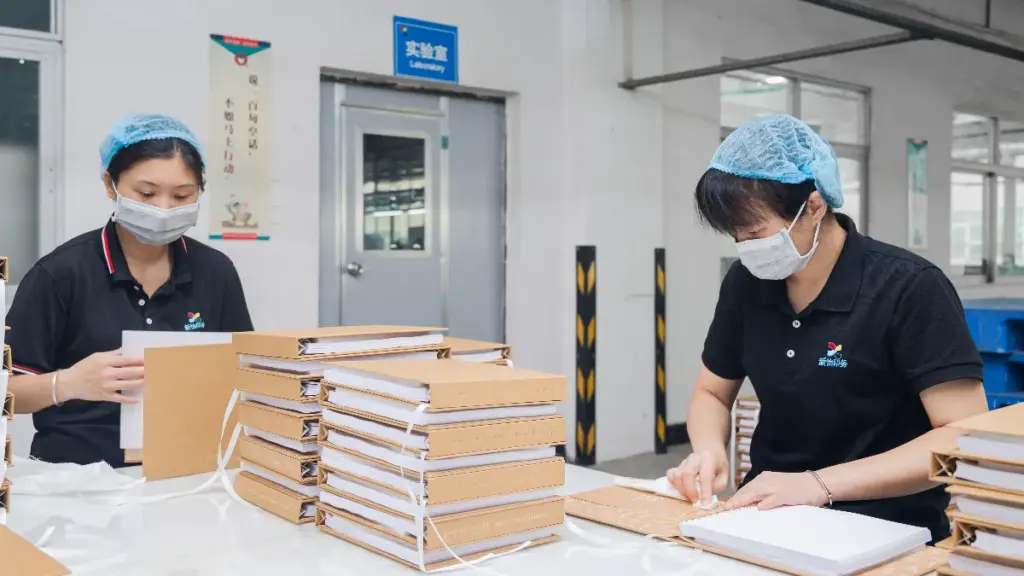
For publishers and brands seeking custom hardcover book printing, Xinyi Printing provides tailored manufacturing solutions for different book projects and market needs. From initial specification planning to final production, we help create durable, premium hardcover books with reliable quality and long-term value.
Domande frequenti
Why are some hardcover books heavy?
Some hardcover books are heavy because they use materials like thicker paper, rigid cover boards, and stronger binding structures. The combination of high page count, large dimensions, and dense paper for illustrations—common in technical or art books—also adds significant weight compared to a standard novel.
How much does a hardcover book weigh?
A standard hardcover book typically weighs between 1 A 3 libbre (about 0.45 A 1.36 kg). Larger volumes, such as textbooks or coffee-table books, often weigh more, sometimes ranging from 2 A 6 pounds or even higher depending on page count and paper density.
What thickness is hardcover board?
The board used for hardcover books typically ranges from 2.0 mm a 3.5 mm di spessore. A common standard for many hardcovers is between 2.5 mm e 3.0 mm, while heavier technical or oversized books may use boards up to 3.5 mm for added rigidity and durability.
What makes a hardcover book durable?
A hardcover’s durability comes from its rigid cover boards that resist bending, a reinforced binding like Smyth-sewn construction that prevents pages from falling out, and durable cover materials that protect against wear. The use of acid-free paper also ensures the pages do not become brittle over time.
How thick can a hardcover book be?
While there is no strict maximum, the practical thickness of a hardcover book is limited by binding technology and material handling. Most commercial hardcovers have a spine thickness between 0.5 E 2 pollici. Exceptionally thick books with over 800 pages are possible but require special consideration for binding strength and cover construction.
Are heavy books better quality?
While a heavy book often indicates the use of higher-quality materials like denser paper and thicker cover boards, weight alone does not guarantee quality. The best measure of quality is the construction method, such as whether the book has a durable Smyth-sewn binding and uses archival-grade, carta priva di acidi.