

There is no single correct page count for a magazine. UN 36 page brand quarterly and a 120 page subscription title can both be right for their publisher.
A budget holds when three checks pass at once. Your editorial plan can fill it. The paper and binding you chose can carry it. The per issue cost can repeat it every cycle.
This guide follows the order a factory sees the job. It covers the page bands our magazine pages publish, the folding rules that round your total, the thickness arithmetic behind binding choice, and the lines a quotation needs. Trim size is a separate decision, settled in our magazine size guide.

Magazine Page Budgets by Type
Our brand magazine page publishes the bands we quote by project type. Read them as planning ranges for a mid size trim, not as fixed specifications. Your number moves with paper weight and binding once the block thickness is known.
| Magazine type | Published page band | Stated construction |
|---|---|---|
| Product launch | 24 A 64 pagine | High quality photography printing |
| Corporate | 32 A 80 pagine | Rilegatura perfetta |
| Customer loyalty | 40 A 100 pagine | Rilegatura perfetta |
| Hotel or travel | 48 A 120 pagine | Matte art paper |
| Immobiliare | 40 A 120 pagine | Premium coated paper |
| Automotive brand | 60 A 150 pagine | Gloss art paper |
| Luxury brand | 80 A 200 pagine | Soft touch cover |
The fashion line splits the same question by project rather than by industry. Its page pairs a zine with saddle stitching on 105 gsm matte stock, and a lookbook or editorial issue with perfect binding on 128 O 157 gsm gloss. A luxury publication on that table moves to hardcover and premium uncoated stock. Those pairings are on our fashion magazine page.
One older post on this site draws the binding line the same way: saddle stitching suits magazines up to 64 pagine, and perfect binding covers 64 A 200 pagine. That is the short version of a longer thickness argument, which the sections below work through.
Why Page Counts Snap to Multiples
A magazine is not printed page by page. Press sheets carry many pages at once, and each folded sheet forms four pages once bound. That single fact sets the arithmetic on our file setup guide: saddle stitched and smyth sewn work must total a multiple of four, ad esempio 16, 20, O 24 pagine.
Glued work counts differently. A PUR perfect bound block is assembled from single leaves rather than folded units. That guide asks for a multiple of two instead, Per esempio 96, 98, O 100 pagine. The folded units themselves are called signatures, and the prepress team arranges your single pages into them.
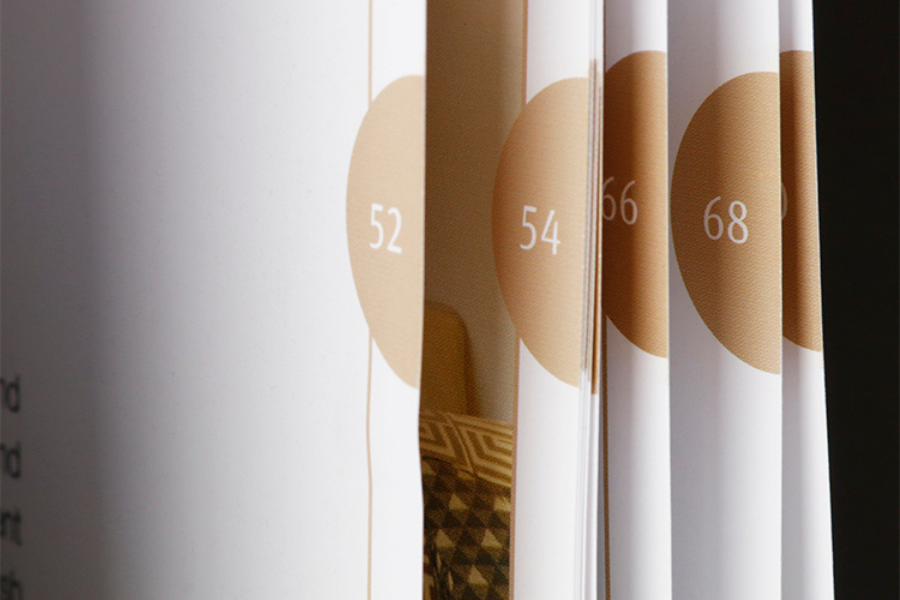
Folding also scrambles page order on the flat sheet. Pages that read sequentially in your layout file sit side by side or face down on the press sheet, and the arrangement is planned before plating. The general term for that arrangement is imposition, described in the encyclopedia entry as placing pages on a printer’s sheet to speed printing and reduce waste. That article is a general reference on the process, not a statement of our own press settings.
Two planning consequences follow. Primo, the last pages to fold face each other in the middle of a unit, which is where a double page photograph belongs. Secondo, UN 51 page idea becomes a 52 page issue, and the honest conversation with your editor is between the allowed numbers, not around them.
Keep the file itself in reading order. The guide asks for single consecutive pages, never reader spreads or pre built printer flats. Keep intentional blank pages so chapter openers do not shift onto the wrong side. The deeper production rules, including inner page shift across a stacked signature, belong to our perfect binding vs saddle stitch comparison.
A Real Run in Two Page Counts
A published case on our publishing guidelines page shows the multiples rule in production. A nationwide Australian campaign ran 486,561 copies across 34 regional versions at 210 by 297 mm, in two configurations only: 36 pages and 56 pagine. Both divide by four, and both sat inside the saddle stitched range.
| Specifica | Recorded value |
|---|---|
| Total quantity | 486,561 copies across 34 versioni |
| Ordinare | 210 X 297 mm |
| Page configurations | 36 pagine (9 versioni, 78,262 copie) E 56 pagine (25 versioni, 408,299 copie) |
| Legame | Due punti a sella lungo il bordo lungo |
| Copertina | 200 gsm offset, Credito misto FSC, 4 plus 4 colour |
| Text stock | 80 gsm offset, Credito misto FSC, 4 plus 4 colour |
| Finitura | None beyond the printed sheet |
Read the stock line before the page line. An 80 gsm offset text block is what kept a 56 page issue inside a stitched range. Move the same count onto heavy coated stock and the block thickens enough to force a glued spine.
How to Spend the Pages You Have
A budget becomes real when the plan adds up to it. Take a 64 page issue, which is four units of sixteen or two units of thirty two. The opening unit carries the masthead, contents, and the front columns, plus the editor’s letter. Those pages multiply fastest, because every short item asks for its own spread.
Give each recurring column a fixed allowance before layout starts. The middle units hold the features, and the closing unit holds what readers flip to last: contributors, stockists, the next issue teaser, and one full bleed final image. On a brand issue, the closing unit usually carries product and catalogue style pages instead.
For ad supported titles, sell positions in whole units rather than single pages. An ad that lands mid unit forces the pages around it to move, which is where the multiples rule turns commercial.
The same exercise exposes a decorative budget. If the realistic output is 40 pagine, plan a 40 page issue and spend the difference on heavier paper or a better cover finish. Our lifestyle magazine page lists digital, vuoto, and completed samples, so you can hold the paper before freezing the count.
Paper Weight Drives Block Thickness
Page count is never a number on its own. It is a number multiplied by the thickness of one sheet of the stock you chose, and that product is what the binding has to accept. Our file setup guide publishes a caliper table for coated stocks, measured per sheet.
One caution on units. Grams per square metre is a measure of area density, not of thickness, as the grammage entry explains. Two papers can share a basis weight and differ in bulk, so treat the published caliper values as reference figures. Our paper thickness guide carries the full conversion tables.
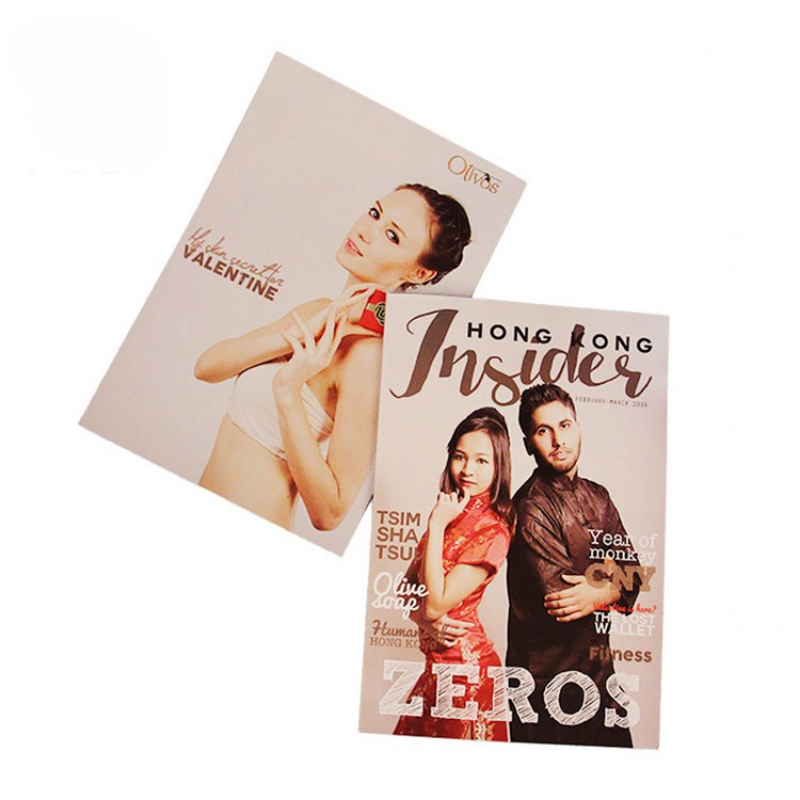
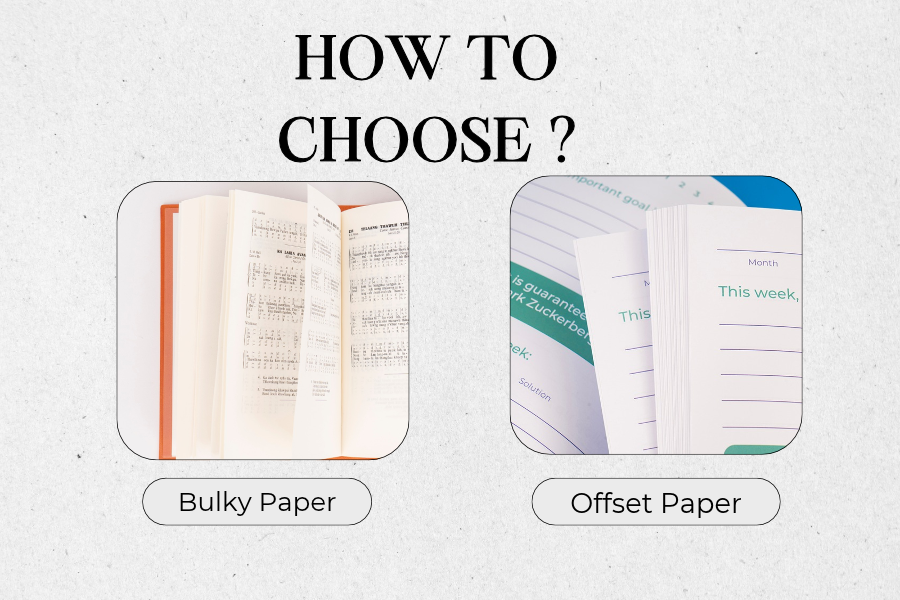
Cover choice runs in parallel. The magazine guideline on our product pages lists coated art paper at 157, 200, E 250 gsm for covers. Textured stock, kraft, carta nera, and soft touch papers are the tactile options. Interiors sit on matte art, offset, or uncoated book paper, and matte suits text heavy layouts.
Worked Spine Width Examples
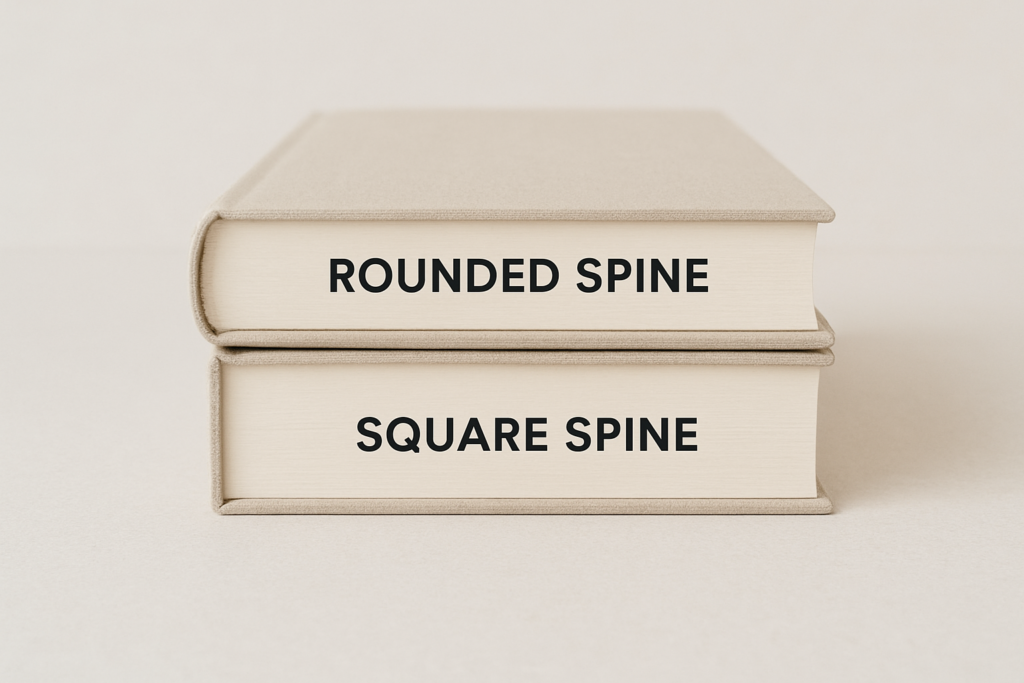
The same guide gives the formula: spine width equals page count divided by two, times paper caliper, plus the cover allowance, plus 0.01 mm. For a paperback, that allowance is the cover paper caliper counted twice. UN 250 gsm cover at 0.265 mm per sheet adds 0.53 mm.
| Issue / text stock | Caliper per sheet | Calculated spine, 250 gsm cover |
|---|---|---|
| 64 pagine, 80 gsm gloss | 0.065 mm | 2.6 mm |
| 64 pagine, 100 gsm gloss | 0.080 mm | 3.1 mm |
| 64 pagine, 128 gsm gloss | 0.102 mm | 3.8 mm |
| 64 pagine, 157 gsm gloss | 0.133 mm | 4.8 mm |
| 96 pagine, 100 gsm gloss | 0.080 mm | 4.4 mm |
| 120 pagine, 128 gsm gloss | 0.102 mm | 6.7 mm |
Two thresholds sit inside that column. A glued spine needs 3.0 mm of width before it holds reliably, which is the minimum our binding types page lists for perfect binding. Spine text needs enough flat width to print legibly, so the first two rows are too thin for a shelf spine and want a stitched or self cover construction instead.
Run the chain in that order: pick the text stock, set the page budget, calculate the block, then confirm the binding the thickness allows. Deciding the binding first is how a 48 page issue arrives at the wire with a stack it cannot close.
Binding Ranges and Lead Times
| Costruzione | Page range | Minimum spine | Bulk lead time |
|---|---|---|---|
| Saddle stitched | 8 A 64 | Piega, no spine | 5 A 7 giorni lavorativi |
| PUR perfect bound | 48 A 600+ | 3.0 mm | 7 A 12 giorni lavorativi |
| EVA perfect bound | 48 A 400 | 3.0 mm | 7 A 12 giorni lavorativi |
| Wire-O or double loop | 16 A 400+ | Bobina, no spine | On request |
| Hardcover smyth sewn | 32 A 800+ | 6.0 mm | 10 A 18 giorni lavorativi |
Page ranges and spine minima come from the binding page. Lead times come from the production table on our publishing guidelines page, where saddle stitching lists magazines first among its target formats.
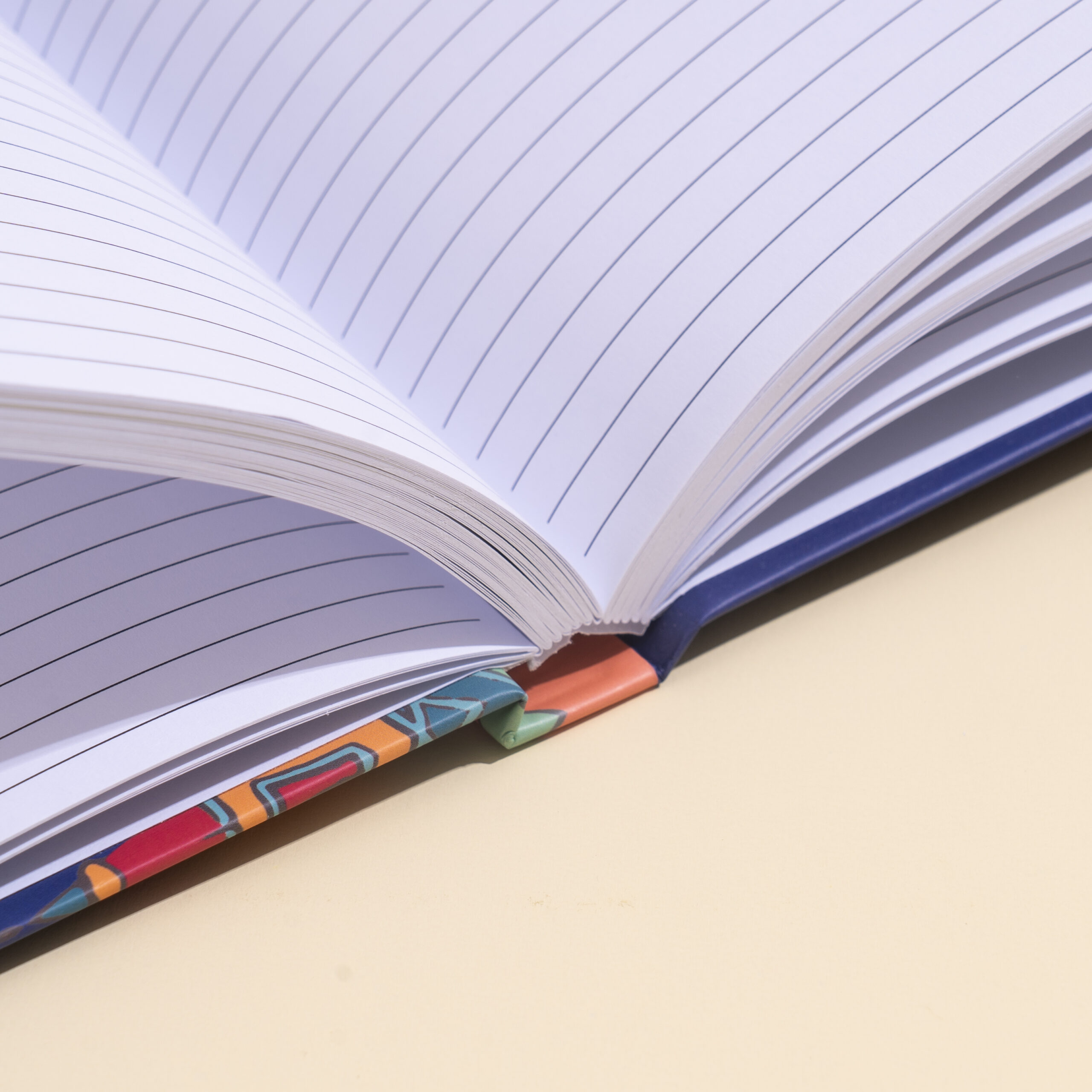
Two allowances change with the construction you land on. Gutter margin runs 6 A 8 mm on stapled work to absorb fold shift, E 10 A 15 mm on glued blocks where pages pull into the spine. Bleed stays at 3 mm past the trim on both, with live text held 5 A 10 mm all'interno della linea di rifinitura.
Page Count Cost and Cadence
Page count touches money in three places, and all three repeat every issue. The first is the step, not the slope. Impostare, piatto, and folding costs are fixed per run, so a longer issue spreads them across more pages per copy while adding paper and binding work.
Quantity moves the same line. Standard production starts at 200 copie, with quotation tiers at 200, 500, 1,000, and above 1,000. A quotation returns within 12 A 24 business hours once specifications land. The wider cost structure, including colour and finishing, is laid out in our book printing cost guide.
The second place is cadence. A monthly title budgets small and lives on consistency, while a quarterly can carry a heavier issue. A team that commits to 68 pagine, hits it twice, then drops to 36 reads to subscribers as a shrinking title. Pick the budget your pipeline can produce, round it to an allowed multiple, then freeze it.
The third place is shipping. Freight is calculated strictly by chargeable weight for air express, or by volume for ocean and rail, and export cartons are capped under 15 kg gross. A heavy coated issue costs more to move than a lighter uncoated one of similar length. Model freight at the budget stage, not after proofs. Our shipping page covers the packing basis.
Plan Later Issues Early
A magazine is a series, and series planning has its own lever. With customer authorisation we retain prepress files, schemi di imposizione, and proof approvals for two years. An unchanged reprint runs from those records in 7 working days at the same 200 copy minimum. A reprint with revisions goes back through the file check and takes 10 A 15 giorni lavorativi.
Language editions are the other case. The publishing guidelines page describes locking the colour plates and swapping only the black text plate between versions. It states that this can save up to 60 percent of the plate and prepress work across a multilingual programme. That saving needs an identical page count and layout in every edition, so fix the budget before translation starts. IL bulk orders guide covers the scheduling side.
What the Quote Actually Needs
Prepress checks a magazine specification against the same list every time. Send these lines with your target band and the answer comes back comparable across bindings.
| Line | What to send | Why it matters |
|---|---|---|
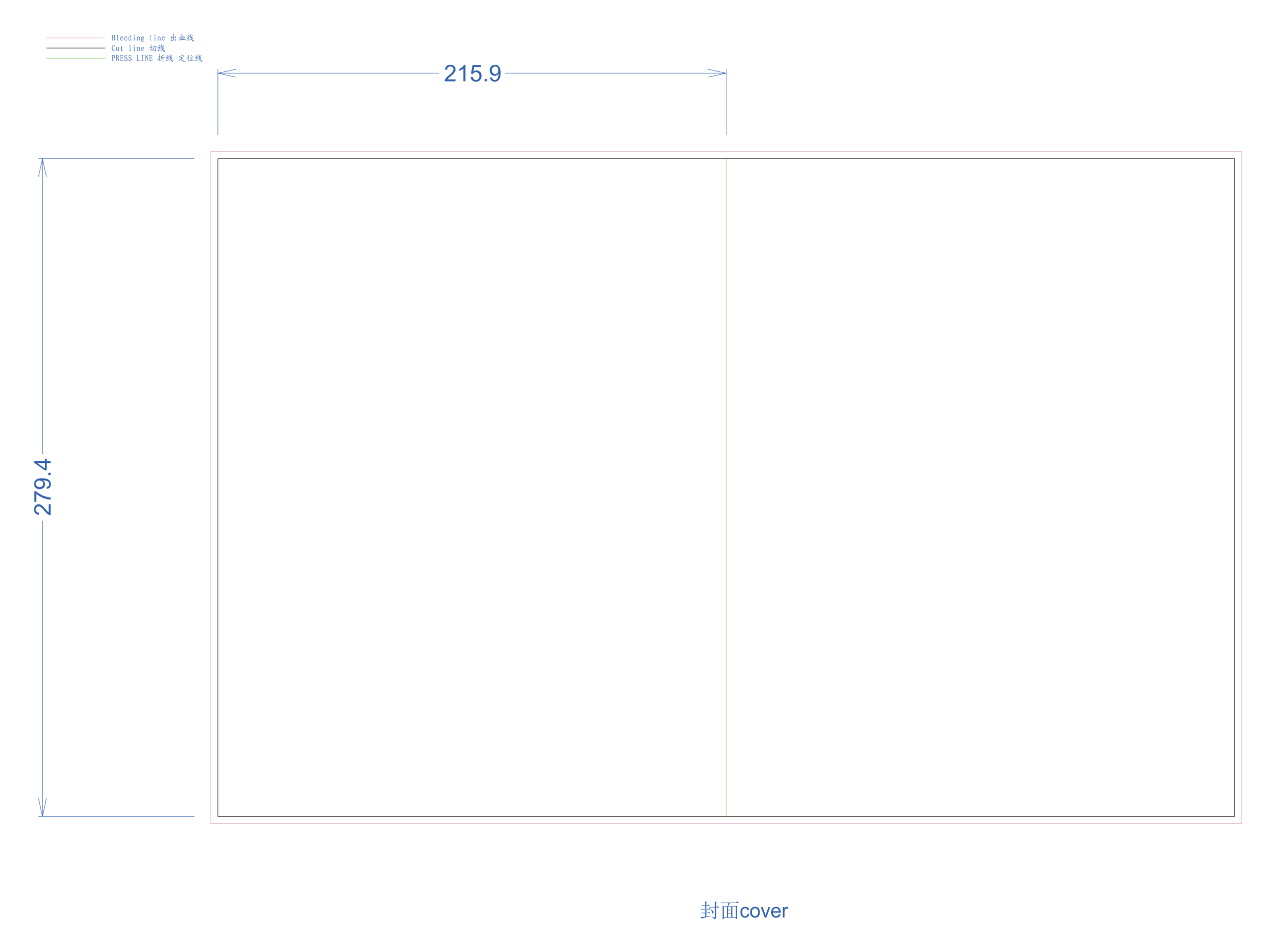
| Trim and bleed | Dimensioni finite, 3 mm bleed, live area 5 A 10 mm inside | Guillotine variance cannot cut content |
| Conteggio delle pagine | Total as a multiple of four, or two for PUR | Sets the folding scheme and the quote step |
| Page order | Single consecutive pages, intentional blanks kept | Prepress builds the signatures |
| Text stock | Weight and finish, Per esempio 80 gsm offset | Caliper decides block thickness |
| Copertina | 157, 200, O 250 carta d'arte GSM, or a specialty stock | Adds to spine width and sets the hand feel |
| Gutter | 6 A 8 mm stapled, 10 A 15 mm glued | Absorbs fold shift and spine pull |
| Colour and files | CMYK PDF, embedded fonts, 300 effective DPI images | No substitution at RIP |
| Guides | Remove trim marks, template layers, and comments | Template lines can print on the sheet |
| Quantity and schedule | Copies per issue, issues per year, destinazione | Drives tier pricing and freight basis |
Page Budgets Checked Before Quoting
Considerazioni finali
A magazine page budget comes down to three numbers. They are the text stock, the total as an allowed multiple, and the binding the resulting thickness permits. Fix them in that sequence and the rest of the plan, from ad blocks to freight, stops moving.
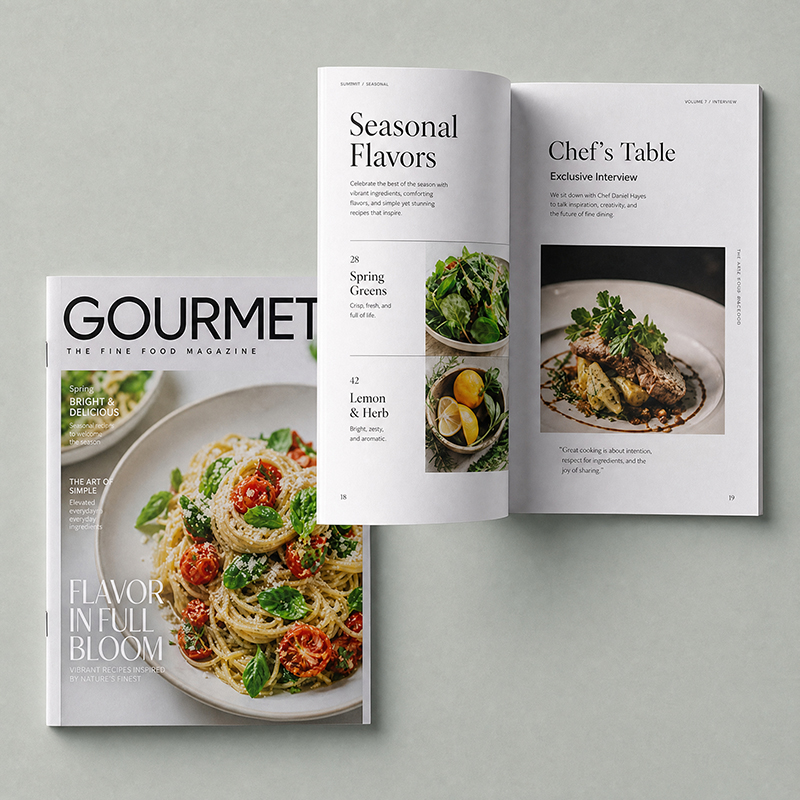
Write the budget your editorial pipeline can actually produce, round it once, and hold it across the year. IL magazine category shows finished work across brand, stile di vita, and fashion formats, e il nostro contact page takes a brief with your page band attached.
Domande frequenti
È un 32 page issue still a magazine?
SÌ. Nothing reserves the word for thicker titles. UN 32 page periodical with a masthead, contents, a feature, and a contributors page is a magazine, E 32 divides cleanly by four and by eight. What makes a thin issue feel slight is paper choice and cover, not the count itself.
What is the saddle stitching page limit?
Our binding table lists 8 A 64 pages for saddle stitched work, and the limit is a thickness limit rather than a page limit. A block of 64 pages on heavy coated stock can reach it before a block of 64 on 80 gsm offset does. Calculate the block first, then read the range.
Should I send facing page spreads?
NO. Send single pages in consecutive reading order and keep the blank pages you intended. Our prepress workflow arranges those pages into signatures, and pre built spreads create rework at imposition, which is the stage where late changes cost the most.
Can we reprint from the stored setup?
Files, plates, and proof approvals are archived for two years with customer authorisation. An unchanged reprint runs from those records in 7 working days at a 200 copy minimum. Revised artwork goes back through the file check and takes 10 A 15 giorni lavorativi.
Which sample should we ask for first?
The magazine product pages list digital, vuoto, and completed samples. A digital proof checks pagination and the folding plan, a blank sample checks the paper and the thickness of the finished block, and a completed sample shows cover and finish together. A bound proof runs 3 A 5 giorni lavorativi.