Publicando um prêmio impressão de livro de capa dura projeto requer mais do que uma capa durável. Editores e empresas precisam equilibrar a qualidade do material, custos de produção, requisitos de projeto, e valor a longo prazo para criar livros que atendam aos seus objetivos.
Este guia fornece insights práticos sobre estruturas de livros de capa dura, materiais, Opções de personalização, e principais considerações de produção. Com as especificações certas e o parceiro de impressão, as empresas podem criar livros de capa dura personalizados que proporcionam uma aparência profissional, durabilidade duradoura, e uma melhor experiência para os leitores.
O que é um livro de capa dura?

UM livro de capa dura é um livro com capa rígida feita de cartolinas resistentes embrulhadas em papel impresso, pano, ou outros materiais decorativos. Comparado com livros de bolso, livros de capa dura oferecem melhor proteção, maior durabilidade, e uma aparência mais premium.
Um livro de capa dura geralmente consiste em vários componentes principais:
- Placa de cobertura: Uma placa rígida que fornece suporte estrutural e protege as páginas.
- Envoltório de capa: Papel impresso, pano, ou materiais especiais que criam o design exterior.
- Papéis finais: Folhas que conectam a capa às páginas internas e melhoram a estabilidade.
- Bloco de livro: As páginas impressas reunidas em um livro completo.
- Vinculativo: O processo usado para proteger as páginas, como encadernação de caixas ou costura de linha.
A maioria dos livros de capa dura é produzida usando encadernação de caso, onde o bloco do livro é preso a uma capa durável. Essa estrutura ajuda o livro a manter sua forma e qualidade ao longo do tempo.
Para editores, marcas, e negócios, livros de capa dura personalizados fornecem um formato profissional para a criação de livros duráveis, publicações de qualidade premium.
Vantagens dos livros de capa dura para projetos de publicação premium
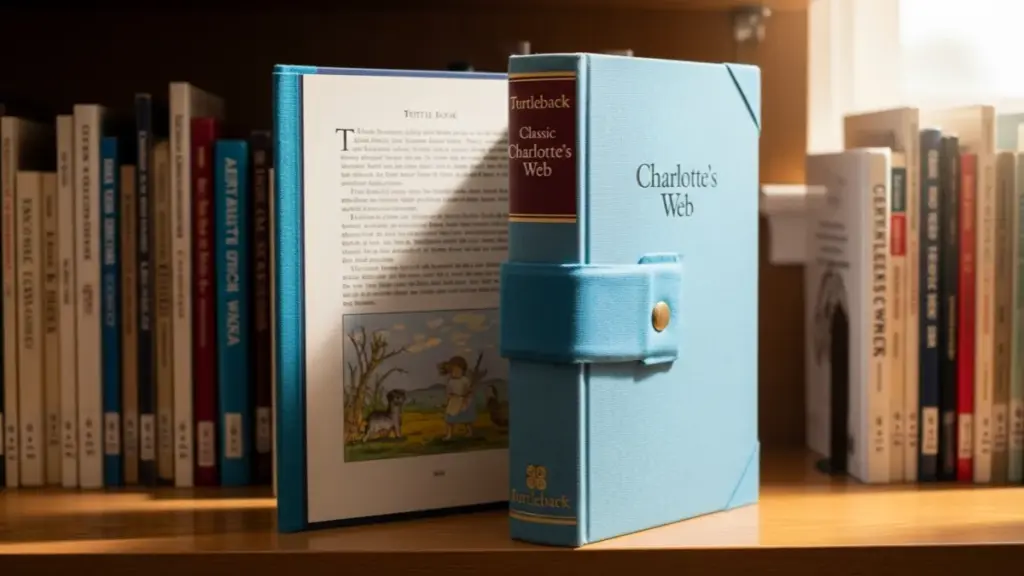
Para editores e marcas, livros de capa dura oferecem um formato premium que combina durabilidade, flexibilidade de projeto, e valor a longo prazo.
Melhor durabilidade e proteção a longo prazo
Uma das maiores vantagens dos livros de capa dura é a durabilidade. A estrutura rígida da capa ajuda a proteger as páginas contra dobras, rasgando, e uso diário. Isso torna os livros de capa dura adequados para publicações que precisam ser preservadas e usadas por muito tempo..
Por exemplo, livros educacionais, livros de referência, e os livros infantis muitas vezes exigem uma construção mais robusta porque são manuseados com frequência. O design de capa dura ajuda a manter a condição do livro mesmo após uso repetido.
A estrutura mais forte também proporciona melhor proteção durante o armazenamento e transporte. Para editoras e empresas que distribuem livros internacionalmente, a impressão de livros de capa dura pode reduzir o risco de danos durante o transporte e manuseio.
Os livros de capa dura são especialmente adequados para:
- Coleções de longo prazo
- Livros da biblioteca
- Publicações profissionais
- Edições Premium
- Livros de lembrança
Aparência premium e maior valor de marca
Um livro de capa dura cria uma impressão visual mais forte em comparação com um livro de capa comum. A cobertura sólida, bordas limpas, e opções de acabamento de alta qualidade ajudam a criar um produto premium que atrai leitores.
Para empresas, a aparência de um livro pode influenciar a forma como os clientes percebem uma marca. Livros de história corporativa, relatórios anuais, Catálogos de produtos, e publicações de aniversário costumam usar formatos de capa dura porque transmitem profissionalismo e confiabilidade.
O formato de capa dura também oferece mais espaço para design criativo. Uma capa cuidadosamente desenhada com materiais e técnicas de acabamento de qualidade pode transformar uma simples publicação num ativo de marca memorável.
É por isso que os livros de capa dura são comumente selecionados para projetos onde a qualidade da apresentação é tão importante quanto o conteúdo em si..
Mais opções de personalização para designs de livros exclusivos
A impressão de livros de capa dura oferece uma ampla gama de opções de personalização. Editoras e marcas podem ajustar quase todas as partes do livro, desde materiais até detalhes de acabamento.
As opções comuns de personalização de capa dura incluem:
- Laminação fosca ou brilhante
- Estampagem de folha
- Gravação e gravação em relevo
- Revestimento UV localizado
- Materiais de capa personalizados
- Marcadores da faixa de opções
- Guardas especiais
Essas opções permitem que as empresas criem livros que correspondam à identidade de sua marca ou aos objetivos de publicação.
Por exemplo, uma marca de luxo pode escolher uma capa dura de tecido com estampagem, enquanto uma editora de livros infantis pode se concentrar em materiais duráveis e designs coloridos.
Crie livros de capa dura personalizados com qualidade premium

Materiais usados na impressão de livros de capa dura

Os materiais utilizados na impressão de livros de capa dura afetam diretamente a aparência do livro, durabilidade, e qualidade geral. Diferentes projetos requerem diferentes combinações de materiais para alcançar o resultado desejado.
Materiais de capa dura e opções de quadro
A capa é a parte mais reconhecível de um livro de capa dura. Geralmente consiste em uma placa rígida coberta com papel impresso ou materiais decorativos.
Os materiais comuns de capa dura incluem:
| Material | Características | Aplicativos comuns |
|---|---|---|
| Quadro cinza / Aglomerado | Fornece uma estrutura forte e durável para proteger as páginas internas e manter o formato do livro. | Livros de capa dura em geral, Livros didáticos, e publicações duradouras. |
| Envoltório de papel impresso | Suporta impressão colorida e designs de capa flexíveis para diferentes necessidades de publicação. | Publicações comerciais, livros corporativos, e projetos personalizados de capa dura. |
| Capa de linho ou pano | Cria um clássico, aparência elegante com textura premium e acabamento refinado. | Edições especiais, revistas, cadernos premium, e livros de presente. |
| Material semelhante ao couro | Fornece uma aparência luxuosa e aumenta o valor percebido do livro. | Livros de colecionador, edições de luxo, e publicações de presentes de alta qualidade. |
A espessura da placa de cobertura afeta a resistência e o toque do produto final. Placas mais grossas proporcionam melhor proteção, enquanto diferentes materiais de embalagem ajudam a obter diferentes efeitos visuais.
Para livros de capa dura personalizados, a escolha do material da capa deve considerar a finalidade do livro, público-alvo, e expectativa de vida.
Tipos de papel interno para diferentes livros de capa dura
As páginas internas desempenham um papel importante na experiência de leitura e na qualidade de impressão. Diferentes categorias de livros exigem diferentes escolhas de papel.
As opções de papel comuns incluem:
- Papel deslocado: Adequado para romances, Livros didáticos, e livros com muito texto porque proporciona uma leitura confortável.
- Papel revestido: Ideal para álbuns fotográficos, Livros de arte, e publicações que exigem imagens de alta qualidade.
- Papel especial: Usado para projetos premium que exigem textura ou aparência exclusiva.
Por exemplo, um livro de fotografia geralmente precisa de papel revestido para exibir imagens nítidas e cores ricas, enquanto um relatório de negócios pode usar papel offset para facilitar a leitura.
Selecionar o tipo de papel correto ajuda a equilibrar a qualidade de impressão, durabilidade, e custo de produção.
Métodos de encadernação para livros de capa dura duráveis
O método de encadernação determina quão bem o livro se mantém unido ao longo do tempo. Livros de capa dura geralmente usam métodos de encadernação mais fortes em comparação com livros de bolso.
As opções comuns de encadernação de capa dura incluem:
| Método de ligação | Descrição | Benefícios |
|---|---|---|
| Ligação de casos | O bloco do livro é preso a uma capa rígida para criar uma estrutura forte de capa dura. | Oferece excelente durabilidade, uma aparência premium, e proteção a longo prazo. |
| Encadernação costurada com linha | As páginas são costuradas com linha antes de serem fixadas na capa. | Oferece força superior, melhor estabilidade da página, e uma vida útil mais longa. |
| Encadernação com cola | As páginas são fixadas com adesivo para criar uma estrutura de encadernação flexível e eficiente. | Oferece uma opção econômica para projetos específicos de livros de capa dura. |
Para livros de capa dura premium, encadernação de caixa e encadernação com linha costurada são comumente preferidas porque proporcionam melhor durabilidade e permitem que o livro abra confortavelmente.
O que você deve considerar ao imprimir livros de capa dura
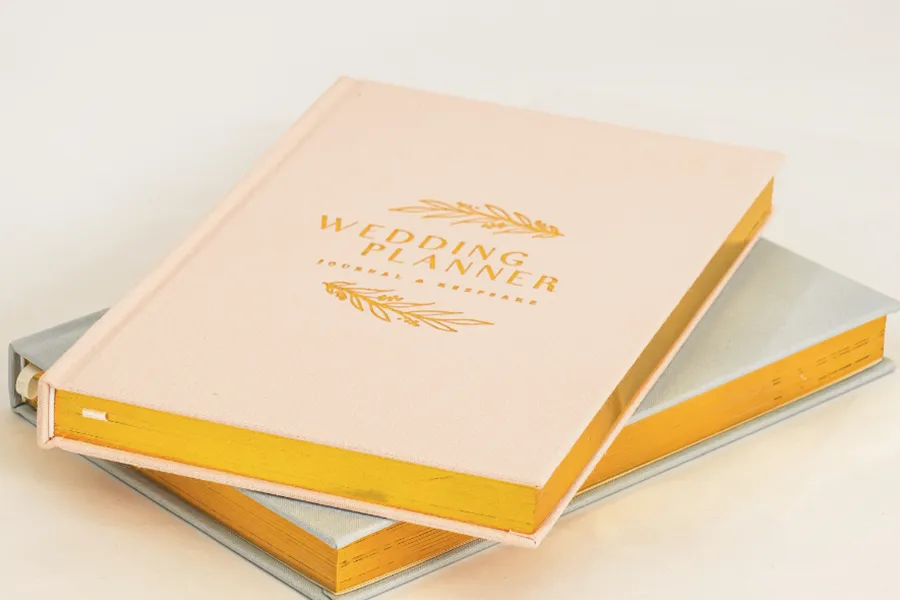
Depois de entender os benefícios, materiais, e aplicações de livros de capa dura, há vários fatores importantes a serem considerados antes de iniciar seu projeto de impressão. Essas decisões ajudam a garantir que o livro final atenda à sua qualidade, orçamento, e requisitos funcionais.
Objetivo do livro, Público, e requisitos de uso
O propósito de um livro afeta diretamente seu formato, direção de projeto, e requisitos de produção. Um livro de capa dura para leitura diária pode precisar de especificações diferentes de uma publicação premium projetada para apresentação ou coleção.
Antes de iniciar a produção, considere como os leitores irão interagir com o livro:
- Frequência de leitura: Livros usados regularmente, como livros infantis ou materiais educacionais, requerem estruturas mais fortes para lidar com o uso repetido.
- Público-alvo: Leitores diferentes têm expectativas diferentes em relação à aparência, conforto, e durabilidade.
- Objetivo do livro: Publicações corporativas, Livros de presentes, e as edições de colecionador geralmente se concentram mais na apresentação premium e no valor da marca.
Compreender esses fatores ajuda a determinar o equilíbrio certo entre apelo visual, durabilidade, e custo de produção. Um livro de capa dura bem planejado não deve apenas parecer impressionante, mas também fornecer uma experiência adequada aos leitores pretendidos..
Tamanho do livro, Contagem de páginas, e seleção de papel
As especificações físicas de um livro de capa dura influenciam tanto a qualidade da produção quanto o desempenho geral. Tamanho, contagem de páginas, e a seleção do papel trabalham juntas para determinar o peso do livro, experiência de manuseio, e requisitos de impressão.
Especificações importantes a serem avaliadas incluem:
| Especificação | Impacto na impressão de livros de capa dura |
|---|---|
| Tamanho do corte | Determina a aparência geral, conforto de leitura, e requisitos de embalagem do livro acabado. |
| Contagem de páginas | Afeta a espessura do livro, requisitos vinculativos, e o custo final de produção. |
| Peso em papel | Influencia a sensação do livro, durabilidade, e adequação para diferentes tipos de conteúdo. |
| Requisitos de impressão em cores | Determina a qualidade de impressão e é especialmente importante para publicações focadas em imagens. |
Por exemplo, um álbum fotográfico grande pode exigir um planejamento cuidadoso para manter um equilíbrio entre a qualidade da imagem e o peso geral. Um romance menor de capa dura pode se concentrar mais na leitura confortável e na produção eficiente.
A seleção das especificações corretas garante que o produto final proporcione uma experiência de leitura consistente, ao mesmo tempo que atende aos requisitos práticos de produção.
Quantidade de impressão, Orçamento, e opções de personalização
O planejamento da produção também desempenha um papel importante nos projetos de livros de capa dura.. A quantidade do pedido, nível de personalização, e o orçamento influenciam a abordagem de produção mais adequada.
Ao preparar um plano de impressão, as empresas devem avaliar:
- Quantidade de impressão: Quantidades maiores geralmente melhoram a eficiência de custos, enquanto pedidos menores podem exigir soluções mais flexíveis.
- Nível de personalização: Acabamentos especiais e opções premium podem aumentar o valor do livro, mas podem afetar os custos de produção.
- Orçamento total do projeto: Escolhas de materiais, detalhes de acabamento, embalagem, e o envio devem ser considerados juntos.
Opções de personalização, como estampagem em folha, capas em relevo, e acabamentos especiais permitem que as empresas criem livros de capa dura exclusivos que se destacam no mercado. No entanto, cada recurso adicional deve apoiar o propósito do livro, em vez de aumentar os custos sem um valor claro.
Trabalhar com um parceiro experiente em impressão de livros de capa dura ajuda editores e empresas a encontrar o equilíbrio certo entre qualidade, personalização, e eficiência orçamentária.
Quais livros são adequados para impressão de capa dura?
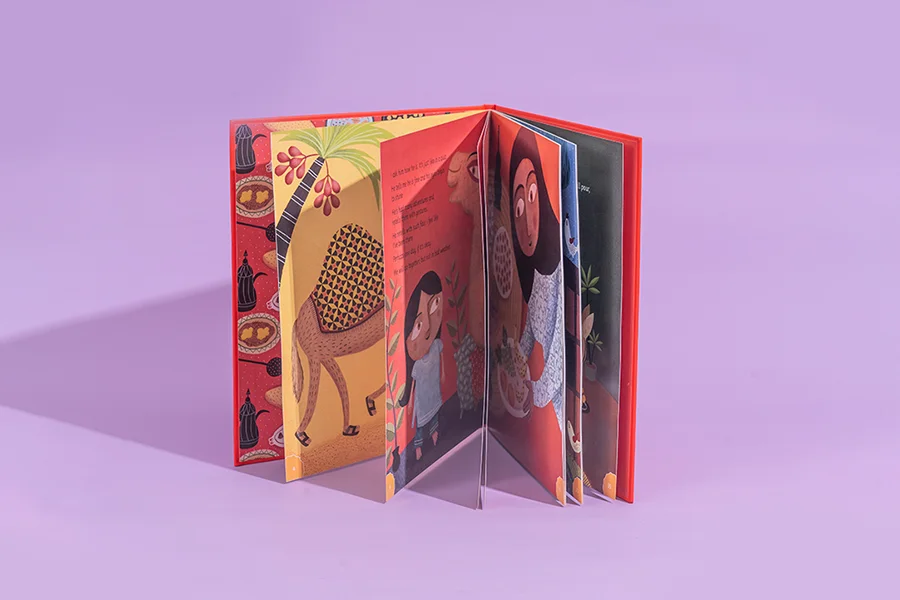
A impressão de capa dura é adequada para publicações onde a durabilidade, apresentação, e valor duradouro importa. Diferentes tipos de livros exigem formatos diferentes para atender ao seu propósito, público, e necessidades de uso.
Livros infantis
Jovens leitores costumam manusear livros com frequência, tornando a durabilidade e a fácil manutenção fatores importantes para esta categoria.
- Durabilidade: As capas rígidas ajudam a proteger as páginas contra dobras, rasgando, e desgaste normal.
- Segurança e Usabilidade: Uma estrutura mais forte torna o livro mais fácil para as crianças segurarem e usarem.
- Valor de longo prazo: A construção durável ajuda os livros infantis a permanecerem em boas condições por longos períodos.
Álbuns de fotos e livros de arte
Imagens e conteúdo visual de alta qualidade exigem um formato que possa aprimorar a apresentação e, ao mesmo tempo, proteger as páginas impressas.
- Apresentação Premium: Uma forte estrutura de capa complementa a fotografia e a arte profissional.
- Melhor proteção: Materiais duráveis ajudam a preservar páginas impressas e papéis especiais.
- Apelo Colecionável: Acabamentos e materiais premium aumentam o valor das edições limitadas ou especiais.
Livros Corporativos e Relatórios Anuais
As empresas muitas vezes precisam de publicações profissionais para comunicar histórias de marcas, conquistas, e informações importantes.
- Imagem da marca: Um design de livro premium fortalece a identidade corporativa e melhora a apresentação do negócio.
- Comunicação Profissional: Publicações de alta qualidade apoiam reuniões com clientes, eventos, e marcos da empresa.
- Referência de longo prazo: A construção durável permite que informações comerciais valiosas sejam preservadas.
Livros educacionais e publicações de referência
Livros usados nas salas de aula, bibliotecas, e ambientes profissionais precisam de estruturas confiáveis que suportem o uso repetido.
- Manuseio frequente: Capas fortes proporcionam melhor proteção durante leitura e referência regulares.
- Vida útil estendida: A encadernação durável ajuda os livros a manter a qualidade ao longo dos anos de uso.
- Qualidade Profissional: O formato de capa dura agrega credibilidade aos materiais educacionais.
Edições de colecionador e publicações premium
Lançamentos limitados e publicações especiais geralmente se concentram na criação de um produto valioso que os leitores desejam manter..
- Design Exclusivo: Capas personalizadas e opções de acabamento criam uma aparência distinta.
- Valor mais alto: Materiais premium melhoram a qualidade percebida dos livros colecionáveis.
- Preservação a longo prazo: A construção robusta ajuda a proteger publicações importantes durante anos.
Livros de receitas
Receitas combinadas com fotografia de alimentos criam publicações que se beneficiam tanto da durabilidade prática quanto da apresentação premium.
- Uso frequente: Capas fortes ajudam a proteger livros que são abertos e manuseados regularmente durante o cozimento.
- Qualidade Visual: Estruturas de capa dura fornecem uma plataforma premium para fotografia de alimentos e receitas detalhadas.
- Apelo de presente: Materiais de alta qualidade e opções de acabamento tornam os livros de receitas adequados para coleções pessoais e presentes premium.
Se você quiser entender isso com mais detalhes, você também pode ler nosso guia sobre Guia de impressão de livro de receitas de capa dura.
Para editores, marcas, e negócios, livros de capa dura são mais do que materiais de leitura. São produtos premium que comunicam qualidade, fortalecer o valor da marca, e criar uma conexão duradoura com os leitores.
Livros de capa dura versus livros de bolso: Principais diferenças
Compreender suas diferenças ajuda os editores, marcas, e as empresas selecionam o formato certo com base nas metas, orçamento, e expectativas do leitor.
Diferenças na durabilidade, Custo, e aparência
As principais diferenças entre livros de capa dura e brochura vêm de sua estrutura, processo de produção, e uso pretendido. Os livros de capa dura focam no valor de longo prazo e na apresentação premium, enquanto os livros de bolso oferecem uma opção mais flexível e econômica.
| Recurso | Livros de capa dura | Livros de bolso |
|---|---|---|
| Estrutura da Capa | Usa uma capa de placa rígida que fornece proteção mais forte para uso a longo prazo. | Utiliza uma capa de papel flexível que oferece manuseio leve e transporte mais fácil. |
| Durabilidade | Adequado para livros que requerem maior vida útil e manuseio frequente. | Mais adequado para leitura geral e uso de curto prazo. |
| Aparência | Cria uma aparência premium adequada para publicações profissionais e especiais. | Fornece um formato simples e prático para publicação diária. |
| Custo de produção | Requer maior investimento devido a materiais mais resistentes e etapas de produção adicionais. | Oferece uma solução mais acessível para impressão de grandes volumes. |
| Peso | Estrutura mais pesada oferece melhor proteção, mas aumenta o peso do transporte. | O design mais leve facilita a distribuição e o transporte. |
| Personalização | Suporta mais opções de acabamento para designs premium e personalizados. | Oferece menos opções de acabamento, mas funciona bem para publicações padrão. |
Em geral, livros de capa dura funcionam melhor para projetos que exigem durabilidade, apresentação premium, e valor a longo prazo. Livros de bolso são frequentemente preferidos quando o preço é acessível, portabilidade, e distribuição eficiente são as principais prioridades.
Quando você deve escolher capa dura em vez de brochura?
O formato certo depende do propósito da publicação e da experiência que você deseja criar para os leitores.
UM livro de capa dura geralmente é uma escolha melhor quando:
- Preservação a longo prazo: O livro precisa manter sua qualidade por anos, como edições de colecionador, livros de referência, ou publicações profissionais.
- Apresentação da marca: A publicação representa uma empresa, organização, ou produto premium que requer um impacto visual mais forte.
- Experiência de leitor premium: O livro foi concebido como um presente, edição especial, ou publicação de alto valor.
UM livro de bolso pode ser mais adequado quando:
- Eficiência de custos: O projeto exige menor custo de produção ou maior quantidade de impressão.
- Distribuição Fácil: Livros leves são preferidos para envio, vendas no varejo, ou distribuição internacional.
- Leitura Prática: A publicação se concentra na acessibilidade e no uso diário, em vez da preservação a longo prazo.
Para editores e empresas, a melhor escolha depende do papel do livro no mercado. Um formato de capa dura pode criar um valor percebido mais forte, enquanto o formato brochura pode proporcionar maior flexibilidade para projetos sensíveis ao custo.
Você pode ler este artigo para saber mais sobre métodos de encadernação de livros: Diferença entre livro de tabuleiro, capa dura e brochura
Considerações Finais
Um livro de capa dura bem projetado pode agregar valor a longo prazo por meio de materiais de qualidade, construção confiável, e uma experiência de leitura premium. Para editores, marcas, e organizações, impressão de livro de capa dura oferece uma maneira profissional de criar publicações que refletem qualidade e criam impressões duradouras.
O que imprimir fornece soluções personalizadas de impressão de livros de capa dura com formatos flexíveis, opções de materiais, e serviços de acabamento. Trabalhamos com clientes globais para criar produtos duráveis, livros de alta qualidade que atendem aos objetivos da marca e aos requisitos de publicação.
Perguntas frequentes
Quanto tempo duram os livros de capa dura?
Um livro de capa dura bem feito normalmente dura de 40 a 60 anos em condições normais de casa ou biblioteca. Com materiais de qualidade de arquivo, como papel sem ácido e armazenamento adequado, eles podem durar 100 anos ou mais. Geralmente, isso é duas a três vezes mais longo do que a vida útil de um livro comum..
Quanto tempo leva para imprimir livros de capa dura personalizados?
O tempo de produção de livros de capa dura personalizados depende de fatores como o tamanho do livro, contagem de páginas, materiais, opções de acabamento, e quantidade do pedido. Projetos com designs complexos ou acabamentos especiais podem exigir tempo adicional. Trabalhar com um fornecedor experiente de impressão de livros de capa dura ajuda a garantir uma produção eficiente, desde a aprovação da prova até a entrega final.
Quais opções de personalização estão disponíveis para impressão de livros de capa dura?
Livros de capa dura personalizados podem ser personalizados através de diferentes materiais de capa, opções de papel, métodos de ligação, e técnicas de acabamento. As opções comuns incluem designs de capa personalizados, Carimbo de papel alumínio, gravação, texturas especiais, e formatos de livros exclusivos. Essas opções de personalização ajudam editores e empresas a criar livros que correspondam à identidade de sua marca e aos objetivos do projeto.
Quais fatores afetam o custo da impressão de livros de capa dura?
O custo da impressão de livros de capa dura depende de vários fatores, incluindo especificações do livro, seleção de materiais, quantidade de impressão, método de ligação, e requisitos de personalização. Materiais premium e acabamentos especiais podem aumentar o custo geral, enquanto volumes de produção maiores geralmente melhoram a eficiência de custos. Uma avaliação detalhada do projeto ajuda a alcançar o equilíbrio certo entre qualidade e orçamento.