

A well-designed hardcover cookbook achieves a careful balance between clear information delivery and visual appetite appeal. Deve combinar funcionalidade, aesthetic excellence, and brand consistency to create a memorable user experience. A successful hardcover cookbook is built on three essential elements: high-quality visual presentation, durable and flexible binding, and an appropriately chosen size and format. Premium image printing ensures that every dish is reproduced with accurate color, rich detail, and realistic texture, while precise layout and professional binding guarantee smooth page flow and long-term structural stability. Ao mesmo tempo, the right dimensions and thoughtful design details enhance usability in real kitchen environments. When these elements work together, the result is a hardcover cookbook that not only attracts attention visually but also reflects superior craftsmanship, durabilidade, and brand value.
How Food Photography Becomes the Soul of a Hardcover Cookbook
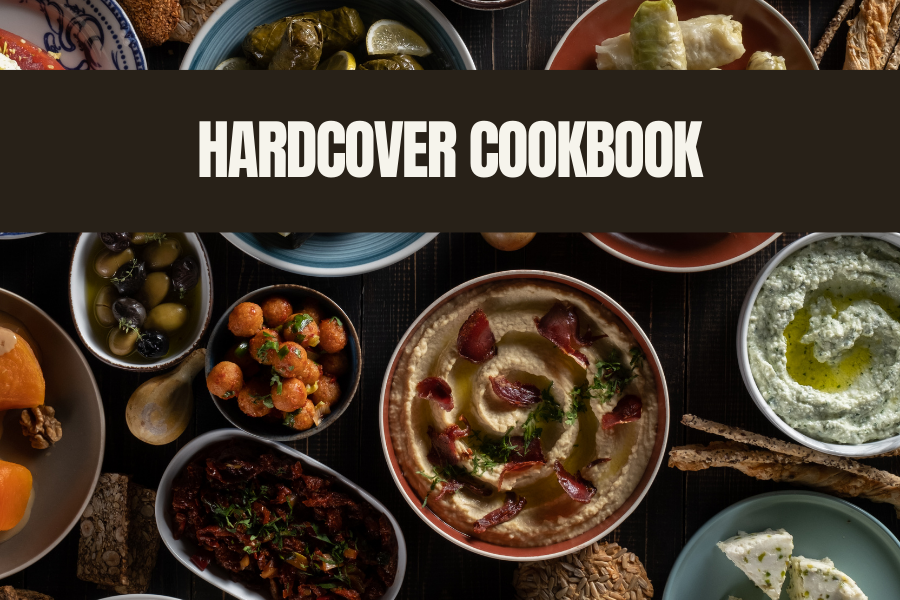
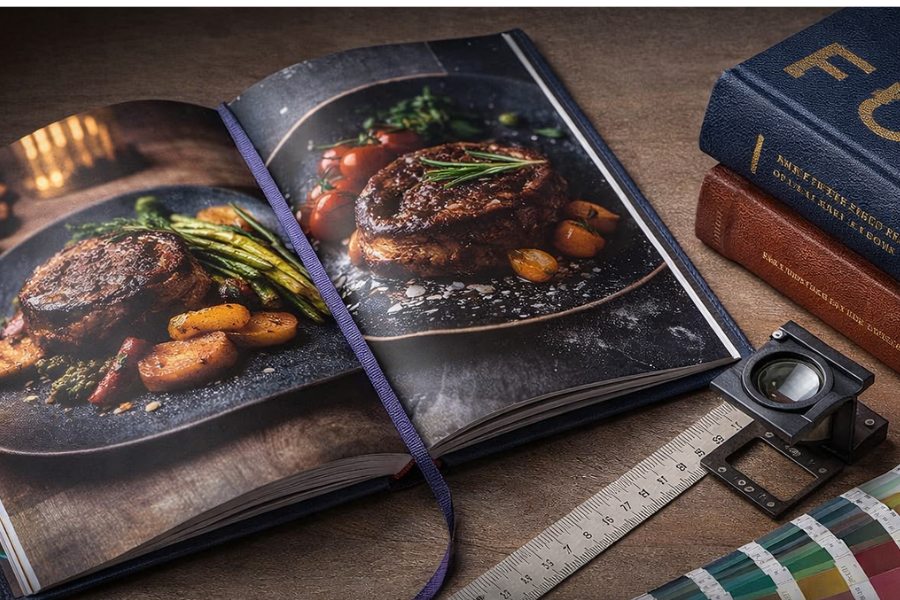
Food photography is the emotional and visual centerpiece of any successful hardcover cookbook. The ability to accurately present color, textura, and freshness directly determines how appealing the dishes appear to readers. High-quality printing ensures that every image communicates an appealing appeal while reinforcing the overall brand identity. In professional hardcover cookbook production, visual presentation is not only about aesthetics. It is a strategic combination of paper selection, color management, finishing techniques, and precise layout planning.
Paper selection is the first critical factor affecting image quality. Coated papers, such as gloss art paper and matte art paper, are widely preferred in hardcover cookbook printing because their smooth coated surface prevents excessive ink absorption. This allows ink to remain on the surface, maximizing color saturation, sharpness, and detail. Em contraste, uncoated offset paper absorbs more ink, often causing colors to appear dull or gray. Gloss art paper enhances vibrancy and contrast, making dishes look more vivid and fresh, while matte art paper reduces glare and creates a more refined, premium appearance. Após a impressão, finishes such as gloss lamination or UV coating can further enhance brightness and saturation, whereas matte lamination or matte varnish provides a softer, more elegant look, ideal for brands seeking a sophisticated visual tone.
Professional color management is equally essential to achieving consistent and accurate results. All food images should maintain a minimum resolution of 300 DPI to ensure sharp reproduction in print. Color also plays a functional and psychological role in hardcover cookbook design. Warm tones such as red, orange, and yellow naturally stimulate appetite and draw attention, while neutral tones create visual balance and improve readability. The primary color palette should align with the restaurant or brand identity to strengthen brand recognition, secondary colors can help organize content sections, and accent colors highlight signature dishes or seasonal specialties. To maintain visual harmony, a well-designed hardcover cookbook typically limits its palette to two or three core colors, using variations in brightness and saturation to create depth without overwhelming the reader.
Before mass production, professional color proofing and sampling are essential to ensure accurate color reproduction. This process allows designers and manufacturers to verify color accuracy, detect potential shifts, and make adjustments before full-scale printing begins. Proper proofing ensures that the final hardcover cookbook faithfully reproduces the natural tones, freshness, and visual appeal of the food, while minimizing costly production errors and revisions.
Surface finishing techniques further enhance the visual impact and perceived value of a hardcover cookbook. Processes such as spot UV, Carimbo de papel alumínio, gravação, and soft-touch lamination can highlight key design elements, create visual hierarchy, and elevate the tactile experience. These finishing details not only improve durability but also reinforce the premium positioning of the cookbook and the brand it represents.
Finalmente, layout structure must be carefully planned to work in harmony with printing and binding requirements. Signature dishes are often presented using full-bleed or double-page spreads to maximize visual impact, while supporting dishes are arranged in structured multi-image layouts to maintain balance and readability. This approach ensures smooth page flow, structural stability, and an engaging reading experience throughout the hardcover cookbook.
Como um professional printing manufacturer, we implement a rigorous prepress review, color calibration, and proofing process to ensure every hardcover cookbook achieves the highest standards of visual accuracy, durabilidade, and production efficiency. By carefully coordinating paper selection, color control, finishing techniques, and layout optimization, we help clients produce hardcover cookbooks that combine exceptional visual appeal with long-term performance and strong brand value.
Why Cover Materials and Binding Determine the Durability of a Hardcover Cookbook
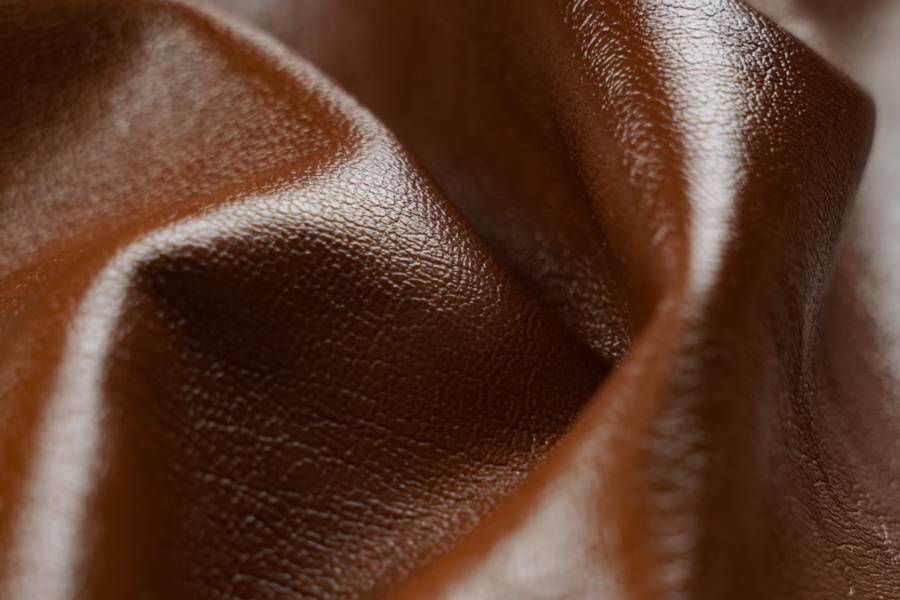
The materials and structural design of a hardcover cookbook play a decisive role in defining its overall quality, durabilidade, and visual identity. The cover material, in particular, sets the tone for the entire book and directly influences how readers perceive the brand. Options such as linen-textured cloth, leatherette, or specialty paper covers can instantly communicate sophistication and craftsmanship, while protective finishes like lamination or soft-touch coating enhance both tactile comfort and resistance to wear. These material choices not only improve longevity but also elevate the perceived value of the hardcover cookbook.
| Material Type | Key Features | Melhor para | Considerations |
| Cloth / Linen Cover | Natural texture, soft visual tone, refined woven surface | Fine dining restaurants, organic cafés, wine bars, boutique restaurants | Can absorb stains more easily; consider stain-resistant coating or darker colors |
| Specialty Paper Cover | Unique textures (embossed, bambu, tactile finishes), strong design identity | Modern restaurants, dessert shops, coffee houses, design-focused brands | Always review physical samples before final selection to ensure brand alignment |
| Pearl or Metallic Paper Cobrir | Subtle shimmer, elegant light reflection | Upscale contemporary restaurants, luxury dining concepts | Upscale contemporary restaurants, luxury dining concepts |
| PU Leather Cover (Synthetic Leather) | Durável, econômico, easy to clean, wide color options | Steakhouses, hotel restaurants, high-traffic dining environments | Durável, econômico, easy to clean, and wide color options |
| Genuine Leather Cobrir | Natural grain, develops character over time, luxury positioning | Michelin-level restaurants, private clubs, heritage brands | Custo mais alto; best paired with foil stamping or embossing |
| PVC / Waterproof Cover | Water-resistant, easy to maintain, vibrant color options | Casual dining, seafood restaurants, family restaurants | Less premium feel compared to cloth or leather |
Beyond the surface, the internal structure and binding method are equally critical. A properly constructed hardcover uses high-density greyboard to provide rigidity and structural integrity, ensuring the book maintains its shape even with frequent handling. Professional mounting and wrapping techniques further enhance durability and create clean, refined edges. Among all binding methods, Smyth-sewn binding combined with hardcover construction is considered the gold standard for hardcover cookbook printing. This method significantly improves strength while allowing the book to lay flat naturally, making it easier for readers to follow recipes and view full-page food photography without obstruction. This lay-flat capability is especially important for cookbooks, which are often used in active kitchen environments.
Attention to finishing details further strengthens both visual appeal and brand recognition. Techniques such as foil stamping, gravação, Gravação, and spot UV can highlight logos, titles, or key design elements, creating visual contrast and tactile depth. These enhancements not only improve aesthetics but also communicate professionalism and premium positioning to the end user.
Ultimately, the coordination of cover materials, structural design, técnicas de ligação, and finishing processes determines the durability, usabilidade, and market perception of a hardcover cookbook. By carefully selecting the right combination of materials and binding methods, publishers and brands can create hardcover cookbooks that deliver exceptional visual impact, superior durability, and a lasting impression of quality.
How to Choose the Right Size and Detail Features for a Hardcover Cookbook
Selecting the appropriate size and incorporating thoughtful design details are essential steps in creating a hardcover cookbook or restaurant menu that is both functional and memorable. The right format improves readability, enhances usability, and reinforces the restaurant’s brand image, while carefully chosen finishing details can elevate the overall dining experience without significantly increasing production costs.
Standard Sizes for Hardcover Cookbooks and Restaurant Menus
The size of a hardcover cookbook or menu should be determined by the amount of content, dining environment, and user convenience.
A4 Size (210 × 297 mm)
This is the most widely used and versatile size for restaurant menus and hardcover cookbooks. It provides ample space to clearly organize appetizers, main courses, desserts, and beverages without overcrowding the layout. A4 is ideal for dine-in restaurants, fine dining establishments, and premium cookbook presentations. For enhanced durability, lamination or protective coatings are commonly applied to extend lifespan and maintain visual quality.
A5 Size (148 × 210 mm)
A5 offers a more compact and portable format, making it perfect for cafés, small restaurants, tasting menus, or limited-item hardcover cookbooks. This size creates a cleaner and more intimate reading experience, encouraging customers to engage more comfortably with the content. It is especially suitable when simplicity and portability are priorities.
DL Size (99 × 210 mm)
This slim, vertical format creates a modern and elegant appearance. It is often used for drink menus, dessert menus, wine lists, or specialty selections. The unique proportions help create visual distinction and work particularly well in bars, lounges, and contemporary restaurant environments.
Detail Enhancements That Elevate the Hardcover Cookbook Experience
A truly memorable hardcover cookbook or menu often stands out because of subtle yet thoughtful design features. These enhancements not only improve visual appeal and tactile quality but also influence customer engagement and reinforce brand identity.
Spot UV for Visual Emphasis
Spot UV coating can be applied to specific elements such as food photography, logotipos, or key dish names. This technique creates a subtle gloss contrast that highlights textures like the shine of a steak, the surface of a beverage, or rising steam from a dish. The result is increased visual depth and improved appetite appeal, especially under changing lighting conditions.
Die-Cut Cover Design
A die-cut window on the hardcover allows selected artwork, logotipos, or featured dishes to be partially revealed. This layered visual effect adds sophistication, creates curiosity, and enhances the perceived design value of the hardcover cookbook.
Ribbon Bookmarks for Convenience and Premium Appeal
Integrated ribbon bookmarks provide both functional and aesthetic benefits. They allow readers to easily mark favorite recipes or sections while reinforcing the premium positioning of the hardcover cookbook. This small detail enhances usability and adds a refined finishing touch.
Fluorescent or Glow-in-the-Dark Ink for Low-Light Environments
For restaurants with dim lighting, such as bars or fine dining venues, fluorescent or glow-in-the-dark printing can improve readability while adding a distinctive and memorable visual effect. This feature enhances usability while contributing to a unique brand experience.
Custom Inner Pages for Brand Storytelling
The inside cover or opening pages can feature a welcome message, brand story, or chef’s recommendations. These elements help establish an emotional connection with readers and strengthen brand identity from the very first interaction.
Interactive and Specialty Design Elements
Creative features such as illustrated sections, themed layouts, or interactive elements can make the hardcover cookbook more engaging and memorable. These thoughtful details enhance the user experience and differentiate the brand in a competitive market.
Display Supports and Presentation Accessories
Custom-designed holders or display stands, such as wood or acrylic supports, can enhance presentation while protecting the hardcover cookbook during use. Proper presentation reinforces the premium image and improves overall usability in restaurant environments.
Strategic Considerations for Size and Detail Selection
Choosing the right size and design details should balance three key factors: usabilidade, posicionamento da marca, and production efficiency. Larger formats provide stronger visual impact, while smaller formats improve portability and convenience. Carefully selected finishing details can significantly enhance perceived value and customer engagement without substantially increasing production costs.
When size, structure, and finishing details are strategically combined, the final hardcover cookbook becomes more than just an informational tool—it becomes a powerful extension of the restaurant’s brand, delivering both functional performance and lasting visual impression.
Conclusão: Professional Printing Defines the True Value of a Hardcover Cookbook
The quality of a hardcover cookbook ultimately depends on the professionalism of the printing process and the careful selection of materials and finishing techniques. Beyond visual design alone, ensuring sharp image clarity and accurate color reproduction is the most critical factor in elevating the perceived quality of the final product. High-quality paper combined with precise printing allows food textures, cores, and details to be presented authentically, making the hardcover cookbook more visually appealing, credible, and engaging for readers.
Equally important is the practicality and durability of the structural design and binding method. Appropriate paper weight and professional binding not only improve the reading experience but also ensure long-term stability in high-frequency usage environments such as restaurants and commercial kitchens. Consistent color management and strict printing control further guarantee visual consistency throughout the hardcover cookbook, strengthening brand identity and maintaining a cohesive, aparência profissional.
Ultimately, a well-produced hardcover cookbook is more than a simple presentation tool—it is a powerful extension of the restaurant’s brand. Superior printing quality, carefully selected materials, and refined finishing details continuously communicate professionalism and craftsmanship with every interaction. This enhances customer perception, builds trust, and elevates the overall dining experience, reinforcing the restaurant’s brand value long after the first impression.