

S'approvisionner en gros pour l'impression de livres reliés sans comprendre les compromis techniques constitue une menace directe pour votre marge bénéficiaire.. A misstep in material specification or supplier vetting can lead to inflated unit costs and production delays, turning a frontlist title into a warehouse liability.
Ordering hardcover books in bulk involves more than comparing unit prices. Publishers need to confirm specifications, understand what each quote includes, approve suitable samples, and plan delivery before committing to production. This guide explains the key checks to make before placing a wholesale hardcover book printing order.
What Is Wholesale Hardcover Book Printing?
Wholesale hardcover book printing is the industrial production of casebound books in bulk, designed to lower per-unit costs for publishers and distributors in the commercial market.
Si tu’re a publisher or large-scale author, toi’ve likely weighed the costs of producing a book that feels substantial and permanent. Wholesale hardcover book printing is the commercial process that makes this possible, moving beyond one-off prints to industrial-scale production. Il’s not just about getting a better price; il’s about manufacturing a product fit for the entire book trade supply chain, from distributor warehouses to bookstore shelves. For a walkthrough of custom editions, see the complete guide to custom hardcover book printing.
Core Definition of Bulk Casebound Production
À la base, wholesale hardcover book printing is the mass production of casebound hardback books, with print runs typically starting in the hundreds and going into the thousands. The pricing structure is volume-based, offering a significantly lower per-unit cost that is essential for trade customers like publishers and distributors. The entire process prioritizes durability, a long shelf life, and consistent quality control to ensure every book meets commercial standards for retail distribution.
Anatomy of a Wholesale Hardcover Book
A professionally manufactured hardcover book isn’t just a book with a hard cover. Il’s an engineered object with specific components that ensure its longevity.
- Cas: This is the rigid outer cover, constructed from thick binding boards. The boards are wrapped in a material like laminated paper, tissu, or faux leather to create the finished exterior.
- Book Block: These are the interior pages, printed, stacked, and bound together to form a single, solid unit before attachment to the case.
- Pages de garde: These sheets of paper, usually a heavier colored stock, are glued to the inside of the case and to the first and last pages of the book block. They connect the block to the case and provide structural integrity.
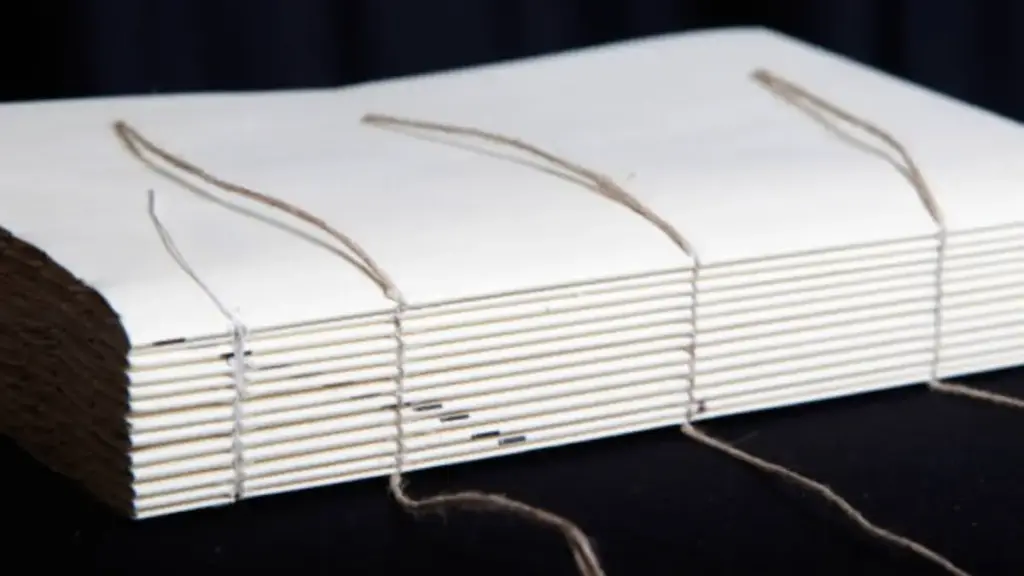
- Méthode de liaison: For true durability, most wholesale hardcovers are Smyth-sewn. This method involves stitching the folded sections, called signatures, of the book block together with thread. The sewn structure allows the book to lay flat when open and withstand repeated use.
The Wholesale Book Printing Workflow
The production workflow is optimized for efficiency and cost-effectiveness at scale. Il’s a multi-stage process that differs significantly from short-run or on-demand printing.
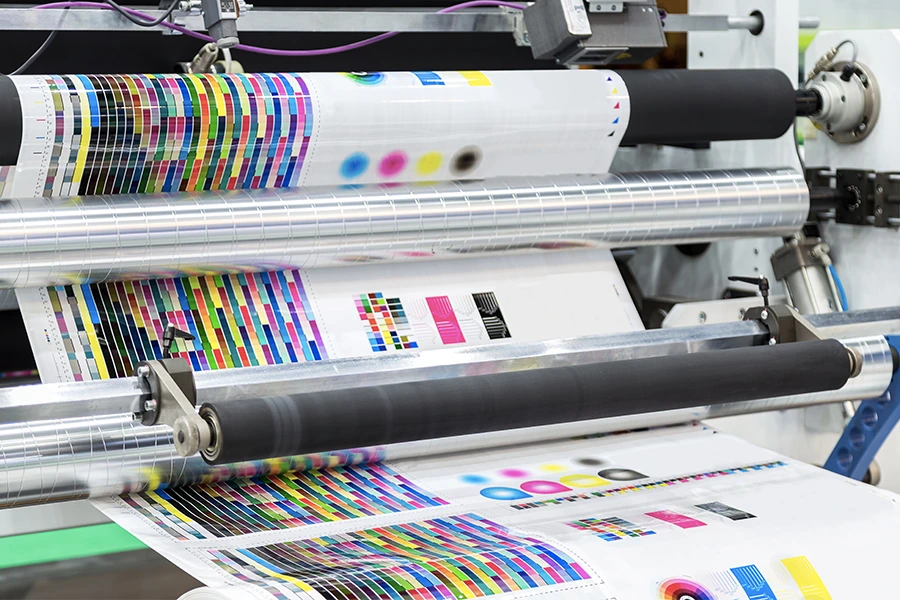
- Offset lithography is the dominant technology for large runs, as its setup costs are spread across thousands of copies to achieve the lowest possible unit cost.
- For shorter runs of 100–500 copies or fast reprints, high-volume digital printing offers a viable alternative without the high setup costs of offset.
- The full workflow runs from file prepress and client proofing, using either a digital PDF or a physical sample, through to printing and binding. Requested finishing such as foil stamping or embossing follows.
- Once complete, the books are packed into cartons, palletized, and shipped in bulk to a publisher’s warehouse or a distributor’s facility.
Wholesale Printing vs Print-on-Demand Economics
The financial trade-offs between wholesale and POD are decisive. The choice directly impacts your upfront cost, marge bénéficiaire, et stratégie de distribution.
- Wholesale printing requires a significant upfront investment to create inventory. The payoff is a much lower cost per book, which creates room for profit.
- Impression à la demande (COSSE) carries a higher unit cost but completely eliminates inventory risk and warehousing fees, as books are only printed after a sale is made.
- En pratique, wholesale is the standard for frontlist titles with strong sales expectations. POD is better suited for backlist titles, niche academic books, or self-published works with uncertain demand.
- That low wholesale print cost is essential for playing in the traditional retail space. Il’s the only way to absorb the steep trade discounts that distributors and retailers require to carry your book.
Key Factors Affecting Bulk Hardcover Printing Costs
Your final hardcover printing cost depends on specifications and logistics. Larger orders and standard choices reduce your per-unit price, while custom features and rush jobs increase it.
Quantité, Nombre de pages, and Size Choices
The biggest cost lever is quantity. Higher print runs dramatically lower your per-unit price because fixed setup fees get spread across more books. Page count is another direct cost driver; more pages mean more paper, encre, and binding labor, which also increases the final shipping weight. Sticking to standard trim sizes is more economical; our guide to hardcover book dimensions explains how size choices drive paper waste. Custom dimensions also require special press adjustments, adding to the bill.
Material and Binding Cost Choices
The basic construction of a hardcover, with its rigid boards and wrap materials, is simply more expensive than a softcover. Your choice of interior paper stock also plays a big role, as heavier or coated papers directly increase material costs. For binding, Smyth-sewn offers a far more durable book that can lay flat. It is also labor-intensive, so it costs more than the adhesive case binding used in many commercial runs.
Color Usage and Decorative Finishes
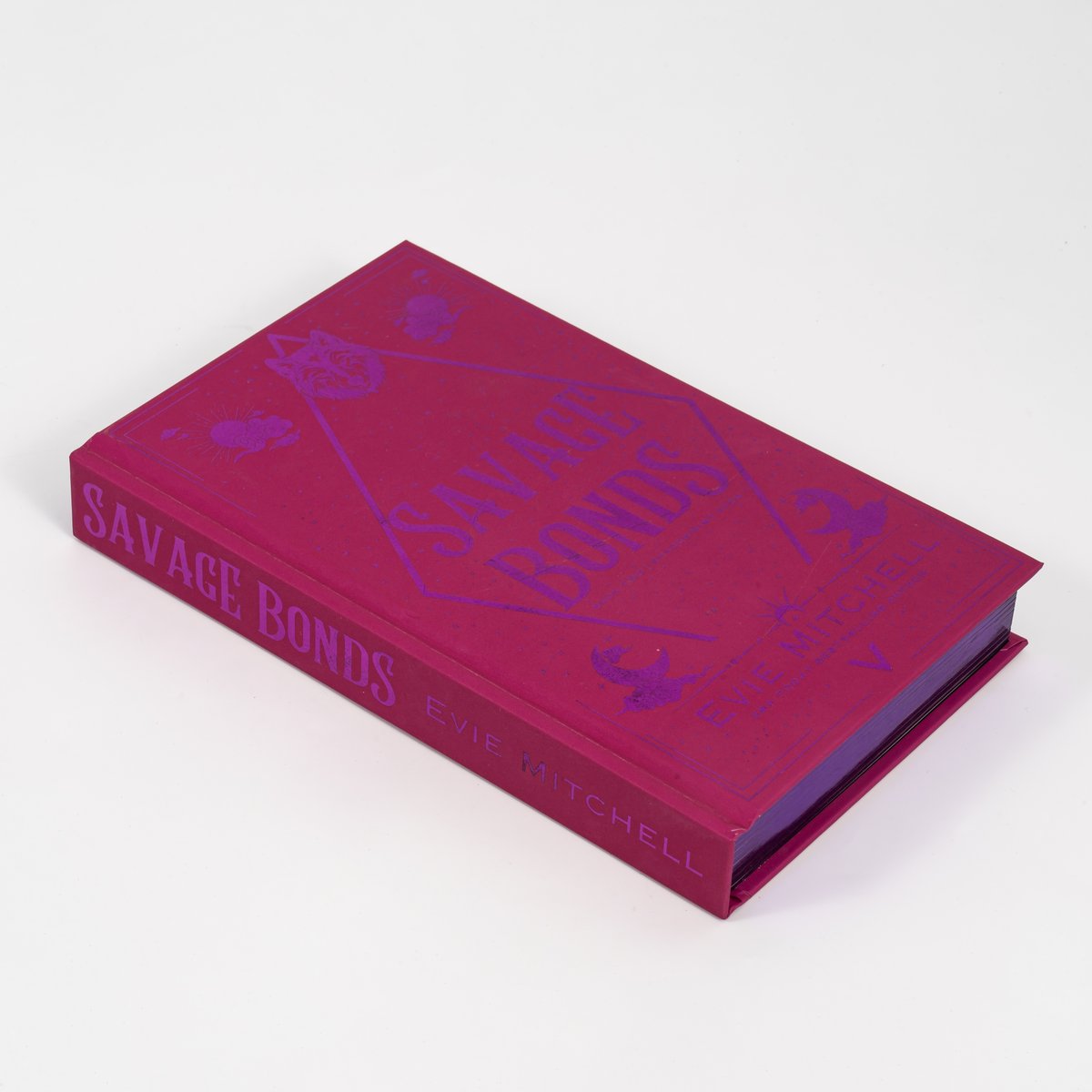
Printing interiors in full-color costs significantly more than black-and-white due to higher ink usage and more complex press setup. Adding special finishes to the cover, like foil stamping, gaufrage, or spot UV coatings, will increase the per-unit cost but can make the book stand out. A protective gloss or matte lamination also adds to the price while increasing the book’la durabilité.
Logistique, Scheduling, and Ancillary Fees
Enfiler’t forget about logistics. The printer’s location directly impacts your total cost through freight charges, customs duties, and delivery times, especially if you’re printing overseas. Si tu’re on a tight deadline, expect to pay a premium for rush orders or expedited production. Also be prepared for ancillary fees that can get tacked on for services like file preparation, physical proofs, warehousing, or specialized packaging.
Transform Your Content Into Premium Assets

Choosing Hardcover Materials for Different Book Projects
Choosing the right hardcover materials means matching the board, couverture, papier, and binding to the book’s specific use case, durability needs, et budget.
Board and Case Covering Selection
The foundation of a hardcover is its case. Your choice of board and covering material sets the tone for durability, sentir, et le coût. There’s no single « best » option; the right choice depends entirely on the project’s goals. You can review the hardcover book printing options we manufacture for commercial publishers.
- Use cost-effective greyboard for the rigidity needed in mass-market fiction and textbooks where unit price is a key factor.
- Select high-density binder’s board for premium projects like library editions and art books. It offers superior resistance to warping and withstands heavy use.
- Choose case laminate—a printed paper cover sealed with lamination—for projects needing durable, full-color graphic covers, such as cookbooks and children’s livres.
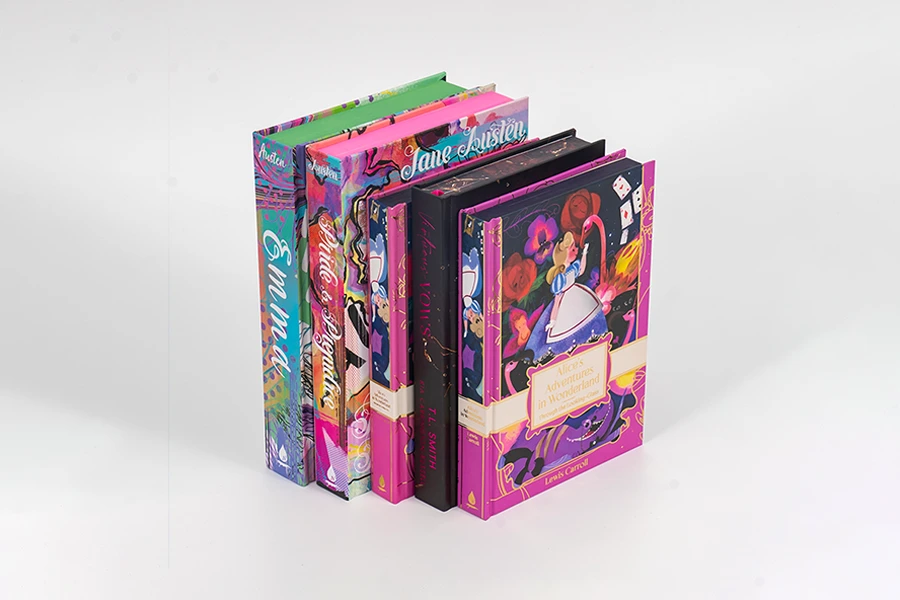
- Opt for cloth, lin, or faux leather coverings when you need a classic, tactile feel. This is ideal for literary hardcovers and gift editions, often paired with a protective dust jacket.

Matching Interior Paper to Content
The paper inside the book directly impacts readability and how illustrations are perceived. Grammage du papier, measured in grams per square meter (GSM), and its coating are the main variables to consider.
- For text-heavy books like novels and memoirs, 60–90 gsm uncoated paper is the standard. It enhances readability and reduces eye strain.
- For photo books and art books, select 150–200 gsm coated stock. This paper weight and finish achieve vibrant colors and sharp image detail.
- For Bibles or reference books with very high page counts, use thin 28–50 gsm paper to keep the book’s overall thickness and weight manageable.
- For children’les livres d'images, durable 120–150 gsm coated paper is a must. It resists tearing and displays illustrations brightly.
Deciding on the Binding Method
How the pages are held together determines both durability and cost. The binding must be strong enough to support the weight and type of paper you’ve chosen.
- Choose Smyth-sewn binding for its unmatched durability and its ability to lay flat when open. Il’s ideal for reference books, livres d'art, and any high-use title.
- Use PUR adhesive binding as a strong, cost-effective alternative for general trade hardcovers where a lay-flat design is not critical.
- Pair heavy coated papers with Smyth-sewn binding. The paper’s weight puts extra stress on the spine that PUR glue may not handle over time.
- For high page-count books using thin paper, sewn binding is necessary. It provides the flexibility and strength required for such a delicate text block.

Pages de garde, Spines, and Finishing Details
The final details are what separate a generic book from a professional, polished product. These elements contribute to both the book’s structure and its aesthetic appeal.
- Select endpapers that complement the project. Use durable, heavier stock for high-use books and colored or patterned paper for a premium touch on special editions.
- Add a dust jacket to trade hardcovers. It protects the underlying case and carries essential marketing copy. It is typically printed on 115–150 gsm coated stock.
- Consider the spine structure. A flat spine is common for PUR-bound books, while a rounded spine is the traditional and more flexible option for sewn books.
- Specify any environmental requirements, such as FSC or PEFC certification, for projects targeting institutional clients or eco-conscious markets. Le FSC website defines what each certificate covers; treat it as a spec reference, verify the supplier’s current chain-of-custody certificate directly, and do not assume automatic compliance.
Understanding MOQ, Production Time and Quality Control
In hardcover printing, coût, speed, and quality are linked. Adjusting one variable, like MOQ, directly impacts the others, forcing a trade-off between project goals.
Minimum Order Quantity (MOQ) for Hardcover Books
MOQ is the non-negotiable starting point for a print run. For hardcover books, the complex setup for binding and finishing means this number is usually higher than for paperbacks. Understanding the MOQ is the first step in aligning your budget with a production method.
- The standard MOQ for offset-printed hardcovers typically starts at 500–1,000 copies. This volume is necessary to make the setup costs for offset presses economically viable.
- Some printers offer lower MOQs, often around 100 copies. These smaller runs are usually produced using digital printing or other short-run methods, not traditional offset.
- Xinyi Printing quotes wholesale hardcover book printing jobs from a 200-copy minimum, with the exact figure depending on binding and finishing choices.
- Hardcover MOQs are consistently higher than paperback ones because the case-making and binding processes are more involved and expensive to set up for each job. Our comparison of livres de conseil, hardcovers, and paperbacks covers how the formats differ in construction and cost.
- Opting for a lower MOQ will almost always result in a higher price per book. This is because the fixed setup costs are spread across fewer units.
Production Time and Timeline Breakdown
Lead time includes file review and proof approval, printing and binding, and delivery. Ask your supplier to confirm each stage separately, including when production begins and whether the quoted schedule covers factory completion or arrival at your destination. Custom finishes, révisions, and shipping arrangements can affect the final timeline.
Essential Hardcover Quality Control Checks
Quality control isn’t just about inspecting the final product. Il’s a series of checks that should happen at every stage, starting with your own files. Getting the prepress right prevents a huge number of downstream issues and ensures the final product matches your vision.
- Good QC starts before printing with proper file preparation. This includes using 300 PPI images, setting the color mode to CMYK, and adding correct bleed settings to your artwork.
- Key physical checkpoints for hardcovers are binding durability, correct cover-to-block alignment, trim accuracy, and consistent color across the entire print run.
- The most effective way to verify quality is to request a physical sample before the full run. This lets you inspect the paper stock, précision des couleurs, and finish quality firsthand.
- Only work with suppliers who provide a clear production schedule that has specific quality control stages built into the process.
Balancing Cost, Speed, and Quality
You can’t have it all. Choosing a printing method involves making a strategic trade-off between cost, speed, et qualité. Your project’s priorities will determine whether offset or digital printing makes more sense, and whether a rush schedule is worth the added risk and expense.
- Offset printing delivers a lower cost-per-unit but demands a higher MOQ. Il’s the go-to choice for large print runs where budget efficiency is key.
- Digital printing is ideal for smaller projects, as it supports lower MOQs. The trade-off is a higher cost-per-book.
- Opting for rush production can shorten timelines, but it often comes with higher costs and can limit the time available for thorough quality checks.
- If final quality is your top priority, plan for a longer timeline. This allows for physical proofing and sample approval before you commit to the full production run.
How to Choose a Hardcover Printing Supplier
Choosing the right supplier isn’t just about the lowest quote. Il’s a structured vetting process that inspects technical skill, contrôle de qualité, and real-world logistical capability.
| Evaluation Criteria | Key Checks | Pourquoi c'est important |
|---|---|---|
| Define Requirements | Taille de coupe, papier du papier, matériaux de couverture, Smyth-sewn binding, run size, and timeline. | Ensures you receive accurate, comparable quotes and prevents unexpected costs or spec changes. |
| Technical Capabilities | Offset press tech, in-house binding (case-making), GRACoL color standards, and documented QC process. | Verifies they can produce consistent quality at scale without subcontracting delays. |
| Physical Samples | Inspect for square spines, clean corners, qualité de stratification, and binding strength across multiple samples. | Confirms their everyday production quality, not just a single perfect « showcase » copie. |
| Production & Logistique | MOQ, scalability for reprints, itemized pricing tiers, délais de livraison, and freight experience. | Confirms their ability to handle your order volume and meet critical delivery deadlines. |
| Reputation & Communication | Specialized portfolio, client references from publishers, dedicated account manager, and clear defect policies. | Assesses their reliability, responsiveness, and how they handle problems when they arise. |
Finding a wholesale hardcover book printing partner you can count on requires looking beyond the price tag. A systematic evaluation helps you identify a supplier who can deliver durable, commercially viable books for the wholesale market. The process starts with a clear definition of your own needs.
Define Your Project Requirements First
Before you even contact a printer, you need a detailed spec sheet. Ambiguity at this stage leads to inaccurate quotes and production mistakes. Pin down every detail so you can compare suppliers on an apples-to-apples basis.
- Determine trim size, nombre de pages, and paper specifications (poids, finition).
- Specify cover materials, finishes like lamination or foil stamping, and the binding type (Smyth-sewn is the standard for durability).
- Clarify your initial run size, potential reprint frequency, and required timeline.
- Detail any needs for interior imagery, such as full-color sections or special paper inserts.
Evaluate Technical Capabilities and Quality Control
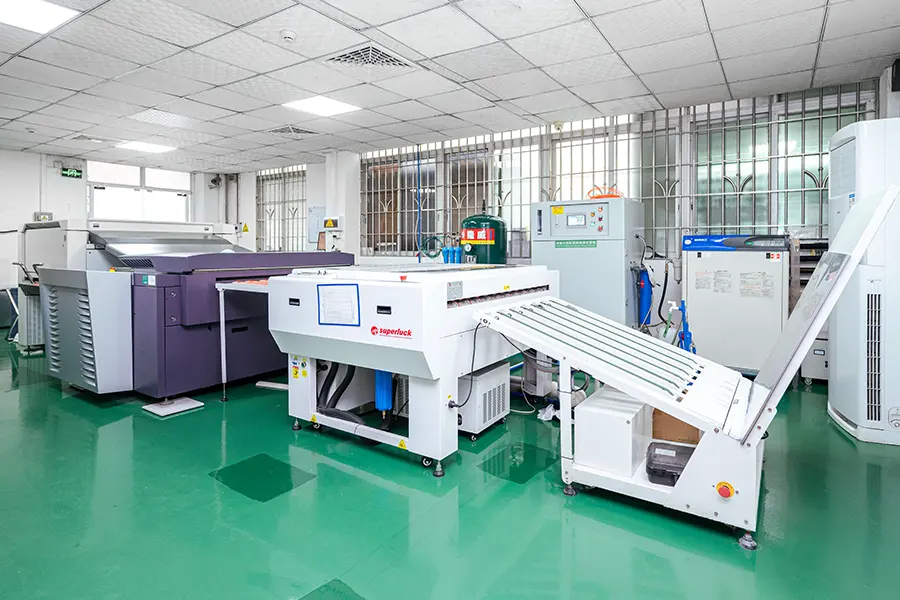
A slick website means nothing if the machinery and processes aren’t up to par. A reliable hardcover supplier specializes in case-bound book manufacturing, which is different from general commercial printing. You need to verify they have the right tools and workflows for the job.
- Check for appropriate press technology (offset lithography for volume) and modern color management standards like GRACoL.
- Verify they have in-house capabilities for hardcover binding, especially Smyth-sewing and case-making, to avoid subcontracting delays and quality gaps.
- Confirm a documented quality control process, from automated prepress file checks to on-press color monitoring and post-press inspections.
- Ask about their specific protocols for inspecting binding strength, case alignment, and finishing defects.
Request and Inspect Physical Book Samples
Digital proofs only show layout and content. You must get your hands on physical books they have produced for other clients. This is the only way to judge the real-world quality of their work.
- Examine the case and cover for square spines, clean corners, and uniform lamination without bubbling or peeling.
- Assess the interior for binding strength—does it feel sturdy? Does it open smoothly without cracking? Is the trim quality consistent?
- Check the sharpness and registration of any decorative finishes, like foil stamping or embossing.
- Ask for samples from different production runs, not just a single « parfait » sample they keep for marketing. Consistency is key.
Analyze Production Capacity, Logistique, and Pricing
A supplier must be able to handle your volume and integrate with your supply chain. A low price is useless if they can’t deliver on time or scale with your needs. Get clear answers on their operational and financial terms.
- Confirm their minimum order quantity (MOQ) aligns with your needs and ask about their scalability for future reprints.
- Request itemized quotes with volume pricing tiers to understand the unit cost economics at different quantities.
- Clarify lead times from proof approval to final shipment, and ask about potential delays during peak seasons.
- Discuss their packaging standards, palletizing methods, and experience with wholesale freight logistics to ensure books arrive undamaged.
Verify Supplier Reputation and Communication
Enfin, assess the human element. A good supplier is a partner who communicates clearly and stands behind their work. Their track record and policies for handling problems are strong indicators of their reliability.
- Review their portfolio to ensure they specialize in your type of hardcover book, whether it’s a textbook, art book, or trade novel.
- Ask for client references from other publishers or wholesale buyers. Verify their track record on delivery times and quality.
- Assess the responsiveness and technical clarity of their sales and support staff. A dedicated, knowledgeable account manager is a good sign.
- Inquire about their policies for handling production defects, managing reprints, and mitigating other risks.
A thorough vetting process that covers these five areas—requirements, technical skill, physical quality, logistique, and reputation—provides the foundation for a successful and lasting supplier relationship. Taking the time to do this diligence upfront prevents costly problems down the line.
Shipping and Packaging Considerations for Bulk Orders
Proper packaging for bulk hardcover orders protects against transit damage by using strong cartons, correct labeling, and smart palletizing to manage costs and ensure compliance.
Carton and Packing Best Practices
Your first line of defense is the carton itself. Use rigid corrugated cartons, and have the supplier confirm a board rating suited to the stacking loads of your freight lane. Pack books flat inside and fill each carton completely, leaving no empty space at the top. This prevents the box from compressing when stacked. For safe handling by warehouse staff and carriers, keep each carton within the manual-handling weight limit of your lane, and confirm that limit before packing. A snug carton size also minimizes the need for void fill, which reduces waste and stops books from shifting.
Methods for Protecting Hardcover Books
Reliés, especially those with dust jackets, need specific protection. Wrapping groups of books shields them from moisture, éraflures, and abrasions. A simple but effective trick is to insert a thin foam sheet between the dust jacket and any outer wrap to prevent scuffing. To stop books from sliding and getting damaged corners, use internal bracing or edge protectors. For particularly valuable or fragile books, adding corner reinforcement offers extra security against drops and impacts.
Label and Barcode Requirements for Cartons
Correct labeling is critical for automated sorting and warehouse processing. Apply compliant labels to at least two sides of every carton, making sure one is on a long side. The information must be both human-readable and machine-readable, containing key data like the ISBN, title, and carton quantity. Use the label size your carrier specifies, keep it flat, and place it clear of seams and edges so scanners can read it. Provide the barcode height and quiet-zone spacing required by your carrier’s labeling standard.
Palletizing Large-Volume Book Shipments
For large-volume shipments, palletizing is the standard. Consolidating cartons onto sturdy, good-condition pallets significantly reduces handling risks compared to shipping loose boxes. Stack the cartons uniformly to create a stable, balanced load that won’t shift or topple. Once stacked, secure the entire pallet with stretch wrap. Adding strapping bands provides another layer of stability for the journey. This method not only protects the books but also improves efficiency for freight shipments and often lowers per-unit transport costs.
Managing Weight and Shipping Costs
Shipping carriers charge by either actual weight or volumetric (dimensional) poids, whichever is higher. This means a large, light box can cost as much to ship as a small, heavy one. To manage this, select the smallest carton that can safely fit the order, which minimizes dimensional weight charges. International shipments have additional requirements; they must include a commercial invoice and a packing list, secured in a waterproof pouch on the outside of the carton. Accurate labeling and complete documentation are essential to prevent your shipment from getting stuck in automated sorting systems or delayed at customs.
Foire aux questions
What is wholesale hardcover book printing?
Wholesale hardcover book printing is the bulk manufacturing of hardbound books, typically hundreds to thousands of copies, using industrial equipment and commercial workflows. It supplies publishers, distributeurs, and other large buyers with durable, premium products at an optimized unit cost.
How much does it cost to print hardcover books in bulk?
Pricing is spec-driven, so no universal number applies. Unit cost falls as quantity rises and climbs again with page count, full-color interiors, Smyth-sewn binding, et finitions spéciales. Send your trim size, nombre de pages, and target quantity to convert this into a real per-unit quote.
What is the minimum order quantity for hardcover books?
For offset hardcover runs, 500–1,000 copies is the typical economic starting point, while digital short-run methods support smaller orders. Et Xini, the minimum order starts at 200 copies; confirm the exact MOQ for your binding and finishing spec when you request a quote.
How long does hardcover book printing take?
Hardcover book printing lead time depends on your specifications, quantité commandée, proof approval, and delivery arrangements. Request a project-specific schedule that separates proofing, production, et expédition, and confirm whether the quoted completion date means factory dispatch or arrival at your destination.
Where can I find hardcover book manufacturers?
You can find hardcover book manufacturers through specialized book-printing directories, lists of major commercial book manufacturers, regional offset printers, and online self-publishing platforms that offer volume printing services. Specialized case-bound book manufacturers, rather than general print shops, are the safer starting point for hardcover projects.
What is the difference between hardcover and paperback printing?
The main differences are in cover, obligatoire, durabilité, et le coût. Hardcover books use rigid boards for a durable, casebound cover, making them more expensive. Paperback books use a flexible cardstock cover and are perfect-bound (collé), resulting in a lighter, lower-cost format suited for mass distribution.
Pensées finales
While low-cost printers seem attractive, they introduce significant commercial risk from inconsistent binding to shipping damage that erodes profit. The production standards detailed here are not just about aesthetics; they are essential controls for ensuring your books are durable and commercially viable. This approach protects your investment and brand reputation.
The next step is to validate quality by inspecting our work. Requesting physical samples lets you assess the binding, matériels, and overall finish firsthand. Contact the Prince Xinyi team to discuss your project specifications and receive a detailed production quote.