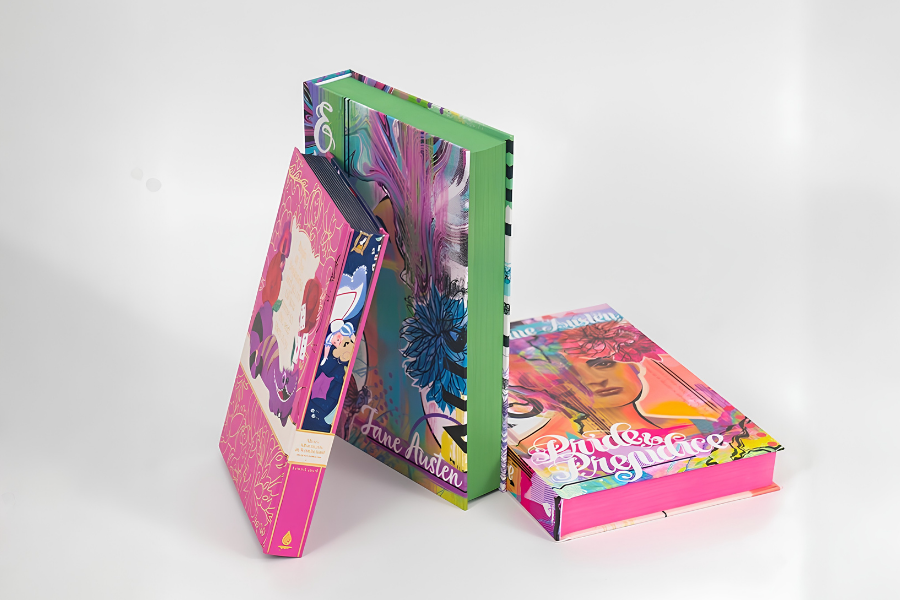


Choosing the right board book manufacturer is a decision that touches product safety, total cost, and brand reputation. A low per-unit quote from an unvetted supplier can end in a rejected shipment, an unplanned reprint, or a recall.
This guide is a supplier review checklist. It covers what to ask a board book manufacturer for before you commit. You will see which rules apply to your title, what samples and documents to request, and how to compare complete quotes. For supplier lists, see our round-up of board book manufacturers worldwide. For import steps, ver el guide for overseas buyers sourcing board books in China.
What A Board Book Manufacturer Should Prove
A board book manufacturer should prove three things: the structure survives toddler use, the paperwork fits your market, and price and schedule hold at volume.
Board books go to children who chew, drop, and bend them. That single fact separates this category from most other print work, and it is why comparing price alone fails. The sections that follow show what a capable supplier can put in writing.
Safety Classification Comes First
Whether a board book is treated as a toy depends on its age grading, its features, and the market it is sold in. A book with a plush attachment or a sound module is classified differently from a plain printed book. El EU Toy Safety Directive 2009/48/EC sets the safety criteria for toys sold in the EU. The Commission’s guidance document on books explains how that scope applies to printed titles. en los estados unidos, el CPSC guidance on children’s books states that the ordinary-book lead testing exemption does not cover books designed for a child of three or younger.
Treat those pages as specification references. They do not certify your product and they do not imply compliance. A written classification opinion from the laboratory that will test your run is the document that counts.
- Ask the supplier which requirements they expect your book to meet, and in which market.
- Ask them to name the testing laboratory, the standard applied, and the report date.
- Treat an undated generic certificate, or a report for a different product, as no evidence at all.
Durability And Cleanability Drive Reviews
Parents judge a board book by how it survives use. Pages that delaminate, edges that scuff after one week, and covers that peel all show up in reviews and returns.
- Binding and mounting must survive flexing, dropping, and repeated handling by small children.
- Lamination should wipe clean without lifting at the edges, which is a real test on a physical sample.
- Rounded corners reduce the risk of sharp-edge injuries. Inspect the result on a sample rather than accepting it as a guarantee.
Total Landed Cost Beats Unit Price
The per-unit price is one line in a longer calculation. Total landed cost adds freight, duties, customs fees, and the waste from units you cannot sell.
- A cheap unit price plus one reprint, one rush air shipment, or one returned batch costs more than a fair price from a dependable board book manufacturer.
- Ask for itemized pricing so you can compare the same scope across suppliers, line by line.
Key Capabilities To Evaluate In A Supplier
Vetting a supplier needs proof of specialization, documents you can verify, and a quality control process you can inspect. Price alone shows none of this.
| Capability | What To Ask For |
|---|---|
| Board and die-cutting equipment | Which board grade do you mount, and what finished thickness results? |
| Corner and edge finishing | Show corner rounding on a unit from a current production run. |
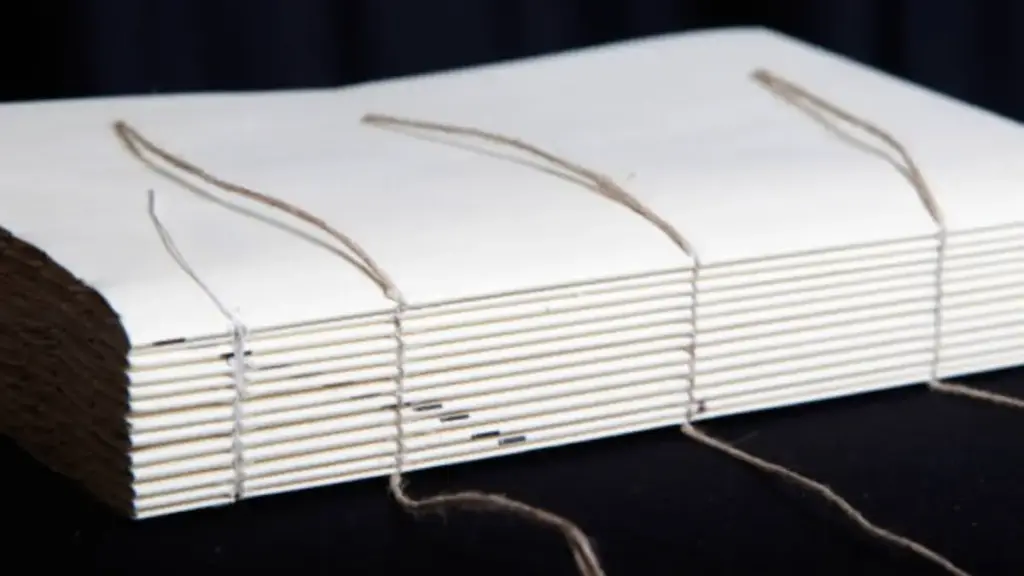
| Estructura vinculante | Which binding methods suit this page count and board weight? |
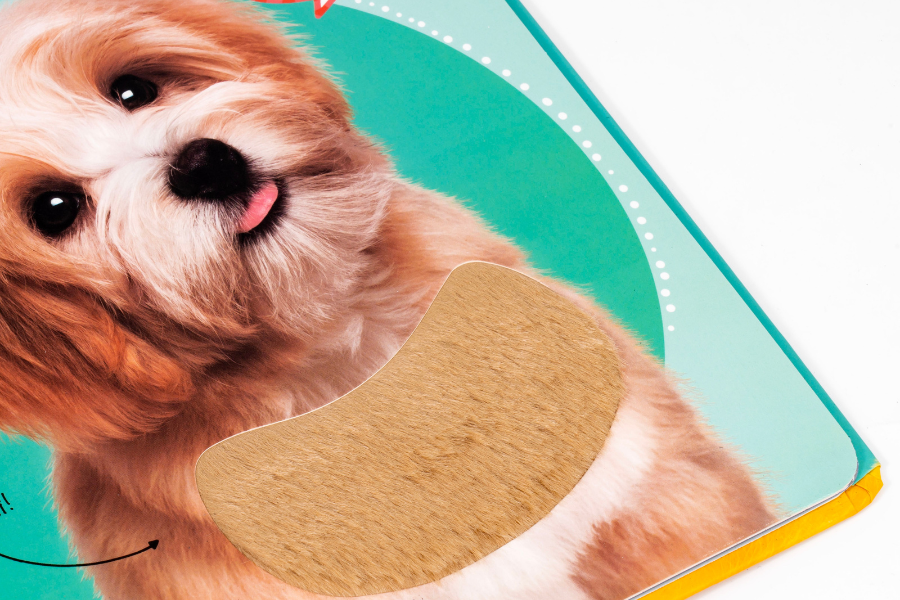
| Interactive features | Which flap or pull-tab builds run in-house? See the interactive book guide. |
| Material records | Send a written spec of board, tinta, adhesive, and coating. |
| Test documentation | Which reports name my product, the laboratory, and the limit? |
| Color management | How do you hold color across a long print run? |
| Calidad de laminación | What stops bubbling and edge lifting after humid transit? |
| Dummy samples | Can I approve a physical dummy before production starts? |
| QC checkpoints | List the checks from pre-press through final assembly. |
| Durability testing | Name the test scheme behind each durability claim. |
| Batch traceability | Can a defect link back to a run and a material lot? |
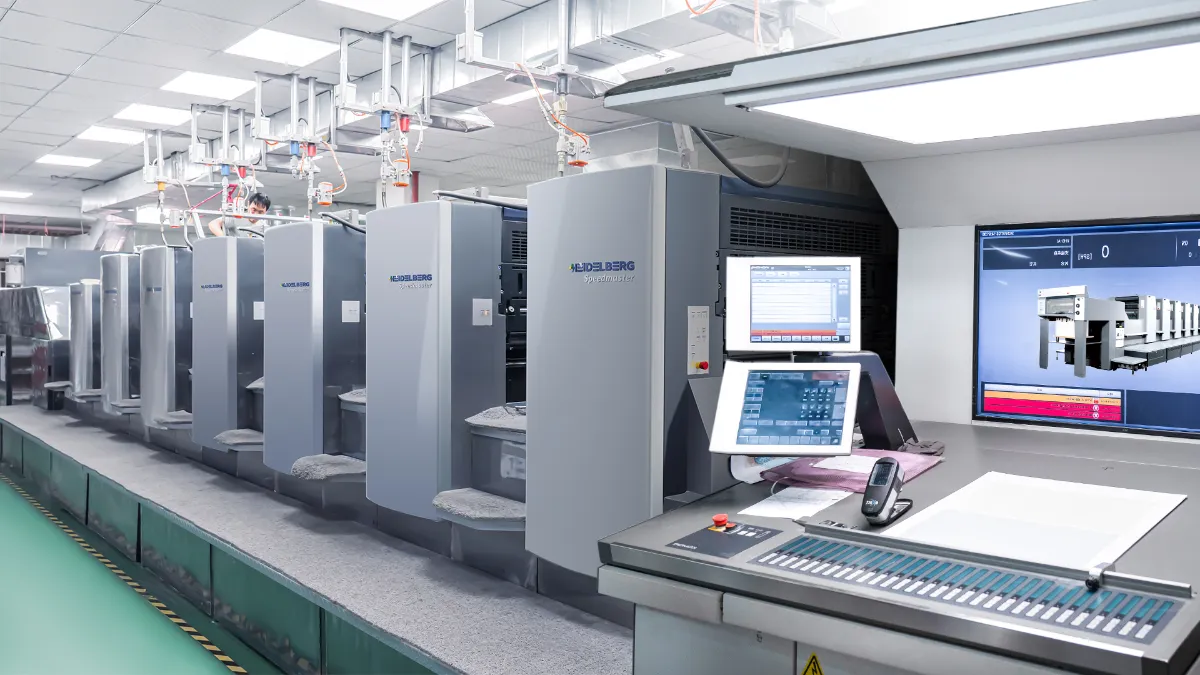
Print Durable, Eco-Friendly Board Books at Scale
Materiales, Safety And Quality Control
Ask suppliers to specify the structure, the rules that apply, and the tests behind each durability claim. A material name is not safety proof.
Ask For The Construction Details
Ask the supplier to specify the paper or board grade, mounting structure, and finished page thickness for your project. Confirm the cover and interior-page construction separately, and approve a physical dummy to assess thickness, peso, opening, and handling before production. Suppliers describe the same book in different ways: one quotes the weight of a single printed sheet, another quotes the thickness of the finished page. Get the definition in writing before you compare two quotes.
Soy Inks Still Need Test Evidence
Soy-based inks, low-migration inks, and water-based adhesives describe what a supplier uses, not what the finished book passes. Ask which limit the printed pages were tested against, and for which component. US guidance such as the CPSC art materials page covers labeling of chronically hazardous art materials under ASTM D-4236. That answers a different question from the safety of a finished board book.
Confirm Which Safety Rules Apply
Safety requirements depend on the book’s intended age group, materiales, features, and destination market. Before production, confirm the product classification and applicable requirements with a qualified testing laboratory. Request documentation that matches the actual book and its components, and agree who will arrange testing and prepare the required compliance documents. Do not treat a generic factory certificate or a report for a different product as proof that your order complies.
Lead limits show why specificity matters. The CPSC guidance quoted above sets a 100 ppm total lead limit for accessible components of children’s products. Paint and other surface coatings sit under a separate CPSC requirement for coatings. A single blended figure mixes those two categories. EN 71 is also a standard series, not the name of the EU directive that governs toys.
Set Durability And QC Criteria
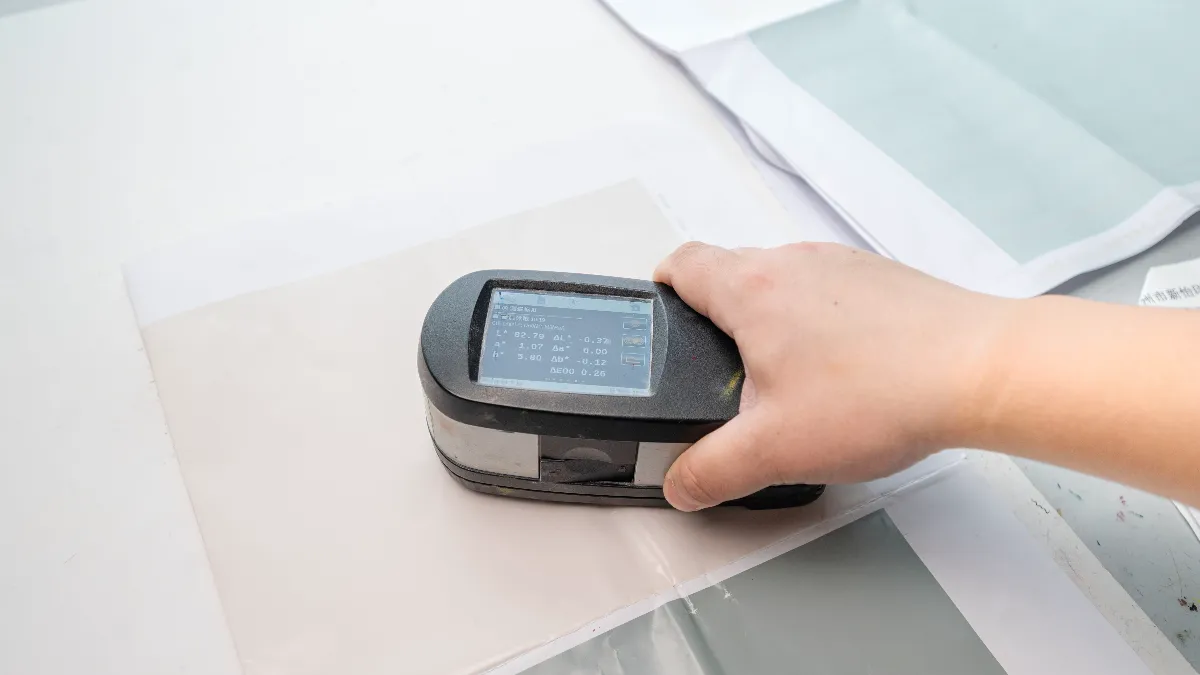
Quality control runs through the job, not only at the end. Ask for the checkpoints used during printing, montaje, and die-cutting, and for the acceptance limits both sides will apply.
- In-production checks: consistencia del color, image alignment, calidad de laminación, and page bonding.
- Durability claims should name the test scheme and method, so two suppliers are measured the same way.
- Batch traceability, so a defect found after delivery links back to a print run and a material lot.
Comparing Local And Overseas Suppliers
Compare suppliers by production site, equipment, order size, and service model. The country shown on a website settles very little on its own.
Unit Price And Total Landed Cost
Overseas factories often quote lower per-unit prices on large runs, because setup costs spread across more copies. Local printers often quote higher unit prices but save on freight and import costs. Neither pattern holds for every job. A short run of a simple structure can price well locally, and a complex die-cut book can cost more overseas than expected. Compare total landed cost for one agreed specification, and treat any general claim about which country is cheaper as a hypothesis to test on your own file.
Order Size And Run Flexibility
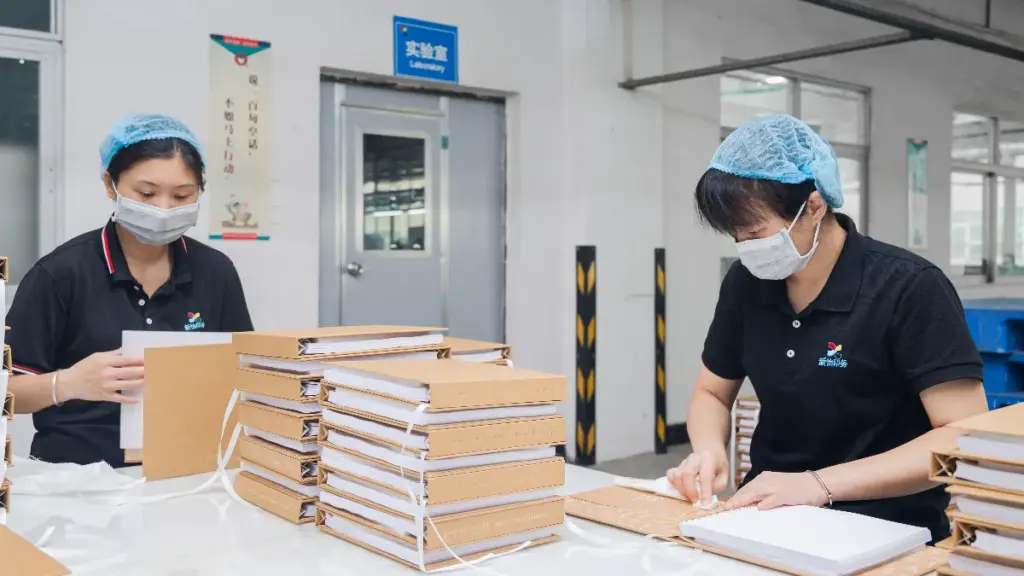
Factories built for bulk offset work usually set minimums in the hundreds. Xinyi Printing quotes board book projects from a 200-copy minimum, with the exact figure depending on structure and features. Smaller test runs usually mean digital or short-run work, and the digital version can differ from the offset version in color and stiffness. If you validate a title on a small run and then scale, ask the board book manufacturer to confirm the production method for each stage.
Lead Time And Communication Terms
A local supplier can offer shorter transit, an onsite press check, and replies inside your working hours, or it can be a brokerage that outsources every step. An overseas factory adds transit and clearance time but may run more board-specific equipment. Ask where the job is physically produced, who owns your account, and how status updates and defect claims are handled. Compare those answers rather than the time zone on an invoice.

Six Checks Before Placing An Order
Work through these six checks with each shortlisted board book manufacturer, and keep every answer in one file for comparison.
Define Spec, Age Group, And Market
Fix the trim size, recuento de páginas, finished page thickness, features, target age, and destination market before you request pricing. Every later answer depends on this one document.
- Send the same written specification to every supplier, unchanged.
- State the age grading you sell to, because it drives the applicable rules.
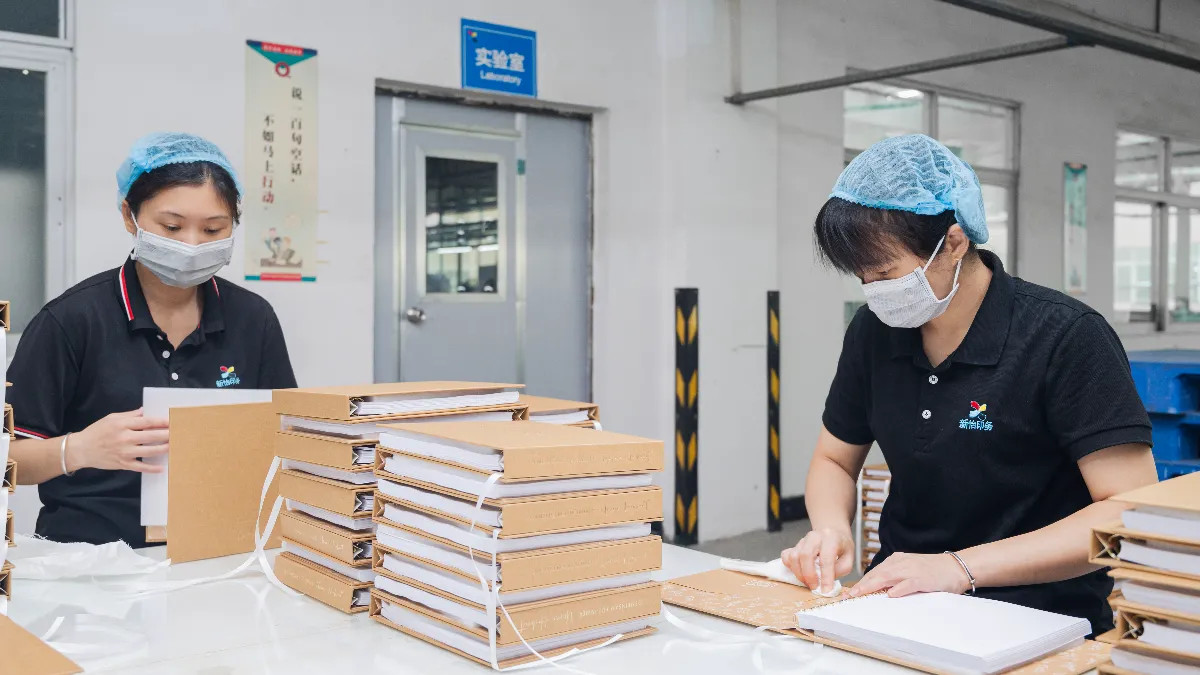
Verify The Actual Production Capability
- Ask whether the supplier owns the mounting and die-cutting equipment or subcontracts it.
- Ask for books of similar structure and complexity, then inspect them yourself.
- Ask whether you are dealing with the factory or an intermediary, and who manages each stage.
Review Samples And Acceptance Criteria
- Approve a physical dummy before production and keep it as the reference for the run.
- Agree in writing which defects count as rejects, and at what rate.
- Check binding strength, corner finishing, color match, and wipe resistance on the sample.
Confirm Testing And Document Ownership
- Agree who arranges testing, who pays, and which documents the supplier will issue.
- Check that each report names your product and the version of the standard applied.
- Ask what happens if a laboratory rejects a material mid-project, and who absorbs the delay.
Compare Complete Quotes Per Spec
- Require itemized lines for sampling, estampación, pruebas, embalaje, y flete.
- Mark each line as included or as an additional cost before you compare two quotes.
- Price at your quantity, not at the supplier’s default volume tier.
Lock Timeline, Embalaje, And Fixes
- Confirm the schedule stage by stage, from file approval through warehouse delivery.
- Agree the export packing method, especially corner protection for board books.
- Agree the remedy path for defects found after delivery, including reprint terms.
Evidence To Request From Each Supplier
| Evidence | What It Should Show |
|---|---|
| Similar physical samples | Vinculante, esquinas, color, and wear on a book like yours. |
| Material specification sheet | Board grade, mounting layers, finished page thickness, revestimiento. |
| Applicable test documents | Your product, named laboratory, estándar, limit, and report date. |
| Itemized quotation | Muestreo, estampación, pruebas, embalaje, and freight shown separately. |
| Production schedule | Stage dates from file approval through warehouse delivery. |
| Defect handling agreement | Reject criteria, evidence required, and reprint terms in writing. |
Production Timeline And Delivery Management
Ask each supplier to confirm the schedule stage by stage. Total lead time is the sum of those stages, not a single number to compare.
A board book schedule has more moving parts than a text book, because mounting, drying, and die-cutting add time that a printing estimate does not show. Request written dates for each stage below, and ask which event starts the production clock.
- File and sample approval: pre-press checks, dummy production, and your written sign-off.
- Producción: impresión, montaje, troquelado, corner rounding, y montaje.
- Dispatch: packing, palletizing, and export documentation.
- International transit: the sailing or flight schedule, including any transshipment.
- Customs and warehouse delivery: clearance, inland freight, and your receiving window.
Factors That Stretch A Schedule
- Complejidad: formas troqueladas, sound modules, and sensory inserts add assembly time.
- Method: digital short runs move faster than offset, but board mounting and trimming still apply.
- Season: factory capacity tightens before holiday retail windows, so book early.
Judging A Supplier’s Delivery Management
- Do they publish a stage-by-stage schedule, or only a total week count?
- How do they report progress, and how soon do they flag a slipping date?
- What options exist for tight deadlines, such as air freight or split shipments, and what do they cost?

Pensamientos finales
Choosing a board book manufacturer on price alone moves the risk into your warehouse. The suppliers worth shortlisting are the ones that answer in documents: construction details, applicable test reports, itemized quotes, and a stage-by-stage schedule you can check against your launch date.
Don’t guess on quality. Request samples against your own specification and compare the evidence side by side. Impresión xinyi quotes board book work from a 200-copy minimum and can supply the construction and material details your compliance checks need.
Preguntas frecuentes
How do I choose a board book manufacturer?
Work through six checks: fix your specification, confirm the supplier’s own equipment, and review physical samples. Then agree which tests apply and who arranges them, compare itemized quotes at your quantity, and lock the schedule stage by stage. Keep every answer in one file so you compare board book manufacturers on the same scope, not on a headline unit price.
Who makes custom board books?
Several supplier types cover this work. Factories that run offset presses and board laminators handle high-volume orders for publishers. Short-run and digital printers serve self-publishers and small brands at lower minimums. Photo-book services can produce single copies. Match the supplier type to your quantity, your structure, and the documentation your market requires.
Where are board books manufactured?
Board books are printed in many countries, including China, India, the United States, and member states of the EU. What matters is where your specific job runs, because that determines transit time, import costs, and which documents the supplier can issue. Ask for the production site rather than assuming it from a company’s registered address.
¿Cuánto cuesta la impresión de libros en cartón??
Board book printing costs depend on trim size, recuento de páginas, finished page thickness, cantidad, acabado superficial, y funciones interactivas. Request a quotation based on a confirmed specification, with sampling, estampación, pruebas, embalaje, and freight clearly identified as included or additional costs. Compare quotes only when every supplier prices the same scope.
What safety documents should you request?
Ask for documents that name your product, the testing laboratory, the standard or limit, and the report date. That set usually includes a material specification sheet, a test report for the rules that apply in your market, and a written construction summary. A generic factory certificate, or a report written for a different title, says nothing about your order.
What should I ask a printing company?
Ask which rules apply to your age grading and market, who arranges testing, and what the finished page thickness and mounting structure are. Then request a dummy, an itemized quote at your quantity, a stage-by-stage schedule, and the defect terms both sides accept. The import side is covered in our China sourcing guide.