


يتطلب تصنيع كتب التلوين دقة مطلقة لأن الخطوط الفنية غير الواضحة والحبر التي تنزف من خلالها تستنزف هوامش البيع بالتجزئة على الفور. يؤدي سوء إدارة هندسة الملف أو معايرة الصحافة إلى هوامش غير متساوية ودفعات مرفوضة تبقى غير مباعة على أرفف المستودعات.
يقيس هذا التحليل بروتوكولات الإنتاج خطوة بخطوة مقابل التفاوتات الصارمة في المصنع. نقوم بتقييم حدود ناقلات ما قبل الطباعة وصولاً إلى 0.25 أوزان خط pt ومعلمات المواد 70 ل 120 مخزون gsm غير مطلي لمساعدتك على تأمين التصاق الحبر الخالي من العيوب على نطاق واسع.
خطوة 1: إعداد الملف وإعداد ما قبل الطباعة
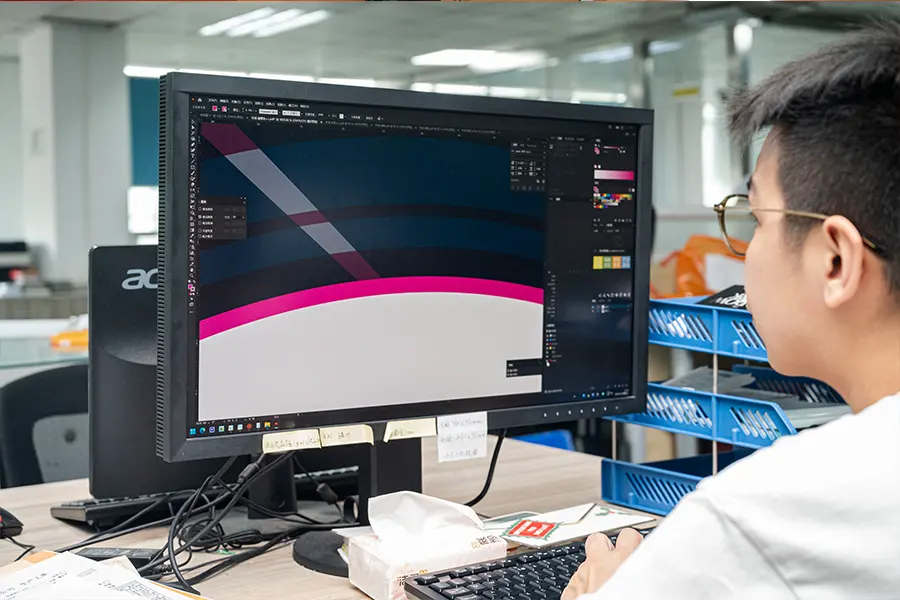
يمنع إعداد الملف بشكل صحيح تأخيرات الطباعة المكلفة. فن الخط المتجه عالي الدقة, نزيف دقيق, ويضمن تنسيق الغلاف CMYK طباعة صفحات كتاب التلوين الخاصة بك بشكل واضح ونظيف عند الطباعة.
إعداد فن الخط عالي الدقة للطباعة
يعتبر فن الخط الحاد هو جوهر أي كتاب تلوين احترافي. تؤدي الحواف غير الواضحة أو الخطوط العريضة المنقطة إلى تدمير تجربة المستخدم وإنشاء اختناقات فورية في الطباعة.
- القرار النقطية: قم بتعيين العمل الفني النقطي على 300-350 نقطة في البوصة في 100% من حجم الطباعة النهائي. قم بمسح الأعمال الفنية المرسومة يدويًا على 600 نقطة في البوصة قبل الاختزال للحفاظ على سلامة الحافة.
- تفضيل المتجهات: استخدم تنسيقات المتجهات مثل AI, ربحية السهم, أو SVG للشعارات والأغلفة لضمان وجود خطوط واضحة على أي نطاق.
- أوزان الخط: تطبيق جريئة, أوزان خط متسقة بين 0.75 و 1.25 pt لإنشاء حدود مميزة لأدوات التلوين.
- التحكم في التباين: الحفاظ على خطوط سوداء نقية على خلفية بيضاء. تجريد اللون الرمادي, تدرجات منخفضة التباين تطبع بشكل غامض على ورق غير مصقول.
- التنظيف الرقمي: تنظيف الملفات الممسوحة ضوئيًا رقميًا لإزالة العلامات الضالة, تراب, واللطخات. ادفع اللون الأبيض إلى اللون الأبيض النقي للحصول على أقصى قدر من الوضوح البصري.
ينزف, هوامش, ومتطلبات الملفات الجاهزة للطباعة
تتطلب المطابع التجارية هندسة دقيقة لمحاذاة الصفحات أثناء مرحلتي القطع والربط. تجبر الأبعاد غير المواصفات المشغلين على تغيير حجم ملفاتك, الذي يقطع العمل الفني أو يخلق حدودًا بيضاء غير متساوية.
- أبعاد الوثيقة: قم بمطابقة أبعاد مستند التخطيط مباشرة مع حجم القطع النهائي للكتاب الفعلي.
- إعدادات النزيف: أضف 0.125 بوصة (3 مم) ينزف من جميع الجوانب لأي رسوم توضيحية تمتد إلى حافة الصفحة.
- هوامش آمنة: احتفظ بالمحتوى المهم ضمن هامش آمن 0.125 ل 0.25 بوصة من خط القطع. اترك مسافة 0.75 بوصة للحواف اللولبية.
- هيكل قوات الدفاع الشعبي: قم بتنسيق ملفات PDF الداخلية كصفحات فردية بدلاً من الحيزات لضمان وضع الطابعة وترقيمها بشكل صحيح.
- قوالب الغلاف: قم بإنشاء ملف الغلاف باستخدام القالب الدقيق للطابعة لحساب عروض العمود الفقري الدقيقة بناءً على عدد الصفحات ومخزون الورق.
فحص وضع الألوان وتنسيق الملف
تقوم أنظمة ما قبل الطباعة بتنفيذ بيانات الألوان الخاصة بك تمامًا كما تم إرسالها. يؤدي دفع ملفات RGB أو رسم الخطوط السوداء الغنية إلى مطبعة أوفست إلى زيادة تشبع الورق غير المطلي وتدمير وضوح الخطوط.
- التكوين الأسود الحقيقي: تنسيق فن الخط الداخلي كقناة واحدة 100% ك (أسود حقيقي) لمنع تشبع الحبر والحواف الباهتة الناتجة عن التسجيل باللون الأسود.
- تحويل كميك: قم بتحويل جميع صور الغلاف والعناصر الملونة إلى صيغة ألوان CMYK قبل بدء تصدير PDF.
- التنسيق النقطي: احفظ العناصر النقطية الضرورية كملفات TIFF غير مضغوطة أو ملفات JPEG ذات الجودة القصوى في 300 نقطة في البوصة.
- التعامل مع الخطوط: قم بتضمين كافة الخطوط النشطة في المستند أو قم بتحويل الطباعة إلى مخططات تفصيلية لمنع استبدال الخطوط تلقائيًا.
- تصدير نظيف: قم بتصدير الملفات النهائية بتنسيق Press Quality Adobe PDFs, تجريد التعليقات التوضيحية التفاعلية, طبقات مخفية, والعينات غير المستخدمة.
خطوة 2: ما قبل الطباعة وصناعة الألواح (عملية برنامج التحويلات النقدية)
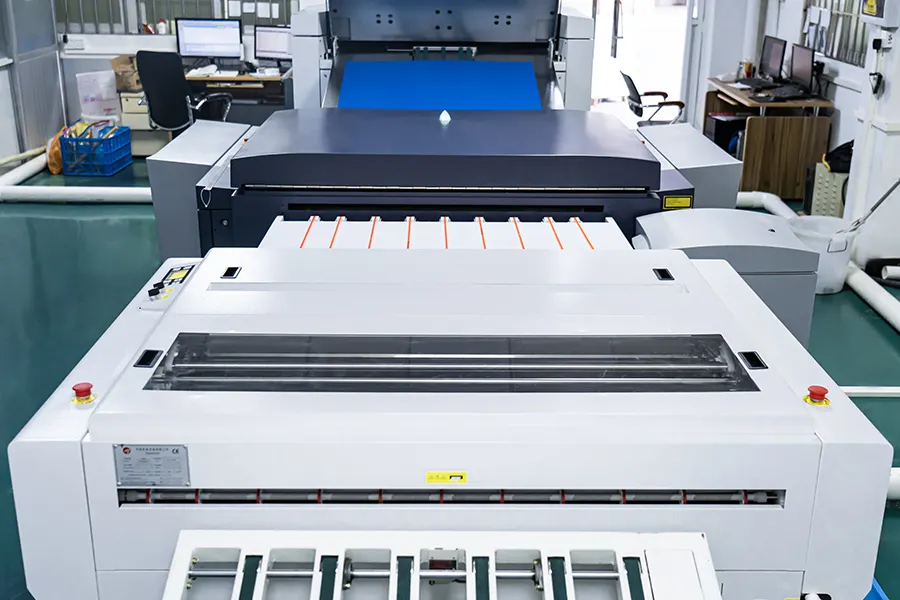
الضغط المسبق وقفل CTP في وضوح الخط. فرض أوزان الخط, تجريد الألوان الضالة, ويضمن إنشاء لوحات عالية الدقة عملية إنتاج أوفست خالية من العيوب.
تحويل الملفات الرقمية إلى لوحات الطباعة
تتطلب ترجمة الأعمال الفنية الرقمية إلى لوحات طباعة فعلية تنسيقًا صارمًا للملفات. سيؤدي وجود لون واحد ضائع أو صورة منخفضة الدقة إلى إضعاف عملية الإنتاج بأكملها.
- تنسيق الملفات بشكل صحيح: تصدير العمل الفني بتنسيق PDF/X-1a أو PDF/X-4. احتفظ بالمخططات التفصيلية كرسومات متجهة أو اضبط دقة الصورة النقطية على 600-1200 نقطة في البوصة. معيار 300 تنشئ نقطة في البوصة حوافًا ضبابية على الأنماط المعقدة.
- قفل باللون الأسود فقط (ك) الألوان: قم بتكوين كل فن الخط الداخلي إلى 100% أسود (ك). قم بإزالة أي مزيج CMYK أو RGB ضائع لمنع أخطاء التسجيل والخطوط العريضة غير الواضحة في المطبعة.
- قم بإجراء فحوصات مبدئية صارمة: قم بتشغيل الملفات من خلال برنامج ما قبل الطباعة للتحقق من الخطوط المضمنة, تأكيد أبعاد النزيف الصحيحة (عادة 3 مم), والتقاط أي خطوط تقع تحت الحد الأدنى للسمك.
- فرض صفحات للصحافة: ترتيب الصفحات المفردة المعتمدة في توقيعات متعددة الصفحات (مثل تخطيطات 16 صفحة أو 32 صفحة). إضافة علامات التسجيل, أدلة قابلة للطي, والرموز الشريطية لتتبع التجليد.
- تنفيذ سير عمل CTP: معالج الصور النقطية (قطع) يجعل الملفات في 2,400 ل 3,000 نقطة في البوصة. يقوم جهاز الكمبيوتر إلى اللوحة بعد ذلك بكشف ألواح الألمنيوم وتثقيبها من أجل محاذاة ميكانيكية دقيقة على المكبس.
ضمان إخراج خط حاد ومتسق
وضوح الخط يحدد جودة كتاب التلوين. يجب على مشغلي المطبعة وفنيي ما قبل الطباعة التحكم في نقل الحبر ومعايرته للحفاظ على التفاصيل المعقدة مرئية على المخزون غير المطلي.
- الحفاظ على الحد الأدنى لسمك الخط: احتفظ بأوزان الخط أعلاه 0.25 ل 0.3 نقطة للتصاميم التفصيلية للبالغين, وعلى الأقل 0.4 نقطة لكتب الأطفال حتى لا تنكسر الخطوط العريضة أو تختفي أثناء الطباعة.
- التحكم في كسب النقاط على الورق غير المطلي: كتب التلوين تتطلب مسننات, ورق غير مطلي يمتص الحبر بسهولة ويتسبب في انتشار الخطوط. قم بتطبيق منحنيات معايرة محددة في RIP للتعويض عن هذا الانتشار والحفاظ على الحواف حادة.
- حافظ على الفن المتجه الأصلي: معالجة الرسومات المتجهة مباشرة في RIP. لا تقم بتسوية الخطوط المتجهة أو تنقيطها ما لم يكن ذلك مطلوبًا من الناحية الفنية, نظرًا لأن المتجهات الأصلية تنتج حوافًا أكثر وضوحًا بشكل ملحوظ من الصور النقطية المحولة.
- تحسين ضغط الصحافة والتسجيل: يقوم مشغلو الصحافة بمعايرة الضغط بين اللوحة بعناية, بطانية, والورق. الضغط الدقيق يمنع طمس الاتجاه (افتراء) ويمنع ملء تفاصيل الخلفية الدقيقة بالحبر الزائد.
- التحقق من صحة مع الأدلة المادية: قم بمراجعة البراهين المطبوعة على ورق الإنتاج الفعلي. يؤكد هذا كيفية سلوك الحبر على المخزون المختار ويضمن رؤية معقدة للخط قبل بدء عملية الإنتاج الكاملة.
حلول طباعة كتب التلوين المخصصة المتميزة
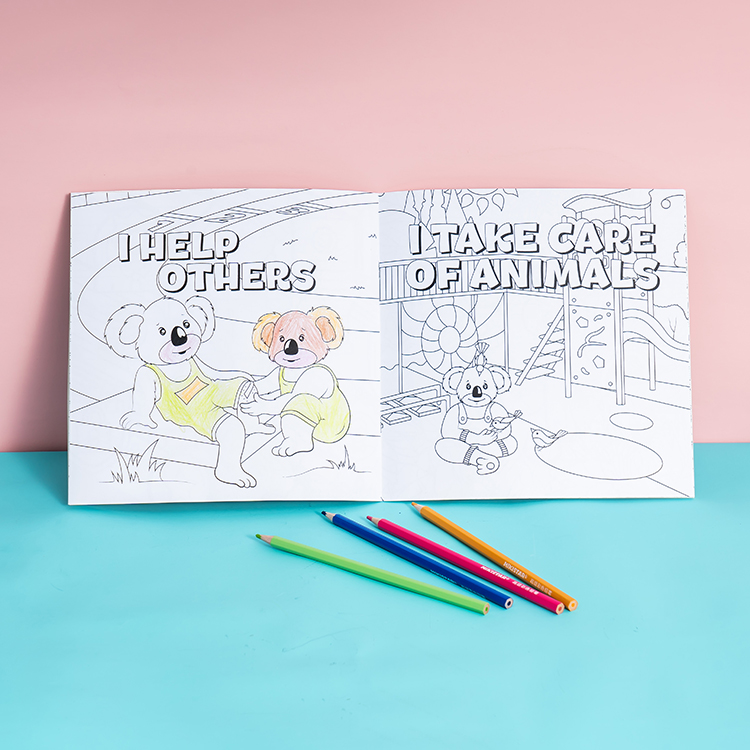
خطوة 3: عملية طباعة الأوفست
تهيمن الطباعة الحجرية الأوفست على صناعة كتب التلوين ذات الحجم الكبير من خلال الجمع بين تكاليف الوحدة المنخفضة والتوازن الصارم بين الحبر والماء لتقديم خطوط حادة للغاية على الورق غير المطلي.
| المعلمة | المواصفات القياسية |
|---|---|
| إعداد اللوحة الداخلية | لون واحد (ك فقط) |
| إعداد لوحة الغلاف | 4-لون (كميك) تسلسل |
| الورق الموصى به | 70– 120 جرامًا للمتر المربع غير المطلي |
| الحد الأدنى لوزن الخط المتجه | 0.25-0.3 نقطة |
طباعة كتب التلوين بكميات كبيرة باستخدام آلات الأوفست
تعمل الطباعة الحجرية الأوفست على زيادة إنتاج التجزئة لكتب التلوين عن طريق نقل الصور من لوحة معدنية إلى بطانية مطاطية, وأخيرا على الورق. يضمن هذا النقل غير المباشر جودة متسقة عبر آلاف الوحدات مع تقليل التكلفة المتغيرة لكل وحدة بشكل كبير.
قبل أن تبدأ الطباعة, تقوم فرق ما قبل الطباعة بإنشاء "من الكمبيوتر إلى اللوحة". (برنامج التحويلات النقدية) يتم تعيين المخرجات مباشرة إلى مكونات الكتاب:
- الصفحات الداخلية: لون واحد (ك فقط) لوحات لتنفيذ اقتصادية, فن الخط عالي التباين.
- يغطي: 4-لون (كميك) تسلسلات لإعادة إنتاج عبوات البيع بالتجزئة النابضة بالحياة.
- مخزون الورق: غير مصقول 70 ل 120 يتم تحميل أوراق GSM في مكابس الأوراق التجارية أو مكابس الويب, تم اختياره خصيصًا للإمساك بالأقلام الملونة, الطباشير الملون, وعلامات.
بينما تتطلب طباعة الأوفست عالية السرعة استثمارًا أوليًا كبيرًا في الإعداد, وفورات الحجم تجعلها الطريقة الأكثر فعالية من حيث التكلفة لإنتاج التجزئة بالجملة.
التحكم في الحبر وتحسين وضوح الخط
يحدد وضوح الخط النجاح التجاري لكتاب التلوين. لتحقيق الخطوط العريضة الحادة, يحافظ مشغلو المطابع على توازن صارم بين الحبر والماء. هذا التوازن يحمي المناطق غير الصورة. الإفراط في التبول يغسل العمل الفني, بينما يؤدي الترطيب السفلي إلى ترسيب لون خلفية غير مرغوب فيه على الصفحات البيضاء الساطعة.
أثناء التشغيل, تطبق المطابع سماكة فيلم الحبر الأمثل. تحافظ هذه الطبقة المعايرة على الخطوط العريضة السوداء واضحة دون حشوها بشكل ضيق, تفاصيل معقدة أو تنزف بشدة في ألياف الورق المسامية.
يعتمد المشغلون على مقاييس صارمة لمراقبة الجودة للحفاظ على هذا المعيار:
- المراقبة في الوقت الحقيقي: تقوم الماسحات الضوئية الآلية بتتبع أشرطة الألوان وعلامات التسجيل لضمان المحاذاة الدقيقة من الأمام إلى الخلف, القضاء على الانحرافات البصرية على الصفحات ذات الوجهين.
- مدخلات المتجهات: يقدم المصممون عملاً فنيًا متجهًا خالصًا مباشرة إلى مرحلة ما قبل الطباعة.
- عتبات وزن الخط: يتميز العمل الفني بالحد الأدنى من أوزان الخط بين 0.25 و 0.3 نقطة, ضمان بقاء الخطوط العريضة الدقيقة على قيد الحياة أثناء صناعة الألواح والطباعة عالية السرعة دون أن تنكسر.
تمنع عناصر التحكم الدقيقة هذه الحبر من إغراق الورق غير المطلي, الحفاظ على سلامة الخط الدقيقة المعتمدة خلال مرحلة ما قبل الطباعة.
خطوة 4: طي, قطع, وجمعية التوقيع
يؤدي الطي والقطع إلى تحويل أوراق الضغط المسطحة إلى كتل كتب دقيقة. تحدد التفاوتات الصارمة وتجميع التوقيع الاستراتيجي مدى جودة فتح كتاب التلوين النهائي, يوضع مسطحًا, ويربط.
طي الصفحة وترتيب الأوراق
يتطلب الانتقال من الأوراق المطبوعة المسطحة إلى التوقيعات المطوية دقة ميكانيكية. يجب أن نتحكم في كيفية تصرف الورق تحت الضغط حتى يفتح المنتج النهائي بسلاسة ويحتفظ بهوامش نظيفة.
- اتجاه الحبوب: قم بمحاذاة حبيبات الورق بالتوازي مع العمود الفقري لمنع التشقق وتحسين كيفية وضع الكتاب بشكل مسطح للتلوين.
- أضعاف التسامح: قم بتطبيق تفاوتات ضيقة في الطي تتراوح بين ±0.5 مم و±1.0 مم للحفاظ على تمركز العمل الفني للصفحة ومنع الصور من الانتقال إلى الحضيض.
- تعويض الزحف: اضبط محتوى الصفحة الداخلية قليلاً باتجاه العمود الفقري. يضمن ذلك أن طبقات الورق السميكة لا تدفع الهوامش الخارجية بعيدًا عن المركز بعد القطع النهائي.
- إعدادات: قم بتكوين الطيات المتوازية ذات الزاوية اليمنى للتعامل مع أوراق أصل كتاب التلوين القياسية, خلق عادة 8-, 16-, أو أقسام من 32 صفحة.
إنشاء التوقيعات لكفاءة ملزمة
تؤثر الطريقة التي نقوم بها بتجميع الأوراق المطوية بشكل مباشر على إنتاجية التجليد والمتانة المادية لكتاب التلوين. يمنع تجميع التوقيع الفعال وجود أشواك ضخمة ويضمن محاذاة العمل الفني بشكل لا تشوبه شائبة عبر الحيزات.
- إعدادات مثالية: قم بتجميع الأوراق المطوية في توقيعات مكونة من 16 صفحة للحصول على كتب مجلدة بشكل مثالي لزيادة كفاءة الطباعة والتجليد إلى أقصى حد.
- تكوينات مخيط السرج: عش توقيعات من 8 صفحات إلى 32 صفحة للكتب المخيطة بالسرج. الحد من العدد الإجمالي ل 48 صفحات على مخزون تلوين ثقيل لمنع الأشواك الضخمة.
- توزيع البدلات: قم بحساب خسارة الهامش بمقدار 2-4 مم لكل جانب عند تصميم حيزات مزدوجة الصفحة حتى يتمكن المستخدمون من الوصول إلى العمل الفني المركزي بشكل مريح.
- توجيه سير العمل: قم بتجميع التوقيعات وتكديسها بالتسلسل للحصول على ربط مثالي, أو قم بتركيبها لخياطة السرج قبل نقل كتل الكتاب إلى خط التجليد.
خطوة 5: طرق ربط كتب التلوين
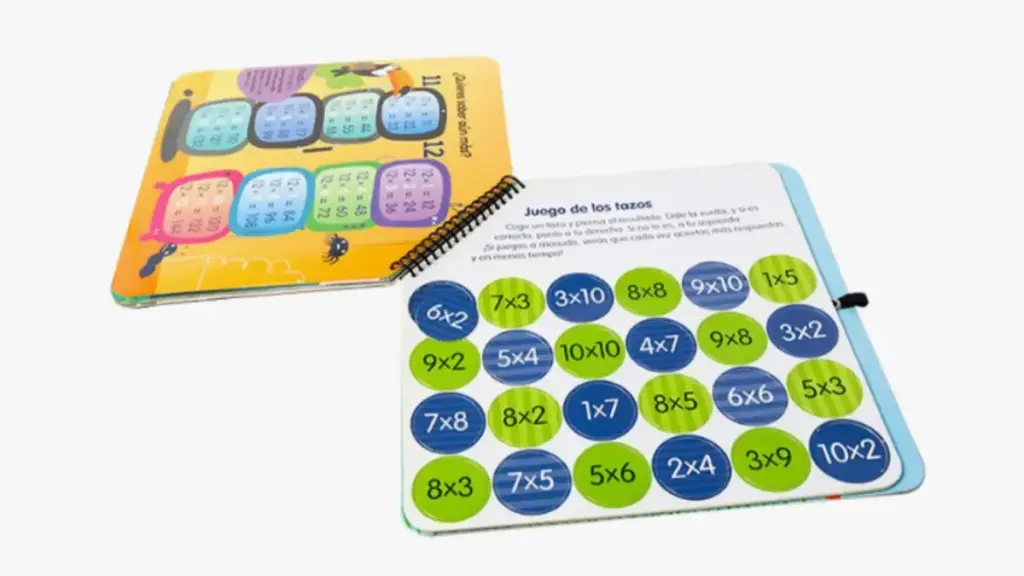
الربط الصحيح يملي المتانة, يكلف, وتجربة التلوين للمستخدم النهائي. قم بمطابقة طريقة الربط مع عدد صفحاتك, أهداف البيع بالتجزئة, والجمهور المستهدف.
غرزة السرج ملزمة (كتب خفيفة الوزن)
تستخدم غرزة السرج دبابيس معدنية على طول الثنية المركزية لتأمين الصفائح المطوية. يعتمد المصنعون على هذه الطريقة لإنتاج كتيبات ترويجية كبيرة الحجم وكتب أنشطة للأطفال بأقل تكلفة ممكنة.
- بناء: يؤمن الأوراق المطوية على طول الثنية المركزية باستخدام 2 ل 4 دبابيس معدنية.
- حد عدد الصفحات: يعمل بشكل أفضل مع أعداد الصفحات الأقل التي تتراوح بشكل صارم بين 8 و 64 إجمالي الصفحات.
- توافق الورق: أزواج تماما مع 70 رطل من الورق الداخلي غير المطلي لضمان التصاق أقلام التلوين وأقلام التحديد بشكل صحيح.
- كفاءة التكلفة: يحقق أقل تكلفة لكل وحدة, مما يجعلها مثالية للتوزيع بالجملة أو الهدايا.
- القيد: لا يمكن طي مجموعات الصفحات السميكة أو تدبيسها بشكل جيد, قصر هذه الطريقة على الكتب القصيرة.
ملزمة مثالية (كتب التلوين السميكة)
يقوم الربط المثالي بتكديس الصفائح الفردية ولصقها في العمود الفقري باستخدام مواد لاصقة مرنة من مادة EVA أو PUR. وهذا يخلق مربعا, حافة قابلة للطباعة تناسب نماذج رفوف البيع بالتجزئة والمكتبات القياسية.
- بناء العمود الفقري: يربط الأوراق الفردية بالغراء المرن لتكوين طبقة نظيفة, المظهر الاحترافي.
- سعة الصفحة: يستوعب كتب التلوين السميكة للبالغين التي تتراوح من 48 لأكثر من 300 الصفحات.
- متطلبات التصميم: يتطلب هوامش داخلية سخية (0.5 ل 0.75 بوصات) لإبقاء العمل الفني بعيدًا عن الحضيض الضيق.
- تعديلات مميزة: يعمل بشكل أفضل مع الطباعة على وجه واحد وأثقل 80 رطل من الورق لمنع نزف قلم التحديد.
يمنع العمود الفقري اللاصق الكتاب من الاستلقاء بشكل مسطح في الأصل. يجب عليك تخطيط هوامشك بعناية حتى لا يواجه المستخدمون صعوبة في تلوين العمل الفني المحاصر بالقرب من الغلاف.
الربط الحلزوني (تجربة استخدام مسطحة)
يعمل الربط الحلزوني على التخلص تمامًا من الحضيض الضيق عن طريق تمرير ملف مستمر من خلال فتحات مثقوبة مسبقًا على طول حافة واحدة. يفضل الفنانون الجادون ومتاجر الحرف اليدوية هذا التنسيق لأنه يوفر سطح تلوين خاليًا من العوائق تمامًا.
- تجربة المستخدم: يسمح للمستخدمين بطي الصفحات بالكامل إلى الخلف أثناء جلسات التلوين الطويلة.
- سعة: يربط مجموعة واسعة من الأحجام التي تمتد من 20 لأكثر من 300 الصفحات.
- اختيار المواد: توفر الملفات البلاستيكية متانة أفضل في ظل التعامل القاسي, بينما يتشوه السلك المعدني بسهولة تحت الضغط الشديد.
- وحدة الاقتصاد: يحمل تكلفة وحدة أعلى ولكنه يقدم منتجًا متميزًا لإصدارات الفنانين الجادة ومصنفات المسح الجاف القابلة لإعادة الاستخدام.
في حين أن إنتاجها يكلف أكثر, يعمل الربط الحلزوني على تحويل قابلية الاستخدام المادي للمنتج. إنه يمنح الملونين إمكانية الوصول الكامل إلى كل بوصة من الصفحة دون قتال العمود الفقري.
خطوة 6: مراقبة الجودة أثناء الإنتاج
تعمل مراقبة الجودة الصارمة على تأمين اتساق الطباعة والمتانة الميكانيكية. المصانع تختبر التصاق الحبر, محاذاة الصفحة, وقوة الربط لمنع الدفعات المرفوضة وضمان سهولة الاستخدام.
اختبار تناسق الحبر والتلطخ
تواجه كتب التلوين احتكاكًا شديدًا من أقلام الرصاص, علامات, ومحايات. إذا تلطخ الحبر أو نزف خلال الورق, فشل المنتج في غرضه الأساسي. يقوم مشغلو المطبعة بمراقبة تطبيق الحبر بشكل مستمر بدءًا من الورقة الأولى الجاهزة وحتى اللوحة النهائية المطبوعة.
- أهداف الحدة: حدد أهدافًا دقيقة للأشياء الحادة, فن خطي موحد وكثافة سوداء متسقة عبر عملية الطباعة بأكملها.
- الكثافة البصرية: الحفاظ على كثافات بصرية مستقرة — عادةً 1.4 ل 1.7 للإزاحة باللون الأسود على المخزون غير المطلي - لمنع الخطوط المكسورة أو الغامضة.
- تسجيل اللوحة: مراقبة تسجيل اللوحات المتعددة بإحكام, حفظ التسجيل الخاطئ تحت 0.2 ملليمترات بحيث تظل الخطوط العريضة نظيفة وذات ضربة واحدة.
- اختبار اللطخة: قم بإجراء اختبارات التلطخ الروتينية, بما في ذلك فحوصات وقت الجفاف, 24-اختبارات الفرك الجاف لمدة ساعة, ومحاكاة التلوين باستخدام أقلام الرصاص أو علامات.
- الشيكات التعتيم: افحص الصفحات بحثًا عن تجاوز الهوامش والإظهار حتى لا يتداخل الحبر مع الرسوم التوضيحية على الجانب العكسي أثناء التلوين على الوجهين.
- تصحيحات سريعة: قم بإصلاح مشكلات الحبر على الفور عن طريق ضبط مفاتيح الحبر, التحول إلى تركيبات أسرع, أو تغيير طاقة التجفيف.
فحص قوة الربط ومحاذاة الصفحة
يتحمل كتاب التلوين التعامل الجسدي العدواني. يقوم المستخدمون بتسوية فروق الأسعار باستمرار, تدوير الكتاب, واضغط بقوة بالقرب من الحضيض. الارتباطات الضعيفة تسقط الصفحات, بينما يؤدي سوء المحاذاة إلى تدمير المركز البصري للعمل الفني.
- اختبار المتانة: اختبر العمود الفقري وقوة التجليد بشكل روتيني حتى تظل الصفحات سليمة عندما يقوم المستخدمون بتسوية الكتاب للتلوين.
- فحوصات التسجيل: تحقق من محاذاة الصفحة وتسجيل كتلة الكتاب للحفاظ على هوامش موحدة وعمل فني مركزي بشكل صحيح.
- أداء الفتح المسطح: تقييم أداء الفتح المسطح عبر جميع أنماط الربط, التأكد من أن الكتب ذات المجلد المثالي مفتوحة على نطاق واسع بما يكفي للتلوين بالقرب من الحضيض.
- التفتيش على غرزة السرج: افحص الدفعات المخيطة على شكل سرج للتأكد من تثبيتها بشكل آمن, محاذاة التوقيع الصحيحة, وتعويض الزحف المناسب.
- تقييم مثالي: تقييم العينات المرتبطة بشكل مثالي لتغطية الغراء المستمرة, اختراق العمود الفقري بشكل مناسب, واجتياز اختبارات سحب الصفحات والمرونة.
- التحكم في الأبعاد: قياس دقة القطع, انحراف الصفحة, والترتيب للحفاظ على أبعاد الكتاب متسقة وتسلسل الصفحات دقيقًا.
خطوة 7: التعبئة والتغليف والتحضير للتصدير
يتطلب تصدير كتب التلوين حدودًا صارمة للوزن, التحكم في الرطوبة, وتوثيق دقيق للبقاء على قيد الحياة أثناء العبور الدولي والتخليص الجمركي بسرعة.
التعبئة والتغليف الواقية للشحن الدولي
يمتص ورق كتاب التلوين غير المطلي الرطوبة ويجرجر بسهولة. يتطلب الشحن الدولي حماية مادية متعددة الطبقات لمنع العمود الفقري المشوه والأغطية التالفة أثناء عمليات النقل البحري أو الجوي الطويلة.
- حماية الوحدة: قم بإغلاق كتب التلوين الفردية في أكياس بلاستيكية شفافة أو 50-75 غلاف يتقلص بالميكرون لمنع الأوساخ السطحية, صد الرطوبة البسيطة, وتقديم أدلة التلاعب.
- التراص الداخلي: قم بتكديس الكتب بشكل مسطح داخل علب الكرتون الرئيسية واتجاهات بديلة من الرأس إلى القدم لتقليل تشوه العمود الفقري وتزييف الصفحة.
- التحكم في الرطوبة: أدخل منصات مموجة ذات جدار واحد بين الطبقات وأضفها 30-60 جرام من هلام السيليكا لكل متر مكعب لامتصاص الرطوبة أثناء النقل.
- كرتون ماستر: قم بتعبئة الوحدات في علب كرتونية مموجة مزدوجة الجدار. تقييد الحد الأقصى للوزن ل 15-20 كجم لمنع تلف السقوط ودعم التعامل اليدوي الآمن.
- منصة نقالة: قم بتأمين الكراتين على المنصات الخشبية المعالجة بالحرارة ISPM-15 باستخدام نمط تكديس الطوب. سقف الارتفاع الإجمالي في 1.4 متر للحفاظ على الاستقرار.
وضع العلامات على الكرتون والتنسيق اللوجستي
إن وضع العلامات الدقيقة والشروط اللوجستية الواضحة يحافظ على حركة الشحنات عبر الجمارك والمراكز اللوجستية التابعة لجهات خارجية. يؤدي أي عدم تطابق بين علب الكرتون المادية وبيانات الشحن الإلكترونية إلى حدوث عمليات رد مبالغ مدفوعة وتأخير فوري.
- تسميات الكرتون: طباعة متينة, ملصقات مقاومة للماء توضح تفاصيل المنتج SKU, وصف المنتج, رقم أمر الشراء, إجمالي عدد الوحدات, وبلد المنشأ.
- وضع التسمية: ضع رموزًا شريطية وملصقات شحن متطابقة على الجانبين على الأقل وعلى الجزء العلوي من كل كرتونة رئيسية حتى تتمكن فرق اللوجستيات من مسحها ضوئيًا دون إعادة وضع الصناديق الثقيلة.
- مصطلحات التجارة الدولية: إنشاء مصطلحات تجارية دولية دقيقة مع المشترين الدوليين لتوضيح الجهة التي تدفع تكاليف النقل الرئيسي, تأمين البضائع, والتخليص الجمركي للتصدير.
- حجز الشحن: حجز نقل الشحن البحري أو الجوي مباشرة مع وكلاء الشحن. شارك أبعاد وأوزان الكرتون الدقيقة لتحسين مساحة الحاوية والتسعير الدقيق.
- توثيق التصدير: قم بتجميع حزمة وثائق التصدير الدقيقة التي تحتوي على الفاتورة التجارية, قائمة التعبئة الشاملة, وبوليصة الشحن للتخليص الجمركي دون تأخير.
عوامل التكلفة في طباعة كتاب التلوين
تتطلب إدارة تكاليف الطباعة موازنة عدد الصفحات, أوزان الورق, وطلب الكميات لتتناسب مع جمهورك المستهدف واستراتيجية التوزيع.
عدد الصفحات واختيار الورق
تؤثر إضافة الصفحات بشكل مباشر على النتيجة النهائية. تؤدي كل صفحة إضافية إلى زيادة استخدام الحبر والورق مع إطالة وقت الطباعة. يؤدي دفع عدد الصفحات إلى مستوى مرتفع جدًا أيضًا إلى زيادة تعقيد الربط. تتطلب الكتب السميكة أساليب ربط محسنة وتزيد من وزنها, مما يؤدي إلى زيادة نفقات الشحن والتخزين في المستودعات.
يمكنك التحكم في هذه التكاليف من خلال مطابقة مواصفات الورق للمشتري المستهدف. يظل الورق غير المطلي هو معيار الصناعة بلا منازع 2026 لأنه يوفر قبضة موثوقة لأقلام الرصاص وأقلام التلوين بينما تكلف أقل من البدائل المطلية. يقوم الناشرون بتحسين هوامش ربحهم عن طريق اختيار أوزان ورق معينة بناءً على طبقة المنتج:
- أطفال الاقتصاد’ كتب: 50-60 وزن النص رطل لإنتاج صديق للميزانية.
- كتب الكبار المتميزة: 80-100 وزن النص رطل للتعامل مع حبر التحديد الثقيل.
قبل تشغيل دفعة كاملة, اطلب دائمًا عينات مادية. تتيح هذه الخطوة للمبدعين اختبار أدوات التلوين الفعلية للتسييل, تلطيخ, وسهولة الممحاة لضمان اختيار السهم المناسب قبل الالتزام بالأموال.
طريقة الطباعة وكمية الطلب (تأثير موك)
يحدد حجم إنتاجك تقنية الطباعة الصحيحة. تعمل الطباعة الرقمية بشكل جيد مع عمليات التشغيل الصغيرة أو التسويق التجريبي. يتطلب الحد الأدنى من الاستثمار في الإعداد ولكنه يترك لك تكلفة أعلى لكل وحدة. الطباعة الحجرية الأوفست تقلب هذه المعادلة. فهو يتطلب تكلفة إعداد مقدمة كبيرة ولكنه يقلل بشكل كبير من تكلفة كل وحدة لعمليات الإنتاج المتوسطة والكبيرة.
يمكنك خفض تكاليف الطباعة هذه عن طريق تبسيط إعداد الملف. إن إبقاء الصفحات الداخلية مقتصرة بشكل صارم على فن الخط الأسود يقلل من نفقات الحبر ويبسط إعداد الصحافة. احتفظ بالألوان الكاملة حصريًا للأغطية الخارجية.
تتضمن موازنة كمية طلبك إدارة الإنتاج الرئيسي والديناميكيات المالية:
- الحد الأدنى لكميات الطلب (موك): تفرض الطابعات حدًا أدنى صارمًا لمهام الأوفست, تحفيز اتخاذ القرارات الإستراتيجية بين عمليات التشغيل الرقمية الصغيرة المتكررة والطلبات المجمعة المجمعة.
- التنبؤ بالطلب: تمنع توقعات المبيعات الدقيقة الإفراط في الطلب وتحافظ على رأس مالك من الارتباط بالمخزون غير المباع.
- تخفيضات الحجم: يضمن الطلب بشكل استراتيجي وصول المشترين إلى نقاط توقف الكمية المثالية لتحقيق أقصى قدر من التوفير لكل وحدة.
الأفكار النهائية
تتطلب إدارة إنتاج كتب التلوين أكثر من مجرد العثور على أرخص أسعار الطباعة. في حين أن مرافق الميزانية تقدم تكاليف أولية أقل, إن التحكم الصارم في تنسيق ما قبل الطباعة ومعايرة حبر الأوفست هو الطريقة الوحيدة لحماية علامتك التجارية من الخطوط غير الواضحة والصفحات النازفة. إن تنفيذ معايير التصنيع الدقيقة هذه يحمي هوامش البيع بالتجزئة الخاصة بك ويضمن تجربة تلوين متميزة.
توقف عن التخمين بشأن جودة الإنتاج وتحقق من النتائج فعليًا. نوصي بطلب عينة ما قبل الإنتاج لاختبار مخزوننا من الورق غير المطلي ومتانة التجليد بشكل مباشر. اتصل بفريقنا للحفاظ على مواصفات OEM الخاصة بك وتحسين عملية الطباعة التجارية التالية.
الأسئلة المتداولة
كيف يتم تصنيع كتاب التلوين الإحترافي?
تتحرك عملية التصنيع من خلال تخطيط المفهوم, خلق العمل الفني, إعداد ملف ما قبل الطباعة, التدقيق, الطباعة, ملزم, والتشطيب النهائي. تطبق المصانع الاحترافية معايير فنية صارمة لضمان تجربة تلوين متميزة. يجب عليك تقديم عمل فني على الأقل 300 نقطة في البوصة, الحفاظ على هوامش دقيقة, وتحديد ورق غير مطلي عالي الجودة يقبل وسائط التلوين المختلفة دون تلطخ أو نزيف.
ما هي أفضل طريقة لطباعة كتب التلوين؟?
تعتمد طريقة الطباعة المثالية بشكل كامل على حجم إنتاجك والجمهور المستهدف. تهيمن طباعة الأوفست على الإنتاج واسع النطاق، وعادةً ما يتم تشغيله 1,000 نسخ أو أكثر — لأنها توفر دقة فائقة للخط بتكلفة وحدة منخفضة جدًا. تتعامل الطباعة الرقمية مع المسافات القصيرة, تنفيذ الطباعة عند الطلب, واختبار السوق بشكل جيد للغاية, تقديم أوقات تسليم سريعة مع متطلبات إعداد اللوحة الصفرية.
كم من الوقت تستغرق عملية التصنيع 1,000 كتب?
يعتمد وقت الإنتاج بشكل مباشر على الطابعة والموقع الذي اخترته. يمكن للطابعة المحلية السريعة قصيرة المدى إخراجها 1,000 كتب في 2 ل 3 أيام العمل, بالإضافة إلى الشحن. عادةً ما تتطلب طابعة الأوفست المحلية القياسية 1.5 ل 3 أسابيع لنفس المدى. إذا كنت تستخدم منشأة تعويض في الخارج, نتوقع أن تتم الطباعة والتجليد 2 ل 3 أسابيع, تليها إضافية 3 ل 6 أسابيع للشحن البحري.
هل يمكنني رؤية عينة قبل بدء التصنيع بالجملة?
نعم, يعتبر طلب العينة بمثابة ممارسة صناعية قياسية للتخفيف من مخاطر الإنتاج. توفر الطابعات عينات منزلية فعلية حتى تتمكن من اختبار قوام الورق ومتانة التجليد. يمكنك أيضًا طلب إثباتات داخلية مطبوعة للتحقق من جودة الخط والهوامش, جنبًا إلى جنب مع عينات ما قبل الإنتاج الكاملة التي تطابق مواصفاتك النهائية تمامًا قبل السماح بإجراء الطباعة الكاملة.
ما هو الفرق بين طباعة كتب التلوين الأوفست والرقمية؟?
تستخدم طباعة الأوفست ألواح معدنية مخصصة وحبر سائل. تنتج هذه الطريقة خطوطًا حادة بشكل لا يصدق وتخفض تكلفة كل وحدة بشكل كبير في عمليات الإنتاج الكبيرة. تتخطى الطباعة الرقمية اللوحات وتنقل الملفات الرقمية مباشرة إلى المطبعة باستخدام تقنية الحبر أو نفث الحبر. وهذا يجعل الرقمية فعالة للغاية من حيث التكلفة ومرنة للدفعات الصغيرة, تكرار التصميم السريع, وإعدادات الطباعة حسب الطلب.
كيف أقوم بإعداد الملفات لمصنع كتب محترف?
تطلب المصانع ملفات تتوافق مع الإرشادات الفنية الصارمة. قم بتوفير فن الخط الداخلي الخاص بك على الأقل 300 نقطة في البوصة — بالرغم من ذلك 600 تعمل النقطة في البوصة بشكل أفضل للحصول على التفاصيل الدقيقة. احفظ الجزء الداخلي كملف PDF واحد جاهز للطباعة مع تضمين جميع الخطوط بالكامل. أنشئ غلافك كملف PDF منفصل باستخدام القالب الخاص بالطابعة. يجب أن يتضمن ملف الغلاف حجم القطع الصحيح, عرض العمود الفقري المحسوب, وتسييل قياسي يبلغ 0.125 بوصة.