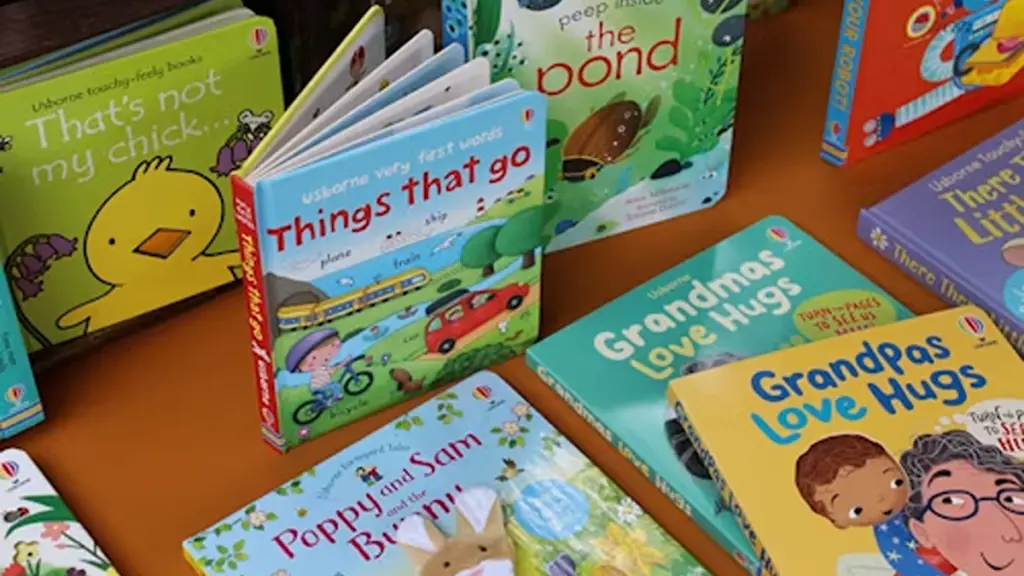


Выбор правильного формата печати — это стратегическое решение, которое напрямую влияет на прибыль вашего производства и репутацию бренда.. Несоответствие макета страницы правильному художественному средству часто приводит к протечкам чернил и возврату продукта..
Использование односторонних раскрасок. 140+ Бумага GSM для предотвращения растекания маркера и облегчения кадрирования., нацеленность на премиальные рынки для взрослых. Наоборот, в двусторонних книгах приоритет отдается экономичности и высокому дизайну., что делает их идеальными для детских книг с использованием сухих материалов, таких как мелки..
Этот анализ сравнивает выбор форматирования с современными производственными стандартами.. Мы оцениваем структурные требования, непрозрачность бумаги, и нормы потребления, которые помогут вам сбалансировать конкурентоспособные розничные цены с требованиями профессиональных артистов..
Что такое односторонние раскраски?
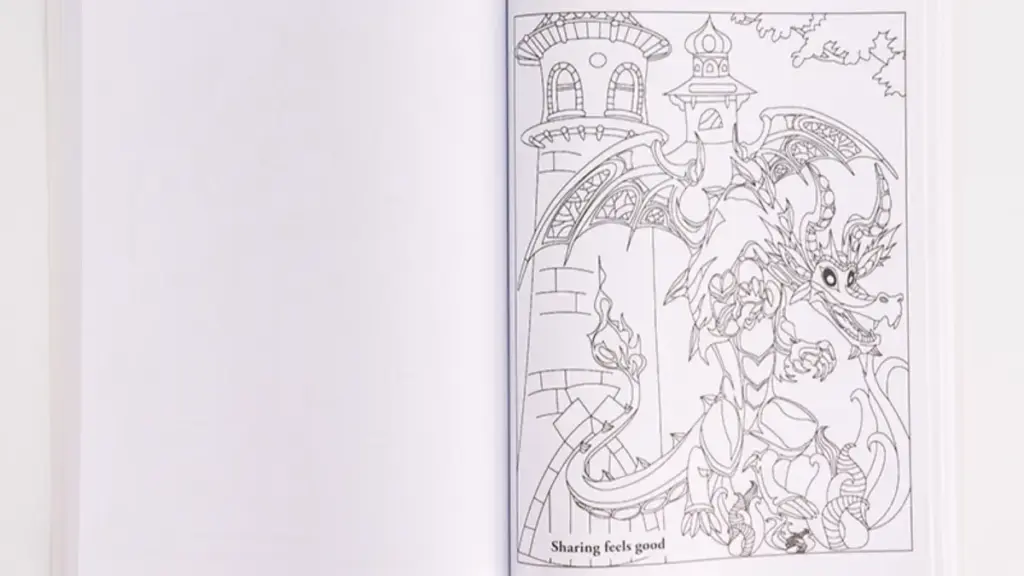
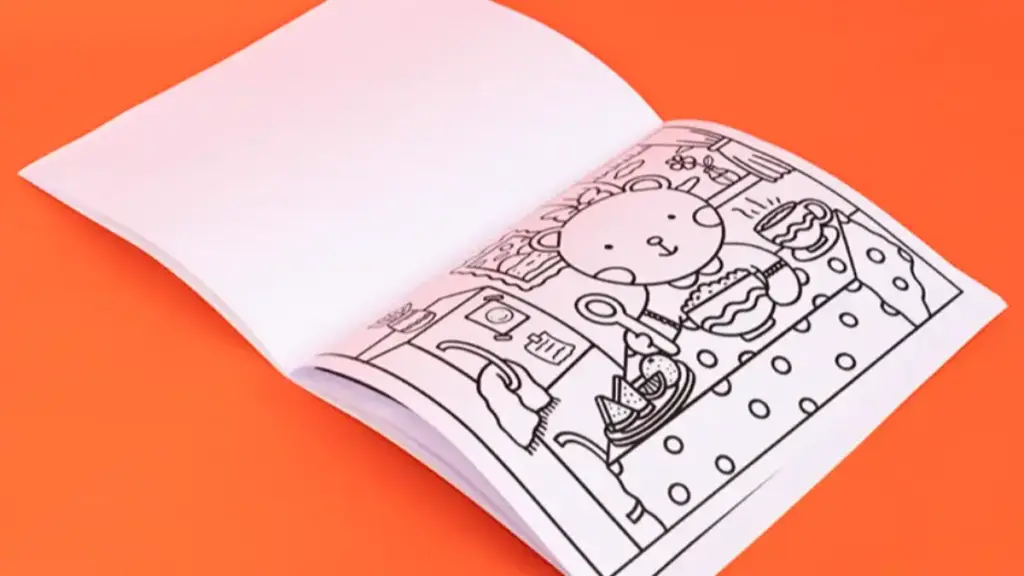
В односторонних книжках-раскрасках рисунки печатаются на одной стороне каждой страницы.. Это исключает просачивание маркера и позволяет легко снимать его для кадрирования., делая их стандартом для премиальных рынков.
Плюсы
Взрослые колористы и серьезные любители используют тяжелые маркеры и гелевые ручки, которые легко растекаются по стандартной бумаге.. Односторонняя печать решает эту проблему, оставляя обратную сторону страницы полностью пустой..
- Предотвращение кровотечения: Пустая обратная сторона защищает нижние страницы от тяжелых маркеров и чернил гелевой ручки., сохранение произведений искусства.
- Простой дисплей: Пользователи могут удалить, рамка, или подарите отдельные страницы, не жертвуя дизайном, напечатанным на обратной стороне..
- Премиальная апелляция: Формат привлекает взрослых, терапевтические группы, и любители, которым требуется высококачественная сохранность произведений искусства.
- Более высокое удовлетворение: Издатели избегают плохих отзывов и разочарования клиентов, вызванных испорченными двусторонними изображениями..
Минусы
Печать на одной стороне страницы требует компромиссов в производстве и удобстве использования.. Издатели удваивают использование бумаги, чтобы предоставить такое же количество дизайнов., влияние на занимаемую площадь конечного продукта.
- Более высокие производственные затраты: Удвоение количества страниц для того же количества дизайнов увеличивает производственные затраты и розничные цены..
- Материальные отходы: Пользователи часто рассматривают пустые обратные стороны как ненужную трату бумаги..
- Ограниченная мобильность: Дополнительная бумага делает эти книги значительно объемнее и тяжелее, чем двусторонние альтернативы..
Что такое двусторонние раскраски?
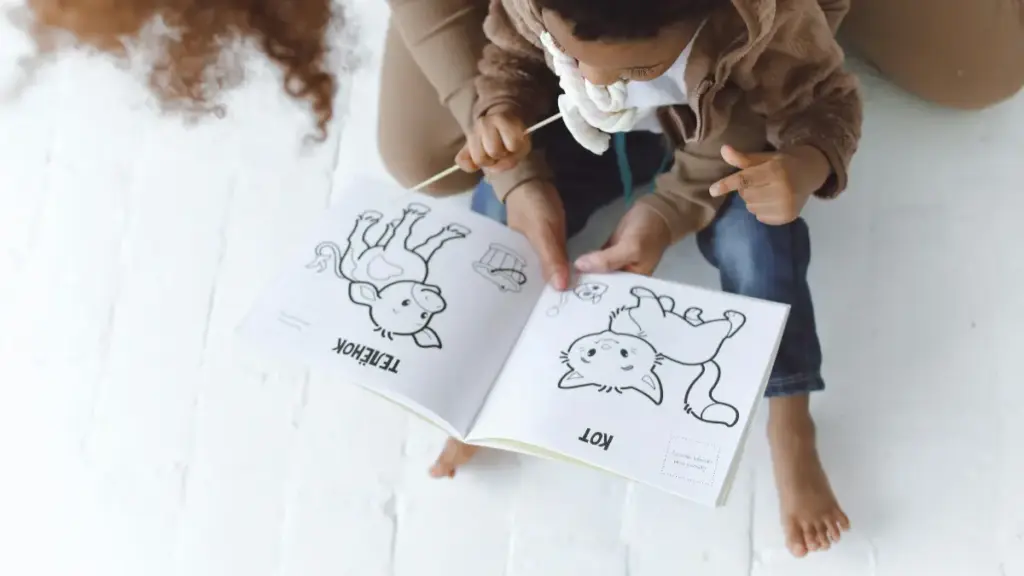
Двусторонняя книжка-раскраска позволяет максимально эффективно использовать бумагу, размещая рисунки как на лицевой, так и на оборотной стороне каждой страницы.. Издатели полагаются на этот формат для создания больших объемов, бюджетные продукты, что делает его отраслевым стандартом для детских книг и повседневных раскрасок..
Плюсы
Этот формат обеспечивает явные коммерческие и практические преимущества для конкретной целевой аудитории..
- Повышенная емкость: Предлагайте больше дизайнов в одном томе, возрастающая ценность для детей и быстрых колористов.
- Бюджетно: Стоимость ниже, чем односторонние альтернативы.
- Высокая портативность: Меньше весите и легко путешествуйте благодаря компактному физическому количеству страниц..
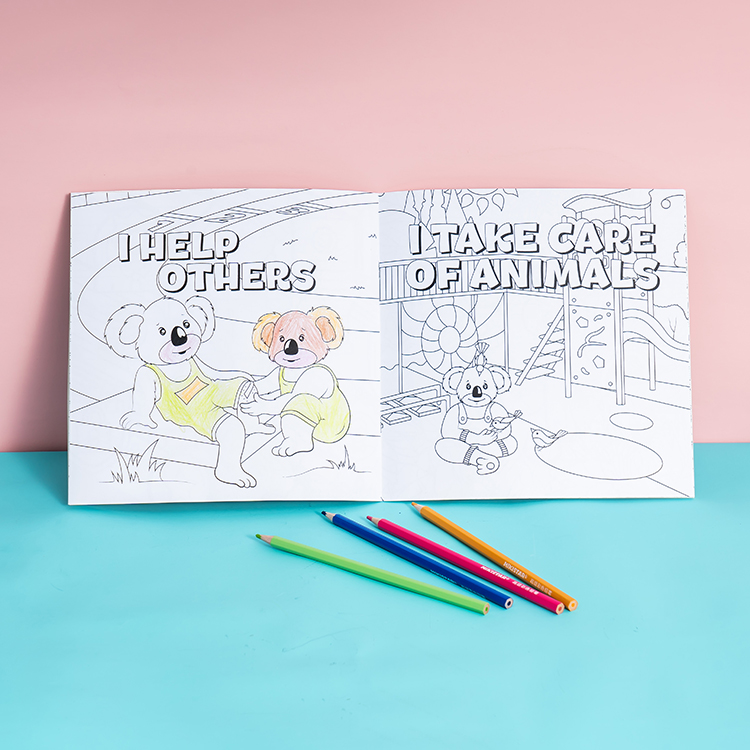
- Совместимость с сухими средами: Прекрасно работает со стандартными сухими материалами, такими как мелки и цветные карандаши..
Минусы
Печать на обеих сторонах накладывает физические ограничения., в первую очередь в отношении управления чернилами и отображения изображений.
- Риски утечки: Ограничьте выбор инструментов, поскольку чернила на спиртовой основе просачиваются через бумагу..
- Проблемы с отображением: Усложняет сохранение произведений искусства, поскольку обрамление одной стороны скрывает дизайн обратной стороны..
- Повреждение бумаги: Бумага отслаивается и рвется при нанесении маркеров на водной основе..
- Принудительный выбор: Заставьте колористов пожертвовать одной завершенной страницей, чтобы отобразить противоположную сторону..
Раскраски премиум-класса на заказ по оптовым ценам
Какая бумага лучше всего подходит для односторонней и двусторонней печати?
Односторонняя печать эффективно работает в стандартной комплектации. 20-32 фунт облигаций, но двусторонние рабочие места требуют как минимум 70 фунтовый текст или мелованная бумага для предотвращения растекания и просвечивания чернил.
Толщина бумаги (GSM) и непрозрачность
Толщина напрямую определяет непрозрачность. При печати на обеих сторонах листа, вам нужна достаточная плотность физического волокна, чтобы блокировать передачу света обратного изображения через страницу.. Плотность бумаги должна соответствовать вашему конкретному формату печати..
| Тип бумаги | Масса / GSM | Одностороннее использование | Двустороннее использование |
|---|---|---|---|
| Связь / Копировать | 20-32 фунт (75-120 GSM) | Офисные черновики, переписка | Высокий риск кровотечения; избегать |
| Текст | 70 фунт (105 GSM) | Стандартные буклеты, листовки | Светлый текст, минимальный цвет |
| Премиум-текст / Крышка | 100 фунт текста / 80-100 фунт покрытия (148-270 GSM) | Плакаты, высококачественные принты | Журналы, Каталоги, тяжелые чернила |
Как выбор бумаги влияет на растекание чернил
Растекание чернил портит двусторонние материалы. Когда чернила слишком глубоко впитываются в волокна бумаги, он пачкает обратную сторону, сделать текст неразборчивым, а изображения мутными. Выбор отделки и веса бумаги контролирует процесс проникновения..
- Ограничения на бумагу без покрытия: Бумага без покрытия быстро впитывает жидкие чернила.. Это приводит к сильному проступанию двусторонних отпечатков, если плотность бумаги падает ниже 70 фунт текста.
- Покрытие: Глянцевое или матовое покрытие с покрытием удерживает чернила на поверхности.. Этот барьер сохраняет четкость и чистоту двусторонних каталогов и брошюр без пятен..
- Рисунки с тяжелыми чернилами: Принтеры, использующие полноцветные фоны или дизайны с большим количеством изображений, требуют 80 текст фунта или более плотный картон. Дополнительная толщина предотвращает впитывание чернил на обратную сторону..
Сколько стоит односторонняя и двусторонняя печать?
Расходы на чернила на страницу при односторонней и двусторонней печати одинаковы., однако двусторонняя печать сокращает расходы на бумагу вдвое, что приводит к значительной экономии при массовом производстве..
Количество страниц и общая стоимость
Типографии и системы внутреннего учета выставляют двусторонние отпечатки как две отдельные страницы.. Стоимость базовых чернил или тонера остается одинаковой для каждой напечатанной стороны., это означает, что вы платите одинаковую сумму за наложение изображения независимо от того, сколько сторон вы используете..
- Черно-белый лазер: 3-8 центов за страницу
- Цветной лазер: 12-15 центов за страницу
- Розничные копировальные магазины: 10-50 центов за страницу в зависимости от объема
- Массовая экономия бумаги: 1-2 центов, сэкономленных на листе
Фактическое финансовое преимущество двусторонней печати полностью заключается в сокращении потребления бумаги вдвое.. Обрезка 1-2 центов за лист обеспечивает значительное снижение затрат при крупных корпоративных производственных тиражах..
Использование материалов и эффективность производства
Уменьшение вдвое физического объема бумаги напрямую снижает требования к хранению., время обработки, и сборы за выбытие для крупных учреждений и корпоративных офисов. Уменьшение количества коробок необработанной бумаги оптимизирует повседневную логистику и освобождает складские площади..
Дуплексные принтеры требуют более высоких первоначальных затрат на оборудование.. Но непрерывное 50% сокращение закупок бумаги быстро компенсирует эти первоначальные инвестиции для крупных пользователей., позволяя машине окупать себя.
Ваше конечное приложение определяет идеальный выбор. Односторонняя печать остается стандартом для дисплеев, плакаты, и быстрые распечатки для публичного использования. Двусторонние форматы лучше всего подходят для внутренних документов и толстых руководств, поскольку позволяют контролировать вес и физический объем..
Что лучше: Односторонние или двусторонние раскраски?
Односторонние страницы защищают от обильного растекания маркеров и обрамления костюма., в то время как двусторонние книги снижают производственные затраты и увеличивают ценность дизайна для обычных пользователей.. Используйте следующую сравнительную таблицу, чтобы привести ваши производственные характеристики в соответствие с ожиданиями целевого рынка..
| Коэффициент сравнения | Односторонний формат | Двусторонний формат |
|---|---|---|
| Плотность бумаги | 140 – 300 GSM (Плотный картон) | 100 – 140 GSM (Стандартное смещение) |
| Медиа-совместимость | Алкогольные маркеры, Гелевые ручки, Акварель | Мелки, Цветные Карандаши, Сухие СМИ |
| Проектная мощность | Меньше дизайнов (50 дизайны ≈ 100 страницы) | Максимизировано (100 дизайн = 100 страницы) |
| Физическая масса | Толстый, премия, художественное чувство | Компактный, легкий, портативный |
| Стоимость производства | Выше (Использование бумаги & обязательные требования) | Ниже (50% экономия бумаги; оптимизированная рентабельность инвестиций) |
| Розничный рынок | Премиум для взрослых, Терапия, Коллекционеры | Массовый рынок, Дети, Рекламный |
| Стратегический вариант использования | Амазонка ДПК, Высококачественные книги по искусству | Образовательный, Классы, Массовые подарки |
Амазонская ДПК & Стратегия самостоятельной публикации
- Лучший выбор: Односторонний
- Стандарт ДПК 60-70 Фунтовая бумага печально известна тем, что «призраки.» Чтобы избежать ужасных отзывов с 1 звездой, в которых утверждается, «чернила испортили следующую страницу,» всегда выбирайте односторонний. Это обеспечивает буфер безопасности, который сохраняет репутацию вашего бренда..
Детская стратегия массового рынка
- Лучший выбор: Двусторонний
- Родители ценят «количество удовольствия.» Используя 100-120 GSM-бумага двустороннего формата., вы можете продать «150-Страница Мега Книга» который остается легким и доступным. Так как дети в основном используют цветные карандаши, кровотечение - это не проблема.
Премиум-арт & Стратегия терапии
- Лучший выбор: Односторонний + Перфорированные страницы
- профессиональные колористы относятся к своим книгам как к холсту. Мы рекомендуем 190-300 Карты GSM с перфорированной линией отрыва. Это превращает простую книгу в коллекцию отдельных репродукций., оправдывая значительно более высокую розничную цену.
Маркетинг & Рекламная стратегия
- Лучший выбор: Двусторонний
- Для подарков на выставках, портативность превыше всего. Компактный, двусторонний буклет легче нести участникам, а вам дешевле доставлять его оптом., максимизация охвата распространения на каждый потраченный доллар.
Как уменьшить просачивание при печати книжек-раскрасок
Чтобы предотвратить растекание чернил, необходимо использовать толстый картон., односторонние макеты, и физические барьеры в процессе окрашивания.
Выберите подходящую бумагу и дизайн-макет
Обновление запаса бумаги — наиболее эффективный способ предотвратить просачивание чернил.. Выбирайте более толстые материалы, например картон плотностью 110 фунтов или бумагу со специальным покрытием.. Эти плотные варианты создают барьер, ограничивающий проникновение чернил по сравнению со стандартной принтерной бумагой..
Настройте макет файла дизайна перед отправкой его на принтер.. Настройте файл для односторонней печати, чтобы обратная сторона каждой страницы с изображением оставалась пустой.. Это гарантирует, что любое незначительное просачивание не испортит следующий дизайн.. Вы также можете включить более толстые черные линии в сам рисунок.. Толстые поля помогают скрыть небольшое растекание чернил и сохранить четкость конечного цветного изображения..
Используйте физические барьеры и умные методы раскрашивания.
Даже на высококачественной бумаге, Маркеры на основе спирта могут проталкивать чернила через страницу.. Поместите пергаментную бумагу или два листа стандартной бумаги для принтера непосредственно за активной раскраской.. Этот простой физический барьер собирает излишки чернил маркера и защищает остальную часть книги..
Техника имеет такое же значение, как и материал.. Наносите легкий штрих при использовании влажных маркеров.. При сильном нажатии излишки чернил проникают глубоко в волокна бумаги., увеличивается риск пропитывания. Держите штрихи маркера немного дальше от краев линии.. Чернила растекаются естественным образом, заполняя зазоры, не вытекая за границы..
Заключительные мысли
Выбор правильного формата печати — это стратегический баланс между рентабельностью производства и репутацией бренда.. А двусторонние макеты минимизируют затраты, сочетание односторонних дизайнов с 140+ Запасы GSM необходимы для предотвращения утечки информации и защиты вашей продукции от негативных отзывов..
Будучи 25-летним лидером отрасли, Синьи печать поможет вам избавиться от догадок. Мы рекомендуем начать с небольшой партии образцов, чтобы проверить непрозрачность бумаги по отношению к агрессивным маркерам, прежде чем переходить к массовому производству..
Свяжитесь с нами и получите оптовое предложение от Синьи →
Часто задаваемые вопросы
Какая печать лучше для раскрасок: односторонняя или двусторонняя??
Это зависит от вашей аудитории. Односторонняя печать лучше подходит для взрослых, использующих маркеры для предотвращения проступания.. Двустороннюю печать лучше использовать для детских книг мелками., поскольку это максимизирует количество проектирования при значительном снижении производственных затрат.
Как предотвратить растекание чернил в двусторонних книжках-раскрасках??
Самый эффективный метод – использование тяжелых, бумага высокой непрозрачности (140GSM+). Для пользователей, предложите слегка надавить, использование маркеров с кистью, чтобы минимизировать скопление чернил, или поместив защитный лист за активную раскраску..
Почему большинство раскрасок для взрослых односторонние??
Взрослые предпочитают влажные материалы, такие как спиртовые маркеры и гелевые ручки., которые легко проникают в стандартную бумагу. Односторонние макеты защищают следующий дизайн и позволяют художникам вырывать и оформлять свои работы, не жертвуя иллюстрациями на обратной стороне..
Экономит ли двусторонняя печать деньги при массовом производстве??
Да. Двусторонняя печать сокращает расход бумаги на 50%. В больших объемах, это существенно снижает материальные затраты, общий вес доставки, и требования к хранению, что делает его наиболее экономичным выбором для массовой публикации..
Какая бумага лучше всего подходит для двухсторонней раскраски?
Укажите белую офсетную бумагу плотностью от 140 до 160 г/м².. Этот вес обеспечивает идеальный баланс между стоимостью и непрозрачностью., эффективно минимизируя просвечивание, обеспечивая при этом гладкую поверхность для маркеров или достаточно «зуб» для наслаивания цветным карандашом.
Как настроить файл для печати односторонних страниц??
Экспортируйте свой дизайн как отдельные страницы., не распространяется. Для платформ самостоятельной публикации, вручную вставьте пустую страницу после каждой страницы изображения в PDF-файле. Это гарантирует, что принтер разместит рисунок на лицевой стороне, оставив заднюю часть пустой..