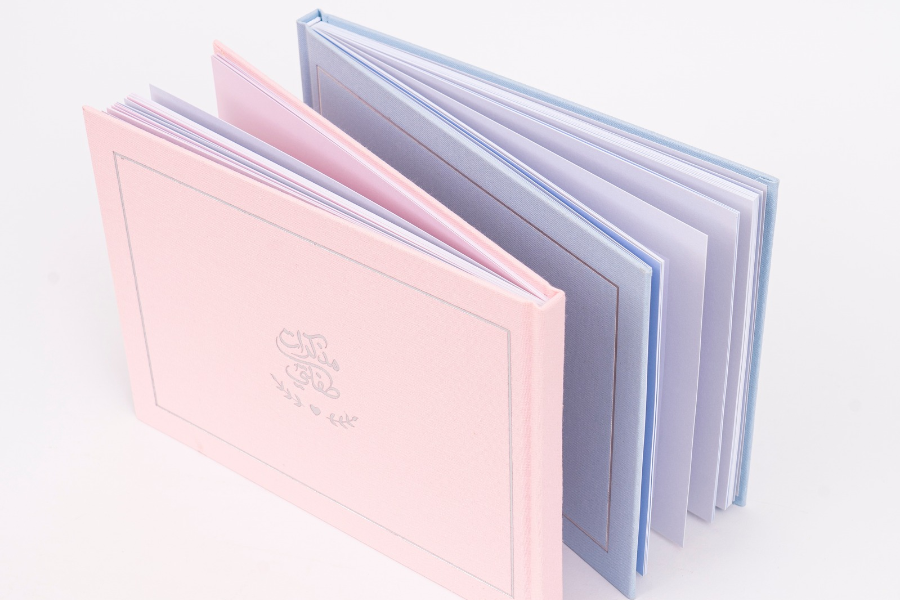


Lay flat binding describes how a book opens and rests on a flat surface. It is not one specific binding method. Smith costurado, Pur, Fio-O, and specialty lay-flat structures can all improve opening performance, but they work in different ways.
Para editores, marcas, and book buyers, the right choice depends on page count, caldo de papel, cover structure, uso pretendido, e orçamento. This article explains the main options, compares their performance, and lists the specifications to confirm before placing a bulk order.

What Does Lay Flat Binding Actually Mean?
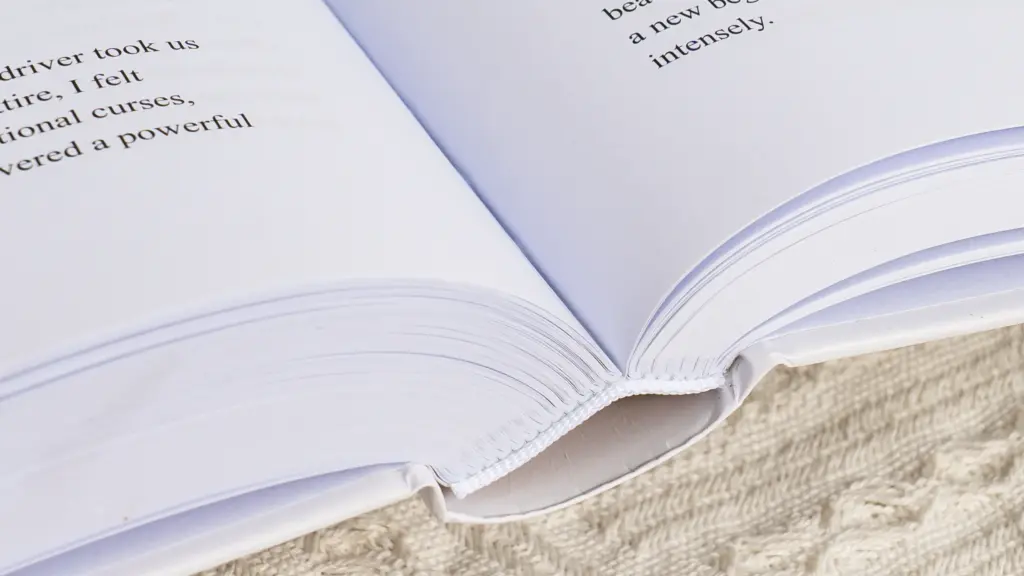
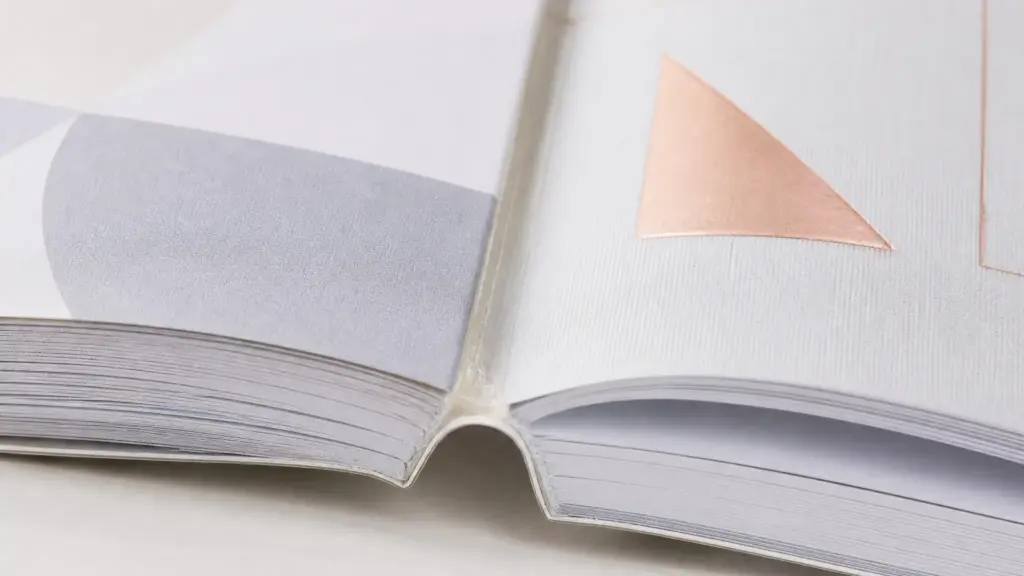
A lay-flat book opens so that both facing pages rest on a table with little or no support. The gutter, where the pages meet at the spine, remains accessible for reading, escrita, desenho, or photography.
This matters when content crosses both pages. In a standard glued book, the center fold may lift or hide part of an image. A suitable lay-flat structure reduces this problem and makes the book easier to use.
Three terms are commonly used for this feature:
- Lay flat: The book stays open on a flat surface.
- Open flat: Both facing pages can be viewed with minimal resistance.
- 360-degree turnover: Pages can fold back around the binding, as with Wire-O or spiral books.
These terms describe different levels of opening performance. A supplier should identify the actual binding construction rather than simply promise that a book will lay flat.
Which Book Binding Methods Open Flat?
Several binding methods can provide flat or near-flat opening, but their structures and best uses are different.
Encadernação costurada Smyth
Smyth sewing joins folded page sections with thread through their folds. The sections form a flexible book block that is then attached to the cover. This structure supports frequent use and is suitable for thick books that need good opening performance.
Xinyi offers Smyth-sewn hardcover binding for projects ranging from 32 para 800+ páginas.
Explicação de ligação
PUR uses polyurethane reactive adhesive to hold the pages together. Compared with standard EVA glue, it offers greater pull strength and a more flexible spine. Xinyi lists approximately three times the pull strength of standard hot-melt adhesive.
No entanto, PUR does not guarantee a completely flat opening. The result depends on paper, contagem de páginas, and spine preparation.
Wire-O and Spiral Binding
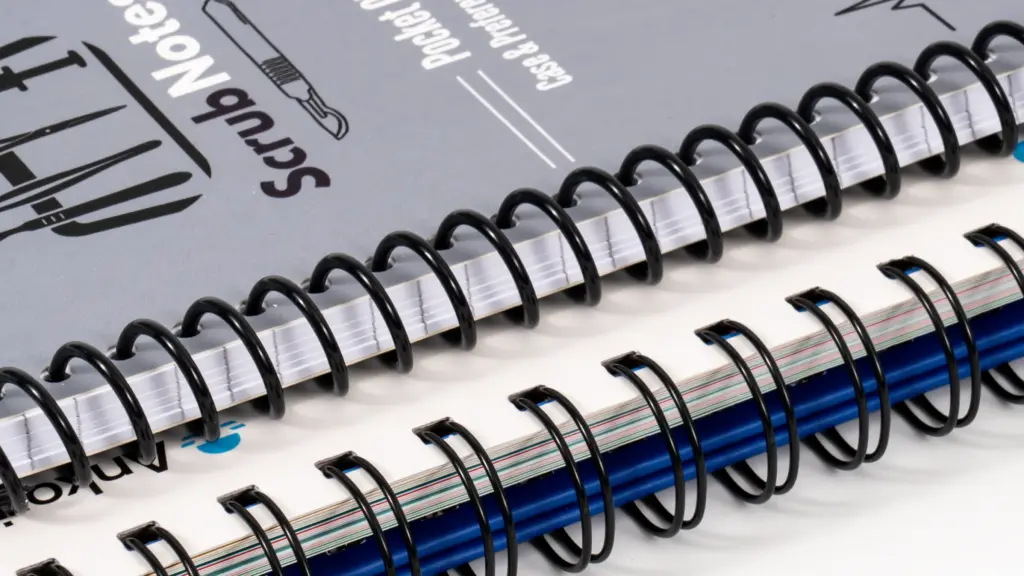
These methods use punched holes and metal or plastic coils to hold the pages together. Both allow pages to turn fully and provide 360-degree opening. They work well for planners, Notebooks, pastas de trabalho, and other products used on a desk.
Specialty Lay-Flat Binding
This construction uses a specially designed adhesive and hinge structure to improve opening performance. Xinyi lists a 180-degree opening capability for this option, with a page range of 24–200 pages.
The final result should be checked using a physical sample.
Lay Flat Binding vs. Standard Perfect Binding
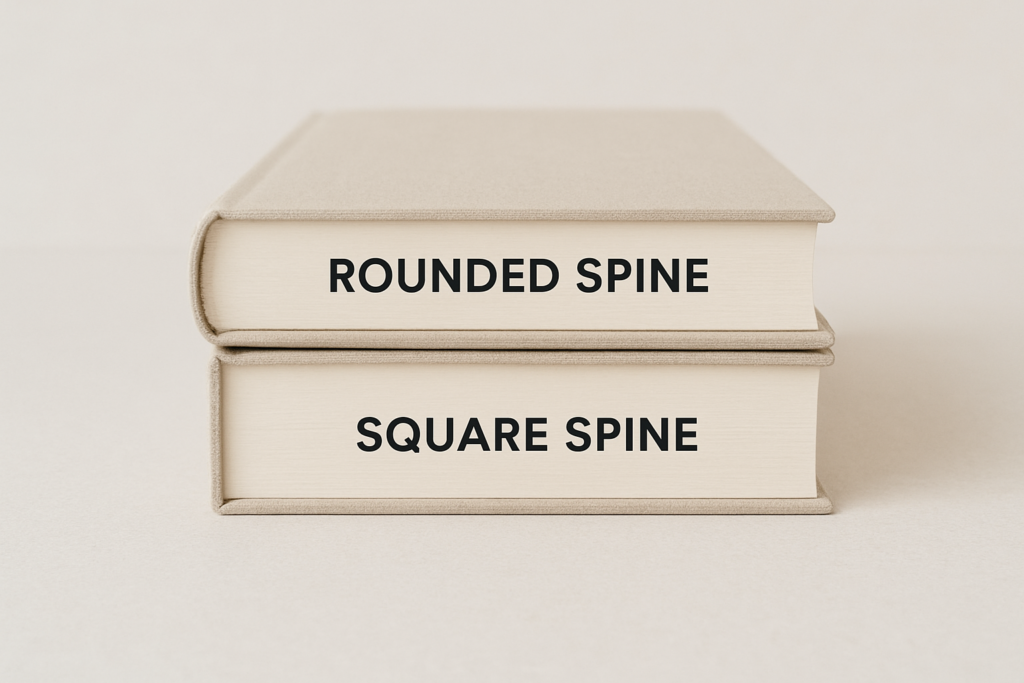
Standard EVA perfect binding uses adhesive along the spine to secure the pages to the cover. It creates a clean, square spine that works well for novels, catálogos, and other books designed for handheld reading.
No entanto, the rigid glue line resists opening. When the book is placed on a table, the pages may lift toward the center instead of staying flat.
PUR perfect binding offers more flexibility than standard EVA, but it should not be treated as a guaranteed lay-flat solution.
For books that need better opening performance, buyers can consider:
- Smyth-sewn hardcover or softcover structures.
- Flexible PUR binding for suitable paperback projects.
- Wire-O or spiral binding for desk-based use.
- Specialty lay-flat adhesive systems for panoramic spreads.
The choice depends on whether the project needs a printable spine, a premium cover, frequent handling, or complete page turnover.
For a closer look at different spine structures, see our article on book spine types and anatomy.
Get a Lay Flat Sample
How Do Different Lay Flat Binding Options Compare?
The following comparison uses Xinyi’s published binding specifications. Page ranges, opening performance, durability ratings, and cost levels reflect the options listed on its website rather than general industry estimates.
| Construção | Openness | Intervalo de páginas | Durabilidade | Nível de custo |
|---|---|---|---|---|
| Ponto de sela | Fully flat | 8–64 páginas | Padrão | $ |
| Smyth Sewn Hardcover | Near flat | 32–800+ pages | Arquivo | $$$$ |
| Encadernação Perfeita PUR | Moderado | 48–600+ páginas | Alto | $$$ |
| Padrão EVA Perfeito | Duro | 48–400 pages | Padrão | $$ |
| Fio-O / Laço Duplo | 360° turnover | 16–400+ páginas | Durável | $$ |
| Especialidade Lay-Flat | 180 graus | 24–200 pages | Alto | $$$$$ |
Smyth-sewn and specialty lay-flat options cost more because they involve additional materials or production steps. PUR offers a middle ground between standard adhesive binding and more specialized structures.
These cost levels are reference categories, not fixed prices. Final quotations depend on paper, tamanho do livro, contagem de páginas, acabamento, e quantidade do pedido.
When Should You Specify Lay Flat Binding?
Lay-flat binding is most useful when readers need to work across both pages or keep a book open without holding it down.
| Caso de uso | Why Flatness Matters | Suitable Construction |
|---|---|---|
| Photo and Art Books | Reduces image loss across the center gutter | Smyth Sewn or Specialty Lay-Flat |
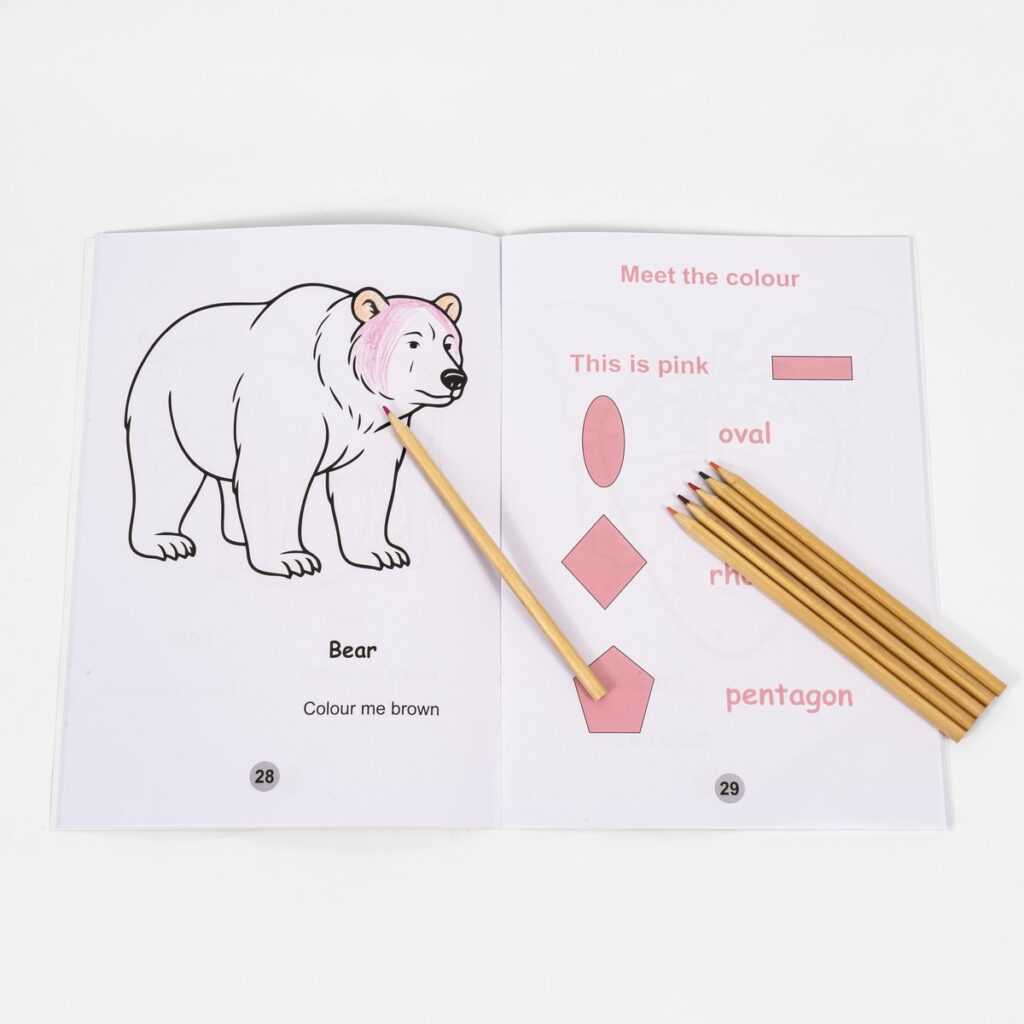
| Coloring and Activity Books | Keeps pages open while users draw or color | Sewn Softcover or Wire-O |
| Sheet Music and Workbooks | Allows hands-free reading and writing | Smyth Sewn or Coil |
| Desk Journals and Planners | Provides a stable writing surface | Wire-O or Spiral |
For photo books and art publications, Smyth sewing or specialty lay-flat construction helps preserve images across two-page spreads. For writing and drawing, Wire-O and spiral binding offer greater flexibility.
The best option also depends on the product format and intended readers. You can explore our custom picture book printing e coloring book printing options for examples of these applications.
For ordinary novels and handheld reading, standard paperback binding may be enough. Paying for a more complex structure is unnecessary when the book does not need to stay open on a table.
What Specs Should You Confirm Before Ordering?
A lay-flat requirement should be included in the written production specification. Before approving a bulk order, confirm these six points with your printer.
| Especificação | What to Confirm |
|---|---|
| Opening Performance | Target opening angle or a reference photo of the required result |
| Paper Stock and Page Count | Peso do papel, coated or uncoated finish, and total pages |
| Tamanho do corte | Finished book dimensions |
| Estrutura da Capa | Capa dura, capa mole, flexible spine, or coil binding |
| Order Quantity | Required volume, como 200, 500, 1,000, or more copies |
| Sample Approval | A physical sample that demonstrates the agreed opening performance |
Do not judge the result from the first few pages alone. Place the finished sample face-down on a flat table and check whether the gutter stays close to the surface. Repeat the test near the middle of the book, especially for thick text blocks.
Signature layout, espessura do papel, and spine construction can all affect the result. For more details on production specifications, see our book printing and manufacturing information.
How Does Xinyi Handle Custom Lay Flat Book Printing?
Lay-flat binding is a custom production requirement, not a single standard product. The construction must match the book’s page count, caldo de papel, cobrir, e uso pretendido.
Xinyi Printing supports Smyth-sewn hardcover, PUR paperback, Fio-O, espiral, and specialty lay-flat options. Its manufacturing process covers printing, vinculativo, acabamento, quality inspection, and export packing.
For custom book projects, the standard MOQ is 200 cópias. Most quotations are provided within 12–24 business hours after receiving complete specifications. Standard production takes approximately 7–12 working days for paperbacks and 10–18 working days for casebound hardcovers, starting after final proof approval and confirmation of the production details. Xinyi Printing+1
To receive an accurate quotation, prepare the following information:
- Book size and total page count.
- Interior paper type and weight.
- Preferred binding and cover structure.
- Required opening performance.
- Order quantity and delivery destination.
- A reference sample or photograph, if available.
Visita O que imprimir to discuss your project and confirm a suitable binding structure before mass production.
Perguntas frequentes
Can a paperback book lay flat?
Sim, but not every paperback can do so. Standard EVA perfect binding has a stiff spine that prevents pages from staying fully open. Flexible PUR, sewn softcover, and specialty lay-flat structures offer better opening performance. Always test a sample using your actual paper and page count.
Is lay flat binding the same as spiral binding?
Não. Both can stay open on a desk, but they use different structures. Spiral and Wire-O bindings use coils through punched holes, while lay-flat books can retain a conventional spine for printing and shelf display.
Can a thick book still lay flat?
Sim, depending on the binding structure and materials. Smyth-sewn binding works well for thick books, while adhesive systems may lose flexibility as the page count increases. A physical sample is the best way to check the opening performance.
Does lay flat binding cost more than perfect binding?
Geralmente, sim. Smyth sewing and specialty lay-flat structures require additional materials and production steps. PUR and Wire-O have different cost levels, so the final price depends on the binding method, quantidade do pedido, e requisitos de acabamento.
What is the minimum order for custom lay-flat books?
Xinyi Printing’s standard MOQ is 200 copies for custom book printing. The final quotation depends on the binding method, contagem de páginas, papel, tamanho do livro, e quantidade do pedido.