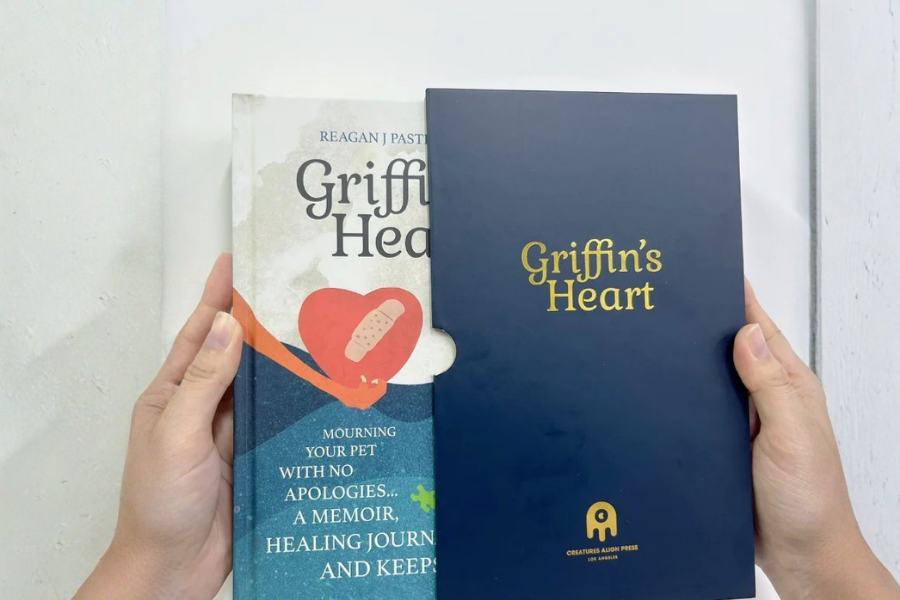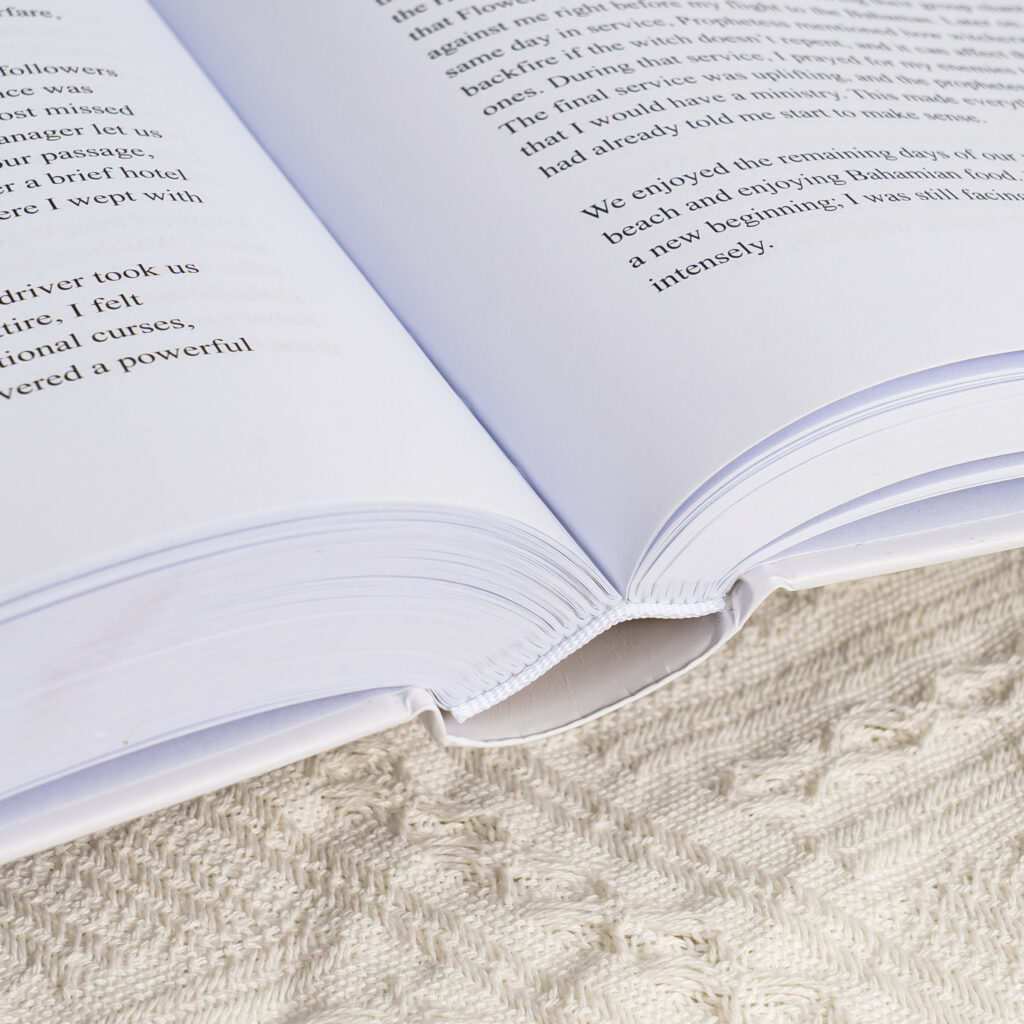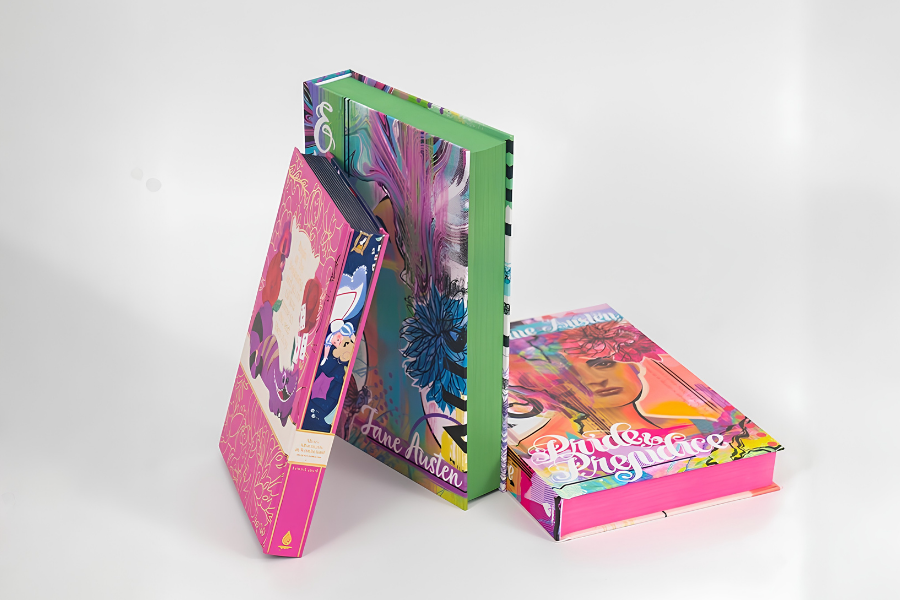


A hardcover book cover wrap is the thin layer glued over the boards, and it is the part of the book your reader touches. Three wraps carry most custom work: a printed paper sheet, a woven cloth, and a polyurethane-coated fabric. Each one takes colour, texture, déjouer, and wear differently, and the difference shows in the first month of use rather than in the first photograph.
This article stays on that one decision. It compares the three wraps on design fit and hand feel, then lists what to check on a proof before you approve a run. Épaisseur du panneau, obligatoire, interior paper, and file setup sit outside this scope, and our complete hardcover printing guide et heavy hardcover materials guide cover them.
What The Wrap Actually Does
The wrap is a separate decision from the board under it. Specify both, and inspect them separately.
Every case starts as rigid boards with a spine piece between them. The wrap is printed or dyed, then glued over the outside with its edges turned in past the board edges. Endpapers cover those turn-ins on the inside. Because the wrap is a separate layer, it can change without changing the board, and two books with the same structure can feel completely different in the hand.
That separation is also why a vague request fails. Asking for a premium hardcover book cover leaves the material, the surface treatment, and the decoration method undecided, so the factory fills the gap with whatever it stocks. Name the wrap, the finish, and the decoration you want, and quotes become comparable between suppliers.
Three Wraps And How They Behave
Read each option for what it does well and for what it will never hide.
Printed Paper Wraps
A printed paper wrap is a sheet carrying your artwork, protected by a lamination, and glued to the board. It is the only one of the three that reproduces a full-colour image, so photograph-led covers, dégradés complexes, and exact brand colours live here. The surface feel comes from the lamination rather than the sheet, which makes gloss, mat, doux au toucher, and anti-scuff grades separate choices on the same order.
A hardcover book cover in paper shows its weaknesses at the edges. Dark solid areas under matte lamination mark wherever a fingernail or a scuff lifts the surface, and gloss films show scratches under raking light. Corner turn-ins are where lifting appears first, so look there on a sample rather than at the centre of the cover.
Cloth And Buckram Wraps
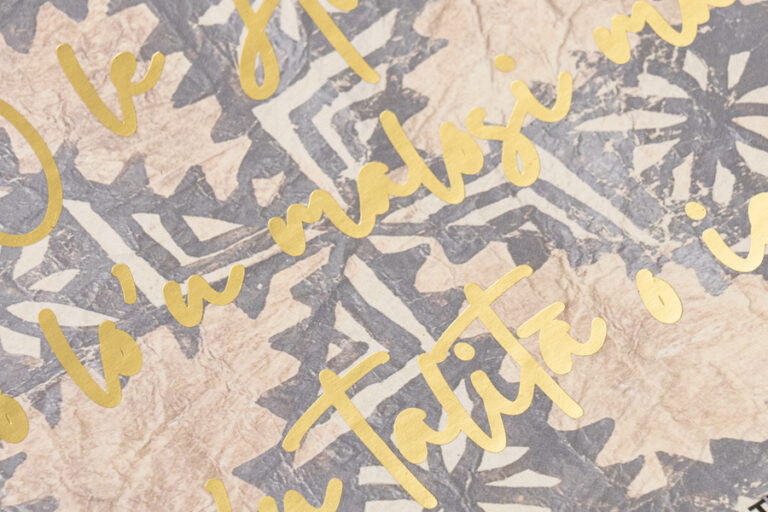
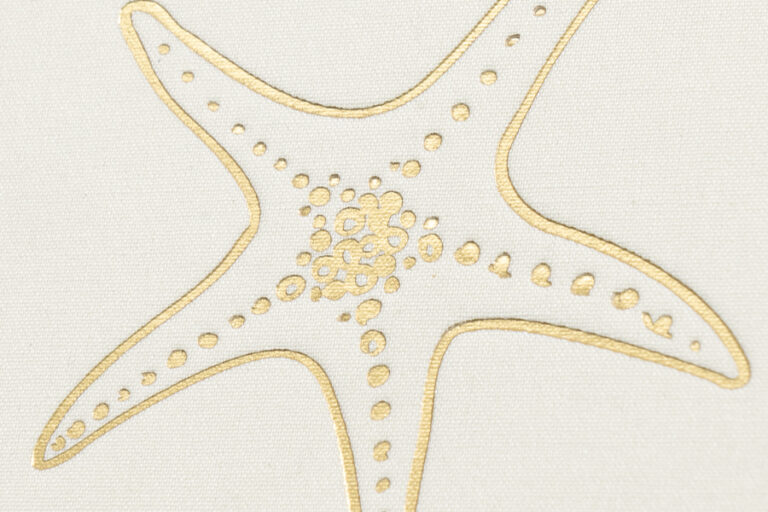
Cloth wraps are woven and dyed through rather than printed with an image, then left uncoated or given a light finish. Buckram is a stiffened open-weave cotton or linen used where abrasion resistance matters, and printed buckram carries a pattern laid over the weave. The hand is warm and matte, and the weave stays visible under a low viewing angle.
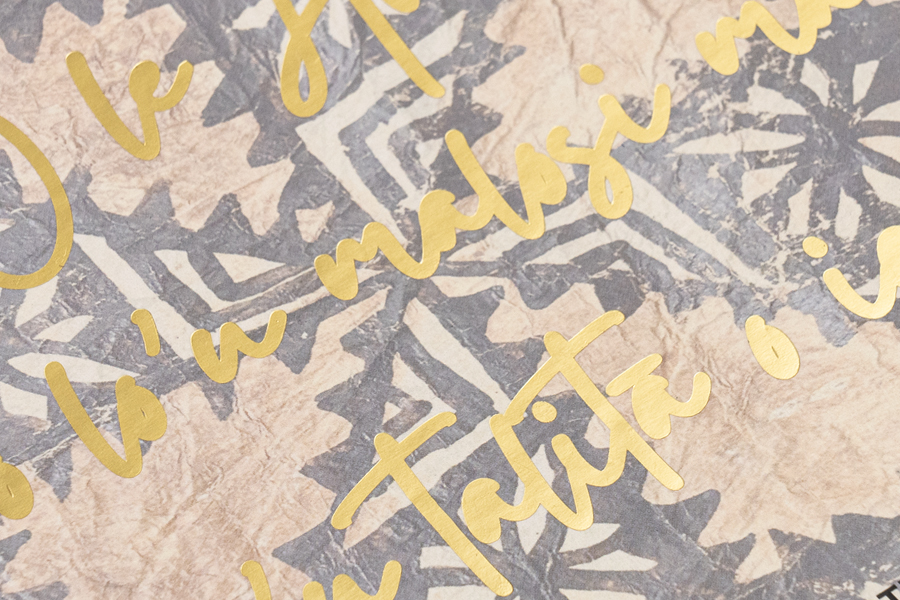
Cloth limits your graphics. A photograph cannot be printed directly onto it at the quality most covers need. Image-led work on cloth uses a printed paper label tipped onto the spine or the front board instead. What cloth does well is take foil and debossing into the weave, which is why a blind-debossed title on cloth reads as considered rather than cheap.
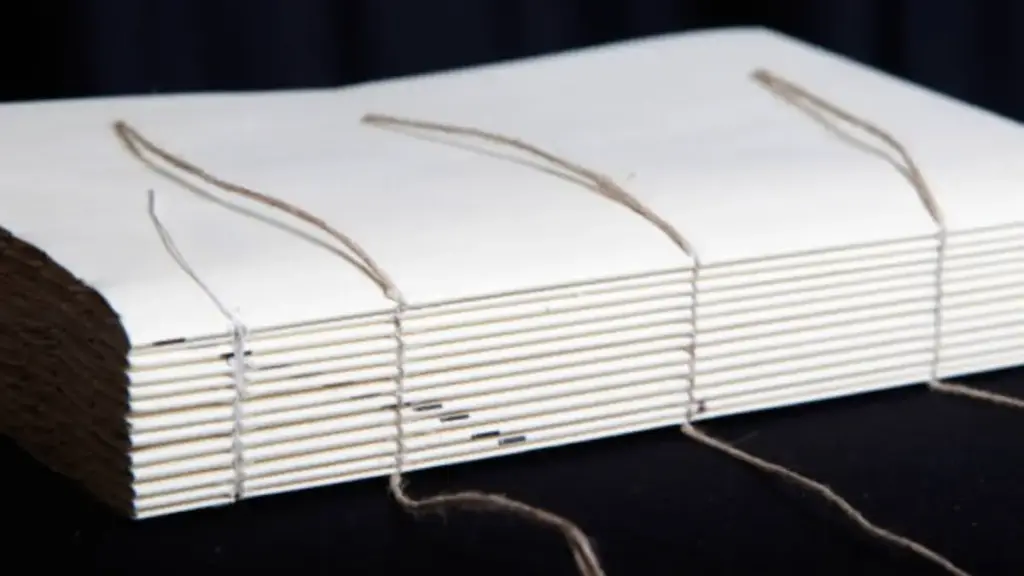
Ask which way the weave runs across the spine, because that direction changes how the cloth folds at the hinges and how the corners look once trimmed. The same question applies to a sewn versus glued book block: both interact with the case at the hinge.
PU And Coated-Fabric Wraps
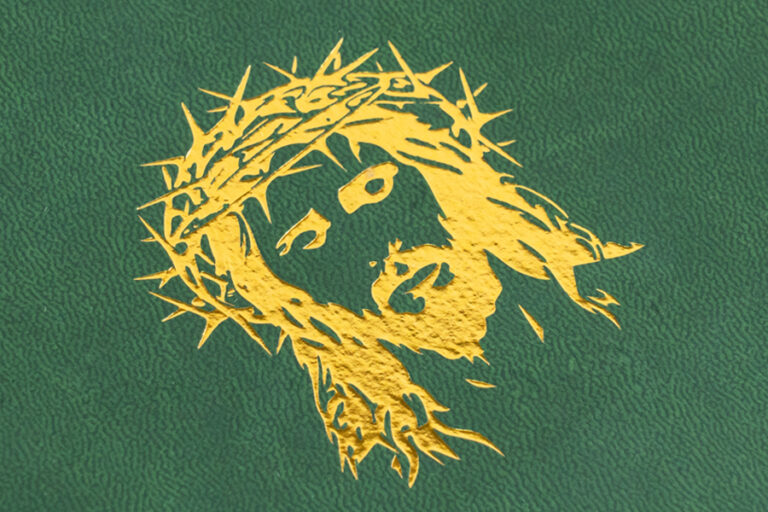
PU wraps are a polymer coating on a textile backing, and the leather look comes from a grain embossed into that coating. Sens des grains, depth, and sheen are choices rather than defaults, so ask for the specific grain you are buying. Colour is matched at the coating stage, which gives a consistent surface across a long run without relying on printed ink.
Decoration on PU runs through foil, Débosage, and screen printing rather than full-colour imagery. Ink adhesion on a flexible coating is a real limit, so ask how the print is cured and how it is tested after curing. The failure to watch is at the folds. A sharp turn-in can crack the coating at the corners, and a topcoat that is too soft can block or turn tacky inside a sealed carton.
Neither outcome means the material is wrong. Both mean the build and the storage conditions need agreeing before the order.
Compare The Wraps On Design Fit
Put the three options on one sheet and score them against your own artwork.
| Aspect | Printed Paper | Cloth Or Buckram | PU Coated Fabric |
|---|---|---|---|
| Image and colour | Carries full colour and photographs. | No direct photo; needs a tipped label. | Solid colour matched at coating stage. |
| Surface hand | Set by the lamination you choose. | Chaud, mat, visible weave. | Soft or firm, with embossed grain. |
| Foil and deboss | Works through the lamination film. | Reads well pressed into the weave. | Often the crishest of the three. |
| Wear you will see | Scuffs and corner lift show first. | Fibres abrade and lighten at corners. | Coating cracks at sharp folds. |
| Marks and cleaning | Laminate wipes; gloss shows scratches. | Cloth holds dust and moisture marks. | Most grades tolerate a dry wipe. |
| Typical fit | Photo books, enfants’les titres, livres de cuisine. | Literary editions, revues, series. | Gift editions, logos en creux, ensembles. |
| What to confirm | Lamination grade and artwork fit. | Weave direction and colour lot. | Grain, colour source, cure method. |
The table assumes equal workmanship on all three. A cloth cover built over a rough board will show that board through the weave. A PU sheet folded without relief at the corner can crack regardless of its grade. Treat each row as a question for the factory rather than a promise.
Match The Wrap To The Design
Start from the artwork and the shelf, not from a preference for a material.
If the cover carries a photograph, an illustration, or an exact brand colour, the decision is already made. A printed paper wrap is the only one of the three that reproduces it. Ask for the lamination as a separate line, because the film changes both the colour reading and the scratch behaviour of the same printed sheet.
If the design is typographic and the value sits in restraint, cloth and PU do the work that paper needs extra steps to imitate. A blind-debossed title, a small foil logo, and a restrained series palette all read better on a textured wrap than on a printed sheet pretending to be texture.
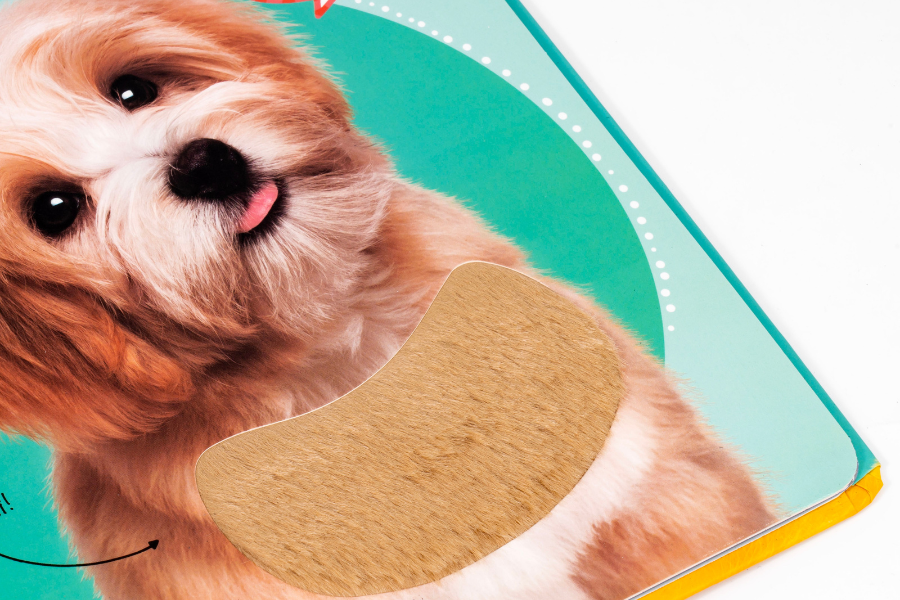
Then weigh the handling the book will actually get. A gift edition that lives on a shelf tolerates a soft PU topcoat. A reference title that travels in a bag is abraded at the corners every week, and that is where buckram earns its cost. Enfants’s titles get wiped down, which favours a laminated paper wrap over bare cloth.
Check These Items On The Proof
A screen proof carries no texture, depth, or sheen. Approve a physical wrap before the case is built.
Colour And Sheen Under Real Light
View the proof under the light where the book will be photographed and sold. The same wrap can read warmer or flatter under a different source, and a dark matte surface shifts visibly between daylight and warm indoor lighting. Published viewing conditions exist for this, y compris ISO 3664, and offset print conditions sit in ISO 12647-2. Name the standard you need in your request, and ask the supplier to state how the run is controlled against it.
Texture, Grain, And Weave Direction
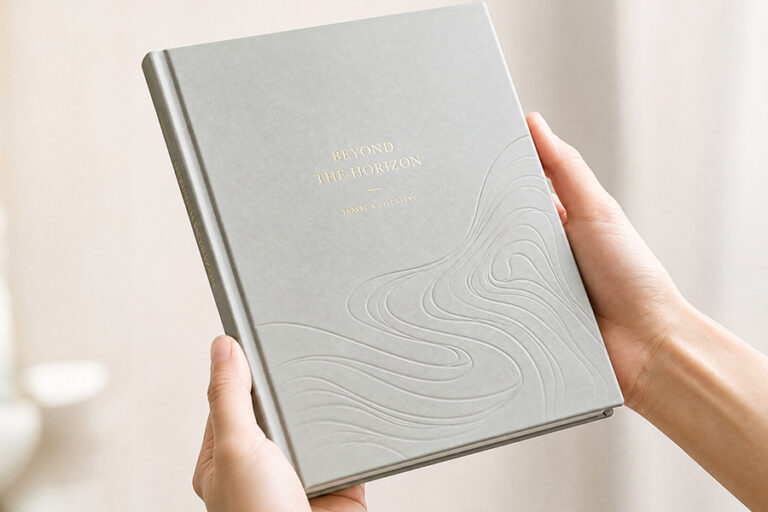
Run a hand across the wrap and look at it from a low angle. That is where a weave running the wrong way, an embossed grain set against the spine, or an uneven surface becomes obvious. Ask which direction the material is applied to the case, then mark the approved sample so a later batch can be compared against it.
Foil, Deboss, And Registration
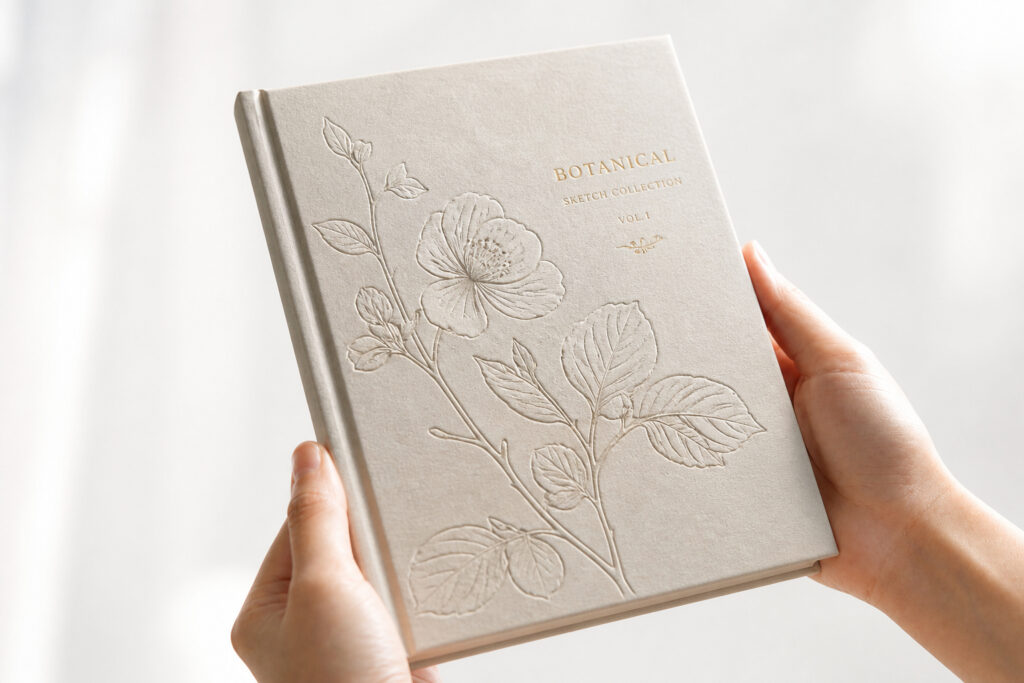
Check depth and edges on any deboss, and look for scorching or broken foil at the ends of thin lines. Measure placement against your artwork rather than against a photograph of a sample. Ask whether the decoration is applied before or after the wrap is glued to the board, because that changes how precisely a deep deboss holds.
Coins, Turn-Ins, And Squaring
Turn the sample over and inspect the inside. Even turn-in width, no visible board edge, no adhesive squeezed past a corner, and no lifting at the tips are the checks that predict how a cover ages. On the outside, confirm the case square is even on all four sides and the spine sits centred.
Keep the approved sample where the goods-in check happens. A wrap you cannot compare against is a wrap you are re-approving by memory on every reprint.
What Moves The Wrap Cost
Three decisions inside the wrap choice change price more than the material name does.
Decoration method comes first, since foil and deep debossing add setup that a printed paper cover already absorbs into its plate cost. Second is the lamination grade, because an anti-scuff film costs more than a standard one and is worth specifying on dark matte artwork. Third is the material itself, where a stocked cloth or paper wrap sits below a PU or a colour matched to your chip. A hardcover book cover priced as one line hides all three of those choices.
Ask for those as separate lines, and ask what changes if you switch wraps at the same size and quantity. A supplier who can price all three on one sheet is telling you they work in all three.
Papier, Tissu, And PU Covers Built In House

Pensées finales
Paper wins where artwork does the talking, cloth where texture does, and PU where a debossed mark needs to look expensive. None of the three fixes a thin board or a rushed casing line, so treat the wrap as one specification rather than as a quality label.
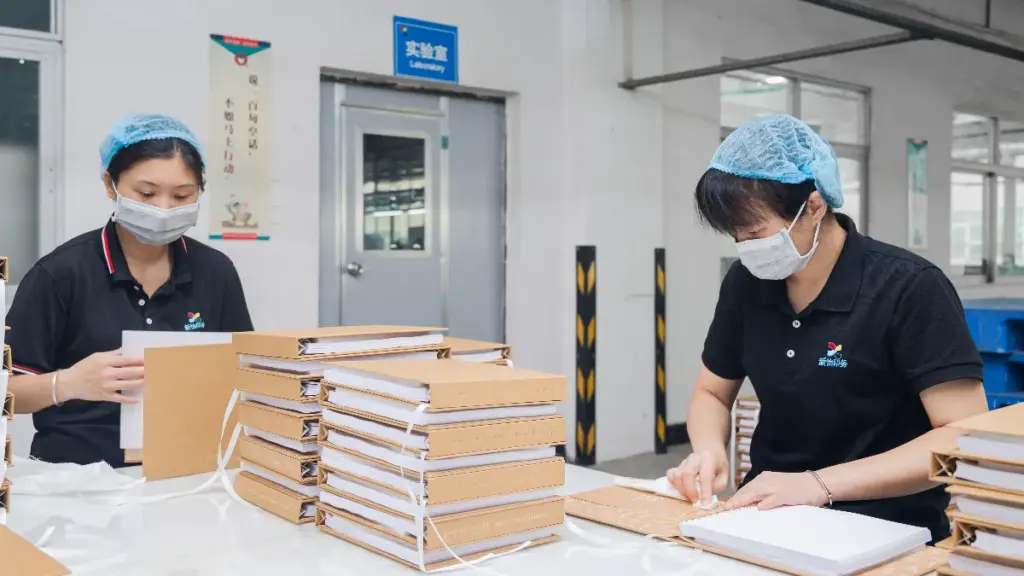
Write the wrap, the finish, and the decoration into your request, approve a physical sample against the checks above, and keep that sample for every reprint. Xinyi Printing builds all three covers for publishers and brands, and you can start the specification on our home page.
Foire aux questions
What is the best hardcover book cover material?
No wrap is best in general. A printed paper cover is the only one that reproduces photography and exact brand colour. Cloth suits typographic designs that rely on texture, and PU suits debossed logos and gift editions. Choose against your artwork and the handling the book will receive, then confirm the finish separately.
Is cloth or paper better for a hardcover?
Cloth gives a matte, woven hand and takes foil and debossing well, but it cannot carry a photograph without a tipped-on label. Paper carries any artwork once laminated, and the lamination grade sets the feel. Compare them on your own cover design rather than on a general ranking.
Can you print photos on a cloth cover?
Not to the standard most covers need. The usual route is a printed paper label tipped onto the cloth at the spine or front board, which keeps the weave visible around the image. Some suppliers screen print cloth, and printed buckram carries a pattern over the weave. Ask to see the method before committing.
Does PU hardcover covering crack over time?
It can, mainly where the coating is folded sharply at the corners or where heat and humidity act on a soft topcoat. Blocking and tackiness inside sealed cartons are the other risk. Ask which grade you are buying, how the turn-in is formed, and how finished stock is stored before shipment.
How do I approve a cover material sample?
Ask for the wrap already cased on the board you intend to use, with your real decoration on it. Check colour under your display light, feel the grain direction, inspect foil and deboss edges, and look at the turn-ins and corners from the inside. Sign it, date it, and keep it for the delivery check.