

Si crees que A4 es A4, No está solo, pero también podría estar dejando dinero sobre la mesa..
Cuando un socio de impresión imprimió el mismo catálogo dos veces en dos fábricas diferentes, ambas especificadas como «A4» — el segundo lote resultó 12 mm más corto que el primero. Mismo diseño. Misma hoja de especificaciones. Todavía el resultado final se sintió notablemente más pequeño, visualmente «apagado,» y completamente frustrante. el culpable? Una fábrica utilizó A4 internacional (210 × 297 mm). El otro utilizó una variante nacional de gran formato. (210 × 285 mm) común en ciertas regiones de fabricación. Ambos respondieron «Sí» a A4. Ambos eran técnicamente correctos.. Y el cliente perdió una tirada por eso..
Este no es un caso extremo. Sucede en fabricación de cuadernos más a menudo de lo que nadie admite. Para compradores B2B que buscan cuadernos A4 para su marca corporativa, pedidos educativos al por mayor, o obsequios de eventos, Esa diferencia de 12 mm puede significar la diferencia entre un producto profesional pulido y una pieza promocional comprometida que parece barata incluso antes de que alguien escriba en ella..
Esto es lo que necesita saber antes de realizar el pedido de su libreta A4.
¿Qué tamaño es un cuaderno A4??
Un cuaderno internacional ISO A4 mide:
- 210 × 297 mm
- 8.27 × 11.69 pulgadas
Es el tamaño de papel estándar utilizado en la mayor parte de Europa., Asia, y sistemas de impresión empresarial internacional bajo la norma ISO 216 estándar. Sin embargo, en la fabricación real de portátiles, El término "A4" no siempre se interpreta de forma coherente..
Para pedidos internacionales de portátiles B2B, Confirmar las dimensiones exactas del acabado suele ser más importante que simplemente escribir "A4" en una hoja de especificaciones..
Comprender la demanda mundial de portátiles A4
Primero, una verificación de la realidad. En una era de pantallas y teclados, el humilde cuaderno de papel sigue siendo una categoría multimillonaria. El mercado mundial de cuadernos de papel estaba valorado en USD 76.28 mil millones en 2025 y se prevé que alcance los USD 89.72 mil millones por 2030, reflejando una constante 3.30% tasa de crecimiento anual compuesta (CAGR) y casi USD 13.44 mil millones en crecimiento absoluto.
Dentro de este mercado, Los cuadernos A4 ocupan una posición dominante, capturando 37.33% de la cuota de mercado mundial de cuadernos de papel en 2024. Esto supone casi cuatro de cada diez portátiles vendidos en todo el mundo.. Las páginas rayadas siguen siendo el estilo de página más popular en 45.67% del mercado, mientras que los productos de tapa dura están creciendo a 4.27% CAGR a medida que la premiumización continúa remodelando las expectativas de los compradores.
El sector de papelería y suministros en su conjunto crecerá desde USD 152.43 mil millones en 2025 a USD 205.64 mil millones por 2031 en 5.11% CAGR, Impulsado por la expansión de la inscripción K-12 en todo el mundo., gasto corporativo alineado con ESG, y la creciente penetración del comercio electrónico que ya supera al comercio minorista tradicional en 7.02% CAGR. El mercado de útiles escolares K-12 solo en EE. UU. alcanzó los USD 19.3 mil millones en 2025 y se prevé que supere el USD 26.0 mil millones por 2034.
En pocas palabras: cuadernos de papel no van a ninguna parte. Pero el cuaderno A4 que pides y cómo lo especificas importa más que nunca.
Cuaderno A4 frente a. Tamaño de carta de EE. UU.: Diferencias clave para la impresión internacional
Aquí es donde las cosas se vuelven matizadas para cualquiera que venda en Norteamérica versus Europa..
En Europa y la mayoría de los mercados internacionales., A4 (210 × 297 mm) es el estándar indiscutible. Es el tamaño predeterminado de su impresora.. Es el tamaño que esperan sus sistemas de archivo de oficina.. Según datos del mercado, A4 lidera la demanda global en los sectores educativo y de oficina debido a su adopción generalizada. Los mercados europeos también están cada vez más impulsados por directivas de adquisiciones alineadas con los criterios ESG., con la demanda de papel reciclado y certificado FSC acelerándose bajo la presión regulatoria.
en los estados unidos, sin embargo, Tamaño de letra (8.5″ × 11 ″) sigue siendo rey. Los compradores estadounidenses esperan dimensiones en pulgadas y prefieren formatos que ya conocen. Informes corporativos, planificadores ejecutivos, y la mayoría de los artículos de papelería profesionales en los EE. UU. se basan en Letter, Media letra, y tamaños Legal.
¿Qué significa esto para su estrategia de abastecimiento de portátiles??
- Si vende en mercados corporativos u oficinas europeos, A4 no es negociable. Los compradores europeos esperan información precisa 210 × Dimensiones de 297 mm y lo notarás si entregas algo más..
- Si su mercado principal es Estados Unidos, Considere si su audiencia realmente necesita A4 o si estaría mejor atendido por Carta. Los compradores estadounidenses podrían percibir un portátil A4 como un poco «más delgado y más largo» de lo esperado: un desajuste que puede socavar la calidad percibida.
- Si eres una marca global que distribuye en ambas regiones., Es posible que necesite series de producción separadas o un enfoque híbrido.. Aquí una talla no sirve para todos.
Las tendencias de premiumización y personalización son fuertes en ambos lados del Atlántico, liderado por América del Norte y Europa, mientras que las comunidades de planificación impulsadas por las redes sociales (diario de balas, contenido de papelería digital, etc.) seguir impulsando la demanda de portátiles de alta calidad.
Errores comunes en las especificaciones de portátiles A4 en la fabricación a granel
Volviendo a la historia que rompió internet. La existencia de un «doméstico de gran formato A4» (210 × 285 mm) No es un secreto en los centros de fabricación, pero rara vez se ofrece voluntariamente a menos que se hagan las preguntas correctas.. Esta variante más pequeña surgió de diferentes dimensiones del papel base. (889 × 1194 mm plegado a 210 × 285 mm, versus 889 × 1250 mm plegado a 210 × 297 mm). Se usa comúnmente para libros., revistas, y folletos porque la altura más corta reduce el consumo de papel y reduce los costos a escala.
el problema? Cuando un diseño construido para 210 × 297 mm aterriza en papel de 285 mm (o viceversa), te pones a recortar, contenido estirado, y proporciones que se sienten fuera de lugar. Números pequeños. Gran impacto. Las marcas internacionales que piden portátiles al por mayor a múltiples proveedores son especialmente vulnerables, a menos que establezcan especificaciones exactas en milímetros., terminología no confusa.
La solución es sencilla pero rara vez se sigue.:
| Especificación | Haz esto | No hagas esto |
| Dimensiones | Requiere milímetros exactos (210 × 297 mm) | Decir «A4» y asumir |
| Sangrar | Agregue 3 mm de sangrado en todos los lados | Ignorar los márgenes de sangrado |
| Confirmación | Obtenga confirmación por escrito del tamaño y la fuente del papel | Confía en que todos significan lo mismo |
| Muestreo | Solicite una muestra física antes de la producción en masa. | Omita el muestreo para ahorrar tiempo |
Estos cuatro pasos pueden ahorrar miles de dólares en costos de reimpresión y evitar que una campaña de marketing perfectamente buena se vea socavada por un descuido de 12 mm..
Costos de impresión de cuadernos A4: Qué afecta el precio de los pedidos al por mayor?
Si está planeando un pedido de cuaderno personalizado para su marca, El precio varía dramáticamente según las especificaciones.. cuadernos a4 (21 × 29,7 cm) Normalmente son entre un 20% y un 30% más caros que los portátiles A5 debido al mayor consumo de papel., cubiertas más pesadas, y mayor peso de envío.
Factores clave que afectan su precio por unidad:
Recuento de páginas. Duplicar el recuento de páginas desde 50 a 100 páginas pueden aumentar el precio unitario aproximadamente 40%, mientras aumenta de 100 a 200 Las páginas pueden aumentar los costos al 80% o más. Para aplicaciones de notas rápidas, como obsequios en ferias comerciales o manuales de capacitación, un recuento de entre 70 y 100 páginas mantiene los presupuestos bajo control. Para revistas o agendas diarias orientadas a un posicionamiento premium, 160–200 páginas son justificables..
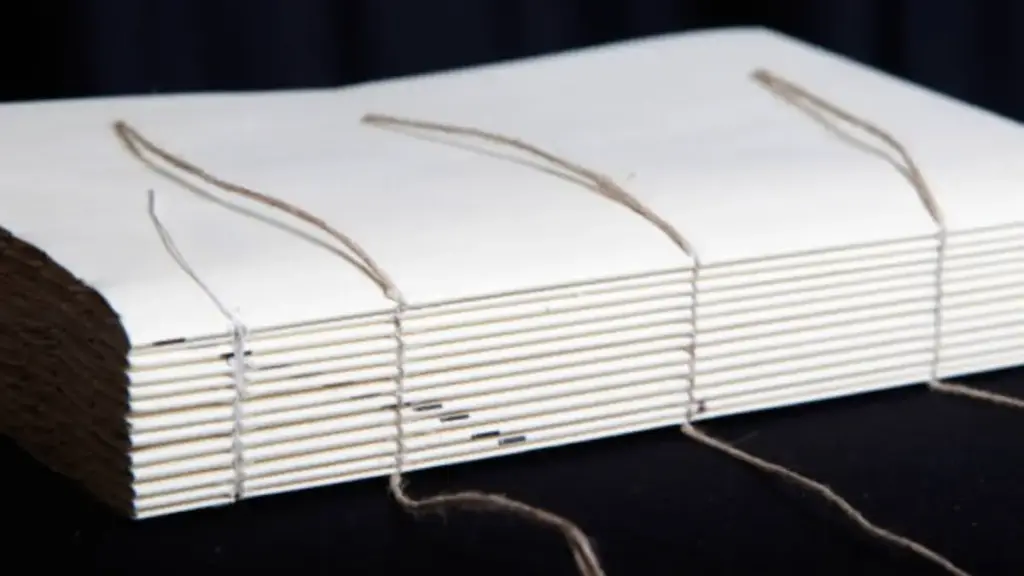
Método de encuadernación. Encuadernación cosida (también conocido como cosido con hilo o cosido en secciones) está avanzando en 4.52% CAGR a medida que los compradores priorizan la durabilidad y la usabilidad plana. La encuadernación en espiral y Wire-O ofrece un costo más bajo y una práctica funcionalidad plana, mientras que la encuadernación cosida de tapa dura tiene una prima para productos corporativos y ejecutivos..
Materiales sostenibles. Se está acelerando la demanda de papel reciclado y certificado FSC alineado con los criterios ESG, particularmente en la UE y América del Norte. Los productos que incorporan certificaciones de carbono neutral o contenido reciclado pueden alcanzar precios más altos y, al mismo tiempo, alinearse con los objetivos de sostenibilidad corporativa.. Algunos fabricantes ahora logran la neutralidad de carbono ISO 14068‑1 verificada durante todo el ciclo de vida desde la cuna hasta la tumba, una especificación que vale la pena explorar para marcas con compromisos climáticos agresivos..
Cantidad de pedido. La compensación se vuelve rentable para tiradas grandes (miles a decenas de miles de unidades), mientras que la impresión digital suele ser mejor para tiradas inferiores 1,000 unidades
¿Dónde son más populares los cuadernos A4?? Mercados clave y tendencias de los compradores
Comprender el comportamiento del comprador en su mercado objetivo le ayuda a elegir la estrategia de distribución adecuada.
En el Reino Unido y Europa, El comercio minorista físico sigue dominando la compra de artículos de papelería. 76% de los consumidores británicos compran artículos de papelería en tiendas físicas, con 65% comprar en supermercados como Tesco o Sainsbury's. Casi tres de cada cinco británicos (59%) comprar papelería durante ocasiones como cumpleaños, vacaciones, y temporadas de regreso a clases, mientras 42% también comprar en línea.
en los estados unidos, La penetración del comercio electrónico de artículos de papelería y suministros está creciendo a más de 7% CAGR, Permitir que marcas de nicho se lancen y escalen con un menor riesgo inicial.. Para compradores de portátiles B2B, Esto significa que tanto las asociaciones mayoristas minoristas como los canales D2C directos al consumidor son opciones viables..
El gasto corporativo en promoción en portátiles de marca también es un factor importante, particularmente en América del Norte y Europa, donde las empresas utilizan cada vez más cuadernos personalizados de alta calidad como obsequio para los empleados, regalos para clientes, y obsequios de conferencias.
Preguntas que debe hacerse antes de pedir cuadernos A4 personalizados
Antes de enviar esa solicitud de cotización a su lista corta de proveedores, revisa esta lista de verificación:
- Dimensiones: ¿He especificado milímetros exactos? (210 × 297 mm para el estándar internacional A4)?
- Peso del papel (GSM): ¿El gramaje del papel es apropiado para mi caso de uso?? (GSM más alto = menos traspaso, sensación más premium)
- Sangrar: ¿He solicitado un sangrado de 3 mm en todos los lados??
- Estilo de página: gobernado, cuadrícula de puntos, blanco, o al cuadrado? (Las páginas rayadas lideran el mercado en 45.67% compartir, pero la cuadrícula de puntos está creciendo entre las audiencias creativas y tecnológicas.)
- Vinculante: cosido, espiral, Cable-O, o encuadernación perfecta? (La encuadernación cosida es la que más crece en 4.52% CAGR)
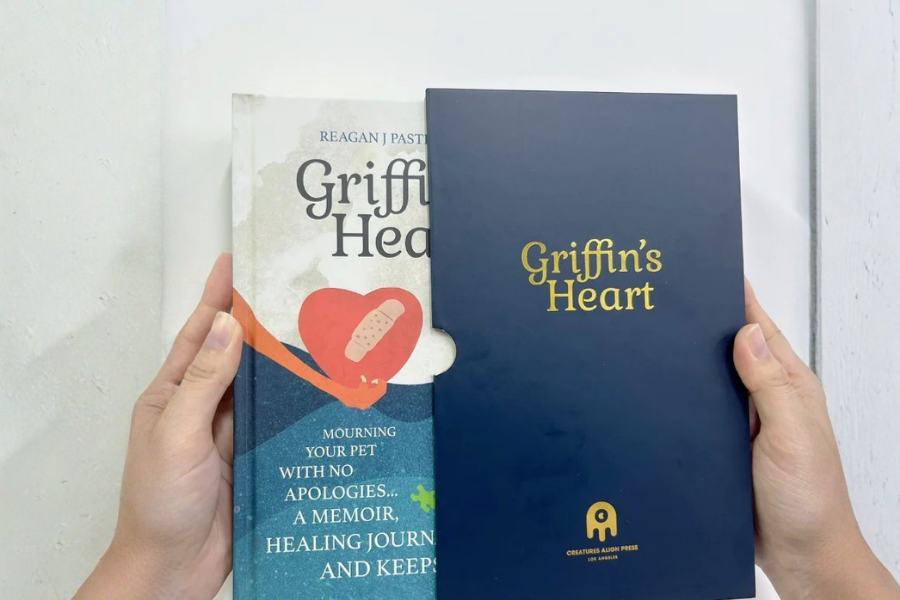
- Cubrir: Libro de bolsillo, de tapa dura, o materiales especiales? (tapa dura creciendo en 4.27% CAGR)
- Sostenibilidad: ¿Ofrece el proveedor productos certificados FSC?, contenido reciclado, o certificaciones de carbono neutral?
- Muestras: ¿He solicitado y aprobado una muestra física antes de la producción en masa??
- Rango de tolerancia: ¿Qué tolerancia dimensional garantiza la fábrica??
- Adaptación regional: ¿Mi portátil está destinado a los mercados de EE. UU.? (Preferiblemente tamaño carta) o mercados europeos/globales (estándar A4)?
Buscando un Fabricante confiable de portátiles A4 en China?
Si estás abasteciendo cuadernos A4 personalizados para tu marca, evento, o programa de obsequios corporativos y desea evitar los peligros descritos anteriormente, estamos aquí para ayudar. Nos especializamos en especificaciones transparentes., Calidad constante en todos los lotes de producción., y distribución perfecta a los mercados de EE. UU. y Europa.