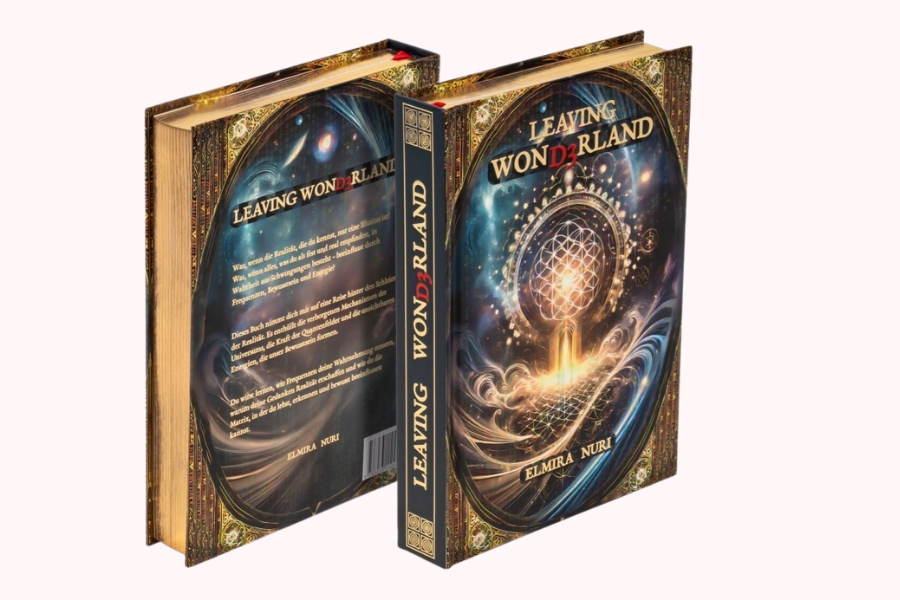


A special edition book is an enhanced version of a title created to feel different from its standard edition. The exact combination varies. Some special edition books are affordable paperbacks with sprayed edges and foil lettering. Others are clothbound hardcovers presented in numbered slipcases with art cards and signed inserts. What connects them is not one specific finishing technique, but a clear reason for readers to view the edition as distinctive.
Special editions have become increasingly visible in the book markets. In August 2026, Publishers Weekly reported that premium treatments once associated mainly with YA and adult fantasy were also moving into middle-grade fiction. Publishers interviewed for the article said decorative edges helped books stand out on crowded tables and made the physical object feel more valuable in a screen-dominated environment.
These examples are strong market signals, but they should not be misread as a single verified sales-growth figure for all special edition books. Demand varies by title, genre, audiencia, precio, channel, and the strength of the author or intellectual property.
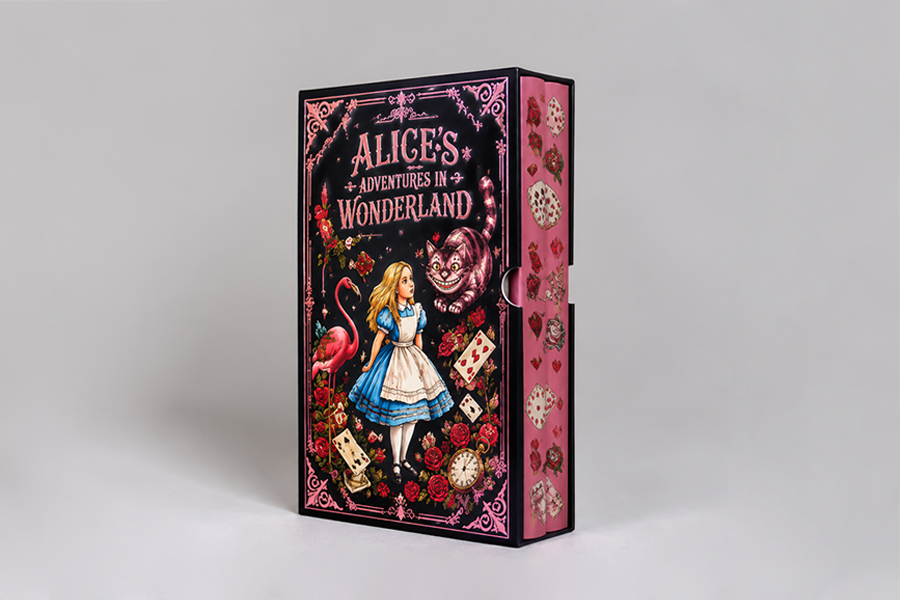
What Makes a Book a Special Edition?
A hardcover alone is not necessarily a special edition. The book should differ meaningfully from the standard version in one or more of four areas:
- Distinctive design: an exclusive cover, upgraded material, frustrar, realce, custom endpapers, or decorative edges.
- Exclusive content: bonus chapters, notas del autor, mapas, ilustraciones, or a signed insert unavailable in the standard edition.
- Limited availability: a release restricted by quantity, detallista, territory, subscription box, campaign, or sales period. Sin embargo, not every special edition is limited or numbered.
- Collectible features: signed or numbered pages, art cards, marcadores, estuches, presentation boxes, or coordinated series design.
The strongest special edition books use a small number of coherent features that support the story, autor, or brand rather than adding decoration without a clear purpose.
Special Edition vs. Limited Edition vs. Collector’s Edition
These terms overlap, and publishers do not always use them in exactly the same way. The following table reflects common publishing usage rather than a universal legal definition.
| Edition Type | Main Meaning | Must It Be Limited? | Common Features |
| Special Edition | An edition differentiated by design, contenido, formato, or availability | No | Exclusive cover, bordes rociados, frustrar, custom endpapers, bonus content |
| Edición limitada | An edition produced or offered in a restricted quantity or period | Usually | Numbering, limitation page, signature, certificate, materiales de primera calidad |
| Collector’s Edition | A version developed specifically for collectors and committed fans | Not always, but often | Upgraded binding, exclusive artwork, decorative edges, estuche, accesorios |
| Deluxe Edition | A materially or visually upgraded version | No | Premium paper, cloth binding, multiple foils, realce, box or slipcase |
| Signed Edition | An edition containing an authorised author or creator signature | No | Hand-signed page, signed tip-in sheet, or signed bookplate |
A single book can belong to several categories. A numbered clothbound book with a signed tip-in page and slipcase may be described as a special edition, limited edition, collector’s edition, and signed edition at the same time.
Common Features of Special Edition Books
The following features are based on examples currently available in the market and feedback collected from publishing clients. Based on current market examples and feedback from publishing clients, the following features are commonly used to distinguish special edition books from standard editions.
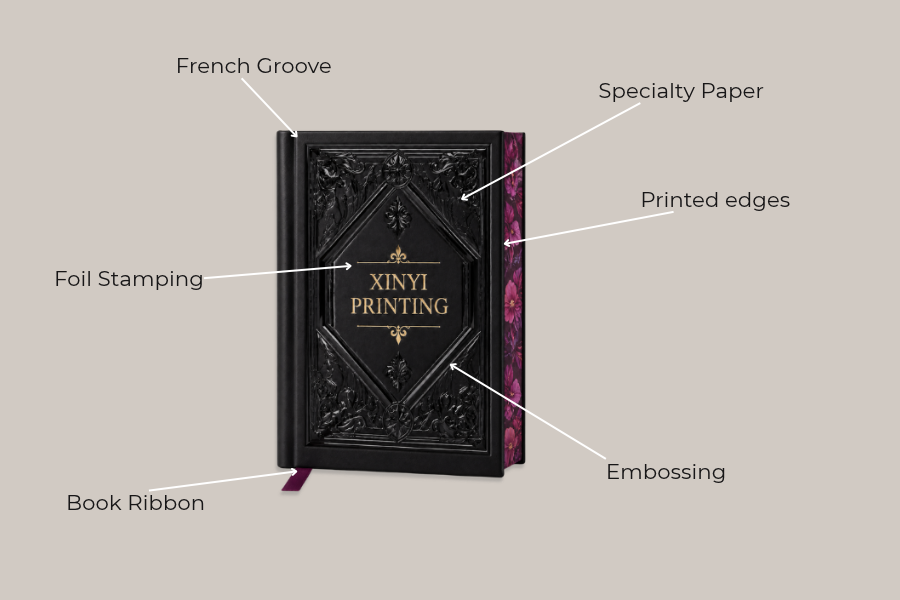
Book Cover Materials and Finishes
The cover establishes the first impression and strongly influences how the edition is positioned.
Common materials include:
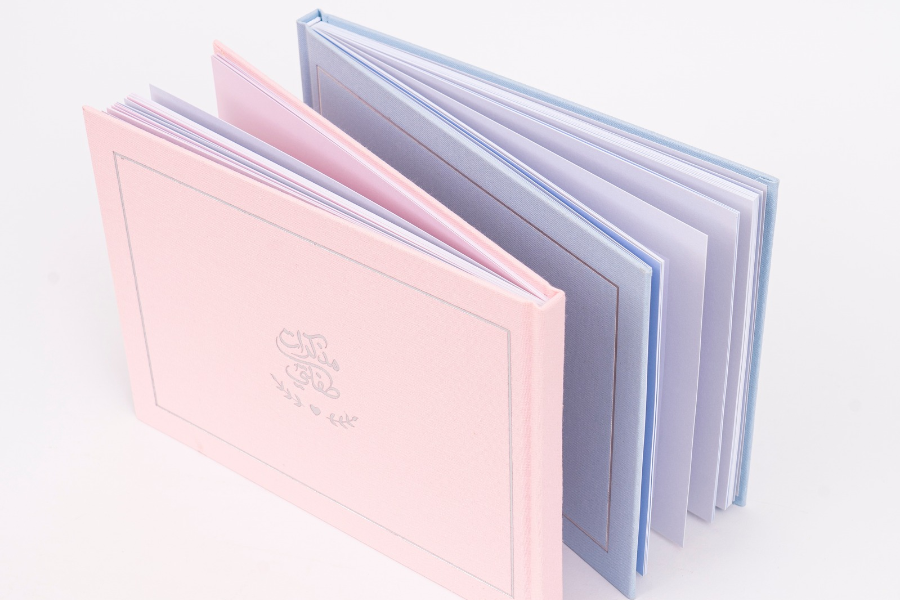
- printed paper case covers;
- specialty and textured papers;
- book cloth and linen-style materials;
- woven fabrics;
- PU leather and other leather alternatives;
- multi-material covers combining paper, paño, or decorative panels.
Common finishes include:
- estampado;
- multi-colour or layered foil;
- embossing and debossing;
- grabado ciego;
- serigrafía;
- Spot UV;
- ventanas troqueladas;
- printed or reversible dust jackets.
como un professional book manufacturer, we recommend that material and finishing be planned together. Fine foil details may behave differently on coated paper, textured cloth, or PU. A printed production sample is therefore more reliable than approving a finish from a digital mock-up alone.
Decorative Book Edges
Decorative edges make a special edition immediately visible when it is stacked, displayed, photographed, or shared on social media.
- Sprayed edges apply a solid colour or gradient to the closed book block.
- Stencilled edges use masks or templates to create repeated motifs and patterns.
- Bordes impresos reproduce more complex illustrations, symbols, or typography.
- Gilded edges add a metallic appearance, traditionally in gold or silver tones.
The artwork should relate to the book rather than function as an isolated decoration. Recuento de páginas, paper absorbency, trimming accuracy, book-block thickness, colour consistency, and rub resistance can all affect the result.
Publishers are also using edge decoration beyond adult fantasy and romantasy.Publishers Weekly reported in August 2026 that patterned and stencilled edges were appearing in middle-grade mysteries, fantasies, and ghost stories, sometimes carrying visual clues connected to the narrative.
Interior Details and Book Accessories
Not every special feature belongs on the outside of the book. Interior details can extend the visual concept throughout the reading experience.
Integrated interior elements include:
- coloured or printed endpapers;
- illustrated maps and character artwork;
- tip-in art or signature pages;
- limitation pages;
- gatefolds;
- marcadores de cinta;
- decorative headbands;
- bookplates and rear pockets.
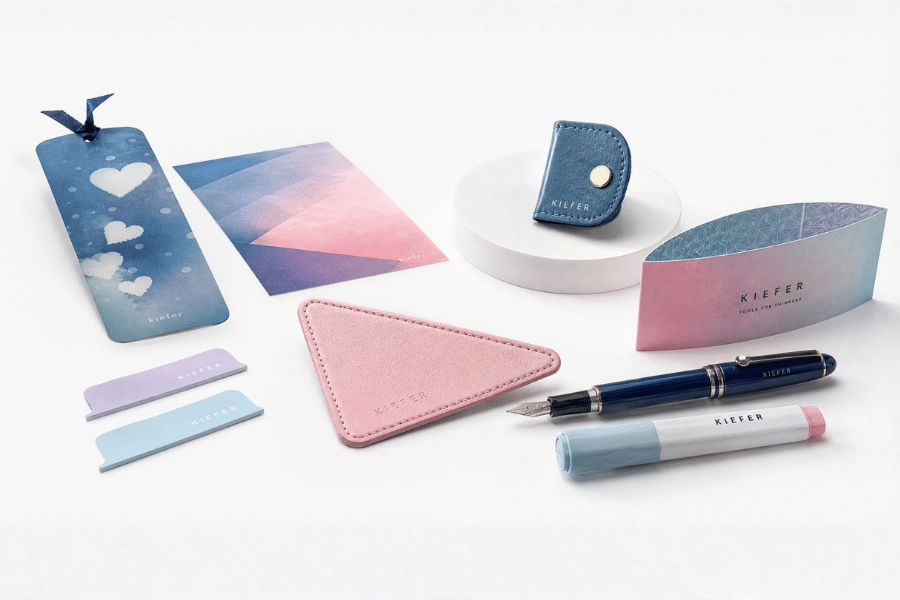
Removable book accessories may include:
- marcadores;
- art or character cards;
- maps and posters;
- pegatinas;
- reading guides;
- certificates of authenticity.
Papel final, sewn-in ribbons, and bound or tipped-in pages are part of the book’s construction, not loose accessories. Separating integrated details from removable items is important when calculating assembly, embalaje, replacement quantities, and quality-control procedures.
Any signatures, character art, logotipos, mapas, lyrics, or licensed imagery must be supplied or authorised by the relevant rights holder.
Embalaje de libros
Packaging can turn a special edition book into a complete gift or collector product. The format should match the edition’s retail price, sales channel, método de envío, and level of protection.
Las opciones comunes incluyen:
- bandas de papel para el vientre;
- printed sleeves;
- estuches;
- rigid presentation boxes;
- clamshell boxes;
- magnetic-closure boxes;
- drawer boxes;
- multi-piece collector boxes.
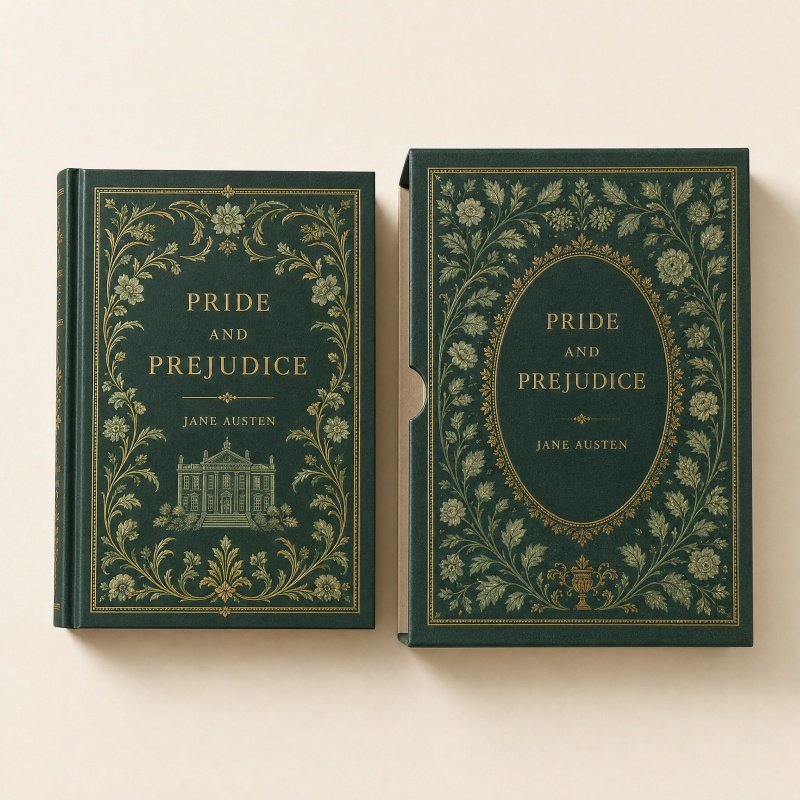
A slipcase is open on one side and allows the book or set to slide out. A clamshell box opens on a hinged side and surrounds the contents more completely. A rigid presentation box can hold the book together with cards, mapas, marcadores, or other components.
Packaging should be engineered early rather than added after the book is finished. Book thickness, accessory placement, opening tolerance, transit protection, overall weight, and fulfilment method can change the required structure.
Popular Special Edition Books Types
Special editions can be developed for many categories, but they work best when the audience has a strong reason to collect, display, regalo, or revisit the title.
Fantasy and Romantasy Books
Fantasy and romantasy books remain highly visible in the special edition market because their visual worlds naturally support maps, symbols, character art, láminas metálicas, illustrated endpapers, and decorative edges. Active online fandoms, series collecting, pre-orders, and subscription boxes also create opportunities for exclusive versions.
Young Adult and Middle-Grade Fiction
Premium treatments are expanding beyond adult collector categories. Decorative edges, character galleries, mapas, and interactive visual clues can help young readers see the physical book as part of the story experience. For children’s and middle-grade projects, materials and loose accessories should also be reviewed for the target age and market.
Classics and Anniversary Editions
Public-domain classics, publisher anniversaries, author milestones, and title anniversaries are well suited to cloth binding, foil decoration, commissioned illustrations, introductions, archival material, and coordinated series design. The production value should reflect the historical or literary positioning of the title rather than imitate current genre trends without context.
Science Fiction, Horror, manga, and Graphic Novels
Science fiction and horror can use bold metallic finishes, dark cloth, illustrated endpapers, and symbolic edge designs. Manga and novelas graficas may benefit from box sets, omnibus formats, exclusive jackets, art cards, pósters, or coordinated spine artwork.
Arte, Fotografía, and Museum Books
For art-led publishing, a special edition may emphasise material quality, colour reproduction, numbered prints, tipped-in plates, artist signatures, cloth cases, or presentation boxes. Here, special-edition value often comes from craftsmanship, provenance, and controlled reproduction rather than decorative edges alone.
Crowdfunded and Subscription-Box Editions
Crowdfunding campaigns and book subscription services often use special editions to create differentiated reward or membership tiers. An entry version may use a custom cover and sprayed edges, while a higher tier adds a signed page, art cards, a slipcase, or a collector box.
These projects require careful control of quantities, variants, firmas, accesorios, replacement stock, and packing lists. A visually impressive concept can become difficult to deliver if the component system is not planned before launch.
Pensamientos finales
At its heart, a book is made to be read. Decorative features do not necessarily make the act of reading easier; their purpose is to carry forward the care readers now place in physical books. Before a reader even reaches the first page, the cover, edges, materiales, and packaging can begin to express the atmosphere and emotional impact of the story within.
A successful special edition is therefore more than a collection of decorative techniques. Every material, finalizar, interior detail, and packaging choice should be built around the book’s central idea. Manufacturability and visual appeal are not opposing goals: when considered together from the beginning, they can create a book that is practical to produce, compelling to discover, and meaningful for readers to keep and collect.
Planning a special edition book? Impresión xinyi is ready to share our book-manufacturing experience and help you turn your concept into a well-executed project.
Frequently Asked Questions About Special Edition Books
Sí. A paperback can use an exclusive cover, frustrar, sprayed or printed edges, bonus content, a signed page, or retailer-exclusive packaging. Special edition status is not restricted to hardcovers.
Sprayed edges normally apply a solid colour or gradient to the closed book block. Printed edges can reproduce more detailed artwork, patrones, symbols, or text. Stencilled edges sit between the two, using a mask to create a controlled motif.
A signed tip-in page is a separately prepared sheet that is signed and then inserted into the book during binding.
A slipcase is open on one side, and the book slides into it. A clamshell box opens on a hinge and encloses the book more completely. Slipcases are compact and display-friendly; clamshell boxes provide more presentation space and protection.
Titles with committed readers, strong visual worlds, series potential, anniversary value, author or artist recognition, licensed fandoms, or gift appeal are often good candidates. Fantasy, romance, clásicos, manga, novelas graficas, libros de arte, and crowdfunded titles are common examples.