

Clothbound books have moved decisively from the rare-book cabinet to the commercial mainstream. What began as a design experiment by Penguin Random House has become a durable category signal: cloth covers now appear across gift editions, literary fiction, special-edition fantasy, and premium non-fiction lists in the US and Europe. For B2B buyers — publishers, packaging developers, and brand licensing teams — the question is no longer whether to specify cloth, but how to specify it profitably. This guide works through the specification decisions that drive unit cost, durability, and retail performance.
What Is a Clothbound Book?
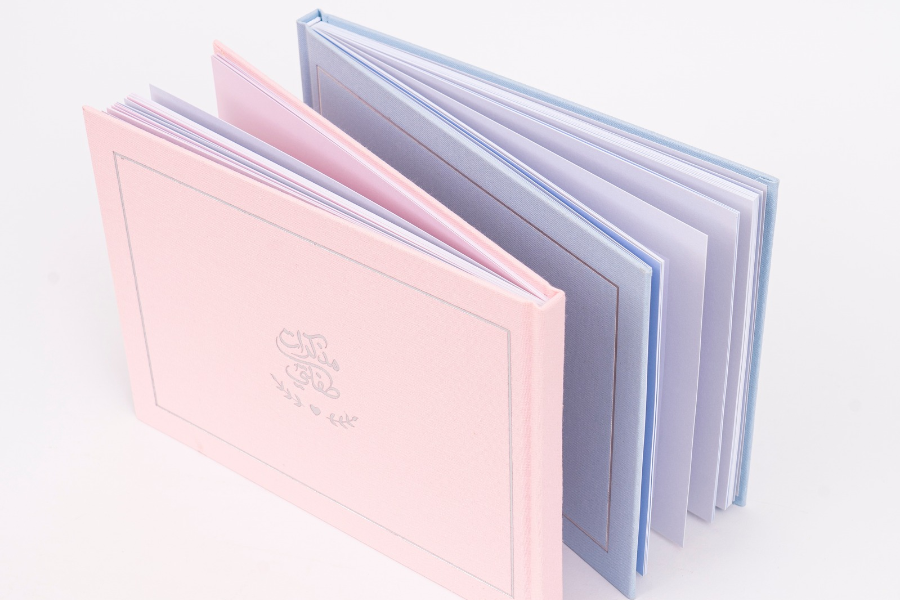
A clothbound book is a hardcover book whose case (the hard cover) is wrapped in book cloth instead of printed paper.
Structurally, a clothbound book is a three-layer system:
- Greyboard core (typically 2.0–2.5 mm for standard trade editions; 2.75–3.0 mm for heavy-duty formats)
- Cloth wrap, turned in at the edges and mitred at the corners
- Book block — the printed inner pages are sewn or glued together into the case via endpapers
In the book trade, a clothbound book means a hardcover with a cloth-covered case. A cloth book or fabric book usually means a soft baby book made entirely of fabric. Using the right term helps avoid confusion in quotations and specifications.
Which Book Types Are Suited for Cloth Binding?
Clothbound covers are particularly suitable for books where presentation, durability, and perceived value are important purchasing considerations.
They are commonly considered for the following product categories:
| Book Type | Why Cloth Works | Typical Specification |
| Classic literature editions | Timeless look, ideal for collectible series | Linen cloth, full-cover foil pattern, coloured endpapers |
| Special & collector’s editions of novels | Adds value for fans and limited releases | Cloth cover, foil stamping, sprayed edges, ribbon marker |
| Poetry books | Elegant, minimalist presentation | Linen cloth, blind debossing or small foil title |
| Memoirs & biographies | Gives personal stories a lasting, premium feel | Cloth cover with dust jacket |
| Art books & monographs | Understated cover that lets the artwork lead | Buckram or linen, tipped-in cover image |
| Coffee table & photography books | Durable, luxurious finish for large formats | Heavy-duty cloth, debossed title, slipcase |
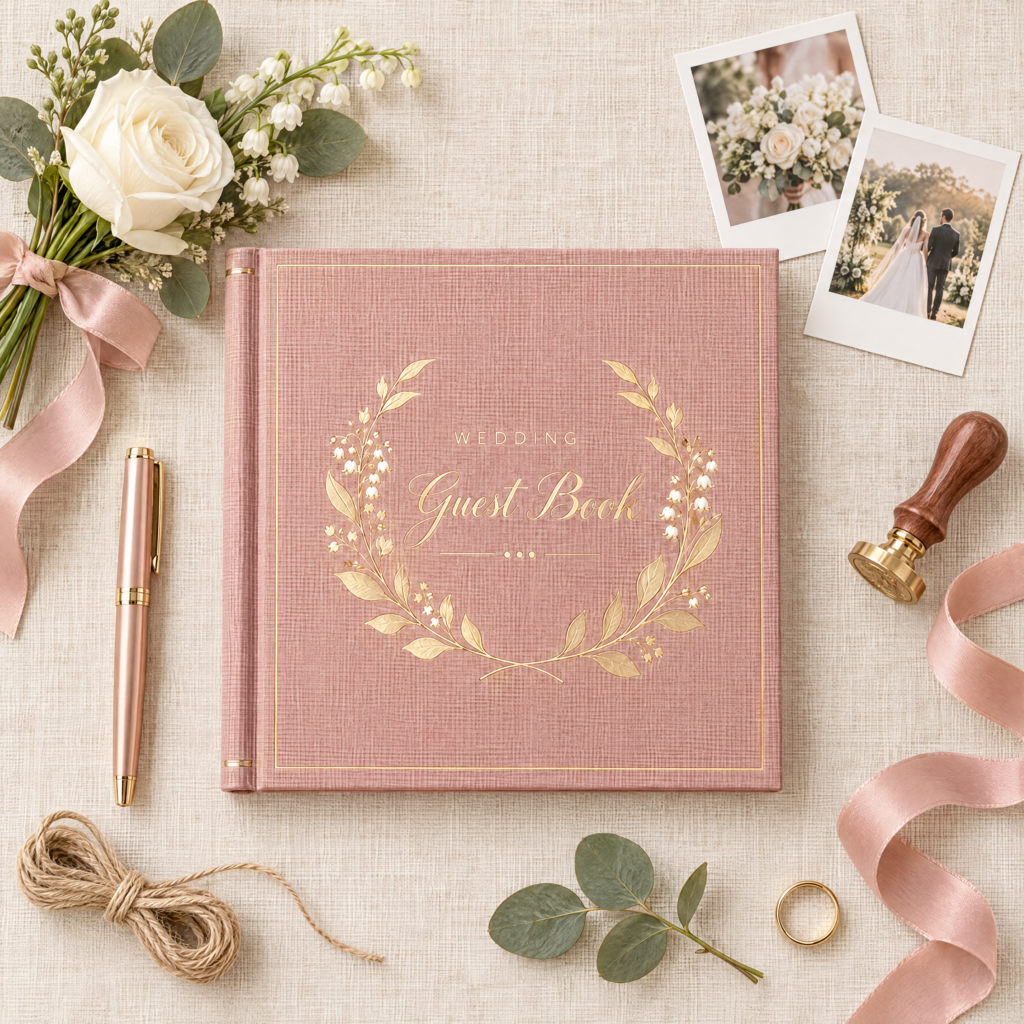
| Wedding albums & guest books | Keepsake quality and tactile appeal | Linen cloth, debossed names or dates |
Tips: If your customer is mainly read once and passed on, a printed paper hardcover may be more cost-effective. Cloth delivers the most value when the book’s look and longevity are part of the product.
Popular Book Cloth Options
Book cloth comes in many textures, weights, and finishes. These are the most common options for custom clothbound books:
Cotton Book Cloth
Cotton book cloth has a soft, woven texture and a classic fabric appearance. It is available in various colors and works well for hardcover novels, premium notebooks, journals, and custom book editions. It is a versatile choice for publishers looking for a simple yet elegant cloth cover.
Linen Book Cloth
Linen book cloth features a distinctive woven texture that gives books a natural and refined appearance. Its visible fabric grain adds character to the cover, making it a popular option for art books, collector’s editions, photography books, and premium journals.
Buckram Book Cloth
Buckram book cloth is known for its firm structure and durable surface. It is designed to withstand frequent handling and everyday wear, making it particularly suitable for library books, academic publications, reference books, and other books that require long-term use.
Recommended Decoration Techniques for Cloth Covers
Cloth covers don’t take CMYK printing the way paper does, so decoration usually relies on finishing techniques.
Foil Stamping (Hot Foil)
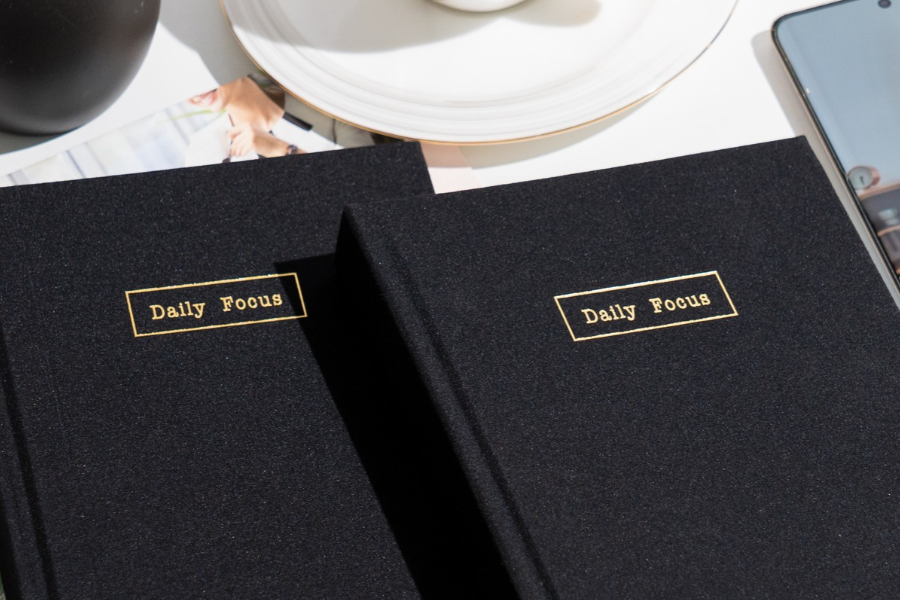
A metallic or pigment foil is pressed into the cloth with a heated die. It’s the most popular way to add titles, logos, and patterns to clothbound books. Gold, silver, copper, matte, and coloured foils are all common options.
- Spine and title only: The most economical option.
- Full-cover foil patterns: The “classic collectable” look, which needs larger dies and careful pressure control.
Debossing & Blind Stamping
The design is pressed into the cloth without foil, creating an elegant, tactile effect. It’s ideal for minimalist poetry, art, and corporate books.
Foil + Deboss Combination
Foil is set into a debossed area. The recessed foil looks premium and is better protected from rubbing and wear.
Smyth-Sewn vs Perfect Binding for Clothbound Books
Both options produce a hardcover with a cloth case. The difference is how the book block (the pages) is held together.
- Smyth-sewn binding: Pages are printed in signatures, and each signature is sewn through the fold with thread. The sewn block is then cased into the cloth cover.
- Perfect binding (adhesive case binding): Pages are glued together at the spine, then cased into the cloth cover
| Factor | Smyth Sewn | Perfect Binding (Glued) |
| Durability | Excellent, built for repeated reading | Good, but glue can crack with heavy use |
| Lay-flat opening | Opens more easily and lies flatter | Stiffer, harder to open fully |
| Perceived quality | Premium, collector-grade | Standard |
| Cost | Higher (extra sewing process) | Lower |
| Production time | Longer | Shorter |
| Best for | Classics, collector’s editions, art books, cookbooks, religious books | Budget editions, shorter books, promotional titles |
How Much Do Clothbound Books Cost?
Book size and print quantity have the biggest impact on clothbound book pricing. Larger formats use more paper, board, and cloth, while higher quantities spread set-up costs such as plates and foil dies across more copies, which significantly lowers the cost per book.
| Book Size (Trim) | 1,000 Copies | 1,500 Copies | 2,000 Copies |
| 6 × 9 in (152 × 229 mm) | $4.56 | $3.88 | $3.54 |
| 8.5 × 11 in (216 × 279 mm) | $5.43 | $4.74 | $4.40 |
| 9.8 × 11.4 in (249 × 290 mm) | $5.83 | $5.15 | $4.80 |
Note: Pricing is based on 200 pages, 200gsm matte art paper for inner pages, full colour on both sides (4+4), Smyth-sewn hardcover. Get an instant quote.
FAQ
Clothbound books are seen as collectable, giftable and display-worthy. Series such as Penguin Clothbound Classics, along with BookTok and Instagram “shelfie” culture, have made cloth covers a strong trend for readers who want beautiful physical books.
Cloth covers are usually decorated with foil stamping, debossing or screen printing rather than full CMYK printing.
Buckram and coated cloths are among the most durable options and suit books that will be handled frequently, such as reference books, cookbooks and religious books.
Yes. Sprayed or stencilled edges are a popular add-on for special edition clothbound books, especially fiction and fantasy titles aimed at collectors.
Ask for physical book cloth swatches and, for important projects, a blank dummy or a pre-production sample. That’s the best way to confirm colour, texture, foil effect and overall feel.