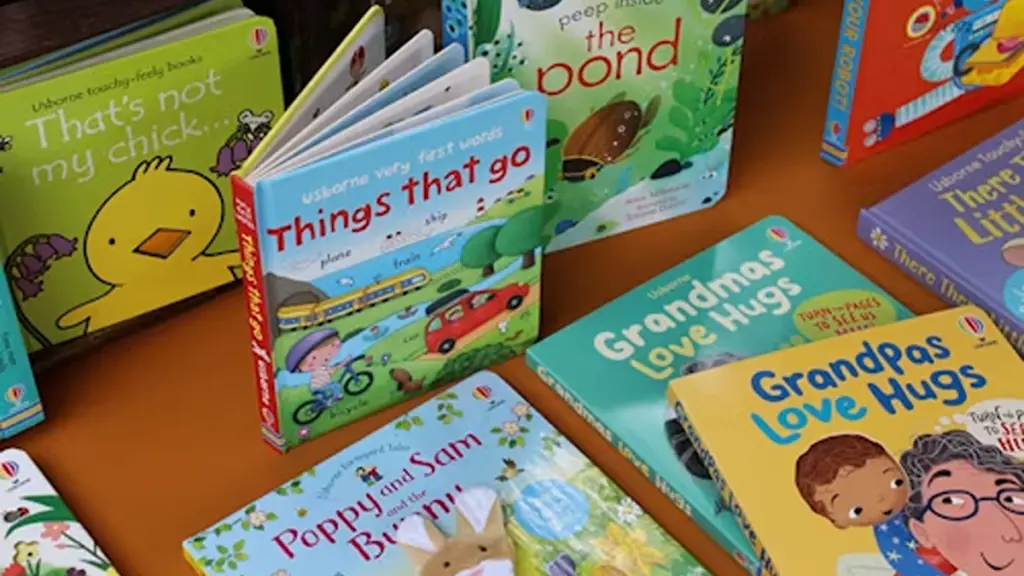


子供用の塗り絵と大人用の塗り絵のどちらを選択するかによって、制作コストが直接決まります。, 利益率, およびコンプライアンス責任. 間違った人口統計に合わせてデザインすると、構造的な欠陥が確実に発生します, CPSIA 安全性テストが拒否されたか、不適切な用紙ストックでのインクの裏抜けによるものか.
この分析では、製造要件を小売インプリント標準と比較してベンチマークします。. 3 ~ 5 ピクセルのラインで構築された 120gsm のコーティングされていない子供向けフォーマットと、1 ~ 2 ピクセルのベクトルを利用した 190gsm のプレミアム成人向けエディションを区別する正確な仕様を評価します。, までの拡張可能な利益率の確保を支援します。 $4.50 ユニットあたり.
子供と大人の塗り絵: 主な違いの概要
これ 2026 ベンチマーク比較により、利益率の高い小売製品と基本的なアクティビティブックを区別する重要な技術仕様が強調されます。.
| 生産要素 | 子供の塗り絵 (B2B仕様) | 大人の塗り絵 (プレミアム) |
|---|---|---|
| 市場の焦点 | 基礎学習 & 運動能力 | マインドフルネス, ストレス解消 & 美術 |
| トリムサイズ | 8.5×8.5″ (四角) または8.5×11″ | 8.5×11″ (標準) またはカスタムラージフォーマット |
| ページ数 | 30-50 ページ (軽量) | 70-100+ ページ (延長セッション) |
| 用紙仕様 | 100-120gsm コーティングなし (クレヨンに優しい) | 160-190GSMプレミアム (ブリード耐性) |
| ライン アートのベクトル | 3-5px 太字の輪郭 | 1-2px極細線画 |
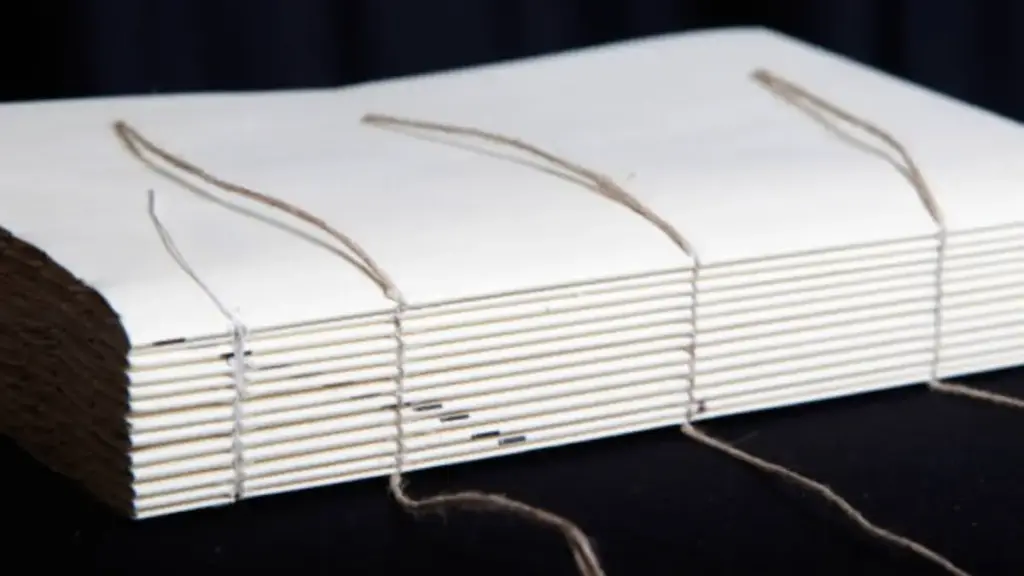
| 綴じ方 | 中綴じまたは無線綴じ | スパイラル, Wire-O, または平置き無線綴じ |
| コンプライアンス要件. | CPシア, EN71, CPC認証 | 標準の一般製品安全性 |
| 東 . 利益 (2026) | $1.00 – $2.50 ユニットあたり | $3.50 – $5.00 ユニットあたり |
| 生産サイクル | 速い (複雑さが低い) | 集中的な (高精度のQCが必要) |
デザインの複雑さとアートワークのスタイル
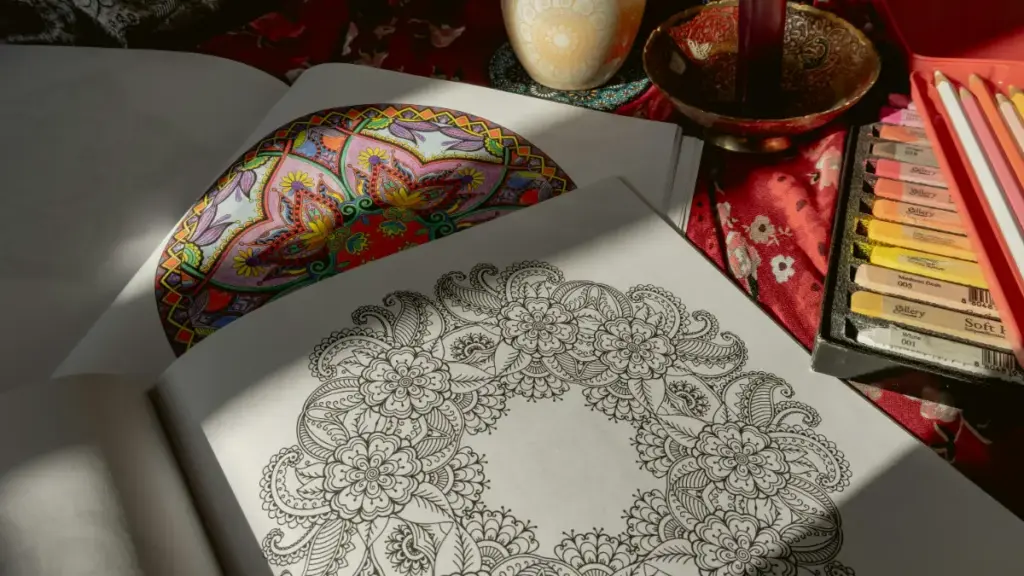
子どもたちが運動能力を高めるには、太い線と少ない要素数が必要です, 一方、大人は長期にわたるマインドフルネスとストレス解消のために、細かいディテールと緻密なパターンを必要とします。.
子供たち: 太い線とシンプルな形状
子ども向けの塗り絵は詳細よりもアクセシビリティを優先します. 出版社は、視覚的な圧倒やフラストレーションを引き起こすことなく、自信と細かい運動能力を養えるようにこれらのページを構成しています。.
- 線の境界線: サイト運営者は、明確な境界を定義するために 3 ~ 5 ピクセルの太いアウトラインを使用します。, 開発中の手がライン内にとどまるように支援する.
- 要素数: クリエイターには以下が含まれます: 5 に 20 大きい, ページごとに認識可能な要素を配置することで、視覚的な煩雑さを防ぎ、イライラを最小限に抑えます.
- ホワイトスペース: デザイナーは、自由に落書きしたり、迷路などの追加のアクティビティを追加したりできるスペースを確保するために、ページに十分な余白を残します。.
アダルト: 複雑なディテールと緻密なパターン
大人の塗り絵は構造スクリプトを反転します. 彼らは延長を求める購入者をターゲットにしています, 急激な活動ではなく、瞑想への挑戦.
- 精密な精度: アーティストは 1 ~ 2 ピクセルの細い線を描き、色鉛筆や先の細いペンに適した精度の課題を作成します。.
- レイアウト密度: ページレイアウトが詰め込まれている 100 密集, マンダラや複雑な植物のような要素を端から端まで繰り返す.
- セッションの焦点: この視覚的な密度の高さにより、購入者は複数のセッションにわたって 1 つのページに色を付けるようになり、マインドフルな集中力を築くことができます。.
プレミアムカスタム塗り絵製造パートナー
ページ構造とコンテンツ密度
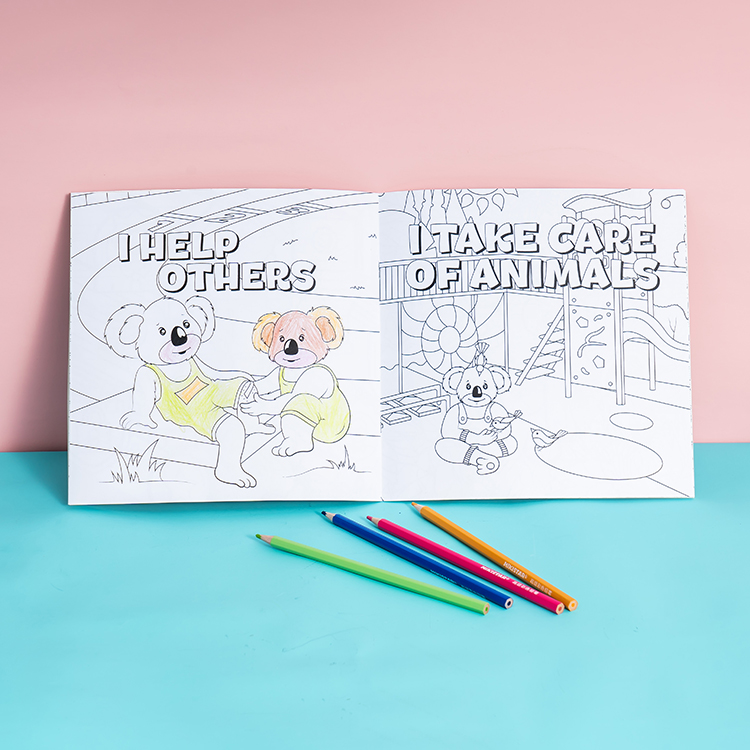
子供たち’ 本にはスパースが必要です, 運動能力の発達に焦点を当てたレイアウト, 一方、成人向けフォーマットでは高密度が要求されます。, 長期的なエンゲージメントを維持するための複雑なシーン.
子供たち: 少ない要素で明確な焦点を実現
子どもたちは運動能力の発達と集中力の持続時間が短いため、移動するためのスペースが必要です. まばらなページ構造により、視覚的な圧倒を防ぎ、若いユーザーがアクティビティに完全に集中できるようにします。. これらのデザインをページごとに 1 つまたは 2 つの中心要素に制限します, 単一の認識可能な動物または乗り物のように.
- ページ数: 24 に 32 ページ.
- 間隔 & 余白: 少なくとも 0.25 インチの余白と広い隙間で、強いクレヨンの圧力に対応し、裏抜けを防ぎます。.
- テキストレイアウト: コピーは最小限に抑え、1 ページあたり 1 語または 2 語のみにします.
- 画像の配置: イラストをすべてのページに配置するか、右側のみに配置します。.
レイアウトを乱雑にせずにエンゲージメントを高めることができます. 数字で色分けするなどのインタラクティブなプロンプトにより、必要な空白を維持しながら、焦点を絞る 2 番目のレイヤーが追加されます。.
アダルト: 複数の要素を含む高密度レイアウト
大人の塗り絵 治療上の課題を提供するために存在します, ストレス解消, そしてマインドフルネス. これらの目標には複雑な作業が必要です, 複数要素のページ. 重なったモチーフを組み合わせる, 細い線, ページ全体にわたってユーザー エンゲージメントを維持するための 3 つ以上の個別の要素.
- ページ数: 45 またはそれ以上のページ.
- 書式設定: 1 つの複雑な画像を右側のページにのみ配置します, インクのにじみを防ぐために裏面は空白のままにしておきます.
- サイズの制約: エッジツーエッジのデザインには 0.25 インチの裁ち落としを使用します.
- 寸法: 8.5で標準化×11-インチフレームサイズ.
密なレイアウトではペースが重要. 要素を密接に配置して、視覚的に緻密な空間を作成します, それでいてバランスのとれた美しさ. シンプルなデザインと非常に複雑なデザインを書籍全体に組み合わせて、ユーザーがコンテンツを読み進めるにつれて進歩を感じられるようにします。.
用紙要件とカラーリングツールの互換性
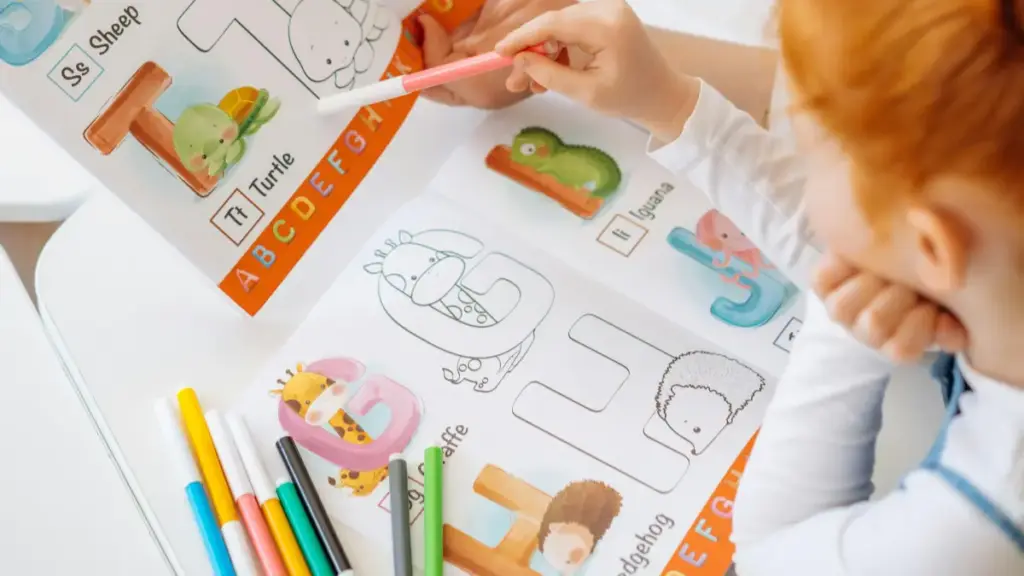
用紙の重さをツールに合わせることにより、裏抜けや破れを防ぎます。. 子供たち’ 本には耐久性のあるコーティングされていないストックが必要です, 一方、成人向けの本にはインクが染み込んだ厚手の紙が必要です.
子供たち: クレヨンとベーシックマーカー用の標準紙
子ども向けの塗り絵 耐久性と素早いアクティビティバーストを実現するために作られた紙が必要です. コーティングされていない表面はクレヨンワックスを効果的にグリップし、水性マーカーを素早く吸収します。, ペースの速いカラーリングセッション中の混乱を最小限に抑える.
- 100-120gsm コーティングなしオフセット: 出版社は、破れや色のにじみを防ぐため、両面児童書のベースラインとしてこれを選択します。.
- 140-160GSM のアップグレード: クレヨンの強い圧力に耐えるための必須の耐久性を追加, 偶発的な流出, 教室や家族の行事での乱暴な取り扱い.
アダルト: 厚い紙 鉛筆用, ジェルペン, とマーカー
成人向けフォーマットは、複雑なディテールや飽和したインクをサポートするために片面印刷に依存しています。. 紙の質感が最終結果を決定します: 明るい粒子のテクスチャが色鉛筆の顔料を保持し、簡単にシェーディングできます。, 滑らかなコーティング仕上げにより、アルコールマーカーやゲルペンは鮮明に仕上がります。, きれいなライン.
- 190gsm+ ヘビーウェイト: 長時間のセッション中に重いインクが裏ページににじむのを防ぎます。.
- 250-300gsm プレミアムカードストック: インクの飽和や水彩によるしわを防ぎ、完成したページを簡単にフレームに収めることができます。.
印刷要件と線品質
印刷仕様が市場の成功を左右する. 子供たち’ 本には大胆なコントラストと耐久性のある紙が必要です, 一方、アダルト タイトルにはスケーラブルなベクトルが必要です, 中型紙の重さ, 正確なライン保持力.
子供たち: 鮮明な視認性と高コントラスト
子供向けにデザインするということは、細部よりも読みやすさと物理的耐久性を優先することを意味します。. 若いユーザーがクレヨンやマーカーで激しく押す, 乱暴な取り扱いに耐え、視覚的なイライラを防ぐために、特定の材料とファイルの準備が必要です.
- 線の太さとインク: 適用する 100% K (黒) インク付き 1 に 2 pt の線の太さ. これにより読みやすくなります, 若いユーザー向けの限界を超えない.
- 用紙仕様: 特定 120 に 140 gsm非コート紙. この重量により裏抜けが防止され、強い着色圧力にも耐えられます。.
- デザイン要素: 大きな形状と太いアウトラインを使用してシンプルなシーンを構築する. 使用可能な色付けスペースを縮小する小さなテキストやマイクロ パターンを削除します。.
- ファイルのエクスポート: 内部ページをベクトル ファイルとして保存します。 300 に 600 DPI. ベクターは印刷機での鮮明な線画の再現を保証します.
アダルト: 細線アート用の高精度印刷
大人の塗り絵は細部で生きるか死ぬか. 複雑なマンダラや密集した花柄では、印刷物が泥だらけになるのを防ぐために、ファイルの衛生管理と紙の選択を厳密に行う必要があります。, 失われた詳細, または湿った媒体からのにじみ.
- 線の太さの制約: 最小線の太さを維持します 0.352 mm (1 ポイント) を使用して 100% Kブラックインク. これにより、複雑なディテールが保持され、印刷中に線が細くなるのを防ぎます。.
- 用紙の選択: 対象媒体に用紙を合わせる. 走る 100 に 120 色鉛筆用gsm, またはにアップグレードする 160 に 180 アルコールベースのインクのgsm.
- 色空間と解像度: ファイルを次のようにエクスポートします 300 に 600 DPI CMYK PDF. この設定は細い線画を正確に再現し、RGB 変換による黒インクの鈍化を防ぎます。.
- 製版の衛生状態: すべてのテキストをアウトライン フォントに変換する. 表紙と中身のファイルを分けて、非常に複雑なデザインの印刷エラーを排除します.
子供向けの塗り絵の安全性とコンプライアンス要件
塗り絵の大量印刷には国際安全法の遵守が必須です. 高齢者向け商品について 12 そしてその下, 塗り絵メーカー すべての非免除コンポーネントが厳格な化学的および機械的ベンチマークを満たしていることを確認する必要があります.
米国市場: CPシア & プロップ 65
米国への合法的な入国には子供用製品証明書が必要です (クリック単価). 普通の紙とCMYKインクは免除されることが多いですが、, バインディング要素 (ステープル, 接着剤, スパイラル) 鉛とフタル酸エステル類について第三者機関の検査を受ける必要がある.
- インク規格: CMYKを超えて, 特殊インクは ASTM F963-17 に準拠する必要があります.
- カリフォルニアプロップ 65: カドミウムには厳しい制限が適用されます (<75 ppm) とリード (<90 ppm) すべての表面コーティングにおいて.
EU/英国市場: で 71 & 到着
ヨーロッパでの流通には CE/UKCA マークが必要です (最小5mm) および正式な適合宣言書 (文書管理).
- で 71-3 (有毒元素の移行): の移行を制限します 19 色材の特定の要素.
- インクの専門性: オイルと顔料は REACH に準拠する必要があります, 特にSVHCを含まない (非常に懸念の高い物質).
- 機械の安全性: 幼児向けの本 (下 3) 通過しなければなりません “小さな部品” 窒息の危険を防ぐためのシリンダーテスト.
チップ用: 必ず製品安全データシートを要求してください (MSDS) 輸入通関を保証するために、大量生産を開始する前にインクと紙の在庫を確保します。.
使用状況に応じたバインディングと耐久性
子供たち’ 塗り絵は柔軟性を優先します, 高速アクティビティバーストのための消耗品バインディング, 成人版は平らに置く必要がありますが、, 伸展をサポートする安定した背骨, 精度重視のセッション.
子供たち: 軽量で柔軟なバインディング
出版社は児童書をパッドまたは予算に優しいペーパーバック製本に頼っています。. これらの形式は、寿命よりもアクセシビリティを優先します。, 乱暴な取り扱いや日常的な頻繁な使用が予想される.
- 圧力下での耐久性: ページは高圧の着色や激しい引き裂きに耐えるように設計されています。.
- 汚れ耐性: この素材は、頻繁にこぼしたり、洗えるマーカーからの濡れたインクに対しても耐久性があります。.
- セッションフィット: 軽量構造は典型的なものと直接一致します 3 長時間のデスク使用ではなく、15 分間の集中的なアクティビティに最適.
アダルト: 長時間のカラーリングセッションでも安定した結合力
大人の塗り絵にはまったく異なる構造的アプローチが必要です. 使用パターンは急速な消費から長期的な使用へと移行します, 頑丈でフラットな開きのバインディングを要求する.
- レイフラットデザイン: スパイラル綴じとワイヤー O 綴じにより、ページを完全に平らに置くことができます, 複雑な色鉛筆作品に欠かせない.
- プレミアム用紙ストック: 厚手の 190gsm 用紙と片面印刷により、マーカーの裏抜けを防ぎます。.
- 構造的耐久性: 頑丈な構造により、繰り返しの動作や拡張時の背骨の疲労を防ぎます。 10 30分のセッションまで.
レイアウトとユーザーエクスペリエンスの違い
子供たち’ レイアウトは、アクティビティのバーストを高速化するために、大きな形状と広いマージンを優先します。. タイトさを求める大人のデザイン, プレミアム紙の長時間のマインドフルネス セッション用の複雑な線画.
子供たち: より大きな間隔とより安全なマージン
子どもたちは細かい運動制御ができていない, そのため、塗り絵にはインパクトがあり、フラストレーションが少ないように構築されたレイアウトが必要です. デザイナーは大きなものに依存しています, 太い境界を持つ閉じた形状. これは若いユーザーをガイドします, クレヨンや洗えるマーカーを使って線の内側に簡単に色を塗ることができます。.
- 線の太さ: 境界を簡単に認識できる太字の 3 ~ 5 ピクセルのアウトライン.
- ページ密度: 要素数が少ない, ちょうどフィーチャー 5 に 20 ページごとの単純なオブジェクト.
- 耐久性マージン: 幅広の境界線により乱暴な取り扱いにも対応, こぼれた, 学校や家族のイベントなど、交通量の多い環境での着用が多い場合.
- セッションターゲット: 素早いサポート 3 15 分間のアクティビティバーストまで.
- 形式: 標準化された 30 に 50 一冊あたりのページ数.
アダルト: 詳細なセクションを備えたタイトなレイアウト
大人の塗り絵は全く異なる心理的目的を果たします. ユーザーはストレス解消と精神的な関与を求めています, より厳しい締め付けが必要です, 非常に詳細なページ構造. デザインは視覚密度の限界を押し広げ、カラリストの集中力と没入感を維持します。.
- 線の太さ: 色鉛筆またはシャープゲルペン用に特別に設計された細かい 1 ~ 2 ピクセルの線画.
- ページ密度: 高詳細レベルの詰め込み 100 1 ページあたりの複雑な要素.
- レイアウトバランス: ネガティブスペースを積極的に維持しながらページを埋めて、重いバランスをとります, 複雑なデザイン.
- セッションターゲット: 長期間使用できるように設計されています 10 自宅またはオフィスでの30分間のマインドフルネスセッション.
- 形式: タイトなレイアウトにより、通常実行される拡張されたブックがいっぱいになります 70 に 100 プレミアム紙のページ.
プロジェクトに子供用と大人用の塗り絵を選択する方法
子供向けと大人向けのどちらの形式を選択するかということは、単に問題ではありません “スタイル”—それは、生産物流と市場での位置付けを決定する財務上の決定です。.
視聴者中心の素材選択
重大な失敗によってブランド価値が損なわれないようにする. 物理仕様をエンドユーザーの着色環境に合わせる:
- 制度的 & 教育的 (子供たち): 高耐久性を重視. 学校や青少年向けプログラムでは、クレヨンを強く使っても破れにくい 120 ~ 140gsm の非コート紙が必要です。. 中綴じ製本を使用する場合 “平らに置く” 小さな手でも使いやすい.
- 企業のウェルネス & 小売り (大人): 触り心地の高級感を優先. 従業員のウェルネス キットやブティックの小売タイトルには 160gsm 以上のプレミアム在庫が必要です. スムーズ, プロ仕様のゲルペンやアルコールマーカーを使用してフェザリングやゴーストを確実に発生させないユーザーにとって、酸を含まない表面は交渉の余地がありません。.
ユーザーエクスペリエンスのエンジニアリング (UX)
着色セッションの長さによって決まります。 “知覚された価値” あなたの製品の:
- の “マイクロバースト” (3–15分): 子供の集中力が持続しないように設計されている. 制作はインパクトの大きいものに重点を置くべきです, 3 ~ 5 ピクセルの太字のアウトラインを備えた単一要素のページで、すぐに満足感と自信を得ることができます。.
- の “ディープフォーカス” (10–30分以上): 大人のマインドフルネスの目標. これには高密度のレイアウトが必要であり、 1-2pxの細い線画. これらのプロジェクトについては、, 片面印刷は、 “必需品” インクのにじみを防ぎ、ページの削除/フレーム化を可能にする機能.
の生産ベンチマーク 2026
これらの高性能ベンチマークに基づいてプロジェクトの範囲を調整することで、市場のトレンドを先取りします。:
| プロジェクトカテゴリー | ページ数目標 | 2026 メーカー希望小売価格 (米ドル) | 戦略的な市場優位性 |
|---|---|---|---|
| マスマーケットキッズ | 30 – 50 ページ | $5.99 – $7.99 | 低いMOQ要件, 在庫回転率が高い, 迅速な参入のための合理化された安全コンプライアンス. |
| プレミアムアダルト | 70 – 100 ページ | $9.99 – $12.99 | 高い知覚価値と “ギフト性。” ウェルネスおよびブティック分野でのブランドロイヤルティの構築に最適. |
| “大胆な & 簡単” (ハイブリッド) | 50 – 60 ページ | $7.99 – $9.99 | トップ 2026 傾向: うねりを捉える “シルバーエコノミー” (先輩) ストレスのないクリエイティブなセッションを求める初心者の大人. |
最終的な考え
制作仕様とターゲット ユーザーの調整がずれていると、小売での失敗が確実になります. 材料が安価であるため、初期費用は低く抑えられますが、, 子供や大人に正確な構造基準を適用することが、否定的なレビューやコンプライアンス罰則からブランドを守る唯一の方法です. 適切なユーザーに適切な書籍を制作することで、高度に細分化された市場で利益率を確保できます.
紙の品質や印刷精度について推測するのはやめましょう. 当社の耐久性のある非コート紙とプレミアム厚手の紙を直接テストするには、物理サンプルを注文することをお勧めします。. 今すぐ当社の制作チームにお問い合わせください OEM 仕様を固定し、次回の印刷実行を拡張します。.
よくある質問
子供用の塗り絵と大人用の塗り絵の違いは何ですか?
子供たち’ 本は、標準的な紙に 3 ~ 5 ピクセルの太いアウトラインを備えたシンプルな形状を特徴としています. アダルトブックではプレミアムで複雑な 1 ~ 2 ピクセルの線画が使用されています, にじみ防止紙 (70-100+ ページ) マインドフルネスとプロのぬりえツール用に設計.
大人の塗り絵に最適な紙の重さはどれくらいですか?
最適な重量は120-160gsmです。 (80-100ポンドテキスト). 120gsmは鉛筆に適しています, 160gsm+ プレミアム ストックは、アルコール マーカーからのにじみを防ぎ、大量のレイヤリングやブレンディング技術に耐えるのに不可欠です。.
大人の塗り絵は子供より印刷が難しいですか’ 本?
はい. 成人向け版では、細部まで高精度のデジタル印刷またはオフセット印刷が必要です, 厚紙の取り扱い, 耐久性のある完全製本またはスパイラル製本で、大幅に多いページ数や複数セッションの使用に対応します。.
子供たちにやってください’ 塗り絵には安全認証が必要です?
はい. 子ども向けの本 12 以下は CPSIA に準拠している必要があります. 塗り絵メーカーは児童向け製品証明書を確保する必要があります (クリック単価) バインディングを検証する, 接着剤, インクには鉛とフタル酸エステルが含まれていません.
子供の塗り絵にはどのような装丁が最適ですか?
中綴じが最もコスト効率が高い, 学齢期のお子様向けのレイフラットオプション. 幼児向け, ボードブックの製本で最大限の耐久性を実現. プレミアムアクティビティブックでは、開いた状態を維持するためにスパイラル綴じが推奨されます。.
大人の塗り絵の紙はなぜ厚いのが多いのですか?
大人はゲルペンやアルコールマーカーなどの湿ったメディアを使用します. 厚い紙 (160gsm+) インクがページに折れるのを防ぎます, フェザリング, または出血, 裏面のデザインの完全性を維持.