

小売の基本的な美学を超えた効果的な塗り絵の制作, 代わりに、素材の耐久性と長期的なプロモーション ROI に焦点を当てます。. データによると、標準以下の用紙や互換性のない製本形式の使用は、製品の損傷率の上昇と直接相関していることが示されています。, 一か八かのマーケティングキャンペーン中に最終的にブランドの知覚価値が低下する.
塗り絵とは何ですか? プロフェッショナルの核心, 塗り絵は高解像度の厳選されたコレクションです (300 DPI) 芸術的表現とインタラクティブな教育のために設計された線画. 通常の出版物とは異なります, これらの製品は、さまざまな着色媒体でのにじみ耐性と最適なインク吸収を確保するために、特定の 70 ポンドの非コート紙表面を必要とします。.
この分析は、スケーラブルな製造要件に対して商業生産標準をベンチマークします。. 紙重量の技術的な交差点を評価します, バインディングの完全性, そしてレイアウト戦略, ターゲット層に向けて高性能製品を確保するために必要な構造フレームワークを提供する.
塗り絵とは何ですか?
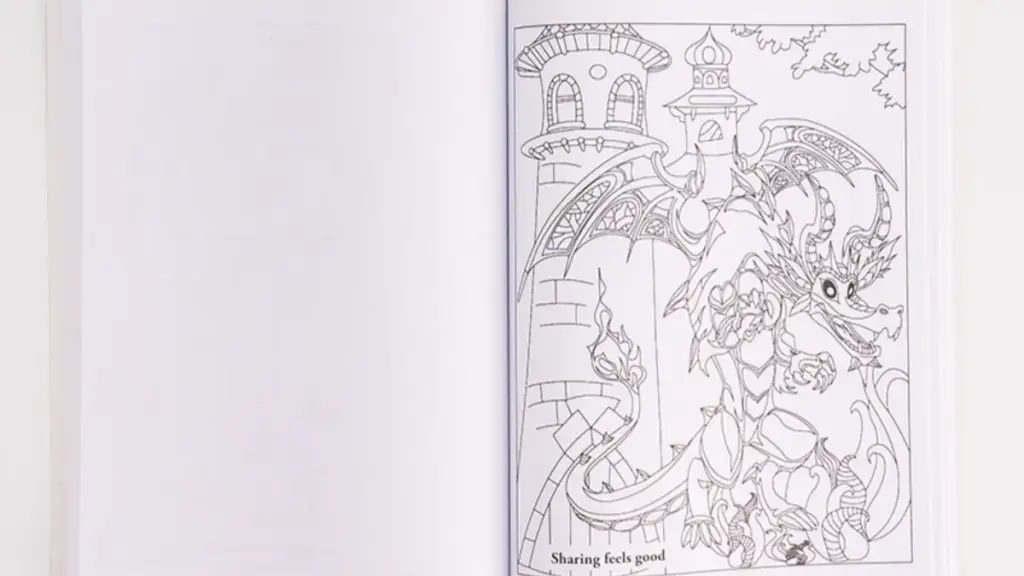
あ 塗り絵 芸術的表現のために設計された高解像度の線画のプロフェッショナルなコレクションです。, ストレス解消, インタラクティブな学習と. これらのツールは、触覚を活用して交通安全などの教育概念を強化すると同時に、さまざまな年齢層や分野にわたって認知的焦点を促進します。.
プロの塗り絵は、鮮明な視覚体験を提供しながら、さまざまな媒体での頻繁な使用に耐える必要があります。. クリエイターが多様なテーマをデザイン, 業界の学習目標に合わせて交通シーンと車両をマッピングする.
- 解決: サクサク, 最小限で作成された高解像度の線画 300 DPI.
- 紙のストック: コーティングされていない 70# または 80# 紙を使用すると、クレヨンやマーカーのインクがページににじむことなくスムーズに塗布されます。.
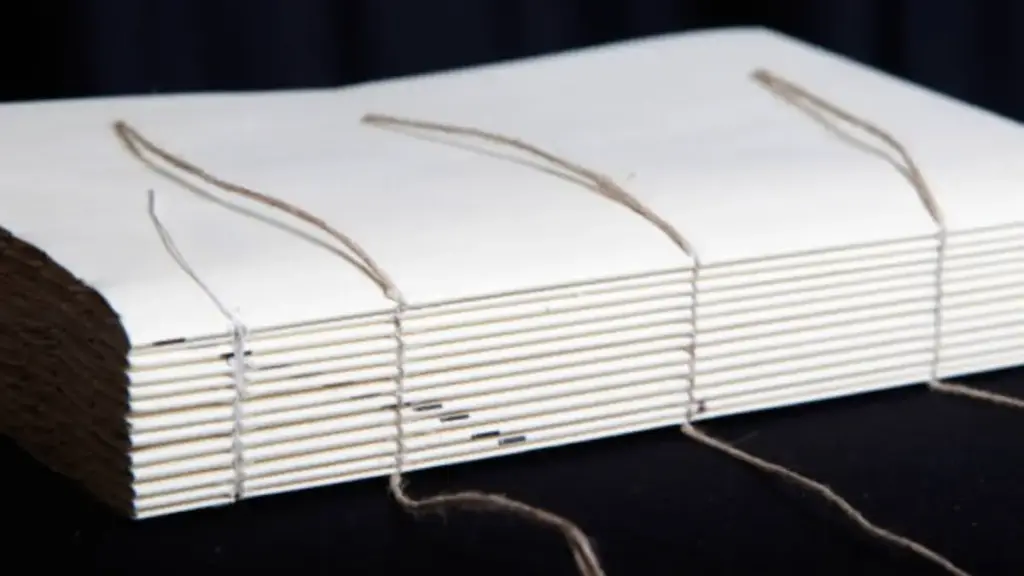
- バインディングオプション: 中綴じまたはスパイラルコイル綴じにより、本を平らに置くことができ、使いやすくなります。.
- 外観: 軽量のカバーとバインディングが組み合わされて中身のページを保護します。.
さまざまな種類の塗り絵
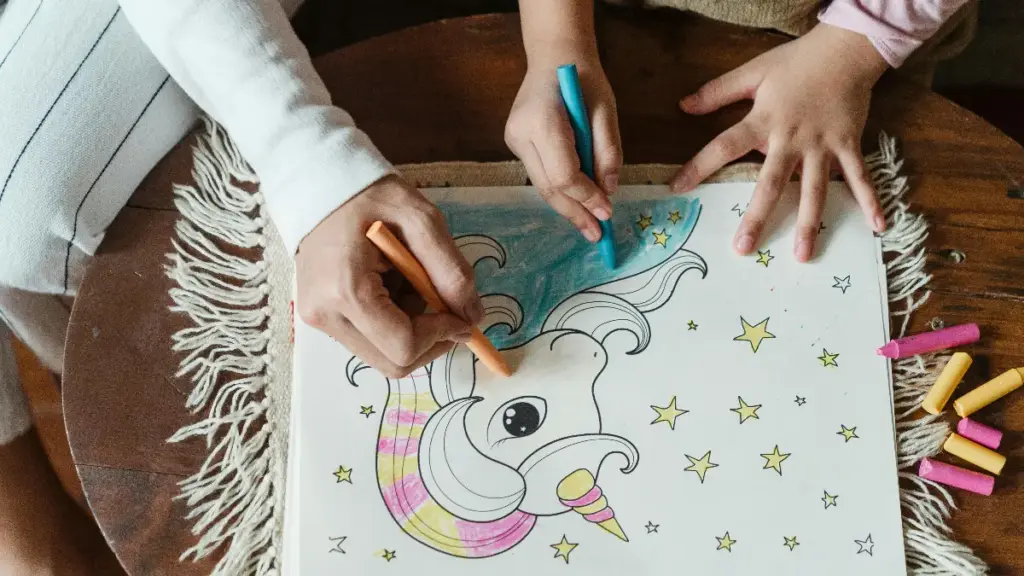
塗り絵はユーザーのニーズに基づいて明確なカテゴリに分類されます, 特定の紙重量が必要な場合, 印刷方法, エンゲージメントを最大化するバインディング スタイル.
子供の塗り絵
メーカーは安全性を最優先にしている, 早期学習, 子供の塗り絵をデザインする際の耐久性. 出版社は、特に小さな手に合わせた大きな形と大胆な輪郭を備えたこれらのエディションを作成します。.
- 紙のストック: プリンタは丈夫な 100gsm または 70 ポンドのコーティングされていない素材で両面ページを印刷し、破れやマーカーの裏抜けを防ぎます。.
- 形式 & バインディング: 標準的なマーケットフォーマットで使用されるのは、 8.5 x 11 インチのサイズと中綴じまたは無線綴じの組み合わせ.
- 安全機能: 生産ラインでは毒性のないインクが使用され、多くの場合、穴あき切り取りページが組み込まれています。.
大人の塗り絵
大人の塗り絵は、複雑な線画を通してストレス解消と創造的な表現を提供します. これらのエディションは複雑なパターンを特徴としています, 花柄, より高い生産基準と特殊な素材が要求される景観.
- 紙質: 作成者は厚紙への片面印刷を指定します, 190gsm のコーティングされていないストックから最大 300gsm のカードストックまで, 色鉛筆や水彩もにじまずにサポート.
- バインディング: スパイラル綴じにより、ページを完全に平らに置くことができます, 無線綴じオプションは、ギフト用に小売店ですぐに使える仕上がりになります。.
- 寸法: サイズはコンパクトなポケット版から 11 x 8.5 インチの横向きレイアウト.
テーマ別の塗り絵
出版社は教育的価値を高め、ニッチ市場を獲得するために、テーマ別の塗り絵で特定の興味をターゲットにしています. これは、今後も Amazon KDP などのプラットフォームを利用する自費出版者にとって非常に効果的な戦略であり続けます。 2026. 子供向けのタイトルでは、両面ページを使用してアルファベットや動物などの基礎的な学習トピックを強調しています, 一方、大人用のバリエーションは、片面シートの庭園シーンから SF まで多岐にわたります。.
- 生産規模: デジタル印刷プロセスは、300 dpi の解像度で 25 ページの内装の小部数を処理します。, 一方、オフセット印刷では、10 ポイントの光沢ラミネートされたカバーで包まれた大量の印刷物が印刷されます。.
- 活動形式: パズルとアクティビティのバリエーションは、コストを管理するために、より軽い 55 ポンドのコーティングされていないストックに切り替えられます。.
- ホワイトボードのバリアント: 塗り絵メーカー apply double lamination to pages and use spiral binding to create reusable products.
プレミアムカスタムぬりえブックを卸売価格で
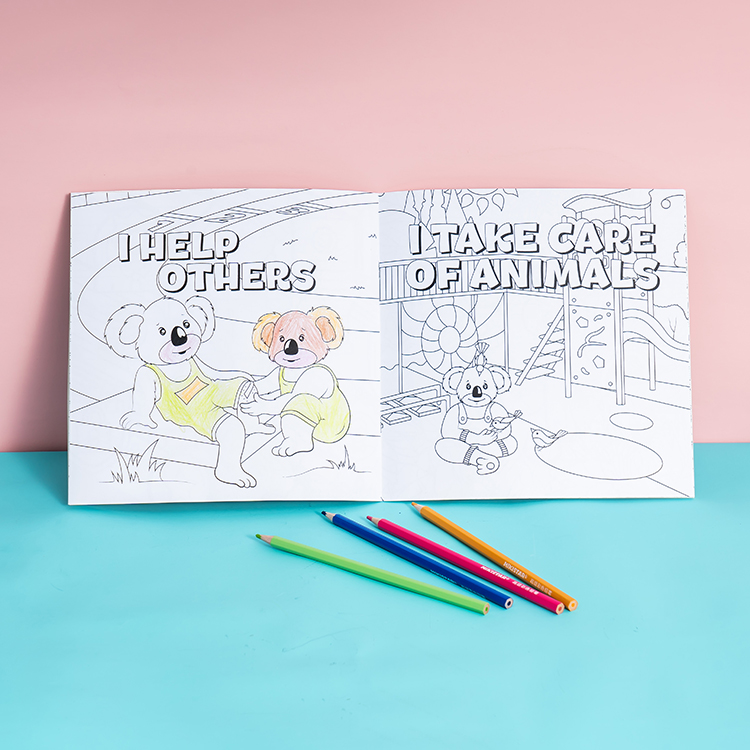
一般的な塗り絵の形式
選択した形式によって耐久性が決まります, 料金, ユーザーエクスペリエンスと. ペーパーバックが小売の主流, スパイラルバウンドはレイフラットの利便性を提供します, and hardcover provides maximum longevity for high-traffic environments.
ペーパーバックの塗り絵
費用対効果の高い ペーパーバック形式 dominate the market and work flawlessly with print-on-demand platforms like Amazon KDP. Printers primarily employ perfect binding or saddle stitching to create these lightweight booklets. クリエイターは通常デザインをします 40 またはそれ以上のページ, 含む 20 に 50 illustrations with blank backs to prevent marker bleed-through.
- 標準寸法: 8.5インチ x 11インチの北米サイズ, マンダラ用の正方形の 8.5 インチ x 8.5 インチのレイアウト, 国際市場向けの A4 サイズ.
- カバー: Lightweight 10-point covers with gloss or matte lamination.
- インテリア: 70-pound uncoated pages to protect against standard media.
スパイラル綴じの塗り絵
Spiral-bound or wire-bound designs prioritize user comfort by allowing pages to lay completely flat on a table. This format eliminates pressure on the spine so users can easily color large, 全ページイラスト. Activity workbooks frequently incorporate double lamination to the covers to create dry-erase surfaces for reusable educational content.
- 標準寸法: 標準のペーパーバックの寸法に一致, offering familiar 8.5″ x 11″ or square options.
- インテリア: 依存している 55 70 ポンドの非コート紙ストックまで.
- アドオン: Creators often add perforations for clean page removal.
ハードカバーの塗り絵
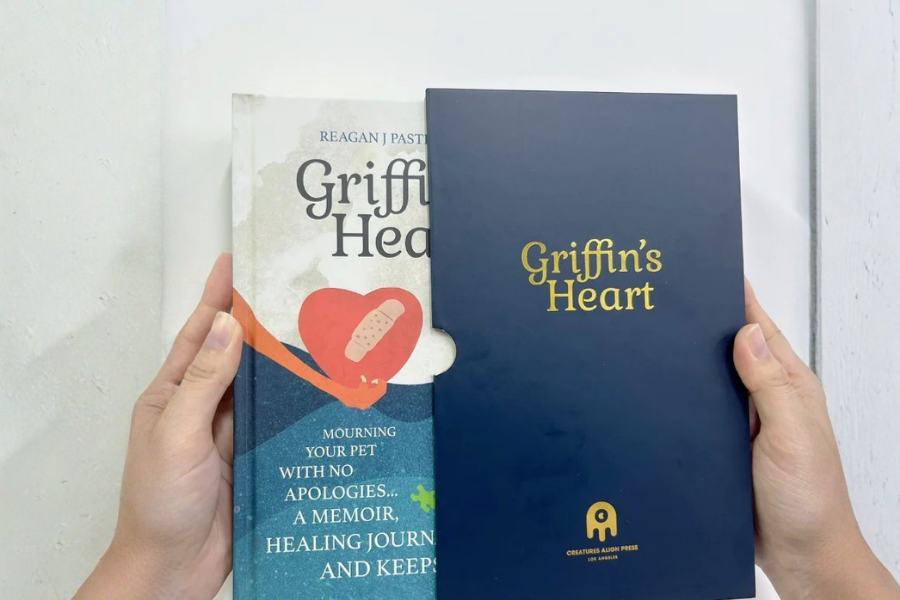
ハードカバー形式 deliver superior durability for high-traffic environments like classrooms or waiting rooms. プリンターは、硬質くるみ製本と無線綴じを組み合わせて、ページを丈夫な外殻の内側にしっかりと固定します。. 出版社は、こぼれを防ぎ、毎日繰り返し使用しても本の品質を維持するために、表紙に光沢ラミネート加工を施すことがよくあります。.
- 標準寸法: おなじみの 8.5 インチ x 11 インチ、またはわずかに小さい 8 インチ x 10 インチのトリム サイズが好まれます。.
- カバー: 厚い, 大量の取り扱いに耐えるように設計された剛性カバー.
- インテリア: プレミアム 70 ポンドのコーティングされていないインテリア紙, 最終製品をプロフェッショナルに提供する, 高級感.
塗り絵の主な使用例
塗り絵は子供の細かい運動能力の発達を促進する多用途のツールです, 大人のストレス解消に貢献します, 企業ブランディングのためのターゲットを絞ったプロモーション資産として機能します.
| ユーザーグループ | 主な用途 | 主な成果 |
|---|---|---|
| 子供たち | 教育とスキル開発 | 運動能力, 認知的成長, そして仲間の参加 |
| 大人 | リラクゼーションとストレス解消 | マインドフルネスと精神集中 |
| ビジネス | ブランディングとプロモーション | ブランドの可視性とターゲットを絞った視聴者のエンゲージメント |
子供の教育と能力開発のために
Coloring books function as foundational learning tools in early childhood education. They combine visual engagement with physical repetition to build essential developmental skills.
- 運動能力: クレヨンを握り、線の範囲内にとどまることで、手の筋肉が強化され、初期の筆記に必要な手と目の協調性が向上します。.
- 認知的認識: これらのアクティビティは、子供たちが色を識別するのに役立ちます, 特定のオブジェクトに一致させる, 基本的な形状とパターンを理解する.
- 意思決定: パレットを選択してページをデザインすると、芸術的表現が刺激され、選択に対する自信が生まれます。.
- 学術統合: 動物をテーマにしたページ, 車両, または STEM 概念により新しい語彙が導入され、数え方と文字認識が強化されます。.
- 社会開発: グループ設定でぬりえ素材を共有すると参加が促進されます, アクティブリスニング, ピア間の競合解決.
大人向け (リラクゼーションとストレス解消)
大人は心を集中させ、日々のストレスを軽減するための治療ツールとして塗り絵を積極的に利用しています。. シンプルな, これらのデザインの反復的な性質はマインドフルネスを促進し、構造化された感覚を提供します。, 健康的なリラクゼーションのはけ口. 交通や交通をテーマにしたページなどのニッチなオプションにより、プレッシャーが軽減されます, 予測可能なパターンにより、高齢者が高ストレス状況の後に緊張を解くのに役立ちます.
企業向け (ブランディングとプロモーション)
出版社や企業は、戦略的な販促品としてカスタムの教育用塗り絵を頻繁に配布しています。. Companies embed logos or specific traffic-safety messages directly into the pages to increase brand visibility while keeping families engaged. This approach ties promotional efforts directly to positive learning contexts, 道路認識や地理など, ensuring the brand message sticks with the target audience.
How to Custom the Right Coloring Book Type for Your Needs
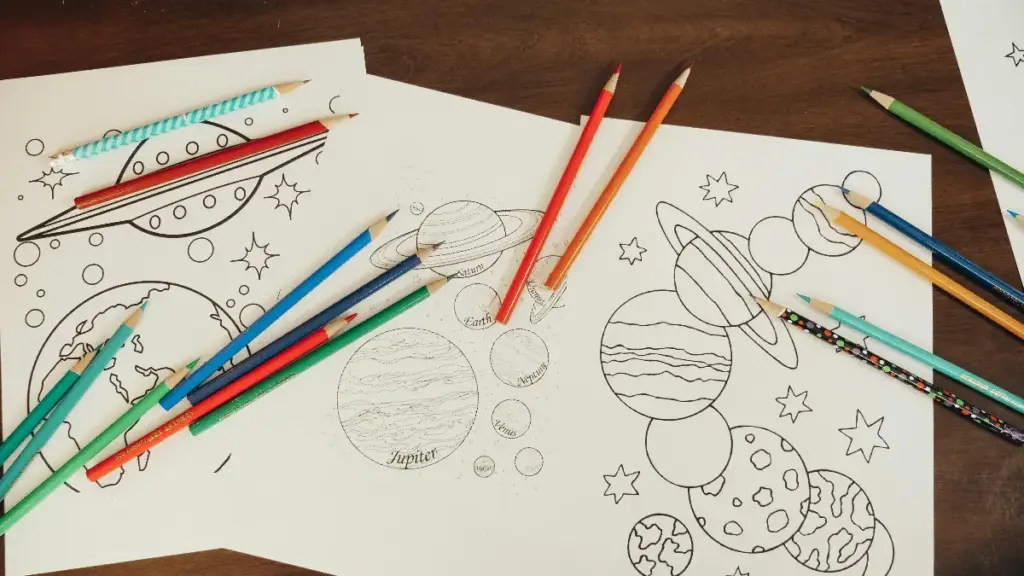
To secure a product that aligns with your educational objectives and production budget, 3 つの重要な側面を評価する必要があります: ユーザーのスキルレベル, メディアの互換性, と構造形式.
観客 & スキルレベルのマッピング
The complexity of the artwork must scale with the user’s cognitive and motor skills:
- 早期学習者: 大きな空白と太字を優先する, シンプルなアウトライン (例えば, 単一の交通標識または車両). This builds fine motor skills without sensory overload.
- 上級生: 詳細なシナリオを選択する, のような “数字でペイント” 交差点または標識のある歩行者専用道路. This reinforces complex safety rules through active engagement.
- カリキュラムの統合: 機能を備えたエディションを選択してください “楽しい事実” sidebars or labeled diagrams to transform a creative activity into a structured learning session.
メディアベースの用紙の選択
The physical construction dictates which coloring tools can be used without compromising the product:
- マーカー用 & 水彩画: ヘビーウェイトを指定する (160-180 GSM), 表面が滑らかな紙. High density is required to prevent bleed-through on technical diagrams.
- クレヨン用 & 鉛筆: 標準 100-120 乾燥したメディアには、gsm コーティングされていないストックで十分です, 必要なものを提供する “歯” for color adherence while remaining cost-effective.
機能フォーマット & 人間工学
Design choices should reflect the final use-case environment:
- 向き: 風景を使用する (水平) layouts for expansive scenes like highways or cityscapes; ポートレートを使用する (垂直) 個々のキャラクターやオブジェクトの研究用.
- 表示値: 完成した作品を教室の掲示板にポスターとして展示する場合は、ミシン目入りのページを優先します。.
- 完了率: 初心者向け, ページ数の少ない小冊子を選択する (24–32ページ). を達成する “終了した” book builds user confidence and brand affinity faster than large, 未完成の巻.
塗り絵の基本的な印刷オプション
Choosing the right printing method and paper weight determines your coloring book’s durability, 生産コスト, そして教室全体のパフォーマンス.
オフセット印刷とデジタル印刷
大量注文ではオフセット印刷が主流です 1,000 単位. この方法では、ユニットあたりのコストを削減しながら、非常に鮮明な白黒線画を実現します。.
デジタル印刷は小部数やオンデマンドのプリント プロジェクトに対応します. 迅速な納期と、大量の在庫を持たずにカスタムの教室教材を作成するために必要な柔軟性を提供します。.
片面印刷と両面印刷
片面印刷により、マーカーやゲルペンなどの濡れたメディアからの裏抜けを防ぎます。. 厚手の用紙に印刷されたプレミアム アクティビティ ブックには、この設定が必要です.
両面印刷により、紙の使用量と製造コストが削減されます。. この形式は、色鉛筆やクレヨンなどの乾いたメディア用に作成された大量の教育書籍に完全に適合します。.
塗り絵の用紙に関する考慮事項
間の非コート紙 80 そして 180 gsm は色鉛筆に必要な質感をページに与え、にじむことなくインクを吸収します。. 特定の対象ユーザーおよびメディアの種類に合わせて正確な紙の重量を調整します:
- 標準書籍: 100 に 120 gsm 紙は、クレヨンや鉛筆を使用する一般的な教育本の要求に簡単に対応します。.
- 重いメディア: 160 に 180 GSM シートは、アルコール マーカーが次のページににじみ出るのを防ぎます。.
- カバーの耐久性: カバーには必要なものがあります 250 に 350 教室での頻繁な使用に耐えるラミネート加工を施した GSM コートアート紙 2026.
良い塗り絵の条件? (クイックチェックリスト)
| カテゴリ | プロフェッショナルスタンダード | 品質への影響 & ROI |
|---|---|---|
| 紙のストック | 70# または 80# 非コート紙 | インクの裏写りを防ぎます; 滑らかな媒体の付着を保証します. |
| 印刷解像度 | 最小 300 DPI (ベクター/クリーニング済み) | ピクセレーションを排除します; プロフェッショナルを提供します, 鮮明な線画. |
| バインディング形式 | スパイラルコイルまたは平置き中綴じ | ユーザーの快適性を向上; 激しい使用時の背骨のひび割れを防ぎます. |
| カバー仕上げ | 10ptストック、グロス/マットラミネート | 内部コンテンツを保護します; 小売店の知覚価値と耐久性を向上させます. |
| レイアウト設計 | 片面ホワイトスペースマッピング | ゴーストを軽減します; 完成したアートを額装して展示することができます. |
| タイポグラフィ | 人口統計に合わせたフォント スタイル | 特定のユーザーの年齢層向けに美しさと読みやすさのバランスをとります. |
最終的な考え
初期費用を下げるために生産基準を犠牲にすると、インクのにじみや構造上の欠陥によってブランドの評判が損なわれることがよくあります。. 維持する 300 70 ポンドの非コート紙での DPI 解像度は、競争市場での繰り返しの卸売注文と高い認知価値を促進する完璧なユーザー エクスペリエンスを保証する唯一の方法です。.
25 年間の業界リーダーとして, Xinyiは高性能に特化しています, FSC認証を受けた塗り絵の製造. 当社の耐久性の高いストックとフラットレイ バインディングの物理サンプルをリクエストして、当社の材料の完全性を確認することをお勧めします。. 今すぐ信義に連絡してください OEM 仕様を最終決定し、次回の専門的な印刷作業を拡張するため.
よくある質問
プロの塗り絵の定義とは?
プロの塗り絵特集 300 70 ~ 140 gsm の非コート紙に DPI の鮮明な線画を印刷し、裏写りを防止. 通常は 8.5 を使用します×11″ トリムサイズと耐久性のある 10pt ラミネートカバーにより、ハイエンド小売店の魅力を高めます.
塗り絵の標準小売サイズはどれくらいですか?
8.5×11-インチ (A4) コスト効率の点で優勢な形式. パブリッシャーも 8.5 を利用しています×8.5″ マンダラ用の正方形と8×10″ 混雑した小売店の棚で製品を区別するためのプレミアム エディションのレイアウト.
組織は企業ブランディングのために塗り絵を使用していますか?
はい. 健康管理, おもてなし, 非営利団体は効果的な販促品としてカスタム塗り絵を使用しています。. ブランドロゴと的を絞った教育テーマは、独自性を提供しながらアイデンティティを強化します。, 家族向けの画面不要のエンゲージメントツール.
教育用の塗り絵と芸術的な塗り絵はどう違うのか?
教育用の本は、大胆な概要と指示のプロンプトを利用して、運動能力を高め、交通安全などの概念を教えます. 芸術的なバージョンは複雑な機能を備えています, text-free patterns designed for adult mindfulness and creative stress relief.
標準的な塗り絵には何ページが含まれていますか?
子供向けのタイトルは通常、次のとおりです。 24 に 48 ページ, 成人版は平均的ですが、 50 に 80 ページ. Note that Amazon KDP and most print-on-demand platforms require a strict 24-page minimum.
塗り絵は依然として収益性の高い市場ですか 2026?
絶対に. の $5.1 Amazon KDP のニッチターゲットを通じて 10 億のセクターが成長. 儲かる 2026 トレンドに焦点を当てる “大胆かつ簡単” イラスト, 居心地の良い美学, and specialized B2B educational topics with consistent royalty potential.