

When you’re planning to publish a children’s book or any print project, one of the first decisions you’ll need to make is choosing the right book format. Should you go with a board book? A hardcover? Or perhaps a paperback? Each format has distinct advantages, and the best choice depends on your target audience, budget, and publishing goals.
At Xinyi Printing, we work with publishers, brands, and independent authors worldwide to produce all three formats. In this guide, we break down the difference between board book vs hardcover vs paperback, explain how each format is made, and help you decide which option is best for your readers and publishing goals.
Board Book vs Hardcover vs Paperback: Side-by-Side Comparison
Before diving into the details, it helps to see the key differences at a glance. While all three formats serve different purposes, they are often compared based on durability, cost, target audience, and printing method.
| Feature | Board Book | Hardcover Book | Paperback Book |
|---|---|---|---|
| Structure | Pages made entirely from thick paperboard, mounted and bound together | Rigid outer cover (case) with inner paper pages, usually sewn or glued | Flexible paper cover with glued or stitched paper pages |
| Materials | Laminated cardboard pages | Greyboard cover with printed wrap, interior paper pages | Paper cover with interior paper pages |
| Durability | Extremely high – resistant to tearing, bending, and chewing | High – long lifespan with proper handling | Moderate to low – prone to wear, bending, and spine damage |
| Typical Page Count | Low (usually 8–32 pages) | Medium to high (24–500+ pages) | Medium to high (24–600+ pages) |
| Common Trim Sizes | Small formats (e.g. 5"×5", 6"×6", 6"×8") | Wide range (e.g. 8"×8", 8.5"×11", 6"×9") | Wide range (e.g. 5"×8", 6"×9", A4) |
| Upfront Printing Cost | High (specialized materials and labor-intensive process) | Medium to high (more complex binding and materials) | Low (simpler binding and materials) |
| Profit Margin Potential | High for niche children’s markets (with established sales channels) | High for premium, gift, or branded titles | Moderate, relies on volume sales |
| Best For | Babies and toddlers (0–3), early learning books | Children’s books, novels, reference books, gift editions | Novels, textbooks, manuals, mass-market publishing |
| Print-on-Demand (POD) | ❌ Not suitable | ⚠️ Limited availability | ✅ Widely supported |
| Production Method | Offset printing only | Offset printing (occasionally short-run digital) | Offset or digital printing |
Actual printing cost, profit margin, and production feasibility may vary depending on specifications, quantity, and distribution strategy. Consulting with an experienced book printing manufacturer can help optimize both cost and quality.
What Is a Board Book?
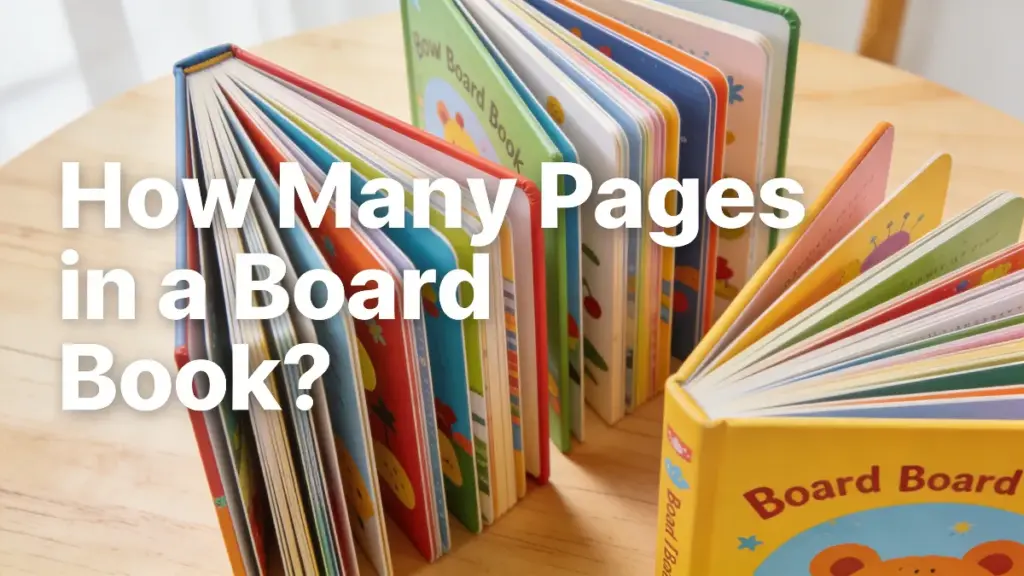
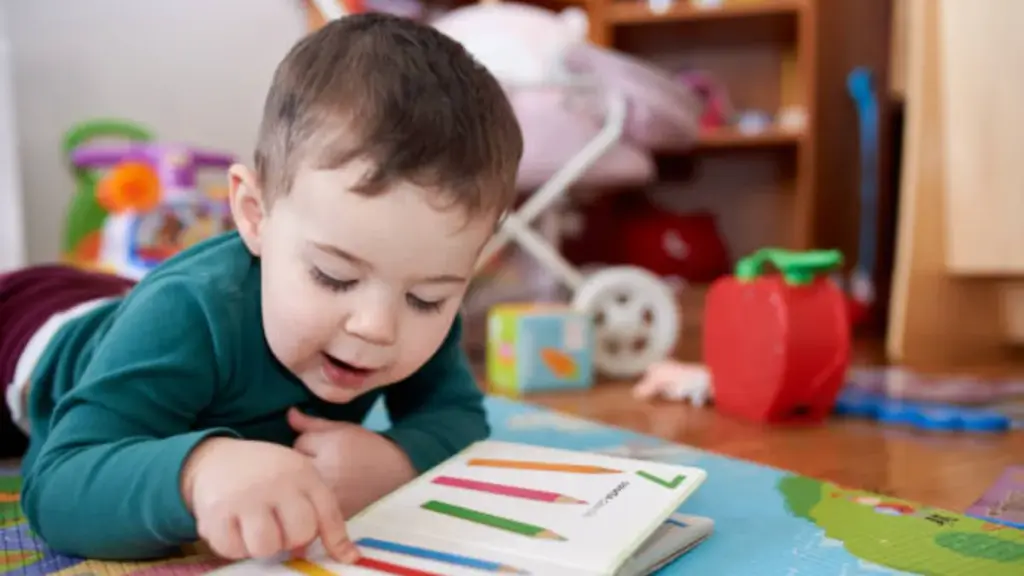
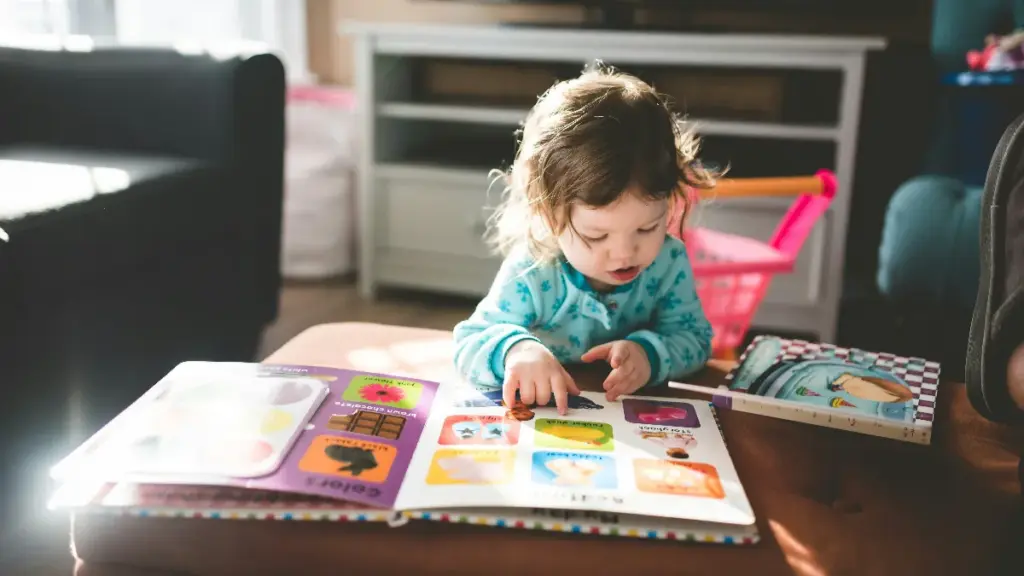
A board book is a picture book designed specifically for infants and toddlers, typically from 0 to 3 years old. Unlike traditional books, board books are constructed entirely from thick paperboard pages that are mounted, laminated, and bound together, creating a solid, chew-resistant format. This structure allows young children to handle the book independently without tearing pages. Board books usually feature simple text, bold illustrations, and compact trim sizes that are easy for small hands to hold. Because of their material and production process, board books are printed almost exclusively using offset printing and are intended for long-term, repeated use in early learning and reading routines.
What Is a Hardcover Book?
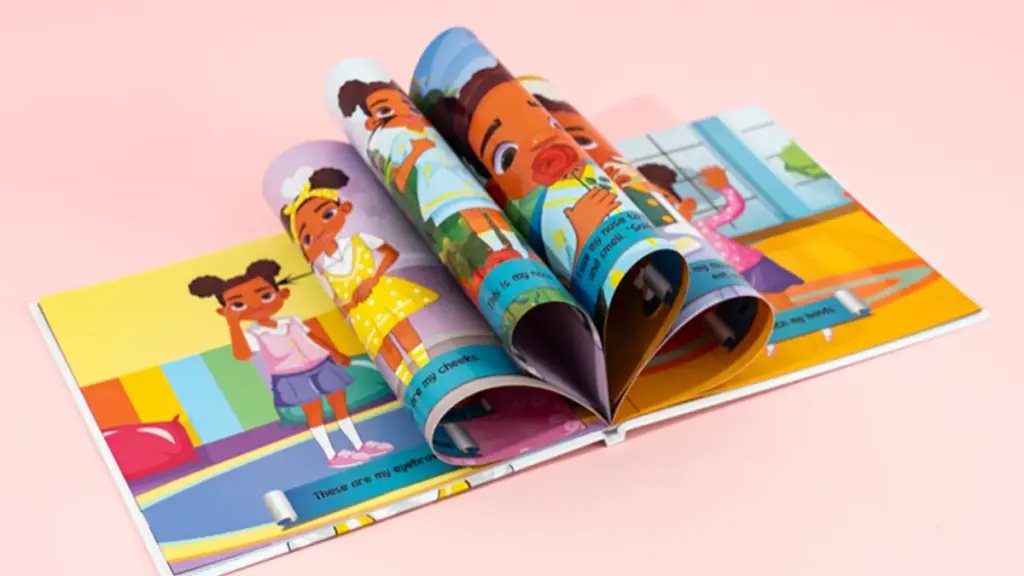
A hardcover book, also known as a hardback book, uses a rigid outer case made from thick board that is wrapped with printed paper, cloth, or other specialty materials. Inside, the content pages are printed on standard paper and bound to the cover through case binding, often with sewn sections for added strength. This format offers a balance between durability and flexibility, making it suitable for a wide range of page counts, paper types, and design finishes. Hardcover books are commonly chosen when a professional appearance, longer lifespan, or premium positioning is important, such as for gift books, reference titles, or illustrated publications.
What Is a Paperback Book?
A paperback book, sometimes called a softcover book, features a flexible paper cover paired with paper interior pages. The pages are typically bound using perfect binding or saddle stitching, depending on the page count and use case. This format is lightweight, easy to distribute, and highly adaptable to both offset printing and print-on-demand production. Because of its simpler construction, paperback books are widely used for commercial publishing, educational materials, and high-volume titles. While less durable than hardcover or board books, paperbacks remain the most accessible option for cost-sensitive projects and rapidly changing content.
How to Choose the Right Book Format for Your Project or Target Readers?
Selecting the right book format requires evaluating several practical and strategic factors together. Rather than starting with the format itself, experienced publishers and printers look at how the book will be used, produced, sold, and perceived by its readers. The following dimensions can help guide that decision.
Target Reader Age and Usage Behavior
The age of the reader is one of the strongest indicators of the appropriate book format. Books intended for infants and toddlers must withstand rough handling and repeated use, which naturally favors board book construction. As readers grow older, usability shifts toward page comfort, readability, and weight, making hardcover or paperback formats more suitable. Understanding how the book will be handled—whether read independently, shared in classrooms, or stored on shelves—helps determine the necessary balance between durability and flexibility.
Content Type and Reading Experience
Different types of content perform better in different formats. Highly visual books, such as picture books or illustrated titles, often benefit from sturdier formats that support flat opening and consistent page quality. Text-heavy content, including novels, manuals, or educational materials, typically prioritizes ease of reading and portability. Page count, layout complexity, and color usage all influence which format delivers the best reading experience without unnecessary production cost.
Budget, Unit Cost, and Pricing Strategy
Production budget plays a critical role in format selection. While some formats require higher upfront investment, they may allow for higher retail pricing or stronger perceived value. Other formats prioritize affordability and volume sales. Publishers should consider not only unit cost, but also expected retail price, reorder frequency, and long-term profitability. From a printing perspective, choosing the right format early helps optimize material usage and avoid cost inefficiencies.
If you want a clearer understanding of how different book formats, quantities, and specifications affect pricing, this guide on how much it costs to print books provides a detailed breakdown from a manufacturing perspective.
Distribution Channels and Sales Environment
How and where a book is sold directly affects format choice. Books distributed through online platforms, bookstores, schools, or export markets may have different durability, weight, and packaging requirements. Formats compatible with print-on-demand may suit uncertain demand, while bulk offset printing favors stable, predictable sales. Shipping distance, storage conditions, and handling during fulfillment should all be considered at the planning stage.
Brand Positioning and Perceived Value
Book format also communicates brand positioning. A premium format can enhance perceived quality and trust, especially for gift books, educational brands, or institutional publications. In contrast, content-focused projects may benefit from a simpler format that lowers barriers to purchase. Aligning format choice with brand identity ensures the physical book supports—not conflicts with—the message and value of the content.
Production Flexibility and Long-Term Planning
Finally, publishers should evaluate how often the book may be updated or reprinted. Formats with greater production flexibility are better suited for evolving content, while more complex formats are ideal for stable, long-term titles. Working with an experienced book printer helps anticipate these factors early and select a format that supports future growth without unnecessary constraints.
How Publishers and Self-Publishing Authors Choose the Right Book Format
Professional publishers and self-publishing authors often use different strategies, even for similar content.
Traditional publishers may:
- Release hardcover editions first to maximize perceived value
- Follow with paperback editions for wider distribution
- Use board books as a separate product line for younger audiences
Self-publishing authors may:
- Start with paperback to test market demand
- Upgrade to hardcover for branding or premium sales
- Avoid board books unless targeting early childhood education
Quick Decision Guide: Board Book, Hardcover, or Paperback
Here’s a practical framework to guide your decision:
Choose Board Books if:
- Your target audience is ages 0-3
- Durability and safety are paramount
- You’re prepared for higher upfront printing costs
- You can commit to a substantial print run (500+ copies)
Choose Hardcover if:
- You want a premium, professional appearance
- Your book will be displayed in libraries or sold as gifts
- You need a format that lasts decades
- You’re willing to invest in quality binding and production
Choose Paperback if:
- Budget is a primary concern
- You’re targeting classroom or educational markets
- You’re a first-time author testing the market
- You want to leverage print-on-demand technology
- You’re aiming for maximum affordability and accessibility
Next Steps: Get a Custom Printing Quote from Xinyi
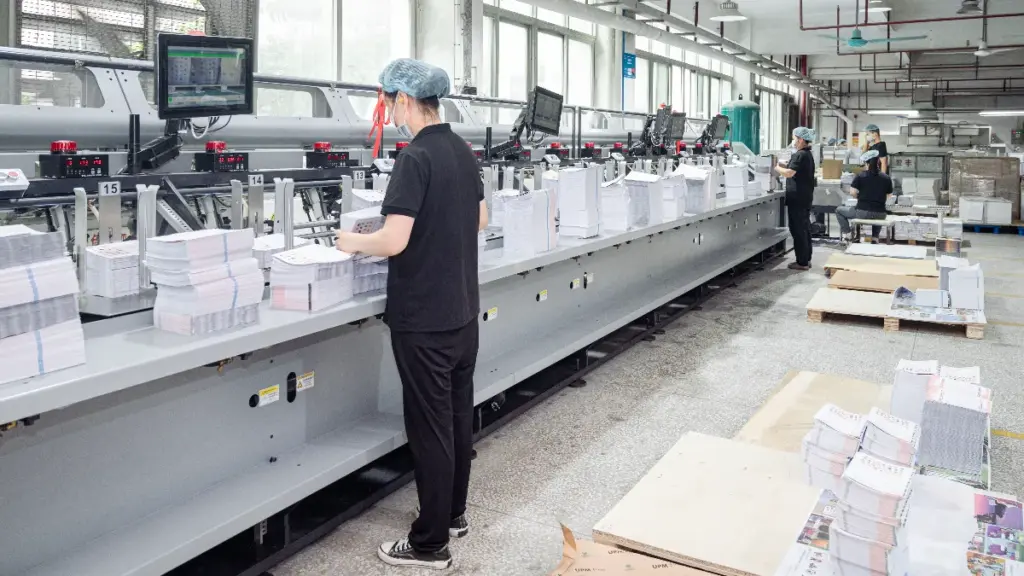
As a professional book printing manufacturer, we offer competitive printing quotes, quick turnaround times, and rigorous quality control to ensure your books meet the highest standards. Our professionals can also provide guidance on format selection based on your specific audience and goals.
Ready to get started? Contact our team today for a free custom printing quote. Simply share details about your project—format, page count, trim size, print quantity, and any special requirements—and we’ll provide a detailed estimate. You can also download our free sample packs to see our print quality firsthand.