
What Is Coated Paper?
Coated paper has a microscopic surface coating applied to one or both sides, creating an ultra-smooth, non-porous substrate for offset printing. This specialized coating significantly reduces ink absorption into the raw paper fibers, ensuring sharp image definition, crisp photographic details, and vibrant color consistency across print runs.
Coated paper is the international publishing standard for photo books, art monographs, magazines, commercial catalogs, brochures, and full-color children's books. The two primary finishes are Gloss Coated Art Paper (providing high specular reflectance and maximum saturation) and Matte Coated Art Paper (offering non-glare readability and refined elegance).
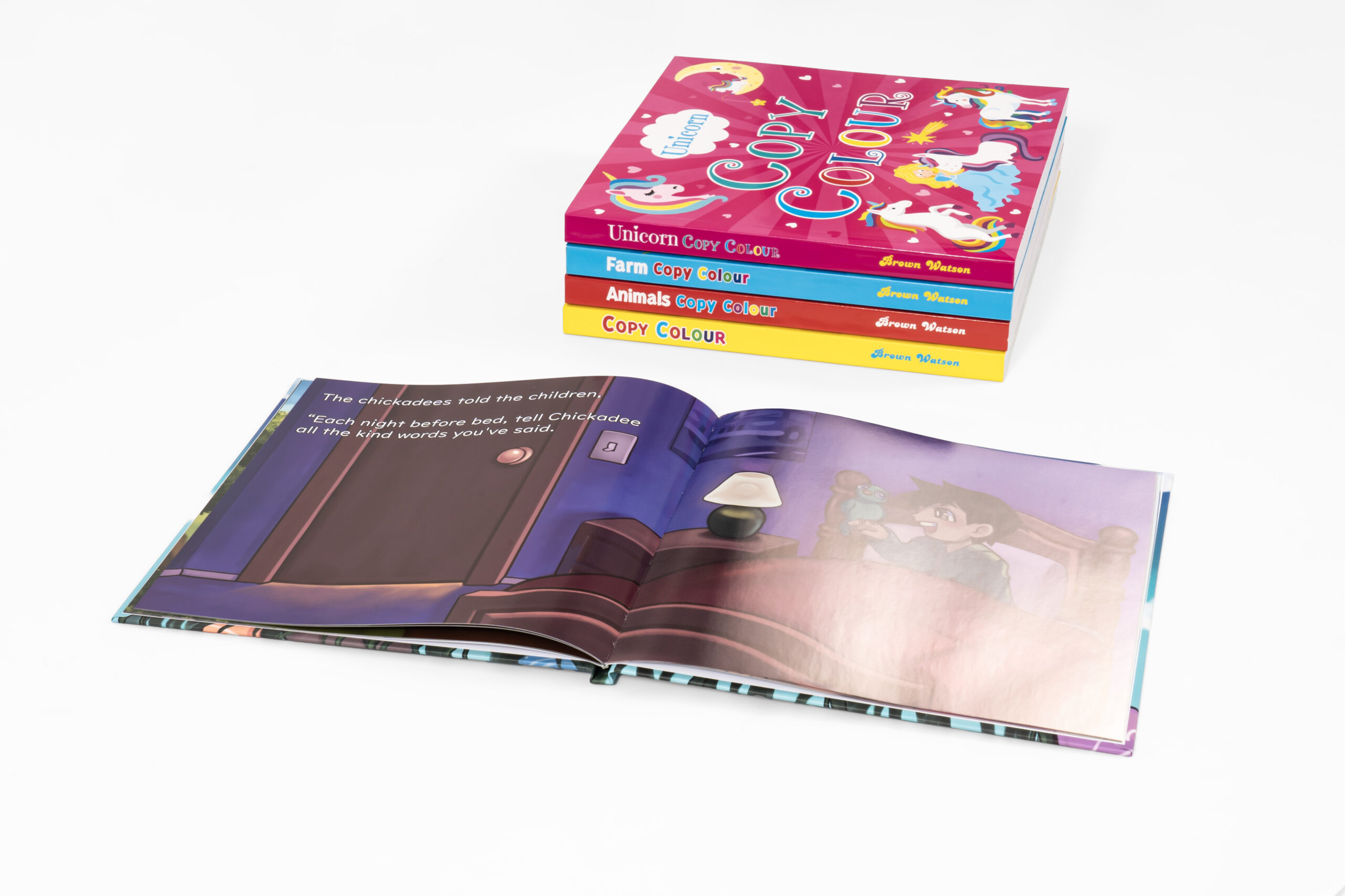
Gloss Coated Art Paper (C2S)
High-reflectance mineral coating seals paper pores. Ink remains on the surface for maximum color saturation, dynamic tonal range, and sharp photo contrast.
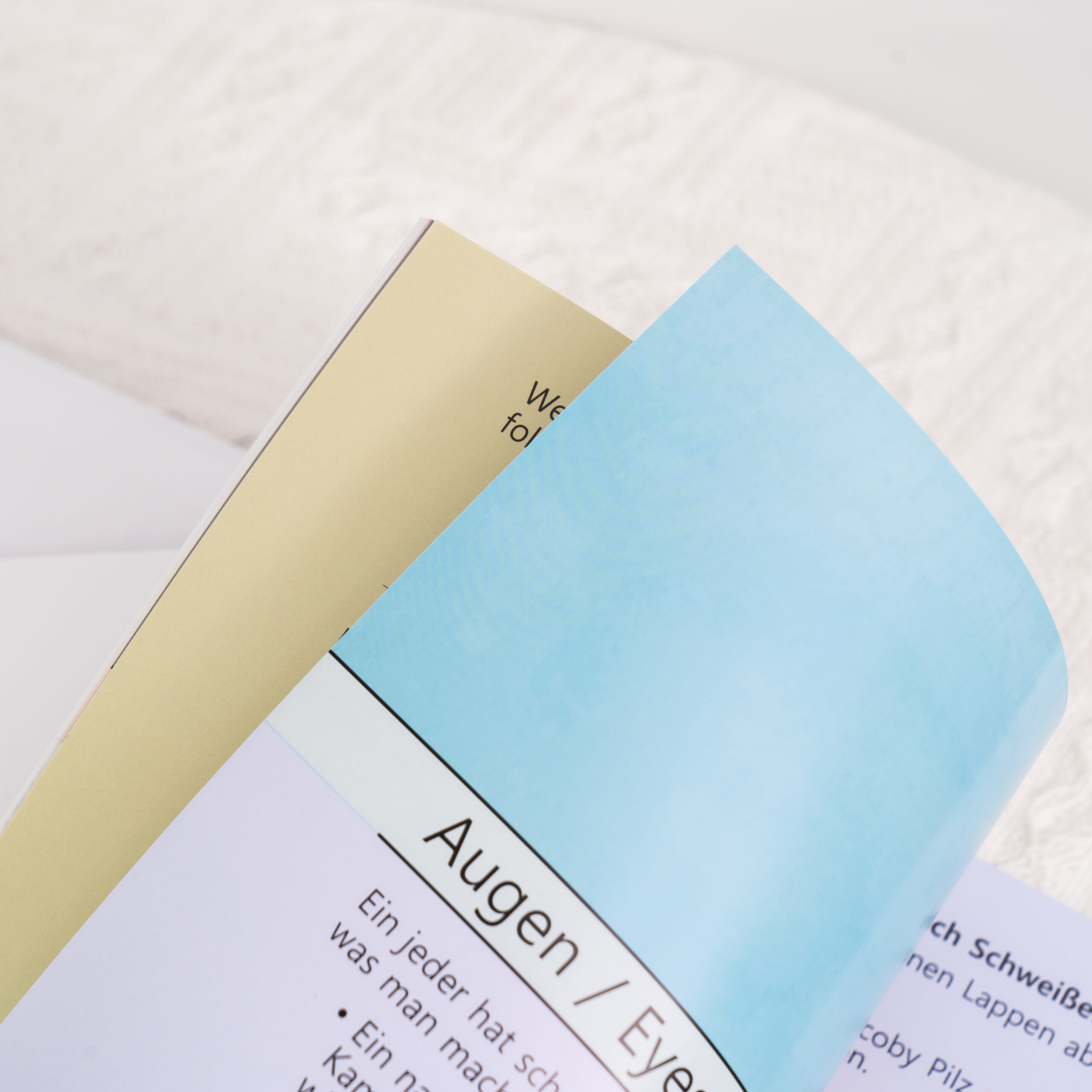
Matte Coated Art Paper (Silk / Dull)
Diffused satin coating eliminates glare under direct reading lights while preserving fine typographic sharpness and soft, tactile elegance.
Pros and Cons of Coated Paper
Coated paper delivers superior color fidelity, but understanding its performance trade-offs is essential when matching substrate to product function:
Key Advantages (Pros)
- Ultra-Sharp Photographic Reproduction: Ink sits on top of the coating layer, eliminating dot gain and reproducing fine highlight and shadow gradients.
- Vibrant Color Saturation: Supports rich, high-density CMYK Gamut coverage for vivid illustrations and product photography.
- Refined, Polished Surface: Delivers a commercial, bookstore-grade tactile hand feel.
- Finishing Compatibility: Perfectly accepts thermal lamination (gloss, matte, soft-touch), spot UV, embossing, debossing, and metallic hot foil stamping.
Considerations & Limitations (Cons)
- Not Writing-Friendly: The smooth, sealed surface repels water-based ballpoint and fountain pen ink, leading to smearing.
- Surface Glare under Lighting: Gloss coated paper produces light reflections under direct ambient lighting that can cause reading fatigue.
- Less Natural Tactile Warmth: Lacks the organic paper tooth and fibrous texture found in natural uncoated book stocks.
- Not Ideal for Pure Text Titles: Novels and trade paperbacks are better paired with non-reflective uncoated offset paper.
Common Applications of Coated Paper
- Photography & Art Books: Ideal for fine art portfolios, gallery monographs, and high-contrast photography where color accuracy is paramount.
- Children's Picture Books: Standard for vibrant full-color illustrated spreads, board book laminations, and cover wraps.
- Magazines & Product Catalogs: Delivers high visual appeal for editorial layouts, corporate showcases, and commercial retail catalogs.
- Brochures & Booklets: Professional promotional hand-outs combining crisp corporate typography with high-resolution imagery.
- Illustrated Educational Books: Balances text typography with rich educational infographics and colorful diagrams.
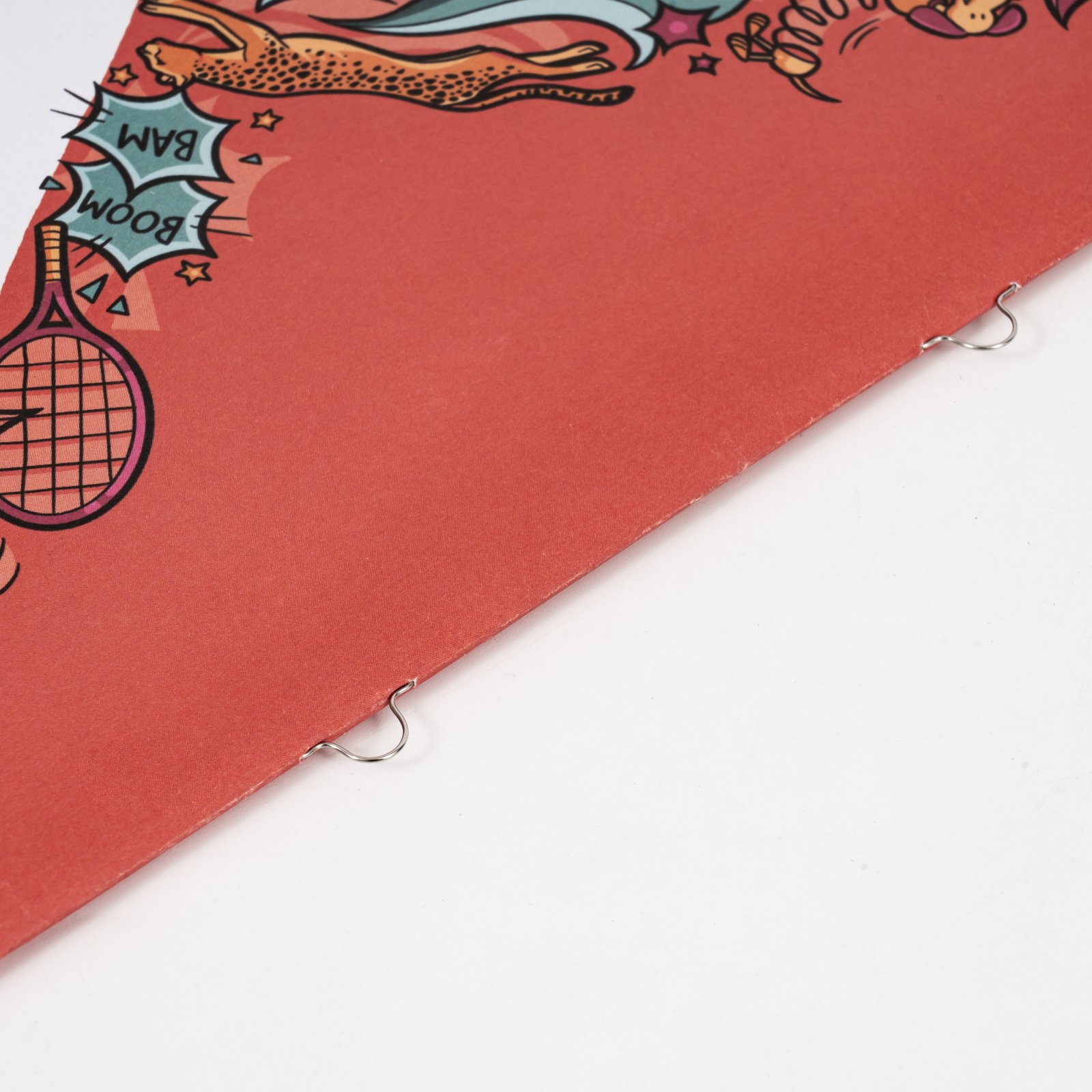
High-Density Offset Reproduction
Our Heidelberg 5-color offset presses utilize spectrophotometric density calibration to achieve precise ink film thickness across both gloss and matte art papers, eliminating color shift across 10,000+ copy print runs.
Coated Paper: Weight and Caliper Specifications
GSM indicates basis weight, while caliper (thickness in μm) determines spine bulk and tactile rigidity:
Gloss Coated Paper Calipers
| Basis Weight (GSM) | Equivalent US Basis (lb) | Caliper Thickness (μm) | Recommended Publishing Uses |
|---|---|---|---|
| 80 GSM | 54 lb Text | 65 μm | High-page-count catalogs, commercial mailers, trade directories. |
| 105 GSM | 71 lb Text | 84 μm | Magazines, trade brochures, illustrated manuals. |
| 128 GSM | 86 lb Text | 102 μm | Standard publication interior pages, art book texts, brand lookbooks. |
| 157 GSM | 106 lb Text | 133 μm | Premium illustrated books, children's book interiors, presentation folders. |
| 200 GSM | 135 lb Text / 74 lb Cover | 171 μm | Heavyweight plate sections, softcover covers, saddle-stitch self-covers. |
Matte Coated Paper Calipers
| Basis Weight (GSM) | Equivalent US Basis (lb) | Caliper Thickness (μm) | Recommended Publishing Uses |
|---|---|---|---|
| 80 GSM | 54 lb Text | 72 μm | Lightweight non-glare catalogs and high-volume corporate periodicals. |
| 105 GSM | 71 lb Text | 93 μm | Architecture publications, exhibition guides, design catalogs. |
| 128 GSM | 86 lb Text | 116 μm | General non-glare art interiors, corporate annual reports. |
| 157 GSM | 106 lb Text | 152 μm | Luxury monographs, high-end photography monographs, museum guides. |
| 200 GSM | 135 lb Text / 74 lb Cover | 198 μm | Deluxe endpapers, section dividers, gatefold inserts. |
| 250 GSM | 169 lb Text / 92 lb Cover | 265 μm | Paperback covers, rigid packaging inserts, premium presentation covers. |
Gloss vs. Matte Coated Paper: Which Is Right for Your Project?
Choose Gloss Coated Paper When:
- Maximum visual pop and shiny high-contrast sheen are desired.
- Printing vivid commercial photography, fashion lookbooks, or colorful children's illustrations.
- Content is predominantly visual with minimal dense body paragraphs.
Choose Matte Coated Paper When:
- An understated, luxurious, non-reflective aesthetic is required.
- Books contain balanced ratios of fine art photography and readable text passages.
- Lighting conditions vary and readers require comfortable, glare-free viewing.