Heavy hardcover books are designed for projects that require durability, 프리미엄 프레젠테이션, 그리고 장기적인 가치. 더 두꺼운 커버 구조, 더 무거운 용지 옵션, and stronger binding methods create a more substantial feel compared with standard book formats.
출판사와 브랜드의 경우, understanding how materials and thickness affect a hardcover book is essential before production. Cover boards, 종이 무게, 페이지 수, and finishing choices all influence the final quality, 비용, and user experience of the finished book.
What Makes Heavy Hardcover Books Premium and Durable
Heavy hardcover books stand out because their structure, 재료, and weight create a stronger sense of quality.
What Is a Hardcover Book and How Is It Structured
에이 하드커버 책 is a book format that uses a rigid cover to protect the printed pages and provide a more durable, premium appearance. Compared with paperback formats, hardcover books have a stronger outer structure, making them suitable for publications that require long-term use and higher perceived value.
A typical hardcover book consists of several basic components:
| 요소 | 기능 |
|---|---|
| 표지 | Creates a firm outer cover and protects the pages inside. |
| Cover material | Provides the book’s appearance, 조직, and additional protection. |
| 책 블록 | Contains the printed pages and determines much of the book’s thickness. |
| 척추 | Connects the cover structure and supports comfortable opening. |
While all hardcover books share this basic construction, heavy hardcover books usually use thicker boards, heavier paper, and stronger production specifications to create a more substantial feel. These differences make them a preferred choice for premium editions, 사진 책, children’s publications, and collectible books.
Why Heavy Hardcover Books Feel More Premium and Valuable
The weight of a book influences how readers perceive its quality. 에이 heavy hardcover book creates a stronger premium impression through its solid structure, 내구성있는 재료, and refined appearance. The feeling usually comes from a combination of thicker cover boards, heavier paper, reliable binding, and quality finishing. 하지만, adding weight alone does not guarantee better quality. High-quality hardcover book printing requires the right balance between materials, 유용성, production cost, and the purpose of the publication.
Common Uses of Heavy Hardcover Book Formats
Heavy hardcover books are commonly chosen for publications that require durability, 프리미엄 프레젠테이션, 그리고 장기적인 가치. Their stronger construction makes them suitable for projects where appearance and lifespan are equally important.
일반적인 응용 프로그램은 다음과 같습니다:
- Children’s hardcover books: Durable covers help withstand frequent handling while providing a premium reading experience.
- Photo books: Thicker paper and rigid covers improve image presentation and create a high-value keepsake.
- Art books and collector editions: Premium structures protect valuable content while improving shelf appeal and collectability.
- 기업 출판물: Hardcover formats help companies present brand stories, 연례 보고서, and promotional materials professionally.
- Gift books and special editions: A heavier structure increases perceived value and makes the product suitable for premium gifting.
출판사와 브랜드의 경우, choosing a heavy hardcover format is not only a design decision. It also helps strengthen product positioning and create books with higher perceived value in the market.

Hardcover Book Materials That Make Books Heavier and Stronger
The materials of a hardcover book determine its strength, 무게, and overall feel. The right choices help create durable and premium heavy hardcover books.
Cover Boards and Hardcover Materials That Increase Durability
The cover structure plays an important role in determining the strength and weight of hardcover books. The board inside the cover provides rigidity, protects the pages, and creates the solid feeling that readers expect from a premium book.
Different cover boards offer different levels of strength and flexibility:
| 재료 | 특징 | 적합한 용도 |
|---|---|---|
| Grey board | 강한, 안정적인, and widely used for reliable hardcover structures. | General hardcover books and commercial publications. |
| Thick paperboard | Provides good flexibility with a lighter overall weight. | Everyday books and projects requiring easier handling. |
| Premium board | Offers higher strength and thickness for a more substantial feel. | Luxury editions, collector books, and premium projects. |
The outer cover material also affects the appearance and tactile experience of the book. 일반적인 옵션은 다음과 같습니다:
- Printed paper with lamination: Provides a customizable surface with improved protection against scratches and daily wear.
- Fabric covering: Creates a refined texture and is often used for premium or collectible editions.
- Leatherette covering: Adds a luxury appearance while maintaining durability.
- Specialty textured materials: Help create unique designs for brands and limited-edition publications.
을 위한 heavy hardcover books, thicker cover boards are often combined with premium cover materials to create a stronger structure and improve perceived value. The final selection depends on the book’s purpose, 타겟 고객, and expected usage.
Paper Weight and Page Count That Make Hardcover Books Heavier
Paper selection directly affects the thickness, 무게, and overall feel of hardcover books. Even books with the same page count can have different weights because paper thickness and density vary.
Paper GSM refers to the weight of paper per square meter. Higher GSM paper usually creates thicker pages and a more substantial reading experience, making it popular for photo books, 아트 북, and premium editions. Lower GSM paper is often used for text-focused publications where lighter weight is preferred.
Page count also affects the final size and weight of a book. More pages usually create a thicker spine and require stronger structural support. 하지만, page count should always be considered together with paper selection, as fewer pages with heavier paper can still create a heavy hardcover book.
During 하드커버 책 인쇄, manufacturers balance paper type, 페이지 수, and binding requirements to achieve the desired quality and usability.
Binding Methods for Strong Heavy Hardcover Books
Binding plays an important role in maintaining the durability and performance of heavy hardcover books. A thicker book structure requires a reliable binding method to keep pages secure and allow comfortable opening.
일반적인 하드커버 제본 옵션은 다음과 같습니다.:
- 케이스 제본: The standard hardcover method that connects the book block with a rigid cover case for strong protection.
- 봉제 바인딩: Uses thread to connect page sections, providing excellent durability and smooth opening for premium publications.
- 접착제 바인딩: Offers efficient production for some projects but may not provide the same long-term strength as sewn binding for very thick books.
The right binding method helps ensure that heavy hardcover books remain durable and functional throughout their expected lifespan.
Premium Hardcover Books, Manufactured at Scale
How Hardcover Book Specifications Affect Weight and Final Quality
Book specifications influence more than appearance. 크기, spine structure, and finishing choices work together to determine the usability, 내구성, and overall quality of a hardcover book.
Standard Hardcover Book Sizes and Dimensions for Different Projects
Book size affects the overall proportion, 독서 경험, and production requirements of a hardcover project. While many publishers use common formats, custom dimensions allow brands to create books with a more distinctive appearance.
Common hardcover book sizes include:
| 크기 | 일반적인 응용 |
|---|---|
| 6 × 9 신장 | 짧은 이야기, 비즈니스 서적, and general publications. |
| 8.5 × 11 신장 | Educational books, 카탈로그, 및 기업 출판물. |
| 10 × 10 inches or larger | Photo books, 아트 북, and premium children’s books. |
The right standard hardcover book size depends on the purpose of the publication. Larger formats usually require more paper and cover materials, which increases the final weight and production requirements.
For custom hardcover book printing projects, size selection should also consider storage, 해운, 포장, and reader comfort to achieve a practical final product.
How Spine Width Changes with Heavy Hardcover Book Specifications
The spine is an important part of hardcover book design because it affects both the book’s appearance on shelves and its structural performance. A thicker book requires more accurate spine calculation to ensure proper printing, 제본, and cover alignment.
Spine width mainly depends on several specifications:
| Factor | Impact on Spine Width |
|---|---|
| 페이지 수 | More pages create a thicker book block and a wider spine. |
| Paper thickness and GSM | Heavier or thicker paper increases the overall thickness of the book. |
| 바인딩 방법 | Different binding structures affect the final dimensions and flexibility. |
| Cover board thickness | A thicker cover increases the overall hardcover structure. |
을 위한 heavy hardcover books, accurate spine planning becomes especially important because larger dimensions can affect cover design, shelf presentation, and packaging efficiency.
Printing and Finishing Options for Premium Heavy Hardcover Books
Finishing options add visual appeal and improve the overall perception of a hardcover book. For premium projects, the right finishing combination can strengthen brand identity and make the book feel more valuable.
Common finishing options include:
- 무광택 라미네이션: Creates a smooth surface and provides additional protection against wear.
- 광택 라미네이션: Enhances color brightness and creates a more eye-catching appearance.
- 포일 스탬핑: Adds a luxury effect for logos, 제목, and special design elements.
- 엠보싱 및 디보싱: Creates a three-dimensional texture that improves the tactile experience.
- 스팟 UV: Highlights specific areas of the cover design with a contrast effect.
- 리본 북마크: Adds functionality and a premium detail for special editions.
The best finishing choices should match the book’s purpose and target market. During 하드커버 책 인쇄, publishers need to balance visual impact, 내구성, and production cost to create a finished product that meets both design and commercial goals.

Heavy Hardcover Books vs Paperback and Board Books
The choice between heavy hardcover books, 문고판 책, and board books depends on durability, 예산, target readers, and product positioning.
Heavy Hardcover Books vs Paperback Books: Quality and Cost Comparison
Hardcover and paperback books differ mainly in structure, 내구성, 및 생산 비용. Heavy hardcover books provide stronger protection and a more premium appearance, while paperback books focus on affordability and easy distribution.
Key differences include:
- 내구성: Heavy hardcover books use rigid covers that better protect pages and withstand repeated use, making them suitable for long-lasting publications.
- Weight and handling: Hardcover formats create a more substantial reading experience, while paperback books are lighter and easier to transport.
- Production cost: Paperback books require fewer materials and are more cost-effective for large-volume printing. Hardcover books involve higher production costs but offer greater perceived value.
- Market positioning: Hardcover books are commonly used for premium editions, 선물 책, and professional publications, while paperback books are often selected for mass-market distribution.
출판사를 위한, heavy hardcover books are a better choice when durability and presentation quality are important. Paperback books remain practical for projects where price and shipping efficiency are the main priorities.
Heavy Hardcover Books vs Board Books for Children’s Publishing
The choice between board books and hardcover books depends on the child’s age, reading habits, and expected durability.
Board books use thick paperboard pages designed for toddlers and early learners. They provide excellent resistance to tearing and frequent handling.
Heavy hardcover children’s books are more suitable for:
- Picture books: Provide premium presentation with stronger covers and flexible design options.
- Premium children’s editions: Create higher-value products for gifts and special collections.
- Educational books: Offer durability for older children who need a traditional reading format.
The decision between board book vs hardcover should match the target audience, 콘텐츠 유형, and expected product lifespan.
Choosing the Right Hardcover Format for Different Publishing Goals
Publishers should select the format based on their product goals:
- Heavy hardcover books: Best for premium publications, 컬렉터 에디션, 기업 서적, and long-term use.
- 단행본: Suitable for affordable products, large-volume sales, and lightweight distribution.
- Board books: Ideal for toddlers and early learning products requiring maximum durability.
Choosing the right format helps publishers balance quality, 생산 비용, and market expectations before printing begins.
You can learn more about detail in this article: 보드북 vs 하드커버 vs 페이퍼백
How to Choose the Best Heavy Hardcover Book Specifications
The right specifications help create heavy hardcover books that meet quality, 유용성, 및 시장 요구 사항.
Select Thickness Based on Book Purpose and Audience
Book thickness should support the intended reading experience, durability requirements, 시장 포지셔닝. Different types of publications require different approaches:
- 아동도서: Need durable structures that can withstand frequent handling while remaining comfortable for young readers.
- Photo books: Benefit from thicker paper and premium structures that enhance image quality and visual impact.
- Corporate books: Often require a refined appearance and strong presentation to support brand communication.
- 짧은 이야기: Need a balanced structure that provides durability without making the book difficult to carry.
The ideal thickness creates a hardcover book that feels premium while remaining practical for its intended audience.
Balance Premium Quality, 무게, and Production Budget
A heavier book does not always deliver better value. Publishers need to consider the relationship between material choices, 유용성, 생산 비용, and market expectations.
Important factors include:
- Target audience: Determines the expected level of durability, appearance, 그리고 독서 경험.
- Distribution method: Influences acceptable weight, packaging requirements, 그리고 배송비.
- Order volume: Affects production efficiency and the overall cost per unit.
- Market positioning: Defines whether the book should focus on affordability, premium value, or collectability.
By balancing quality, 무게, 그리고 예산, publishers can create heavy hardcover books that provide a strong reader experience while maintaining practical production requirements.
If you want to custom hardcover book for sale, you can read this article: 맞춤형 하드커버 도서에 대한 전체 가이드
Work with an Experienced Hardcover Book Printing Manufacturer
A reliable printing partner helps turn the right specifications into high-quality hardcover books. Experience in material selection, structural planning, 인쇄, and finishing ensures better consistency throughout the production process.
For publishers and brands seeking custom hardcover book printing, Xinyi 인쇄 provides tailored manufacturing solutions for different book projects and market needs. From initial specification planning to final production, we help create durable, premium hardcover books with reliable quality and long-term value.
자주 묻는 질문
Why are some hardcover books heavy?
Some hardcover books are heavy because they use materials like thicker paper, rigid cover boards, and stronger binding structures. The combination of high page count, large dimensions, and dense paper for illustrations—common in technical or art books—also adds significant weight compared to a standard novel.
How much does a hardcover book weigh?
A standard hardcover book typically weighs between 1 에게 3 파운드 (about 0.45 에게 1.36 kg). Larger volumes, such as textbooks or coffee-table books, often weigh more, sometimes ranging from 2 에게 6 pounds or even higher depending on page count and paper density.
What thickness is hardcover board?
The board used for hardcover books typically ranges from 2.0 mm 에 3.5 mm 두께. A common standard for many hardcovers is between 2.5 mm 및 3.0 mm, while heavier technical or oversized books may use boards up to 3.5 mm for added rigidity and durability.
What makes a hardcover book durable?
A hardcover’s durability comes from its rigid cover boards that resist bending, a reinforced binding like Smyth-sewn construction that prevents pages from falling out, and durable cover materials that protect against wear. The use of acid-free paper also ensures the pages do not become brittle over time.
How thick can a hardcover book be?
While there is no strict maximum, the practical thickness of a hardcover book is limited by binding technology and material handling. Most commercial hardcovers have a spine thickness between 0.5 그리고 2 신장. Exceptionally thick books with over 800 pages are possible but require special consideration for binding strength and cover construction.
Are heavy books better quality?
While a heavy book often indicates the use of higher-quality materials like denser paper and thicker cover boards, weight alone does not guarantee quality. The best measure of quality is the construction method, such as whether the book has a durable Smyth-sewn binding and uses archival-grade, 무산성 종이.
프리미엄 게시 하드커버 책 인쇄 프로젝트에는 내구성 있는 덮개 이상의 것이 필요합니다.. 출판사와 기업은 자료 품질의 균형을 맞춰야 합니다., 생산 비용, 디자인 요구 사항, 자신의 목표에 맞는 책을 만들기 위한 장기적인 가치.
이 가이드는 하드커버 책 구조에 대한 실용적인 통찰력을 제공합니다., 재료, 사용자 정의 옵션, 주요 생산 고려 사항. 올바른 사양과 인쇄 파트너와 함께, 기업은 전문적인 외관을 제공하는 맞춤형 하드커버 책을 만들 수 있습니다., 지속되는 내구성, 그리고 독자들에게 더 나은 경험을 제공합니다..
하드커버 책이란 무엇인가요??

에이 하드커버 책 인쇄된 종이로 감싼 튼튼한 판자로 만든 단단한 표지를 가진 책입니다., 옷감, 또는 기타 장식 재료. 단행본에 비해, 하드커버 책은 더 나은 보호 기능을 제공합니다., 더 높은 내구성, 더욱 고급스러운 외관.
하드커버 책은 일반적으로 몇 가지 주요 구성 요소로 구성됩니다.:
- 표지: 구조적 지지를 제공하고 페이지를 보호하는 견고한 보드.
- 커버랩: 인쇄된 종이, 옷감, 또는 외부 디자인을 만드는 특수 소재.
- 엔드페이퍼: 표지와 속지를 연결해 안정성을 높여주는 시트.
- 책 블록: 인쇄된 페이지가 모여 완전한 책이 됩니다..
- 제본: 페이지를 보호하는 데 사용되는 프로세스, 케이스 제본이나 실 봉제 등.
대부분의 하드커버 책은 다음을 사용하여 생산됩니다. 케이스 제본, 책 블록이 내구성 있는 커버 케이스에 부착되는 곳. 이 구조는 시간이 지나도 책의 모양과 품질을 유지하는 데 도움이 됩니다..
출판사를 위한, 브랜드, 그리고 기업, 맞춤형 하드커버 책은 내구성 있는 책을 만들기 위한 전문적인 형식을 제공합니다., 프리미엄 품질의 출판물.
프리미엄 출판 프로젝트를 위한 하드커버 도서의 장점
출판사와 브랜드의 경우, 하드커버 책은 내구성을 겸비한 프리미엄 형식을 제공합니다., 디자인 유연성, 그리고 장기적인 가치.
더 나은 내구성과 장기적인 보호
하드커버 책의 가장 큰 장점 중 하나는 내구성입니다.. 견고한 커버 구조는 페이지가 휘어지는 것을 방지합니다., 찢는, 그리고 데일리로 입는. 이는 하드커버 책을 장기간 보존하고 사용해야 하는 출판물에 적합하게 만듭니다..
예를 들어, 교육 서적, 참고서, 아동 도서는 자주 다루기 때문에 더 강한 구성이 필요한 경우가 많습니다.. 하드커버 디자인으로 반복 사용 후에도 책의 상태를 유지해줍니다..
더 강한 구조는 또한 보관 및 운송 중에 더 나은 보호 기능을 제공합니다.. 국제적으로 도서를 배포하는 출판사와 기업용, 하드커버 책 인쇄로 배송 및 취급 중 손상 위험을 줄일 수 있습니다..
하드커버 책은 특히 다음과 같은 경우에 적합합니다.:
- 장기 컬렉션
- 도서관 서적
- 전문 출판물
- 프리미엄 판
- 기념품 도서
프리미엄 외관과 더 높은 브랜드 가치
하드커버 책은 일반 문고판에 비해 시각적 인상이 더 강합니다.. 견고한 커버, 깨끗한 가장자리, 고품질 마감 옵션은 독자의 관심을 끄는 프리미엄 제품을 만드는 데 도움이 됩니다..
사업을 위해, 책의 모양은 고객이 브랜드를 인식하는 방식에 영향을 미칠 수 있습니다. 기업 연혁, 연례 보고서, 제품 카탈로그, 기념일 간행물은 전문성과 신뢰성을 전달하기 때문에 하드커버 형식을 사용하는 경우가 많습니다..
하드커버 형식은 창의적인 디자인을 위한 더 많은 공간을 제공합니다.. 고급 소재와 마감 기술로 세심하게 디자인된 표지는 단순한 출판물을 기억에 남는 브랜드 자산으로 만들 수 있습니다..
이것이 콘텐츠 자체만큼 프레젠테이션 품질이 중요한 프로젝트에 하드커버 책이 일반적으로 선택되는 이유입니다..
독특한 책 디자인을 위한 추가 사용자 정의 옵션
하드커버 책 인쇄는 다양한 사용자 정의 옵션을 제공합니다.. 출판사와 브랜드는 책의 거의 모든 부분을 조정할 수 있습니다., 소재부터 마감 디테일까지.
일반적인 하드커버 사용자 정의 옵션은 다음과 같습니다.:
- 무광택 또는 광택 라미네이션
- 포일 스탬핑
- 엠보싱 및 디보싱
- 스팟 UV 코팅
- 맞춤형 커버 소재
- 리본 북마크
- 특수 엔드페이퍼
이러한 옵션을 통해 기업은 브랜드 아이덴티티나 출판 목표에 맞는 책을 만들 수 있습니다..
예를 들어, 명품 브랜드는 포일 스탬핑이 적용된 천 하드커버를 선택할 수 있습니다., 아동 도서 출판사는 내구성이 뛰어난 소재와 다채로운 디자인에 중점을 둘 수 있습니다..
프리미엄 품질의 맞춤형 하드커버 책 만들기
하드커버 책 인쇄에 사용되는 재료

하드커버 책 인쇄에 사용되는 재료는 책의 외관에 직접적인 영향을 미칩니다., 내구성, 그리고 전반적인 품질. 다양한 프로젝트에서는 원하는 결과를 얻기 위해 다양한 재료 조합이 필요합니다..
하드커버 커버 재질 및 보드 옵션
표지는 하드커버 책에서 가장 눈에 띄는 부분입니다.. 일반적으로 인쇄된 종이나 장식 재료로 덮인 단단한 보드로 구성됩니다..
일반적인 하드커버 커버 재질은 다음과 같습니다.:
| 재료 | 특징 | 일반적인 응용 |
|---|---|---|
| 그레이보드 / 마분지 | 내부 페이지를 보호하고 책의 형태를 유지하기 위해 강력하고 내구성 있는 구조를 제공합니다.. | 일반 하드커버 도서, 교과서, 그리고 오래 지속되는 출판물. |
| 인쇄된 종이 포장 | 다양한 출판 요구에 맞는 풀 컬러 인쇄 및 유연한 표지 디자인 지원. | 상업 출판물, 기업 서적, 및 맞춤형 하드커버 프로젝트. |
| 리넨 또는 천 커버 | 클래식을 만듭니다, 프리미엄 질감과 세련된 마감으로 우아한 외관. | 스페셜 에디션, 저널, 프리미엄 노트북, 그리고 선물받은 책들. |
| 가죽 같은 소재 | 고급스러운 외관을 제공하고 책의 인지적 가치를 높여줍니다.. | 수집가 도서, 럭셔리 에디션, 및 고급 선물 출판물. |
커버보드의 두께는 최종 제품의 강도와 느낌에 영향을 줍니다.. 두꺼운 보드는 더 나은 보호 기능을 제공합니다., 다양한 포장 재료는 다양한 시각 효과를 달성하는 데 도움이 됩니다..
맞춤형 하드커버 도서의 경우, 표지 자료 선택은 책의 목적을 고려해야 합니다., 타겟 고객, 그리고 예상 수명.
다양한 하드커버 책의 내부 용지 유형
내부 페이지는 독서 경험과 인쇄 품질에 중요한 역할을 합니다.. 도서 카테고리에 따라 다양한 용지 선택이 필요합니다..
일반적인 용지 옵션은 다음과 같습니다.:
- 오프셋 용지: 소설에 적합합니다, 교과서, 텍스트가 많은 책은 편안하게 읽을 수 있기 때문에.
- 코팅지: 사진첩에 적합, 아트 북, 고품질 이미지가 필요한 출판물.
- 특수지: 독특한 질감이나 외관이 요구되는 프리미엄 프로젝트에 사용됩니다..
예를 들어, 사진첩은 일반적으로 선명한 이미지와 풍부한 색상을 표시하기 위해 코팅지가 필요합니다., 사업 보고서는 쉽게 읽을 수 있도록 오프셋 용지를 사용할 수 있습니다..
올바른 용지 종류를 선택하면 인쇄 품질의 균형을 맞추는 데 도움이 됩니다., 내구성, 및 생산 비용.
튼튼한 하드커버 책의 제본 방법
제본 방법에 따라 시간이 지나도 책이 얼마나 잘 고정되는지가 결정됩니다.. 양장본 책은 일반적으로 문고판 책에 비해 더 강한 제본 방법을 사용합니다..
일반적인 하드커버 제본 옵션은 다음과 같습니다.:
| 바인딩 방법 | 설명 | 이익 |
|---|---|---|
| 사례 바인딩 | 견고한 커버케이스에 북블록을 부착하여 견고한 하드커버 구조를 구현합니다.. | 뛰어난 내구성을 제공합니다, 프리미엄 외관, 그리고 장기적인 보호. |
| 실 재봉 제본 | 페이지는 표지에 부착되기 전에 실로 함께 꿰매어집니다.. | 뛰어난 강도 제공, 페이지 안정성 향상, 그리고 더 긴 수명. |
| 접착제 바인딩 | 유연하고 효율적인 제본 구조를 만들기 위해 접착제를 사용하여 페이지를 부착합니다.. | 특정 하드커버 도서 프로젝트에 비용 효율적인 옵션을 제공합니다.. |
프리미엄 하드커버 도서의 경우, 케이스 제본과 실 제본은 내구성이 더 좋고 책을 편안하게 펼칠 수 있기 때문에 일반적으로 선호됩니다..
하드커버 책을 인쇄할 때 고려해야 할 사항
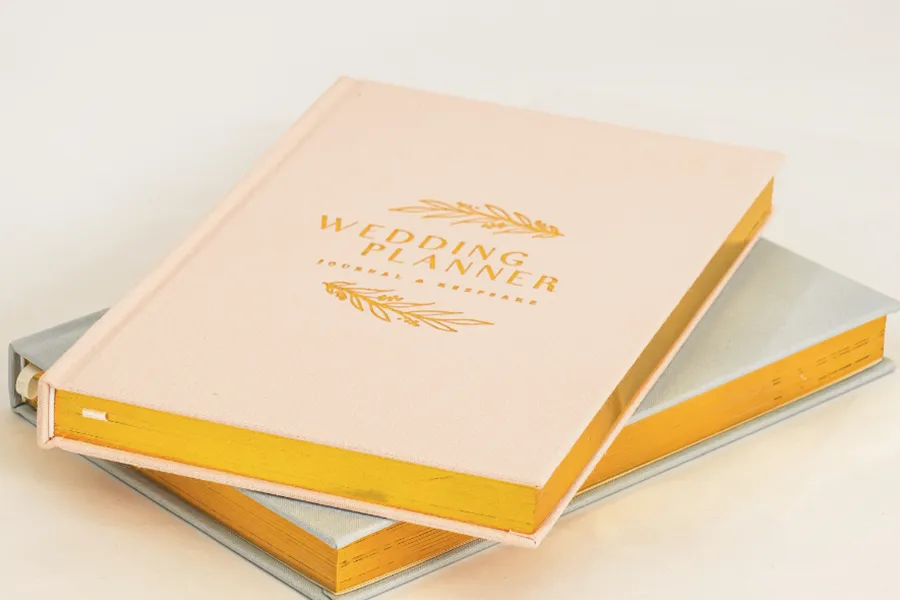
이점을 이해하신 후, 재료, 하드커버 도서의 응용, 인쇄 프로젝트를 시작하기 전에 고려해야 할 몇 가지 주요 요소가 있습니다. 이러한 결정은 최종 도서가 귀하의 품질을 충족하는 데 도움이 됩니다., 예산, 기능적 요구 사항.
도서 목적, 청중, 및 사용 요구 사항
책의 목적은 책의 형식에 직접적인 영향을 미칩니다, 디자인 방향, 및 생산 요구 사항. 매일 읽는 양장본은 발표나 수집을 위해 디자인된 고급 출판물과 다른 사양이 필요할 수 있습니다..
생산을 시작하기 전에, 독자가 책과 어떻게 상호 작용할 것인지 고려하십시오.:
- 읽기 빈도: 정기적으로 사용하는 책, 동화책이나 교육자료 등, 반복적인 사용을 처리하려면 더 강력한 구조가 필요합니다..
- 대상 고객: 독자마다 외모에 대한 기대가 다릅니다, 편안, 그리고 내구성.
- 도서 목적: 기업 출판물, 선물 책, 컬렉터 에디션은 프리미엄 프레젠테이션과 브랜드 가치에 더 중점을 두는 경우가 많습니다..
이러한 요소를 이해하면 시각적 매력 간의 올바른 균형을 결정하는 데 도움이 됩니다., 내구성, 및 생산 비용. 잘 계획된 하드커버 책은 인상적으로 보일 뿐만 아니라 의도한 독자에게 적합한 경험을 제공해야 합니다..
책 크기, 페이지 수, 및 용지 선택
하드커버 책의 물리적 사양은 생산 품질과 전반적인 성능 모두에 영향을 미칩니다.. 크기, 페이지 수, 그리고 종이 선택이 함께 작용하여 책의 무게를 결정합니다., 핸들링 경험, 및 인쇄 요구 사항.
평가할 중요한 사양은 다음과 같습니다.:
| 사양 | 하드커버 책 인쇄에 미치는 영향 |
|---|---|
| 트림 크기 | 전체적인 모습을 결정합니다, 독서의 편안함, 완성된 책의 포장 요구 사항 및. |
| 페이지 수 | 책 두께에 영향을 미칩니다, 구속력 있는 요구사항, 그리고 최종 생산 비용. |
| 종이 무게 | 책의 느낌을 좌우한다, 내구성, 다양한 콘텐츠 유형에 대한 적합성. |
| 컬러 인쇄 요구 사항 | 인쇄 품질을 결정하며 특히 이미지 중심 출판물에 중요합니다.. |
예를 들어, 큰 사진첩의 경우 이미지 품질과 전체 무게 간의 균형을 유지하기 위해 신중한 계획이 필요할 수 있습니다.. 작은 하드커버 소설은 편안한 읽기와 효율적인 제작에 더 중점을 둘 수 있습니다..
올바른 사양을 선택하면 최종 제품이 실제 생산 요구 사항을 충족하면서 일관된 독서 경험을 제공할 수 있습니다..
인쇄 수량, 예산, 및 사용자 정의 옵션
생산 계획은 하드커버 도서 프로젝트에서도 중요한 역할을 합니다.. 주문 수량, 사용자 정의 수준, 예산은 모두 가장 적합한 생산 방식에 영향을 미칩니다..
인쇄 계획을 준비할 때, 기업은 평가해야 한다:
- 인쇄 수량: 일반적으로 수량을 늘리면 비용 효율성이 향상됩니다., 소규모 주문에는 보다 유연한 솔루션이 필요할 수 있습니다..
- 사용자 정의 수준: 특수 마감 처리 및 프리미엄 옵션은 책의 가치를 높일 수 있지만 생산 비용에 영향을 미칠 수 있습니다..
- 총 프로젝트 예산: 재료 선택, 마무리 세부 사항, 포장, 배송도 함께 고려해야합니다.
포일 스탬핑과 같은 사용자 정의 옵션, 양각 커버, 특수 마감 처리를 통해 기업은 시장에서 눈에 띄는 독특한 하드커버 책을 만들 수 있습니다.. 하지만, 각 추가 기능은 명확한 가치 없이 비용을 증가시키기보다는 책의 목적을 지원해야 합니다..
숙련된 하드커버 도서 인쇄 파트너와 협력하면 출판사와 기업이 품질 간의 적절한 균형을 찾는 데 도움이 됩니다., 맞춤화, 예산 효율성.
하드커버 인쇄에 적합한 책은 무엇인가요??
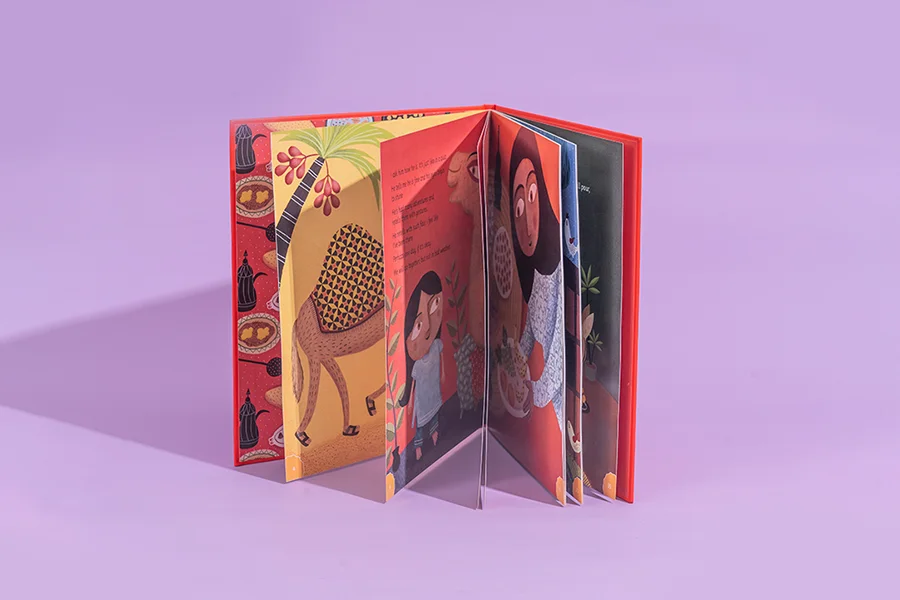
하드커버 인쇄는 내구성이 뛰어난 출판물에 적합합니다., 프레젠테이션, 지속적인 가치가 중요합니다. 책 유형에 따라 목적에 맞게 다양한 형식이 필요합니다., 청중, 및 사용 요구 사항.
아동 도서
어린 독자들은 책을 자주 다루는 경우가 많다, 이 카테고리에서는 내구성과 손쉬운 유지 관리가 중요한 요소입니다..
- 내구성: 견고한 커버는 페이지가 휘어지는 것을 방지합니다., 찢는, 그리고 평소에 입는.
- 안전성과 유용성: 구조가 더 튼튼해 아이들이 책을 더 쉽게 잡고 사용할 수 있습니다..
- 장기적인 가치: 내구성이 뛰어난 구조로 아동 도서가 오랫동안 좋은 상태를 유지하도록 돕습니다..
사진집 및 아트북
고품질 이미지와 시각적 콘텐츠에는 인쇄된 페이지를 보호하면서 프레젠테이션을 향상할 수 있는 형식이 필요합니다..
- 프리미엄 프레젠테이션: 강력한 커버 구조로 전문적인 사진과 예술 작품을 보완합니다..
- 더 나은 보호: 내구성이 뛰어난 소재로 인쇄된 페이지와 특수 용지를 보존합니다..
- 소장용 매력: 프리미엄 마감재와 소재로 한정판 또는 특별판의 가치를 높입니다..
기업 장부 및 연차 보고서
기업에서는 브랜드 스토리를 전달하기 위해 전문 출판물이 필요한 경우가 많습니다., 업적, 그리고 중요한 정보.
- 브랜드 이미지: 프리미엄 북 디자인으로 기업 아이덴티티 강화 및 비즈니스 프레젠테이션 향상.
- 전문적인 커뮤니케이션: 고품질 출판물은 고객 미팅을 지원합니다, 이벤트, 그리고 회사의 이정표.
- 장기 참고자료: 내구성 있는 구조로 귀중한 비즈니스 정보를 보존할 수 있습니다..
교육 서적 및 참고 출판물
교실에서 사용되는 책, 도서관, 전문적인 환경에는 반복 사용을 지원하는 안정적인 구조가 필요합니다..
- 빈번한 취급: 견고한 커버는 정기적으로 읽고 참조하는 동안 더 나은 보호 기능을 제공합니다..
- 수명 연장: 내구성 있는 제본으로 수년 동안 책의 품질을 유지할 수 있습니다..
- 전문적인 품질: 하드커버 형식은 교육 자료에 신뢰성을 더해줍니다..
컬렉터 에디션 및 프리미엄 출판물
한정판과 특별 간행물은 독자가 소장하고 싶은 가치 있는 제품을 만드는 데 초점을 맞추는 경우가 많습니다..
- 독점적인 디자인: 맞춤형 커버와 마감 옵션으로 독특한 외관 연출.
- 더 높은 가치: 고급 소재로 소장 도서의 인지도가 향상됩니다..
- 장기 보존: 견고한 구조로 수년간 중요한 출판물을 보호할 수 있습니다..
요리책
음식 사진과 레시피를 결합하면 실용적인 내구성과 프리미엄 프레젠테이션의 이점을 모두 누릴 수 있는 출판물이 만들어집니다..
- 빈번한 사용: 튼튼한 커버는 요리 중에 정기적으로 열어서 다루는 책을 보호하는 데 도움이 됩니다..
- 시각적 품질: 하드커버 구조는 음식 사진과 자세한 레시피를 위한 프리미엄 플랫폼을 제공합니다..
- 선물 어필: 고품질 소재와 마감 옵션으로 요리책은 개인 소장품과 고급 선물용으로 적합합니다..
이 내용을 좀 더 자세히 이해하고 싶다면, 당신은 또한 우리의 가이드를 읽을 수 있습니다 하드커버 요리책 인쇄 가이드.
출판사를 위한, 브랜드, 그리고 기업, 하드커버 책은 독서 자료 그 이상입니다.. 품질을 전달하는 프리미엄 제품입니다., 브랜드 가치 강화, 독자들과 지속적인 관계를 형성합니다..
양장본 책과 단행본 책: 주요 차이점
차이점을 이해하면 게시자에게 도움이 됩니다., 브랜드, 기업은 목표에 따라 올바른 형식을 선택합니다., 예산, 그리고 독자의 기대.
내구성의 차이, 비용, 및 외관
하드커버 책과 페이퍼백 책의 주요 차이점은 구조에 있습니다., 생산 과정, 용도와 용도. 하드커버 도서는 장기적인 가치와 프리미엄 프레젠테이션에 중점을 둡니다., 단행본은 보다 유연하고 비용 효율적인 옵션을 제공합니다..
| 특징 | 하드 커버 서적 | 단행본 책 |
|---|---|---|
| 커버 구조 | 장기간 사용에도 더욱 강력한 보호 기능을 제공하는 견고한 보드 커버 사용. | 가볍고 쉽게 운반할 수 있는 유연한 종이 커버를 사용합니다.. |
| 내구성 | 더 긴 수명과 빈번한 취급이 필요한 도서에 적합합니다.. | 일반적인 독서와 단기 사용에 더 적합. |
| 모습 | 전문적이고 특별한 출판물에 적합한 고급스러운 외관을 연출합니다.. | 일상적인 출판을 위한 간단하고 실용적인 형식을 제공합니다.. |
| 생산 비용 | 더 강한 재료와 추가 생산 단계로 인해 더 많은 투자가 필요함. | 대용량 인쇄를 위한 보다 경제적인 솔루션 제공. |
| 무게 | 무거운 구조는 더 나은 보호 기능을 제공하지만 배송 무게는 증가합니다.. | 가벼워진 디자인으로 유통과 운송이 더욱 쉬워집니다.. |
| 사용자 정의 | 프리미엄 및 맞춤형 디자인을 위한 더 많은 마감 옵션 지원. | 더 적은 마무리 옵션을 제공하지만 표준 출판물에 적합합니다.. |
일반적으로, 하드커버 책은 내구성이 필요한 프로젝트에 더 적합합니다., 프리미엄 프레젠테이션, 그리고 장기적인 가치. 단행본은 가격이 저렴할 때 선호되는 경우가 많습니다., 이식성, 효율적인 분배가 최우선 과제입니다..
언제 페이퍼백 대신 하드커버를 선택해야 할까요??
올바른 형식은 출판의 목적과 독자를 위해 만들고자 하는 경험에 따라 다릅니다..
에이 하드커버 책 일반적으로 다음과 같은 경우에 더 나은 선택이 됩니다.:
- 장기 보존: 책은 수년간 품질을 유지해야 합니다., 컬렉터 에디션과 같은, 참고서, 또는 전문 출판물.
- 브랜드 프리젠테이션: 출판물은 회사를 대표합니다., 조직, 또는 보다 강한 시각적 임팩트가 요구되는 프리미엄 제품.
- 프리미엄 리더 경험: 이 책은 선물용으로 디자인되었습니다., 스페셜 에디션, 또는 고가치 출판물.
에이 단행본 다음과 같은 경우에 더 적합할 수 있습니다.:
- 비용 효율성: 이 프로젝트에는 더 낮은 생산 비용이나 더 많은 인쇄량이 필요합니다..
- 간편한 배포: 배송에는 가벼운 책이 선호됩니다., 소매 판매, 또는 국제 유통.
- 실용독서: 출판물은 장기 보존보다는 접근성과 일상적 사용에 중점을 둡니다..
출판사와 기업용, 최선의 선택은 시장에서 책의 역할에 달려 있다. 하드커버 형식은 더욱 강력한 인식 가치를 창출할 수 있습니다., 단행본 형식은 비용에 민감한 프로젝트에 더 큰 유연성을 제공할 수 있습니다..
이 기사를 읽고 책 제본 방법에 대해 자세히 알아볼 수 있습니다.: 보드북, 하드커버, 페이퍼백의 차이점
최종 생각
잘 디자인된 하드커버 책은 고품질의 자료를 통해 장기적인 가치를 제공할 수 있습니다., 믿을 수 있는 구조, 프리미엄 독서 경험. 출판사를 위한, 브랜드, 및 조직, 하드커버 책 인쇄 품질을 반영하고 지속적인 인상을 남기는 출판물을 만드는 전문적인 방법을 제공합니다..
어떤 인쇄 제공한다 맞춤형 하드커버 도서 인쇄 솔루션 유연한 형식으로, 재료 옵션, 그리고 마무리 서비스. 우리는 내구성이 뛰어난 제품을 만들기 위해 글로벌 고객과 협력합니다., 브랜드 목표와 출판 요구 사항에 맞는 고품질 도서.
자주 묻는 질문
하드커버 책은 얼마나 오래 지속되나요??
잘 만들어진 하드커버 책은 일반적으로 일반적인 가정이나 도서관 조건에서 40~60년 동안 지속됩니다.. 중성지와 적절한 보관 등 보관용 품질의 재료 사용, 그들은 지속될 수 있습니다 100 년 이상. 이는 일반적으로 일반 문고본의 수명보다 2~3배 더 깁니다..
맞춤형 하드커버 책을 인쇄하는 데 시간이 얼마나 걸립니까??
맞춤형 하드커버 책의 제작 시간은 책 크기와 같은 요인에 따라 다릅니다., 페이지 수, 재료, 마무리 옵션, 및 주문 수량. 디자인이 복잡하거나 특수 마감 처리된 프로젝트에는 추가 시간이 필요할 수 있습니다.. 숙련된 하드커버 도서 인쇄 공급업체와 협력하여 교정 승인부터 최종 배송까지 효율적인 생산을 보장합니다..
하드커버 책 인쇄에 사용할 수 있는 사용자 정의 옵션은 무엇입니까??
맞춤형 하드커버 도서는 다양한 표지 소재를 통해 개인화할 수 있습니다., 용지 옵션, 바인딩 방법, 그리고 마무리 기술. 일반적인 옵션에는 맞춤형 커버 디자인이 포함됩니다., 포일 스탬핑, 엠보싱, 특별한 질감, 독특한 책 형식. 이러한 사용자 정의 선택은 출판사와 기업이 브랜드 아이덴티티와 프로젝트 목표에 맞는 책을 만드는 데 도움이 됩니다..
하드커버 책 인쇄 비용에 영향을 미치는 요인은 무엇입니까??
하드커버 책 인쇄 비용은 여러 요인에 따라 달라집니다., 책 사양 포함, 재료 선택, 인쇄 수량, 바인딩 방법, 및 사용자 정의 요구 사항. 고급 소재와 특수 마감재로 인해 전체 비용이 증가할 수 있습니다., 생산량이 많을수록 일반적으로 비용 효율성이 향상됩니다.. 상세한 프로젝트 평가는 품질과 예산 사이의 적절한 균형을 이루는 데 도움이 됩니다..
“나와 비슷해 보이는, 같은 장르의 책을 골랐어요, 비슷한 페이지 수, Barnes의 같은 선반 & 고귀한. 하지만 나란히, 뭔가 기분이 이상했다. 내 것은 거의 집에서 만든 것처럼 보였습니다.” 이런 현상은 왜 발생하는가? 문제는 스토리나 하드커버 디자인이 아니었습니다. 하드커버 책의 차원이었죠.
전통적으로 출판된 하드커버 옆에 배치하는 경우, 많은 인디 책들이 즉시 다르게 보였습니다.. 비율이 어색한 느낌. 척추가 바르게 자리잡지 못했어요. 일부 중고 트림 사이즈는 서점에서 보기 드물게, 책을 엉뚱한 방식으로 눈에 띄게 만드는 것.
그게 하드커버 출판의 현실이죠: 독자는 책을 읽기 전에 책을 판단한다.
차원, 두께, 하드커버의 비율은 책장에서 얼마나 전문적으로 보이는지에 즉각적으로 영향을 미칩니다.. 아름답게 디자인된 책이라도 크기가 틀리면 위화감을 느낄 수 있습니다..
이 안내서에서, 우리는 당신이 알아야 할 모든 것을 분석합니다 하드커버 책 치수, 표준 하드커버 크기부터 단계별 표지 계산 공식까지, 또한 인쇄하기 전에 등뼈 두께를 추정하는 신뢰할 수 있는 방법.
빠른 참조 테이블: 표준 하드커버 크기
다음은 가장 일반적인 트림 크기입니다. (완성된 책 블록 크기). 이러한 치수는 모든 전문 프린터와 명확하게 의사소통하는 데 도움이 됩니다..
| 양장본 도서 유형 | 트림 크기 (신장) | 트림 크기 (mm) | 일반적인 사용 사례 |
| 하드커버 거래 | 6″ × 9″ | 152 × 229 | 짧은 이야기, 논문집, 비즈니스 서적 |
| 콤팩트 / 다이제스트 하드커버 | 5.5″ × 8.5″ | 140 × 216 | 포켓 사이즈 선물 도서, 시, 그리고 작은 신앙서적들 |
| 미국 편지 하드커버 | 8.5″ × 11″ | 216 × 280 | 교과서, 매뉴얼, 보고서 |
| A5 하드커버 | 5.8″ × 8.3″ | 148 × 210 | 저널, 플래너, 노트북 |
| B5 하드커버 | 6.9″ × 9.8″ | 176 × 250 | 교과서, 기술 가이드 |
| 만화 양장본 | 6.625″ × 10.25″ | 168 × 260 | 그래픽 소설, 지세도 |
| 포켓 하드커버 | 4.25″ × 6.87″ | 108 × 175 | 포켓 소설, 여행 서적 |
| 로얄 하드커버 | 6.14″ × 9.21″ | 156 × 234 | 학술 및 논픽션 도서 |
| 사각아동도서 | 8″ × 8″ | 203 × 203 | 어린이 그림책 |
| 풍경 하드커버 | 10″ × 8″ | 254 × 203 | 사진과 미술 서적 |
미국 시장을 타겟으로 한다면, 6″×9″는 소설과 일반 논픽션 분야에서 단연 가장 인기 있는 선택입니다.. 영국 및 유럽 시장용, Royal과 Demy는 여전히 강력한 경쟁자로 남아 있습니다..
하드커버 책 크기 계산 방법
하드커버 책을 인쇄할 때, 트림 크기만으로는 최종 표지 레이아웃을 만드는 데 충분하지 않습니다.. 계산이 필요해요: 척추 너비, 트림 사이즈, 위에 걸리다, 그리고 케이스 커버 사이즈. 이러한 측정값을 함께 사용하여 전체 하드커버 케이스 크기를 결정합니다..
| 차원 | 설명 | 예 (6″×9″ 트림, 0.7" 척추) |
| 트림 크기(책 블록) | 제본 및 트리밍 후 페이지의 너비와 높이. 책을 덮으면 독자가 보게 되는 모습, 커버는 제외. | 6″ × 9″ |
| 케이스 커버 크기 | 견고한 하드커버 케이스의 외부 치수 (판자 + 피복재). 페이지를 보호하기 위해 항상 트림 크기보다 큽니다.. | ≒ 6.25″ × 9.25″ |
| 위에 걸리다 | 하드커버 케이스가 각 측면의 잘린 페이지 이상으로 확장되는 양. | ≒ 0.125″ 면당 |
| 척추 너비 | 책 등뼈의 두께, 페이지 수와 용지 두께에 따라 결정됨. | ≒ 6.25″ × 9.25″ |
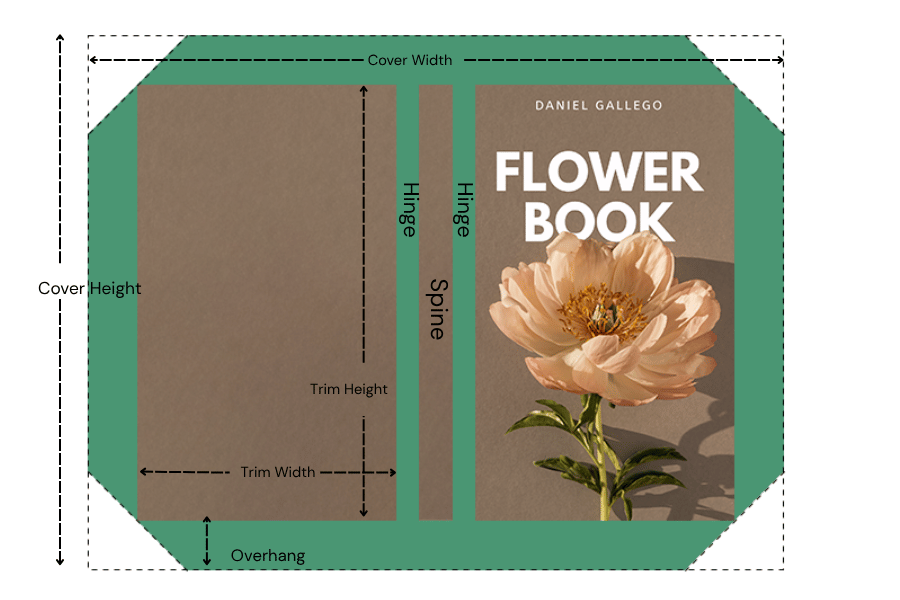
하드커버 책 크기와 트림 크기
하드커버 작품을 디자인하기 전에, 전체 케이스 커버 치수를 올바르게 계산하는 것이 중요합니다.. 이는 척추를 보장합니다., 포장하다, 인쇄 및 제본 중에 표지 요소가 올바르게 정렬됩니다.. 다음은 프린터가 최종 하드커버 커버 측정을 결정하는 데 사용하는 표준 공식입니다..
- 케이스 커버 너비 = (트림 너비 × 2) + 척추 너비 + (왼쪽 돌출부 + 오른쪽 오버행)
- 케이스 커버 높이 = 트림 높이 + (상단 오버행 + 하단 오버행)
돌출부 크기는 일반적으로 책이 두꺼워질수록 증가합니다.. 더 큰 하드커버 책은 내부 페이지를 더 잘 보호하고 선반에서 균형 잡힌 비율을 유지하기 위해 더 넓은 케이스 확장이 필요합니다..
일반적인 지침으로는:
- 아래의 하드커버 책 400 페이지는 일반적으로 약 0.125″의 돌출부를 사용합니다. (3 mm) 열린 면마다.
- 사이의 책 400 그리고 800 페이지에는 약 0.1875″의 약간 더 큰 오버행이 필요한 경우가 많습니다. (4.5 mm).
- 매우 두꺼운 하드커버 800 페이지는 0.25″의 돌출부를 사용할 수 있습니다. (6 mm) 또는 그 이상, 바인딩 구조와 보드 두께에 따라 다름.
척추구조 때문에, 종이 종류, 바인딩 스타일은 모두 최종 케이스 크기에 영향을 줄 수 있습니다., 생산을 시작하기 전에 항상 프린터로 정확한 오버행 사양을 확인하는 것이 좋습니다..
예 (미국 무역 6″×9″, 300 페이지)
가정해보자:
- 트림 사이즈: 6″ 너비 × 9″ 높이
- 척추 너비 (추정된): 0.7″ (섹션 참조 4 계산을 위해)
- 위에 걸리다: 0.125″ 양쪽에
케이스 커버 폭
= (6″ × 2) + 0.7″ + 0.125″ + 0.125″
= 12″ + 0.7″ + 0.25″
= 12.95″
케이스 커버 높이
= 9″ + 0.125″ + 0.125″
= 9.25″
따라서 최종 케이스 커버 크기는 너비 12.95인치 × 높이 9.25인치입니다..
표지 아트웍의 트림 크기에 사용해야 하는 치수입니다.(블리드를 추가하기 전에).
하드커버 돌출부 권장 사항
하드커버 돌출량은 일반적으로 책이 두꺼워질수록 증가합니다.. 더 크고 무거운 책은 내구성을 향상시키기 위해 약간 더 넓은 케이스 확장이 필요한 경우가 많습니다., 페이지 가장자리 보호, 그리고 균형 잡힌 비율을 유지하세요.
일반적인 생산 지침으로:
| 책 두께 (페이지) | 권장 오버행 |
| 최대 400 페이지 | 약 0.125″ (3 mm) |
| 400-800페이지 | 약 0.1875″ (4.5 mm) |
| 위에 800 페이지 | 약 0.25″ (6 mm), 바인딩 구조에 따라 |
실제 돌출부 치수는 하드커버 제본 스타일에 따라 다를 수 있습니다., 보드 두께, 및 프린터 생산 표준.
책등 너비가 하드커버 크기에 미치는 영향
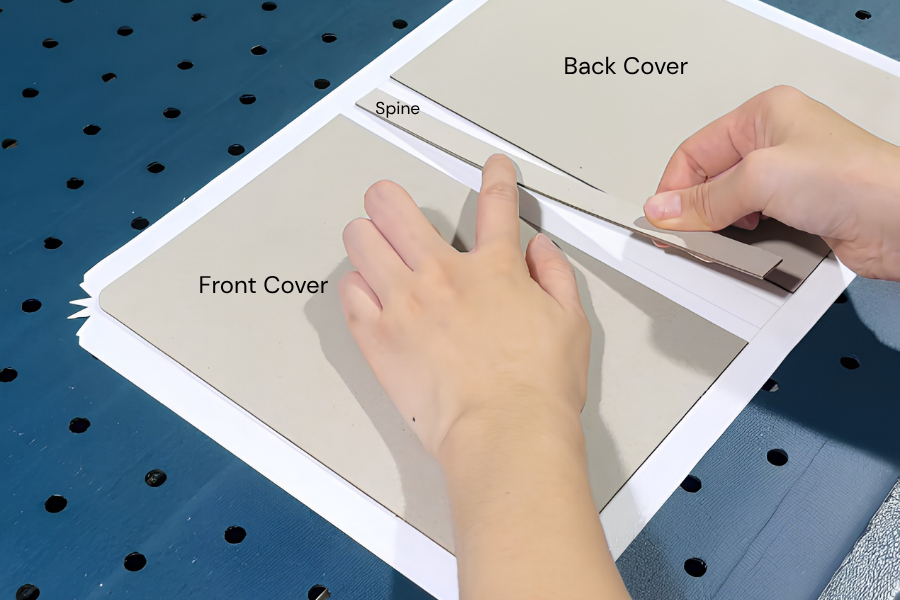
견적 척추 두께 양장본 크기에는 정확한 정보가 필수적입니다. 특히 책등에 텍스트나 그래픽이 포함되어 있는 경우에는 더욱 그렇습니다.. 표지를 디자인하기 전에는 인쇄된 책 블록이 없기 때문에, 다음 방법을 사용하십시오.
- 척추 두께 (mm) = (총 페이지수 ¶ 2) × 종이 두께 (시트당 mm)
용지 두께 참고표
| 종이 유형 | GSM | 시트당 두께 (mm) | 시트당 두께 (신장) |
| 코팅된 무광택/광택 용지 | 80 | 0.10 | 0.0040 |
| 코팅되지 않은 오프셋 (프리미엄) 종이 | 100 | 0.12 | 0.0047 |
| 코팅된 무광택/광택 용지 | 128 | 0.11 | 0.0043 |
| 코팅된 무광택/광택 용지 | 157 | 0.14 | 0.0055 |
| 코팅된 무광택/광택 Ppaer | 200 | 0.18 | 0.0071 |
계산 예
대본:
- 300 페이지
- 80 GSM 코팅되지 않은 종이 (0.10 시트당 mm)
척추 두께 = (300 ¶ 2) × 0.10 mm = 150 × 0.10 = 15.0mm(대략. 0.59″)
제본 스타일이 하드커버 크기에 미치는 영향?
하드커버 제본 스타일에 따라 최종 표지 크기가 약간 변경될 수 있습니다..
- 정사각형 뒷면 하드커버는 표준 계산 공식을 직접 사용합니다..
- 둥근 등뼈 하드커버는 일반적으로 곡선 모양을 고려하여 약간 더 넓은 등뼈 여유 공간이 필요합니다..
- 더스트 재킷은 하드커버 케이스보다 약간 크게 인쇄되어 보드를 감싸고 접을 수 있습니다..
결합 구조가 최종 측정에 영향을 미치기 때문에, 작품을 완성하기 전에 항상 프린터로 정확한 표지 템플릿을 확인하는 것이 가장 좋습니다..
우리가 인쇄한 실제 하드커버 책
단순한 계산이 아닌 실제 책, 실제 치수, 실제 결과. 다음은 출판사를 위해 제작한 몇 가지 하드커버 타이틀입니다., 독립 작가, 북미와 유럽 전역의 브랜드.
이상한 나라의 앨리스의 모험
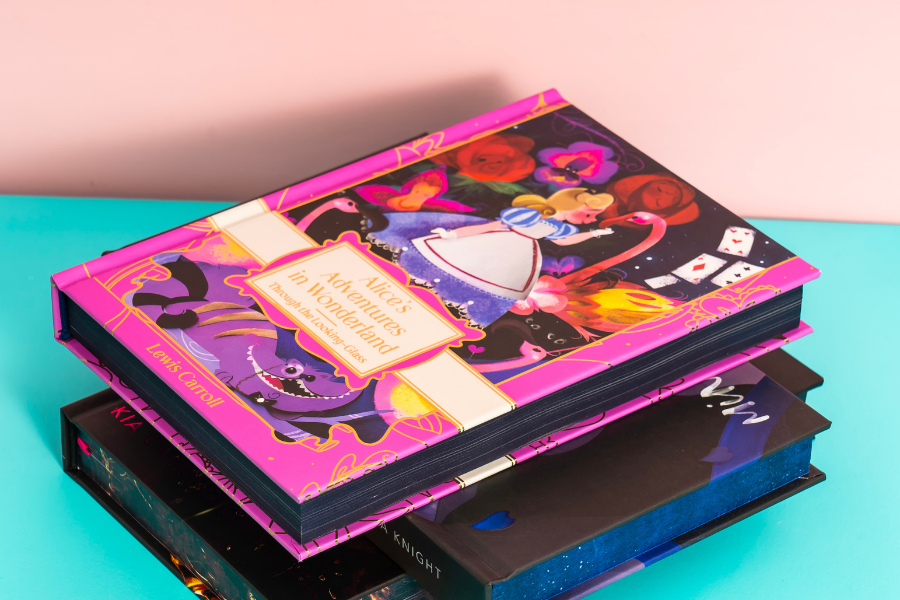
위의 예는 프리미엄 시각적 프레젠테이션을 위해 디자인된 대형 하드커버 책을 보여줍니다.. 클라이언트 요구 사항에 따라, 이번 버전의 사양은 다음과 같습니다:
- 완성된 크기: 8 인치 × 10 신장
- 제본: 하드 커버 (사각 척추)
- 예상 척추 너비: 20 mm
- 표지 스타일: 인쇄된 종이 오버레이가 있는 회색 판지 커버
- 표면 마감: 무광택 라미네이션, 별색 인쇄
- 내부 페이지 스타일: 검은색 테두리 인쇄/어두운 페이지 가장자리
이 크기의 하드커버 책은 일반적으로 다음 용도로 사용됩니다.:
- 어린이 그림책
- 컬렉터 에디션
- 프리미엄 선물 도서
- 예술 및 판타지 출판물
하드커버 책의 크기가 클수록 책장에 시각적으로 더 눈에 띄게 됩니다., 아이들의 관심을 끄는, 두꺼운 사각형 책등이 책을 더욱 고급스럽게 만들어줍니다., 전통적인 출판 느낌, 책장이나 매장 카운터의 디스플레이 가치 향상.
Gygy로 내 신체 부위 배우기
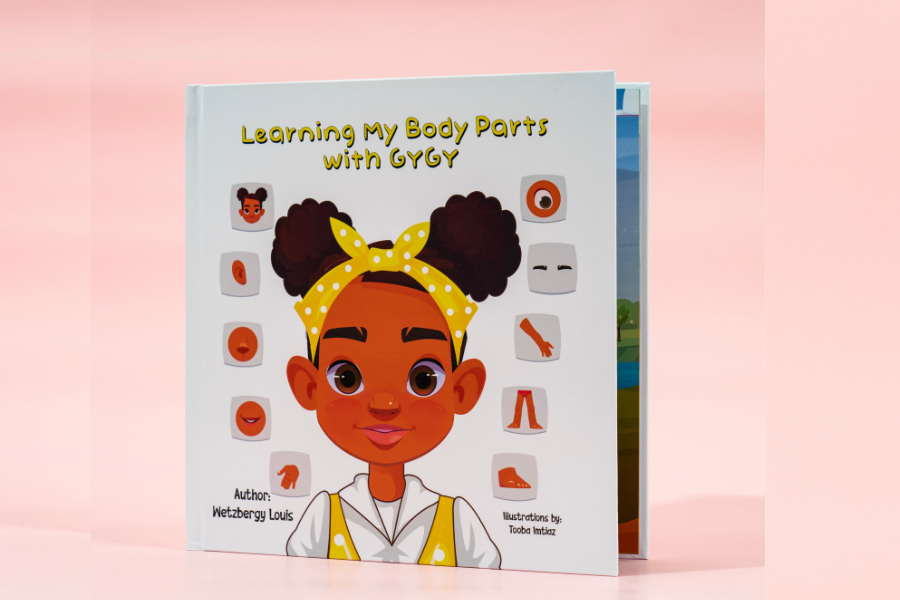
비율에 따라, 이 책은 세로형 어린이 형식을 사용합니다.. 본 하드커버 도서 사양은 다음과 같습니다.:
- 트림 크기: 8.5″ × 11″
- 바인딩 유형: 사각 등뼈가 있는 케이스 제본 하드커버
- 커버 자료: 그레이보드에 인쇄된 아트지
- 마무리 손질: 부드러움을 위한 무광택 라미네이션, 내구성 있는 표면
- 보드 두께: 어린이에게 친숙한 내구성을 갖춘 중간 무게의 하드커버 보드
이 크기는 가독성 사이에 더 나은 균형을 제공하기 때문에 교육용 아동 도서에 일반적으로 사용됩니다., 일러스트레이션 공간, 및 페이지 상호 작용. 어린이 하드커버 도서의 경우, 더 큰 트림 크기로 인해:
- 더 큰 일러스트레이션과 더 선명한 타이포그래피
- 어린이 독자를 위한 더욱 편안한 페이지 레이아웃
- 교실 또는 부모와 자녀가 함께 읽는 동안 가시성이 향상됩니다.
- 서점 및 교육 시장에서 더욱 강력한 진열 매력
상대적으로 넓은 앞표지 비율과 두꺼운 하드커버 보드도 눈에 띕니다., 내부 페이지가 구부러지거나 손상되지 않도록 보호하면서 책이 내구성과 고급감을 느낄 수 있도록 도와줍니다.. 그렇기 때문에 출판사는 일반적으로 그림책에 더 큰 하드커버 트림 크기를 사용합니다., 교육 서적, 그리고 이와 같은 대화형 학습 제목.
최종 생각
프로젝트마다 다르기 때문에, 사용자는 페이지 수를 기준으로 하드커버 책의 크기를 계산하는 것이 좋습니다., 종이 두께, 바인딩 방법, 생산이 시작되기 전에 의도된 시장 사용.
맞춤형 하드커버 프로젝트를 계획 중이고 올바른 트림 크기를 결정하는 데 도움이 필요한 경우, 척추 너비, 또는 표지 레이아웃, 우리 팀은 귀하의 프로젝트에 대한 제작 권장 사항과 인쇄 가능한 하드커버 템플릿을 제공하는 데 도움을 드릴 수 있습니다..
A well-designed hardcover cookbook achieves a careful balance between clear information delivery and visual appetite appeal. 기능성을 결합해야 함, 미적 우수성, 기억에 남는 사용자 경험을 만들기 위한 브랜드 일관성. 성공적인 하드커버 요리책은 세 가지 필수 요소를 바탕으로 구성됩니다.: 고품질의 시각적 표현, 내구성 있고 유연한 바인딩, 적절하게 선택된 크기와 형식. Premium image printing ensures that every dish is reproduced with accurate color, rich detail, and realistic texture, while precise layout and professional binding guarantee smooth page flow and long-term structural stability. 동시에, the right dimensions and thoughtful design details enhance usability in real kitchen environments. When these elements work together, the result is a hardcover cookbook that not only attracts attention visually but also reflects superior craftsmanship, 내구성, and brand value.
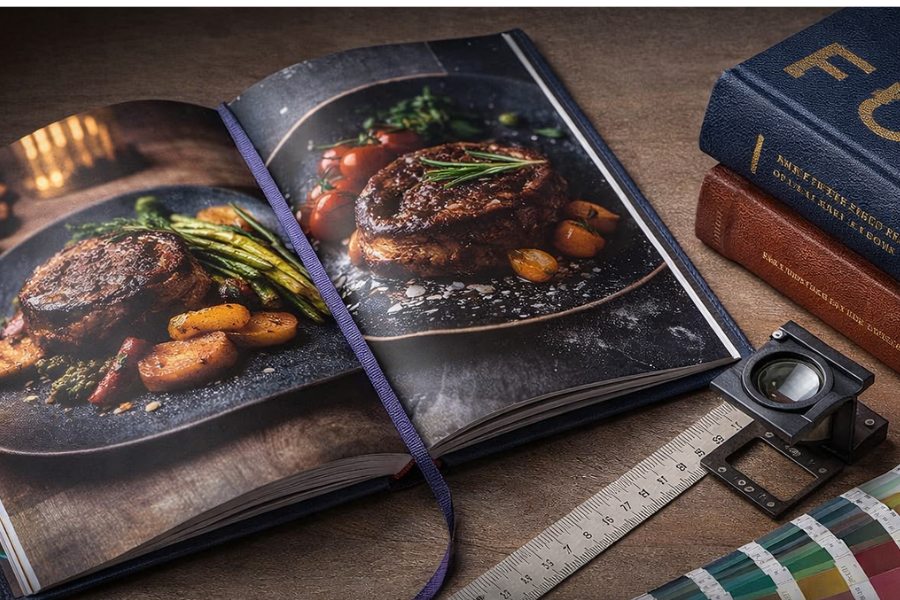
How Food Photography Becomes the Soul of a Hardcover Cookbook
Food photography is the emotional and visual centerpiece of any successful hardcover cookbook. The ability to accurately present color, 조직, and freshness directly determines how appealing the dishes appear to readers. High-quality printing ensures that every image communicates an appealing appeal while reinforcing the overall brand identity. In professional hardcover cookbook production, visual presentation is not only about aesthetics. It is a strategic combination of paper selection, color management, finishing techniques, and precise layout planning.
Paper selection is the first critical factor affecting image quality. 코팅지, such as gloss art paper and matte art paper, are widely preferred in hardcover cookbook printing because their smooth coated surface prevents excessive ink absorption. This allows ink to remain on the surface, maximizing color saturation, sharpness, and detail. 대조적으로, uncoated offset paper absorbs more ink, often causing colors to appear dull or gray. Gloss art paper enhances vibrancy and contrast, making dishes look more vivid and fresh, while matte art paper reduces glare and creates a more refined, premium appearance. 인쇄 후, finishes such as gloss lamination or UV coating can further enhance brightness and saturation, whereas matte lamination or matte varnish provides a softer, more elegant look, ideal for brands seeking a sophisticated visual tone.
Professional color management is equally essential to achieving consistent and accurate results. All food images should maintain a minimum resolution of 300 DPI to ensure sharp reproduction in print. Color also plays a functional and psychological role in hardcover cookbook design. Warm tones such as red, orange, and yellow naturally stimulate appetite and draw attention, while neutral tones create visual balance and improve readability. The primary color palette should align with the restaurant or brand identity to strengthen brand recognition, secondary colors can help organize content sections, and accent colors highlight signature dishes or seasonal specialties. To maintain visual harmony, a well-designed hardcover cookbook typically limits its palette to two or three core colors, using variations in brightness and saturation to create depth without overwhelming the reader.
양산 전, professional color proofing and sampling are essential to ensure accurate color reproduction. This process allows designers and manufacturers to verify color accuracy, detect potential shifts, and make adjustments before full-scale printing begins. Proper proofing ensures that the final hardcover cookbook faithfully reproduces the natural tones, freshness, and visual appeal of the food, while minimizing costly production errors and revisions.
Surface finishing techniques further enhance the visual impact and perceived value of a hardcover cookbook. Processes such as spot UV, 포일 스탬핑, 엠보싱, and soft-touch lamination can highlight key design elements, create visual hierarchy, and elevate the tactile experience. These finishing details not only improve durability but also reinforce the premium positioning of the cookbook and the brand it represents.
마지막으로, layout structure must be carefully planned to work in harmony with printing and binding requirements. Signature dishes are often presented using full-bleed or double-page spreads to maximize visual impact, while supporting dishes are arranged in structured multi-image layouts to maintain balance and readability. This approach ensures smooth page flow, structural stability, and an engaging reading experience throughout the hardcover cookbook.
로서 professional printing manufacturer, we implement a rigorous prepress review, color calibration, and proofing process to ensure every hardcover cookbook achieves the highest standards of visual accuracy, 내구성, 생산 효율성. By carefully coordinating paper selection, color control, finishing techniques, and layout optimization, we help clients produce hardcover cookbooks that combine exceptional visual appeal with long-term performance and strong brand value.
Why Cover Materials and Binding Determine the Durability of a Hardcover Cookbook
The materials and structural design of a hardcover cookbook play a decisive role in defining its overall quality, 내구성, and visual identity. The cover material, 특히, sets the tone for the entire book and directly influences how readers perceive the brand. Options such as linen-textured cloth, leatherette, or specialty paper covers can instantly communicate sophistication and craftsmanship, while protective finishes like lamination or soft-touch coating enhance both tactile comfort and resistance to wear. These material choices not only improve longevity but also elevate the perceived value of the hardcover cookbook.
| Material Type | 주요 특징 | 최고의 대상 | Considerations |
| 옷감 / Linen Cover | Natural texture, soft visual tone, refined woven surface | Fine dining restaurants, organic cafés, wine bars, boutique restaurants | Can absorb stains more easily; consider stain-resistant coating or darker colors |
| Specialty Paper Cover | Unique textures (embossed, 대나무, tactile finishes), strong design identity | Modern restaurants, dessert shops, coffee houses, design-focused brands | Always review physical samples before final selection to ensure brand alignment |
| Pearl or Metallic Paper 씌우다 | Subtle shimmer, elegant light reflection | Upscale contemporary restaurants, luxury dining concepts | Upscale contemporary restaurants, luxury dining concepts |
| PU Leather Cover (Synthetic Leather) | 튼튼한, 비용 효율적, easy to clean, wide color options | Steakhouses, hotel restaurants, high-traffic dining environments | 튼튼한, 비용 효율적, easy to clean, and wide color options |
| Genuine Leather 씌우다 | Natural grain, develops character over time, luxury positioning | Michelin-level restaurants, private clubs, heritage brands | 더 높은 비용; best paired with foil stamping or embossing |
| PVC / Waterproof Cover | Water-resistant, easy to maintain, vibrant color options | Casual dining, seafood restaurants, family restaurants | Less premium feel compared to cloth or leather |
Beyond the surface, the internal structure and binding method are equally critical. A properly constructed hardcover uses high-density greyboard to provide rigidity and structural integrity, ensuring the book maintains its shape even with frequent handling. Professional mounting and wrapping techniques further enhance durability and create clean, refined edges. Among all binding methods, Smyth-sewn binding combined with hardcover construction is considered the gold standard for hardcover cookbook printing. This method significantly improves strength while allowing the book to lay flat naturally, making it easier for readers to follow recipes and view full-page food photography without obstruction. This lay-flat capability is especially important for cookbooks, which are often used in active kitchen environments.
Attention to finishing details further strengthens both visual appeal and brand recognition. Techniques such as foil stamping, 엠보싱, 디스 싱, and spot UV can highlight logos, 제목, or key design elements, creating visual contrast and tactile depth. These enhancements not only improve aesthetics but also communicate professionalism and premium positioning to the end user.
궁극적으로, the coordination of cover materials, structural design, 바인딩 기술, and finishing processes determines the durability, 유용성, and market perception of a hardcover cookbook. By carefully selecting the right combination of materials and binding methods, publishers and brands can create hardcover cookbooks that deliver exceptional visual impact, superior durability, and a lasting impression of quality.
How to Choose the Right Size and Detail Features for a Hardcover Cookbook
Selecting the appropriate size and incorporating thoughtful design details are essential steps in creating a hardcover cookbook or restaurant menu that is both functional and memorable. The right format improves readability, enhances usability, and reinforces the restaurant’s brand image, while carefully chosen finishing details can elevate the overall dining experience without significantly increasing production costs.
Standard Sizes for Hardcover Cookbooks and Restaurant Menus
The size of a hardcover cookbook or menu should be determined by the amount of content, dining environment, and user convenience.
A4 크기 (210 × 297 mm)
This is the most widely used and versatile size for restaurant menus and hardcover cookbooks. It provides ample space to clearly organize appetizers, main courses, desserts, and beverages without overcrowding the layout. A4 is ideal for dine-in restaurants, fine dining establishments, and premium cookbook presentations. For enhanced durability, lamination or protective coatings are commonly applied to extend lifespan and maintain visual quality.
A5 Size (148 × 210 mm)
A5 offers a more compact and portable format, making it perfect for cafés, small restaurants, tasting menus, or limited-item hardcover cookbooks. This size creates a cleaner and more intimate reading experience, encouraging customers to engage more comfortably with the content. It is especially suitable when simplicity and portability are priorities.
DL Size (99 × 210 mm)
This slim, vertical format creates a modern and elegant appearance. It is often used for drink menus, dessert menus, wine lists, or specialty selections. The unique proportions help create visual distinction and work particularly well in bars, lounges, and contemporary restaurant environments.
Detail Enhancements That Elevate the Hardcover Cookbook Experience
A truly memorable hardcover cookbook or menu often stands out because of subtle yet thoughtful design features. These enhancements not only improve visual appeal and tactile quality but also influence customer engagement and reinforce brand identity.
Spot UV for Visual Emphasis
Spot UV coating can be applied to specific elements such as food photography, 로고, or key dish names. This technique creates a subtle gloss contrast that highlights textures like the shine of a steak, the surface of a beverage, or rising steam from a dish. The result is increased visual depth and improved appetite appeal, especially under changing lighting conditions.
Die-Cut Cover Design
A die-cut window on the hardcover allows selected artwork, 로고, or featured dishes to be partially revealed. This layered visual effect adds sophistication, creates curiosity, and enhances the perceived design value of the hardcover cookbook.
Ribbon Bookmarks for Convenience and Premium Appeal
Integrated ribbon bookmarks provide both functional and aesthetic benefits. They allow readers to easily mark favorite recipes or sections while reinforcing the premium positioning of the hardcover cookbook. This small detail enhances usability and adds a refined finishing touch.
Fluorescent or Glow-in-the-Dark Ink for Low-Light Environments
For restaurants with dim lighting, such as bars or fine dining venues, fluorescent or glow-in-the-dark printing can improve readability while adding a distinctive and memorable visual effect. This feature enhances usability while contributing to a unique brand experience.
Custom Inner Pages for Brand Storytelling
The inside cover or opening pages can feature a welcome message, brand story, or chef’s recommendations. These elements help establish an emotional connection with readers and strengthen brand identity from the very first interaction.
Interactive and Specialty Design Elements
Creative features such as illustrated sections, themed layouts, or interactive elements can make the hardcover cookbook more engaging and memorable. These thoughtful details enhance the user experience and differentiate the brand in a competitive market.
Display Supports and Presentation Accessories
Custom-designed holders or display stands, such as wood or acrylic supports, can enhance presentation while protecting the hardcover cookbook during use. Proper presentation reinforces the premium image and improves overall usability in restaurant environments.
Strategic Considerations for Size and Detail Selection
Choosing the right size and design details should balance three key factors: 유용성, 브랜드 포지셔닝, 생산 효율성. Larger formats provide stronger visual impact, while smaller formats improve portability and convenience. Carefully selected finishing details can significantly enhance perceived value and customer engagement without substantially increasing production costs.
When size, 구조, and finishing details are strategically combined, the final hardcover cookbook becomes more than just an informational tool—it becomes a powerful extension of the restaurant’s brand, delivering both functional performance and lasting visual impression.
결론: Professional Printing Defines the True Value of a Hardcover Cookbook
The quality of a hardcover cookbook ultimately depends on the professionalism of the printing process and the careful selection of materials and finishing techniques. Beyond visual design alone, ensuring sharp image clarity and accurate color reproduction is the most critical factor in elevating the perceived quality of the final product. High-quality paper combined with precise printing allows food textures, 그림 물감, and details to be presented authentically, making the hardcover cookbook more visually appealing, credible, and engaging for readers.
Equally important is the practicality and durability of the structural design and binding method. Appropriate paper weight and professional binding not only improve the reading experience but also ensure long-term stability in high-frequency usage environments such as restaurants and commercial kitchens. Consistent color management and strict printing control further guarantee visual consistency throughout the hardcover cookbook, strengthening brand identity and maintaining a cohesive, 전문적인 모습.
궁극적으로, a well-produced hardcover cookbook is more than a simple presentation tool—it is a powerful extension of the restaurant’s brand. Superior printing quality, carefully selected materials, and refined finishing details continuously communicate professionalism and craftsmanship with every interaction. This enhances customer perception, builds trust, and elevates the overall dining experience, reinforcing the restaurant’s brand value long after the first impression.