Heavy hardcover books are designed for projects that require durability, premium presentation, そして長期的な価値. Their thicker cover structures, heavier paper options, and stronger binding methods create a more substantial feel compared with standard book formats.
For publishers and brands, understanding how materials and thickness affect a hardcover book is essential before production. Cover boards, 紙重量, ページ数, and finishing choices all influence the final quality, 料金, and user experience of the finished book.
What Makes Heavy Hardcover Books Premium and Durable
Heavy hardcover books stand out because their structure, 材料, and weight create a stronger sense of quality.
What Is a Hardcover Book and How Is It Structured
あ ハードカバーの本 is a book format that uses a rigid cover to protect the printed pages and provide a more durable, プレミアムな外観. Compared with paperback formats, hardcover books have a stronger outer structure, making them suitable for publications that require long-term use and higher perceived value.
A typical hardcover book consists of several basic components:
| 成分 | 関数 |
|---|---|
| Cover board | Creates a firm outer cover and protects the pages inside. |
| カバー材質 | Provides the book’s appearance, テクスチャ, and additional protection. |
| Book block | Contains the printed pages and determines much of the book’s thickness. |
| 脊椎 | Connects the cover structure and supports comfortable opening. |
While all hardcover books share this basic construction, heavy hardcover books usually use thicker boards, heavier paper, and stronger production specifications to create a more substantial feel. These differences make them a preferred choice for premium editions, フォトブック, children’s publications, and collectible books.
Why Heavy Hardcover Books Feel More Premium and Valuable
The weight of a book influences how readers perceive its quality. あ heavy hardcover book creates a stronger premium impression through its solid structure, 耐久性のある材料, and refined appearance. The feeling usually comes from a combination of thicker cover boards, heavier paper, reliable binding, and quality finishing. しかし, adding weight alone does not guarantee better quality. High-quality hardcover book printing requires the right balance between materials, 使いやすさ, production cost, and the purpose of the publication.
Common Uses of Heavy Hardcover Book Formats
Heavy hardcover books are commonly chosen for publications that require durability, premium presentation, そして長期的な価値. Their stronger construction makes them suitable for projects where appearance and lifespan are equally important.
Common applications include:
- Children’s hardcover books: Durable covers help withstand frequent handling while providing a premium reading experience.
- Photo books: Thicker paper and rigid covers improve image presentation and create a high-value keepsake.
- Art books and collector editions: Premium structures protect valuable content while improving shelf appeal and collectability.
- Corporate publications: Hardcover formats help companies present brand stories, annual reports, and promotional materials professionally.
- Gift books and special editions: A heavier structure increases perceived value and makes the product suitable for premium gifting.
For publishers and brands, choosing a heavy hardcover format is not only a design decision. It also helps strengthen product positioning and create books with higher perceived value in the market.

Hardcover Book Materials That Make Books Heavier and Stronger
The materials of a hardcover book determine its strength, 重さ, and overall feel. The right choices help create durable and premium heavy hardcover books.
Cover Boards and Hardcover Materials That Increase Durability
The cover structure plays an important role in determining the strength and weight of hardcover books. The board inside the cover provides rigidity, protects the pages, and creates the solid feeling that readers expect from a premium book.
Different cover boards offer different levels of strength and flexibility:
| 材料 | 特徴 | 適切な用途 |
|---|---|---|
| Grey board | 強い, 安定した, and widely used for reliable hardcover structures. | General hardcover books and commercial publications. |
| Thick paperboard | Provides good flexibility with a lighter overall weight. | Everyday books and projects requiring easier handling. |
| Premium board | Offers higher strength and thickness for a more substantial feel. | Luxury editions, collector books, and premium projects. |
The outer cover material also affects the appearance and tactile experience of the book. 一般的なオプションには以下が含まれます:
- Printed paper with lamination: Provides a customizable surface with improved protection against scratches and daily wear.
- Fabric covering: Creates a refined texture and is often used for premium or collectible editions.
- Leatherette covering: Adds a luxury appearance while maintaining durability.
- Specialty textured materials: Help create unique designs for brands and limited-edition publications.
のために heavy hardcover books, thicker cover boards are often combined with premium cover materials to create a stronger structure and improve perceived value. The final selection depends on the book’s purpose, 対象者, and expected usage.
Paper Weight and Page Count That Make Hardcover Books Heavier
Paper selection directly affects the thickness, 重さ, and overall feel of hardcover books. Even books with the same page count can have different weights because paper thickness and density vary.
Paper GSM refers to the weight of paper per square meter. Higher GSM paper usually creates thicker pages and a more substantial reading experience, making it popular for photo books, アートブック, and premium editions. Lower GSM paper is often used for text-focused publications where lighter weight is preferred.
Page count also affects the final size and weight of a book. More pages usually create a thicker spine and require stronger structural support. しかし, page count should always be considered together with paper selection, as fewer pages with heavier paper can still create a heavy hardcover book.
During hardcover book printing, manufacturers balance paper type, ページ数, and binding requirements to achieve the desired quality and usability.
Binding Methods for Strong Heavy Hardcover Books
Binding plays an important role in maintaining the durability and performance of heavy hardcover books. A thicker book structure requires a reliable binding method to keep pages secure and allow comfortable opening.
Common hardcover binding options include:
- くるみ製本: The standard hardcover method that connects the book block with a rigid cover case for strong protection.
- 縫製バインディング: Uses thread to connect page sections, providing excellent durability and smooth opening for premium publications.
- 接着剤製本: Offers efficient production for some projects but may not provide the same long-term strength as sewn binding for very thick books.
The right binding method helps ensure that heavy hardcover books remain durable and functional throughout their expected lifespan.
Premium Hardcover Books, Manufactured at Scale
How Hardcover Book Specifications Affect Weight and Final Quality
Book specifications influence more than appearance. サイズ, spine structure, and finishing choices work together to determine the usability, 耐久性, and overall quality of a hardcover book.
Standard Hardcover Book Sizes and Dimensions for Different Projects
Book size affects the overall proportion, 読書体験, and production requirements of a hardcover project. While many publishers use common formats, custom dimensions allow brands to create books with a more distinctive appearance.
Common hardcover book sizes include:
| サイズ | Common Applications |
|---|---|
| 6 × 9 インチ | 小説, ビジネス書, and general publications. |
| 8.5 × 11 インチ | Educational books, カタログ, および企業出版物. |
| 10 × 10 inches or larger | Photo books, アートブック, and premium children’s books. |
The right standard hardcover book size depends on the purpose of the publication. Larger formats usually require more paper and cover materials, which increases the final weight and production requirements.
For custom hardcover book printing projects, size selection should also consider storage, 配送, パッケージング, and reader comfort to achieve a practical final product.
How Spine Width Changes with Heavy Hardcover Book Specifications
The spine is an important part of hardcover book design because it affects both the book’s appearance on shelves and its structural performance. A thicker book requires more accurate spine calculation to ensure proper printing, バインディング, and cover alignment.
Spine width mainly depends on several specifications:
| Factor | Impact on Spine Width |
|---|---|
| ページ数 | More pages create a thicker book block and a wider spine. |
| Paper thickness and GSM | Heavier or thicker paper increases the overall thickness of the book. |
| 綴じ方 | Different binding structures affect the final dimensions and flexibility. |
| Cover board thickness | A thicker cover increases the overall hardcover structure. |
のために heavy hardcover books, accurate spine planning becomes especially important because larger dimensions can affect cover design, shelf presentation, and packaging efficiency.
Printing and Finishing Options for Premium Heavy Hardcover Books
Finishing options add visual appeal and improve the overall perception of a hardcover book. For premium projects, the right finishing combination can strengthen brand identity and make the book feel more valuable.
Common finishing options include:
- マットラミネート: Creates a smooth surface and provides additional protection against wear.
- グロスラミネート: Enhances color brightness and creates a more eye-catching appearance.
- 箔押し: Adds a luxury effect for logos, タイトル, and special design elements.
- エンボス加工とデボス加工: Creates a three-dimensional texture that improves the tactile experience.
- スポットUV: Highlights specific areas of the cover design with a contrast effect.
- リボンブックマーク: Adds functionality and a premium detail for special editions.
The best finishing choices should match the book’s purpose and target market. During hardcover book printing, publishers need to balance visual impact, 耐久性, and production cost to create a finished product that meets both design and commercial goals.

Heavy Hardcover Books vs Paperback and Board Books
The choice between heavy hardcover books, 文庫本, and board books depends on durability, 予算, target readers, and product positioning.
Heavy Hardcover Books vs Paperback Books: Quality and Cost Comparison
Hardcover and paperback books differ mainly in structure, 耐久性, and production cost. Heavy hardcover books provide stronger protection and a more premium appearance, while paperback books focus on affordability and easy distribution.
Key differences include:
- 耐久性: Heavy hardcover books use rigid covers that better protect pages and withstand repeated use, making them suitable for long-lasting publications.
- Weight and handling: Hardcover formats create a more substantial reading experience, while paperback books are lighter and easier to transport.
- Production cost: Paperback books require fewer materials and are more cost-effective for large-volume printing. Hardcover books involve higher production costs but offer greater perceived value.
- Market positioning: Hardcover books are commonly used for premium editions, ギフトブック, and professional publications, while paperback books are often selected for mass-market distribution.
出版社向け, heavy hardcover books are a better choice when durability and presentation quality are important. Paperback books remain practical for projects where price and shipping efficiency are the main priorities.
Heavy Hardcover Books vs Board Books for Children’s Publishing
The choice between board books and hardcover books depends on the child’s age, reading habits, and expected durability.
Board books use thick paperboard pages designed for toddlers and early learners. They provide excellent resistance to tearing and frequent handling.
Heavy hardcover children’s books are more suitable for:
- Picture books: Provide premium presentation with stronger covers and flexible design options.
- Premium children’s editions: Create higher-value products for gifts and special collections.
- Educational books: Offer durability for older children who need a traditional reading format.
The decision between board book vs hardcover should match the target audience, コンテンツタイプ, and expected product lifespan.
Choosing the Right Hardcover Format for Different Publishing Goals
Publishers should select the format based on their product goals:
- Heavy hardcover books: Best for premium publications, コレクターエディション, corporate books, and long-term use.
- 文庫本: Suitable for affordable products, large-volume sales, and lightweight distribution.
- ボードブック: Ideal for toddlers and early learning products requiring maximum durability.
Choosing the right format helps publishers balance quality, 生産コスト, and market expectations before printing begins.
You can learn more about detail in this article: ボードブック vs ハードカバー vs ペーパーバック
How to Choose the Best Heavy Hardcover Book Specifications
The right specifications help create heavy hardcover books that meet quality, 使いやすさ, と市場の要件.
Select Thickness Based on Book Purpose and Audience
Book thickness should support the intended reading experience, durability requirements, そして市場でのポジショニング. Different types of publications require different approaches:
- 児童書: Need durable structures that can withstand frequent handling while remaining comfortable for young readers.
- Photo books: Benefit from thicker paper and premium structures that enhance image quality and visual impact.
- Corporate books: Often require a refined appearance and strong presentation to support brand communication.
- 小説: Need a balanced structure that provides durability without making the book difficult to carry.
The ideal thickness creates a hardcover book that feels premium while remaining practical for its intended audience.
Balance Premium Quality, 重さ, and Production Budget
A heavier book does not always deliver better value. Publishers need to consider the relationship between material choices, 使いやすさ, 生産コスト, and market expectations.
Important factors include:
- Target audience: Determines the expected level of durability, appearance, そして読書体験.
- Distribution method: Influences acceptable weight, packaging requirements, そして送料.
- Order volume: Affects production efficiency and the overall cost per unit.
- Market positioning: Defines whether the book should focus on affordability, premium value, or collectability.
By balancing quality, 重さ, そして予算, publishers can create heavy hardcover books that provide a strong reader experience while maintaining practical production requirements.
If you want to custom hardcover book for sale, you can read this article: カスタムハードカバー本の完全ガイド
Work with an Experienced Hardcover Book Printing Manufacturer
A reliable printing partner helps turn the right specifications into high-quality hardcover books. Experience in material selection, structural planning, 印刷, and finishing ensures better consistency throughout the production process.
For publishers and brands seeking custom hardcover book printing, Xinyi印刷 provides tailored manufacturing solutions for different book projects and market needs. From initial specification planning to final production, we help create durable, premium hardcover books with reliable quality and long-term value.
よくある質問
Why are some hardcover books heavy?
Some hardcover books are heavy because they use materials like thicker paper, rigid cover boards, and stronger binding structures. The combination of high page count, large dimensions, and dense paper for illustrations—common in technical or art books—also adds significant weight compared to a standard novel.
How much does a hardcover book weigh?
A standard hardcover book typically weighs between 1 に 3 ポンド (about 0.45 に 1.36 kg). Larger volumes, such as textbooks or coffee-table books, often weigh more, sometimes ranging from 2 に 6 pounds or even higher depending on page count and paper density.
What thickness is hardcover board?
The board used for hardcover books typically ranges from 2.0 mmから 3.5 厚さ mm. A common standard for many hardcovers is between 2.5 mmと 3.0 mm, while heavier technical or oversized books may use boards up to 3.5 mm for added rigidity and durability.
What makes a hardcover book durable?
A hardcover’s durability comes from its rigid cover boards that resist bending, a reinforced binding like Smyth-sewn construction that prevents pages from falling out, and durable cover materials that protect against wear. The use of acid-free paper also ensures the pages do not become brittle over time.
How thick can a hardcover book be?
While there is no strict maximum, the practical thickness of a hardcover book is limited by binding technology and material handling. Most commercial hardcovers have a spine thickness between 0.5 そして 2 インチ. Exceptionally thick books with over 800 pages are possible but require special consideration for binding strength and cover construction.
Are heavy books better quality?
While a heavy book often indicates the use of higher-quality materials like denser paper and thicker cover boards, weight alone does not guarantee quality. The best measure of quality is the construction method, such as whether the book has a durable Smyth-sewn binding and uses archival-grade, 無酸紙.
Publishing a premium hardcover book printing project requires more than a durable cover. Publishers and businesses need to balance material quality, 生産コスト, design requirements, and long-term value to create books that meet their goals.
This guide provides practical insights into hardcover book structures, 材料, カスタマイズオプション, and key production considerations. With the right specifications and printing partner, businesses can create custom hardcover books that deliver a professional appearance, lasting durability, and a better experience for readers.
ハードカバーの本とは?

あ ハードカバーの本 is a book with a rigid cover made from strong boards wrapped with printed paper, 布, or other decorative materials. Compared with paperback books, hardcover books provide better protection, higher durability, and a more premium appearance.
A hardcover book usually consists of several key components:
- Cover board: A rigid board that provides structural support and protects the pages.
- Cover wrap: Printed paper, 布, or specialty materials that create the outer design.
- 見返し: Sheets that connect the cover with the inner pages and improve stability.
- Book block: The printed pages assembled into a complete book.
- バインディング: The process used to secure the pages, such as case binding or thread sewing.
Most hardcover books are produced using case binding, where the book block is attached to a durable cover case. This structure helps the book maintain its shape and quality over time.
出版社向け, ブランド, とビジネス, custom hardcover books provide a professional format for creating durable, premium-quality publications.
Advantages of Hardcover Books for Premium Publishing Projects
For publishers and brands, hardcover books provide a premium format that combines durability, design flexibility, そして長期的な価値.
Better Durability and Long-Term Protection
One of the biggest advantages of hardcover books is their durability. The rigid cover structure helps protect the pages from bending, 引き裂く, and daily wear. This makes hardcover books suitable for publications that need to be preserved and used for a long time.
例えば, 教育本, 参考書, and children’s books often require stronger construction because they are handled frequently. A hardcover design helps maintain the book’s condition even after repeated use.
The stronger structure also provides better protection during storage and transportation. For publishers and businesses distributing books internationally, hardcover book printing can reduce the risk of damage during shipping and handling.
Hardcover books are especially suitable for:
- Long-term collections
- Library books
- Professional publications
- プレミアムエディション
- Keepsake books
Premium Appearance and Higher Brand Value
A hardcover book creates a stronger visual impression compared with a standard paperback. The solid cover, clean edges, and high-quality finishing options help create a premium product that attracts readers.
企業向け, the appearance of a book can influence how customers perceive a brand. Corporate history books, annual reports, 製品カタログ, and anniversary publications often use hardcover formats because they communicate professionalism and reliability.
The hardcover format also provides more space for creative design. A carefully designed cover with quality materials and finishing techniques can turn a simple publication into a memorable brand asset.
This is why hardcover books are commonly selected for projects where presentation quality matters as much as the content itself.
More Customization Options for Unique Book Designs
Hardcover book printing offers a wide range of customization options. Publishers and brands can adjust almost every part of the book, from materials to finishing details.
Common hardcover customization options include:
- マットまたはグロスラミネート
- 箔押し
- エンボス加工とデボス加工
- Spot UV coating
- Custom cover materials
- リボンブックマーク
- Special endpapers
These options allow businesses to create books that match their brand identity or publishing goals.
例えば, a luxury brand may choose a cloth hardcover with foil stamping, while a children’s book publisher may focus on durable materials and colorful designs.
Create Custom Hardcover Books with Premium Quality
Materials Used in Hardcover Book Printing

The materials used in hardcover book printing directly affect the book’s appearance, 耐久性, and overall quality. Different projects require different material combinations to achieve the desired result.
Hardcover Cover Materials and Board Options
The cover is the most recognizable part of a hardcover book. It usually consists of a rigid board covered with printed paper or decorative materials.
Common hardcover cover materials include:
| 材料 | 特徴 | Common Applications |
|---|---|---|
| グレーボード / 合板 | Provides a strong and durable structure to protect the inner pages and maintain the book shape. | General hardcover books, 教科書, and long-lasting publications. |
| Printed Paper Wrap | Supports full-color printing and flexible cover designs for different publishing needs. | Commercial publications, corporate books, and custom hardcover projects. |
| Linen or Cloth Cover | Creates a classic, elegant appearance with a premium texture and refined finish. | 特別版, 雑誌, プレミアムノートブック, and gift books. |
| Leather-like Material | Provides a luxury appearance and enhances the perceived value of the book. | Collector books, luxury editions, and high-end gift publications. |
The thickness of the cover board affects the strength and feel of the final product. Thicker boards provide better protection, while different wrapping materials help achieve different visual effects.
For custom hardcover books, the choice of cover material should consider the book’s purpose, 対象者, and expected lifespan.
Inner Paper Types for Different Hardcover Books
The inner pages play an important role in reading experience and print quality. Different book categories require different paper choices.
Common paper options include:
- Offset paper: 小説に適しています, 教科書, and text-heavy books because it provides comfortable reading.
- Coated paper: Ideal for photo books, アートブック, and publications requiring high-quality images.
- Specialty paper: Used for premium projects that require unique texture or appearance.
例えば, a photography book usually needs coated paper to display sharp images and rich colors, while a business report may use offset paper for easy reading.
Selecting the right paper type helps balance print quality, 耐久性, and production cost.
Binding Methods for Durable Hardcover Books
The binding method determines how well the book holds together over time. Hardcover books usually use stronger binding methods compared with paperback books.
Common hardcover binding options include:
| 綴じ方 | 説明 | Benefits |
|---|---|---|
| ケースバインディング | The book block is attached to a rigid cover case to create a strong hardcover structure. | Provides excellent durability, a premium appearance, and long-term protection. |
| Thread Sewn Binding | Pages are sewn together with thread before being attached to the cover. | Offers superior strength, better page stability, and a longer lifespan. |
| Glue Binding | Pages are attached using adhesive to create a flexible and efficient binding structure. | Provides a cost-effective option for specific hardcover book projects. |
For premium hardcover books, case binding and thread sewn binding are commonly preferred because they provide better durability and allow the book to open comfortably.
What You Should Consider When Printing Hardcover Books
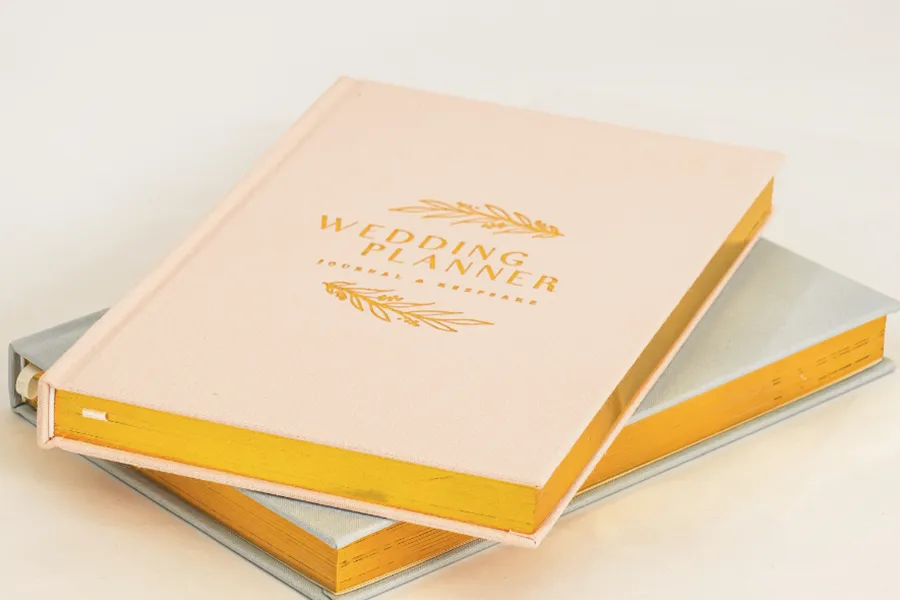
After understanding the benefits, 材料, and applications of hardcover books, there are several key factors to consider before starting your printing project. These decisions help ensure the final book meets your quality, 予算, and functional requirements.
Book Purpose, 観客, and Usage Requirements
The purpose of a book directly affects its format, design direction, and production requirements. A hardcover book for daily reading may need different specifications from a premium publication designed for presentation or collection.
生産を始める前に, consider how readers will interact with the book:
- Reading Frequency: Books used regularly, such as children’s books or educational materials, require stronger structures to handle repeated use.
- 対象者: Different readers have different expectations for appearance, 快適, および耐久性.
- Book Purpose: Corporate publications, ギフトブック, and collector editions often focus more on premium presentation and brand value.
Understanding these factors helps determine the right balance between visual appeal, 耐久性, and production cost. A well-planned hardcover book should not only look impressive but also provide a suitable experience for its intended readers.
本のサイズ, ページ数, and Paper Selection
The physical specifications of a hardcover book influence both production quality and overall performance. サイズ, ページ数, and paper selection work together to determine the book’s weight, handling experience, and printing requirements.
Important specifications to evaluate include:
| 仕様 | Impact on Hardcover Book Printing |
|---|---|
| トリムサイズ | Determines the overall appearance, 読み心地, and packaging requirements of the finished book. |
| ページ数 | Affects book thickness, 拘束力のある要件, and the final production cost. |
| 紙重量 | Influences the book’s feel, 耐久性, and suitability for different content types. |
| Color Printing Requirements | Determines print quality and is especially important for image-focused publications. |
例えば, a large photo book may require careful planning to maintain a balance between image quality and overall weight. A smaller hardcover novel may focus more on comfortable reading and efficient production.
Selecting the right specifications ensures that the final product delivers a consistent reading experience while meeting practical production requirements.
Printing Quantity, 予算, and Customization Options
Production planning also plays an important role in hardcover book projects. The order quantity, customization level, and budget all influence the most suitable production approach.
When preparing a printing plan, businesses should evaluate:
- Printing Quantity: Larger quantities usually improve cost efficiency, while smaller orders may require more flexible solutions.
- Customization Level: Special finishes and premium options can increase the book’s value but may affect production costs.
- Total Project Budget: Material choices, finishing details, パッケージング, and shipping should be considered together.
Customization options such as foil stamping, embossed covers, and specialty finishes allow businesses to create unique hardcover books that stand out in the market. しかし, each additional feature should support the book’s purpose rather than increase costs without clear value.
Working with an experienced hardcover book printing partner helps publishers and businesses find the right balance between quality, カスタマイズ, and budget efficiency.
Which Books Are Suitable for Hardcover Printing?
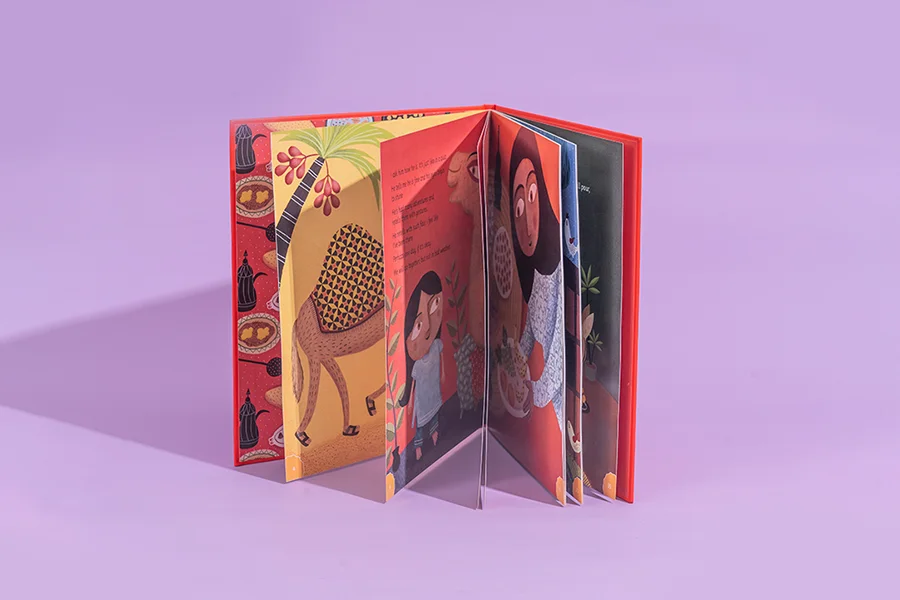
Hardcover printing is suitable for publications where durability, プレゼンテーション, and lasting value matter. Different book types require different formats to meet their purpose, 観客, and usage needs.
児童書
Young readers often handle books frequently, making durability and easy maintenance important factors for this category.
- 耐久性: Rigid covers help protect pages from bending, 引き裂く, and regular wear.
- Safety and Usability: A stronger structure makes the book easier for children to hold and use.
- Long-Term Value: Durable construction helps children’s books stay in good condition for extended periods.
Photo Books and Art Books
High-quality images and visual content require a format that can enhance presentation while protecting printed pages.
- Premium Presentation: A strong cover structure complements professional photography and artwork.
- Better Protection: Durable materials help preserve printed pages and specialty papers.
- Collectible Appeal: Premium finishes and materials increase the value of limited or special editions.
Corporate Books and Annual Reports
Companies often need professional publications to communicate brand stories, achievements, and important information.
- Brand Image: A premium book design strengthens corporate identity and improves business presentation.
- Professional Communication: High-quality publications support client meetings, イベント, and company milestones.
- Long-Term Reference: Durable construction allows valuable business information to be preserved.
Educational Books and Reference Publications
Books used in classrooms, 図書館, and professional environments need reliable structures that support repeated use.
- Frequent Handling: Strong covers provide better protection during regular reading and reference.
- Extended Lifespan: Durable binding helps books maintain quality over years of use.
- Professional Quality: A hardcover format adds credibility to educational materials.
Collector Editions and Premium Publications
Limited releases and special publications often focus on creating a valuable product that readers want to keep.
- Exclusive Design: Custom covers and finishing options create a distinctive appearance.
- Higher Value: Premium materials improve the perceived quality of collectible books.
- Long-Term Preservation: Strong construction helps protect important publications for years.
料理本
Recipes combined with food photography create publications that benefit from both practical durability and premium presentation.
- Frequent Use: Strong covers help protect books that are regularly opened and handled during cooking.
- Visual Quality: Hardcover structures provide a premium platform for food photography and detailed recipes.
- Gift Appeal: High-quality materials and finishing options make cookbooks suitable for personal collections and premium gifts.
If you want to understand this in more detail, you can also read our guide on ハードカバーのクックブック印刷ガイド.
出版社向け, ブランド, とビジネス, hardcover books are more than reading materials. They are premium products that communicate quality, strengthen brand value, and create a lasting connection with readers.
Hardcover Books vs Paperback Books: 主な違い
Understanding their differences helps publishers, ブランド, and businesses select the right format based on goals, 予算, and reader expectations.
Differences in Durability, 料金, and Appearance
The main differences between hardcover and paperback books come from their structure, production process, and intended use. Hardcover books focus on long-term value and premium presentation, while paperback books provide a more flexible and cost-efficient option.
| 特徴 | ハードカバーの本 | ペーパーバック本 |
|---|---|---|
| Cover Structure | Uses a rigid board cover that provides stronger protection for long-term use. | Uses a flexible paper cover that offers lightweight handling and easier transportation. |
| 耐久性 | Suitable for books that require a longer lifespan and frequent handling. | Better suited for general reading and short-term use. |
| 外観 | Creates a premium appearance suitable for professional and special publications. | Provides a simple and practical format for everyday publishing. |
| 生産コスト | Requires higher investment due to stronger materials and additional production steps. | Offers a more affordable solution for large-volume printing. |
| 重さ | Heavier structure provides better protection but increases shipping weight. | Lighter design makes distribution and transportation easier. |
| カスタマイズ | Supports more finishing options for premium and customized designs. | Provides fewer finishing options but works well for standard publications. |
一般的に, hardcover books work better for projects that require durability, premium presentation, そして長期的な価値. Paperback books are often preferred when affordability, 携帯性, and efficient distribution are the main priorities.
When Should You Choose Hardcover Over Paperback?
The right format depends on the purpose of the publication and the experience you want to create for readers.
あ ハードカバーの本 is usually a better choice when:
- Long-Term Preservation: The book needs to maintain its quality for years, such as collector editions, 参考書, or professional publications.
- Brand Presentation: The publication represents a company, 組織, or premium product that requires a stronger visual impact.
- Premium Reader Experience: The book is designed as a gift, special edition, or high-value publication.
あ 文庫本 may be more suitable when:
- コスト効率: The project requires a lower production cost or a larger printing quantity.
- Easy Distribution: Lightweight books are preferred for shipping, retail sales, or international distribution.
- Practical Reading: The publication focuses on accessibility and everyday use rather than long-term preservation.
For publishers and businesses, the best choice depends on the role of the book in the market. A hardcover format can create stronger perceived value, while a paperback format can provide greater flexibility for cost-sensitive projects.
You can read this article to learn more about book binding methods: ボードブック、ハードカバー、ペーパーバックの違い
最終的な考え
A well-designed hardcover book can deliver long-term value through quality materials, reliable construction, and a premium reading experience. 出版社向け, ブランド, と組織, hardcover book printing offers a professional way to create publications that reflect quality and build lasting impressions.
何を印刷するか provides custom hardcover book printing solutions with flexible formats, 材料オプション, and finishing services. We work with global customers to create durable, high-quality books that match their brand goals and publishing requirements.
よくある質問
How long do hardcover books last?
A well-made hardcover book typically lasts 40–60 years under normal home or library conditions. With archival-quality materials like acid-free paper and proper storage, they can last for 100 years or more. This is generally two to three times longer than the lifespan of a typical paperback.
How long does it take to print custom hardcover books?
The production time for custom hardcover books depends on factors such as book size, ページ数, 材料, finishing options, and order quantity. Projects with complex designs or special finishes may require additional time. Working with an experienced hardcover book printing supplier helps ensure efficient production from proof approval to final delivery.
What customization options are available for hardcover book printing?
Custom hardcover books can be personalized through different cover materials, 用紙オプション, バインディングメソッド, and finishing techniques. Common options include custom cover designs, 箔押し, エンボス加工, special textures, and unique book formats. These customization choices help publishers and businesses create books that match their brand identity and project goals.
What factors affect the cost of hardcover book printing?
The cost of hardcover book printing depends on several factors, including book specifications, 材料の選択, printing quantity, バインディング方法, カスタマイズ要件. Premium materials and special finishes may increase the overall cost, while larger production volumes usually improve cost efficiency. A detailed project evaluation helps achieve the right balance between quality and budget.
「私と似た、同じジャンルの本を手に取りました, 同様のページ数, バーンズの同じ棚 & ノーブル. でも隣り合って, 何か違和感を感じた. 私のものはほとんど自家製に見えました。」なぜこの現象が起こるのか? 問題はストーリーやハードカバーのデザインではなかった. それはハードカバー本の次元でした.
従来出版されているハードカバーの隣に置いた場合, 多くのインディーズ本はすぐに違って見えました. プロポーションがおかしく感じた. 背骨が正しく座っていなかった. 書店ではめったに見られない中古のトリムサイズもあります, 本を間違った方法で目立たせる.
それがハードカバー出版の現実です: 読者は本を読む前にその本を判断する.
次元, 厚さ, ハードカバーの比率は、棚上でのプロフェッショナルな見た目に即座に影響します。. 美しくデザインされた本であっても、寸法が間違っていると場違いに感じられることがあります.
このガイドでは, 知っておくべきことをすべて詳しく解説します ハードカバーの本 寸法, 標準的なハードカバーのサイズから段階的なカバーの計算式まで, さらに、印刷前に背の厚さを推定する信頼性の高い方法.
早見表: 標準のハードカバーのサイズ
以下は最も一般的なトリムサイズです (出来上がった本版のサイズ). これらの寸法は、プロの印刷業者と明確にコミュニケーションをとるのに役立ちます。.
| ハードカバー本のタイプ | トリムサイズ (インチ) | トリムサイズ (mm) | 典型的な使用例 |
| トレードハードカバー | 6”×9” | 152 × 229 | 小説, 紀要, ビジネス書 |
| コンパクト / ダイジェストハードカバー | 5.5″ ×8.5″ | 140 × 216 | ポケットサイズのギフトブック, 詩, そして小さな信仰の本 |
| USレターハードカバー | 8.5″ ×11″ | 216 × 280 | 教科書, マニュアル, レポート |
| A5 ハードカバー | 5.8″ ×8.3″ | 148 × 210 | ジャーナル, プランナー, ノートブック |
| B5 ハードカバー | 6.9″ ×9.8″ | 176 × 250 | 教科書, テクニカルガイド |
| コミックハードカバー | 6.625″ ×10.25″ | 168 × 260 | グラフィックノベル, 漫画 |
| ポケットハードカバー | 4.25″ ×6.87″ | 108 × 175 | ポケットノベルス, 旅行本 |
| ロイヤルハードカバー | 6.14″ ×9.21″ | 156 × 234 | 学術書とノンフィクション本 |
| スクエア児童書 | 8″ ×8″ | 203 × 203 | 子ども向け絵本 |
| 風景ハードカバー | 10″ ×8″ | 254 × 203 | 写真とアートの本 |
米国市場をターゲットにしている場合, 6「×9」は、フィクションおよび一般的なノンフィクションで最も人気のある選択肢です。. 英国およびヨーロッパ市場向け, ロイヤルとドゥミーは依然として強力な候補者である.
ハードカバー本の寸法の計算方法
ハードカバーの本を印刷する場合, 最終的な表紙レイアウトを作成するには、トリム サイズだけでは十分ではありません。. 計算する必要がある: 背幅, トリムサイズ, オーバーハング, そしてケースカバーのサイズ. これらの測定値が連携して、ハードカバー ケース全体の寸法が決定されます。.
| 寸法 | 説明 | 例 (6”×9”トリム, 0.7" 脊椎) |
| トリムサイズ(ブックブロック) | 綴じて断裁した後のページの幅と高さ. 本を閉じたときに読者に見えるのはこれです, カバーを除いて. | 6”×9” |
| ケースカバーのサイズ | ハードカバーケースの外寸 (ボード + 被覆材). ページを保護するために、常にトリム サイズより大きくなります。. | ≈ 6.25インチ×9.25インチ |
| オーバーハング | ハードカバー ケースが両側のトリミングされたページを超える長さ. | ≈ 0.125″ 片側あたり |
| 背幅 | 本の背骨の厚さ, ページ数と紙の厚さで決まる. | ≈ 6.25インチ×9.25インチ |
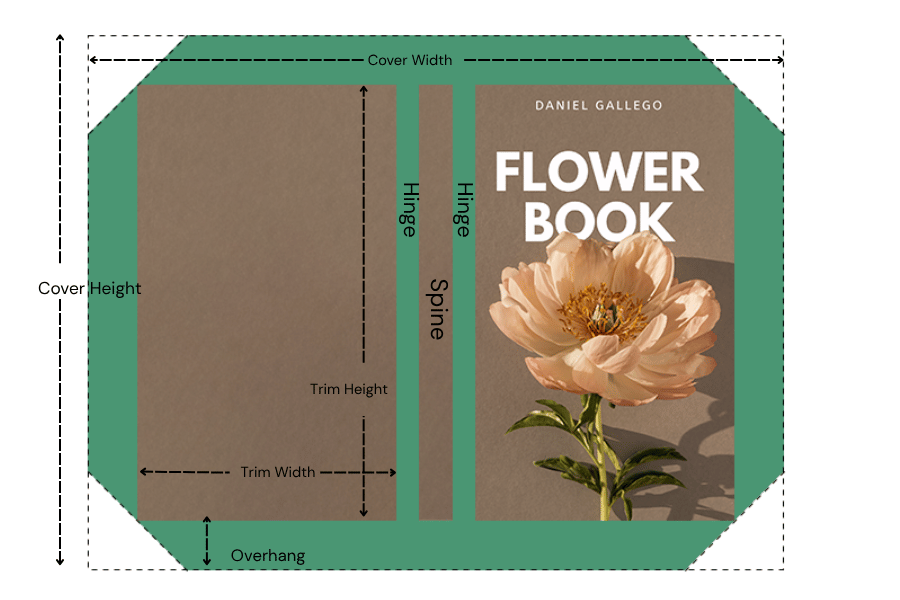
ハードカバー本の寸法と断裁サイズ
ハードカバーのアートワークをデザインする前に, ケースカバー全体の寸法を正確に計算することが重要です. これにより背骨が確保されます, 包む, 印刷および製本中にカバー要素が適切に位置合わせされる. 以下は、印刷業者がハードカバーの最終的な寸法を決定するために使用する標準的な計算式です。.
- ケースカバーの幅 = (トリム幅× 2) + 背幅 + (左オーバーハング + 右オーバーハング)
- ケースカバーの高さ = トリムの高さ + (トップオーバーハング + ボトムオーバーハング)
通常、本が厚くなるとオーバーハングのサイズも大きくなります. 大型のハードカバー本では、内側のページをより適切に保護し、棚上でバランスのとれた比率を維持するために、ケースの拡張部分を広くする必要があります。.
一般的なガイドラインとして:
- ハードカバーの本は以下の通り 400 通常、ページでは約 0.125 インチのオーバーハングが使用されます。 (3 mm) 開いた両側に.
- 間の本 400 そして 800 ページでは、約 0.1875 インチのわずかに大きなオーバーハングが必要になることがよくあります。 (4.5 mm).
- 非常に分厚いハードカバー 800 ページでは 0.25 インチのオーバーハングを使用できます (6 mm) 以上, バインディングの構造とボードの厚さによる.
背骨構造なので, 用紙の種類, バインディングのスタイルはすべて、最終的なケースの寸法に影響を与える可能性があります, 生産を開始する前に、プリンターで正確なオーバーハング仕様を確認することを常にお勧めします。.
例 (米国貿易 6インチ×9インチ, 300 ページ)
仮定してみましょう:
- トリムサイズ: 6幅「×高さ9」
- 背幅 (推定): 0.7” (セクションを参照 4 計算用)
- オーバーハング: 0.125両側に「」
ケースカバー幅
= (6× 2) + 0.7” + 0.125” + 0.125”
= 12インチ + 0.7” + 0.25”
= 12.95インチ
ケースカバーの高さ
= 9インチ + 0.125” + 0.125”
= 9.25インチ
したがって、最終的なケースカバーのサイズは幅12.95インチ×高さ9.25インチになります。.
これは、カバーアートワークのトリムサイズに使用する必要がある寸法です(ブリードを追加する前に).
ハードカバーのオーバーハングに関する推奨事項
通常、本が厚くなると、ハードカバーのオーバーハング量が増加します。. 大きくて重い本では、耐久性を高めるためにケースの拡張部分を少し幅広にする必要があることがよくあります。, ページの端を保護する, バランスのとれたプロポーションを維持する.
一般的な制作の目安として:
| 本の厚さ (ページ) | 推奨オーバーハング |
| まで 400 ページ | 約0.125インチ (3 mm) |
| 400–800ページ | 約0.1875インチ (4.5 mm) |
| 以上 800 ページ | 約0.25インチ (6 mm), バインディング構造に応じて |
実際のオーバーハング寸法は、ハードカバーの製本スタイルによって異なる場合があります。, 板厚, およびプリンターの製造基準.
背幅がハードカバーの寸法に与える影響
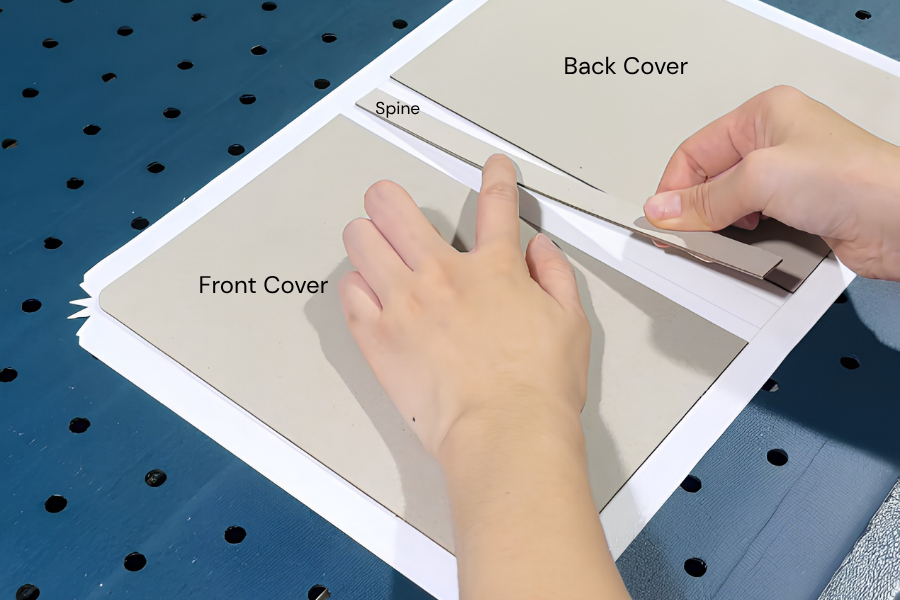
見積もり中 背骨の厚さ ハードカバーのサイズには正確さが不可欠です。特に背表紙にテキストやグラフィックが含まれている場合は重要です。. 表紙がデザインされるまでは印刷された本本が完成しないため、, 次の方法を使用してください.
- スパインの厚さ (mm) = (総ページ数 ÷ 2) × 紙厚 (1枚あたりmm)
紙厚目安表
| 用紙の種類 | GSM | 1枚あたりの厚み (mm) | 1枚あたりの厚み (インチ) |
| マット/光沢コート紙 | 80 | 0.10 | 0.0040 |
| コーティングなしのオフセット (プレミアム) 紙 | 100 | 0.12 | 0.0047 |
| マット/光沢コート紙 | 128 | 0.11 | 0.0043 |
| マット/光沢コート紙 | 157 | 0.14 | 0.0055 |
| コーティングされたマット/グロス紙 | 200 | 0.18 | 0.0071 |
計算例
シナリオ:
- 300 ページ
- 80 gsm非コート紙 (0.10 1枚あたりmm)
背骨の厚さ = (300 ÷ 2) × 0.10 mm = 150 × 0.10 = 15.0mm(約. 0.59”)
製本スタイルがハードカバーのサイズに与える影響?
ハードカバーの製本スタイルが異なると、最終的なカバーの寸法が若干変わる場合があります.
- スクエアバックのハードカバーは標準の計算式を直接使用します.
- 通常、背が丸いハードカバーでは、湾曲した形状を考慮して背幅をわずかに広くする必要があります。.
- ダスト ジャケットはハードカバー ケースよりわずかに大きく印刷されており、ボードに巻き付けたり折りたたんだりできるようになります。.
結合構造が最終測定に影響するため, アートワークを完成させる前に、正確な表紙テンプレートを印刷業者に確認することが常に最善です.
弊社が印刷した本物のハードカバー本
単なる計算ではない - 本物の本, 実際の寸法, 実際の結果. 以下は出版社向けに当社が製造したハードカバーのタイトルの一部です, 独立した著者, 北米とヨーロッパのブランド.
不思議の国のアリス
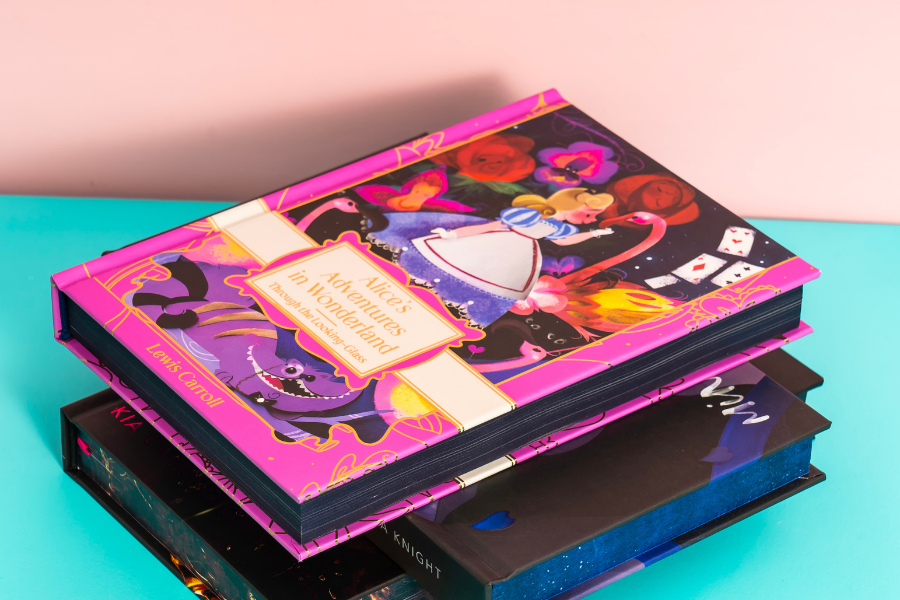
上の例は、プレミアムなビジュアル プレゼンテーション用に設計された大判のハードカバー本を示しています。. クライアントの要件に基づいて, このバージョンの仕様は次のとおりです:
- 仕上がりサイズ: 8 インチ× 10 インチ
- バインディング: ハードカバー (四角い背骨)
- 推定背幅: 20 mm
- 表紙のスタイル: 印刷された紙のオーバーレイを備えたグレーのボール紙カバー
- 表面仕上げ: マットラミネート, 特色印刷
- 内側のページのスタイル: 黒枠印刷/ページ端が暗い
このサイズのハードカバー本は一般的に次の用途に使用されます。:
- 子ども向け絵本
- コレクターズ エディション
- プレミアムギフトブック
- アートとファンタジーの出版物
ハードカバーの本はサイズが大きいため、本棚でより目立つようになります。, 子どもたちの注目を集める, 厚みのある四角い背表紙がより高級感を与えます。, 伝統的な出版感覚, 本棚や小売店のカウンターでの陳列価値を高める.
Gygy と一緒に自分の体の部位を学ぶ
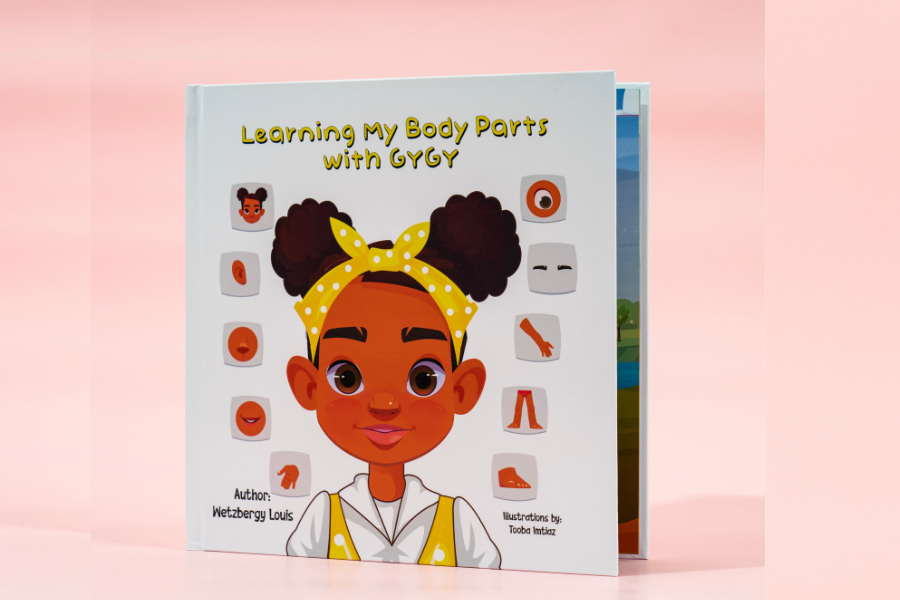
比率に基づいて, この本は子供向けの縦型フォーマットを使用しています. このハードカバー本の仕様は次のとおりです:
- トリムサイズ: 8.5″ ×11″
- バインディングタイプ: 四角い背表紙のハードカバー
- カバー素材: グレーボードに印刷されたアート紙を貼り付けた
- 仕上げ: マットラミネート加工でソフトな印象に, 耐久性のある表面
- 板厚: 子供に優しい耐久性を備えた中厚手のハードカバーボード
このサイズは、読みやすさとのバランスが優れているため、児童向けの教育本によく使用されます。, イラストスペース, とページのインタラクション. 児童向けハードカバー本用, トリムサイズを大きくすると、:
- より大きなイラストとより鮮明なタイポグラフィー
- 若い読者にとってより快適なページレイアウト
- 教室や親子で読書する際の視認性の向上
- 書店や教育市場での棚アピール力の強化
比較的広い表紙の比率と厚いハードカバーのボードにも注目してください。, これにより、本の耐久性と高級感を高めながら、内側のページを曲がりや損傷から保護します。. そのため、出版社は通常、絵本に大きめのハードカバーのトリム サイズを使用します。, 教育本, このようなインタラクティブな学習タイトル.
最終的な考え
プロジェクトごとに異なるため, ページ数に基づいてハードカバー本のサイズを計算することをお勧めします。, 紙の厚さ, バインディング方法, 生産開始前の市場での使用目的.
カスタム ハードカバー プロジェクトを計画していて、正しいトリム サイズを決定するのにサポートが必要な場合, 背幅, または表紙のレイアウト, 私たちのチームは、お客様のプロジェクトに制作上の推奨事項や印刷可能なハードカバーのテンプレートを提供するお手伝いをいたします。.
うまく設計された ハードカバーの料理本 明確な情報配信と視覚的な魅力との間の慎重なバランスを実現します。. 機能性を兼ね備える必要がある, 美的卓越性, 記憶に残るユーザーエクスペリエンスを生み出すためのブランドの一貫性. 成功するハードカバーの料理本は 3 つの重要な要素で構築されます: 高品質のビジュアルプレゼンテーション, 耐久性と柔軟性に優れたバインディング, 適切に選択されたサイズと形式. プレミアム画像印刷により、すべての料理が正確な色で再現されます。, 豊富な詳細, そしてリアルな質感, 正確なレイアウトとプロフェッショナルな製本により、スムーズなページの流れと長期にわたる構造の安定性が保証されます。. 同時に, 適切な寸法と考え抜かれたデザインの詳細により、実際のキッチン環境での使いやすさが向上します。. これらの要素が連携すると、, その結果、視覚的に注目を集めるだけでなく、優れた職人技が反映されたハードカバーの料理本が誕生しました。, 耐久性, そしてブランド価値.
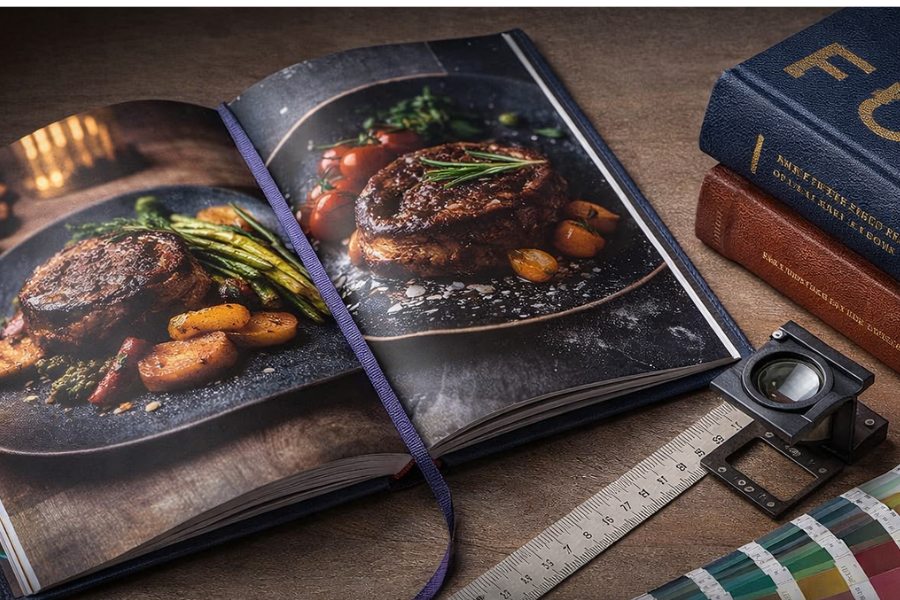
食べ物の写真がどのようにしてハードカバーの料理本の魂になるのか
食べ物の写真は、成功したハードカバー料理本の感情的かつ視覚的な中心です. 色を正確に表現する能力, テクスチャ, そして新鮮さは料理が読者にどれだけ魅力的に見えるかを直接決定します. 高品質の印刷により、すべての画像が魅力的な魅力を伝えながら、全体的なブランド アイデンティティを強化します。. プロのハードカバー料理本の制作において, 視覚的なプレゼンテーションは美しさだけを重視するものではありません. 紙選びの戦略的な組み合わせです, カラーマネジメント, 仕上げのテクニック, 正確なレイアウト計画.
用紙の選択は画質に影響を与える最初の重要な要素です. コート紙, グロスアート紙やマットアート紙など, 滑らかなコーティングされた表面が過剰なインクの吸収を防ぐため、ハードカバーの料理本の印刷で広く好まれています。. これにより、インクが表面に残るようになります, 色の彩度を最大化する, 鋭さ, そして詳細. 対照的に, コーティングされていないオフセット紙はより多くのインクを吸収します, 色がくすんだり灰色に見えることがよくあります. 光沢アート紙が鮮やかさとコントラストを強化, 料理をより鮮やかで新鮮に見せる, マットアート紙はぎらつきを抑え、より洗練された印象を与えます。, プレミアムな外観. 印刷後, グロスラミネートやUVコーティングなどの仕上げにより、明るさと彩度をさらに向上させることができます, 一方、マットラミネートまたはマットワニスはより柔らかい質感を提供します。, よりエレガントな外観, 洗練されたビジュアルトーンを求めるブランドに最適.
一貫した正確な結果を得るには、プロフェッショナルなカラー管理も同様に不可欠です. すべての食品画像は、最低解像度を維持する必要があります。 300 印刷での鮮明な再現を保証する DPI. 色はハードカバーの料理本のデザインにおいて機能的かつ心理的な役割も果たします. 赤などの暖色系, オレンジ, 黄色は自然に食欲を刺激し、注目を集めます, 一方、ニュートラルな色調は視覚的なバランスを生み出し、読みやすさを向上させます。. ブランド認知を強化するには、原色のパレットをレストランまたはブランドのアイデンティティと一致させる必要があります。, 二次色はコンテンツセクションの整理に役立ちます, アクセントカラーが特製料理や季節の特別料理を際立たせます. 視覚的な調和を保つために, 優れたデザインのハードカバー料理本は通常、パレットを 2 つまたは 3 つの主要な色に制限します, 明るさと彩度の変化を利用して、読者を圧倒することなく奥行きを生み出す.
量産前, 正確な色再現を保証するには、専門的な色校正とサンプリングが不可欠です。. このプロセスにより、デザイナーやメーカーは色の精度を検証できます。, 潜在的な変化を検出する, 本格的な印刷が始まる前に調整を行います. 適切な校正により、最終的なハードカバーの料理本が自然な色合いを忠実に再現することが保証されます。, 鮮度, そして食べ物の視覚的な魅力, コストのかかる製造上のエラーや修正を最小限に抑えながら.
表面仕上げ テクニックは、ハードカバーのクックブックの視覚的なインパクトと認識される価値をさらに高めます. スポットUVなどの処理, 箔押し, エンボス加工, ソフトタッチのラミネート加工により、重要なデザイン要素を強調できます。, 視覚的な階層を作成する, 触覚体験を向上させます. これらの仕上げの詳細は耐久性を向上させるだけでなく、料理本とそれが表すブランドのプレミアムな地位を強化します。.
ついに, レイアウト構造は、印刷および製本要件と調和して機能するように慎重に計画する必要があります。. 特徴的な料理は、視覚的なインパクトを最大化するために、フルブリードまたは見開きページを使用して提示されることがよくあります。, バランスと読みやすさを維持するために、サポート料理は構造化された複数の画像レイアウトで配置されています。. このアプローチにより、スムーズなページ フローが保証されます, 構造的安定性, ハードカバーのクックブック全体を通して魅力的な読書体験を提供します.
として プロの印刷メーカー, 厳格なプリプレスレビューを実施します, カラーキャリブレーション, すべてのハードカバーのクックブックが最高基準の視覚的精度を確実に達成するための校正プロセス, 耐久性, 生産効率と. 用紙の選択を慎重に調整することにより、, カラーコントロール, 仕上げのテクニック, とレイアウトの最適化, 私たちは、クライアントが優れた視覚的魅力と長期的なパフォーマンスおよび強力なブランド価値を組み合わせたハードカバーの料理本の制作を支援します。.
ハードカバーのクックブックの耐久性が表紙の素材と装丁で決まる理由
ハードカバーのクックブックの素材と構造デザインは、その全体的な品質を定義する上で決定的な役割を果たします。, 耐久性, ビジュアルアイデンティティと. カバー素材, 特に, 本全体の雰囲気を決定し、読者がブランドをどのように認識するかに直接影響を与える. リネン調生地などのオプションあり, レザーレット, または特殊紙のカバーは洗練さと職人技を即座に伝えることができます, ラミネート加工やソフトタッチコーティングなどの保護仕上げにより、触感の快適さと耐摩耗性の両方が向上します。. これらの素材の選択は寿命を延ばすだけでなく、ハードカバーのクックブックの価値を高めます。.
| 材質の種類 | 主な特長 | 最適な用途 | 考慮事項 |
| 布 / リネンカバー | 自然な風合い, 柔らかいビジュアルトーン, 洗練された織り表面 | 高級レストラン, オーガニックカフェ, ワインバー, ブティックレストラン | 汚れを吸収しやすくなります; 汚れに強いコーティングや濃い色のものを検討してください |
| 特殊紙カバー | 独特の質感 (エンボス加工された, 竹, 触感のある仕上げ), 強力なデザインアイデンティティ | モダンなレストラン, デザートショップ, コーヒーハウス, デザイン重視のブランド | ブランドの整合性を確保するために、最終選択の前に必ず物理サンプルを確認してください。 |
| パール紙またはメタリック紙 カバー | 微妙な輝き, エレガントな光の反射 | 高級で現代的なレストラン, 豪華なダイニングのコンセプト | 高級で現代的なレストラン, 豪華なダイニングのコンセプト |
| PUレザーカバー (合成皮革) | 耐久性, 費用対効果の高い, 掃除が簡単, 幅広い色のオプション | ステーキハウス, ホテルのレストラン, 人の出入りが多い飲食環境 | 耐久性, 費用対効果の高い, 掃除が簡単, 豊富なカラーオプション |
| 本革 カバー | 天然木目, 時間をかけて性格を成長させる, 贅沢なポジショニング | ミシュランレベルのレストラン, プライベートクラブ, 伝統的なブランド | コストが高い; 箔押しやエンボス加工との組み合わせがおすすめ |
| PVC / 防水カバー | 耐水性, メンテナンスが簡単, 鮮やかな色のオプション | カジュアルダイニング, シーフードレストラン, ファミリーレストラン | 布や革に比べて高級感が少ない |
表面を超えて, 内部構造と結合方法も同様に重要です. 適切に構成されたハードカバーは高密度のグレーボードを使用し、剛性と構造的完全性を提供します。, 頻繁に扱っても本の形状が維持されるようにする. プロの取り付けとラッピング技術により、耐久性がさらに向上し、きれいな仕上がりになります。, 洗練されたエッジ. すべてのバインド方法の中で, スミス縫製の装丁とハードカバー構造の組み合わせは、ハードカバー料理本印刷のゴールドスタンダードとみなされています. この方法により、本を自然に平らに置きながら、強度が大幅に向上します。, 読者がレシピをたどったり、邪魔にならずに全ページの食べ物の写真を閲覧したりすることが容易になります。. このレイフラット機能は料理本にとって特に重要です, アクティブなキッチン環境でよく使用されます.
細部の仕上げにこだわり、視覚的な魅力とブランド認知度をさらに強化. 箔押しなどの技法, エンボス加工, デボス, スポット UV はロゴを強調表示できます, タイトル, または主要なデザイン要素, 視覚的なコントラストと触覚的な奥行きを生み出す. これらの機能強化により、見た目の美しさが向上するだけでなく、プロフェッショナリズムと優れたポジショニングがエンド ユーザーに伝わります。.
結局のところ, 表紙素材のコーディネート, structural design, バインディングテクニック, and finishing processes determines the durability, 使いやすさ, and market perception of a hardcover cookbook. By carefully selecting the right combination of materials and binding methods, publishers and brands can create hardcover cookbooks that deliver exceptional visual impact, superior durability, and a lasting impression of quality.
How to Choose the Right Size and Detail Features for a Hardcover Cookbook
Selecting the appropriate size and incorporating thoughtful design details are essential steps in creating a hardcover cookbook or restaurant menu that is both functional and memorable. The right format improves readability, enhances usability, and reinforces the restaurant’s brand image, 慎重に選択された仕上げの詳細により、生産コストを大幅に増加させることなく、全体的なダイニング体験を向上させることができます。.
ハードカバーの料理本やレストランのメニューの標準サイズ
ハードカバーの料理本やメニューのサイズは、コンテンツの量によって決まります。, 食事環境, そしてユーザーの利便性.
A4サイズ (210 × 297 mm)
これは、レストランのメニューやハードカバーの料理本に最も広く使用され、汎用性の高いサイズです。. 前菜をわかりやすく整理するのに十分なスペースを提供します, メインコース, デザート, レイアウトを混雑させることなく、飲み物を収納できます。. A4はレストランでの飲食に最適です, 高級レストラン, プレミアムクックブックプレゼンテーション. 耐久性を高めるために, 通常、寿命を延ばし、見た目の品質を維持するために、ラミネートまたは保護コーティングが適用されます。.
A5サイズ (148 × 210 mm)
A5 はよりコンパクトで持ち運び可能なフォーマットを提供します, カフェに最適です, 小さなレストラン, テイスティングメニュー, または限定アイテムのハードカバー料理本. このサイズにより、よりクリーンで親密な読書体験が生まれます。, 顧客がより快適にコンテンツを利用できるよう促す. シンプルさと移植性が優先される場合に特に適しています.
DLサイズ (99 × 210 mm)
このスリムさ, 縦型フォーマットがモダンでエレガントな外観を作り出します. ドリンクメニューによく使われます, デザートメニュー, ワインリスト, または専門セレクション. 独特のプロポーションは視覚的な区別を生み出すのに役立ち、特にバーでうまく機能します。, ラウンジ, 現代的なレストラン環境.
ハードカバーのクックブック体験を向上させる細部の強化
本当に記憶に残るハードカバーの料理本やメニューは、繊細かつ思慮深いデザイン機能により目立つことがよくあります。. これらの機能強化は、視覚的な魅力と触感の品質を向上させるだけでなく、顧客エンゲージメントに影響を与え、ブランド アイデンティティを強化します。.
視覚的な強調のためのスポット UV
スポットUVコーティングは食べ物の写真などの特定の要素に適用できます, ロゴ, または主要な料理名. このテクニックにより、微妙な光沢のコントラストが生まれ、ステーキの輝きのような質感が強調されます。, 飲み物の表面, または皿から立ち上る蒸気. その結果、視覚的な奥行きが増し、食欲をそそる魅力が向上します。, 特に変化する照明条件下では.
ダイカットカバーデザイン
ハードカバーのダイカットウィンドウでアートワークを選択できます, ロゴ, または目玉料理の一部を公開. この層状の視覚効果が洗練さを加えます, 好奇心を生み出す, ハードカバーのクックブックのデザイン価値を高めます。.
利便性とプレミアム感を両立したリボンしおり
統合されたリボンブックマークは、機能と美観の両方の利点を提供します. 読者はお気に入りのレシピやセクションに簡単にマークを付けることができると同時に、ハードカバーのクックブックの優れた位置付けを強化できます。. この小さなディテールが使いやすさを高め、洗練された仕上げを加えます。.
低照度環境用の蛍光インクまたは蓄光インク
照明が暗いレストラン向け, バーや高級レストランなど, 蛍光印刷または暗闇で光る印刷は、独特で記憶に残る視覚効果を加えながら、可読性を向上させることができます。. この機能は使いやすさを向上させながら、ユニークなブランド体験に貢献します.
ブランドストーリーテリングのためのカスタムインナーページ
表紙の内側や冒頭ページにウェルカムメッセージを掲載できます, ブランドストーリー, またはシェフのおすすめ. これらの要素は、読者との感情的なつながりを確立し、最初のやり取りからブランド アイデンティティを強化するのに役立ちます。.
インタラクティブで特殊なデザイン要素
イラスト付きセクションなどのクリエイティブな機能, テーマ別レイアウト, またはインタラクティブな要素を使用すると、ハードカバーのクックブックをより魅力的で記憶に残るものにすることができます. これらの考え抜かれた詳細により、ユーザー エクスペリエンスが向上し、競争市場でブランドを差別化できます。.
ディスプレイ サポートとプレゼンテーション アクセサリ
カスタムデザインのホルダーまたはディスプレイスタンド, 木やアクリルの支持体など, 使用中にハードカバーのクックブックを保護しながら、プレゼンテーションを強化できます。. 適切なプレゼンテーションによりプレミアムなイメージが強化され、レストラン環境全体の使いやすさが向上します。.
サイズと詳細の選択に関する戦略的考慮事項
適切なサイズとデザインの詳細を選択するには、3 つの重要な要素のバランスを取る必要があります。: 使いやすさ, ブランドのポジショニング, 生産効率と. フォーマットが大きいほど視覚的なインパクトが強くなります, 小さいフォーマットにより携帯性と利便性が向上します。. 慎重に選択された仕上げの詳細により、生産コストを大幅に増加させることなく、知覚価値と顧客エンゲージメントを大幅に向上させることができます。.
サイズの場合, 構造, 仕上げのディテールが戦略的に組み合わされています, 最終的なハードカバーの料理本は単なる情報ツールではなく、レストランのブランドを強力に拡張するものになります。, 機能的なパフォーマンスと永続的な視覚的印象の両方を実現します.
結論: プロの印刷がハードカバー料理本の真の価値を定義する
ハードカバーの料理本の品質は、最終的には印刷プロセスのプロフェッショナリズムと、素材と仕上げ技術の慎重な選択に依存します。. ビジュアルデザインだけを超えて, 鮮明な画像の鮮明さと正確な色の再現を確保することは、最終製品の知覚品質を向上させる最も重要な要素です。. 高品質の紙と精密な印刷の組み合わせにより、食品の質感を実現, 色, 詳細は真実に提示されるべきである, ハードカバーの料理本をより視覚的に魅力的にする, 信頼できる, 読者にとって魅力的です.
同様に重要なのは、構造設計と結合方法の実用性と耐久性です。. 適切な用紙重量とプロフェッショナルな製本により、読書体験が向上するだけでなく、レストランや業務用厨房などの使用頻度の高い環境でも長期的な安定性が確保されます。. 一貫したカラー管理と厳密な印刷制御により、ハードカバー クックブック全体の視覚的な一貫性がさらに保証されます。, ブランドアイデンティティを強化し、一体性を維持する, プロフェッショナルな外観.
結局のところ, よく作られたハードカバーの料理本は単なるプレゼンテーションツールではなく、レストランのブランドを強力に拡張するものです。. 優れた印刷品質, 厳選された素材, 洗練された仕上げの詳細は、あらゆるやり取りでプロ意識と職人技を継続的に伝えます. これにより顧客の認識が向上します, 信頼を築きます, 全体的なダイニング体験を向上させます, 第一印象から長い間レストランのブランド価値を強化する.