Heavy hardcover books are designed for projects that require durability, premium presentation, and long-term value. Their thicker cover structures, heavier paper options, and stronger binding methods create a more substantial feel compared with standard book formats.
For publishers and brands, understanding how materials and thickness affect a hardcover book is essential before production. Cover boards, paper weight, page count, and finishing choices all influence the final quality, cost, and user experience of the finished book.
What Makes Heavy Hardcover Books Premium and Durable
Heavy hardcover books stand out because their structure, materials, and weight create a stronger sense of quality.
What Is a Hardcover Book and How Is It Structured
A hardcover book is a book format that uses a rigid cover to protect the printed pages and provide a more durable, premium appearance. Compared with paperback formats, hardcover books have a stronger outer structure, making them suitable for publications that require long-term use and higher perceived value.
A typical hardcover book consists of several basic components:
| Component | Function |
|---|---|
| Cover board | Creates a firm outer cover and protects the pages inside. |
| Cover material | Provides the book’s appearance, texture, and additional protection. |
| Book block | Contains the printed pages and determines much of the book’s thickness. |
| Spine | Connects the cover structure and supports comfortable opening. |
While all hardcover books share this basic construction, heavy hardcover books usually use thicker boards, heavier paper, and stronger production specifications to create a more substantial feel. These differences make them a preferred choice for premium editions, photo books, children’s publications, and collectible books.
Why Heavy Hardcover Books Feel More Premium and Valuable
The weight of a book influences how readers perceive its quality. A heavy hardcover book creates a stronger premium impression through its solid structure, durable materials, and refined appearance. The feeling usually comes from a combination of thicker cover boards, heavier paper, reliable binding, and quality finishing. However, adding weight alone does not guarantee better quality. High-quality hardcover book printing requires the right balance between materials, usability, production cost, and the purpose of the publication.
Common Uses of Heavy Hardcover Book Formats
Heavy hardcover books are commonly chosen for publications that require durability, premium presentation, and long-term value. Their stronger construction makes them suitable for projects where appearance and lifespan are equally important.
Common applications include:
- Children’s hardcover books: Durable covers help withstand frequent handling while providing a premium reading experience.
- Photo books: Thicker paper and rigid covers improve image presentation and create a high-value keepsake.
- Art books and collector editions: Premium structures protect valuable content while improving shelf appeal and collectability.
- Corporate publications: Hardcover formats help companies present brand stories, annual reports, and promotional materials professionally.
- Gift books and special editions: A heavier structure increases perceived value and makes the product suitable for premium gifting.
For publishers and brands, choosing a heavy hardcover format is not only a design decision. It also helps strengthen product positioning and create books with higher perceived value in the market.

Hardcover Book Materials That Make Books Heavier and Stronger
The materials of a hardcover book determine its strength, weight, and overall feel. The right choices help create durable and premium heavy hardcover books.
Cover Boards and Hardcover Materials That Increase Durability
The cover structure plays an important role in determining the strength and weight of hardcover books. The board inside the cover provides rigidity, protects the pages, and creates the solid feeling that readers expect from a premium book.
Different cover boards offer different levels of strength and flexibility:
| Material | Features | Suitable Applications |
|---|---|---|
| Grey board | Strong, stable, and widely used for reliable hardcover structures. | General hardcover books and commercial publications. |
| Thick paperboard | Provides good flexibility with a lighter overall weight. | Everyday books and projects requiring easier handling. |
| Premium board | Offers higher strength and thickness for a more substantial feel. | Luxury editions, collector books, and premium projects. |
The outer cover material also affects the appearance and tactile experience of the book. Common options include:
- Printed paper with lamination: Provides a customizable surface with improved protection against scratches and daily wear.
- Fabric covering: Creates a refined texture and is often used for premium or collectible editions.
- Leatherette covering: Adds a luxury appearance while maintaining durability.
- Specialty textured materials: Help create unique designs for brands and limited-edition publications.
For heavy hardcover books, thicker cover boards are often combined with premium cover materials to create a stronger structure and improve perceived value. The final selection depends on the book’s purpose, target audience, and expected usage.
Paper Weight and Page Count That Make Hardcover Books Heavier
Paper selection directly affects the thickness, weight, and overall feel of hardcover books. Even books with the same page count can have different weights because paper thickness and density vary.
Paper GSM refers to the weight of paper per square meter. Higher GSM paper usually creates thicker pages and a more substantial reading experience, making it popular for photo books, art books, and premium editions. Lower GSM paper is often used for text-focused publications where lighter weight is preferred.
Page count also affects the final size and weight of a book. More pages usually create a thicker spine and require stronger structural support. However, page count should always be considered together with paper selection, as fewer pages with heavier paper can still create a heavy hardcover book.
During hardcover book printing, manufacturers balance paper type, page count, and binding requirements to achieve the desired quality and usability.
Binding Methods for Strong Heavy Hardcover Books
Binding plays an important role in maintaining the durability and performance of heavy hardcover books. A thicker book structure requires a reliable binding method to keep pages secure and allow comfortable opening.
Common hardcover binding options include:
- Case binding: The standard hardcover method that connects the book block with a rigid cover case for strong protection.
- Sewn binding: Uses thread to connect page sections, providing excellent durability and smooth opening for premium publications.
- Glue binding: Offers efficient production for some projects but may not provide the same long-term strength as sewn binding for very thick books.
The right binding method helps ensure that heavy hardcover books remain durable and functional throughout their expected lifespan.
Premium Hardcover Books, Manufactured at Scale

How Hardcover Book Specifications Affect Weight and Final Quality
Book specifications influence more than appearance. Size, spine structure, and finishing choices work together to determine the usability, durability, and overall quality of a hardcover book.
Standard Hardcover Book Sizes and Dimensions for Different Projects
Book size affects the overall proportion, reading experience, and production requirements of a hardcover project. While many publishers use common formats, custom dimensions allow brands to create books with a more distinctive appearance.
Common hardcover book sizes include:
| Size | Common Applications |
|---|---|
| 6 × 9 inches | Novels, business books, and general publications. |
| 8.5 × 11 inches | Educational books, catalogs, and corporate publications. |
| 10 × 10 inches or larger | Photo books, art books, and premium children’s books. |
The right standard hardcover book size depends on the purpose of the publication. Larger formats usually require more paper and cover materials, which increases the final weight and production requirements.
For custom hardcover book printing projects, size selection should also consider storage, shipping, packaging, and reader comfort to achieve a practical final product.
How Spine Width Changes with Heavy Hardcover Book Specifications
The spine is an important part of hardcover book design because it affects both the book’s appearance on shelves and its structural performance. A thicker book requires more accurate spine calculation to ensure proper printing, binding, and cover alignment.
Spine width mainly depends on several specifications:
| Factor | Impact on Spine Width |
|---|---|
| Page count | More pages create a thicker book block and a wider spine. |
| Paper thickness and GSM | Heavier or thicker paper increases the overall thickness of the book. |
| Binding method | Different binding structures affect the final dimensions and flexibility. |
| Cover board thickness | A thicker cover increases the overall hardcover structure. |
For heavy hardcover books, accurate spine planning becomes especially important because larger dimensions can affect cover design, shelf presentation, and packaging efficiency.
Printing and Finishing Options for Premium Heavy Hardcover Books
Finishing options add visual appeal and improve the overall perception of a hardcover book. For premium projects, the right finishing combination can strengthen brand identity and make the book feel more valuable.
Common finishing options include:
- Matte lamination: Creates a smooth surface and provides additional protection against wear.
- Gloss lamination: Enhances color brightness and creates a more eye-catching appearance.
- Foil stamping: Adds a luxury effect for logos, titles, and special design elements.
- Embossing and debossing: Creates a three-dimensional texture that improves the tactile experience.
- Spot UV: Highlights specific areas of the cover design with a contrast effect.
- Ribbon bookmarks: Adds functionality and a premium detail for special editions.
The best finishing choices should match the book’s purpose and target market. During hardcover book printing, publishers need to balance visual impact, durability, and production cost to create a finished product that meets both design and commercial goals.

Heavy Hardcover Books vs Paperback and Board Books
The choice between heavy hardcover books, paperback books, and board books depends on durability, budget, target readers, and product positioning.
Heavy Hardcover Books vs Paperback Books: Quality and Cost Comparison
Hardcover and paperback books differ mainly in structure, durability, and production cost. Heavy hardcover books provide stronger protection and a more premium appearance, while paperback books focus on affordability and easy distribution.
Key differences include:
- Durability: Heavy hardcover books use rigid covers that better protect pages and withstand repeated use, making them suitable for long-lasting publications.
- Weight and handling: Hardcover formats create a more substantial reading experience, while paperback books are lighter and easier to transport.
- Production cost: Paperback books require fewer materials and are more cost-effective for large-volume printing. Hardcover books involve higher production costs but offer greater perceived value.
- Market positioning: Hardcover books are commonly used for premium editions, gift books, and professional publications, while paperback books are often selected for mass-market distribution.
For publishers, heavy hardcover books are a better choice when durability and presentation quality are important. Paperback books remain practical for projects where price and shipping efficiency are the main priorities.
Heavy Hardcover Books vs Board Books for Children’s Publishing
The choice between board books and hardcover books depends on the child’s age, reading habits, and expected durability.
Board books use thick paperboard pages designed for toddlers and early learners. They provide excellent resistance to tearing and frequent handling.
Heavy hardcover children’s books are more suitable for:
- Picture books: Provide premium presentation with stronger covers and flexible design options.
- Premium children’s editions: Create higher-value products for gifts and special collections.
- Educational books: Offer durability for older children who need a traditional reading format.
The decision between board book vs hardcover should match the target audience, content type, and expected product lifespan.
Choosing the Right Hardcover Format for Different Publishing Goals
Publishers should select the format based on their product goals:
- Heavy hardcover books: Best for premium publications, collector editions, corporate books, and long-term use.
- Paperback books: Suitable for affordable products, large-volume sales, and lightweight distribution.
- Board books: Ideal for toddlers and early learning products requiring maximum durability.
Choosing the right format helps publishers balance quality, production costs, and market expectations before printing begins.
You can learn more about detail in this article: Board Book vs Hardcover vs Paperback

How to Choose the Best Heavy Hardcover Book Specifications
The right specifications help create heavy hardcover books that meet quality, usability, and market requirements.
Select Thickness Based on Book Purpose and Audience
Book thickness should support the intended reading experience, durability requirements, and market positioning. Different types of publications require different approaches:
- Children’s books: Need durable structures that can withstand frequent handling while remaining comfortable for young readers.
- Photo books: Benefit from thicker paper and premium structures that enhance image quality and visual impact.
- Corporate books: Often require a refined appearance and strong presentation to support brand communication.
- Novels: Need a balanced structure that provides durability without making the book difficult to carry.
The ideal thickness creates a hardcover book that feels premium while remaining practical for its intended audience.
Balance Premium Quality, Weight, and Production Budget
A heavier book does not always deliver better value. Publishers need to consider the relationship between material choices, usability, production costs, and market expectations.
Important factors include:
- Target audience: Determines the expected level of durability, appearance, and reading experience.
- Distribution method: Influences acceptable weight, packaging requirements, and shipping costs.
- Order volume: Affects production efficiency and the overall cost per unit.
- Market positioning: Defines whether the book should focus on affordability, premium value, or collectability.
By balancing quality, weight, and budget, publishers can create heavy hardcover books that provide a strong reader experience while maintaining practical production requirements.
If you want to custom hardcover book for sale, you can read this article: The Complete Guide to Custom Hardcover Books
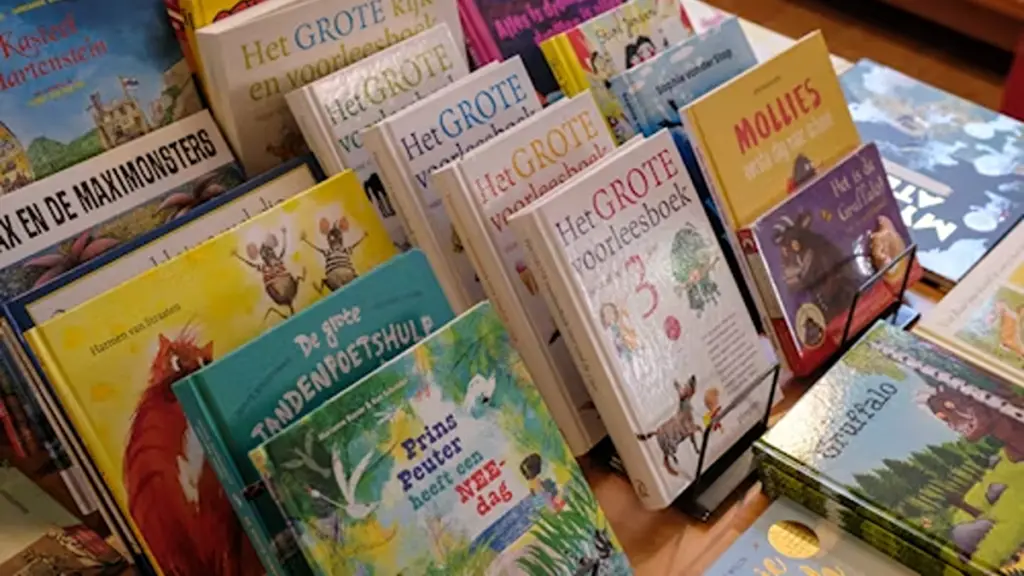
Work with an Experienced Hardcover Book Printing Manufacturer
A reliable printing partner helps turn the right specifications into high-quality hardcover books. Experience in material selection, structural planning, printing, and finishing ensures better consistency throughout the production process.
For publishers and brands seeking custom hardcover book printing, Xinyi Printing provides tailored manufacturing solutions for different book projects and market needs. From initial specification planning to final production, we help create durable, premium hardcover books with reliable quality and long-term value.
Frequently Asked Questions
Why are some hardcover books heavy?
Some hardcover books are heavy because they use materials like thicker paper, rigid cover boards, and stronger binding structures. The combination of high page count, large dimensions, and dense paper for illustrations—common in technical or art books—also adds significant weight compared to a standard novel.
How much does a hardcover book weigh?
A standard hardcover book typically weighs between 1 to 3 pounds (about 0.45 to 1.36 kg). Larger volumes, such as textbooks or coffee-table books, often weigh more, sometimes ranging from 2 to 6 pounds or even higher depending on page count and paper density.
What thickness is hardcover board?
The board used for hardcover books typically ranges from 2.0 mm to 3.5 mm thick. A common standard for many hardcovers is between 2.5 mm and 3.0 mm, while heavier technical or oversized books may use boards up to 3.5 mm for added rigidity and durability.
What makes a hardcover book durable?
A hardcover’s durability comes from its rigid cover boards that resist bending, a reinforced binding like Smyth-sewn construction that prevents pages from falling out, and durable cover materials that protect against wear. The use of acid-free paper also ensures the pages do not become brittle over time.
How thick can a hardcover book be?
While there is no strict maximum, the practical thickness of a hardcover book is limited by binding technology and material handling. Most commercial hardcovers have a spine thickness between 0.5 and 2 inches. Exceptionally thick books with over 800 pages are possible but require special consideration for binding strength and cover construction.
Are heavy books better quality?
While a heavy book often indicates the use of higher-quality materials like denser paper and thicker cover boards, weight alone does not guarantee quality. The best measure of quality is the construction method, such as whether the book has a durable Smyth-sewn binding and uses archival-grade, acid-free paper.
Publishing a premium hardcover book printing project requires more than a durable cover. Publishers and businesses need to balance material quality, production costs, design requirements, and long-term value to create books that meet their goals.
This guide provides practical insights into hardcover book structures, materials, customization options, and key production considerations. With the right specifications and printing partner, businesses can create custom hardcover books that deliver a professional appearance, lasting durability, and a better experience for readers.
What Is a Hardcover Book?

A hardcover book is a book with a rigid cover made from strong boards wrapped with printed paper, cloth, or other decorative materials. Compared with paperback books, hardcover books provide better protection, higher durability, and a more premium appearance.
A hardcover book usually consists of several key components:
- Cover board: A rigid board that provides structural support and protects the pages.
- Cover wrap: Printed paper, cloth, or specialty materials that create the outer design.
- Endpapers: Sheets that connect the cover with the inner pages and improve stability.
- Book block: The printed pages assembled into a complete book.
- Binding: The process used to secure the pages, such as case binding or thread sewing.
Most hardcover books are produced using case binding, where the book block is attached to a durable cover case. This structure helps the book maintain its shape and quality over time.
For publishers, brands, and businesses, custom hardcover books provide a professional format for creating durable, premium-quality publications.
Advantages of Hardcover Books for Premium Publishing Projects
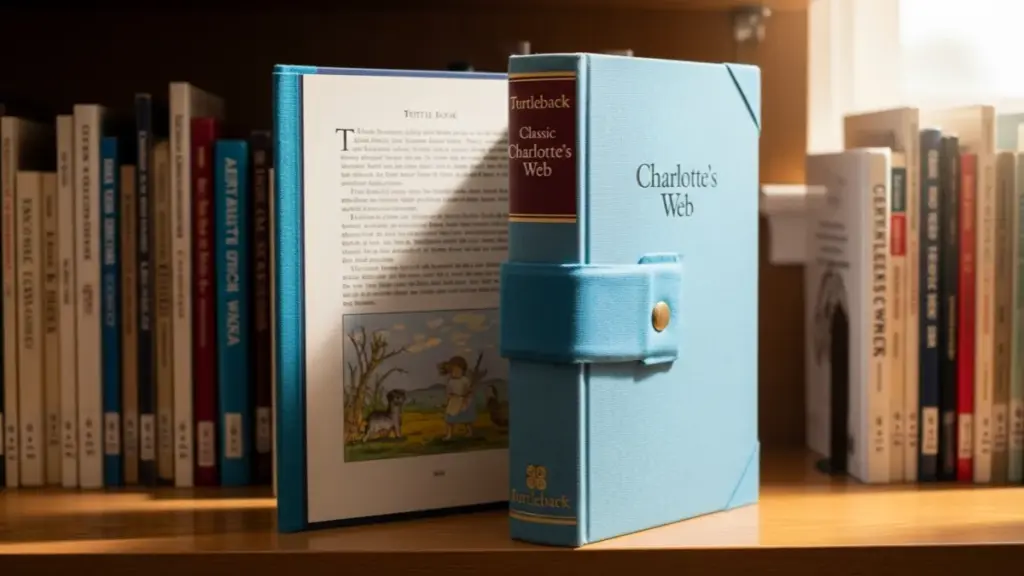
For publishers and brands, hardcover books provide a premium format that combines durability, design flexibility, and long-term value.
Better Durability and Long-Term Protection
One of the biggest advantages of hardcover books is their durability. The rigid cover structure helps protect the pages from bending, tearing, and daily wear. This makes hardcover books suitable for publications that need to be preserved and used for a long time.
For example, educational books, reference books, and children’s books often require stronger construction because they are handled frequently. A hardcover design helps maintain the book’s condition even after repeated use.
The stronger structure also provides better protection during storage and transportation. For publishers and businesses distributing books internationally, hardcover book printing can reduce the risk of damage during shipping and handling.
Hardcover books are especially suitable for:
- Long-term collections
- Library books
- Professional publications
- Premium editions
- Keepsake books
Premium Appearance and Higher Brand Value
A hardcover book creates a stronger visual impression compared with a standard paperback. The solid cover, clean edges, and high-quality finishing options help create a premium product that attracts readers.
For businesses, the appearance of a book can influence how customers perceive a brand. Corporate history books, annual reports, product catalogs, and anniversary publications often use hardcover formats because they communicate professionalism and reliability.
The hardcover format also provides more space for creative design. A carefully designed cover with quality materials and finishing techniques can turn a simple publication into a memorable brand asset.
This is why hardcover books are commonly selected for projects where presentation quality matters as much as the content itself.
More Customization Options for Unique Book Designs
Hardcover book printing offers a wide range of customization options. Publishers and brands can adjust almost every part of the book, from materials to finishing details.
Common hardcover customization options include:
- Matte or gloss lamination
- Foil stamping
- Embossing and debossing
- Spot UV coating
- Custom cover materials
- Ribbon bookmarks
- Special endpapers
These options allow businesses to create books that match their brand identity or publishing goals.
For example, a luxury brand may choose a cloth hardcover with foil stamping, while a children’s book publisher may focus on durable materials and colorful designs.
Create Custom Hardcover Books with Premium Quality
Materials Used in Hardcover Book Printing

The materials used in hardcover book printing directly affect the book’s appearance, durability, and overall quality. Different projects require different material combinations to achieve the desired result.
Hardcover Cover Materials and Board Options
The cover is the most recognizable part of a hardcover book. It usually consists of a rigid board covered with printed paper or decorative materials.
Common hardcover cover materials include:
| Material | Features | Common Applications |
|---|---|---|
| Greyboard / Chipboard | Provides a strong and durable structure to protect the inner pages and maintain the book shape. | General hardcover books, textbooks, and long-lasting publications. |
| Printed Paper Wrap | Supports full-color printing and flexible cover designs for different publishing needs. | Commercial publications, corporate books, and custom hardcover projects. |
| Linen or Cloth Cover | Creates a classic, elegant appearance with a premium texture and refined finish. | Special editions, journals, premium notebooks, and gift books. |
| Leather-like Material | Provides a luxury appearance and enhances the perceived value of the book. | Collector books, luxury editions, and high-end gift publications. |
The thickness of the cover board affects the strength and feel of the final product. Thicker boards provide better protection, while different wrapping materials help achieve different visual effects.
For custom hardcover books, the choice of cover material should consider the book’s purpose, target audience, and expected lifespan.
Inner Paper Types for Different Hardcover Books
The inner pages play an important role in reading experience and print quality. Different book categories require different paper choices.
Common paper options include:
- Offset paper: Suitable for novels, textbooks, and text-heavy books because it provides comfortable reading.
- Coated paper: Ideal for photo books, art books, and publications requiring high-quality images.
- Specialty paper: Used for premium projects that require unique texture or appearance.
For example, a photography book usually needs coated paper to display sharp images and rich colors, while a business report may use offset paper for easy reading.
Selecting the right paper type helps balance print quality, durability, and production cost.
Binding Methods for Durable Hardcover Books
The binding method determines how well the book holds together over time. Hardcover books usually use stronger binding methods compared with paperback books.
Common hardcover binding options include:
| Binding Method | Description | Benefits |
|---|---|---|
| Case Binding | The book block is attached to a rigid cover case to create a strong hardcover structure. | Provides excellent durability, a premium appearance, and long-term protection. |
| Thread Sewn Binding | Pages are sewn together with thread before being attached to the cover. | Offers superior strength, better page stability, and a longer lifespan. |
| Glue Binding | Pages are attached using adhesive to create a flexible and efficient binding structure. | Provides a cost-effective option for specific hardcover book projects. |
For premium hardcover books, case binding and thread sewn binding are commonly preferred because they provide better durability and allow the book to open comfortably.
What You Should Consider When Printing Hardcover Books
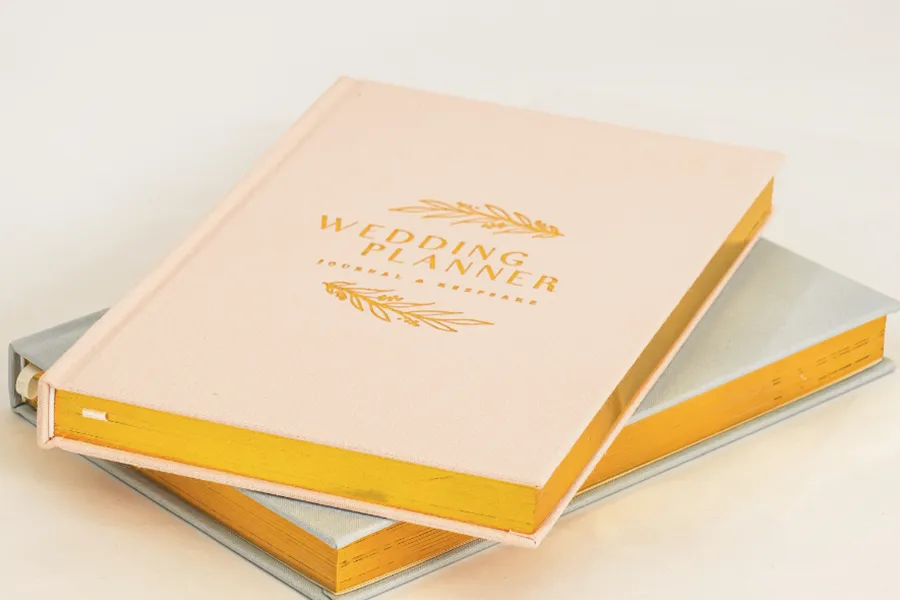
After understanding the benefits, materials, and applications of hardcover books, there are several key factors to consider before starting your printing project. These decisions help ensure the final book meets your quality, budget, and functional requirements.
Book Purpose, Audience, and Usage Requirements
The purpose of a book directly affects its format, design direction, and production requirements. A hardcover book for daily reading may need different specifications from a premium publication designed for presentation or collection.
Before starting production, consider how readers will interact with the book:
- Reading Frequency: Books used regularly, such as children’s books or educational materials, require stronger structures to handle repeated use.
- Target Audience: Different readers have different expectations for appearance, comfort, and durability.
- Book Purpose: Corporate publications, gift books, and collector editions often focus more on premium presentation and brand value.
Understanding these factors helps determine the right balance between visual appeal, durability, and production cost. A well-planned hardcover book should not only look impressive but also provide a suitable experience for its intended readers.
Book Size, Page Count, and Paper Selection
The physical specifications of a hardcover book influence both production quality and overall performance. Size, page count, and paper selection work together to determine the book’s weight, handling experience, and printing requirements.
Important specifications to evaluate include:
| Specification | Impact on Hardcover Book Printing |
|---|---|
| Trim Size | Determines the overall appearance, reading comfort, and packaging requirements of the finished book. |
| Page Count | Affects book thickness, binding requirements, and the final production cost. |
| Paper Weight | Influences the book’s feel, durability, and suitability for different content types. |
| Color Printing Requirements | Determines print quality and is especially important for image-focused publications. |
For example, a large photo book may require careful planning to maintain a balance between image quality and overall weight. A smaller hardcover novel may focus more on comfortable reading and efficient production.
Selecting the right specifications ensures that the final product delivers a consistent reading experience while meeting practical production requirements.
Printing Quantity, Budget, and Customization Options
Production planning also plays an important role in hardcover book projects. The order quantity, customization level, and budget all influence the most suitable production approach.
When preparing a printing plan, businesses should evaluate:
- Printing Quantity: Larger quantities usually improve cost efficiency, while smaller orders may require more flexible solutions.
- Customization Level: Special finishes and premium options can increase the book’s value but may affect production costs.
- Total Project Budget: Material choices, finishing details, packaging, and shipping should be considered together.
Customization options such as foil stamping, embossed covers, and specialty finishes allow businesses to create unique hardcover books that stand out in the market. However, each additional feature should support the book’s purpose rather than increase costs without clear value.
Working with an experienced hardcover book printing partner helps publishers and businesses find the right balance between quality, customization, and budget efficiency.
Which Books Are Suitable for Hardcover Printing?
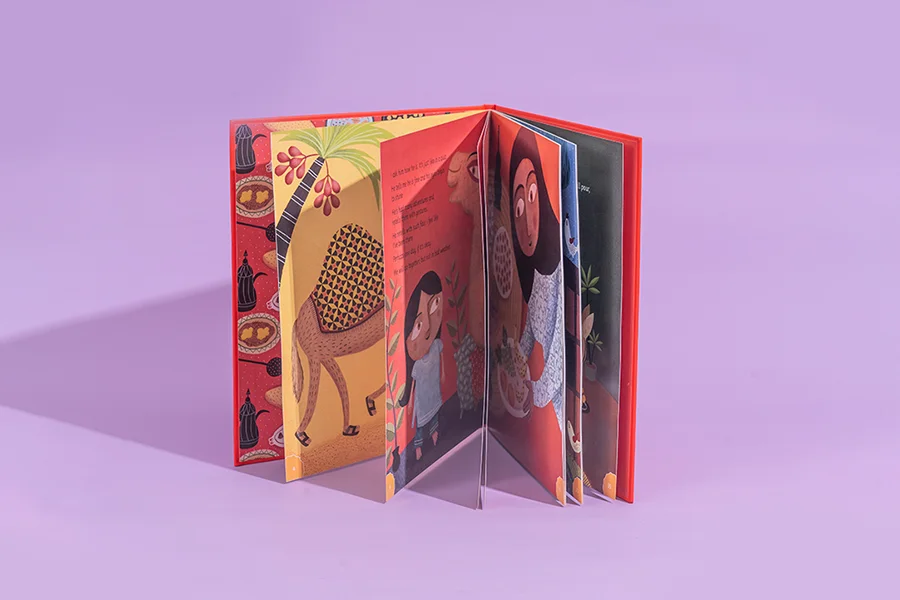
Hardcover printing is suitable for publications where durability, presentation, and lasting value matter. Different book types require different formats to meet their purpose, audience, and usage needs.
Children’s Books
Young readers often handle books frequently, making durability and easy maintenance important factors for this category.
- Durability: Rigid covers help protect pages from bending, tearing, and regular wear.
- Safety and Usability: A stronger structure makes the book easier for children to hold and use.
- Long-Term Value: Durable construction helps children’s books stay in good condition for extended periods.
Photo Books and Art Books
High-quality images and visual content require a format that can enhance presentation while protecting printed pages.
- Premium Presentation: A strong cover structure complements professional photography and artwork.
- Better Protection: Durable materials help preserve printed pages and specialty papers.
- Collectible Appeal: Premium finishes and materials increase the value of limited or special editions.
Corporate Books and Annual Reports
Companies often need professional publications to communicate brand stories, achievements, and important information.
- Brand Image: A premium book design strengthens corporate identity and improves business presentation.
- Professional Communication: High-quality publications support client meetings, events, and company milestones.
- Long-Term Reference: Durable construction allows valuable business information to be preserved.
Educational Books and Reference Publications
Books used in classrooms, libraries, and professional environments need reliable structures that support repeated use.
- Frequent Handling: Strong covers provide better protection during regular reading and reference.
- Extended Lifespan: Durable binding helps books maintain quality over years of use.
- Professional Quality: A hardcover format adds credibility to educational materials.
Collector Editions and Premium Publications
Limited releases and special publications often focus on creating a valuable product that readers want to keep.
- Exclusive Design: Custom covers and finishing options create a distinctive appearance.
- Higher Value: Premium materials improve the perceived quality of collectible books.
- Long-Term Preservation: Strong construction helps protect important publications for years.
Cookbooks
Recipes combined with food photography create publications that benefit from both practical durability and premium presentation.
- Frequent Use: Strong covers help protect books that are regularly opened and handled during cooking.
- Visual Quality: Hardcover structures provide a premium platform for food photography and detailed recipes.
- Gift Appeal: High-quality materials and finishing options make cookbooks suitable for personal collections and premium gifts.
If you want to understand this in more detail, you can also read our guide on Hardcover Cookbook Printing Guide.
For publishers, brands, and businesses, hardcover books are more than reading materials. They are premium products that communicate quality, strengthen brand value, and create a lasting connection with readers.
Hardcover Books vs Paperback Books: Key Differences
Understanding their differences helps publishers, brands, and businesses select the right format based on goals, budget, and reader expectations.
Differences in Durability, Cost, and Appearance
The main differences between hardcover and paperback books come from their structure, production process, and intended use. Hardcover books focus on long-term value and premium presentation, while paperback books provide a more flexible and cost-efficient option.
| Feature | Hardcover Books | Paperback Books |
|---|---|---|
| Cover Structure | Uses a rigid board cover that provides stronger protection for long-term use. | Uses a flexible paper cover that offers lightweight handling and easier transportation. |
| Durability | Suitable for books that require a longer lifespan and frequent handling. | Better suited for general reading and short-term use. |
| Appearance | Creates a premium appearance suitable for professional and special publications. | Provides a simple and practical format for everyday publishing. |
| Production Cost | Requires higher investment due to stronger materials and additional production steps. | Offers a more affordable solution for large-volume printing. |
| Weight | Heavier structure provides better protection but increases shipping weight. | Lighter design makes distribution and transportation easier. |
| Customization | Supports more finishing options for premium and customized designs. | Provides fewer finishing options but works well for standard publications. |
In general, hardcover books work better for projects that require durability, premium presentation, and long-term value. Paperback books are often preferred when affordability, portability, and efficient distribution are the main priorities.
When Should You Choose Hardcover Over Paperback?
The right format depends on the purpose of the publication and the experience you want to create for readers.
A hardcover book is usually a better choice when:
- Long-Term Preservation: The book needs to maintain its quality for years, such as collector editions, reference books, or professional publications.
- Brand Presentation: The publication represents a company, organization, or premium product that requires a stronger visual impact.
- Premium Reader Experience: The book is designed as a gift, special edition, or high-value publication.
A paperback book may be more suitable when:
- Cost Efficiency: The project requires a lower production cost or a larger printing quantity.
- Easy Distribution: Lightweight books are preferred for shipping, retail sales, or international distribution.
- Practical Reading: The publication focuses on accessibility and everyday use rather than long-term preservation.
For publishers and businesses, the best choice depends on the role of the book in the market. A hardcover format can create stronger perceived value, while a paperback format can provide greater flexibility for cost-sensitive projects.
You can read this article to learn more about book binding methods: Difference Between Board Book vs Hardcover vs Paperback
Final Thoughts
A well-designed hardcover book can deliver long-term value through quality materials, reliable construction, and a premium reading experience. For publishers, brands, and organizations, hardcover book printing offers a professional way to create publications that reflect quality and build lasting impressions.
Xinyi Print provides custom hardcover book printing solutions with flexible formats, material options, and finishing services. We work with global customers to create durable, high-quality books that match their brand goals and publishing requirements.
Frequently Asked Questions
How long do hardcover books last?
A well-made hardcover book typically lasts 40–60 years under normal home or library conditions. With archival-quality materials like acid-free paper and proper storage, they can last for 100 years or more. This is generally two to three times longer than the lifespan of a typical paperback.
How long does it take to print custom hardcover books?
The production time for custom hardcover books depends on factors such as book size, page count, materials, finishing options, and order quantity. Projects with complex designs or special finishes may require additional time. Working with an experienced hardcover book printing supplier helps ensure efficient production from proof approval to final delivery.
What customization options are available for hardcover book printing?
Custom hardcover books can be personalized through different cover materials, paper options, binding methods, and finishing techniques. Common options include custom cover designs, foil stamping, embossing, special textures, and unique book formats. These customization choices help publishers and businesses create books that match their brand identity and project goals.
What factors affect the cost of hardcover book printing?
The cost of hardcover book printing depends on several factors, including book specifications, material selection, printing quantity, binding method, and customization requirements. Premium materials and special finishes may increase the overall cost, while larger production volumes usually improve cost efficiency. A detailed project evaluation helps achieve the right balance between quality and budget.
“I picked up a book that looked similar to mine — same genre, similar page count, same shelf at Barnes & Noble. But side by side, something felt off. Mine looked almost homemade.” Why does this phenomenon occur? The problem wasn’t the story or the hardcover design. It was the hardcover book dimension.
When placed next to traditionally published hardcovers, many indie books immediately looked different. The proportions felt awkward. The spine didn’t sit right. Some used trim sizes rarely seen in bookstores, making the book stand out in the wrong way.
And that’s the reality of hardcover publishing: Readers judge the book before they read it.
The dimension, thickness, and proportions of a hardcover instantly affect how professional it looks on a shelf. Even a beautifully designed book can feel out of place if the dimensions are wrong.
In this guide, we break down everything you need to know about hardcover book dimensions, from standard hardcover sizes to a step‑by‑step cover calculation formula, plus a reliable method to estimate spine thickness before printing.
Quick Reference Table: Standard Hardcover Sizes
Below are the most common trim sizes (the finished book block size). These dimensions will help you communicate clearly with any professional printer.
| Hardcover Book Type | Trim Size (inches) | Trim Size (mm) | Typical Use Cases |
| Trade Hardcover | 6″ × 9″ | 152 × 229 | Novels, memoirs, business books |
| Compact / Digest Hardcover | 5.5″ × 8.5″ | 140 × 216 | Pocket-sized gift books, poetry, and small devotional books |
| US Letter Hardcover | 8.5″ × 11″ | 216 × 280 | Textbooks, manuals, reports |
| A5 Hardcover | 5.8″ × 8.3″ | 148 × 210 | Journals, planners, notebooks |
| B5 Hardcover | 6.9″ × 9.8″ | 176 × 250 | Textbooks, technical guides |
| Comic Hardcover | 6.625″ × 10.25″ | 168 × 260 | Graphic novels, comics |
| Pocket Hardcover | 4.25″ × 6.87″ | 108 × 175 | Pocket novels, travel books |
| Royal Hardcover | 6.14″ × 9.21″ | 156 × 234 | Academic and non-fiction books |
| Square Children’s Book | 8″ × 8″ | 203 × 203 | Children’s picture books |
| Landscape Hardcover | 10″ × 8″ | 254 × 203 | Photography and art books |
If you are targeting the US market, 6″×9″ is by far the most popular choice for fiction and general non‑fiction. For the UK and European markets, Royal and Demy remain strong contenders.
How Hardcover Book Dimensions Are Calculated
When printing a hardcover book, the trim size alone is not enough to create the final cover layout. It needs to calculate: Spine width, Trim size, Overhang, and case cover size. These measurements work together to determine the full hardcover case dimensions.
| Dimension | Description | Example (6″×9″ trim, 0.7″ spine) |
| Trim Size (book block) | The width and height of the pages after binding and trimming. This is what the reader sees when the book is closed, excluding the cover. | 6″ × 9″ |
| Case Cover Size | The outer dimensions of the rigid hardcover case (board + covering material). It is always larger than the trim size to protect the pages. | ≈ 6.25″ × 9.25″ |
| Overhang | The amount the hardcover case extends beyond the trimmed pages on each side. | ≈ 0.125″ per side |
| Spine Width | The thickness of the book’s backbone, determined by page count and paper thickness. | ≈ 6.25″ × 9.25″ |
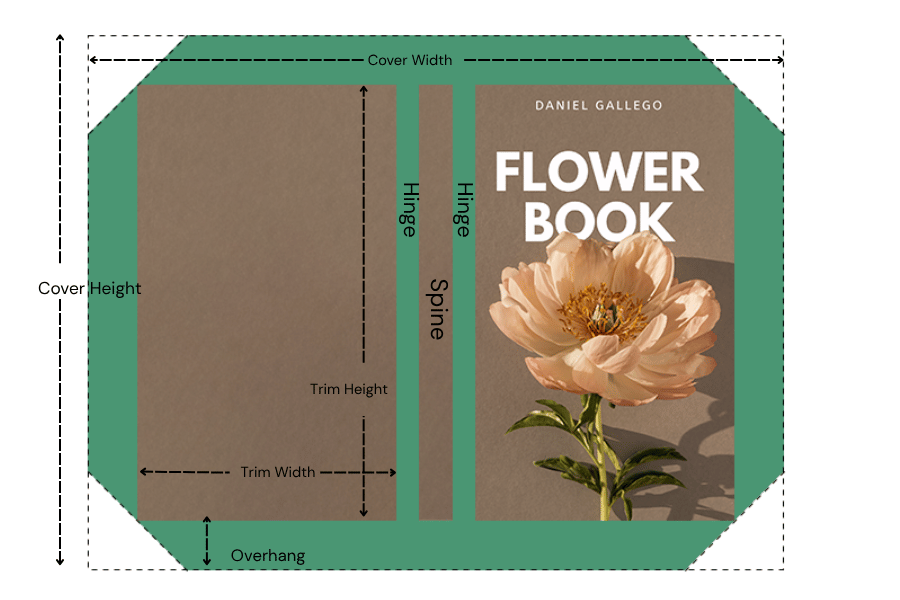
Hardcover Book Dimensions vs Trim Size
Before designing your hardcover artwork, it’s important to calculate the full case cover dimensions correctly. This ensures the spine, wrap, and cover elements align properly during printing and binding. Below are the standard formulas printers use to determine final hardcover cover measurements.
- Case Cover Width = (Trim Width × 2) + Spine Width + (Left Overhang + Right Overhang)
- Case Cover Height = Trim Height + (Top Overhang + Bottom Overhang)
The overhang size typically increases as the book becomes thicker. Larger hardcover books require a wider case extension to better protect the inner pages and maintain balanced proportions on the shelf.
As a general guideline:
- Hardcover books under 400 pages usually use an overhang of around 0.125″ (3 mm) on each open side.
- Books between 400 and 800 pages often require a slightly larger overhang of approximately 0.1875″ (4.5 mm).
- Very thick hardcovers over 800 pages may use an overhang of 0.25″ (6 mm) or more, depending on the binding structure and board thickness.
Because spine construction, paper type, and binding style can all affect the final case dimensions, it’s always recommended to confirm the exact overhang specifications with your printer before production begins.
Example (US Trade 6″×9″, 300 pages)
Let’s assume:
- Trim size: 6″ wide × 9″ high
- Spine width (estimated): 0.7″ (see Section 4 for calculation)
- Overhang: 0.125″ on each side
Case Cover Width
= (6″ × 2) + 0.7″ + 0.125″ + 0.125″
= 12″ + 0.7″ + 0.25″
= 12.95″
Case Cover Height
= 9″ + 0.125″ + 0.125″
= 9.25″
So your final case cover size is 12.95″ wide × 9.25″ high.
This is the dimension you should use for your cover artwork’s trim size (before adding bleed).
Hardcover Overhang Recommendations
The amount of hardcover overhang typically increases as the book becomes thicker. Larger and heavier books often require a slightly wider case extension to improve durability, protect page edges, and maintain balanced proportions.
As a general production guideline:
| Book Thickness (pages) | Recommended Overhang |
| Up to 400 pages | Around 0.125″ (3 mm) |
| 400–800 pages | Around 0.1875″ (4.5 mm) |
| Over 800 pages | Around 0.25″ (6 mm), depending on binding structure |
Actual overhang dimensions may vary depending on the hardcover binding style, board thickness, and printer production standards.
How Spine Width Affects Hardcover Dimensions
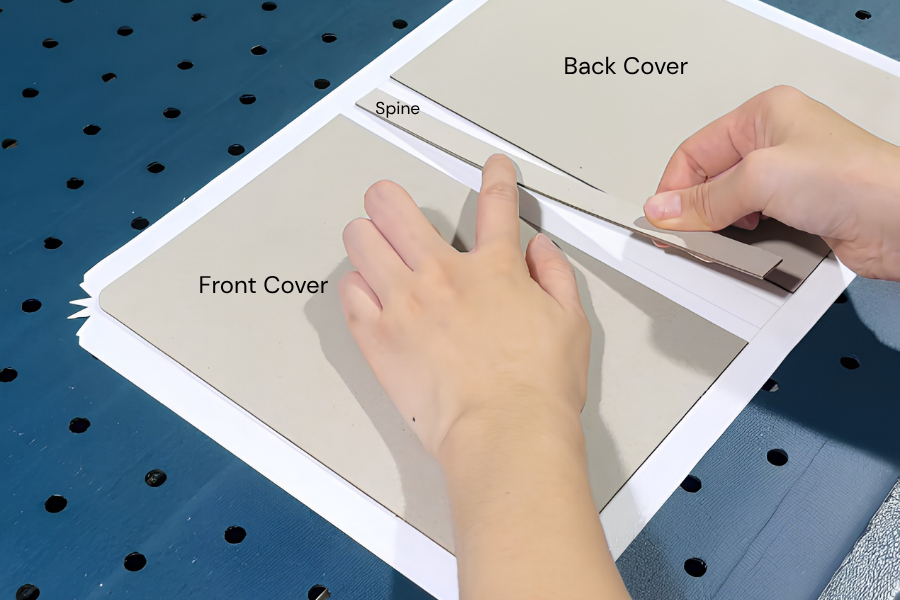
Estimating spine thickness accurately is essential for hardcover size – especially if the spine includes text or a graphic. Since you won’t have a printed book block before the cover is designed, use the following method.
- Spine Thickness (mm) = (Total Pages ÷ 2) × Paper Thickness (mm per sheet)
Paper Thickness Reference Table
| Paper Type | GSM | Thickness per sheet (mm) | Thickness per sheet (inches) |
| Coated matte/gloss Paper | 80 | 0.10 | 0.0040 |
| Uncoated offset (premium) Paper | 100 | 0.12 | 0.0047 |
| Coated matte/gloss Paper | 128 | 0.11 | 0.0043 |
| Coated matte/gloss Paper | 157 | 0.14 | 0.0055 |
| Coated matte/gloss Ppaer | 200 | 0.18 | 0.0071 |
Example Calculation
Scenario:
- 300 pages
- 80 gsm uncoated paper (0.10 mm per sheet)
Spine thickness = (300 ÷ 2) × 0.10 mm = 150 × 0.10 = 15.0 mm (approx. 0.59″)
How Binding Styles Affect Hardcover Size?
Different hardcover binding styles can slightly change the final cover dimensions.
- Square-back hardcovers use the standard calculation formula directly.
- Rounded-spine hardcovers usually require a slightly wider spine allowance to account for the curved shape.
- Dust jackets are printed slightly larger than the hardcover case to allow for wrapping and folding around the boards.
Because the binding structure affects the final measurements, it’s always best to confirm the exact cover template with your printer before finalizing the artwork.
Real Hardcover Books We’ve Printed
Not just calculations — real books, real dimensions, real results. Below are a few hardcover titles we’ve manufactured for publishers, independent authors, and brands across North America and Europe.
Alice’s Adventures in Wonderland
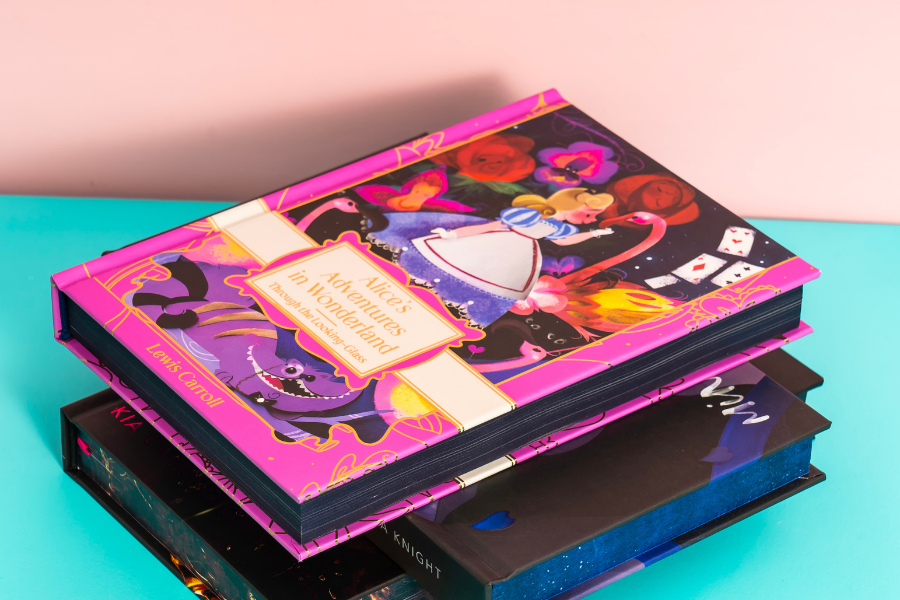
The example above showcases a large-format hardcover book designed for a premium visual presentation. Based on client requirements, this version’s specifications are as follows:
- Finished Size: 8 inches × 10 inches
- Binding: Hardcover (square spine)
- Estimated Spine Width: 20 mm
- Cover Style: Grey cardboard cover with printed paper overlay
- Surface Finish: Matte lamination, spot color printing
- Inner Page Style: Black border printing/dark page edges
This size of hardcover book is commonly used for:
- Children’s picture books
- Collector’s editions
- Premium gift books
- Art and fantasy publications
The larger size of hardcover books makes them more visually striking on bookshelves, attracting children’s attention, while the thick square spine gives the book a more upscale, traditional publishing feel, enhancing its display value on bookshelves or retail counters.
Learning My Body Parts with Gygy
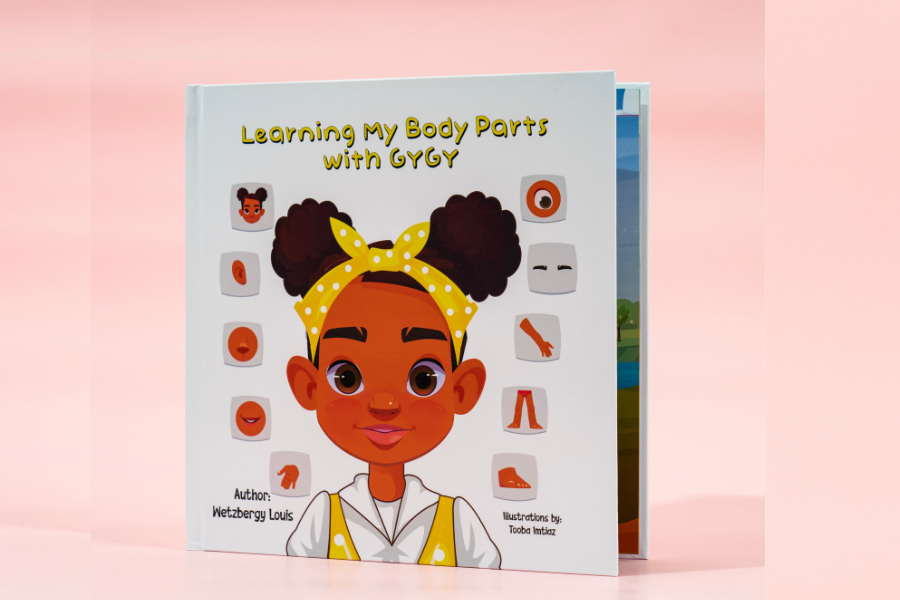
Based on the proportions, this book uses a vertical children’s format. This Hardcover book specifications are as follows:
- Trim Size: 8.5″ × 11″
- Binding Type: Casebound hardcover with square spine
- Cover Material: Printed art paper mounted on greyboard
- Finishing: Matte lamination for a soft, durable surface
- Board Thickness: Medium-weight hardcover board for child-friendly durability
This size is commonly used for educational children’s books because it creates a better balance between readability, illustration space, and page interaction. For children’s hardcover books, A larger trim size allows:
- Bigger illustrations and clearer typography
- More comfortable page layouts for young readers
- Better visibility during classroom or parent-child reading
- Stronger shelf appeal in bookstores and educational markets
You can also notice the relatively wide front cover proportions and thick hardcover boards, which help the book feel durable and premium while protecting the inner pages from bending or damage. That’s why publishers typically use larger hardcover trim sizes for picture books, educational books, and interactive learning titles like this one.
Final Thoughts
Because every project is different, we recommend that users calculate the size of the hardcover book based on the number of pages, paper thickness, binding method, and intended market use before production begins.
If you’re planning a custom hardcover project and need help determining the correct trim size, spine width, or cover layout, our team can help provide production recommendations and print-ready hardcover templates for your project.
A well-designed hardcover cookbook achieves a careful balance between clear information delivery and visual appetite appeal. It must combine functionality, aesthetic excellence, and brand consistency to create a memorable user experience. A successful hardcover cookbook is built on three essential elements: high-quality visual presentation, durable and flexible binding, and an appropriately chosen size and format. Premium image printing ensures that every dish is reproduced with accurate color, rich detail, and realistic texture, while precise layout and professional binding guarantee smooth page flow and long-term structural stability. At the same time, the right dimensions and thoughtful design details enhance usability in real kitchen environments. When these elements work together, the result is a hardcover cookbook that not only attracts attention visually but also reflects superior craftsmanship, durability, and brand value.
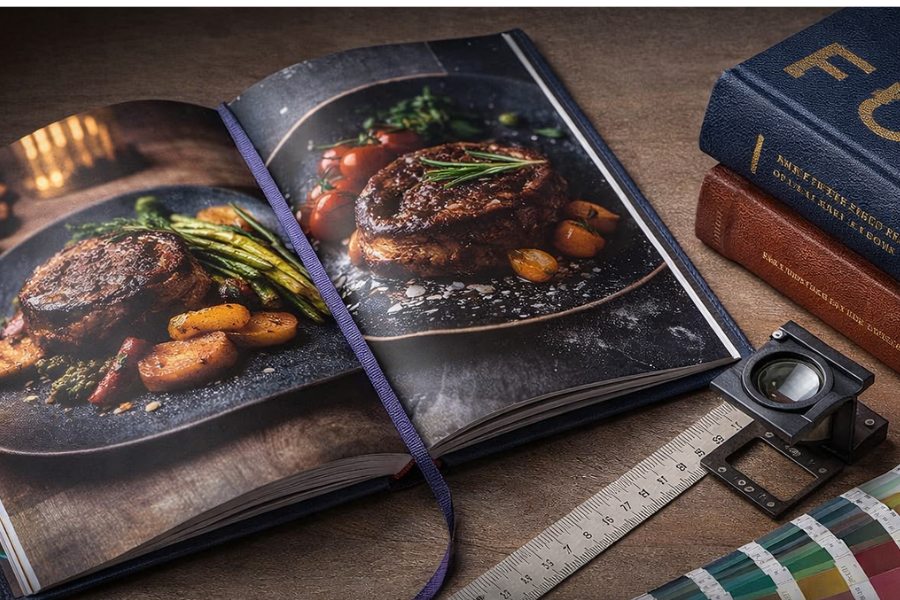
How Food Photography Becomes the Soul of a Hardcover Cookbook
Food photography is the emotional and visual centerpiece of any successful hardcover cookbook. The ability to accurately present color, texture, and freshness directly determines how appealing the dishes appear to readers. High-quality printing ensures that every image communicates an appealing appeal while reinforcing the overall brand identity. In professional hardcover cookbook production, visual presentation is not only about aesthetics. It is a strategic combination of paper selection, color management, finishing techniques, and precise layout planning.
Paper selection is the first critical factor affecting image quality. Coated papers, such as gloss art paper and matte art paper, are widely preferred in hardcover cookbook printing because their smooth coated surface prevents excessive ink absorption. This allows ink to remain on the surface, maximizing color saturation, sharpness, and detail. In contrast, uncoated offset paper absorbs more ink, often causing colors to appear dull or gray. Gloss art paper enhances vibrancy and contrast, making dishes look more vivid and fresh, while matte art paper reduces glare and creates a more refined, premium appearance. After printing, finishes such as gloss lamination or UV coating can further enhance brightness and saturation, whereas matte lamination or matte varnish provides a softer, more elegant look, ideal for brands seeking a sophisticated visual tone.
Professional color management is equally essential to achieving consistent and accurate results. All food images should maintain a minimum resolution of 300 DPI to ensure sharp reproduction in print. Color also plays a functional and psychological role in hardcover cookbook design. Warm tones such as red, orange, and yellow naturally stimulate appetite and draw attention, while neutral tones create visual balance and improve readability. The primary color palette should align with the restaurant or brand identity to strengthen brand recognition, secondary colors can help organize content sections, and accent colors highlight signature dishes or seasonal specialties. To maintain visual harmony, a well-designed hardcover cookbook typically limits its palette to two or three core colors, using variations in brightness and saturation to create depth without overwhelming the reader.
Before mass production, professional color proofing and sampling are essential to ensure accurate color reproduction. This process allows designers and manufacturers to verify color accuracy, detect potential shifts, and make adjustments before full-scale printing begins. Proper proofing ensures that the final hardcover cookbook faithfully reproduces the natural tones, freshness, and visual appeal of the food, while minimizing costly production errors and revisions.
Surface finishing techniques further enhance the visual impact and perceived value of a hardcover cookbook. Processes such as spot UV, foil stamping, embossing, and soft-touch lamination can highlight key design elements, create visual hierarchy, and elevate the tactile experience. These finishing details not only improve durability but also reinforce the premium positioning of the cookbook and the brand it represents.
Finally, layout structure must be carefully planned to work in harmony with printing and binding requirements. Signature dishes are often presented using full-bleed or double-page spreads to maximize visual impact, while supporting dishes are arranged in structured multi-image layouts to maintain balance and readability. This approach ensures smooth page flow, structural stability, and an engaging reading experience throughout the hardcover cookbook.
As a professional printing manufacturer, we implement a rigorous prepress review, color calibration, and proofing process to ensure every hardcover cookbook achieves the highest standards of visual accuracy, durability, and production efficiency. By carefully coordinating paper selection, color control, finishing techniques, and layout optimization, we help clients produce hardcover cookbooks that combine exceptional visual appeal with long-term performance and strong brand value.
Why Cover Materials and Binding Determine the Durability of a Hardcover Cookbook
The materials and structural design of a hardcover cookbook play a decisive role in defining its overall quality, durability, and visual identity. The cover material, in particular, sets the tone for the entire book and directly influences how readers perceive the brand. Options such as linen-textured cloth, leatherette, or specialty paper covers can instantly communicate sophistication and craftsmanship, while protective finishes like lamination or soft-touch coating enhance both tactile comfort and resistance to wear. These material choices not only improve longevity but also elevate the perceived value of the hardcover cookbook.
| Material Type | Key Features | Best For | Considerations |
| Cloth / Linen Cover | Natural texture, soft visual tone, refined woven surface | Fine dining restaurants, organic cafés, wine bars, boutique restaurants | Can absorb stains more easily; consider stain-resistant coating or darker colors |
| Specialty Paper Cover | Unique textures (embossed, bamboo, tactile finishes), strong design identity | Modern restaurants, dessert shops, coffee houses, design-focused brands | Always review physical samples before final selection to ensure brand alignment |
| Pearl or Metallic Paper Cover | Subtle shimmer, elegant light reflection | Upscale contemporary restaurants, luxury dining concepts | Upscale contemporary restaurants, luxury dining concepts |
| PU Leather Cover (Synthetic Leather) | Durable, cost-effective, easy to clean, wide color options | Steakhouses, hotel restaurants, high-traffic dining environments | Durable, cost-effective, easy to clean, and wide color options |
| Genuine Leather Cover | Natural grain, develops character over time, luxury positioning | Michelin-level restaurants, private clubs, heritage brands | Higher cost; best paired with foil stamping or embossing |
| PVC / Waterproof Cover | Water-resistant, easy to maintain, vibrant color options | Casual dining, seafood restaurants, family restaurants | Less premium feel compared to cloth or leather |
Beyond the surface, the internal structure and binding method are equally critical. A properly constructed hardcover uses high-density greyboard to provide rigidity and structural integrity, ensuring the book maintains its shape even with frequent handling. Professional mounting and wrapping techniques further enhance durability and create clean, refined edges. Among all binding methods, Smyth-sewn binding combined with hardcover construction is considered the gold standard for hardcover cookbook printing. This method significantly improves strength while allowing the book to lay flat naturally, making it easier for readers to follow recipes and view full-page food photography without obstruction. This lay-flat capability is especially important for cookbooks, which are often used in active kitchen environments.
Attention to finishing details further strengthens both visual appeal and brand recognition. Techniques such as foil stamping, embossing, debossing, and spot UV can highlight logos, titles, or key design elements, creating visual contrast and tactile depth. These enhancements not only improve aesthetics but also communicate professionalism and premium positioning to the end user.
Ultimately, the coordination of cover materials, structural design, binding techniques, and finishing processes determines the durability, usability, and market perception of a hardcover cookbook. By carefully selecting the right combination of materials and binding methods, publishers and brands can create hardcover cookbooks that deliver exceptional visual impact, superior durability, and a lasting impression of quality.
How to Choose the Right Size and Detail Features for a Hardcover Cookbook
Selecting the appropriate size and incorporating thoughtful design details are essential steps in creating a hardcover cookbook or restaurant menu that is both functional and memorable. The right format improves readability, enhances usability, and reinforces the restaurant’s brand image, while carefully chosen finishing details can elevate the overall dining experience without significantly increasing production costs.
Standard Sizes for Hardcover Cookbooks and Restaurant Menus
The size of a hardcover cookbook or menu should be determined by the amount of content, dining environment, and user convenience.
A4 Size (210 × 297 mm)
This is the most widely used and versatile size for restaurant menus and hardcover cookbooks. It provides ample space to clearly organize appetizers, main courses, desserts, and beverages without overcrowding the layout. A4 is ideal for dine-in restaurants, fine dining establishments, and premium cookbook presentations. For enhanced durability, lamination or protective coatings are commonly applied to extend lifespan and maintain visual quality.
A5 Size (148 × 210 mm)
A5 offers a more compact and portable format, making it perfect for cafés, small restaurants, tasting menus, or limited-item hardcover cookbooks. This size creates a cleaner and more intimate reading experience, encouraging customers to engage more comfortably with the content. It is especially suitable when simplicity and portability are priorities.
DL Size (99 × 210 mm)
This slim, vertical format creates a modern and elegant appearance. It is often used for drink menus, dessert menus, wine lists, or specialty selections. The unique proportions help create visual distinction and work particularly well in bars, lounges, and contemporary restaurant environments.
Detail Enhancements That Elevate the Hardcover Cookbook Experience
A truly memorable hardcover cookbook or menu often stands out because of subtle yet thoughtful design features. These enhancements not only improve visual appeal and tactile quality but also influence customer engagement and reinforce brand identity.
Spot UV for Visual Emphasis
Spot UV coating can be applied to specific elements such as food photography, logos, or key dish names. This technique creates a subtle gloss contrast that highlights textures like the shine of a steak, the surface of a beverage, or rising steam from a dish. The result is increased visual depth and improved appetite appeal, especially under changing lighting conditions.
Die-Cut Cover Design
A die-cut window on the hardcover allows selected artwork, logos, or featured dishes to be partially revealed. This layered visual effect adds sophistication, creates curiosity, and enhances the perceived design value of the hardcover cookbook.
Ribbon Bookmarks for Convenience and Premium Appeal
Integrated ribbon bookmarks provide both functional and aesthetic benefits. They allow readers to easily mark favorite recipes or sections while reinforcing the premium positioning of the hardcover cookbook. This small detail enhances usability and adds a refined finishing touch.
Fluorescent or Glow-in-the-Dark Ink for Low-Light Environments
For restaurants with dim lighting, such as bars or fine dining venues, fluorescent or glow-in-the-dark printing can improve readability while adding a distinctive and memorable visual effect. This feature enhances usability while contributing to a unique brand experience.
Custom Inner Pages for Brand Storytelling
The inside cover or opening pages can feature a welcome message, brand story, or chef’s recommendations. These elements help establish an emotional connection with readers and strengthen brand identity from the very first interaction.
Interactive and Specialty Design Elements
Creative features such as illustrated sections, themed layouts, or interactive elements can make the hardcover cookbook more engaging and memorable. These thoughtful details enhance the user experience and differentiate the brand in a competitive market.
Display Supports and Presentation Accessories
Custom-designed holders or display stands, such as wood or acrylic supports, can enhance presentation while protecting the hardcover cookbook during use. Proper presentation reinforces the premium image and improves overall usability in restaurant environments.
Strategic Considerations for Size and Detail Selection
Choosing the right size and design details should balance three key factors: usability, brand positioning, and production efficiency. Larger formats provide stronger visual impact, while smaller formats improve portability and convenience. Carefully selected finishing details can significantly enhance perceived value and customer engagement without substantially increasing production costs.
When size, structure, and finishing details are strategically combined, the final hardcover cookbook becomes more than just an informational tool—it becomes a powerful extension of the restaurant’s brand, delivering both functional performance and lasting visual impression.
Conclusion: Professional Printing Defines the True Value of a Hardcover Cookbook
The quality of a hardcover cookbook ultimately depends on the professionalism of the printing process and the careful selection of materials and finishing techniques. Beyond visual design alone, ensuring sharp image clarity and accurate color reproduction is the most critical factor in elevating the perceived quality of the final product. High-quality paper combined with precise printing allows food textures, colors, and details to be presented authentically, making the hardcover cookbook more visually appealing, credible, and engaging for readers.
Equally important is the practicality and durability of the structural design and binding method. Appropriate paper weight and professional binding not only improve the reading experience but also ensure long-term stability in high-frequency usage environments such as restaurants and commercial kitchens. Consistent color management and strict printing control further guarantee visual consistency throughout the hardcover cookbook, strengthening brand identity and maintaining a cohesive, professional appearance.
Ultimately, a well-produced hardcover cookbook is more than a simple presentation tool—it is a powerful extension of the restaurant’s brand. Superior printing quality, carefully selected materials, and refined finishing details continuously communicate professionalism and craftsmanship with every interaction. This enhances customer perception, builds trust, and elevates the overall dining experience, reinforcing the restaurant’s brand value long after the first impression.